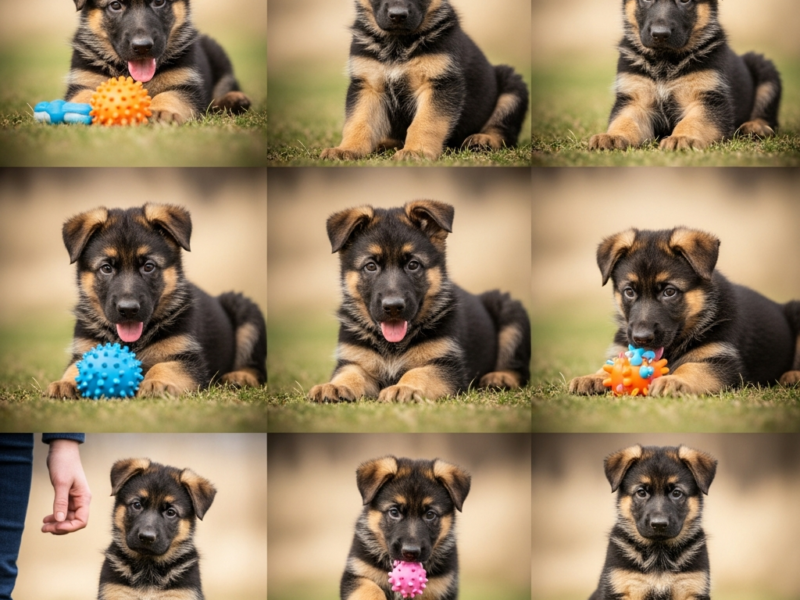
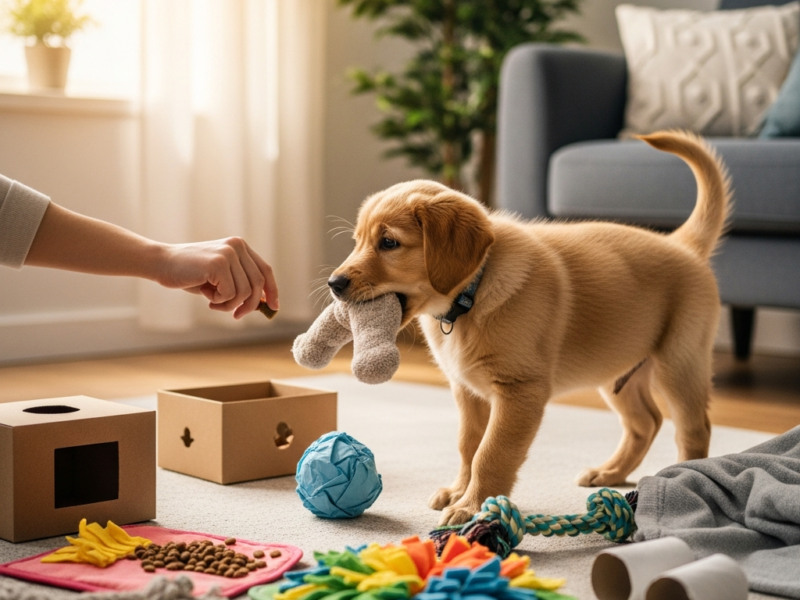
Bringing home a new puppy is exciting, heartwarming, and sometimes overwhelming. Puppies are adorable bundles of energy, curiosity, and mischief — but they also require guidance, structure, and patience to grow into well-mannered adult dogs. Good training from the beginning builds trust, strengthens your bond, and helps shape your puppy into a confident, happy companion.
Whether you’re a first-time dog parent or refreshing your training knowledge, these 12 essential puppy training tips will help you set your little one up for success.
1. Start Training From Day One
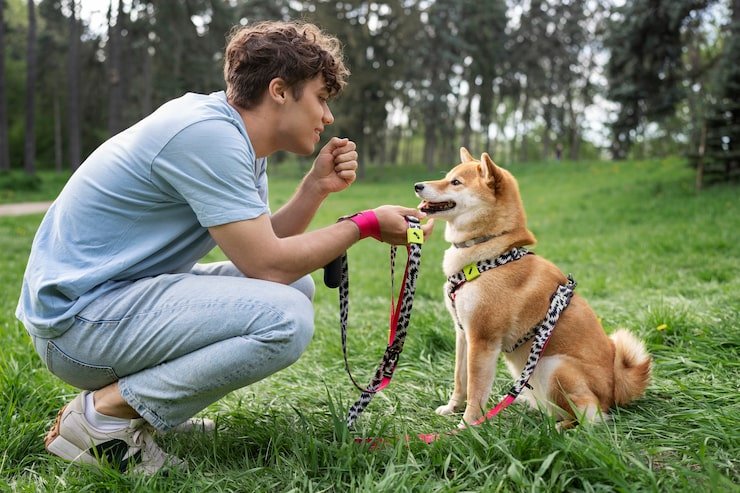
Puppies begin learning the moment they enter your home.
Training early helps:
- Build good habits
- Prevent unwanted behaviors
- Make routines easier
Even simple cues like “sit” or “come” can begin on the first day using positive reinforcement.
2. Use Positive Reinforcement Only
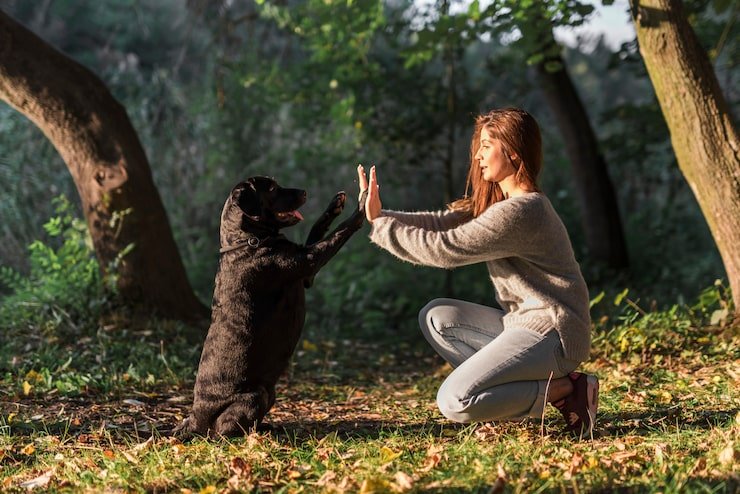
Puppies thrive on encouragement and rewards, not punishment.
Use:
- Treats
- Praise
- Toys
- Gentle affection
Rewarding good behavior motivates puppies to repeat it, while punishment only creates fear and confusion.
3. Keep Training Sessions Short & Fun
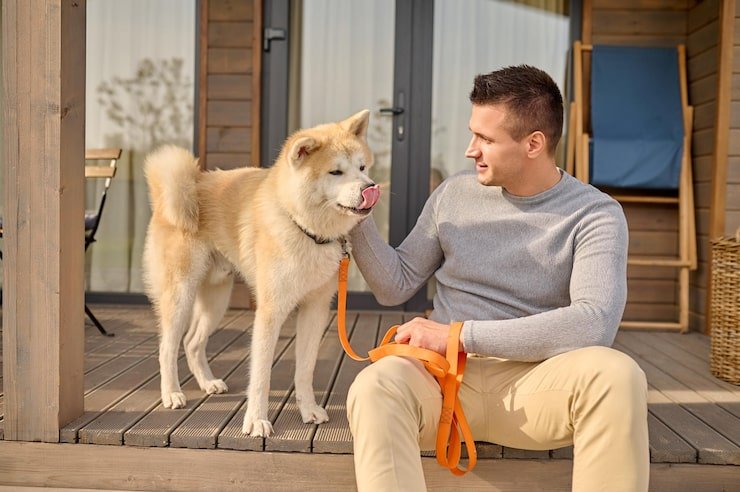
Puppies have short attention spans, so keep sessions:
- 5–10 minutes long
- Light and playful
- Frequent throughout the day
Short, fun lessons help your puppy stay excited and engaged.
4. Establish a Consistent Routine
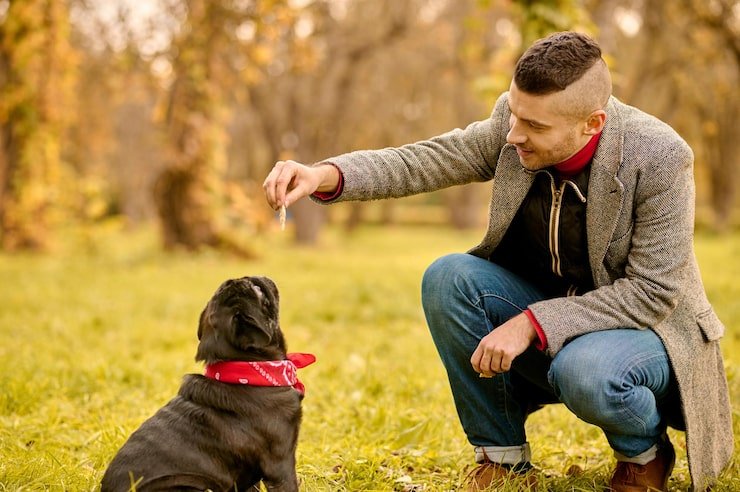
Dogs learn best through repetition and structure.
Include routine for:
- Feeding times
- Potty breaks
- Playtime
- Training sessions
- Bedtime patterns
A predictable routine helps your puppy feel safe and confident.
5. Master Potty Training Early
Housebreaking is one of the first major tasks for new owners.
Potty training success tips:
- Take your puppy out frequently
- Reward immediately after they go outside
- Use a consistent potty spot
- Supervise indoors to prevent accidents
Patience is key — puppies are still learning bladder control.
6. Begin Crate Training Slowly
Crate training gives your puppy a safe, cozy place to relax.
Benefits include:
- Helps with potty training
- Prevents destructive behavior
- Provides a calm sleeping space
- Makes travel easier
Make the crate positive with treats, toys, and encouragement — never use it for punishment.
7. Socialize Your Puppy Early
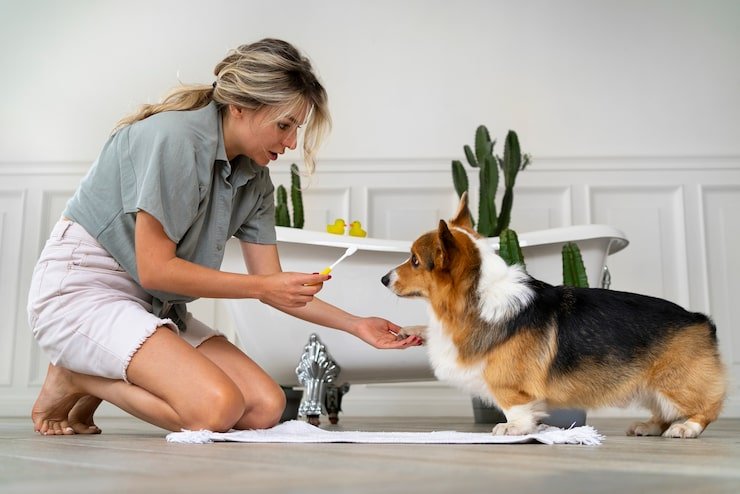
Socialization teaches your puppy to be confident around new experiences.
Expose your puppy to:
- Other dogs
- Kids and adults
- Different environments
- Various sounds and textures
- Grooming and handling
Proper socialization reduces fear, anxiety, and behavior issues later in life.
8. Teach Essential Basic Commands
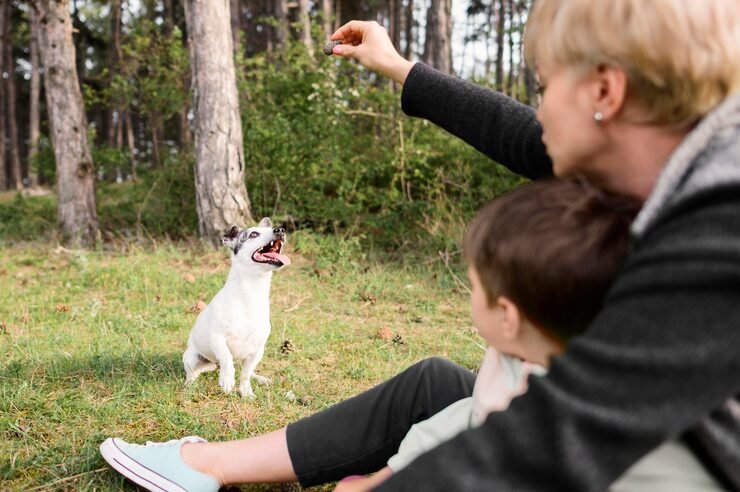
These foundational commands make life easier and safer.
Must-learn cues:
- Sit
- Stay
- Come
- Down
- Leave it
- Drop it
Teaching these early helps prevent dangerous situations and supports good manners.
9. Redirect, Don’t Punish Chewing or Biting
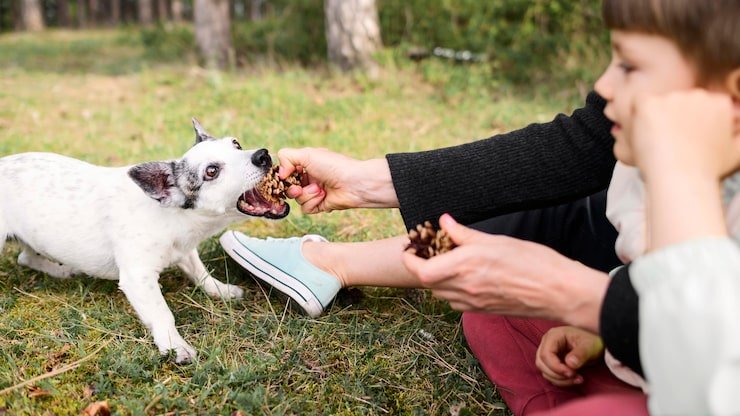
Puppies explore the world with their mouths, so nipping and chewing are normal — but they must be guided gently.
Never yell or punish. Instead:
- Offer chew toys
- Redirect biting to appropriate items
- Use calm “no bite” training
- Praise when your puppy chooses toys instead of hands
Consistency teaches bite control and prevents rough behavior.
10. Build Confidence Through Exposure
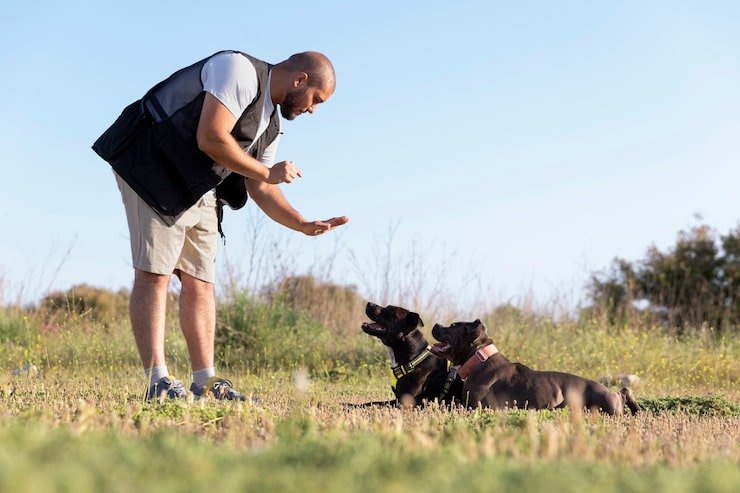
Confident puppies grow into stable adult dogs.
Build confidence with:
- Short car trips
- Walks on different surfaces
- Meeting friendly dogs
- Obedience practice
- Calm exposure to noises like vacuum cleaners
Reward calm behavior to help them adapt smoothly.
11. Prevent Separation Anxiety Early
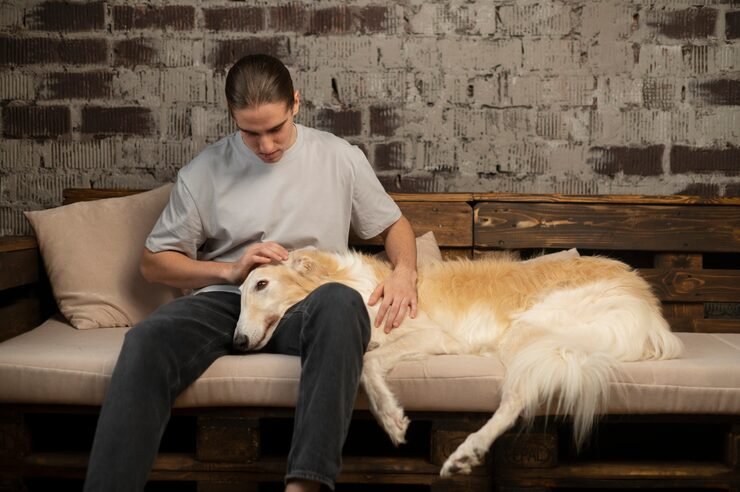
Puppies love being close to their humans, but independence is important too.
Help your puppy adjust by:
- Practicing short alone time
- Avoiding big emotional goodbyes
- Leaving and returning calmly
- Giving puzzle toys during alone time
Gradual independence reduces the risk of future anxiety.
12. Be Patient and Stay Consistent
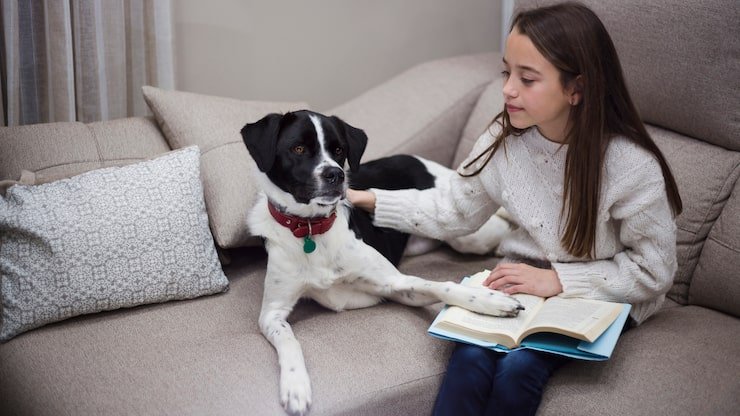
Training isn’t a race — it’s a journey.
Remember:
- Puppies make mistakes
- Learning takes time
- Consistency creates progress
- Calm energy from you keeps your puppy focused
Love, patience, and repetition are the core ingredients of great training.
Bonus Puppy Training Tips for Faster Success
Use High-Value Treats
Reserve your puppy’s favorite treats for new or challenging skills.
Play as a Reward Tool
Puppies love play, so use tug toys or fetch as training motivators.
Handle Your Puppy Daily
Touch their paws, ears, tail, and mouth to prepare them for grooming and vet visits.
Register for Puppy Classes
Puppy classes teach skills, build confidence, and improve socialization.
Celebrate Small Wins
Every successful potty break, calm moment, or new cue is worth cheering for.
Conclusion
Training a puppy takes dedication, patience, and consistency — but the rewards are enormous. By using positive reinforcement, building a healthy routine, socializing early, and teaching foundational skills, you’re setting your puppy up for a lifetime of good behavior and confidence.
With these 12 essential training tips, you’ll help shape your puppy into a well-mannered, loving companion who understands the world around them and trusts you completely. Enjoy the journey — puppyhood goes by quickly, and every training moment strengthens your bond.