
3 Homemade Flea and Tick Remedies Every Dog Owner Should Know
Fleas and ticks are annoying pests that can cause discomfort, skin problems, and even serious health issues for dogs. While there are many commercial treatments available, some dog owners prefer natural, homemade remedies — either to avoid harsh chemicals or to supplement their current flea-control routine. Homemade remedies can be safe and effective when used correctly, especially for mild infestations or prevention.
Before using any natural method, always consider your dog’s age, size, breed, and sensitivity, and consult your veterinarian if your dog has allergies or ongoing skin issues.
Here are 3 homemade flea and tick remedies every dog owner should know, why they work, and how to use them safely.
1. Apple Cider Vinegar Spray (Natural Flea & Tick Repellent)
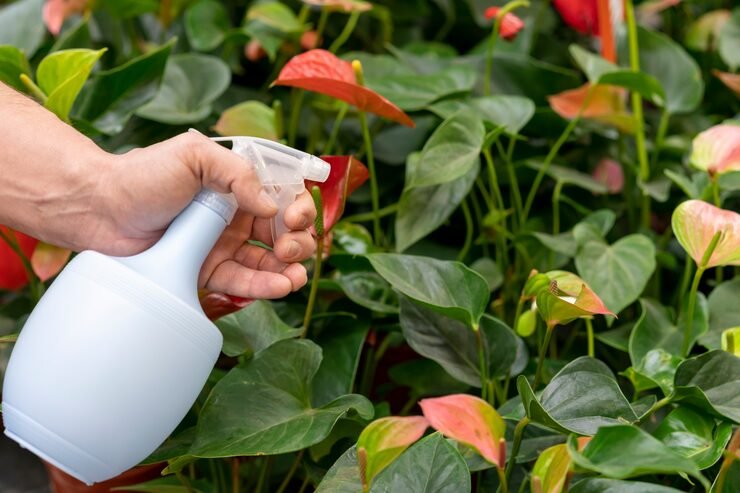
Apple cider vinegar is one of the most popular natural remedies for fleas and ticks. It doesn’t kill fleas instantly, but it helps repel them by balancing your dog’s skin pH and creating an environment insects dislike. The smell also helps deter pests.
How to Make the Spray
You’ll need:
- 1 cup apple cider vinegar
- 1 cup water
- A spray bottle
Instructions
- Mix equal parts vinegar and water.
- Pour into a clean spray bottle.
- Shake well before use.
How to Use It
- Lightly mist your dog’s coat (avoid eyes, nose, and open wounds).
- Brush through the fur for even distribution.
- Apply 2–3 times a week for prevention.
- You can also spray bedding, carpets, and furniture.
Why It Works
Fleas and ticks avoid acidic environments. Apple cider vinegar helps change skin odor just enough to make your dog less attractive to pests.
Important Notes
- Do NOT use undiluted vinegar — it can irritate the skin.
- Stop using if redness, dryness, or itching occurs.
- Do not use on puppies younger than 12 weeks.
2. Lemon & Rosemary Natural Flea Spray (Citrus Herb Repellent)
Lemons contain limonene, a natural compound known to repel fleas. Rosemary adds an extra layer of herbal protection and a pleasant scent, making this a gentle, effective homemade remedy.
How to Make the Lemon-Rosemary Flea Spray
You’ll need:
- 1 whole lemon (thinly sliced)
- 2–3 cups of water
- A handful of fresh rosemary (optional but helpful)
- A pot for boiling
- A spray bottle
Instructions
- Slice the lemon thinly.
- Place lemon and rosemary in a pot and add water.
- Bring to a boil, then turn off heat.
- Let the mixture steep overnight.
- Strain the liquid and pour it into a spray bottle.
How to Use It
- Lightly spray onto your dog’s coat once daily or every other day.
- Spray on bedding, doorways, and outdoor resting areas.
- Avoid eyes, nose, and mouth.
Why It Works
The citrus oils and herbal properties create a natural flea-repelling scent barrier. This spray is great for dogs with sensitive skin because it’s mild and refreshing.
Important Notes
- Lemon spray should not be used on dogs with citrus allergies.
- Avoid using on light-sensitive skin or in direct sunlight immediately after application.
- Stop using if any irritation appears.
3. Diatomaceous Earth (Food-Grade) for Home & Outdoor Use
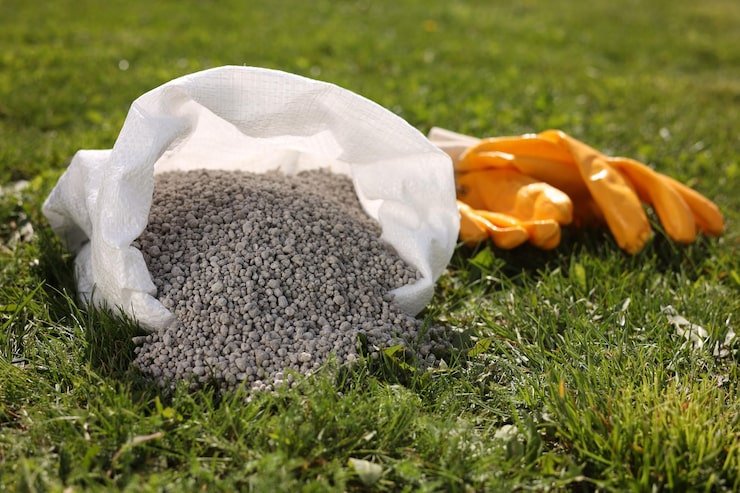
Diatomaceous earth (DE) is a powerful natural tool in flea and tick control — but it must be 100% food-grade, not the kind used for pools. Food-grade DE is made from fossilized algae and works by dehydrating fleas, ticks, and other insects.
How to Use Food-Grade Diatomaceous Earth
You can apply DE in these areas:
- Dog beds
- Carpets
- Rugs
- Crate mats
- Baseboards
- Backyard shaded areas
Instructions
- Lightly sprinkle DE on carpets, bedding, and flea-prone areas.
- Leave for 12–24 hours.
- Vacuum thoroughly.
- Reapply weekly for prevention.
Why It Works
DE kills fleas and ticks by damaging their exoskeletons, causing dehydration. It is very effective environmentally, especially for breaking flea life cycles in the home.
Can You Apply DE on Dogs?
You can very lightly dust a dog’s fur with food-grade DE, but:
- Avoid face, eyes, and nose.
- Mix fur with your hands to avoid inhalation.
- Use sparingly — too much powder can dry out skin.
Important Notes
- Only food-grade DE is safe — pool-grade DE is toxic.
- Avoid breathing in the powder (for humans and dogs).
- Not ideal for dogs with respiratory issues.
Bonus Natural Prevention Tips

Wash Bedding Weekly
Fleas lay eggs in bedding, carpets, and fabric. Keeping these clean cuts down infestations dramatically.
Vacuum Frequently
Vacuuming removes fleas, larvae, eggs, and dirt. Dispose of vacuum waste immediately.
Use a Flea Comb Regularly
A simple flea comb is a natural, chemical-free way to remove adult fleas from your dog’s coat.
Keep Your Yard Clean
Trim grass, remove debris, and discourage wild animals that carry ticks.
Add Apple Cider Vinegar to Water (Optional)
Some owners add a teaspoon of ACV to water for internal support — but always ask your vet first, as not all dogs tolerate it.
When Homemade Remedies Aren’t Enough
Natural treatments are great for:
- Mild flea issues
- Prevention
- Dogs with chemical sensitivity
But if your dog has:
- Severe flea infestation
- Persistent scratching
- Hair loss
- Skin redness
- Visible ticks in multiple areas
- Flea dirt all over the coat
Then you may need stronger treatments recommended by a veterinarian.
Conclusion
Homemade flea and tick remedies are safe, natural alternatives that many dog owners prefer for daily prevention and mild pest problems. Apple cider vinegar spray, lemon–rosemary repellent, and food-grade diatomaceous earth are three effective, dog-friendly solutions that help protect your pet and home from fleas and ticks. When used correctly and consistently, these remedies support your dog’s comfort, health, and overall well-being — without relying solely on commercial chemicals.