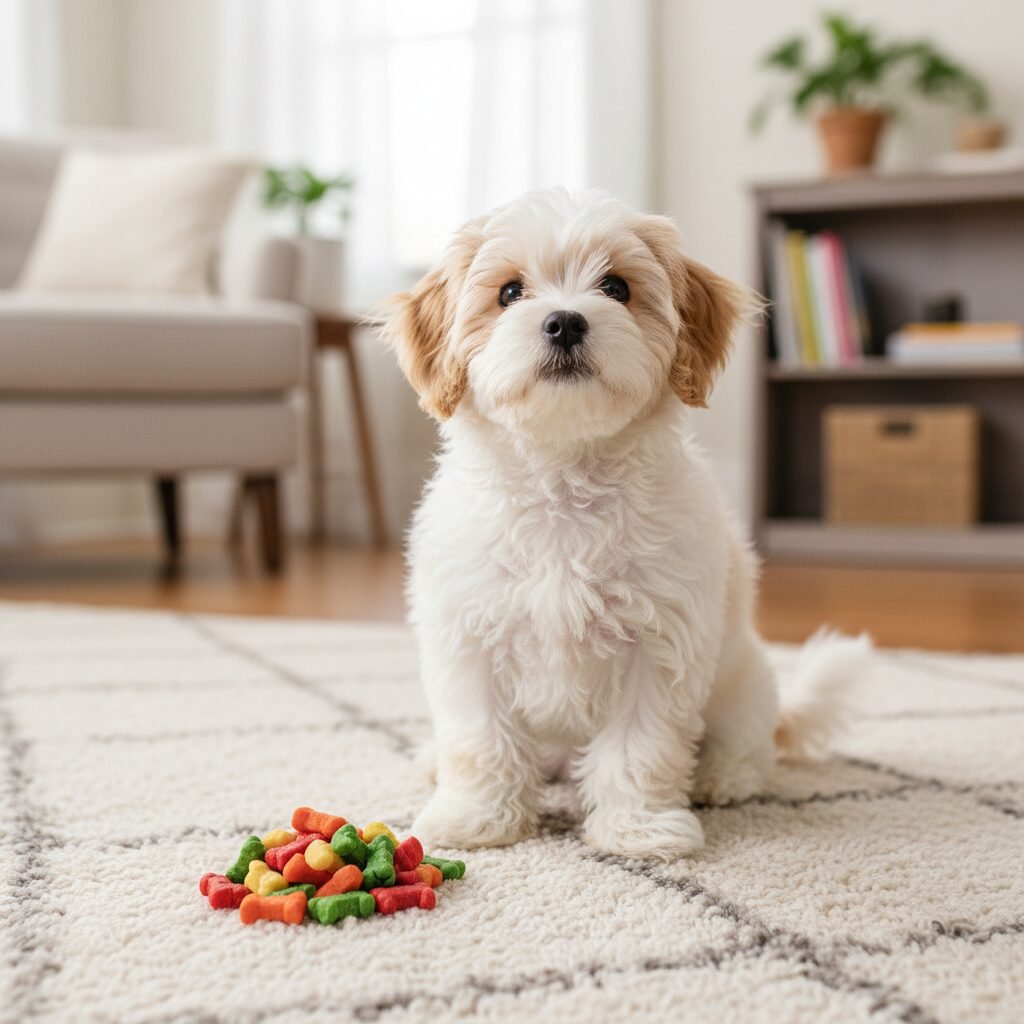
6 Essential Training Tips Every Havanese Owner Should Follow
6 Essential Training Tips Every Havanese Owner Should Follow
Bringing a Havanese into your home is an adventure filled with joy, laughter, and endless cuddles. These charming, intelligent, and affectionate ‘Velcro dogs’ thrive on companionship and love. While their playful nature and small size might make you think training will be a breeze, Havanese are smart cookies with their own unique quirks. Establishing a solid training foundation early on is crucial for a happy, well-adjusted companion and a harmonious household.
Effective training isn’t just about teaching commands; it’s about building trust, understanding your Havanese’s personality, and fostering a strong bond. With patience, consistency, and positive reinforcement, you can guide your furry friend to become the best-behaved member of your family. Let’s dive into six essential training tips every Havanese owner should embrace.
1. Embrace Early Socialization and Positive Reinforcement
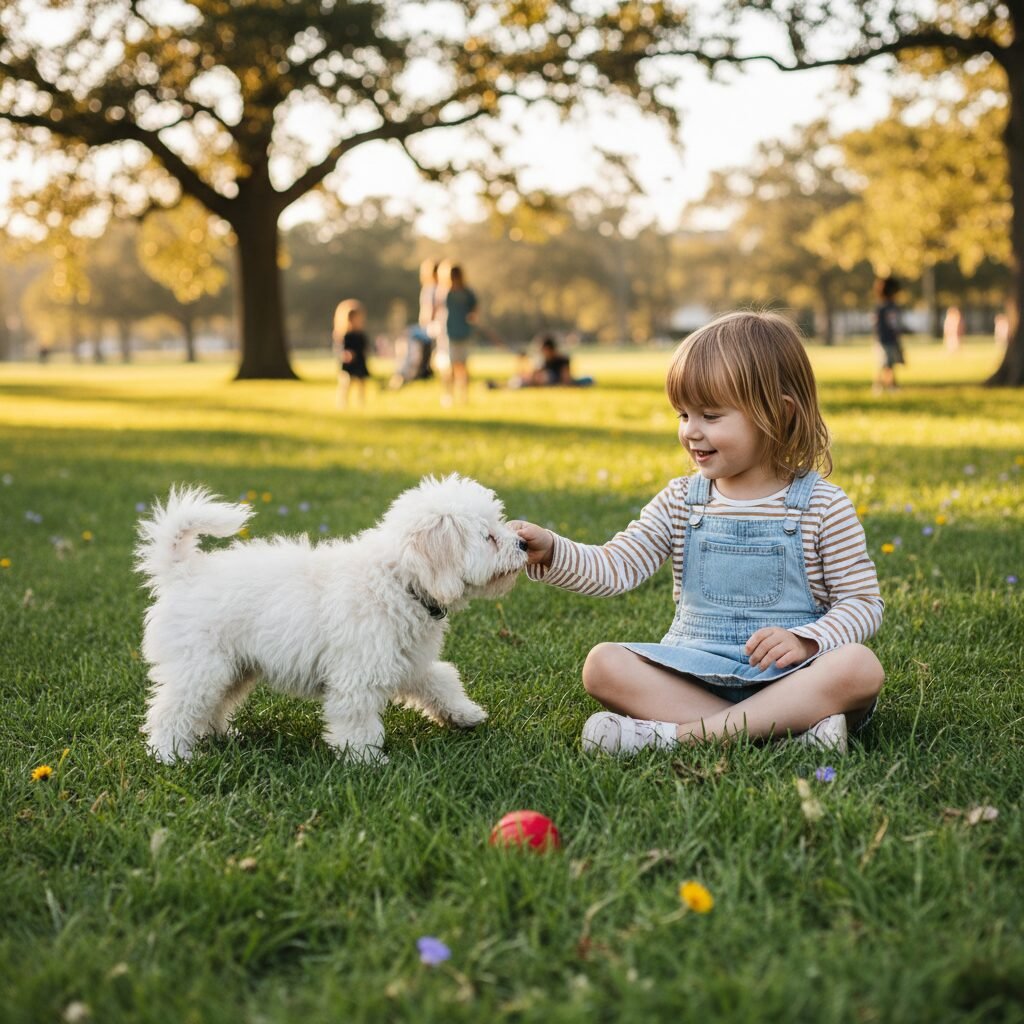
Havanese are generally friendly, but proper socialization from a young age is vital to ensure they grow into confident, well-adjusted adults. Early experiences shape their perception of the world, preventing fear-based behaviors or shyness later on.
What Early Socialization Means
Socialization involves safely exposing your Havanese puppy to a variety of sights, sounds, people, places, and other friendly dogs. Think of it as building their confidence toolkit.
- New People Introduce them to people of all ages, sizes, and appearances (wearing hats, glasses, etc.).
- Other Dogs Enroll in puppy classes or arrange playdates with vaccinated, gentle dogs.
- Environments Take them to different places – parks, pet-friendly stores, quiet streets – to experience various sounds and smells.
- Sounds Gently expose them to everyday noises like vacuum cleaners, doorbells, and traffic.
The Power of Positive Reinforcement
Havanese respond beautifully to positive reinforcement. This means rewarding desired behaviors with treats, praise, or toys. Avoid harsh corrections, which can damage their sensitive nature and your bond.
- Reward Good Behavior When your Havanese sits, stays, or comes when called, immediately reward them.
- Keep it Fun Training sessions should be short, engaging, and feel like a game.
- Be Consistent Everyone in the household should use the same commands and rewards.
2. Master Crate Training for Comfort and Safety
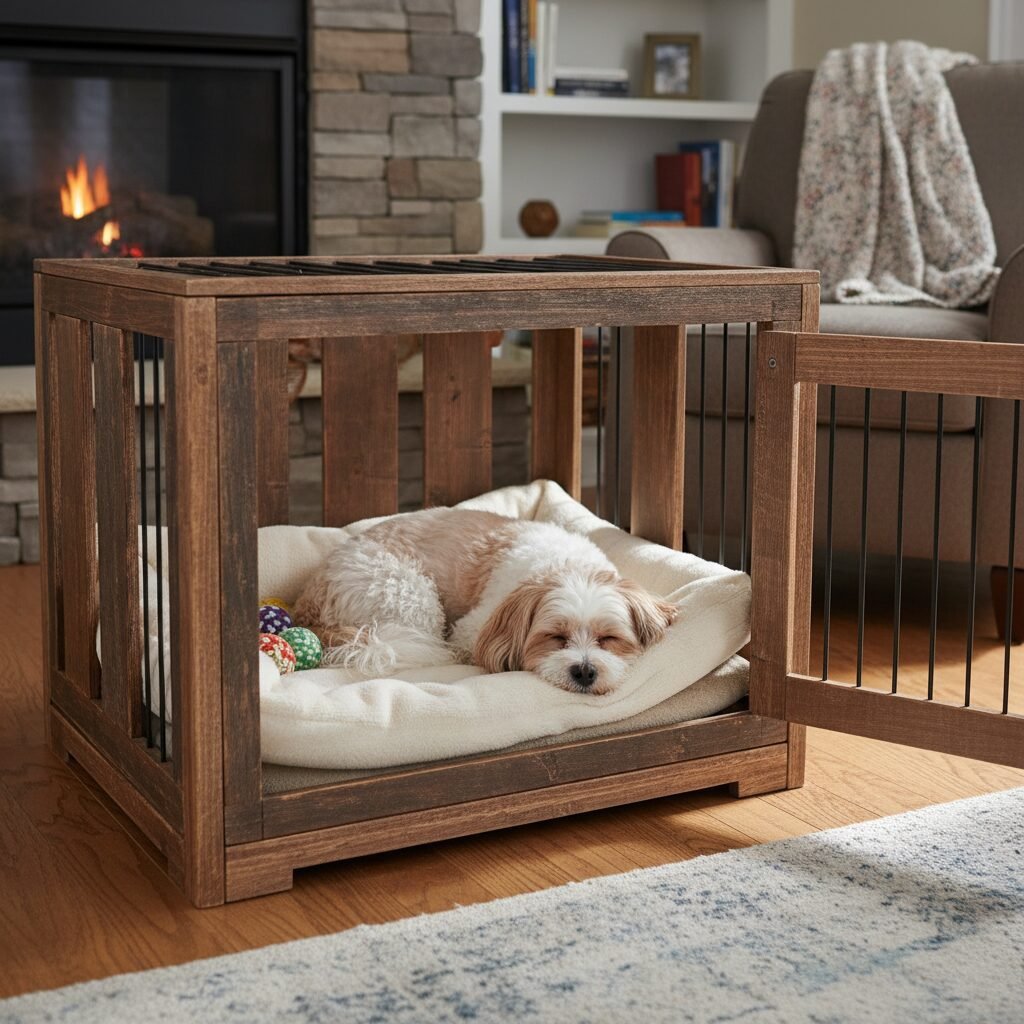
Crate training is one of the most valuable tools for any dog owner, and Havanese are no exception. A crate isn’t a punishment; it’s a safe, den-like space for your dog to relax, sleep, and feel secure. It also significantly aids in potty training and prevents destructive chewing.
Benefits of Crate Training
- Potty Training Aid Dogs are naturally clean and won’t soil their sleeping area if given the chance to relieve themselves outside.
- Safety Keeps your Havanese safe when you can’t supervise them, preventing them from chewing hazardous items.
- Travel Convenience A dog who is comfortable in a crate will be much easier to travel with.
- Den Space Provides a personal sanctuary where they can retreat when feeling overwhelmed.
How to Introduce the Crate
- Make it Inviting Place a soft bed, favorite toys, and treats inside.
- Positive Association Encourage your Havanese to go in with treats and praise. Feed meals inside.
- Gradual Increase Start with short periods, gradually increasing the time they spend in the crate.
- Never Use as Punishment The crate should always be a positive place.
3. Establish a Consistent Potty Training Routine
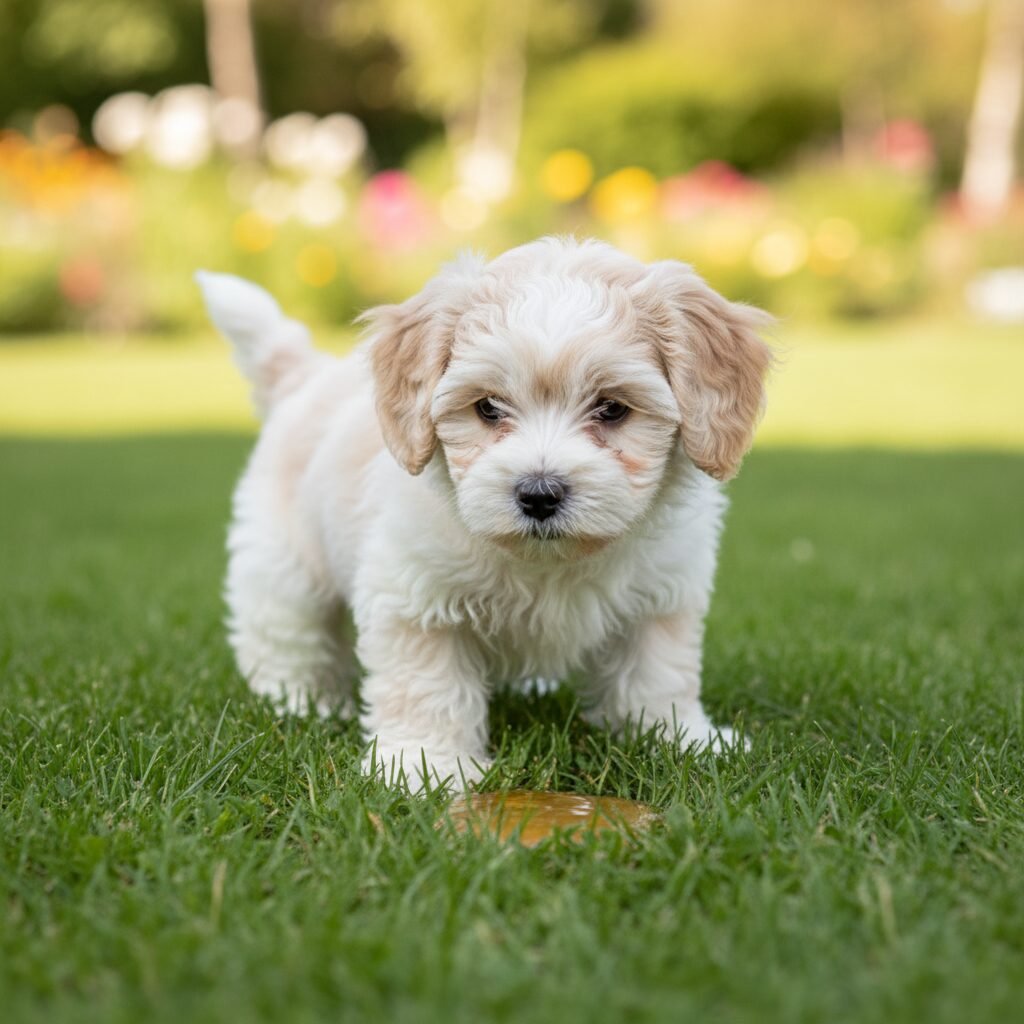
Havanese can sometimes be a bit challenging to potty train, often due to their small bladders and a tendency to sneak off to potty in inconspicuous spots. Consistency and vigilance are your best allies.
Key Potty Training Strategies
- Frequent Potty Breaks Take your Havanese out frequently – every 1-2 hours for puppies, after waking up, after eating, and before bed.
- Designated Spot Always take them to the same outdoor spot. Their scent helps them associate the area with potty time.
- Reward Immediately When they potty outside, praise and reward them immediately.
- Supervise Indoors Keep a close eye on your Havanese inside. If you can’t supervise, use a crate or playpen.
- Clean Accidents Thoroughly Use an enzymatic cleaner to eliminate odors that might attract them back to the same spot.
4. Introduce Leash Training and Basic Commands Early
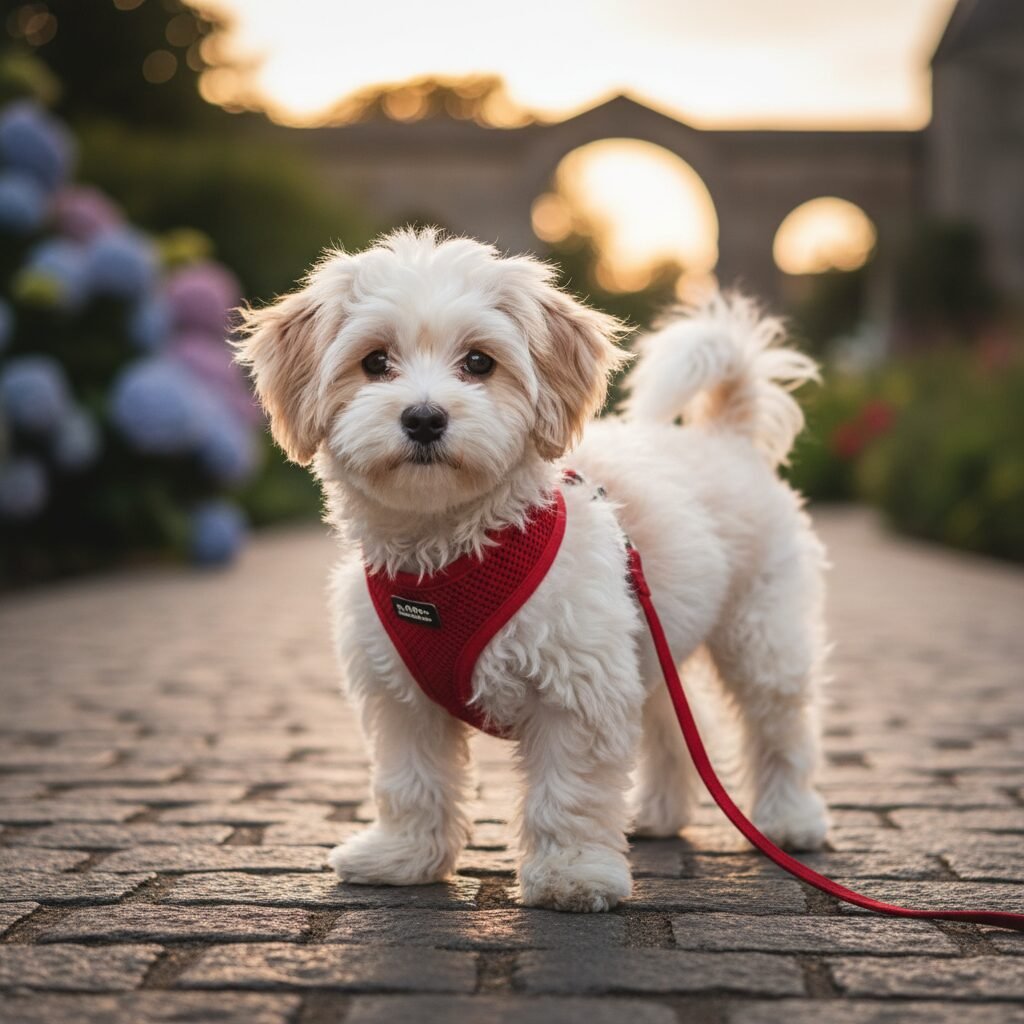
Teaching basic commands like ‘sit’, ‘stay’, ‘come’, and ‘leave it’ is fundamental for your Havanese’s safety and your peace of mind. Leash training is also essential for safe walks and outings.
Basic Commands for Every Havanese
- Sit A foundational command for impulse control.
- Stay Crucial for safety, especially near open doors or roads.
- Come (Recall) Potentially life-saving, ensure your Havanese comes reliably when called.
- Leave It Prevents them from picking up dangerous items.
Gentle Leash Training
Start leash training indoors in a low-distraction environment. Introduce the collar or harness first, allowing them to get used to it before attaching the leash. Keep initial walks short and positive.
5. Address Barking and Separation Anxiety Proactively
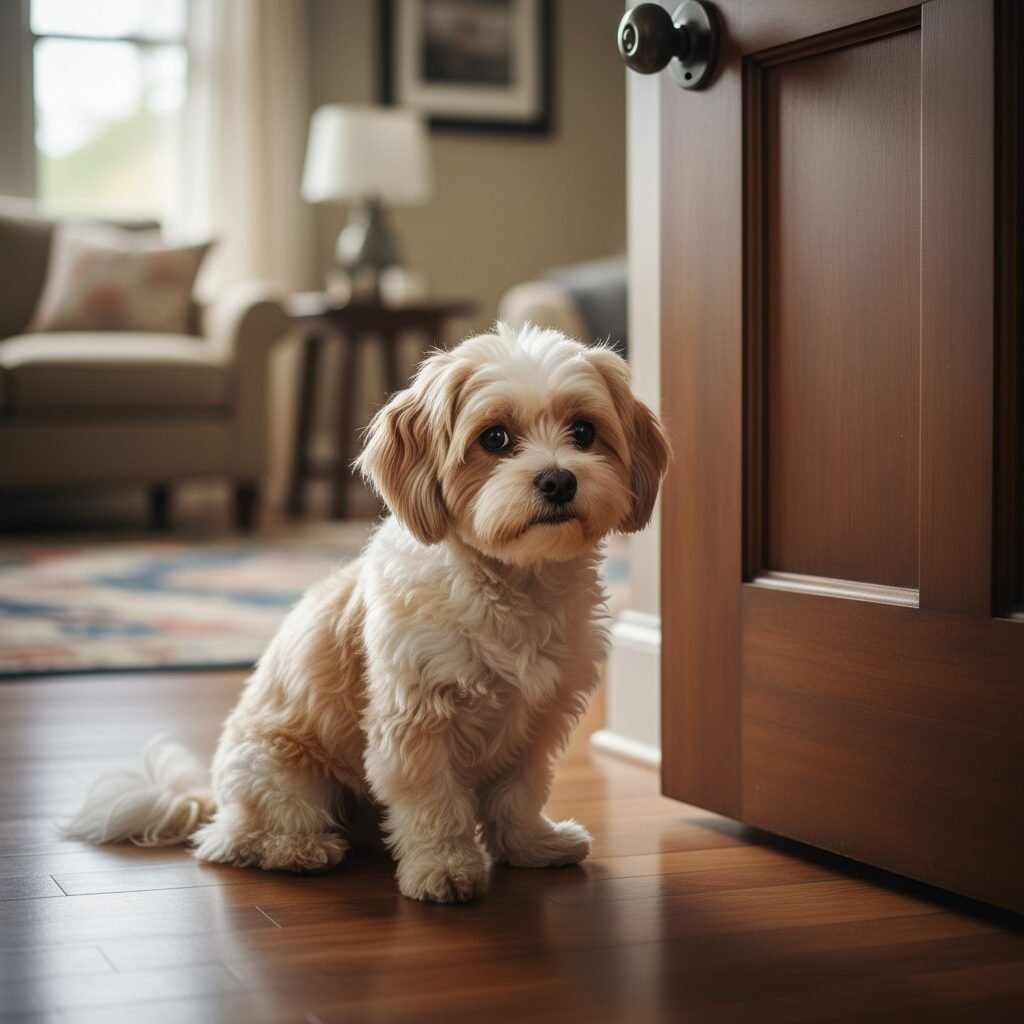
Havanese are known for being vocal and can sometimes develop separation anxiety due to their strong bond with their owners. Addressing these tendencies early can prevent them from becoming problematic.
Managing Excessive Barking
- Identify the Trigger Is it boredom, attention-seeking, alarm, or excitement?
- Teach ‘Quiet’ When they bark, let them bark a few times, then distract them and reward silence.
- Provide Mental and Physical Stimulation A tired Havanese is a quiet Havanese.
Preventing Separation Anxiety
Since Havanese thrive on companionship, separation anxiety can be a concern. Preventative measures are key:
- Practice Departures Start with very short absences, gradually increasing the time you’re away.
- Don’t Make a Fuss Keep arrivals and departures low-key.
- Provide Enrichment Leave them with puzzle toys or long-lasting chews when you leave.
- Consider a ‘Safe Space’ A crate or a designated room can provide comfort.
6. Make Grooming a Positive and Regular Experience
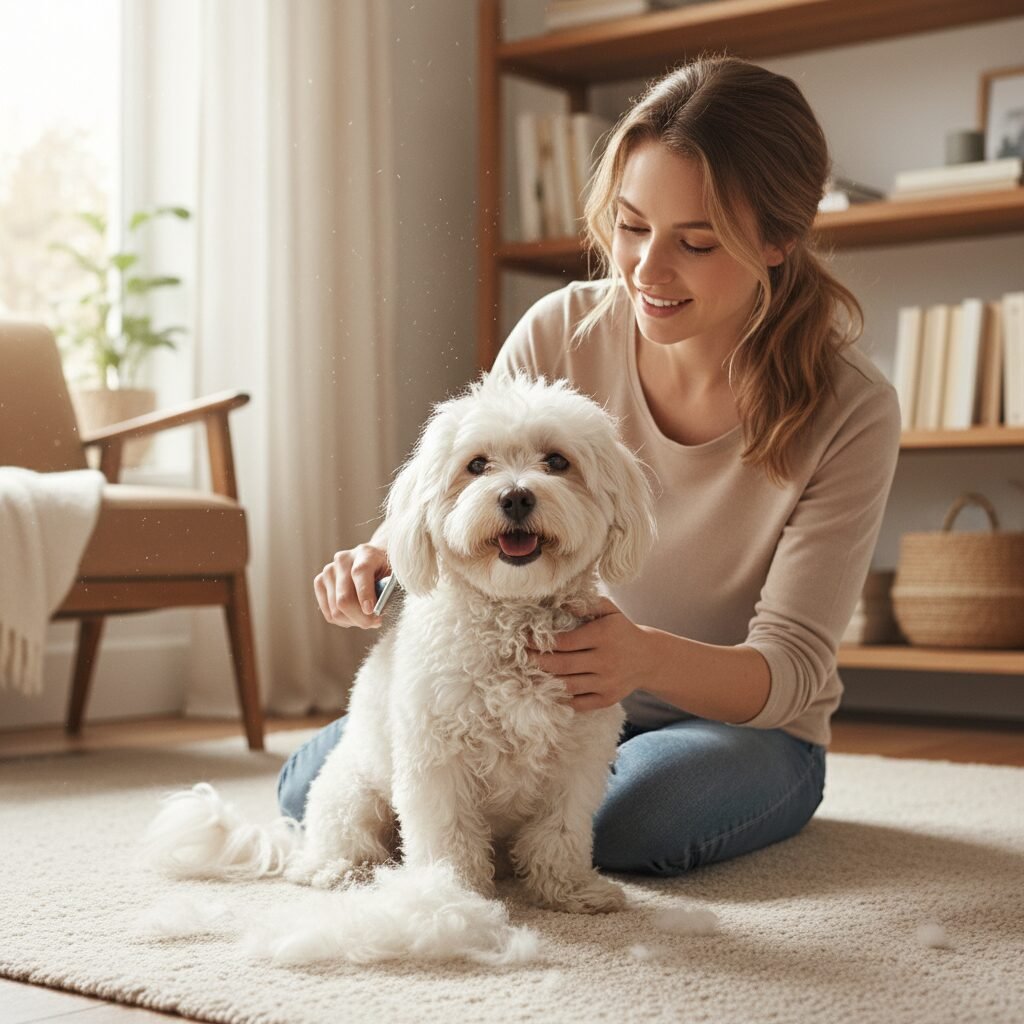
While not strictly ‘training’ in the traditional sense, getting your Havanese accustomed to grooming from a young age is absolutely essential. Their beautiful, long coats require regular attention, and making it a positive experience will save you (and them) a lot of stress.
Why Grooming is a Training Opportunity
- Coat Care Daily brushing prevents mats and tangles.
- Nail Trims Regular trims prevent discomfort and potential health issues.
- Ear Cleaning Keeps ears healthy and free from infection.
- Dental Care Brushing their teeth regularly is crucial for overall health.
Tips for Positive Grooming
- Start Early Begin with short, gentle sessions when they are puppies.
- Use Positive Reinforcement Reward calm behavior with treats and praise during and after grooming.
- Gentle Touch Be gentle and stop if they show signs of distress.
- Introduce Tools Gradually Let them sniff and get used to brushes, clippers, and toothbrushes.
Training your Havanese is a journey, not a destination. It’s about nurturing their natural intelligence and loving spirit to help them navigate our human world with confidence and grace. Remember, every Havanese is an individual, so be patient, be consistent, and most importantly, enjoy the process of building an unbreakable bond with your charming companion.
With these essential tips, you’re well on your way to raising a happy, well-behaved Havanese who brings endless joy and companionship to your life. Your dedication now will lead to a lifetime of wonderful memories together.


