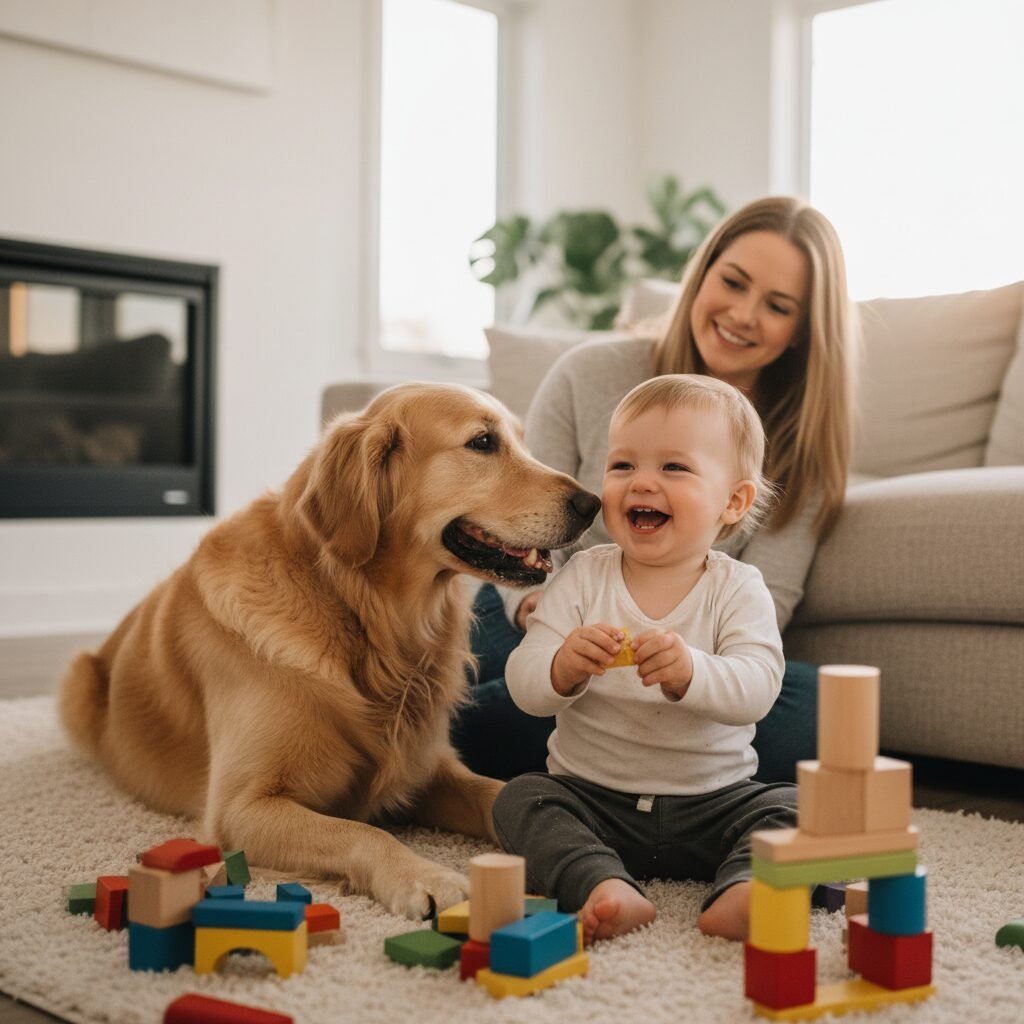
7 Essential Survival Tips for Dog Owners with Toddlers
7 Essential Survival Tips for Dog Owners with Toddlers
Bringing a new toddler into a home with a beloved dog can be a joyous, yet sometimes challenging, experience. As dog parents, we want our furry companions to be part of the family, but ensuring the safety and happiness of both your dog and your little human is paramount. It’s a delicate balance, requiring patience, understanding, and proactive strategies. The good news is that with the right approach, dogs and toddlers can not only coexist but thrive together, forming beautiful, lasting bonds. This guide will walk you through 7 essential survival tips to help you navigate this exciting chapter, creating a harmonious and secure environment for every member of your family.
Creating a Harmonious Home with Paws and Little Hands
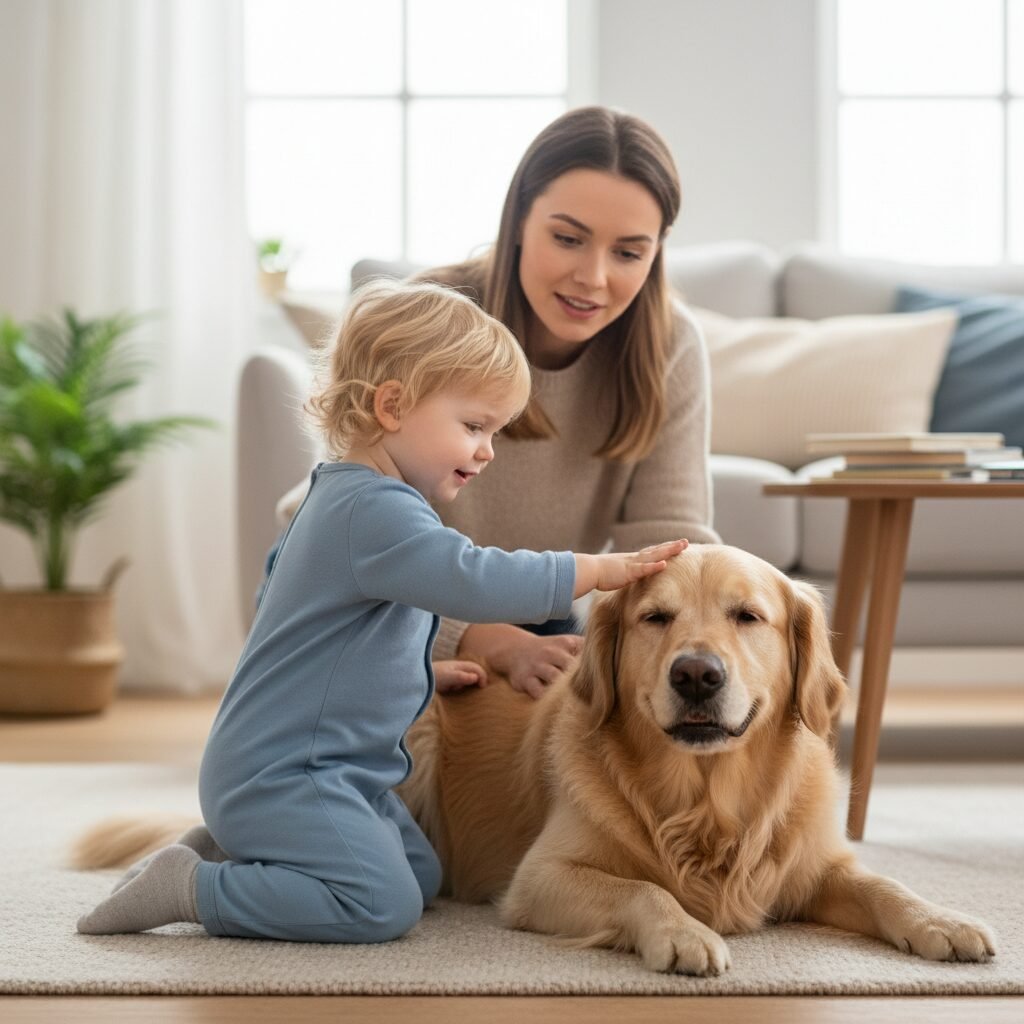
Integrating a dog and a toddler into a peaceful household requires thoughtful preparation and consistent effort. These tips are designed to empower you with practical strategies for fostering a safe and loving relationship between your canine friend and your curious little one.
Tip 1 – Constant Supervision is Non-Negotiable
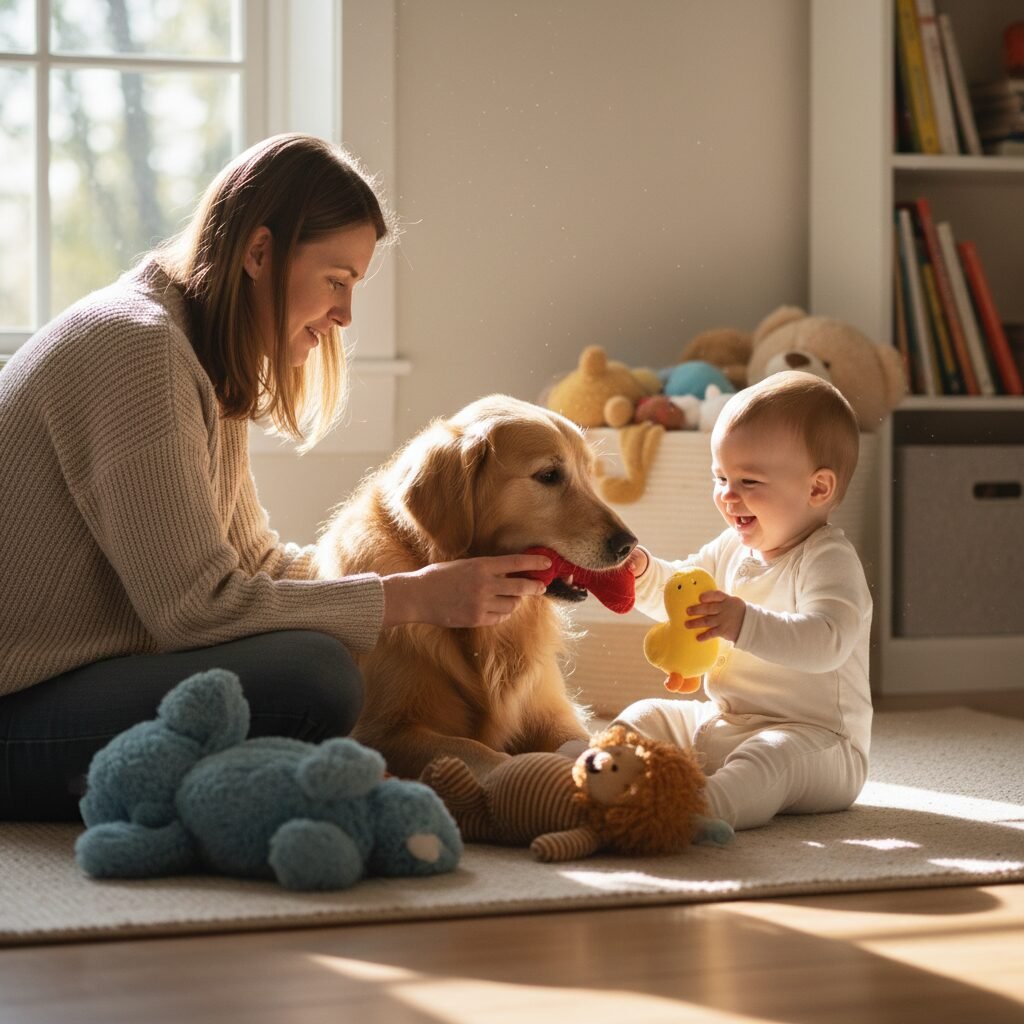
This is perhaps the most critical rule. Never, ever leave your dog and toddler unsupervised, even for a moment. Accidents can happen in an instant, and even the most gentle dog can react unpredictably if startled or hurt. Active supervision means being fully present and ready to intervene.
- Active Observation: Always be within arm’s reach and actively watching their interactions.
- Short, Positive Interactions: Keep initial interactions brief and positive, ending before either party shows signs of stress or overstimulation.
- Know When to Separate: If either your dog or toddler seems overwhelmed, it’s time for a break.
Tip 2 – Teach Respectful Interactions for Both
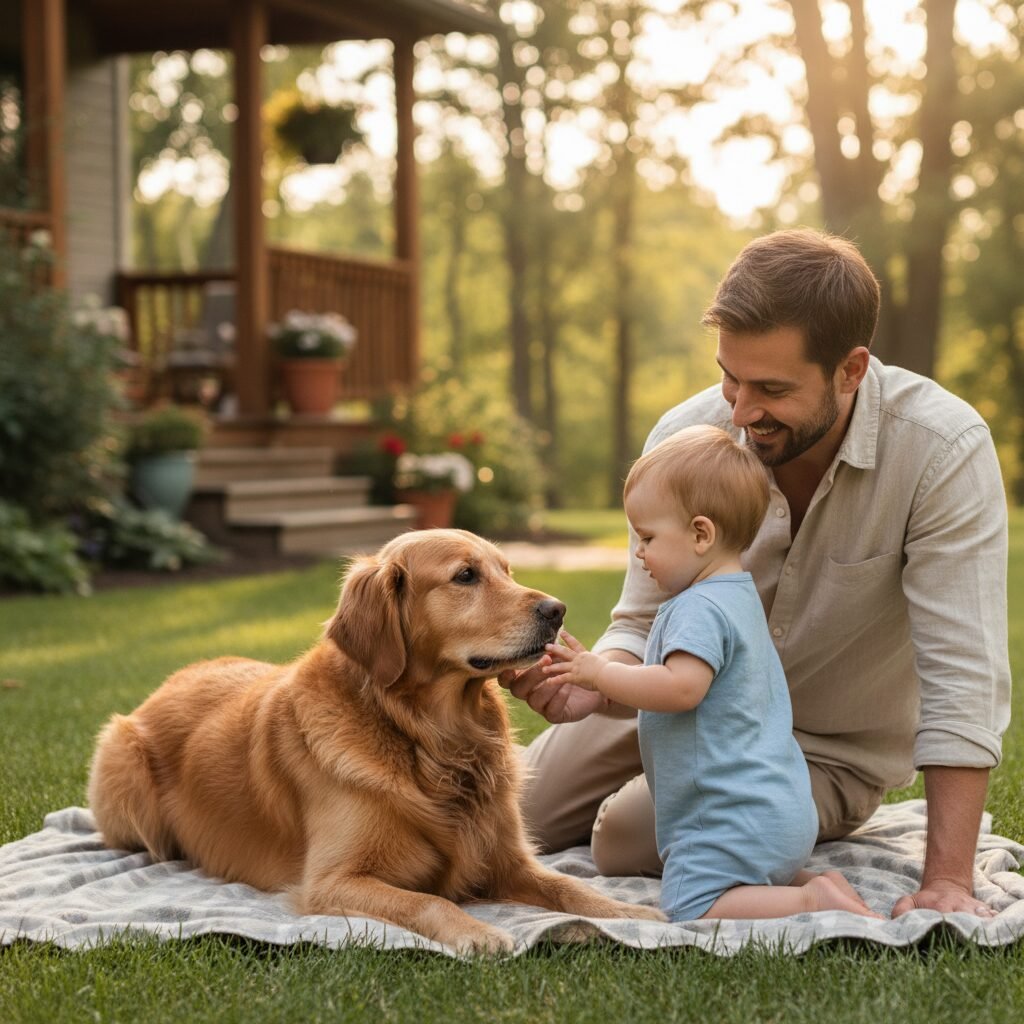
It’s important to teach both your toddler and your dog how to interact respectfully. Toddlers need to learn gentle hands, and dogs need to learn patience and tolerance.
- “Gentle Hands” Rule: Consistently teach your toddler to use gentle hands when touching the dog. No pulling tails, ears, or fur. Demonstrate appropriate petting.
- Respect the Dog’s Space: Teach your child that when the dog is eating, sleeping, or in their designated safe space, they should not be disturbed.
- Reward Calm Behavior: Praise and reward your dog when they exhibit calm, tolerant behavior around your toddler. Likewise, praise your toddler for gentle interactions.
Tip 3 – Establish Safe Havens for Everyone
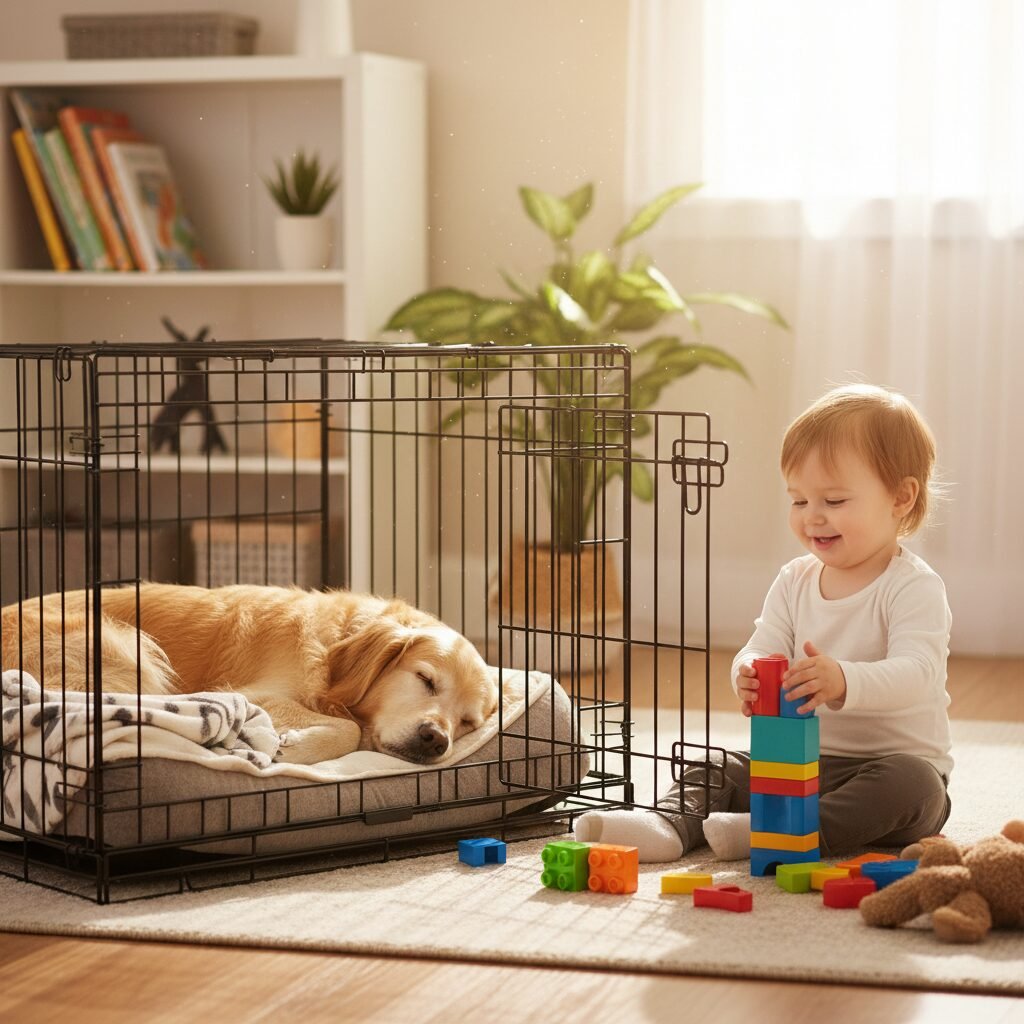
Both your dog and your toddler need a designated safe space where they can retreat and feel secure. These spaces should be respected by everyone in the household.
- Dog’s Retreat: This could be a crate, a dog bed in a quiet room, or a specific corner that is off-limits to the toddler. This is where your dog can go to escape the toddler’s energy when needed.
- Toddler’s Secure Play Zone: A playpen or a gated-off area can provide your toddler with a safe space to play without constant dog interaction, giving both a break.
- Respect Boundaries: Teach your toddler not to enter the dog’s safe space and ensure your dog knows their space is inviolable.
Tip 4 – Reinforce Your Dog’s Training and Obedience
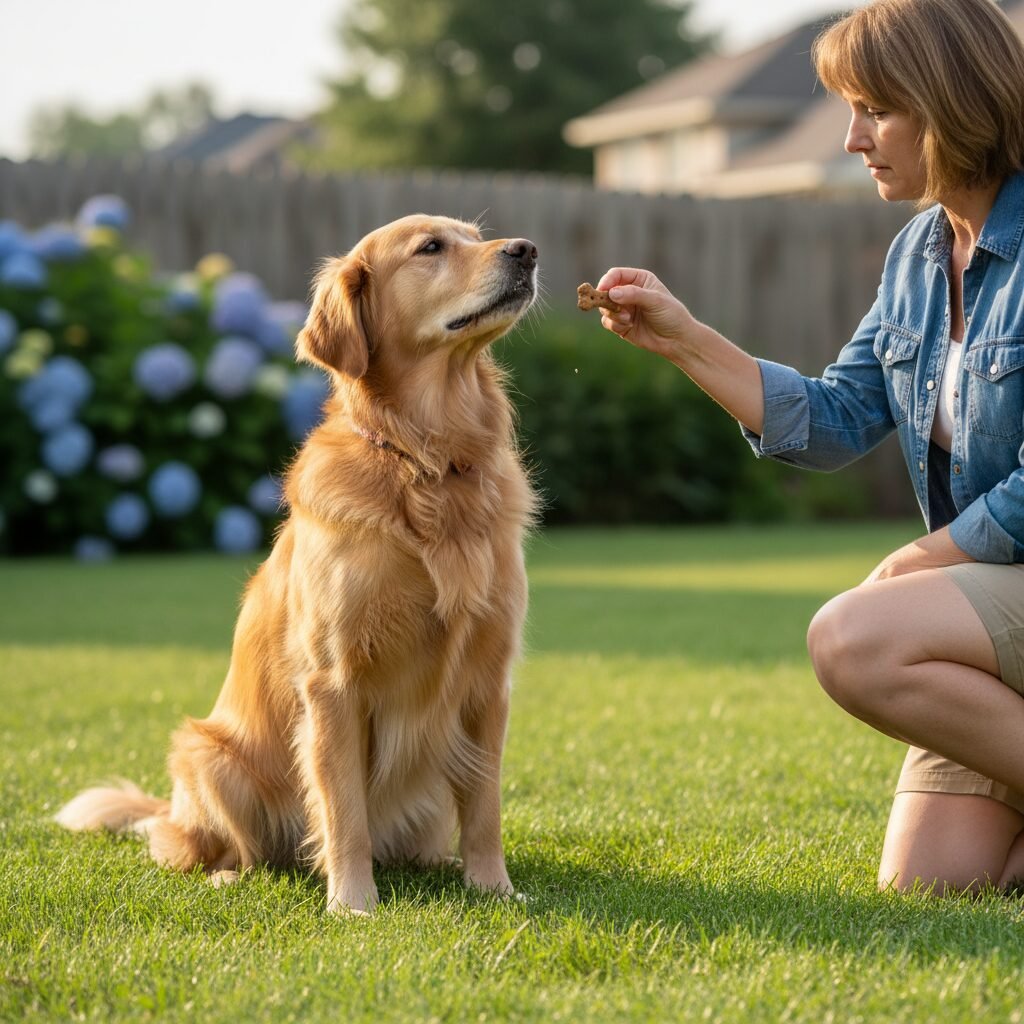
Well-trained dogs are generally calmer and more predictable, which is crucial when toddlers are around. Brush up on basic obedience commands and consider introducing new ones.
- Core Commands: Ensure your dog reliably responds to “Sit,” “Stay,” “Come,” and “Down.”
- “Leave It”: This command is invaluable for preventing your dog from picking up dropped food or toys that belong to your toddler.
- “Go to Your Place”: Teach your dog to go to their bed or mat and stay there until released. This can be very useful for managing excited moments or meal times.
- Leash Training Indoors: Sometimes having your dog on a leash indoors can help manage interactions in a controlled way, especially during initial introductions or high-energy moments.
Tip 5 – Manage Resources Effectively
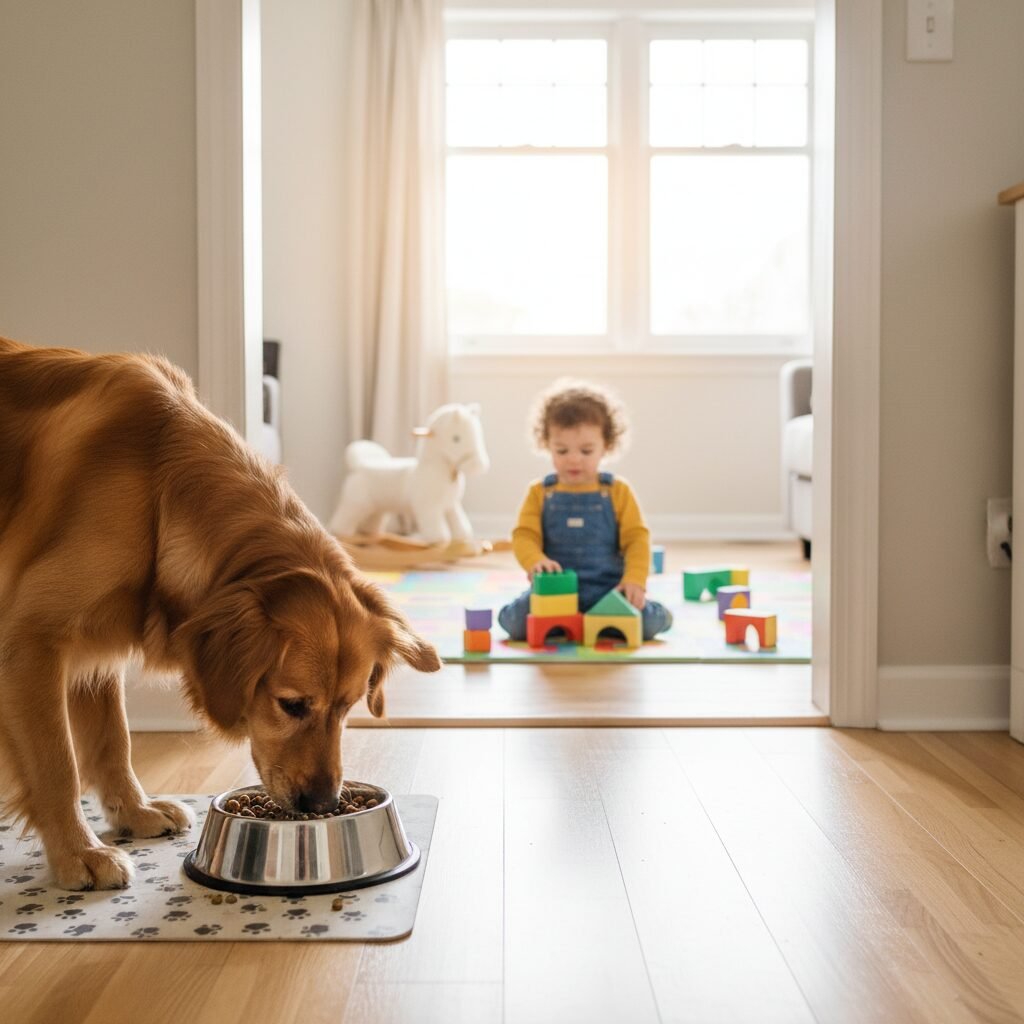
Food, toys, and even attention can be sources of conflict or resource guarding. Proactive management can prevent many potential issues.
- Separate Feeding Times and Locations: Feed your dog in a separate room or behind a baby gate where your toddler cannot access their food bowl.
- Designated Toys: Ensure your dog has their own toys that are distinct from your toddler’s toys. Teach your toddler not to play with dog toys and vice-versa.
- Shared Attention, But Also Individual Time: While it’s great for your dog and toddler to share attention, make sure your dog still gets dedicated one-on-one time with you, away from the toddler, to reinforce your bond.
Tip 6 – Cultivate Predictable Routines
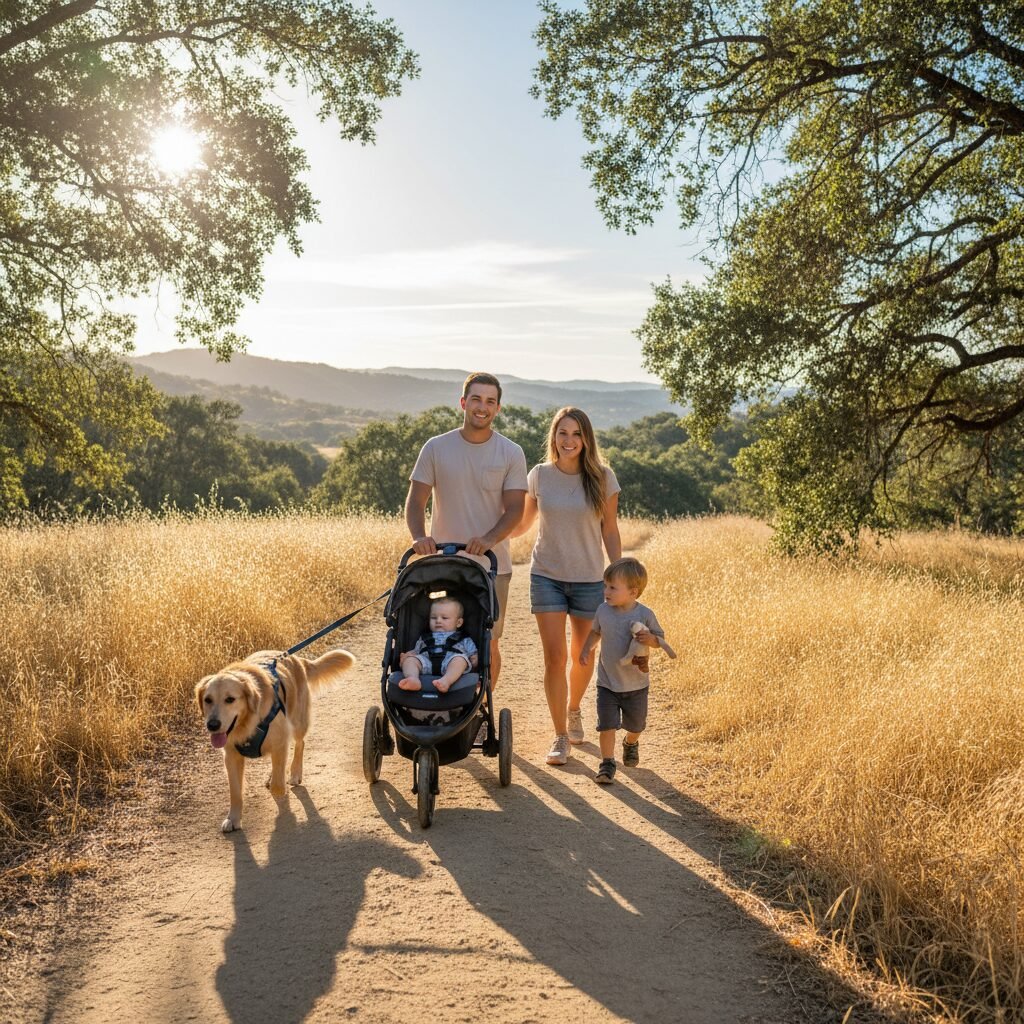
Routines provide structure and predictability, which can reduce anxiety for both dogs and toddlers. When they know what to expect, they are generally calmer and more secure.
- Consistent Feeding and Walk Schedules: Stick to a regular schedule for your dog’s meals, walks, and potty breaks.
- Nap Times and Quiet Play: Incorporate quiet times when your toddler is napping or engaged in calm play, allowing your dog to rest undisturbed.
- Predictable Interactions: Try to make interactions between your dog and toddler predictable and positive, avoiding sudden surprises.
Tip 7 – Understand Your Dog’s Body Language
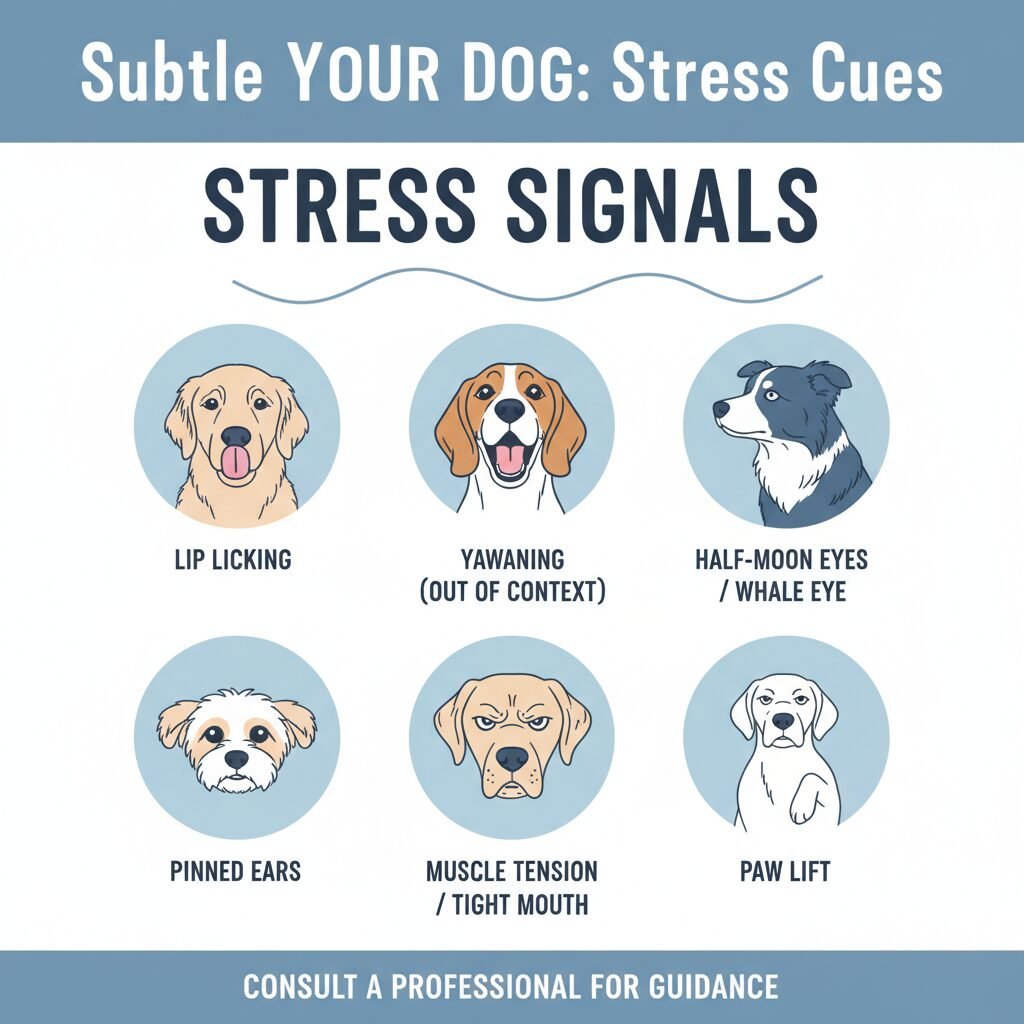
Learning to read your dog’s body language is arguably one of the most important skills for a dog owner with a toddler. Dogs communicate their feelings through subtle cues, and recognizing these can prevent incidents before they happen.
- Subtle Cues: Look for signs of stress or discomfort like lip licking, yawning (when not tired), turning their head away, stiff body posture, whale eye (showing the whites of their eyes), or a tucked tail.
- Avoidance Behaviors: If your dog tries to move away, hides, or seeks refuge, they are signaling they need space.
- When to Intervene: At the first sign of discomfort from your dog, gently separate them from your toddler. It’s always better to err on the side of caution. Never punish your dog for growling or showing discomfort; this is their way of communicating, and punishing it can remove their warning signals, making future interactions more dangerous.


