7 Must-Know Tips to Clean Your Dog’s Nails Safely
As devoted dog parents, we go to great lengths to ensure our furry companions are happy and healthy. From nutritious meals to exciting walks, every detail matters. But have you ever given much thought to the cleanliness of your dog’s nails? Beyond just trimming, keeping those nails clean is a vital part of their overall paw health and comfort.
Dirty nails aren’t just an aesthetic issue; they can harbor bacteria, dirt, and even parasites, leading to discomfort or potential infections. Imagine walking around with grime under your fingernails all day – not pleasant, right? Your dog feels the same way! Many dog owners focus on nail length but overlook the importance of regular cleaning. The good news is, it’s a simple process that you can easily integrate into your grooming routine.
This guide will walk you through 7 must-know tips to clean your dog’s nails safely and effectively. We’ll cover everything from the right tools to gentle techniques, ensuring your pup’s paws stay pristine and healthy. Let’s dive in and give those precious paws the attention they deserve!
Why Clean Your Dog’s Nails- It’s More Than Just Looks
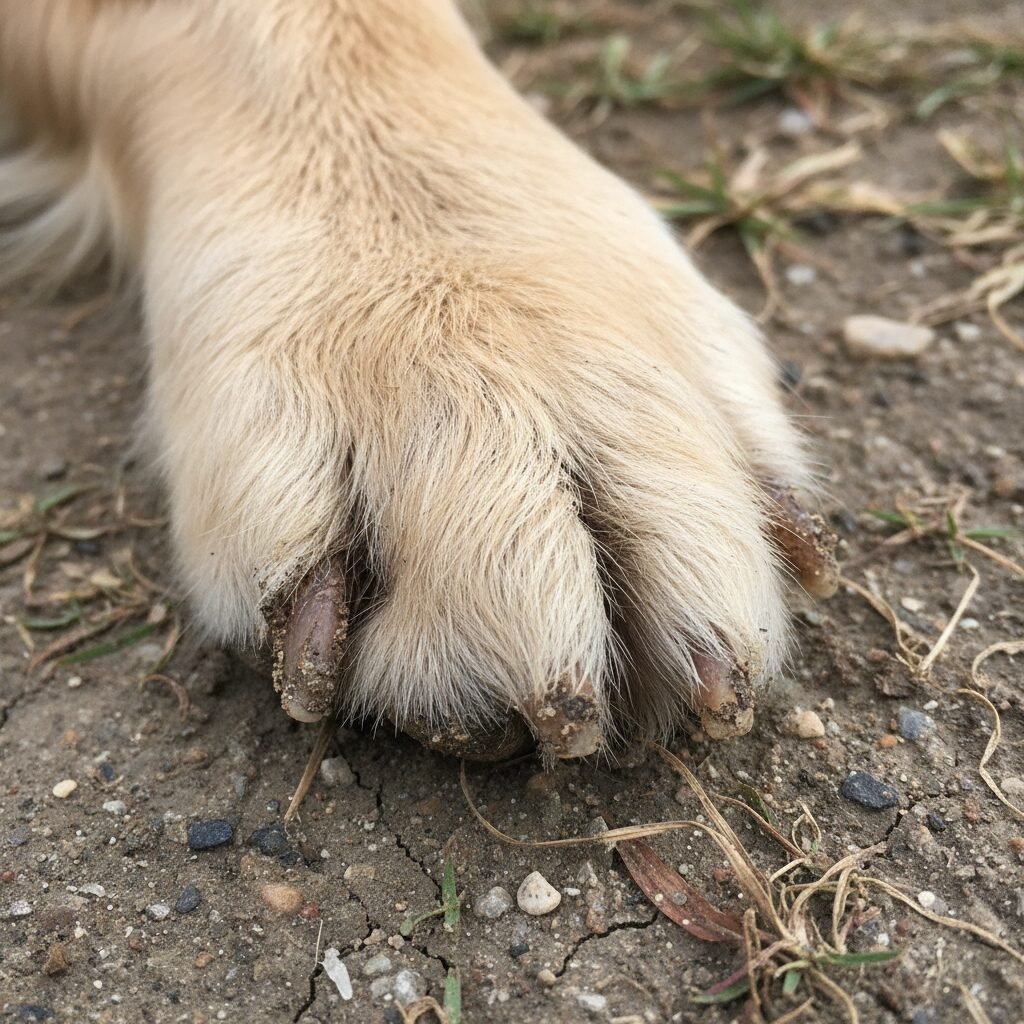
You might think nail care is all about preventing painful overgrowth, but cleanliness plays a huge role too. Dogs use their paws constantly – digging, walking on various surfaces, and exploring the world. This means their nails can accumulate a surprising amount of dirt, mud, dust, and even debris from their environment.
Over time, this buildup can become a breeding ground for bacteria and fungi, potentially leading to infections in the nail bed or paw pads. Dirty nails can also cause irritation, leading your dog to excessive licking or chewing of their paws, which only exacerbates the problem. Regular cleaning helps prevent these issues, keeping your dog’s paws comfortable and healthy.
Gather Your Tools First
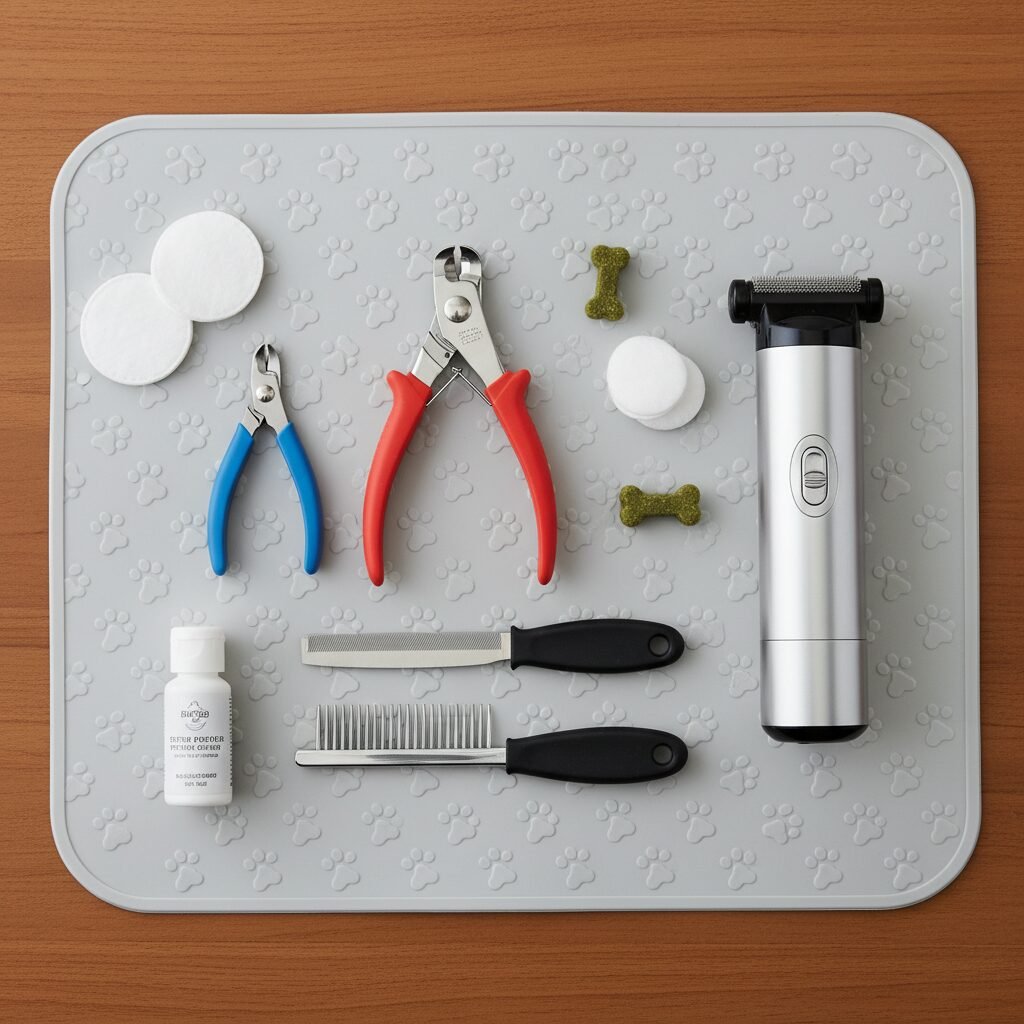
Before you begin, make sure you have everything you need within reach. This will make the process smoother and less stressful for both you and your dog. A calm, prepared environment helps a lot.
Essential Supplies
- Soft cloth or towel
- Pet-safe paw wipes or gentle dog shampoo
- Small, soft brush (a clean toothbrush works well)
- Shallow bowl of warm water (optional, for soaks)
- Treats (always a good idea for positive reinforcement!)
- Nail clippers or grinder (if you plan to trim as well)
- Styptic powder (just in case of a quick trim accident)
Tip 1 – The Gentle Wipe Down
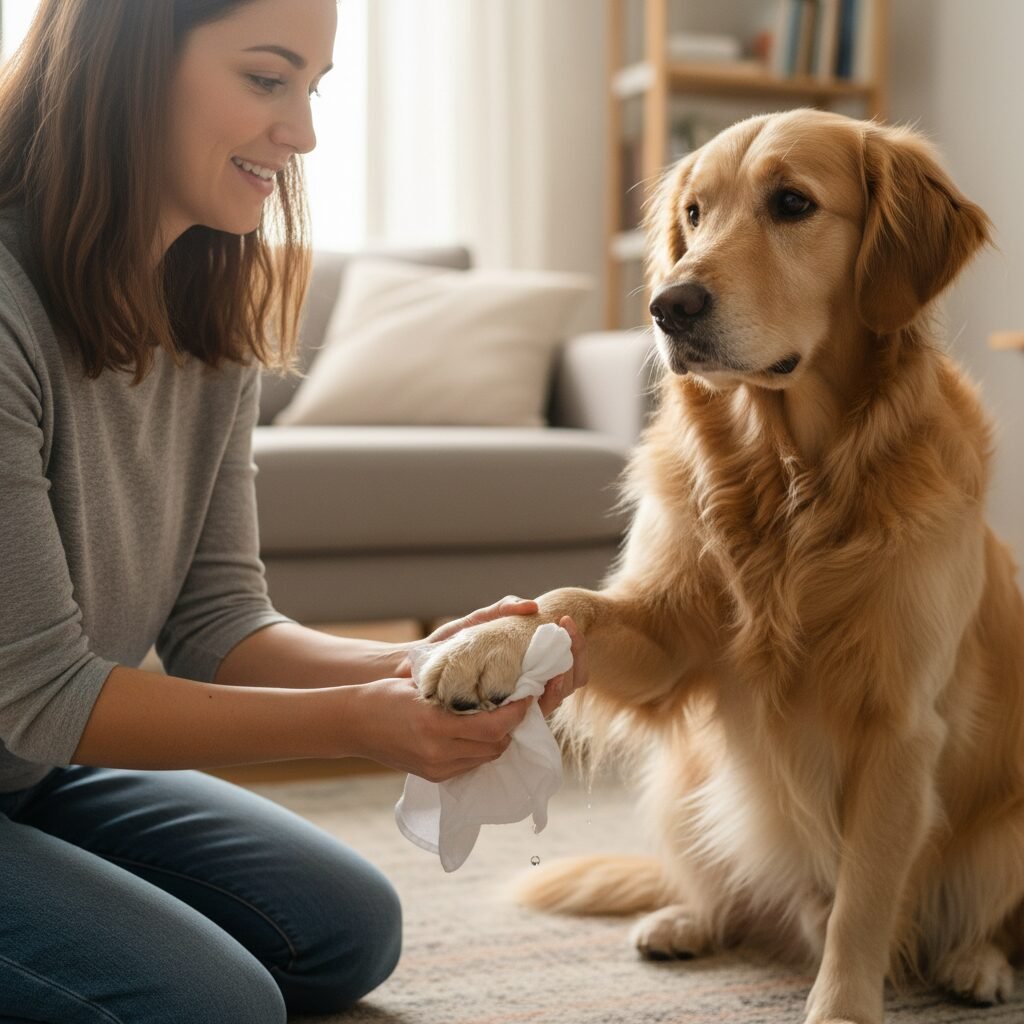
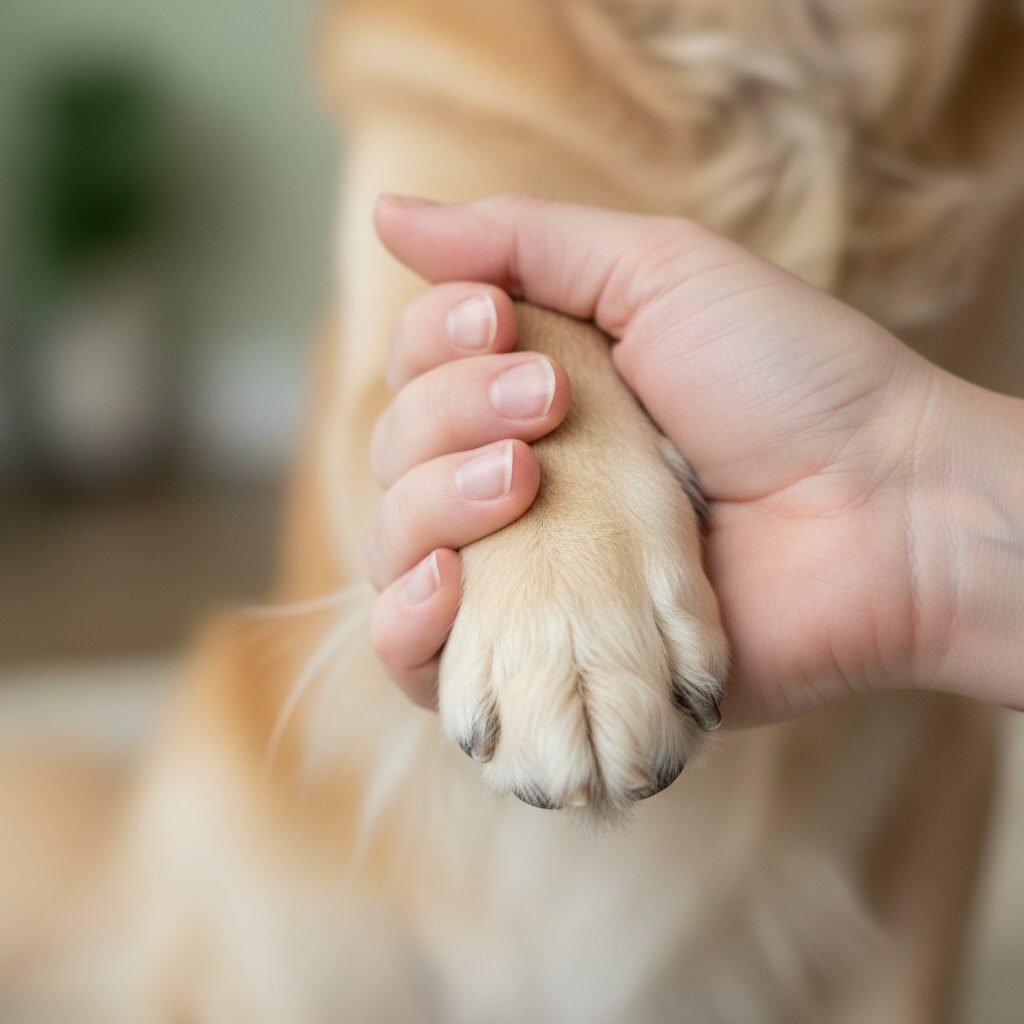
For everyday dirt and light grime, a simple wipe-down is often enough. After a walk or outdoor play, grab a soft, damp cloth or a pet-safe paw wipe. Gently hold your dog’s paw and carefully wipe around each nail, paying attention to the underside and the area where the nail meets the paw pad. This removes surface dirt before it hardens.
Make sure the cloth is only damp, not soaking wet, and always dry your dog’s paws thoroughly afterward, especially between the toes, to prevent moisture-related skin issues.
Tip 2 – Use a Soft Brush for Deeper Dirt
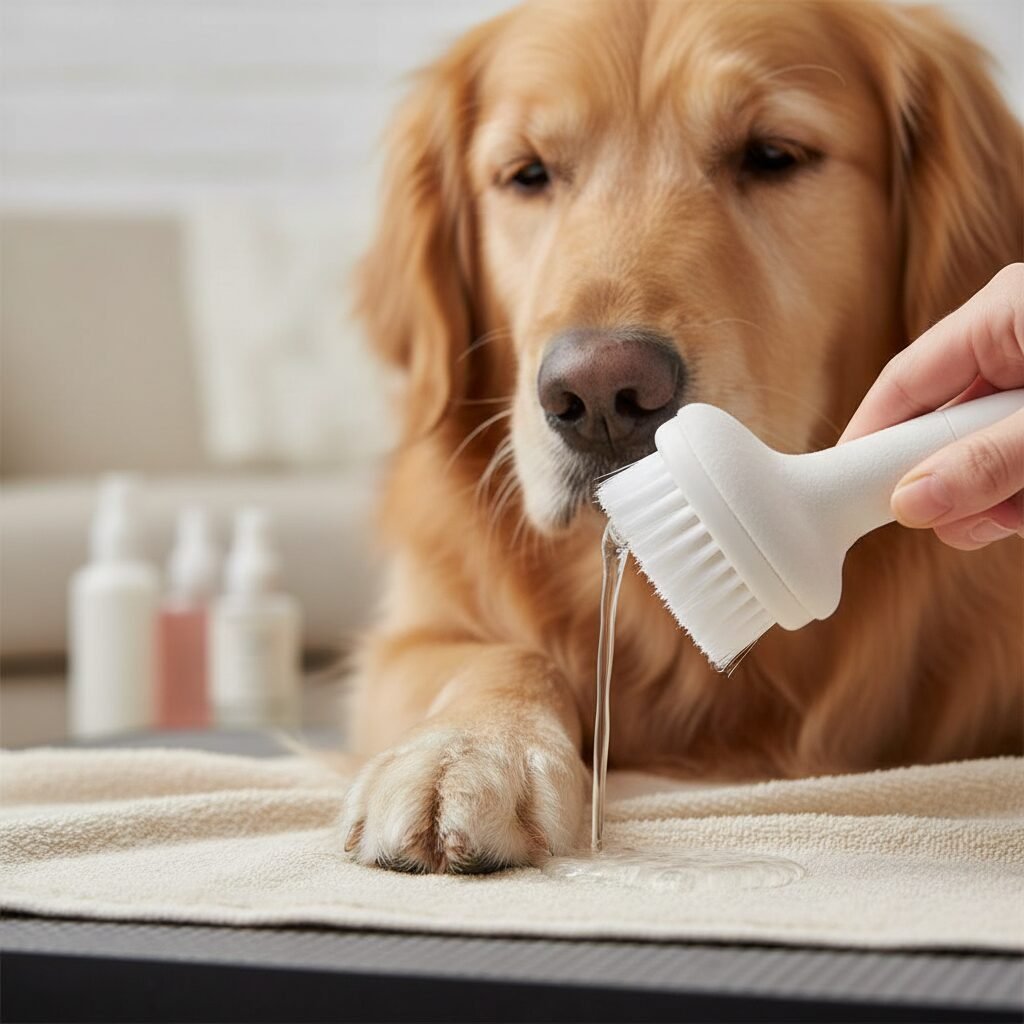
Sometimes, dirt can get lodged deeper around the nail or in the crevices of the paw. A small, soft-bristled brush, like a clean toothbrush or a dedicated paw brush, can be very effective here. Dip the brush in warm water (you can add a tiny drop of pet-safe shampoo if needed) and gently scrub around the nail, getting into those harder-to-reach spots. Brush downwards, away from the quick, to dislodge any trapped debris.
Remember to be incredibly gentle. If your dog shows any signs of discomfort, stop and try again later or consult a professional groomer.
Tip 3 – Addressing Stubborn Grime
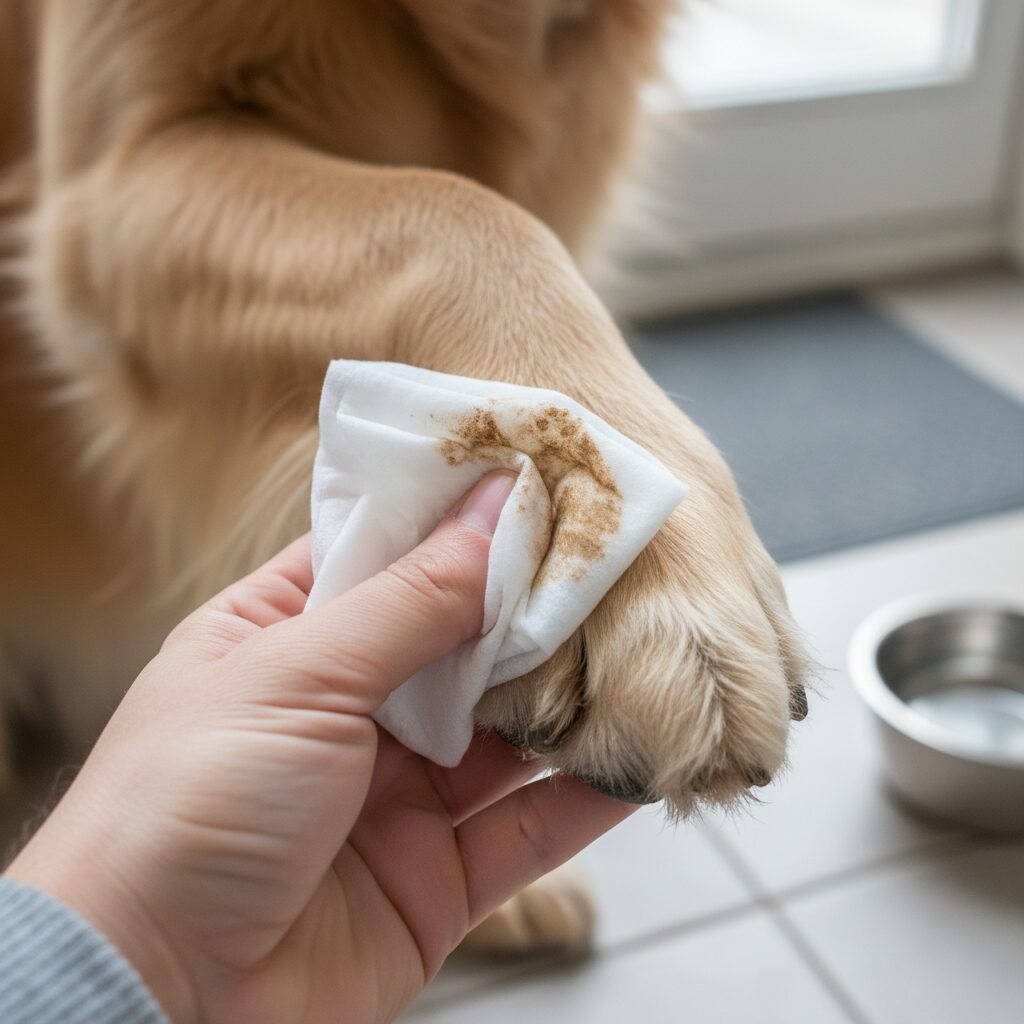
For more stubborn grime or sticky residue, pet-specific paw wipes are excellent. These wipes are formulated to be safe for dogs and often contain ingredients that help break down dirt without irritating their skin. Hold the paw firmly but gently, and use the wipe to meticulously clean around each nail, applying a little more pressure where needed. Again, always ensure the paw is dry once you’re done.
Tip 4 – Post-Outdoor Cleanse
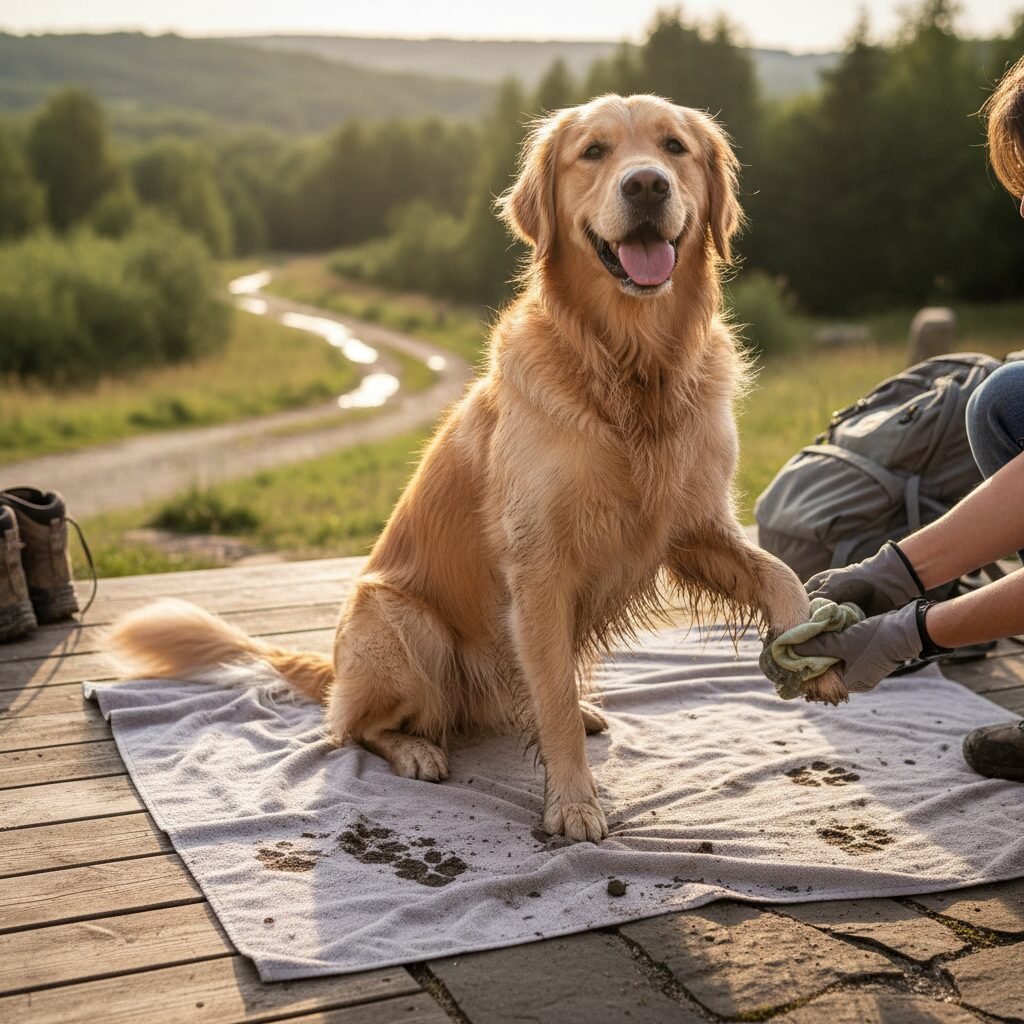
Make it a habit to clean your dog’s paws and nails every time they come in from an outdoor adventure, especially after walks in muddy areas, snowy conditions (where salt is used), or dusty environments. This proactive approach prevents dirt from setting in and reduces the risk of bringing outdoor contaminants into your home. A quick wipe-down can save a lot of trouble later!
Tip 5 – The Paw Soak Method – When Needed
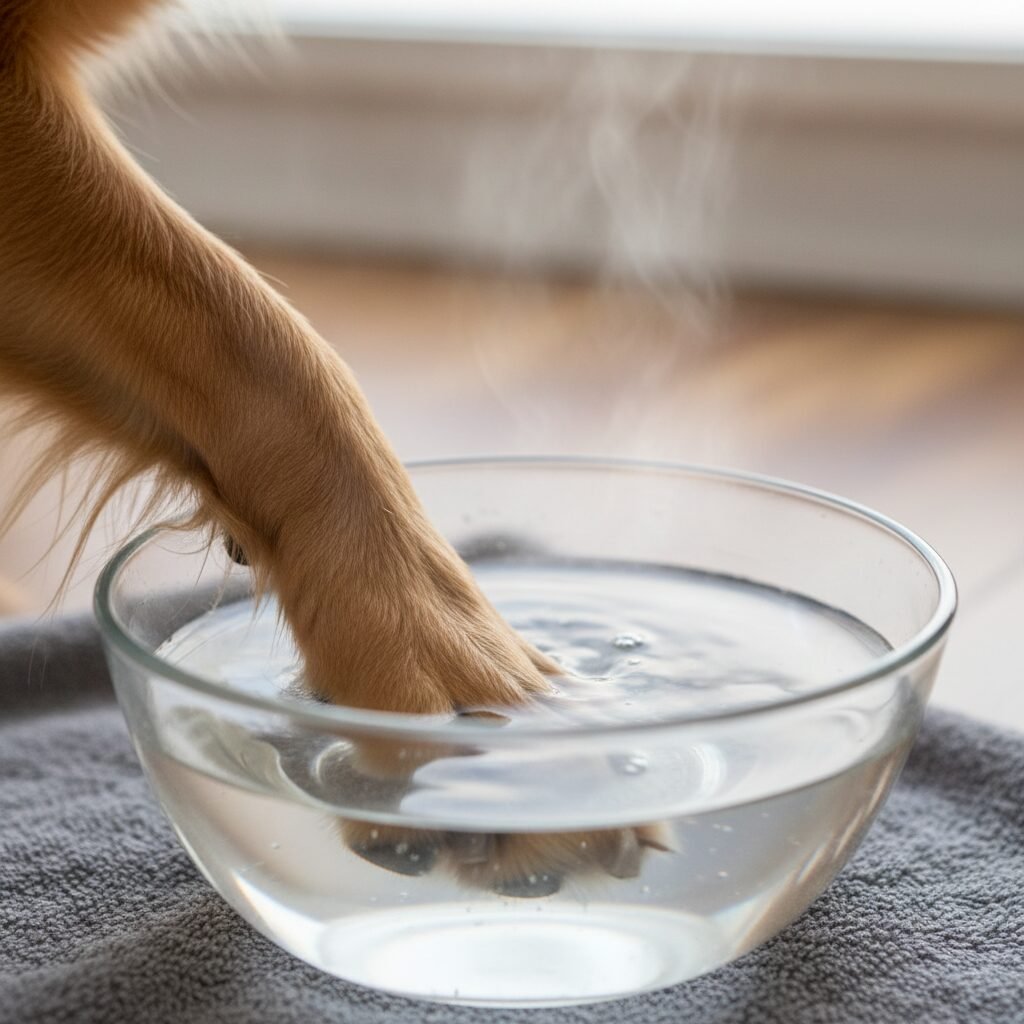
If your dog has particularly dirty paws or if you notice some irritation, a paw soak can be beneficial. Fill a shallow bowl with warm water (ensure it’s not too hot) and have your dog stand or sit comfortably. Gently place one paw into the water for a few minutes. You can add a small amount of Epsom salts (ensure they are pure, unscented, and safe for pets, or consult your vet first) or a pet-safe paw cleanser. The soak helps to loosen dirt and soothe irritated pads. After soaking, gently wipe and dry the paw thoroughly.
Tip 6 – Don’t Forget the Paw Pads
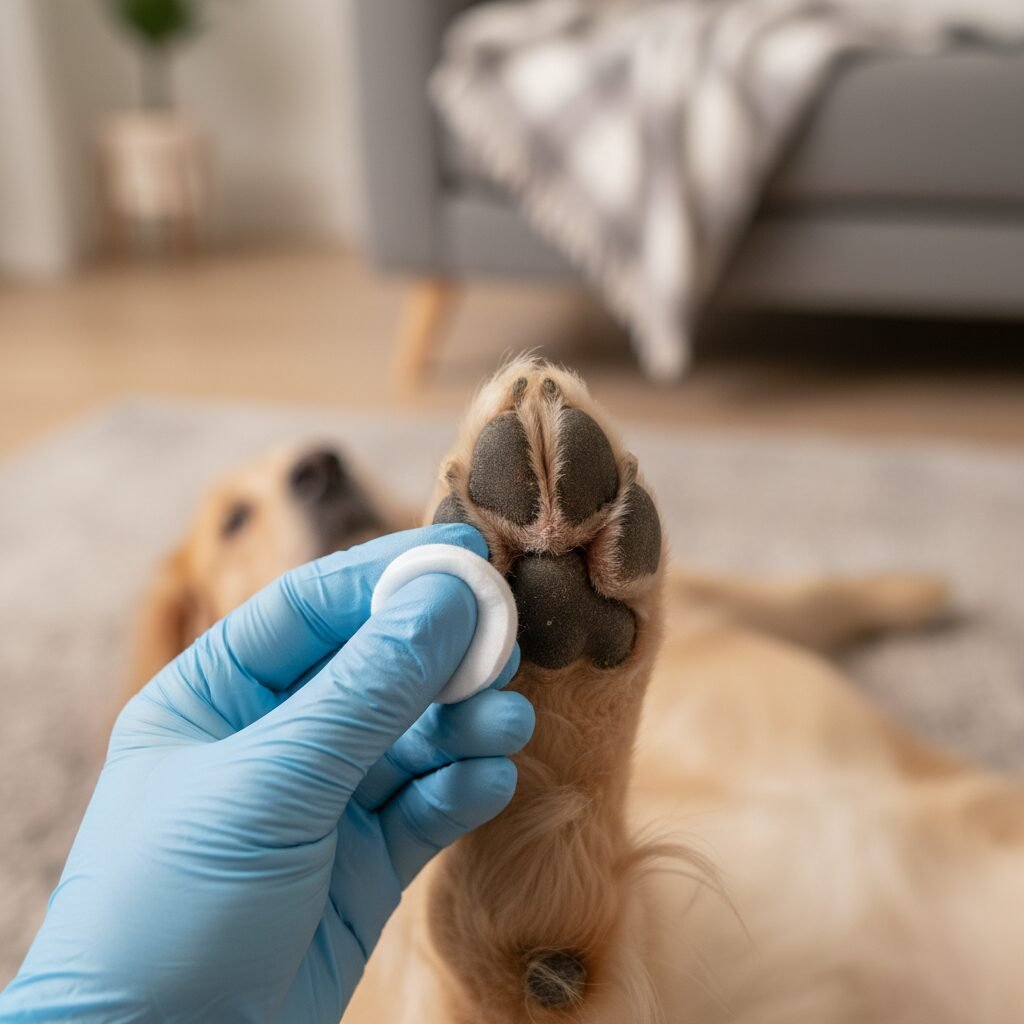
While the focus is on nails, the paw pads are equally important. Dirt and debris can get trapped between the pads, too. When cleaning the nails, take a moment to inspect and clean the paw pads and the fur between them. Use your damp cloth or brush to remove any foreign objects or matted fur that might be accumulating dirt. Healthy paw pads are crucial for your dog’s comfort and mobility.
Tip 7 – Regularity is Key for Healthy Paws
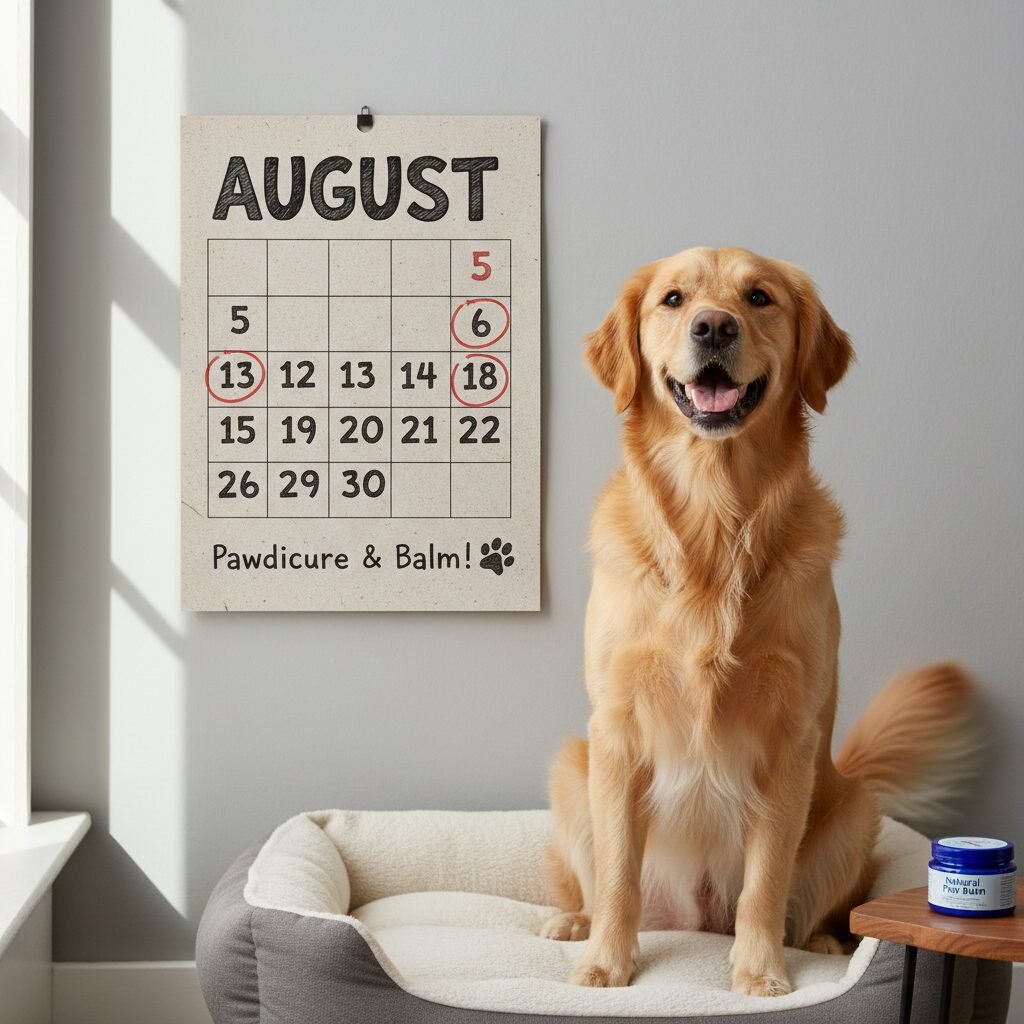
Consistency is paramount in dog nail and paw care. Integrate nail cleaning into your regular grooming routine, perhaps weekly or bi-weekly, depending on your dog’s activity level and environment. The more often you do it, the more accustomed your dog will become, and the easier the process will be. Regular checks also allow you to spot any potential issues early, such as cuts, scrapes, or signs of infection.
What to Avoid When Cleaning Nails
While cleaning your dog’s nails is generally safe, there are a few things to steer clear of to ensure their well-being.
Harsh Chemicals
Never use human cleaning products, harsh soaps, or disinfectants on your dog’s paws. Their skin is sensitive, and these products can cause severe irritation, dryness, or even chemical burns. Always opt for pet-specific products or plain warm water.
Over-Trimming
If you’re also trimming nails, be extremely careful not to cut into the quick – the sensitive part of the nail containing blood vessels and nerves. This is very painful and can cause bleeding. If you’re unsure, just clean the nails and leave trimming to a professional.
Forcing the Issue
If your dog is highly stressed or resistant, do not force them. This can create a negative association with paw handling, making future grooming much harder. Instead, try short, positive sessions with plenty of treats and praise. If resistance persists, consider seeking help from a professional groomer or vet who can handle them safely.
When to Seek Professional Help
Sometimes, despite your best efforts, you might encounter situations that require professional intervention. If you notice any persistent redness, swelling, discharge, foul odor, lameness, or if your dog is in obvious pain, it’s time to visit your veterinarian. These could be signs of an infection or injury that needs medical attention. A professional groomer can also assist if you’re struggling with severe dirt buildup or a highly resistant dog.
Conclusion
Cleaning your dog’s nails safely is a simple yet incredibly important aspect of their overall health and happiness. By regularly incorporating these 7 tips into your routine, you’re not just keeping their paws clean; you’re preventing potential health issues, ensuring their comfort, and strengthening the bond you share. Remember, a little time and care go a long way in keeping your beloved companion feeling their best, from the tip of their nose to the end of their perfectly clean paws. Happy grooming, and enjoy those happy, healthy paw prints!