
7 Training Tips Every Swiss Shepherd Owner Should Know
7 Training Tips Every Swiss Shepherd Owner Should Know
Bringing a Swiss Shepherd into your home is an exciting adventure! Known for their striking beauty, intelligence, and loyal nature, these dogs make wonderful companions. However, like all intelligent breeds, Swiss Shepherds thrive on structure, clear communication, and consistent training. Without it, their natural drive and protective instincts can lead to challenging behaviors. This guide will walk you through seven crucial training tips to help you build a strong bond with your Swiss Shepherd and ensure they become a well-adjusted, happy member of your family.
Understanding Your Swiss Shepherd’s Unique Nature
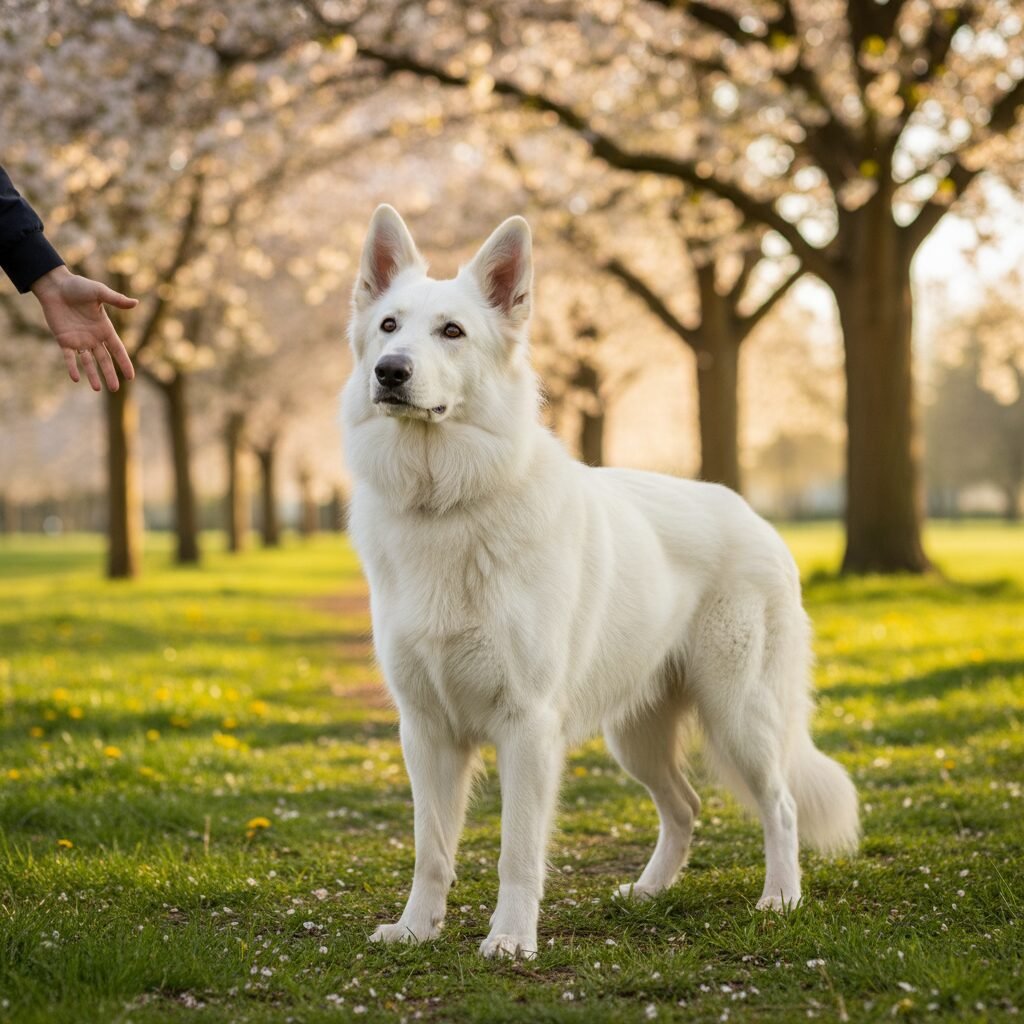
Swiss Shepherds, also known as White Swiss Shepherds or Berger Blanc Suisse, are a distinct breed with a fascinating heritage. They are highly intelligent, sensitive, and eager to please, making them generally responsive to training. However, they can also be quite sensitive to harsh corrections and may develop anxiety or fear if not handled with patience and positive reinforcement. Their strong bond with their family means they can be prone to separation anxiety if not properly managed, and their protective instincts require early socialization.
Understanding these core traits is the foundation of successful training. Embrace their intelligence, nurture their sensitive side, and channel their energy positively.
Tip 1 – Start Early with Socialization and Basic Obedience
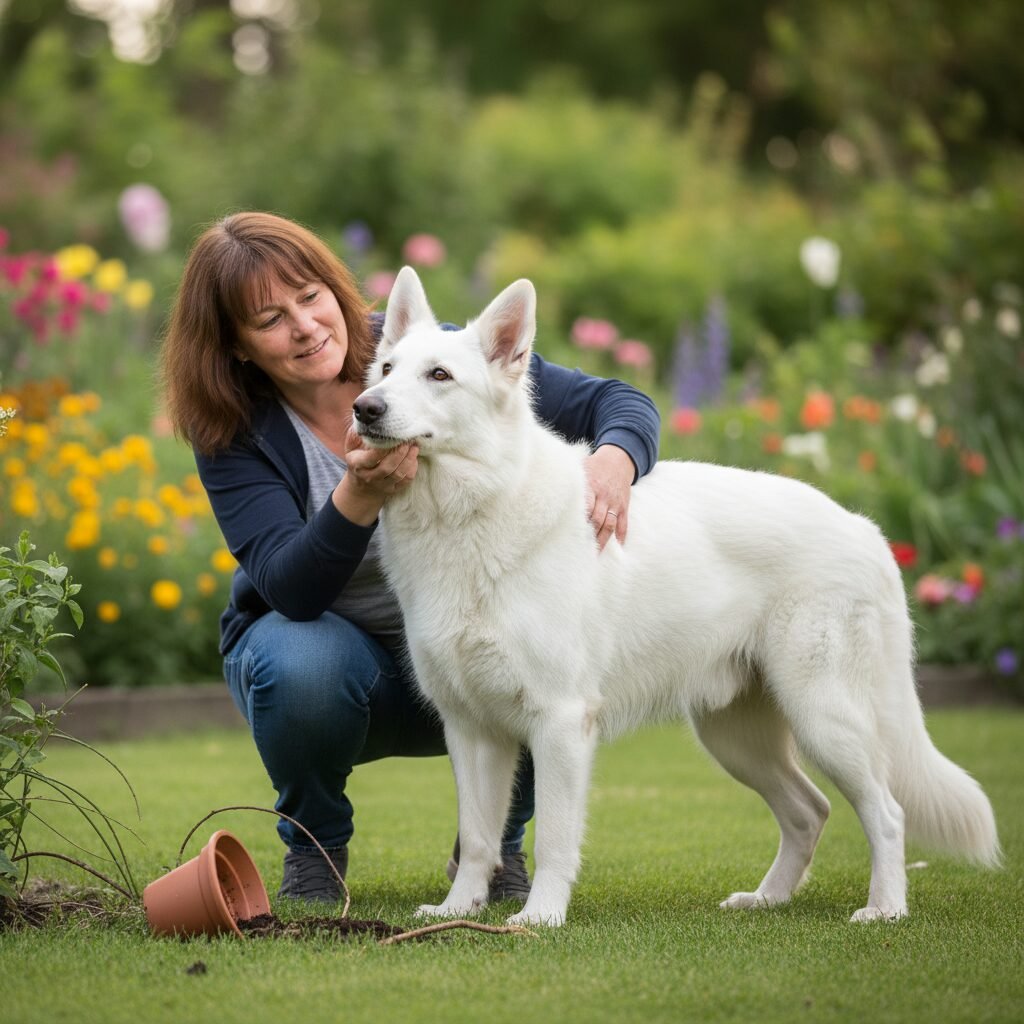
The moment your Swiss Shepherd puppy arrives home, the clock starts on socialization. Expose your puppy to a wide variety of sights, sounds, people, and other friendly dogs in a controlled, positive manner. This helps them grow into confident, well-adjusted adults who aren’t easily startled or aggressive towards new experiences.
Simultaneously, begin basic obedience commands like “sit,” “stay,” “come,” and “down.” Keep training sessions short, fun, and frequent. Puppies have short attention spans, so aim for 5-10 minute sessions multiple times a day.
The Importance of Puppy Classes
Enrolling in a puppy class is highly recommended. These classes provide a safe environment for supervised socialization and offer guidance on foundational obedience from professional trainers. It’s also a great opportunity for you to learn how to communicate effectively with your puppy.
Tip 2 – Consistency is Key in Training
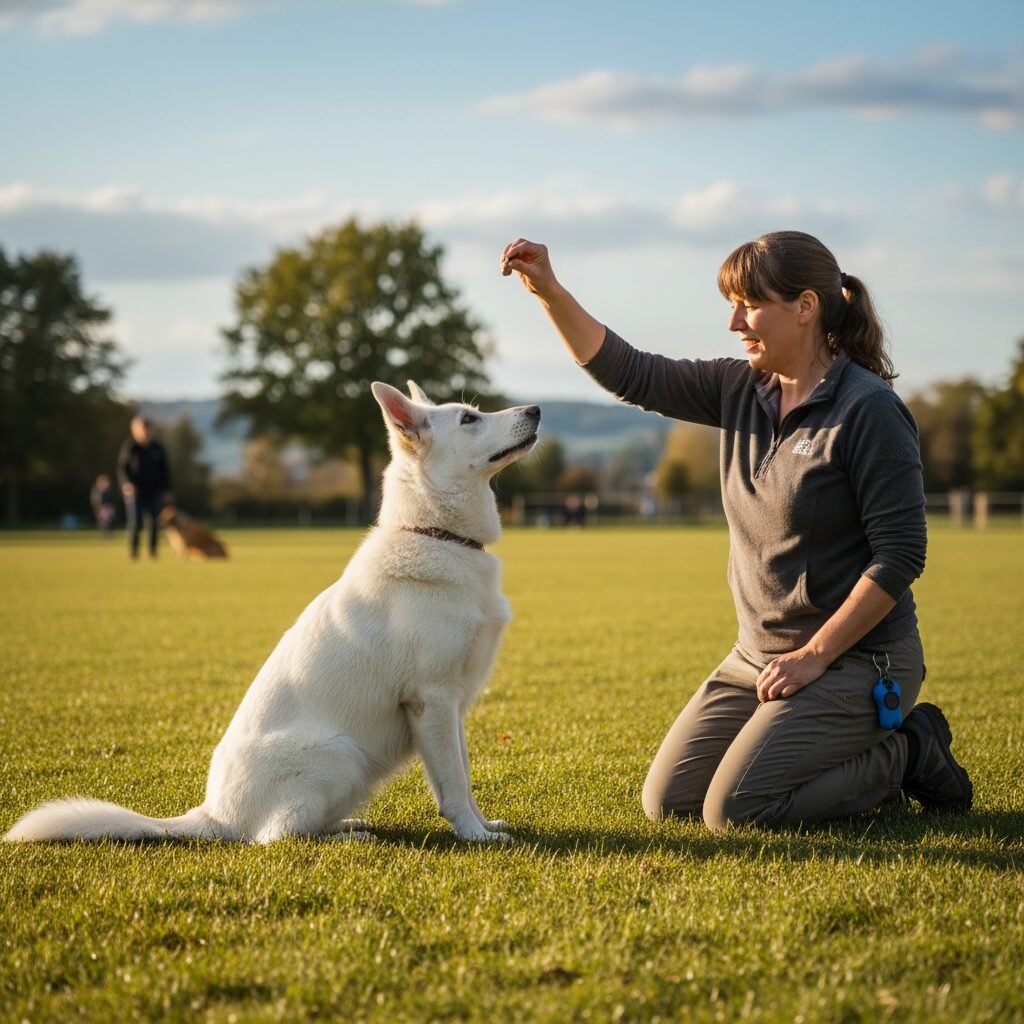
Swiss Shepherds thrive on routine and clear expectations. Inconsistency is a common reason for training challenges. If one family member allows the dog on the couch but another doesn’t, your dog will become confused and may choose to ignore commands. Everyone in the household must be on the same page regarding rules, commands, and rewards.
Use the same command words, hand signals, and reward system every time. This helps your Swiss Shepherd understand what’s expected of them, making the learning process smoother and more effective.
Tip 3 – Positive Reinforcement Works Wonders
Swiss Shepherds respond exceptionally well to positive reinforcement. This means rewarding desired behaviors with treats, praise, toys, or enthusiastic affection. Avoid punishment-based training methods, as these can damage your bond and lead to fear or aggression in this sensitive breed.
When your dog performs a desired action, immediately offer a reward. This instant gratification helps them associate the action with a positive outcome, making them more likely to repeat it. Keep treats small and high-value, especially during initial training.
Tip 4 – Master Leash Training Early On

Given their size and strength as adults, proper leash training is non-negotiable for a Swiss Shepherd. Start early by getting your puppy comfortable with a collar and leash. Begin with short, positive walks around the house or yard, rewarding loose-leash walking.
Teach your dog to walk calmly by your side without pulling. If they pull, stop walking immediately. Only resume when the leash slackens. This teaches them that pulling gets them nowhere. Consider using a front-clip harness for better control if pulling becomes a persistent issue.
Tip 5 – Provide Plenty of Mental and Physical Stimulation
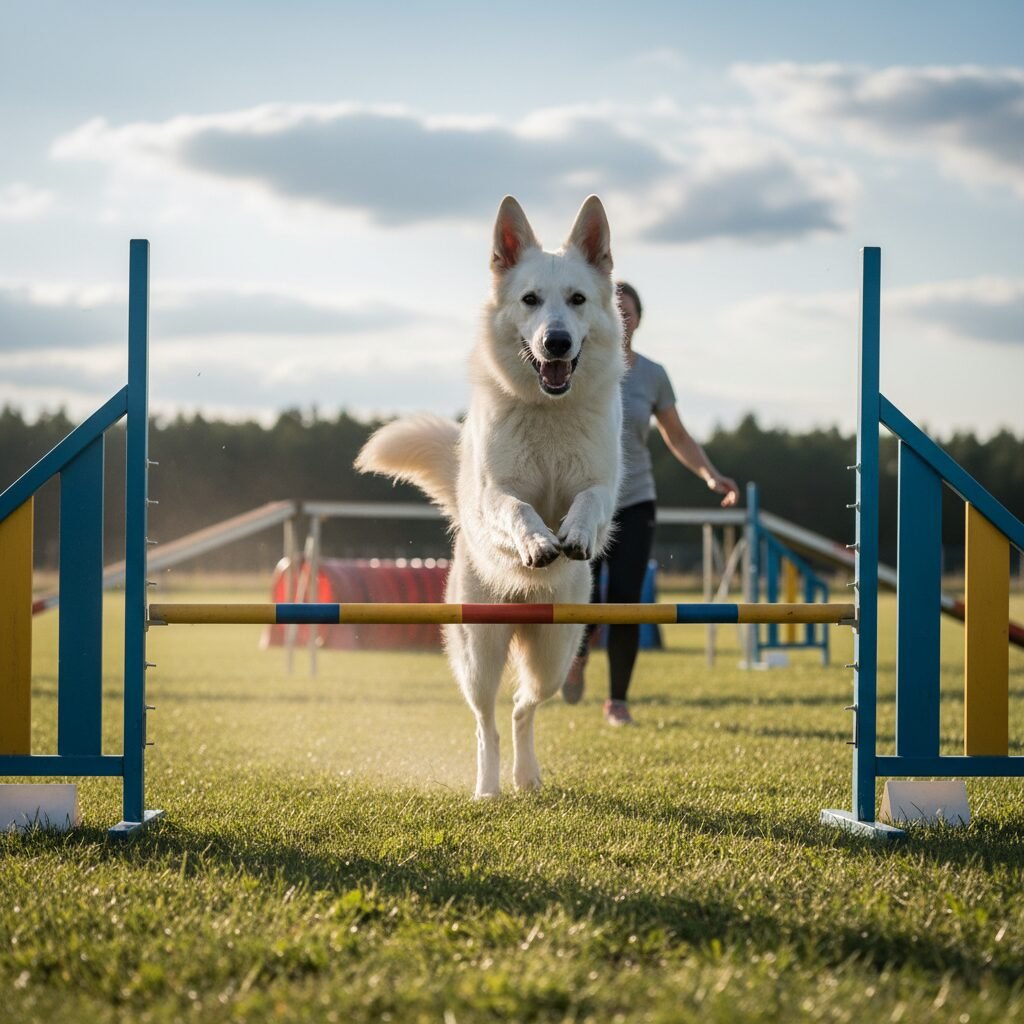
A bored Swiss Shepherd is a destructive Swiss Shepherd. These dogs are intelligent and energetic, requiring significant physical exercise and mental engagement to prevent behavioral problems. Daily walks are a start, but they often need more.
Consider activities like:
- Agility training– Excellent for both mind and body.
- Canine sports– Obedience, rally, or even herding.
- Puzzle toys– Food-dispensing toys that challenge their problem-solving skills.
- Interactive games– Fetch, hide-and-seek, or scent work.
- Long hikes or jogs– If physically appropriate for your dog’s age and health.
Aim for at least 1-2 hours of active exercise daily, combined with regular mental challenges.
Tip 6 – Address Problem Behaviors with Patience and Firmness
Even with the best training, Swiss Shepherds can develop undesirable behaviors like excessive barking, chewing, or jumping. When these occur, it’s crucial to address them calmly and consistently. Never resort to anger or physical punishment.
Instead, focus on redirection and teaching an alternative, appropriate behavior. For example, if your dog chews on furniture, redirect them to an appropriate chew toy. If they jump on guests, teach them to sit for greetings. Understanding the root cause of the behavior (boredom, anxiety, lack of exercise) is often the first step to solving it.
Tip 7 – Seek Professional Help When Needed
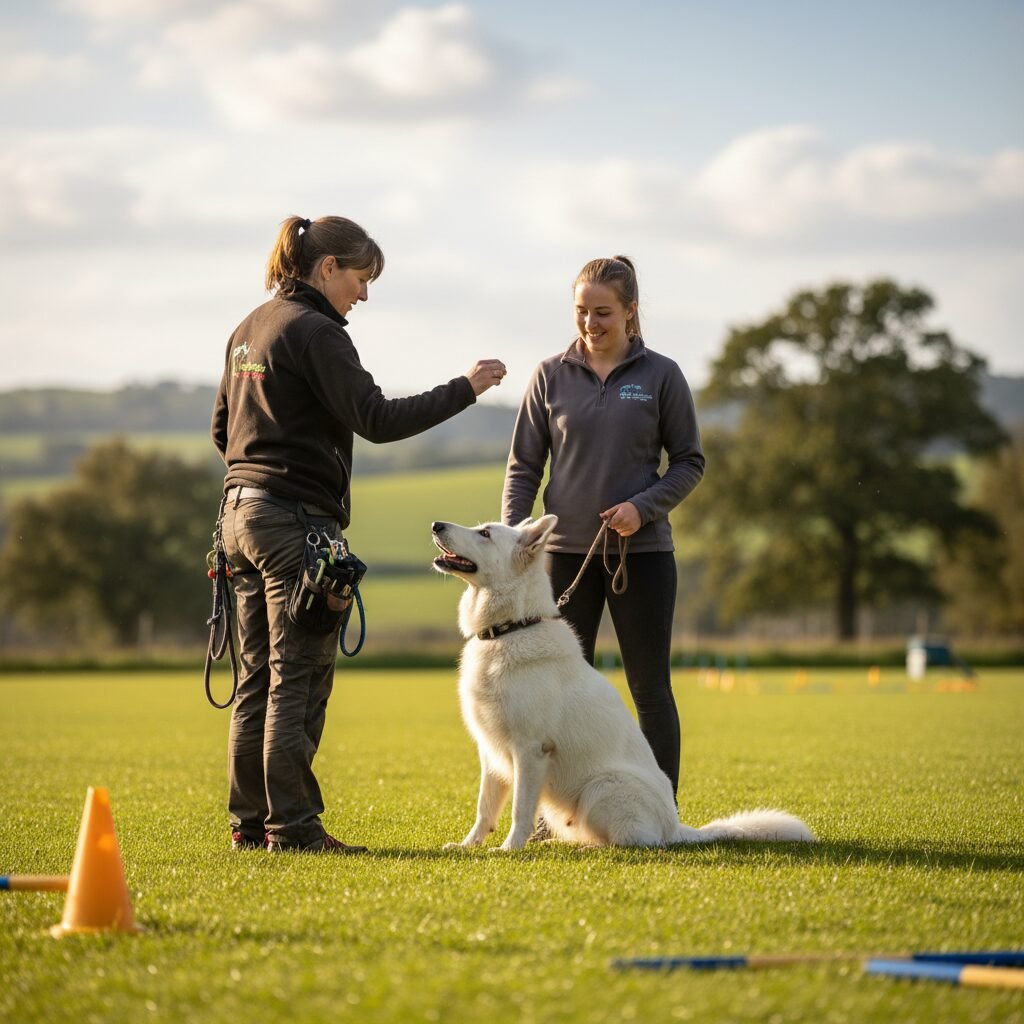
While this guide provides a strong foundation, some behaviors may require the expertise of a professional dog trainer or behaviorist. Don’t hesitate to seek help if you’re struggling with a particular issue, or if your dog exhibits fear, aggression, or severe anxiety.
A qualified professional can offer personalized advice, identify underlying causes, and provide hands-on guidance to help you and your Swiss Shepherd overcome challenges. Investing in professional help is an investment in your dog’s well-being and your peace of mind.
A Lifetime of Love and Learning
Training your Swiss Shepherd is an ongoing journey, not a one-time event. By understanding their unique needs, starting early, being consistent, and using positive reinforcement, you’ll forge an unbreakable bond with your intelligent and loyal companion. Embrace the process, celebrate their successes, and remember that every moment you invest in their training is a step towards a lifetime of shared joy and companionship. Your Swiss Shepherd is ready to learn and eager to please—guide them with love, patience, and clear expectations, and you’ll have an extraordinary family member for years to come.


