
8 Things You Should Never Do With Golden Retrievers (Unless You Want Chaos)
Golden Retrievers are more than just pets; they’re cherished family members known for their gentle nature, boundless energy, and unwavering loyalty. Their sunny disposition can light up any home, making them one of the most beloved dog breeds worldwide. But even with their naturally sweet temperament, these intelligent and sensitive dogs thrive on consistency, proper care, and understanding. Without these, even the happiest Golden can become a source of unexpected chaos.
As devoted dog parents, we all want what’s best for our furry companions. Sometimes, however, our best intentions can inadvertently lead to behaviors we’d rather avoid. This guide will walk you through eight critical things you should never do with your Golden Retriever if you want to foster a calm, well-adjusted, and happy home. By understanding and avoiding these common pitfalls, you’ll strengthen your bond and ensure your Golden grows into the wonderful companion they’re meant to be.
1. Neglecting Their Need for Exercise and Mental Stimulation
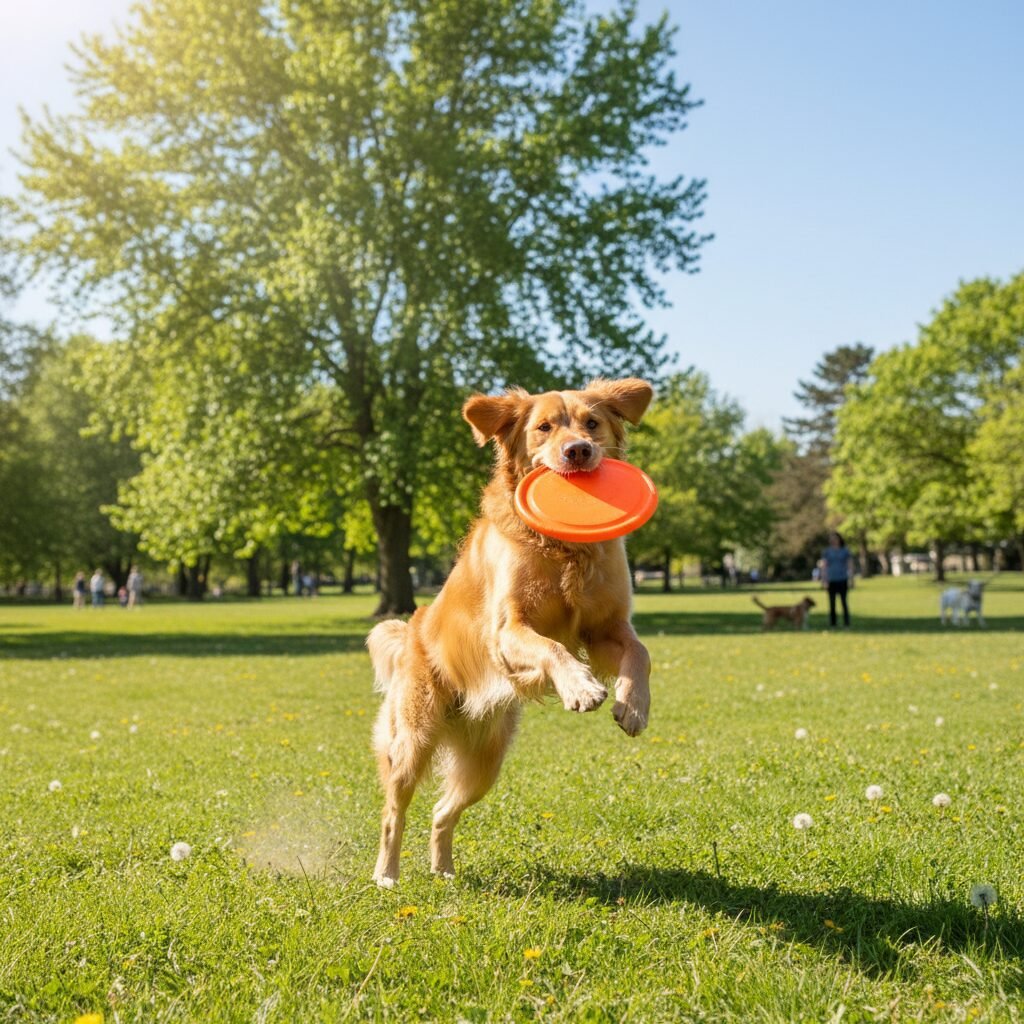
Golden Retrievers are bred for activity. They are sporting dogs with a history of retrieving game for hunters, which means they have a natural drive to move, run, and engage. Failing to provide adequate physical exercise and mental challenges is one of the quickest ways to invite chaos into your home.
Why it leads to chaos
An under-exercised Golden often becomes a destructive Golden. That pent-up energy has to go somewhere, and it often manifests as:
- Chewing furniture, shoes, or anything they can get their paws on.
- Excessive barking or whining.
- Digging in the yard.
- Hyperactivity and difficulty settling down.
What to do instead
Aim for at least 60-90 minutes of vigorous exercise daily. This can include:
- Long walks or jogs.
- Playing fetch in a secure area.
- Swimming (many Goldens love water!).
- Dog park visits (if your Golden is well-socialized).
Don’t forget mental stimulation! Puzzle toys, obedience training sessions, scent work, or even learning new tricks can tire their minds just as much as physical activity.
2. Leaving Them Alone for Extended Periods

Golden Retrievers are incredibly social animals. They thrive on companionship and want to be involved in family life. They are not dogs that do well when left alone for hours on end, day after day.
Why it leads to chaos
Prolonged isolation can lead to significant behavioral issues, including:
- Separation anxiety. This can manifest as destructive behavior, excessive vocalization, or house-soiling when you’re away.
- Loneliness and depression.
- Boredom. Which, as we know, often leads to destructive outlets.
What to do instead
If you work long hours, consider:
- Hiring a dog walker to break up their day.
- Enrolling them in a reputable doggy daycare a few times a week.
- Asking a trusted friend or family member to check in on them.
- Ensuring they have plenty of interactive toys to keep them occupied when you are gone.
When you are home, make sure to dedicate quality time to your Golden.
3. Skipping Early Training and Socialization

Golden Retrievers are highly intelligent and eager to please, making them generally easy to train. However, assuming their good nature means they don’t need consistent training and early socialization is a big mistake.
Why it leads to chaos
Without proper guidance, a Golden Retriever can become:
- Mouthy or nippy. Especially as puppies.
- Prone to jumping on people.
- Fearful or reactive. If not exposed to various sights, sounds, people, and other dogs from a young age.
- Difficult to manage on a leash.
What to do instead
Start training and socialization as early as possible. Enroll your puppy in a reputable puppy class. Continue with basic obedience training throughout their life. Expose them to new experiences in a positive, controlled way. Reward good behavior consistently. A well-socialized and trained Golden is a joy to be around, confident and polite in various situations.
4. Ignoring Their Grooming Requirements

That beautiful, flowing Golden Retriever coat isn’t maintenance-free. Ignoring their grooming needs won’t just make them look messy; it can lead to health issues.
Why it leads to chaos
Neglecting grooming can result in:
- Matting. Especially behind the ears, in the armpits, and on the tail, which can be painful and lead to skin infections.
- Excessive shedding. Golden Retrievers shed, but regular grooming helps manage it.
- Skin problems. Lack of brushing can prevent air circulation, leading to hot spots or other irritations.
- Unhealthy nails. Overgrown nails can cause pain and affect their gait.
What to do instead
Establish a regular grooming routine:
- Brush them several times a week. Daily during shedding season.
- Bathe them as needed. Usually every 4-6 weeks, or when they get particularly dirty.
- Trim their nails regularly. Or have a groomer do it.
- Check their ears weekly. Clean them gently to prevent infections.
5. Feeding Them Poor Quality Food

Just like humans, a dog’s diet plays a crucial role in their overall health, energy levels, and even behavior. Feeding your Golden Retriever low-quality food can have significant negative impacts.
Why it leads to chaos
A poor diet can lead to:
- Digestive issues. Such as diarrhea, vomiting, or excessive gas.
- Lack of energy or hyperactivity. Depending on the ingredients.
- Poor coat health. Dull, dry, or flaky skin.
- Weight problems. Obesity or malnourishment.
- Allergies or sensitivities.
What to do instead
Invest in high-quality dog food appropriate for their life stage (puppy, adult, senior) and activity level. Look for foods with:
- Real meat as the first ingredient.
- Whole grains or healthy carbohydrates.
- Essential fatty acids (omega-3 and omega-6).
- Limited fillers, artificial colors, or by-products.
Consult your veterinarian for personalized dietary recommendations.
6. Using Harsh Training Methods or Punishment

Golden Retrievers are incredibly sensitive dogs. While they are eager to please, they respond best to positive reinforcement and gentle guidance. Harsh training methods can be detrimental.
Why it leads to chaos
Punishment-based training can lead to:
- Fear and anxiety. Your Golden may become fearful of you or specific situations.
- Aggression. A fearful dog may lash out.
- Broken trust. This can severely damage your bond.
- Suppressed behavior. Rather than truly learning, they may just hide undesirable actions.
What to do instead
Embrace positive reinforcement training. This involves:
- Rewarding desired behaviors with treats, praise, or toys.
- Ignoring or redirecting unwanted behaviors.
- Being patient and consistent.
- Focusing on building a positive relationship based on trust and understanding.
7. Overlooking Regular Veterinary Check-ups and Preventative Care

Golden Retrievers are generally healthy, but like all breeds, they are prone to certain genetic conditions and health issues. Skipping regular vet visits is a gamble you shouldn’t take.
Why it leads to chaos
Neglecting veterinary care can lead to:
- Late detection of serious illnesses. Golden Retrievers can be prone to hip and elbow dysplasia, certain cancers, and heart conditions. Early detection is key for effective treatment.
- Preventable diseases. Missing vaccinations or parasite control can expose your dog to dangerous illnesses.
- Unnecessary suffering. Untreated pain or illness diminishes their quality of life.
What to do instead
Schedule annual check-ups with your veterinarian. Follow their recommendations for:
- Vaccinations.
- Parasite prevention (fleas, ticks, heartworm).
- Dental care.
- Routine screenings. Especially as they age.
Be proactive about your Golden’s health. You know your dog best; if something seems off, don’t hesitate to contact your vet.
8. Forgetting to Child-Proof Your Home or Supervise Play
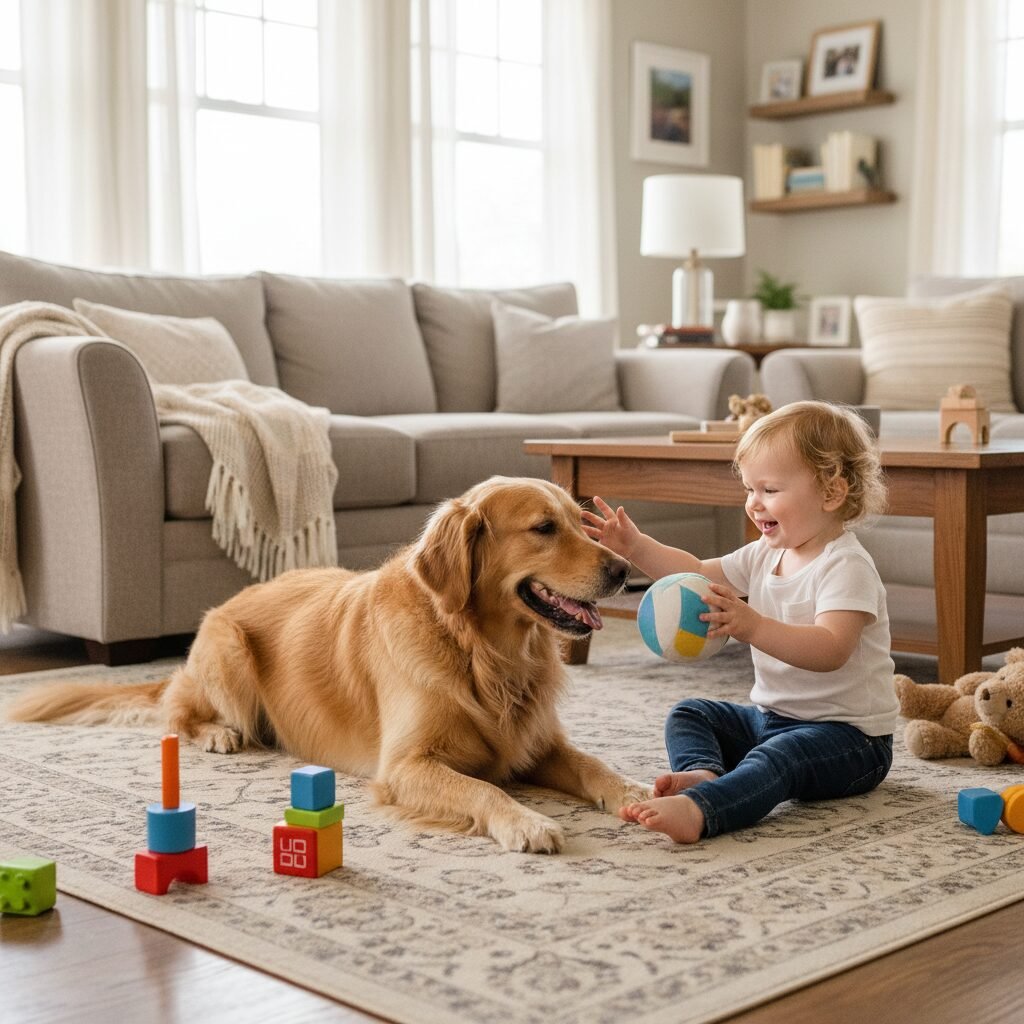
Golden Retrievers are renowned for being excellent family dogs, often gentle and patient with children. However, even the most good-natured dog needs boundaries and supervision, especially around very young children or other small pets.
Why it leads to chaos
Lack of supervision or preparation can lead to:
- Accidental injuries. A large, playful Golden can unintentionally knock over a small child.
- Resource guarding. If a dog’s toys or food are constantly taken by children without proper training, it can lead to growling or snapping.
- Stress for the dog. Constant poking, prodding, or loud noises from children can overwhelm a dog.
- Ingestion of dangerous items. Small toys, medications, or household cleaners left within reach.
What to do instead
Always supervise interactions between your Golden and children or other small pets. Teach both your dog and your children appropriate behavior:
- Teach children to be gentle and respectful. No pulling tails, ears, or disturbing a sleeping dog.
- Teach your Golden polite manners. No jumping, gentle play.
- Provide your dog with a safe space. A crate or bed where they can retreat when they need quiet time.
- Child-proof your home. Keep dangerous items out of reach.
Conclusion- A Happy Golden, A Happy Home
Golden Retrievers bring unparalleled joy and companionship into our lives. Their capacity for love and their desire to please are truly remarkable. By understanding and avoiding these eight common pitfalls, you’re not just preventing chaos; you’re actively creating an environment where your Golden Retriever can thrive.
Remember, a well-exercised, mentally stimulated, properly trained, and loved Golden is a happy Golden. They rely on us, their devoted parents, to guide them, protect them, and meet their needs. Embrace these tips, and you’ll not only avoid unnecessary challenges but also deepen the incredible bond you share with your golden companion, ensuring a lifetime of harmony and happiness together. Your Golden deserves nothing less!