Essential Training Tips Every Bichon Frise Owner Should Follow
Bringing a Bichon Frise into your life is like welcoming a little cloud of joy, personality, and endless cuddles. These charming, intelligent dogs are known for their playful spirit and affectionate nature. However, like all breeds, Bichons thrive on structure and guidance. Proper training is not just about teaching commands; it’s about building a strong, loving bond based on trust and mutual understanding. This guide will walk you through essential training tips to help your Bichon Frise become a well-adjusted, happy member of your family.
Understanding Your Bichon Frise
The Bichon Temperament
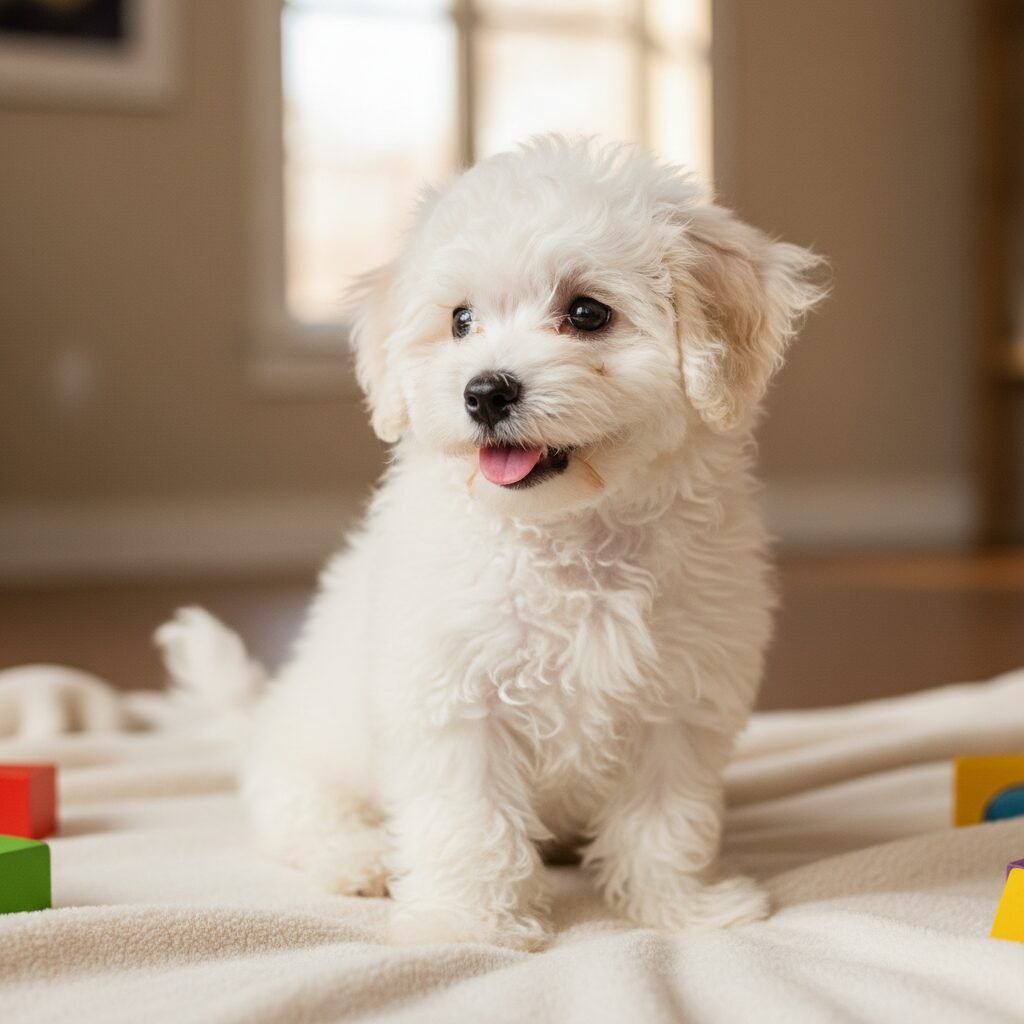
Bichons are famous for their cheerful disposition and desire to please. They are highly intelligent, which makes them quick learners, but their sensitive nature means they respond best to positive reinforcement and gentle methods. Harsh corrections can easily make them timid or resistant. Understanding their temperament is the first step to successful training.
Starting Early is Key
The earlier you begin training, the better. Puppies are like sponges, absorbing new information and experiences rapidly. Starting with basic obedience and socialization as soon as your Bichon Frise puppy comes home will lay a strong foundation for their future behavior. Even older Bichons can learn new tricks, but early intervention prevents bad habits from forming.
Foundation Training Basics
Positive Reinforcement – The Golden Rule
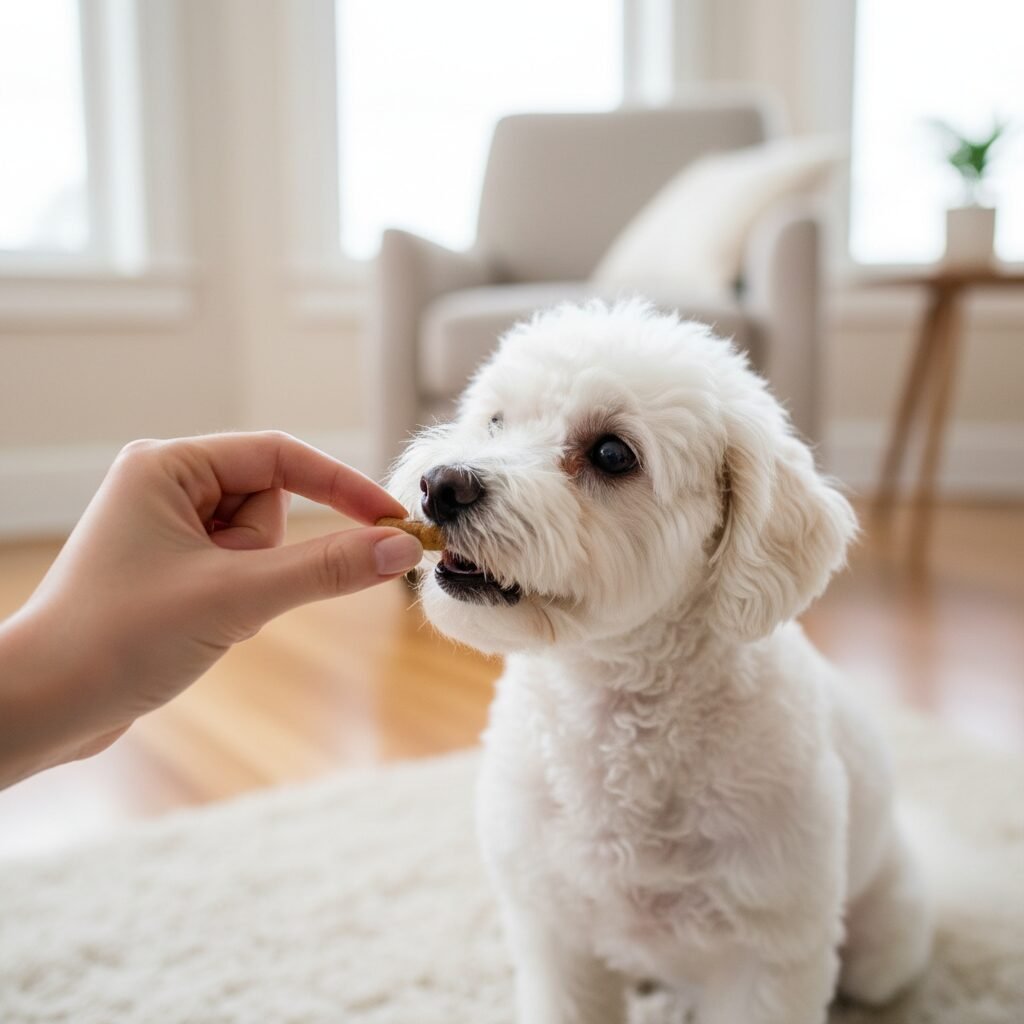
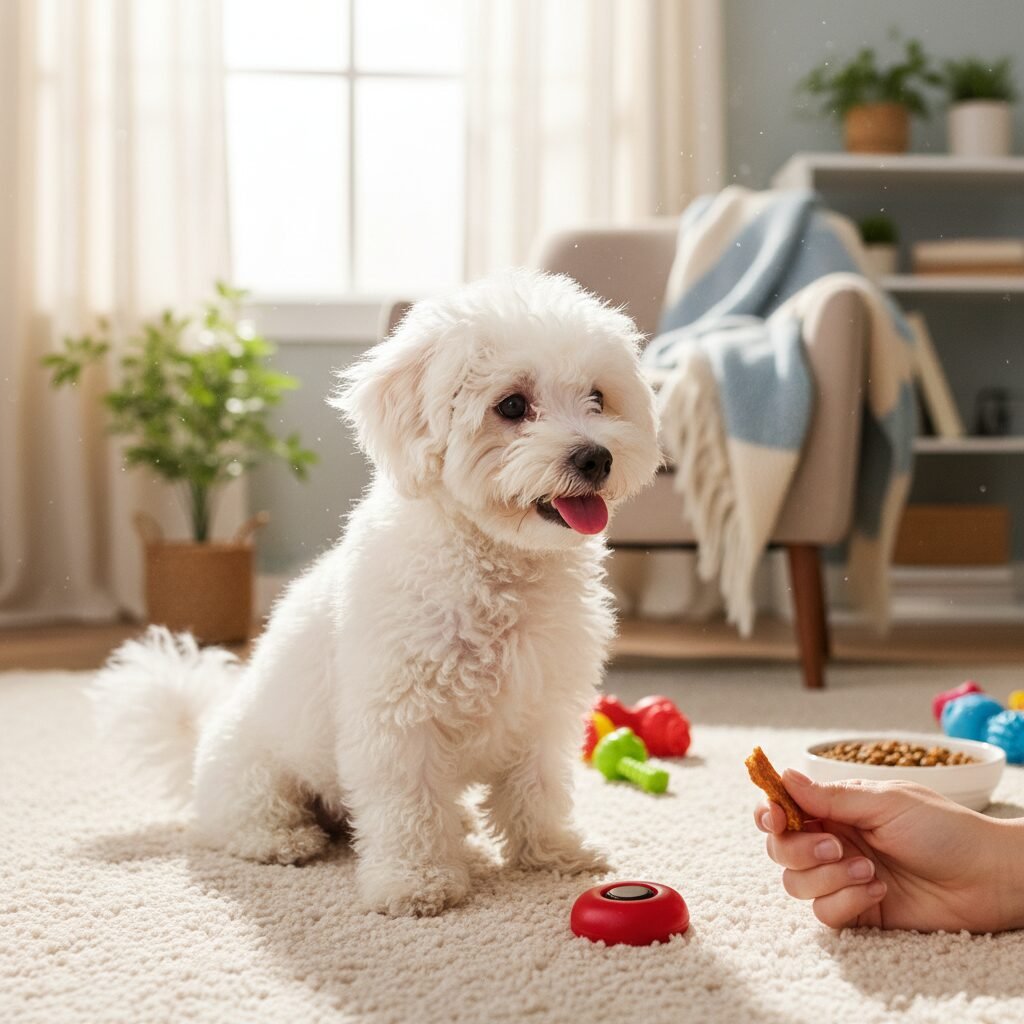
Positive reinforcement is the most effective training method for Bichons. This means rewarding desired behaviors with treats, praise, or toys. When your Bichon does something right, immediately reward them! This helps them associate the action with a positive outcome, making them more likely to repeat it. Keep training sessions short, fun, and engaging to hold their attention.
Potty Training Success
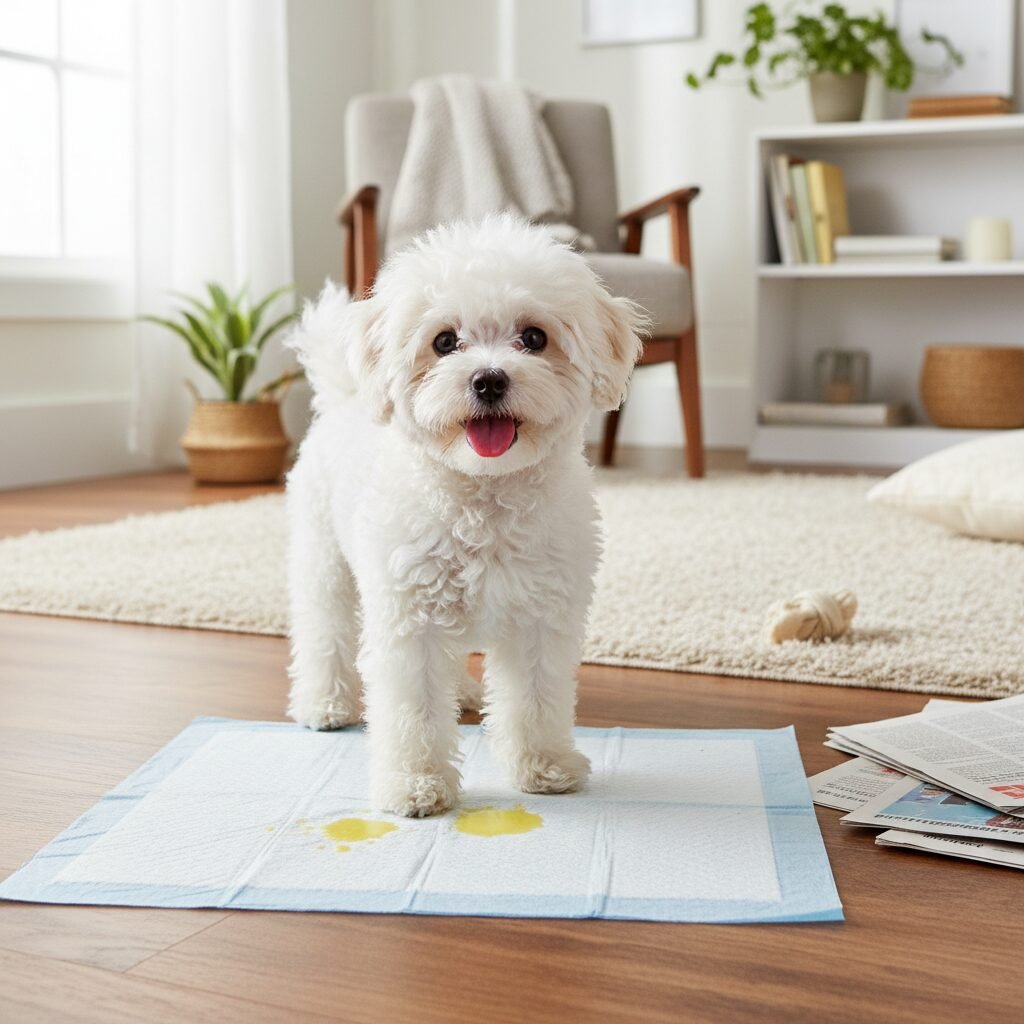
Potty training can be one of the most challenging aspects of puppy ownership, especially with small breeds like Bichons. Consistency is paramount:
- Frequent Trips Take your Bichon out every 1-2 hours, especially after waking up, eating, and playing.
- Designated Spot Always take them to the same outdoor spot. Their scent will encourage them to go there.
- Reward Immediately When they relieve themselves outside, offer enthusiastic praise and a small, high-value treat immediately.
- Clean Up Accidents Thoroughly Use an enzymatic cleaner to eliminate odors that might attract them back to the same indoor spot.
- Crate Training Aid A crate can be a powerful tool, as dogs naturally don’t want to soil their sleeping area.
Crate Training for Comfort and Safety
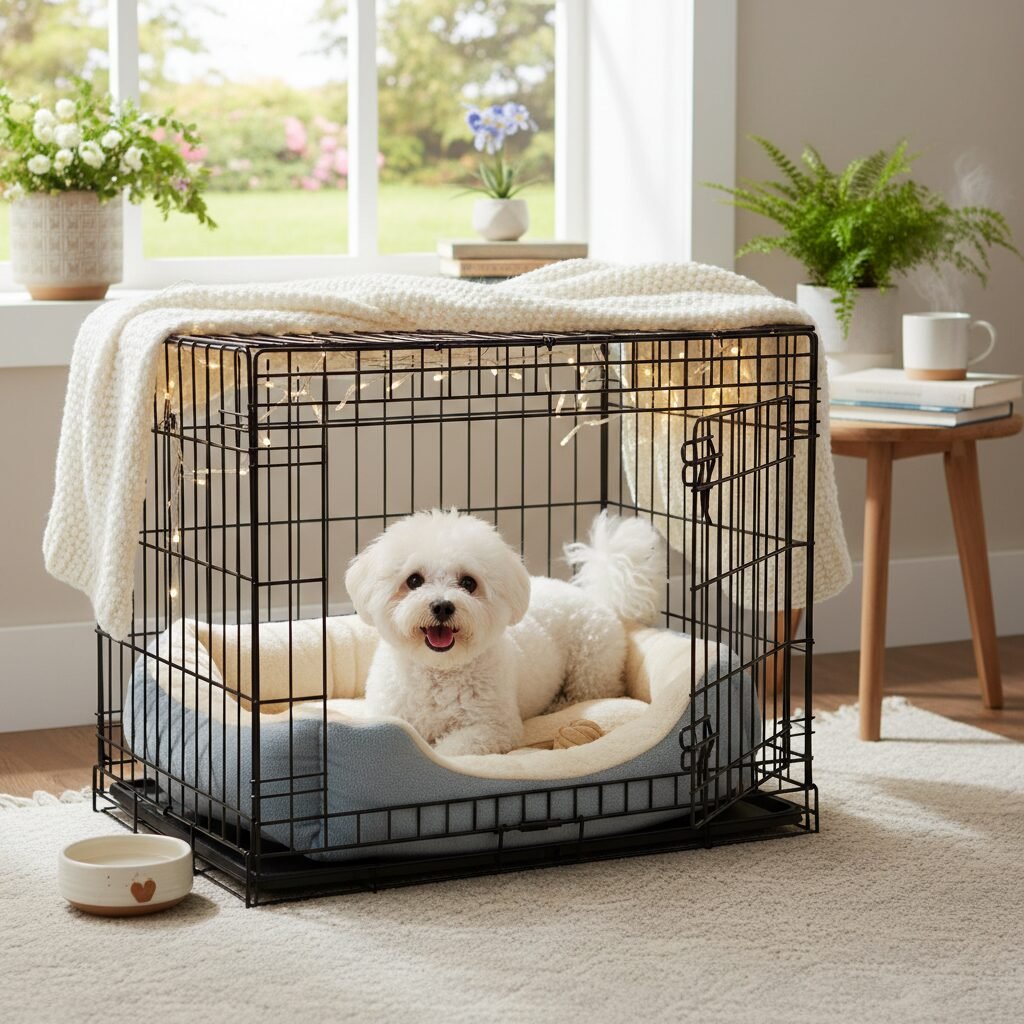
A crate should be a safe, comfortable den for your Bichon, not a punishment. Introduce the crate positively with treats and toys. It’s invaluable for potty training, managing separation anxiety, and providing a secure space when you can’t supervise them directly.
Essential Commands and Manners
Sit, Stay, Come – Building Trust
These basic commands are crucial for your Bichon’s safety and your peace of mind. Use clear, consistent verbal cues and hand signals. Practice in a quiet environment first, then gradually introduce distractions.
- Sit Hold a treat above their head, moving it back towards their tail. As their rear touches the ground, say ‘Sit’ and reward.
- Stay Once they can sit, tell them ‘Stay’, take one step back, then immediately return and reward. Gradually increase distance and duration.
- Come Call their name, then ‘Come!’ and back away, making it a fun game. Reward them enthusiastically when they reach you.
Leash Training for Pleasant Walks
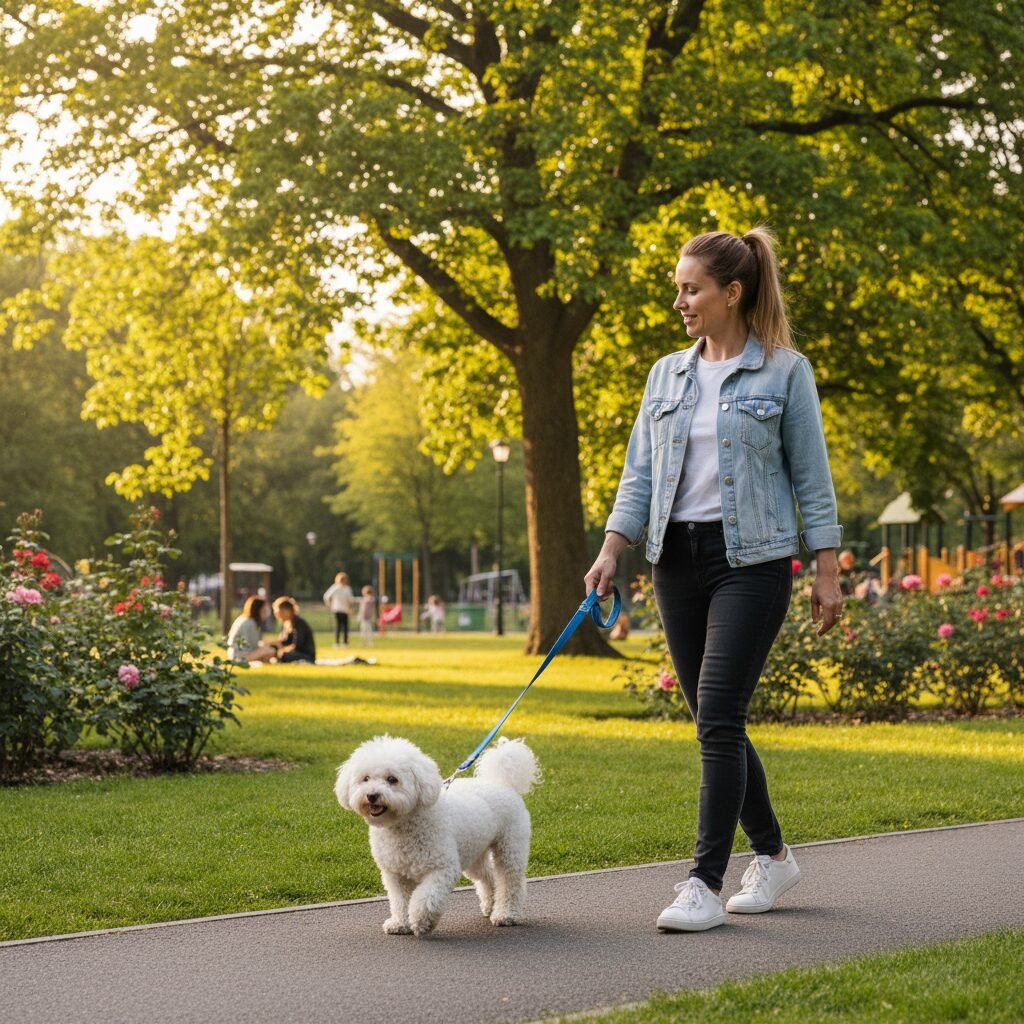
Introduce the collar and leash early, allowing your Bichon to get used to wearing them. Start with short walks in a low-distraction environment. Reward loose-leash walking and gentle behavior. Avoid pulling or jerking the leash, as Bichons are delicate.
Nipping and Biting – Gentle Corrections
Puppies explore with their mouths, but nipping can become a problem. When your Bichon nips too hard, yelp loudly (like a puppy) and immediately stop playing for a few seconds. This teaches them bite inhibition. Offer appropriate chew toys as alternatives.
Socialization and Behavior
Early Socialization Benefits
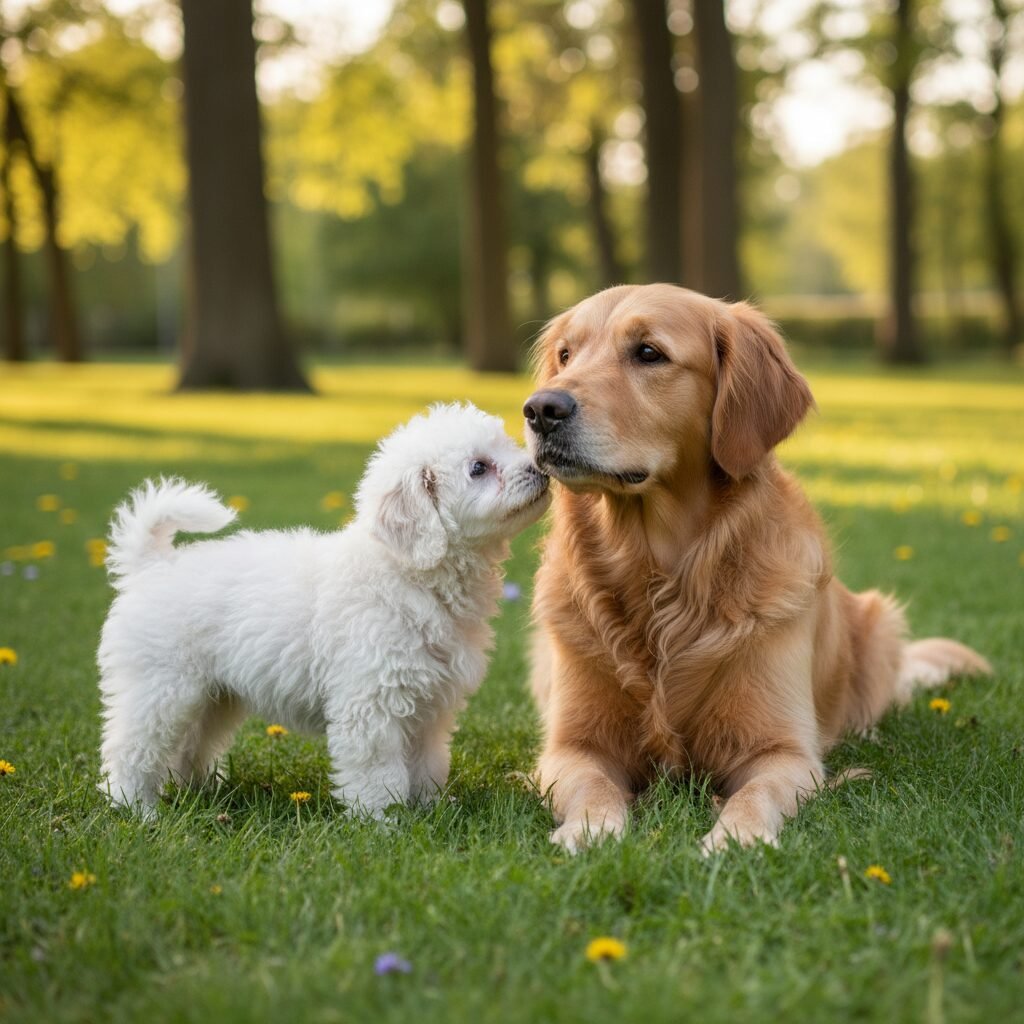
Socialization means exposing your puppy to a variety of sights, sounds, people, and other friendly, vaccinated dogs in a positive way. This helps them grow into confident, well-adjusted adults less prone to fear or aggression. Puppy classes are excellent for structured socialization.
Managing Separation Anxiety
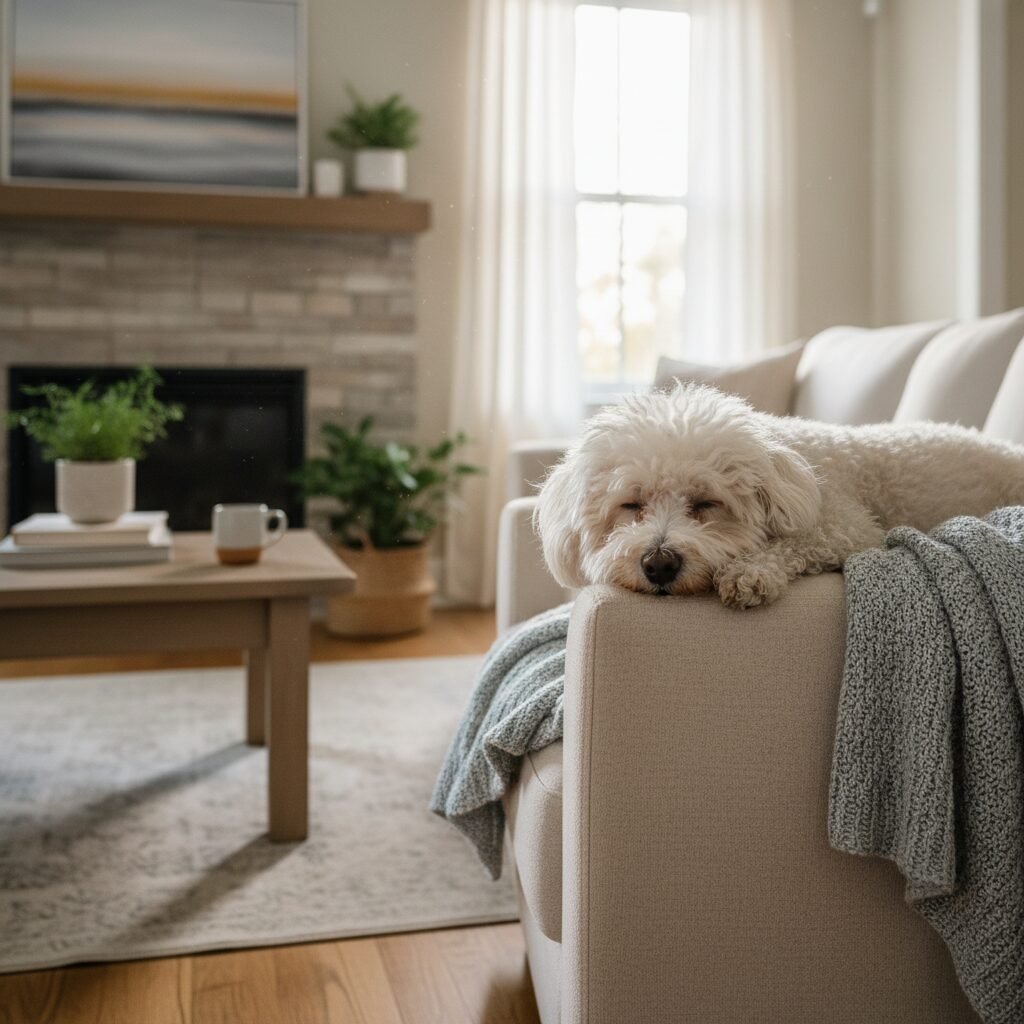
Bichons are companion dogs and can be prone to separation anxiety if left alone for too long or not properly conditioned. Teach them that being alone is okay:
- Start with short absences, gradually increasing the time.
- Provide engaging toys or puzzle feeders when you leave.
- Avoid making a big fuss when you leave or return.
- Ensure they get plenty of exercise before you go.
Grooming and Handling – Making it Positive
Due to their fluffy coats, Bichons require regular grooming. Make brushing, nail trims, and ear cleaning positive experiences from a young age. Use treats and praise, and handle them gently. This makes future grooming much easier and less stressful for both of you.
Advanced Tips for a Well-Adjusted Bichon
Consistency and Patience Pay Off
Training isn’t a one-time event; it’s an ongoing process. Be consistent with your rules, commands, and expectations. Every family member should be on the same page. Patience is crucial; there will be setbacks, but persistent, positive reinforcement will yield results.
When to Seek Professional Help
If you encounter persistent behavioral issues that you’re struggling to manage, don’t hesitate to consult a professional dog trainer or a veterinary behaviorist. They can provide tailored advice and strategies to help your Bichon overcome challenges.
Conclusion
Training your Bichon Frise is one of the most rewarding journeys you’ll embark on as a dog parent. By understanding their unique personality, employing positive reinforcement, and remaining consistent and patient, you’ll not only teach them essential manners but also deepen the incredible bond you share. A well-trained Bichon is a happier, more confident dog, ready to fill your life with boundless love and companionship. Embrace the process, celebrate every small victory, and enjoy every moment with your fluffy best friend. Your dedication now will lead to a lifetime of joy together.