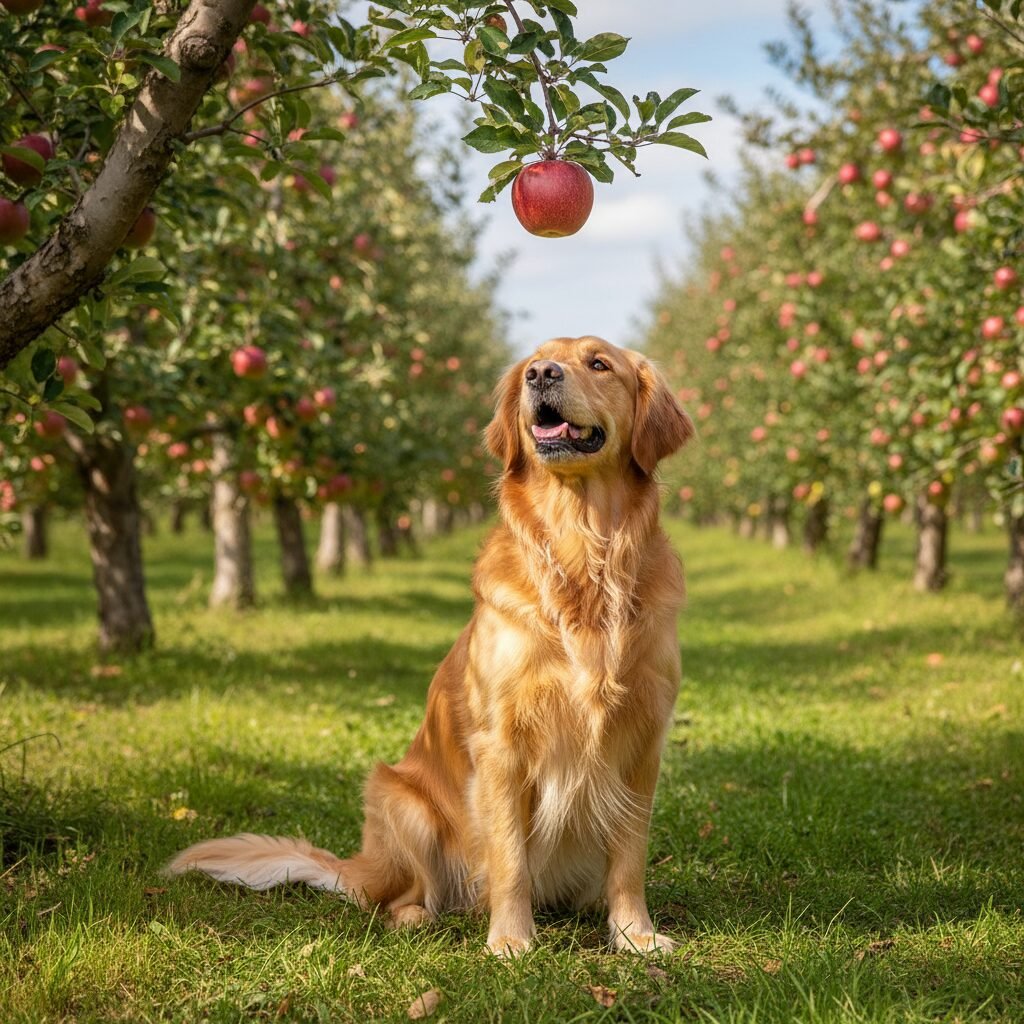
Can Dogs Eat Apples? What Every Owner Should Know
As loving dog parents, we’re always looking for ways to share healthy snacks with our furry family members. Apples, with their crisp texture and sweet taste, often catch our eye. But before you toss a piece to your eager pup, you might wonder, “Can dogs eat apples?” The short answer is yes, dogs can enjoy apples, but there are some crucial things every owner should know to ensure their canine companion stays safe and healthy.
This comprehensive guide will walk you through the amazing benefits apples can offer your dog, highlight the essential precautions you need to take, and provide practical tips on how to safely prepare and serve this popular fruit. Let’s dig in and learn how to share the apple love responsibly!
Yes, Dogs Can Enjoy Apples-With a Few Important Caveats

Good news! Apples are generally considered a safe and healthy snack for most dogs. They’re packed with nutrients that can contribute to your dog’s overall well-being. However, the key to feeding apples safely lies in understanding the parts of the apple that are beneficial and those that pose a risk.
Think of apples as a delightful, occasional treat rather than a meal replacement. When prepared correctly and offered in moderation, they can be a wonderful addition to your dog’s diet, providing a satisfying crunch and a burst of natural sweetness.
Why Apples Are a Great Treat for Your Canine Companion
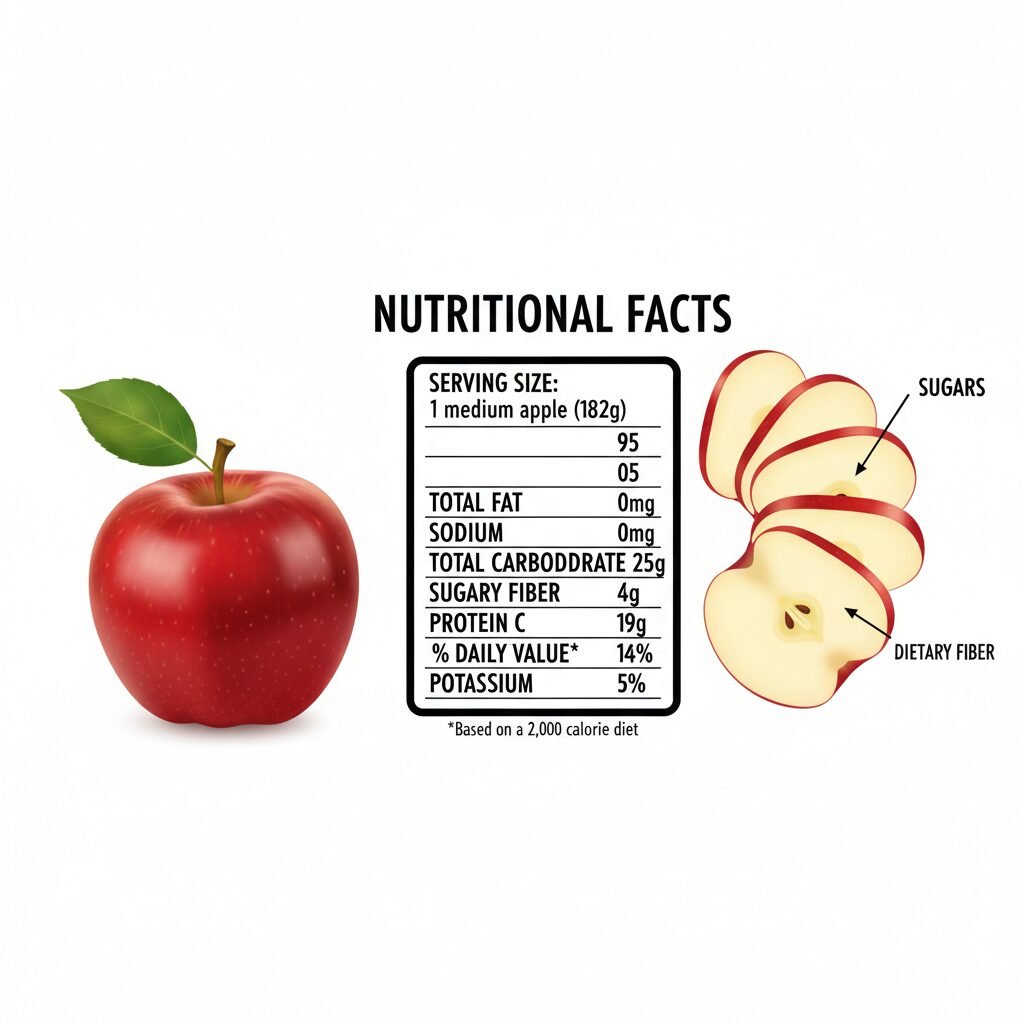
Beyond being a tasty snack, apples offer several health benefits that make them a good choice for your dog’s treat rotation.
Nutritional Powerhouse
Apples are rich in essential vitamins, particularly Vitamin A and Vitamin C, which support vision, immune function, and skin health. They also contain a good amount of dietary fiber, which aids in digestion and can help regulate bowel movements. This fiber can be particularly helpful for dogs prone to constipation.
Dental Health Booster
The crunchy texture of an apple can act like a natural toothbrush, helping to scrub away plaque and tartar buildup on your dog’s teeth. While it’s not a substitute for regular dental care, the mechanical action of chewing an apple can contribute to better oral hygiene and fresher breath.
Low-Calorie Snack
For dogs watching their weight, apples are an excellent low-calorie option compared to many processed dog treats. They provide a satisfying snack without adding excessive calories, making them a smart choice for maintaining a healthy weight.
The Essential Precautions-What to Remove and Avoid
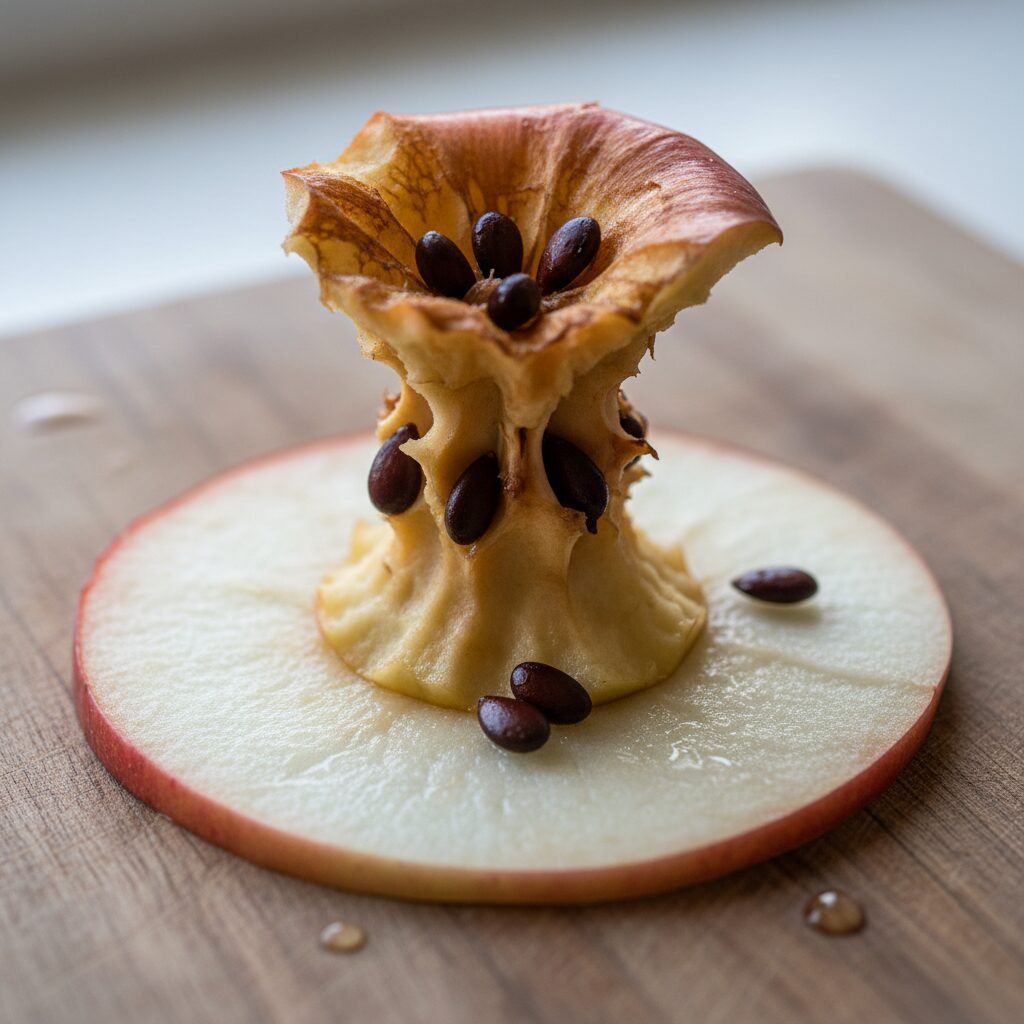
While the flesh of an apple is safe, certain parts are not. Paying attention to these details is crucial for your dog’s safety.
The Danger of Apple Seeds and Core
This is the most critical precaution. Apple seeds contain small amounts of cyanide, a toxic compound. While a few seeds might not immediately harm a large dog, consuming many seeds over time, or a significant amount by a small dog, can lead to cyanide poisoning. Symptoms can include dilated pupils, difficulty breathing, bright red gums, and shock. Always remove all seeds.
The apple core itself is also a significant choking hazard, especially for smaller dogs. Its tough, fibrous texture makes it difficult to chew and digest, and it can cause an intestinal blockage.
The Stem-A Choking Hazard
Similar to the core, the stem of an apple can be a choking hazard. It’s best to remove it completely before offering any apple pieces to your dog.
Moderation is Key to Prevent Upset Stomachs
Even healthy foods can cause problems if given in excess. Too much apple, particularly due to its fiber content, can lead to digestive upset in dogs, including diarrhea or gas. Introduce apples slowly and in small quantities to see how your dog reacts.
Pesticide Awareness-Always Wash Thoroughly
Apples can be coated with pesticides and waxes. Always wash apples thoroughly under running water before preparing them for your dog to remove any harmful residues.
How to Safely Prepare Apples for Your Dog
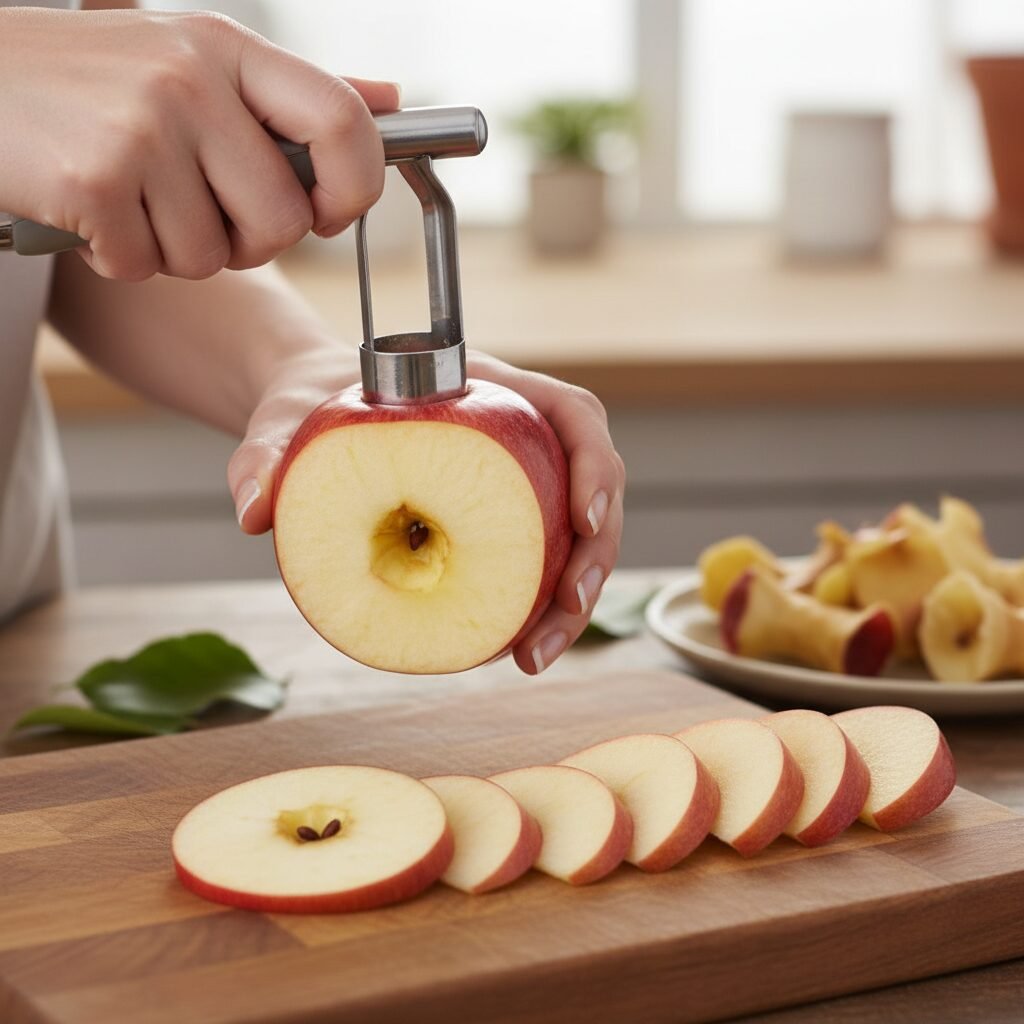
Preparing apples for your dog is simple, but following these steps ensures maximum safety and enjoyment:
- Wash the Apple: Rinse the apple thoroughly under cool running water to remove any dirt, pesticides, or wax.
- Remove the Core and Seeds: Use an apple corer or carefully cut around the core to remove it completely. Ensure no seeds remain attached to the flesh.
- Slice into Small, Manageable Pieces: Cut the apple into small, bite-sized wedges or cubes appropriate for your dog’s size. For very small dogs or puppies, finely chop the pieces. This prevents choking and makes digestion easier.
- Serve Plain: Do not add sugar, cinnamon, or any other spices or toppings. Plain apple is best for your dog.
Creative Ways to Serve Apples to Your Dog
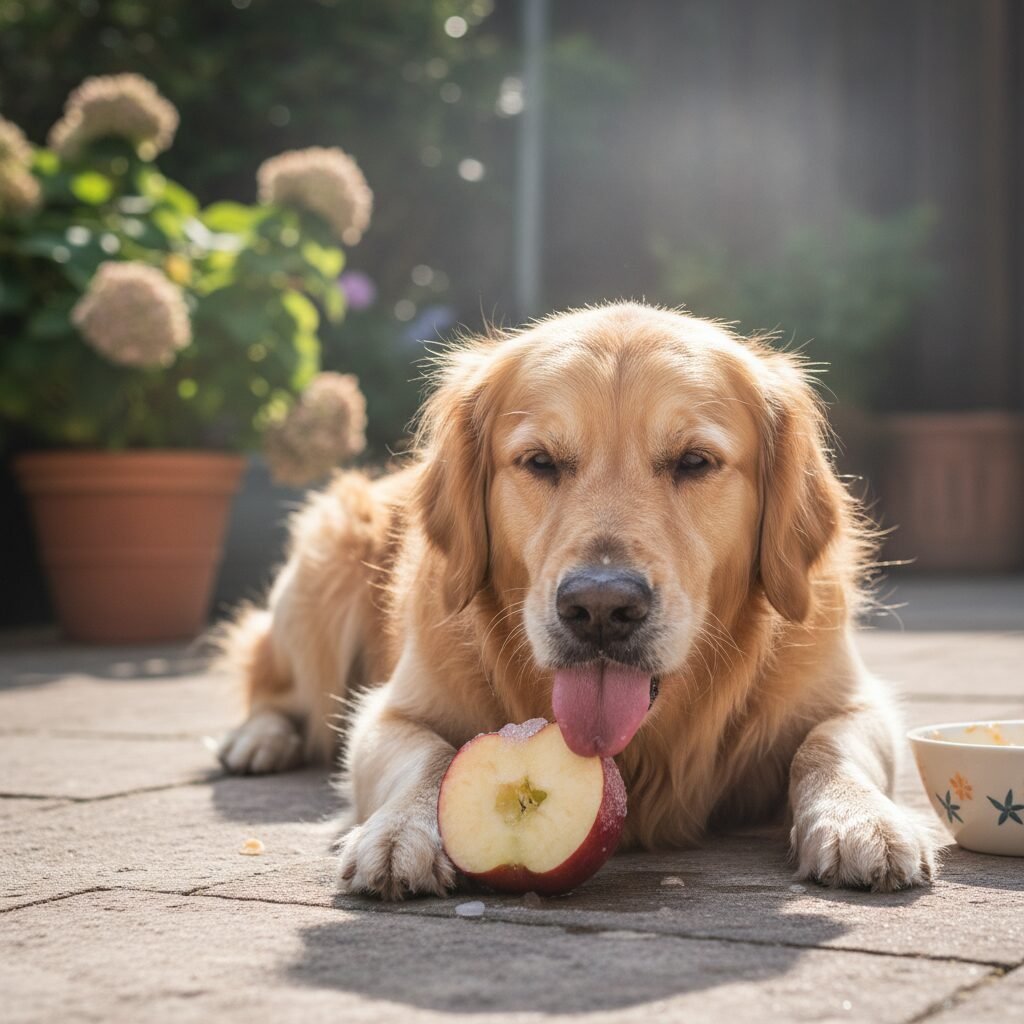
Once you’ve prepared the apple safely, there are many fun ways to offer this healthy treat:
- Fresh Slices: The simplest way! Offer a few fresh slices as a reward or a refreshing snack.
- Frozen Treats: For a cooling treat on a hot day, freeze small apple slices. They’re great for teething puppies too!
- Pureed Delights: Blend apple chunks into a smooth puree. You can mix it with plain yogurt, spread it inside a Kong toy, or use it as a healthy food topper.
- Baked Goodness: Incorporate finely diced or grated apple into homemade dog biscuits or treats. Just ensure all other ingredients are dog-safe and avoid added sugars.
When Apples Might Not Be the Best Choice

While safe for most, there are specific situations where apples might need to be avoided or given with extra caution.
Diabetic Dogs
Apples contain natural sugars. If your dog has diabetes, consult your veterinarian before introducing apples into their diet. They can advise on appropriate portion sizes or if apples should be avoided altogether.
Dogs with Sensitive Stomachs
If your dog has a very sensitive digestive system or is prone to frequent stomach upsets, introduce apples very slowly and in tiny amounts. Watch for any signs of discomfort like vomiting or diarrhea.
Very Young Puppies
Puppies have developing digestive systems. While a tiny, finely chopped piece of apple might be okay, it’s generally best to wait until your puppy is a bit older before introducing new fruits. Always consult your vet for dietary advice for puppies.
A Quick Look at Other Safe and Unsafe Fruits for Dogs
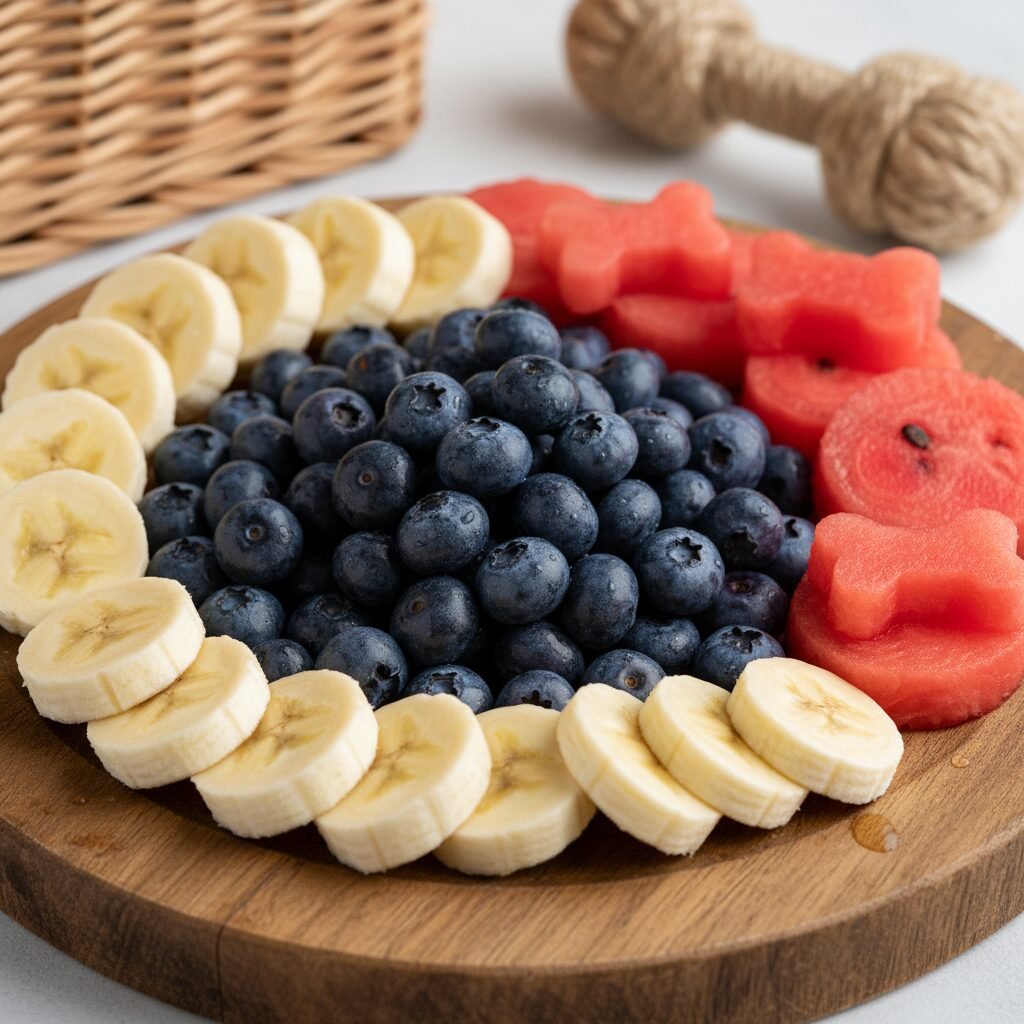
Knowing which other fruits are safe can expand your dog’s treat options:
Safe Fruits
- Blueberries: Antioxidant-rich and small, great in moderation.
- Bananas: High in potassium, but also sugar-give sparingly.
- Watermelon: Hydrating and refreshing, but remove all seeds and rind.
- Strawberries: Good source of Vitamin C, cut into small pieces.
Unsafe Fruits
- Grapes and Raisins: Highly toxic, can cause kidney failure.
- Cherries: Pits contain cyanide and are a choking hazard.
- Avocado: Contains persin, which can be toxic to dogs in large amounts.
Conclusion-Share the Apple Love Responsibly
So, can dogs eat apples? Absolutely, as long as you prioritize their safety by removing the core, seeds, and stem, and offering them in moderation. Apples can be a fantastic, nutritious, and enjoyable treat for your dog, contributing to their overall health and happiness.
Remember, every dog is unique, so always introduce new foods slowly and observe your dog for any adverse reactions. When in doubt, a quick chat with your veterinarian is always the best course of action. With a little care and preparation, you can confidently share the crisp, healthy goodness of apples with your beloved canine companion, making treat time even more special for both of you.