
7 Common Maltese Owner Mistakes and How to Fix Them
7 Common Maltese Owner Mistakes and How to Fix Them
Maltese dogs, with their flowing white coats and charming personalities, are truly delightful companions. These tiny bundles of joy bring immense happiness to their families, but like any breed, they come with specific needs and sensitivities. Sometimes, even the most loving Maltese parents can unknowingly make mistakes that impact their little one’s well-being. Understanding these common pitfalls and learning how to correct them is key to ensuring your Maltese lives a long, happy, and healthy life.
As dedicated dog parents, we all want the best for our furry family members. This guide will walk you through seven frequent mistakes Maltese owners make and provide clear, actionable solutions to help you become the best possible guardian for your precious pup.
Mistake 1 – Neglecting Regular Grooming
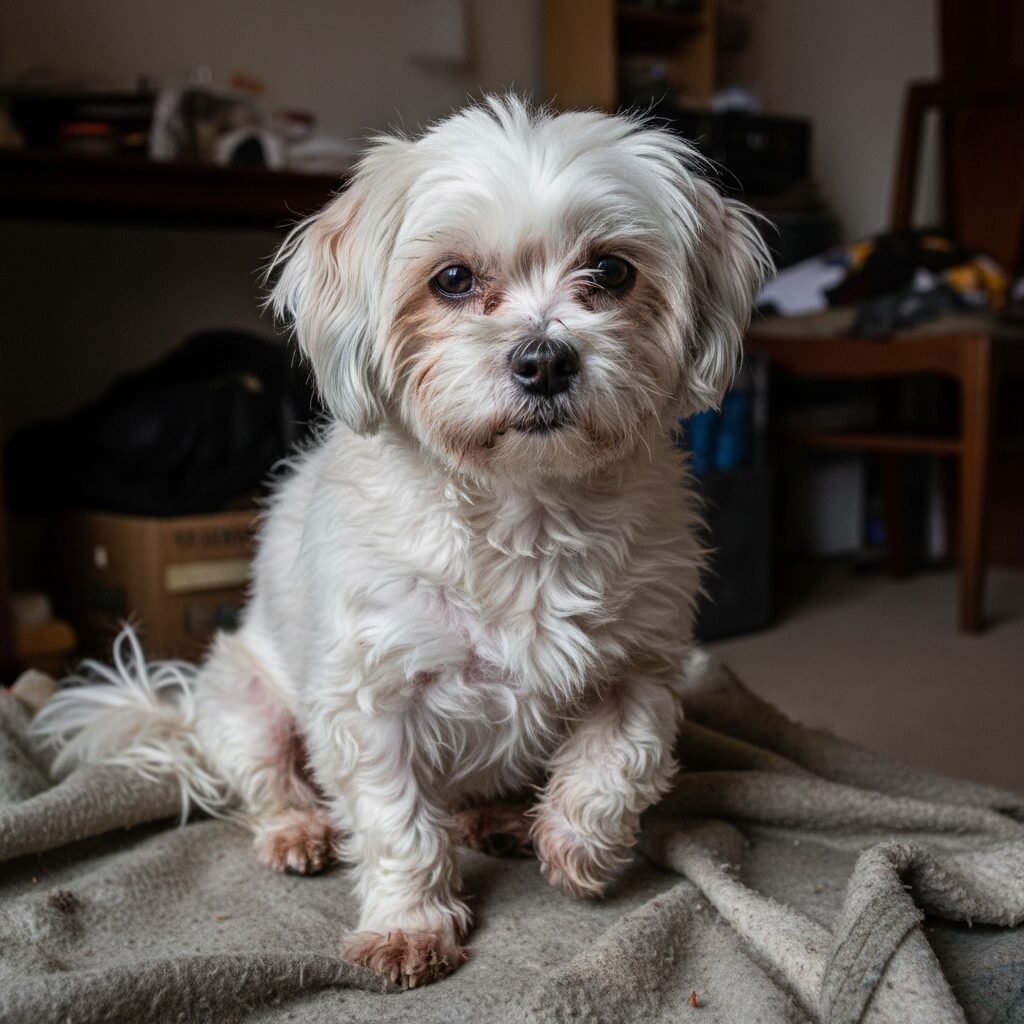
Maltese dogs are renowned for their beautiful, long, silky white coats. While stunning, this coat is also prone to matting, tangles, and tear stains if not meticulously maintained. Many new owners underestimate the commitment required for their Maltese’s grooming needs.
How to Fix It – Establish a Daily Grooming Routine
Daily Brushing is non-negotiable. Use a pin brush and a metal comb to gently work through their fur, paying extra attention to areas behind the ears, under the legs, and around the tail. Regular brushing prevents mats and distributes natural oils, keeping their coat healthy and shiny.
- Professional Grooming: Schedule professional grooming every 4-6 weeks for trims, baths, and thorough detangling.
- Tear Stain Management: Gently clean around their eyes daily with a damp cloth or a vet-approved tear stain remover to prevent unsightly discoloration.
- Regular Baths: Bathe your Maltese every 2-3 weeks using a gentle, dog-specific shampoo and conditioner.
Mistake 2 – Inconsistent Training and Socialization

Despite their small size, Maltese dogs are intelligent and can be prone to ‘small dog syndrome’ if not properly trained and socialized. Owners sometimes let bad behaviors slide because of their dog’s cuteness, leading to issues like excessive barking, nipping, or fearfulness.
How to Fix It – Prioritize Early and Consistent Training
Start positive reinforcement training and socialization early. Enroll in puppy classes to expose them to new sights, sounds, people, and other well-behaved dogs in a controlled environment. Consistency is crucial for house training, leash manners, and basic commands.
- Positive Reinforcement: Use treats, praise, and toys to reward desired behaviors.
- Short, Fun Sessions: Keep training sessions brief (5-10 minutes) and engaging to maintain their attention.
- Exposure to New Experiences: Gradually introduce your Maltese to various environments and people to build confidence.
Mistake 3 – Overfeeding or Providing Unsuitable Food

Maltese dogs have delicate digestive systems and can be prone to weight gain if overfed. Feeding them low-quality food or table scraps can lead to digestive upset, allergies, and obesity, which puts strain on their small bodies.
How to Fix It – Choose High-Quality, Portion-Controlled Meals
Consult your veterinarian to determine the best diet and portion size for your Maltese based on their age, weight, and activity level. Opt for high-quality dog food formulated for small breeds, with real meat as the primary ingredient.
- Measure Meals: Always measure your dog’s food to avoid overfeeding.
- Healthy Treats: Use small, healthy treats sparingly during training.
- Avoid Table Scraps: Many human foods are harmful or unhealthy for dogs.
Mistake 4 – Neglecting Dental Care
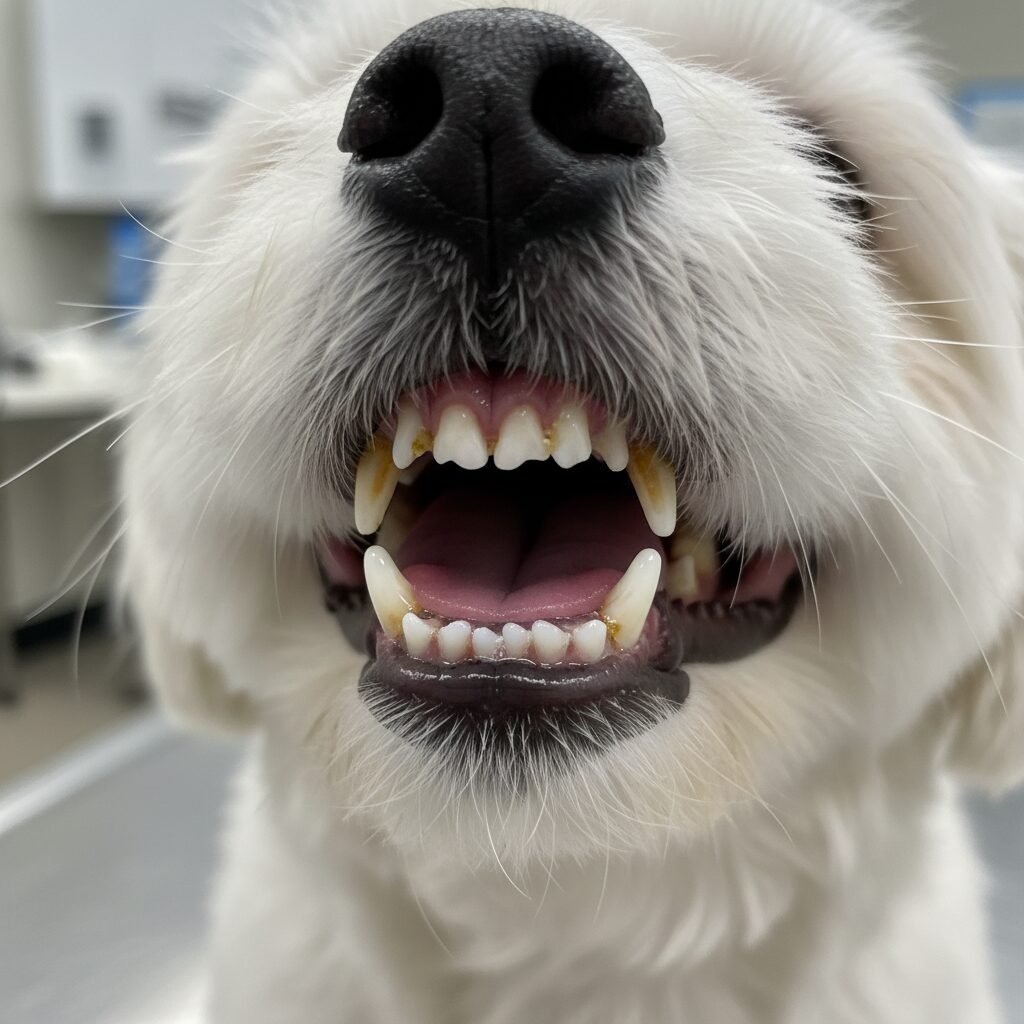
Small breeds, including Maltese, are particularly susceptible to dental disease. Plaque and tartar buildup can lead to gum disease, tooth loss, and even impact overall health if left untreated. Many owners overlook this critical aspect of care.
How to Fix It – Implement a Regular Dental Hygiene Routine
Daily dental care is vital. Start brushing your Maltese’s teeth early with a dog-specific toothbrush and toothpaste. If daily brushing isn’t feasible, aim for at least a few times a week.
- Dental Chews and Toys: Provide vet-approved dental chews and toys that help clean teeth.
- Professional Cleanings: Schedule regular professional dental cleanings with your vet as recommended.
- Monitor for Signs: Watch for bad breath, red gums, or difficulty eating, which can indicate dental issues.
Mistake 5 – Not Providing Enough Mental and Physical Stimulation

While small, Maltese dogs are not just lap warmers. They are intelligent and active and require both mental and physical exercise to stay happy and well-behaved. Lack of stimulation can lead to boredom, destructive behavior, or excessive barking.
How to Fix It – Engage Their Minds and Bodies Daily
Incorporate daily walks, playtime, and interactive toys into their routine. Even short walks around the block or indoor games can make a big difference.
- Daily Walks: Aim for at least two short walks a day.
- Interactive Play: Play fetch, hide-and-seek, or use puzzle toys to challenge their minds.
- New Experiences: Take them to new places (dog-friendly parks, stores) to provide novel stimulation.
Mistake 6 – Allowing Excessive Barking

Maltese dogs can be prone to excessive barking, often due to boredom, anxiety, or territorial instincts. Some owners inadvertently reinforce this behavior by giving attention every time their dog barks.
How to Fix It – Address the Root Cause and Train Quiet Commands
Identify why your Maltese is barking. Is it for attention, out of boredom, or fear? Once you know the cause, you can address it. Train a ‘quiet’ command and reward calm behavior.
- Ignore Attention-Seeking Barks: Only give attention when they are quiet.
- Provide Stimulation: Ensure they have enough physical and mental exercise.
- Desensitize Triggers: Gradually expose them to barking triggers (e.g., people walking by) while rewarding calm behavior.
Mistake 7 – Underestimating Their Delicate Health Needs

Maltese dogs are generally healthy, but like all purebreds, they can be predisposed to certain health conditions, such as luxating patella, tracheal collapse, and white shaker syndrome. Some owners might not be aware of these predispositions or the importance of regular vet check-ups.
How to Fix It – Prioritize Preventative Care and Regular Vet Visits
Regular veterinary check-ups are crucial for early detection and prevention of health issues. Discuss breed-specific concerns with your vet and be vigilant for any changes in your dog’s behavior or health.
- Annual Vet Check-ups: Ensure your Maltese has regular physical exams, vaccinations, and parasite prevention.
- Observe for Symptoms: Be aware of common Maltese health issues and consult your vet if you notice limping, coughing, tremors, or other unusual signs.
- Proper Nutrition and Exercise: A healthy lifestyle supports overall well-being and can mitigate some health risks.
Being a Maltese parent is a truly rewarding experience. By understanding these common mistakes and actively working to implement these solutions, you’re not just correcting errors—you’re deepening your bond and providing your beloved companion with the best possible life. Every day is an opportunity to learn and grow with your furry friend, ensuring their happiness and health for years to come. Your dedication makes all the difference.


