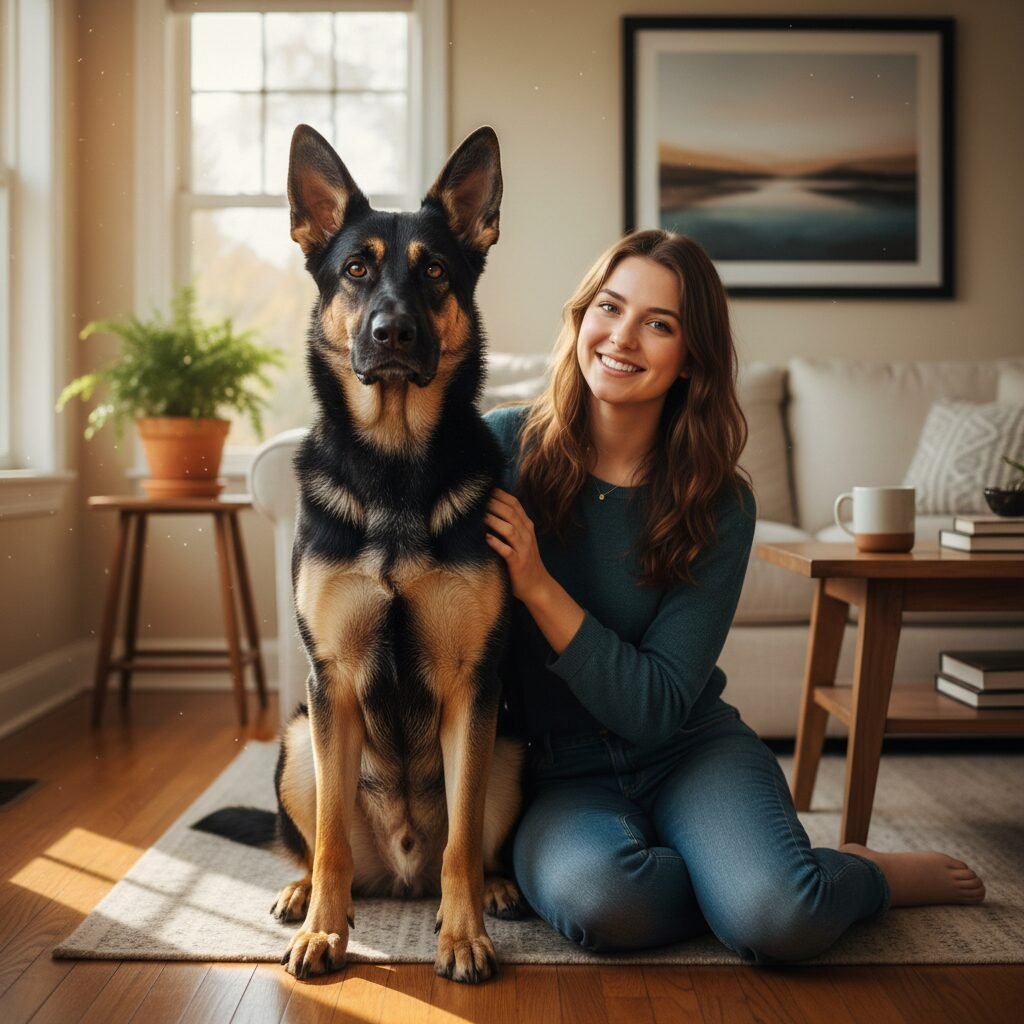
German Shepherd Care Guide – Must-Know Tips for New Owners
Bringing a German Shepherd into your home is an incredibly rewarding experience. These intelligent, loyal, and majestic dogs make wonderful companions, but they also come with unique needs and responsibilities. As a new owner, you’re embarking on an exciting journey, and this guide is here to equip you with the essential knowledge to ensure your German Shepherd thrives.
From their distinctive temperament to their specific exercise and grooming requirements, understanding your GSD’s needs from day one is crucial for building a strong, loving bond and providing them with a happy, healthy life. Let’s dive into the must-know tips that will set you up for success.
Understanding Your German Shepherd’s Unique Needs
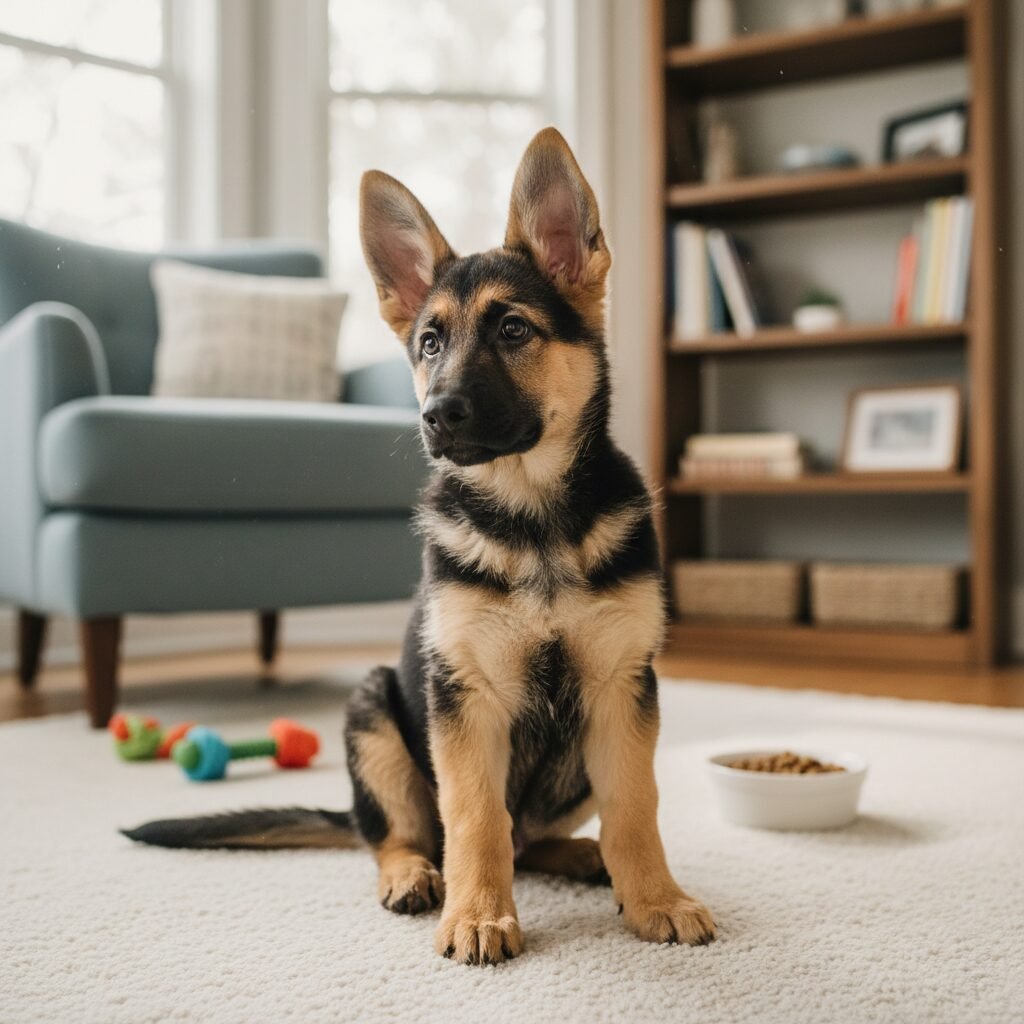
German Shepherds are more than just pets; they are intelligent, active, and deeply devoted members of the family. Knowing their inherent characteristics will help you provide the best care.
Temperament and Personality
German Shepherds are renowned for their intelligence, courage, and loyalty. They are often described as noble and watchful, making them excellent family guardians. However, this protective instinct means early socialization is paramount. They thrive on having a job to do, whether it’s advanced obedience, agility, or simply being a vigilant companion. They form strong bonds with their families and can be reserved with strangers, which is why proper introductions and positive experiences are vital.
Size and Lifespan
German Shepherds are a large breed. Males typically stand 24-26 inches tall at the shoulder and weigh 65-90 pounds, while females are slightly smaller at 22-24 inches and 50-70 pounds. Their average lifespan is 10-14 years. This means you’re committing to over a decade of care for a substantial, active dog, so ensure you have the space and resources to accommodate them.
Essential Care for a Thriving German Shepherd
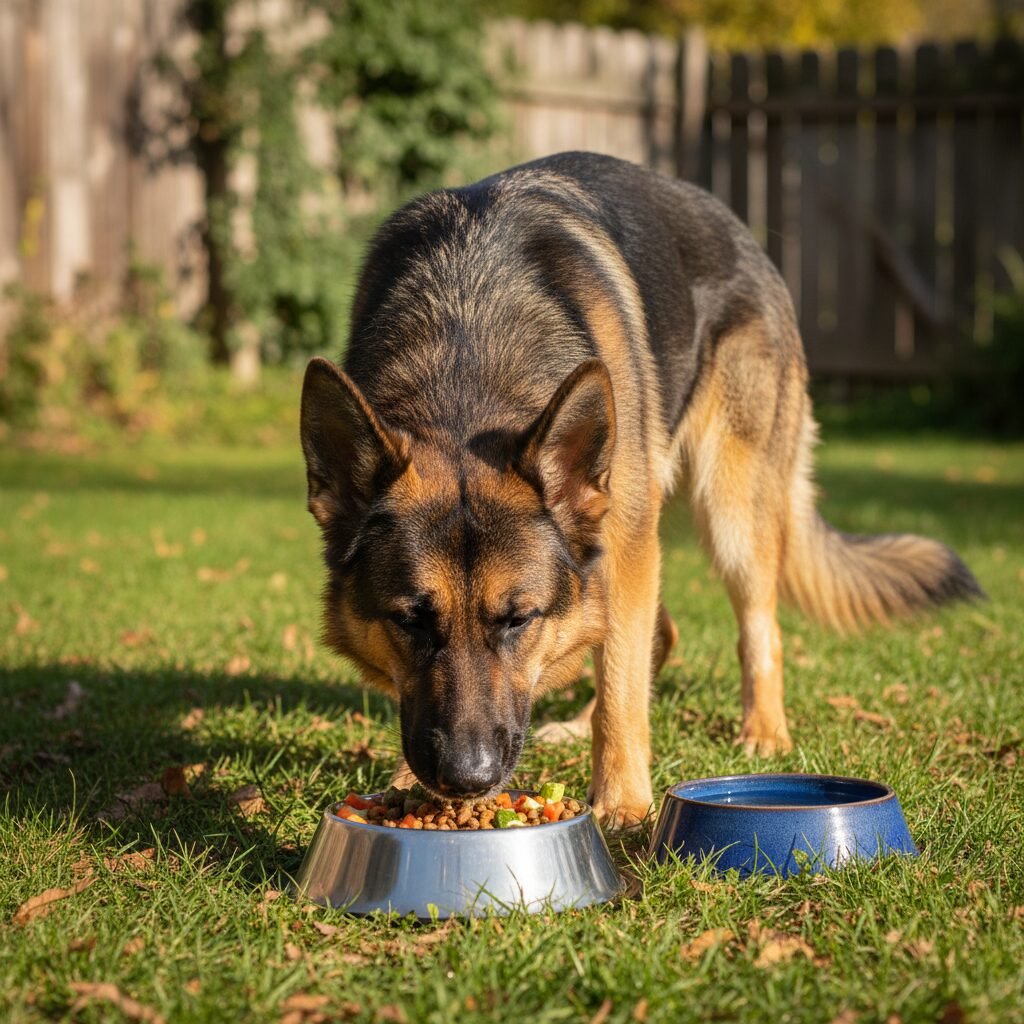
Providing the right daily care is fundamental to your German Shepherd’s well-being.
Nutrition Best Practices
A high-quality diet is crucial for your German Shepherd’s health, energy, and coat. Look for dog food formulated for large breeds, with real meat as the first ingredient. The amount to feed depends on their age, weight, and activity level. Always follow the guidelines on the food packaging and consult your vet for personalized advice. Avoid overfeeding, as German Shepherds can be prone to hip and elbow dysplasia, and excess weight exacerbates these issues. Fresh water should always be available.
Exercise Requirements
German Shepherds are an active breed with high energy levels. They require significant daily exercise to stay physically and mentally healthy. Aim for at least 1-2 hours of vigorous activity per day, which can include:
- Brisk walks or jogs
- Running in a secure, fenced yard
- Fetch or frisbee
- Hiking
- Swimming
- Dog sports like agility or obedience trials
Without adequate exercise, GSDs can become bored, destructive, or develop behavioral problems. Mental stimulation through puzzle toys and training sessions is just as important as physical exertion.
Grooming Essentials
German Shepherds have a dense double coat that requires regular grooming. They are moderate to heavy shredders, especially during seasonal changes. Here’s what you’ll need to do:
- Brushing Brush your GSD 2-3 times a week, and daily during shedding season, using a slicker brush and an undercoat rake to remove loose fur and prevent matting.
- Bathing Bathe only when necessary, typically every 2-3 months, using a dog-specific shampoo. Over-bathing can strip their coat of natural oils.
- Nail Trimming Trim nails every 3-4 weeks to prevent discomfort and paw problems.
- Ear Cleaning Check and clean their ears weekly to prevent infections.
- Dental Care Brush their teeth several times a week to maintain good oral hygiene.
Training and Socialization Strategies
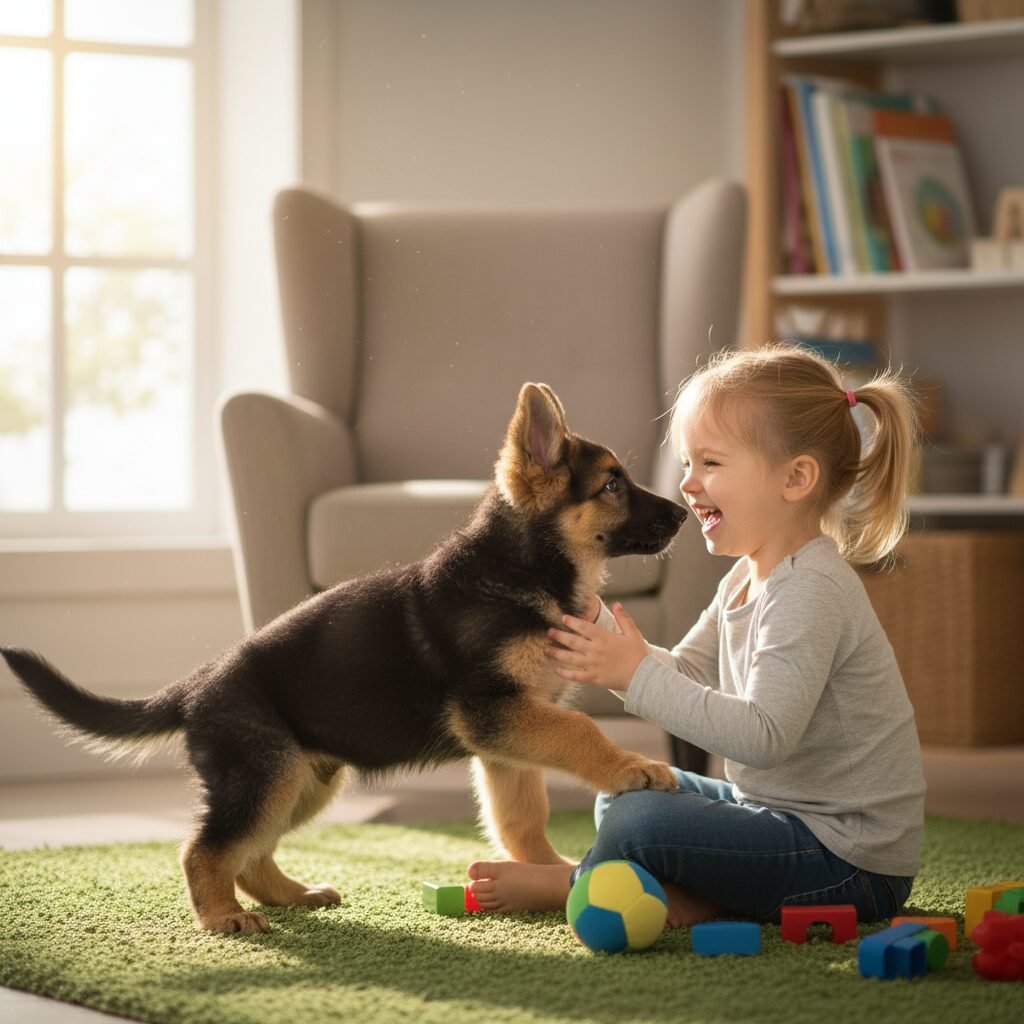
Early and consistent training is vital for a well-behaved German Shepherd.
Early Socialization is Key
From a young age, expose your German Shepherd puppy to a variety of sights, sounds, people, and other friendly dogs in a positive and controlled manner. Puppy classes are an excellent way to facilitate this. Proper socialization helps them grow into confident, well-adjusted adults who are comfortable in different situations.
Basic Obedience Training
German Shepherds are highly intelligent and eager to please, making them excellent candidates for training. Start with basic commands like