
How to Start a Successful Dog Sitting Career: Tips for Beginners
Do you adore dogs? Do you dream of spending your days surrounded by wagging tails and happy barks? Starting a dog sitting career can be an incredibly rewarding path, offering flexibility, joy, and the chance to make a real difference in the lives of pets and their parents. Whether you’re looking for a side hustle or a full-time venture, this guide will walk you through everything you need to know to launch a successful dog sitting business.
Understanding the Basics of Dog Sitting

Dog sitting is more than just playing with pups; it’s about providing responsible, loving care for dogs when their owners are away. This often includes feeding, walking, administering medication, and offering companionship. It requires dedication, reliability, and a genuine love for animals.
What Does a Dog Sitter Do
A dog sitter’s responsibilities can vary widely depending on the client’s needs and the dog’s routine. Common tasks include:
- Feeding and Hydration Administering meals according to the owner’s instructions and ensuring fresh water is always available.
- Exercise and Play Taking dogs for walks, playing in the yard, or engaging in indoor games to keep them physically and mentally stimulated.
- Medication Administration Giving prescribed medications, if necessary, with careful attention to dosage and schedule.
- Companionship Providing comfort, affection, and supervision to prevent loneliness or anxiety.
- Light Housekeeping Tidying up pet-related messes, such as cleaning food bowls or sweeping up fur.
- Communication Keeping pet parents updated with photos and messages about their dog’s well-being.
Essential Skills and Qualities for Dog Sitters
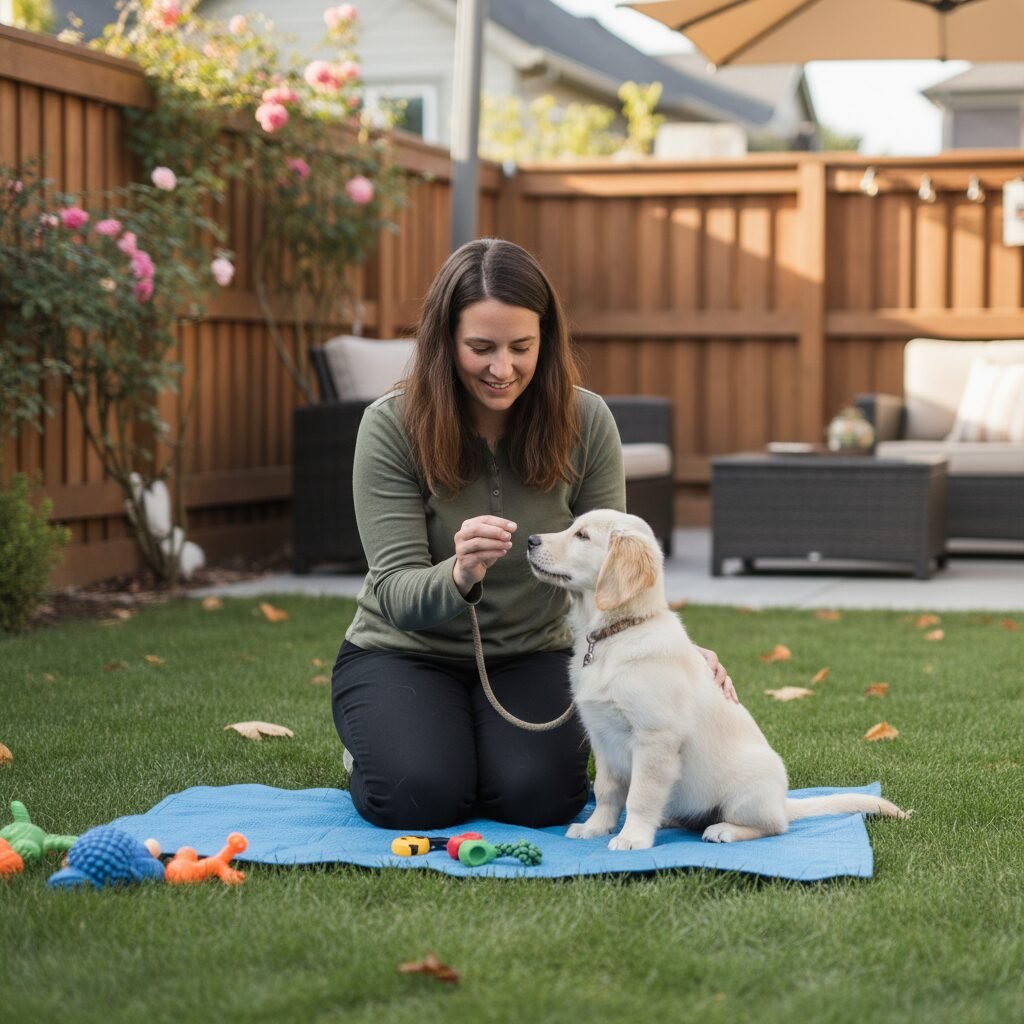
To excel as a dog sitter, you’ll need a blend of practical skills and personal qualities that foster trust and ensure excellent care.
Patience and Empathy
Every dog is unique, with its own personality, quirks, and sometimes anxieties. Patience is crucial, especially when working with shy, anxious, or particularly energetic dogs. Empathy helps you understand their needs and respond appropriately.
Reliability and Responsibility
Pet parents are entrusting you with a beloved family member. Being punctual, dependable, and always following instructions is non-negotiable. This builds a strong foundation of trust.
Basic Dog Behavior Knowledge
Understanding canine body language, common behaviors, and basic training cues will help you anticipate needs, prevent issues, and ensure a safe experience for everyone. Consider taking a basic pet first aid and CPR course – it could be a lifesaver!
Strong Communication Skills
Clear and consistent communication with pet owners is vital. You’ll need to listen carefully to their instructions, ask clarifying questions, and provide regular updates.
Setting Up Your Dog Sitting Business

Turning your passion into a profession requires some practical steps to establish your business properly.
Research and Planning
Start by researching the dog sitting market in your area. What are local rates? Who are your potential competitors? Define your services (e.g., in-home sitting, daily walks, overnight stays) and your target clientele.
Legal and Financial Considerations
Consider registering your business, especially if you plan to make it a primary income source. Look into business insurance specifically designed for pet sitters, which can protect you from unforeseen circumstances. Set up a separate bank account for your business finances.
Pricing Your Services
Determine competitive yet profitable rates. Factors to consider include your experience, the services offered, the number of pets, and the duration of the sit. Offering tiered packages can also be appealing to clients.
Creating a Service Agreement
A clear, written contract or service agreement is essential. It should outline your responsibilities, the client’s expectations, payment terms, emergency procedures, and cancellation policies. This protects both you and the pet owner.
Finding Your First Clients

Once you’re set up, it’s time to find those wonderful clients!
Word of Mouth and Referrals
Start by offering your services to friends, family, and neighbors. Happy clients are your best advocates and will spread the word. Offer a referral discount to encourage this.
Online Platforms
Join reputable dog sitting platforms like Rover or Wag! These platforms can provide a steady stream of clients, though they often take a percentage of your earnings. They’re excellent for building initial experience and reviews.
Local Marketing
Create simple flyers to post in local pet stores, veterinary clinics, or community centers. Utilize social media groups for local pet owners. A professional-looking business card is also a great tool.
Building an Online Presence
Consider creating a simple website or a professional social media page (e.g., Instagram, Facebook) dedicated to your dog sitting services. Share photos of your happy clients (with permission!), testimonials, and information about your services.
Delivering Exceptional Service and Building Trust

The key to a successful, long-term dog sitting career is providing outstanding care every single time.
Pre-Service Consultation
Always schedule a meet-and-greet with the dog and their owner before the first official sit. This allows you to meet the dog, understand their routine, and ask crucial questions about their health, habits, and preferences. It also helps the dog get comfortable with you.
Detailed Instructions Checklist
Create a checklist for each client covering feeding schedules, medication, vet contact information, emergency contacts, favorite toys, walking routes, and any behavioral quirks. This ensures you never miss a detail.
Regular Updates and Photos
Pet parents love updates! Send regular texts or emails with photos of their happy dog. This reassures them that their beloved pet is doing well and enjoying their time with you.
Handling Emergencies
Know what to do in an emergency. Have the vet’s contact information readily available, along with the owner’s emergency contact. Discuss potential scenarios during your consultation and agree on a plan of action.
Going the Extra Mile
Small gestures can make a big difference. Leaving a tidy home, bringing in the mail, or even leaving a small, personalized note shows you care. Exceptional service leads to repeat business and glowing testimonials.
Conclusion
Embarking on a dog sitting career is a wonderful journey filled with furry friends and grateful pet parents. It requires passion, professionalism, and a commitment to providing the best possible care. By building your skills, establishing a solid business foundation, and consistently delivering exceptional service, you can create a fulfilling and successful career doing what you love. So, take the leap, embrace the barks and tail wags, and enjoy the incredible bond you’ll form with each dog you care for. Your adventure starts now!