How to Safely Clean Your Dog’s Eyes Every Owner Should Know
how to Safely Clean Your Dog’s Eyes Every Owner Should Know
As devoted dog parents, we always want the best for our furry family members. That includes keeping every part of them healthy and clean, especially their beautiful, expressive eyes. A dog’s eyes are not just windows to their soul; they’re also delicate organs that need regular attention to prevent irritation, infections, and discomfort. While a little eye gunk might seem harmless, ignoring it can lead to bigger problems down the road.
This comprehensive guide will walk you through everything you need to know about safely cleaning your dog’s eyes. We’ll cover why it’s so important, what supplies you’ll need, a simple step-by-step cleaning process, and crucial tips on when to consult your veterinarian. By the end, you’ll feel confident and empowered to keep your dog’s eyes sparkling clean and healthy, ensuring their comfort and well-being.
Why Cleaning Your Dog’s Eyes is Essential
Just like humans, dogs can accumulate dirt, dust, pollen, and discharge around their eyes. This build-up, often called ‘sleepies’ or ‘eye boogers,’ can become a breeding ground for bacteria if not removed regularly. Certain breeds, especially those with long hair around their eyes or brachycephalic (flat-faced) breeds, are more prone to eye discharge and tear staining, making routine cleaning even more critical.
Regular eye cleaning helps prevent a range of issues, including:
- Irritation and Discomfort: Accumulated debris can rub against the eye, causing redness and irritation.
- Infections: Bacteria thrive in moist, dirty environments, leading to conjunctivitis or other eye infections.
- Tear Stains: For many breeds, tears contain porphyrins, which can cause reddish-brown stains around the eyes. Regular cleaning can minimize these unsightly marks.
- Blocked Tear Ducts: Persistent build-up can sometimes block tear ducts, leading to excessive tearing and discomfort.
By making eye cleaning a regular part of your grooming routine, you’re not just keeping your dog looking good; you’re actively contributing to their overall eye health and comfort.
Spotting the Signs- When to Clean Your Dog’s Eyes
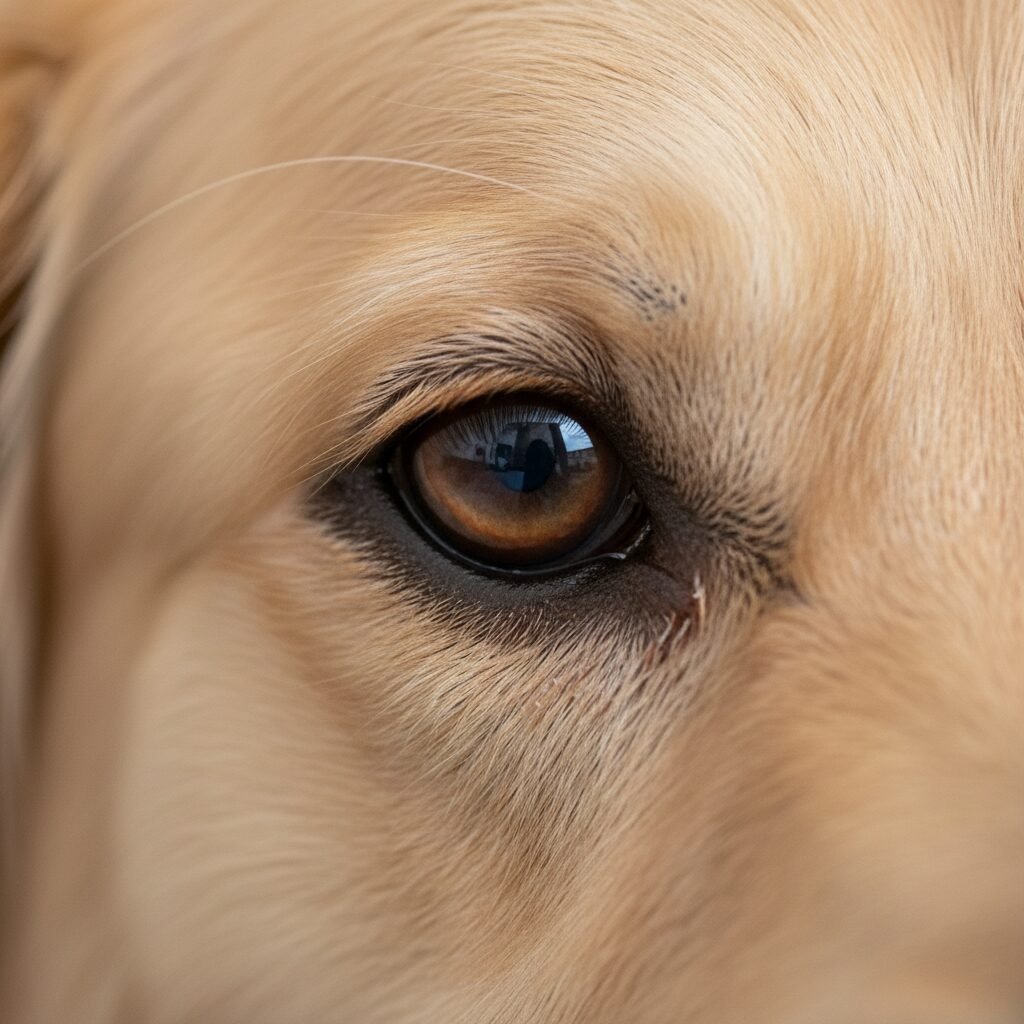
Knowing when to clean your dog’s eyes is just as important as knowing how. A quick daily check can help you identify when it’s time for a gentle wipe. Here are some common signs to look for:
- Visible Discharge: This is the most obvious sign. You might see clear, watery discharge; reddish-brown crusts (tear stains); or sometimes thicker, yellowish-green discharge.
- Matted Hair Around the Eyes: Long-haired breeds often get discharge trapped in the fur around their eyes, leading to matting that can pull on the skin and cause discomfort.
- Redness or Irritation: While some redness can be normal after play, persistent redness could indicate irritation from debris or an underlying issue.
- Squinting or Excessive Blinking: These can be signs that something is bothering your dog’s eye.
- Rubbing Their Face: If your dog frequently rubs their face against furniture or paws at their eyes, it might be due to irritation that cleaning can help alleviate.
For most dogs, a quick daily wipe to remove minor discharge is sufficient. Breeds prone to tear staining or excessive discharge may benefit from cleaning once or twice a day.
Gathering Your Gentle Eye Cleaning Supplies
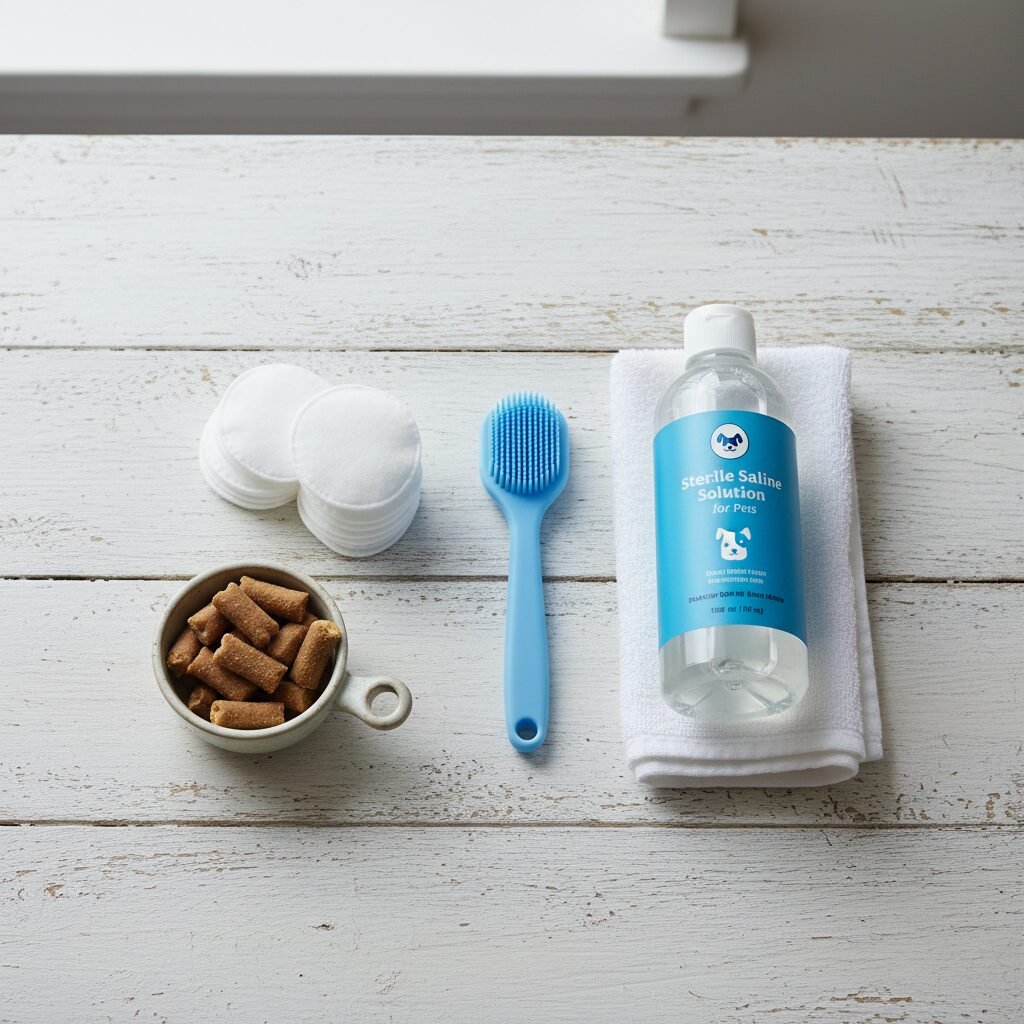
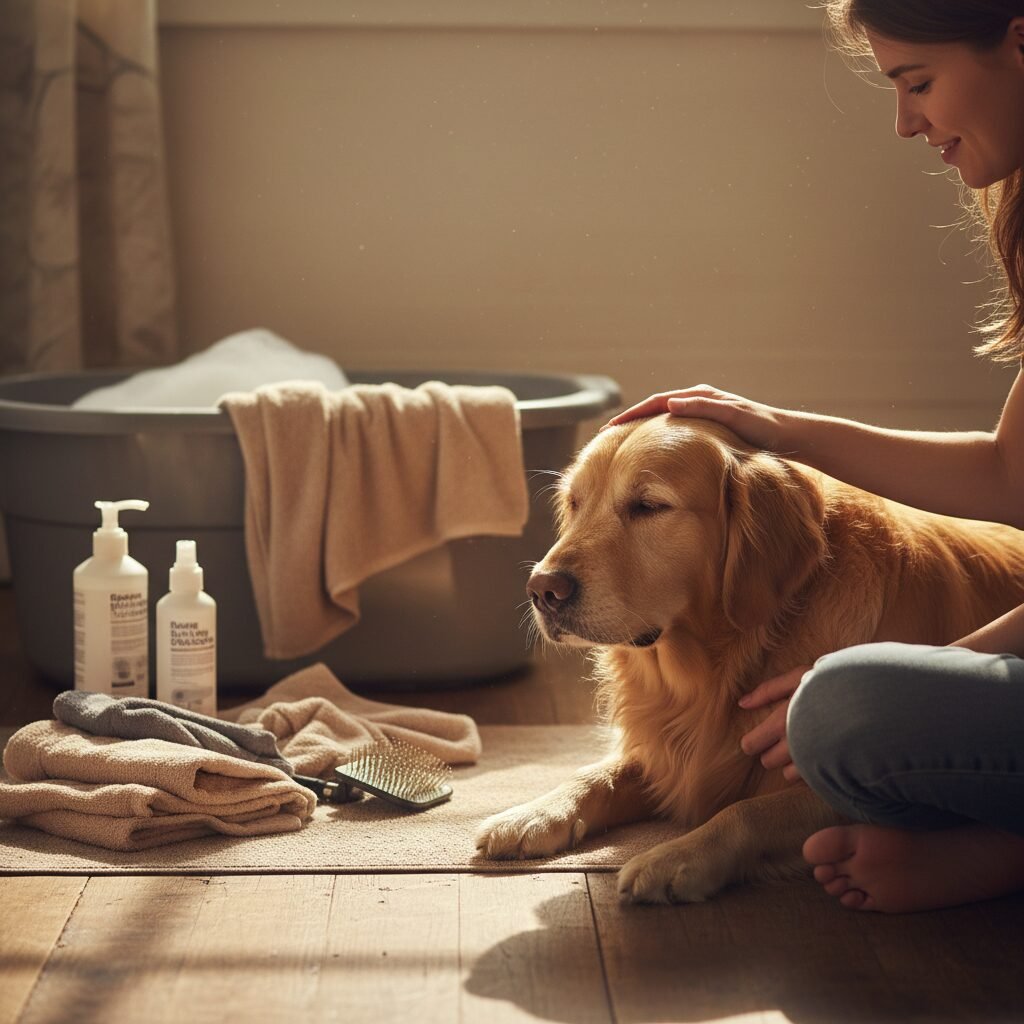
Before you begin, make sure you have all your supplies ready. This will make the process smoother and less stressful for both you and your dog. You’ll need:
- Sterile Saline Solution: Look for a veterinary-approved eye wash or a sterile saline solution (like the kind used for contact lenses, but ensure it contains no extra ingredients or preservatives). Distilled or filtered water can also be used.
- Soft, Lint-Free Cotton Pads or Gauze: Avoid cotton balls, as they can leave tiny fibers in your dog’s eyes.
- Clean, Soft Towel: To catch any drips and for comforting your dog.
- Treats: Essential for positive reinforcement and making the experience enjoyable.
- Optional- Small Scissors with Blunt Tips: For trimming hair around the eyes if it’s getting in the way (use extreme caution).
Always ensure all your supplies are clean and sterile to prevent introducing bacteria to your dog’s sensitive eyes.
Step-by-Step Guide to a Gentle Eye Cleaning
Preparing Your Dog and Yourself
Choose a calm environment where your dog feels relaxed. Speak in a soothing voice and offer praise. If your dog is anxious, start with short, positive sessions to build trust. Having another person gently hold and comfort your dog can also be helpful, especially for first-timers.
The Gentle Cleaning Process
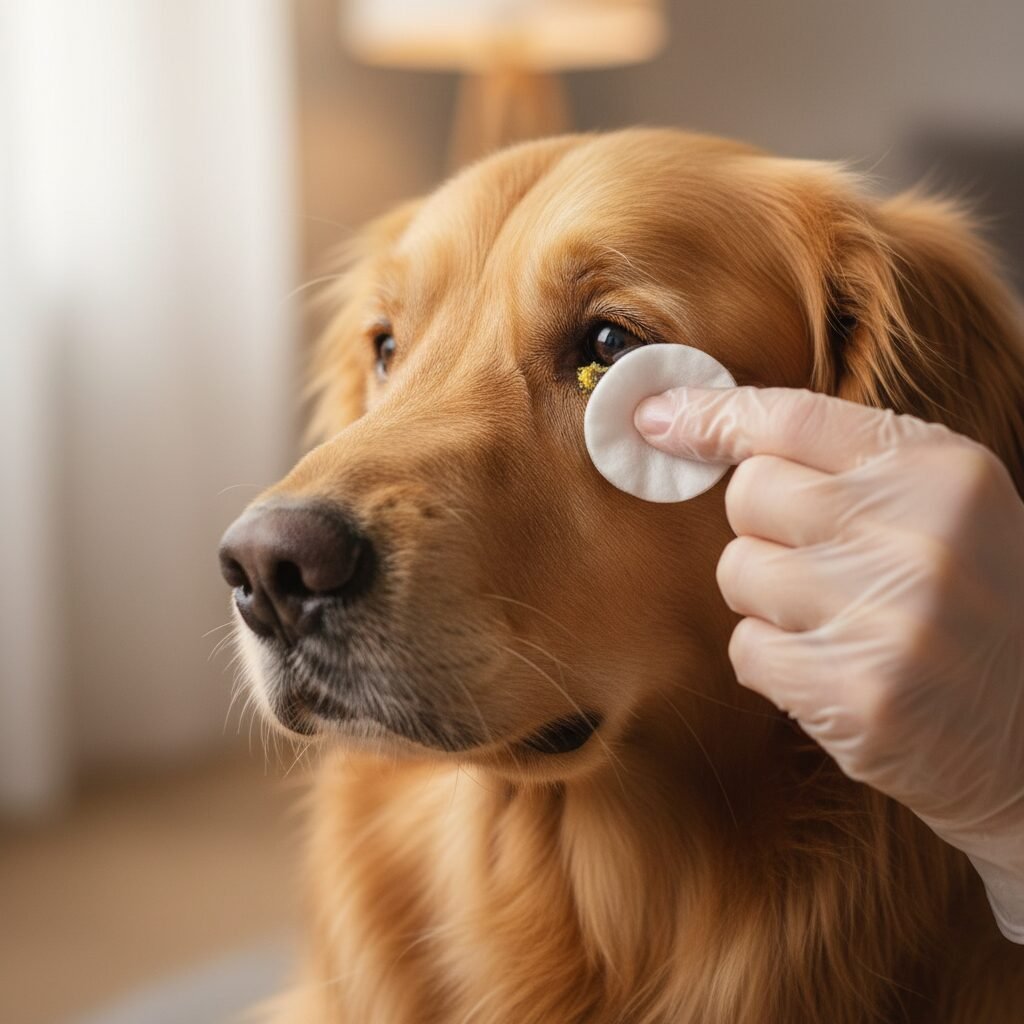
- Wash Your Hands: Always start with clean hands to prevent transferring germs.
- Moisten Your Pad: Dampen a fresh cotton pad or gauze with the sterile saline solution or clean water. It should be moist, not dripping wet.
- Gently Wipe Away Discharge: Starting from the inner corner of the eye (near the nose) and wiping outwards towards the ear, gently remove any visible discharge, crust, or tear stains. Use a fresh pad for each eye to avoid cross-contamination.
- Address Stubborn Stains: For dried crusts, hold the moist pad over the area for a few seconds to soften the debris before gently wiping it away. Never rub vigorously.
- Trim if Necessary (Extreme Caution): If long hair is consistently irritating the eye, very carefully trim it with blunt-tipped scissors, always pointing away from the eye. If you’re unsure, ask a professional groomer or vet.
- Check for Redness or Irritation: While cleaning, take a moment to observe the eye for any unusual redness, swelling, cloudiness, or excessive discharge.
Rewarding Good Behavior
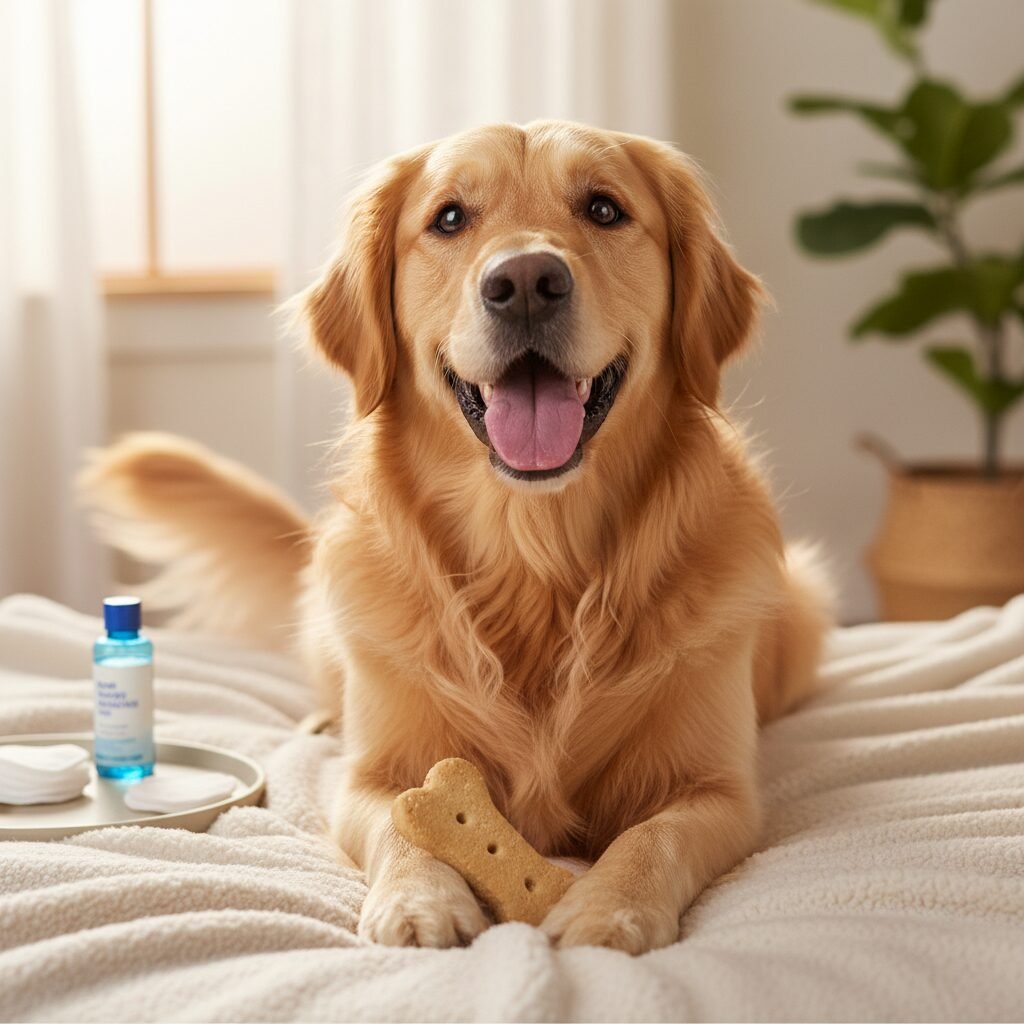
Once you’re done, immediately offer praise, cuddles, and a favorite treat. This positive reinforcement will help your dog associate eye cleaning with a pleasant experience, making future sessions much easier.
When to Call the Vet- Recognizing Serious Eye Issues
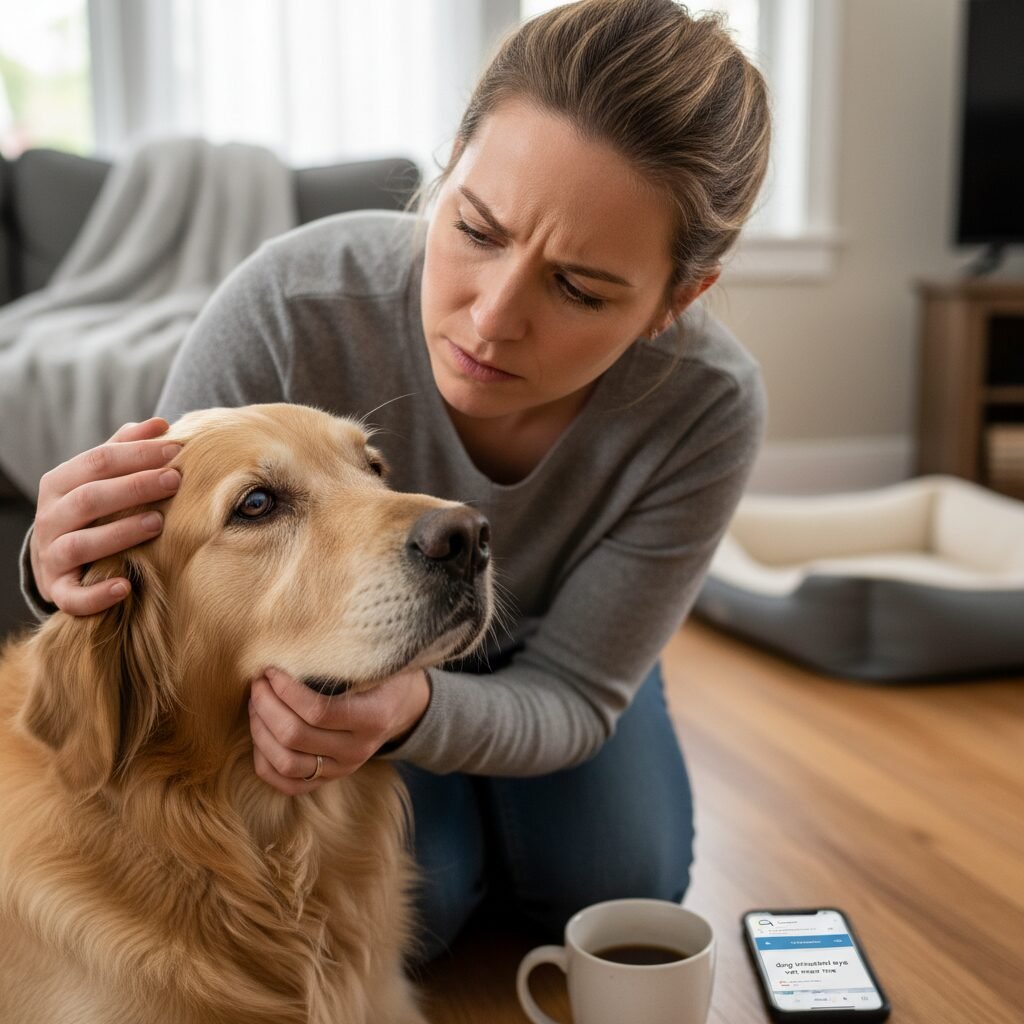
While routine cleaning is crucial, it’s equally important to know when a professional medical opinion is needed. Some eye symptoms can indicate a more serious underlying condition that requires veterinary attention. Contact your vet immediately if you notice any of the following:
- Excessive or Persistent Discharge: Especially if it’s thick, yellow, green, or accompanied by an unpleasant odor.
- Redness or Swelling of the Eye or Eyelids: Beyond minor irritation.
- Squinting, Pawing, or Rubbing the Eye Excessively: This could indicate pain or a foreign object.
- Cloudiness, Film, or Change in Eye Color: Any changes to the appearance of the eye itself.
- Visible Injury: Scratches, cuts, or foreign objects in the eye.
- Sensitivity to Light: Your dog might shy away from bright areas.
- Bulging or Sunken Eyes: Any change in the position of the eyeball.
Early detection and treatment are key to preventing permanent damage to your dog’s vision.
Preventative Care for Bright, Healthy Eyes
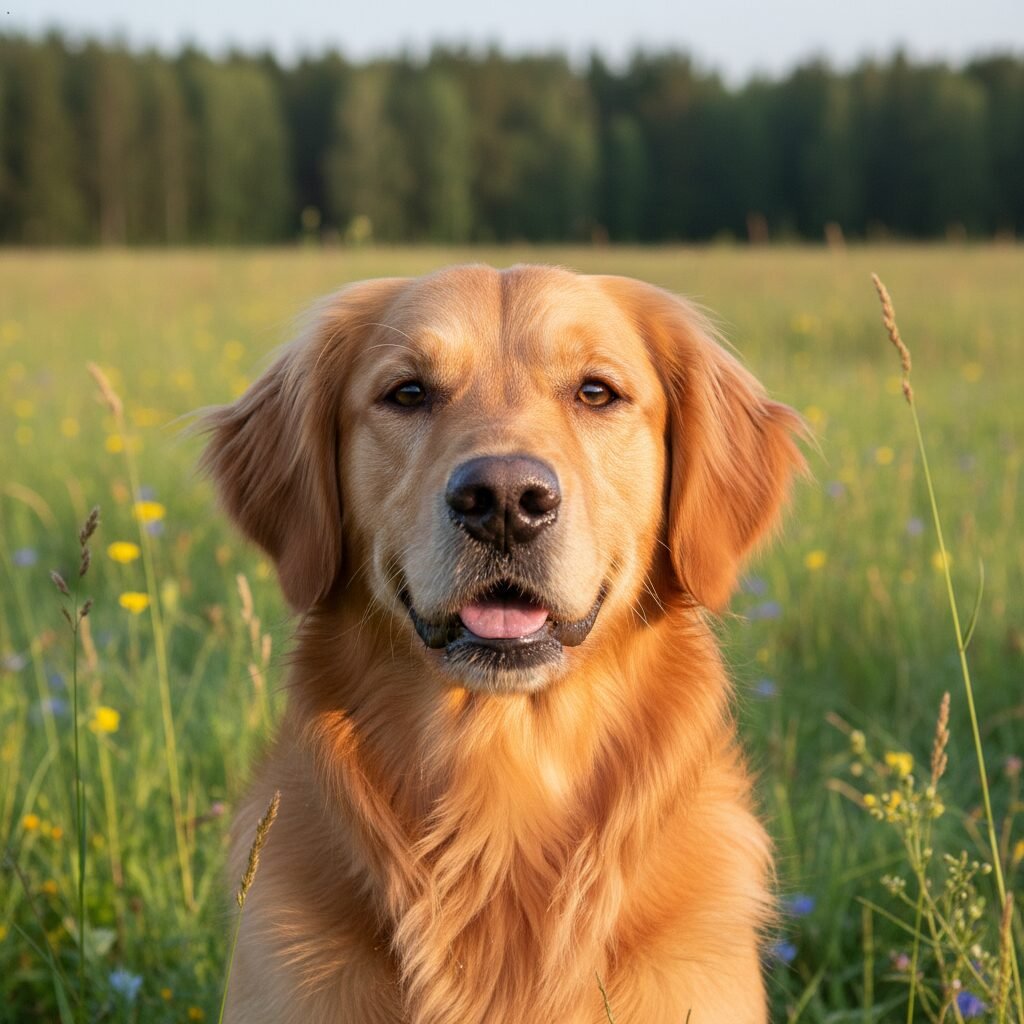
Beyond regular cleaning, there are several things you can do to promote overall eye health for your dog:
- Regular Grooming: Keep the hair around your dog’s eyes trimmed, especially for long-haired breeds, to prevent it from irritating the eyes or trapping debris.
- Protect from Irritants: When driving with windows down, ensure your dog’s head isn’t fully out, as wind and debris can cause irritation. Consider dog goggles for adventurous pups!
- Balanced Diet: A healthy diet rich in antioxidants can support overall health, including eye health.
- Environmental Control: Keep your home clean to reduce dust and allergens that might irritate your dog’s eyes.
- Routine Vet Check-ups: Regular veterinary examinations include a check of your dog’s eyes, which can catch potential issues early.
Choosing Safe and Effective Eye Cleaning Products
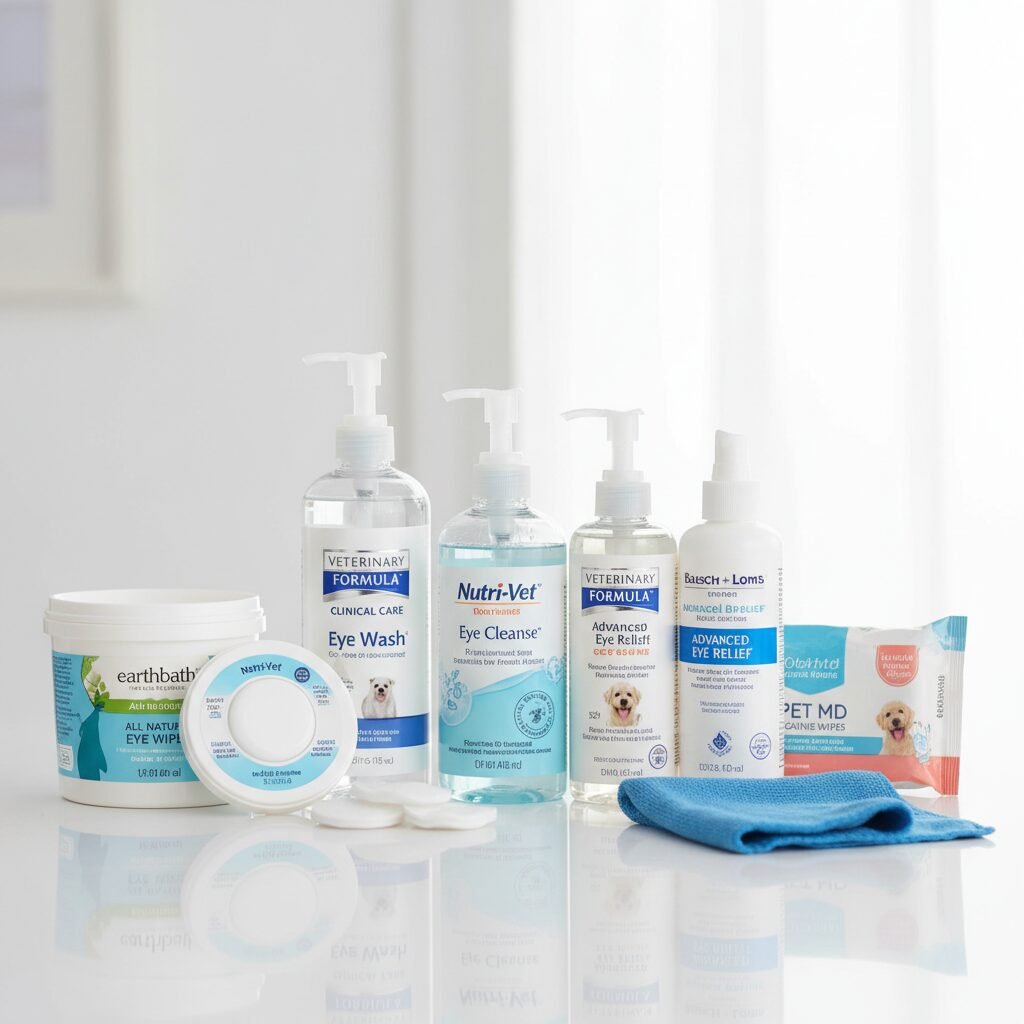
When selecting eye cleaning products, always prioritize safety and gentleness. Here’s what to look for:
- Veterinary Approved: Opt for products specifically formulated and approved for canine use.
- Sterile Saline Solution: A basic, sterile saline solution (0.9% sodium chloride) is often the safest and most effective choice for general cleaning.
- Natural Ingredients: If choosing a product with additional ingredients (like those for tear stains), look for natural, non-irritating components.
- Avoid Harsh Chemicals: Steer clear of products containing harsh chemicals, alcohol, or peroxides, which can be damaging to your dog’s eyes.
- Wipes vs. Solutions: Pre-moistened eye wipes can be convenient for quick clean-ups, but ensure they are soft, lint-free, and contain safe ingredients. Solutions offer more control for flushing.
When in doubt, always consult your veterinarian for product recommendations tailored to your dog’s specific needs.