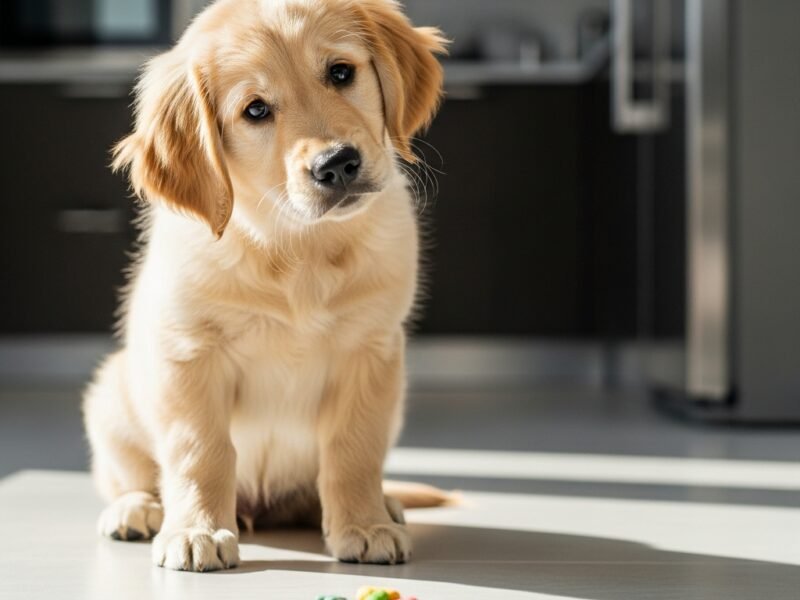
5 Simple Steps to Teach Your Dog to Sit Correctly
Teaching your dog to sit is more than just a cute trick; it’s a fundamental building block for good behavior, safety, and a stronger bond between you and your furry friend. A reliable ‘sit’ command can prevent your dog from jumping on guests, keep them safe at crosswalks, and even help manage excitement. If you’ve been wondering how to teach your dog this essential command, you’re in the right place. We’ll guide you through five simple, positive, and effective steps that will have your canine companion sitting like a pro in no time.
Why Teaching Sit is So Important
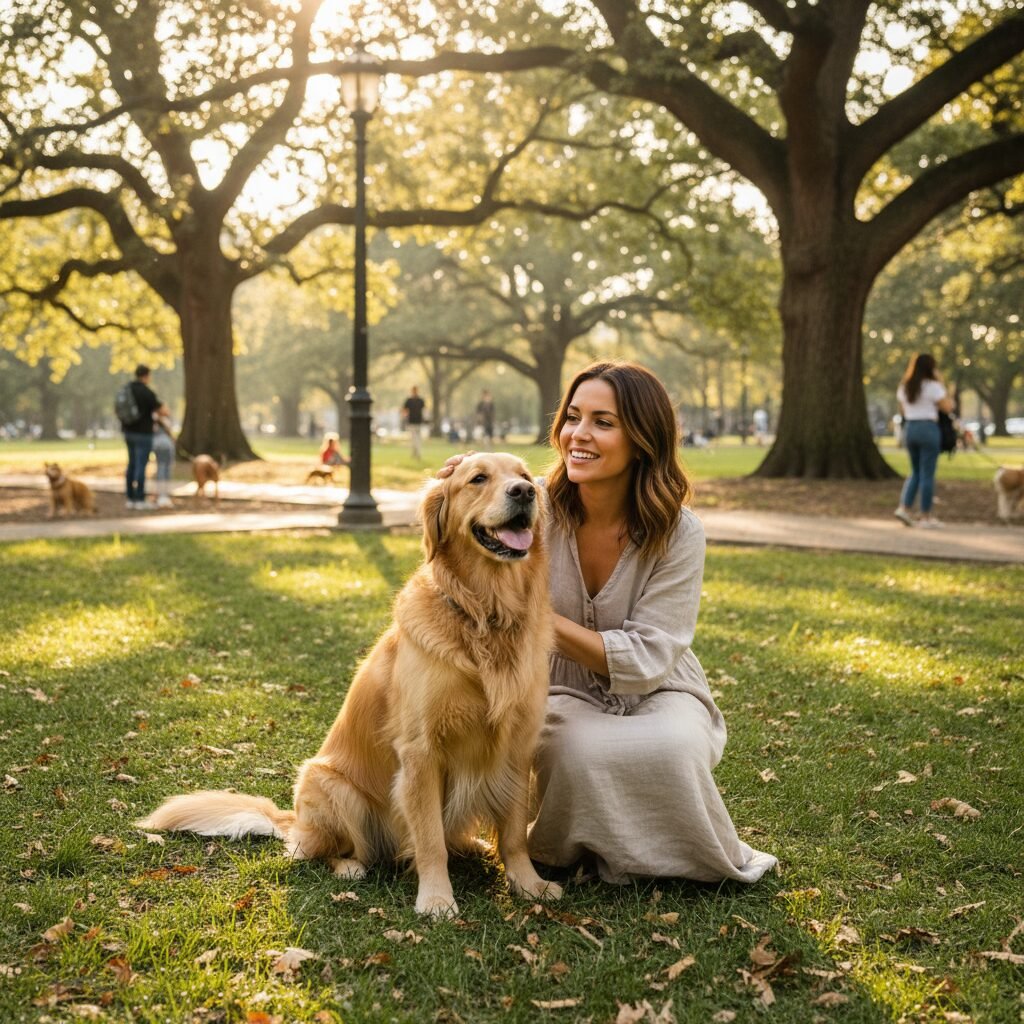
The ‘sit’ command is often the first thing people teach their dogs, and for good reason. It’s a foundational skill that opens the door to more advanced training and provides countless benefits in daily life.
- Safety First: A quick ‘sit’ can keep your dog from darting into the street or rushing through an open door.
- Better Manners: It’s an excellent alternative to jumping on people or begging at the table.
- Calmness and Control: Asking your dog to sit can help them settle down when they’re overstimulated or excited.
- Strengthens Your Bond: Training sessions are a fantastic way to spend quality time together, building trust and communication.
- Foundation for Other Commands: Once your dog masters ‘sit’, other commands like ‘stay’ or ‘down’ become much easier to teach.
It’s a simple command with powerful implications for a harmonious life together.
Before You Begin- Essential Preparations
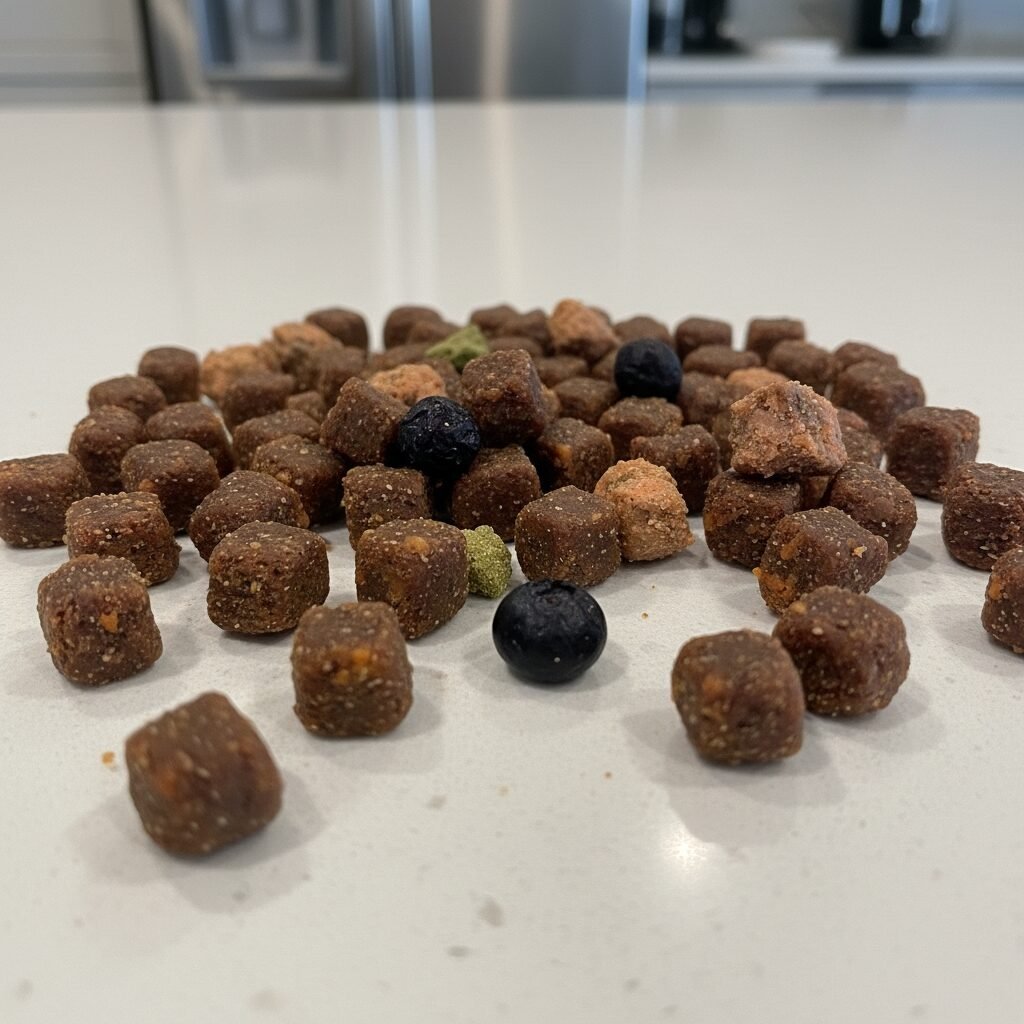
Before you jump into the training, a little preparation goes a long way. Setting yourself and your dog up for success will make the process smoother and more enjoyable for both of you.
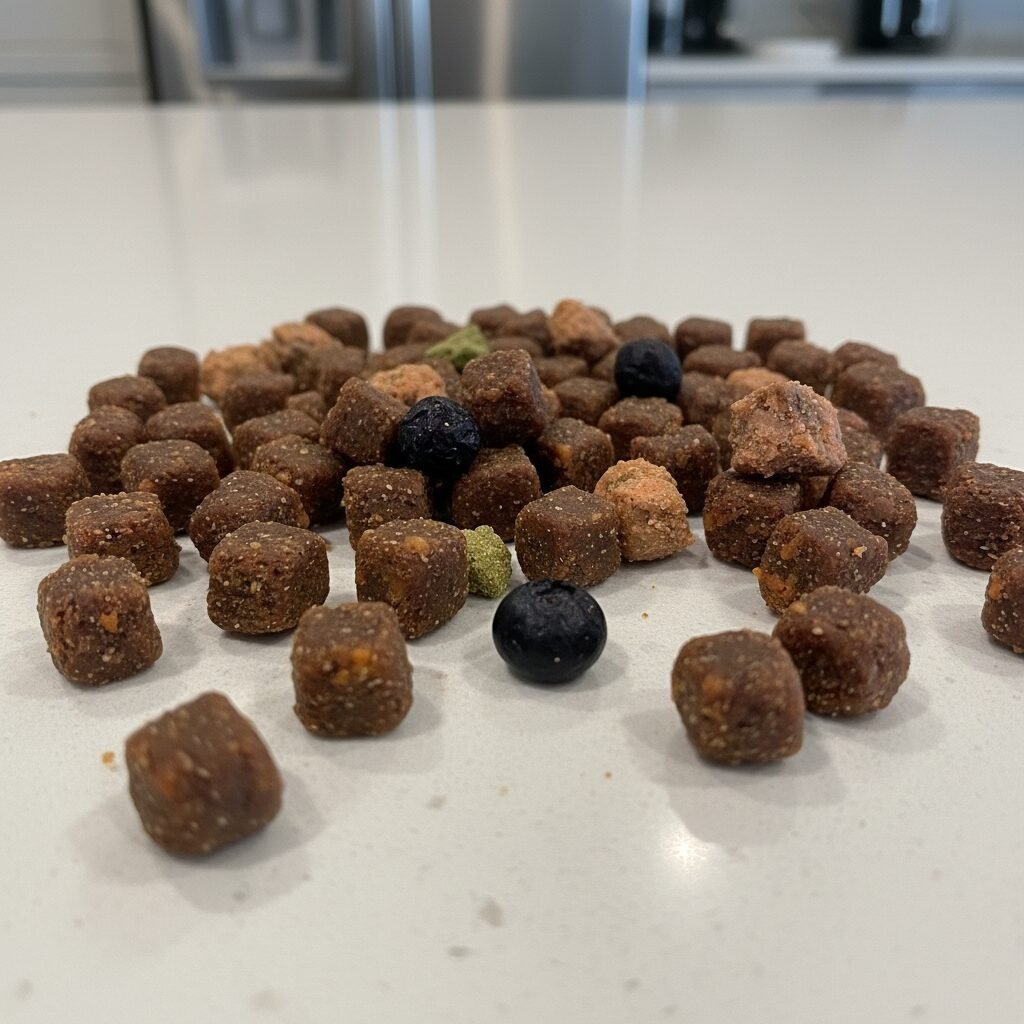
- Gather High-Value Treats: These should be small, soft, and incredibly appealing to your dog—think tiny pieces of cooked chicken, cheese, or specialized training treats.
- Choose a Quiet Environment: Start training in a distraction-free area, like your living room, to help your dog focus.
- Keep Sessions Short: Dogs, especially puppies, have short attention spans. Aim for 5-10 minute sessions, 2-3 times a day.
- Be Patient and Positive: Training should always be a fun and rewarding experience. Avoid punishment or frustration; positive reinforcement is key.
The 5 Simple Steps to Teach Sit
Step 1 Lure Your Dog into Position
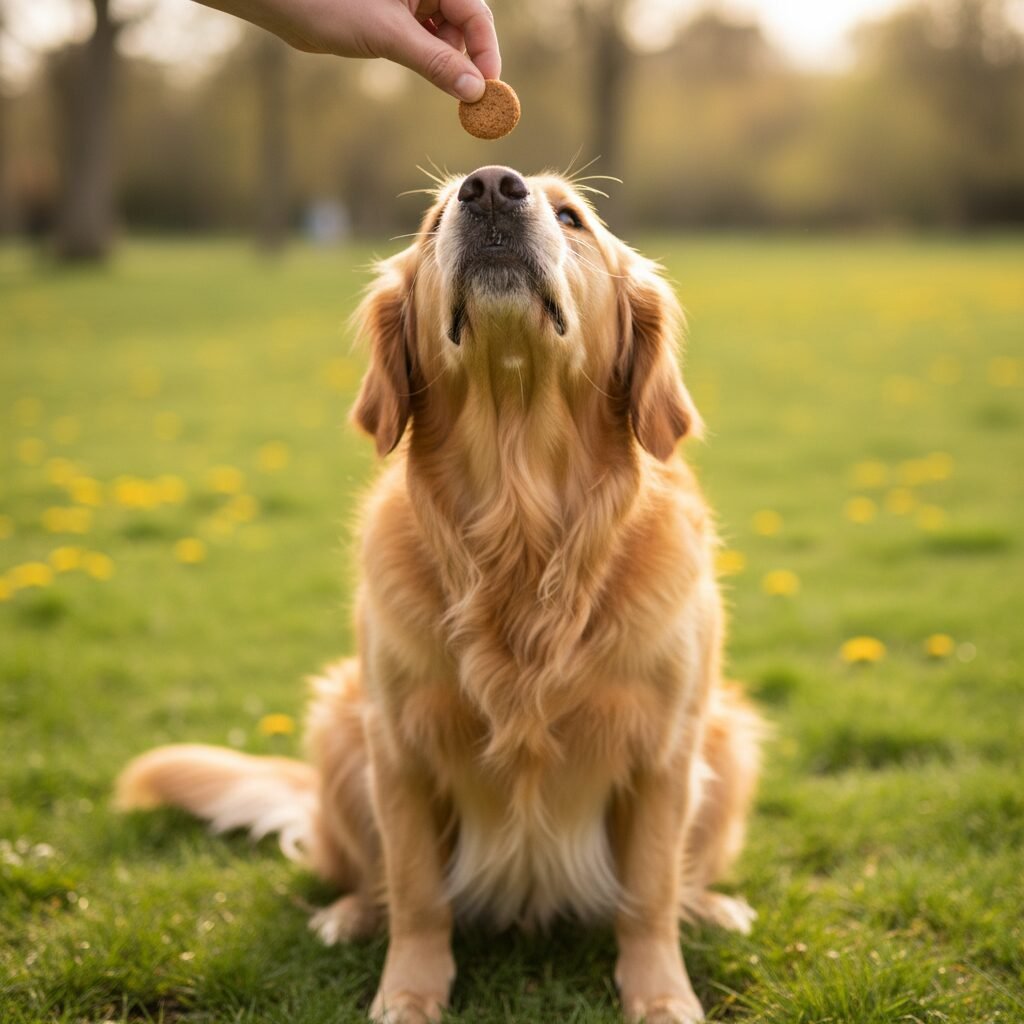
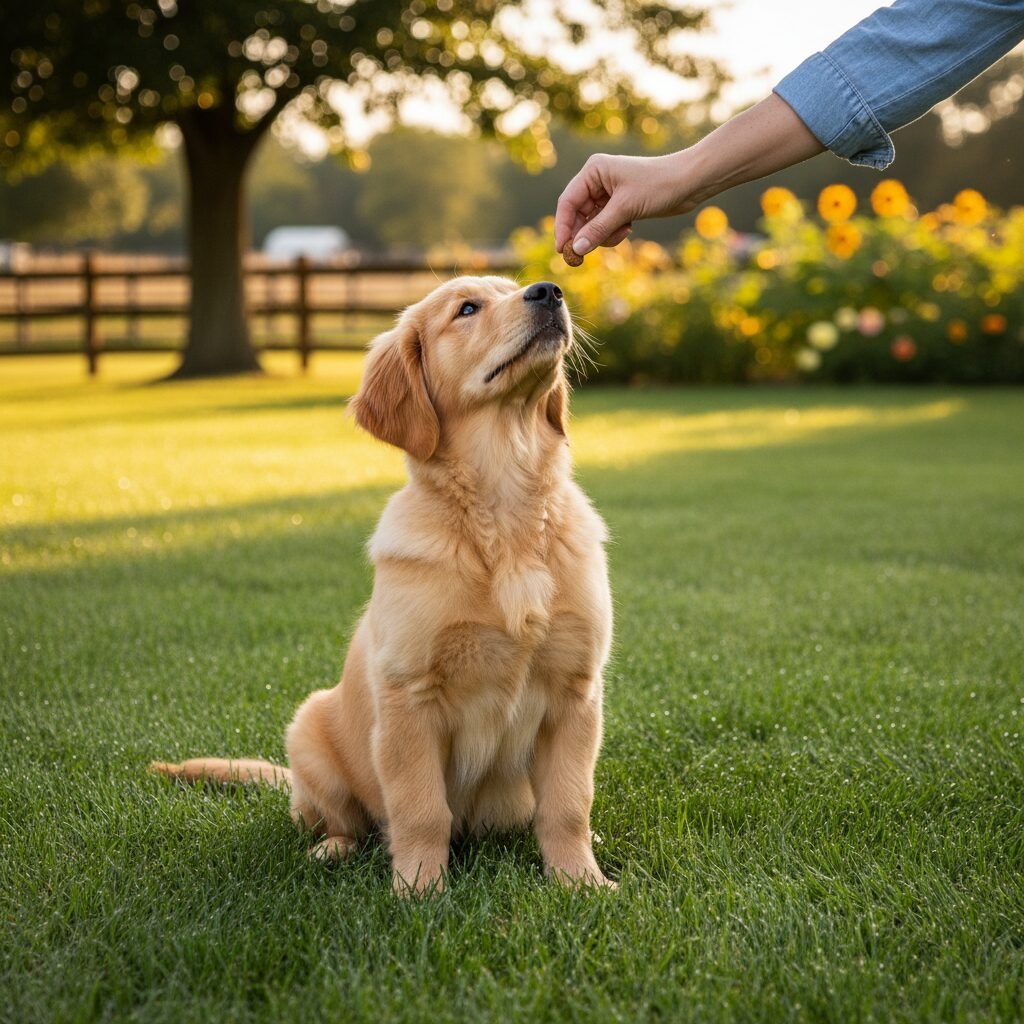
This is where the magic begins! Luring uses a treat to guide your dog into the desired position without any physical force.
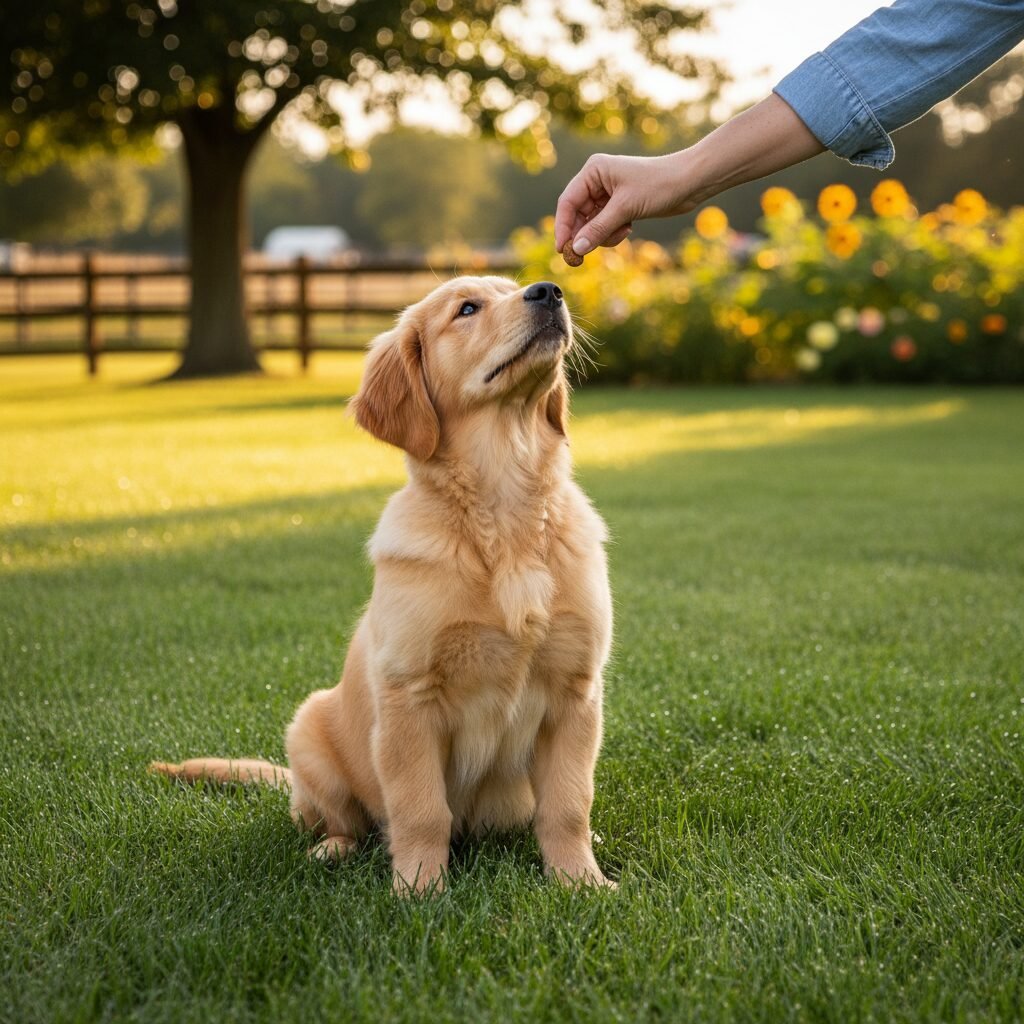
- Hold a Treat: Get a high-value treat in your hand. Hold it close to your dog’s nose.
- Move the Lure: Slowly move the treat upwards and slightly back over your dog’s head, towards their tail.
- Watch Them Sit: As their nose follows the treat, their rear end will naturally lower to the ground.
- Mark and Reward: The instant their bottom touches the floor, say ‘Yes!’ or ‘Good!’ (or use a clicker), and immediately give them the treat.
- Repeat: Do this a few times until your dog consistently sits when you lure them.
Remember, the treat is a magnet for their nose, guiding their body into position.
Step 2 Add the Verbal Cue
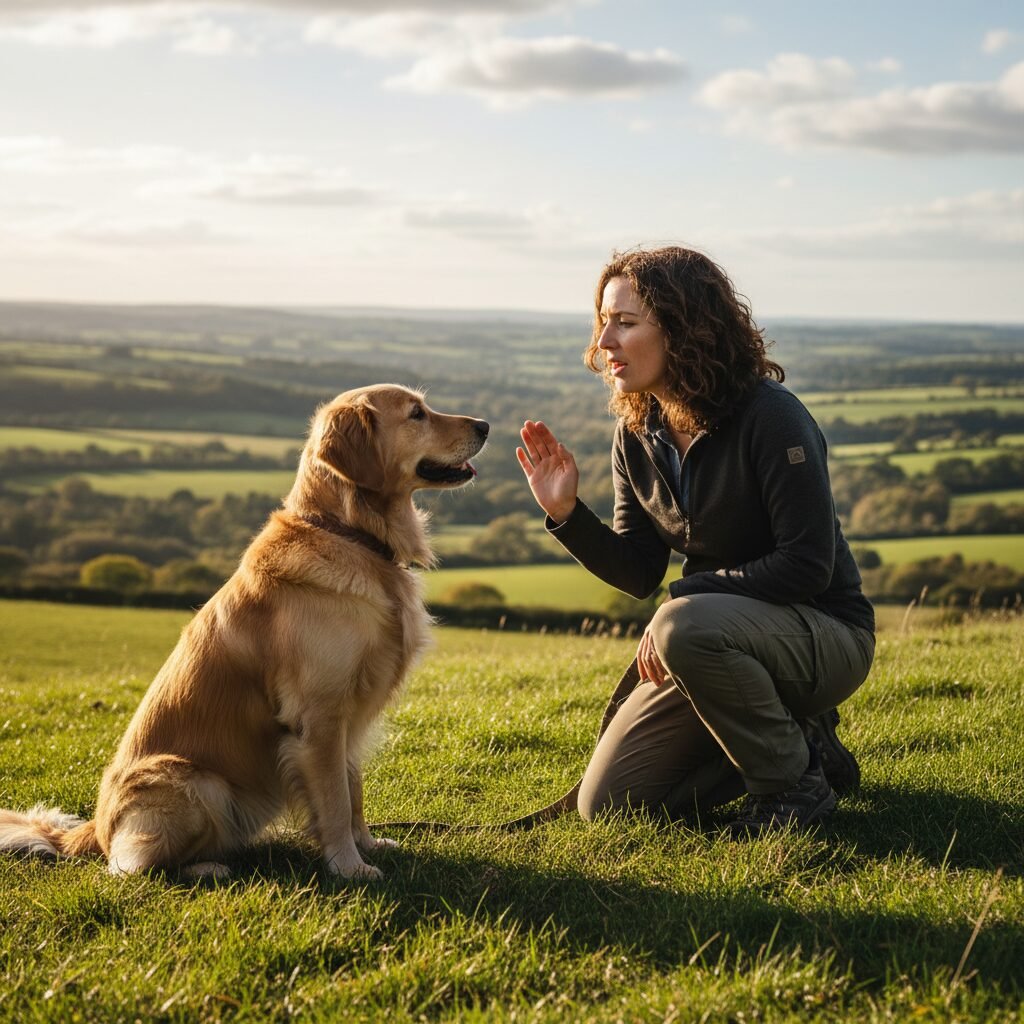
Once your dog understands the luring motion, it’s time to introduce the word ‘sit’.
- Say the Cue: Just as you begin to move the treat to lure your dog, say ‘Sit’.
- Lure and Reward: Continue with the luring motion, and as soon as they sit, mark and reward them.
- Consistency is Key: Always say ‘Sit’ before you lure. This helps your dog associate the word with the action.
Keep practicing until your dog starts to anticipate the sit after hearing the word, even before seeing the full lure.
Step 3 Fade the Lure
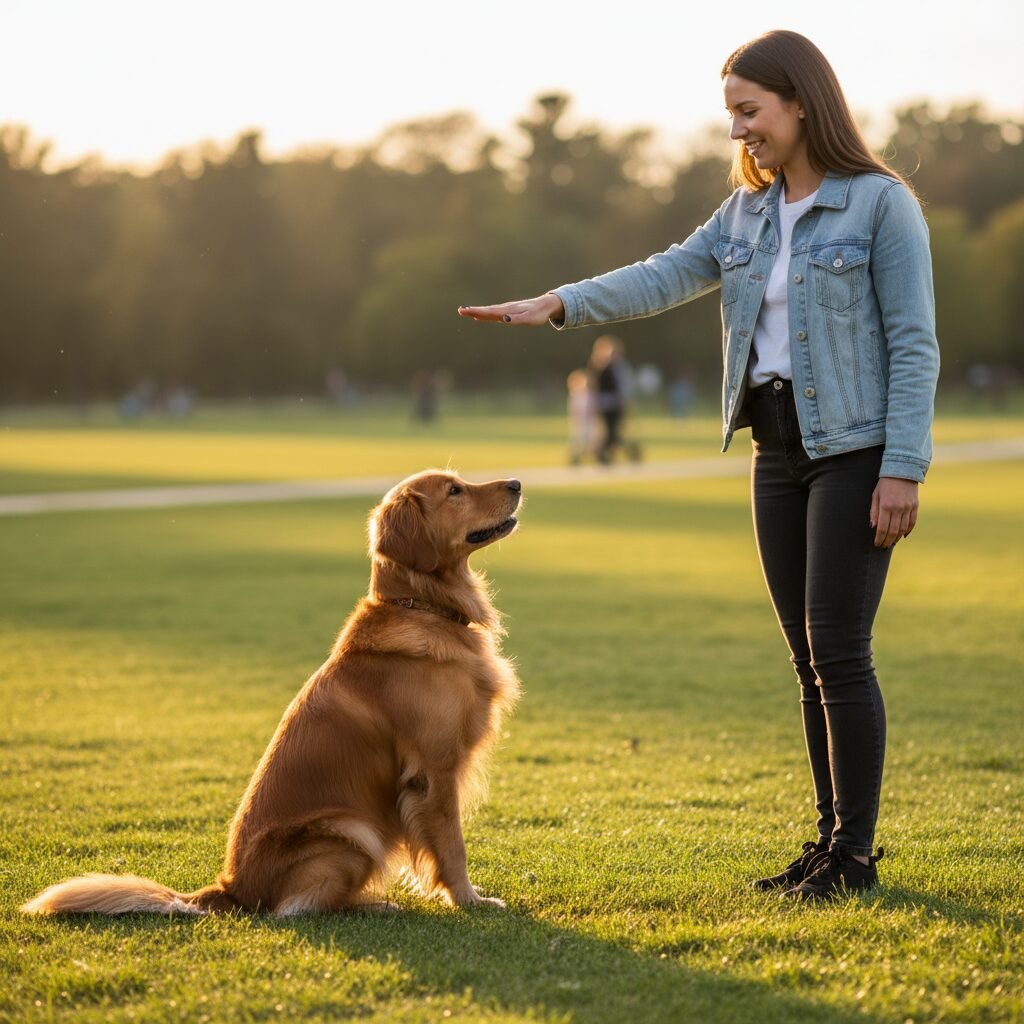
The goal is for your dog to sit on command without needing to see a treat. This is called ‘fading the lure’.
- Smaller Hand Motion: Start making the luring motion smaller and less obvious. Instead of a full hand movement, use just a finger or a subtle hand gesture.
- Delay the Treat: Once your dog sits, pause for a split second before giving the treat. This teaches them to hold the sit for a moment.
- Vary Rewards: Don’t always give a treat. Sometimes offer praise, a quick pat, or a favorite toy as a reward.
Gradually, your dog will respond to the verbal ‘sit’ and a subtle hand signal rather than the food lure.
Step 4 Practice in Different Places
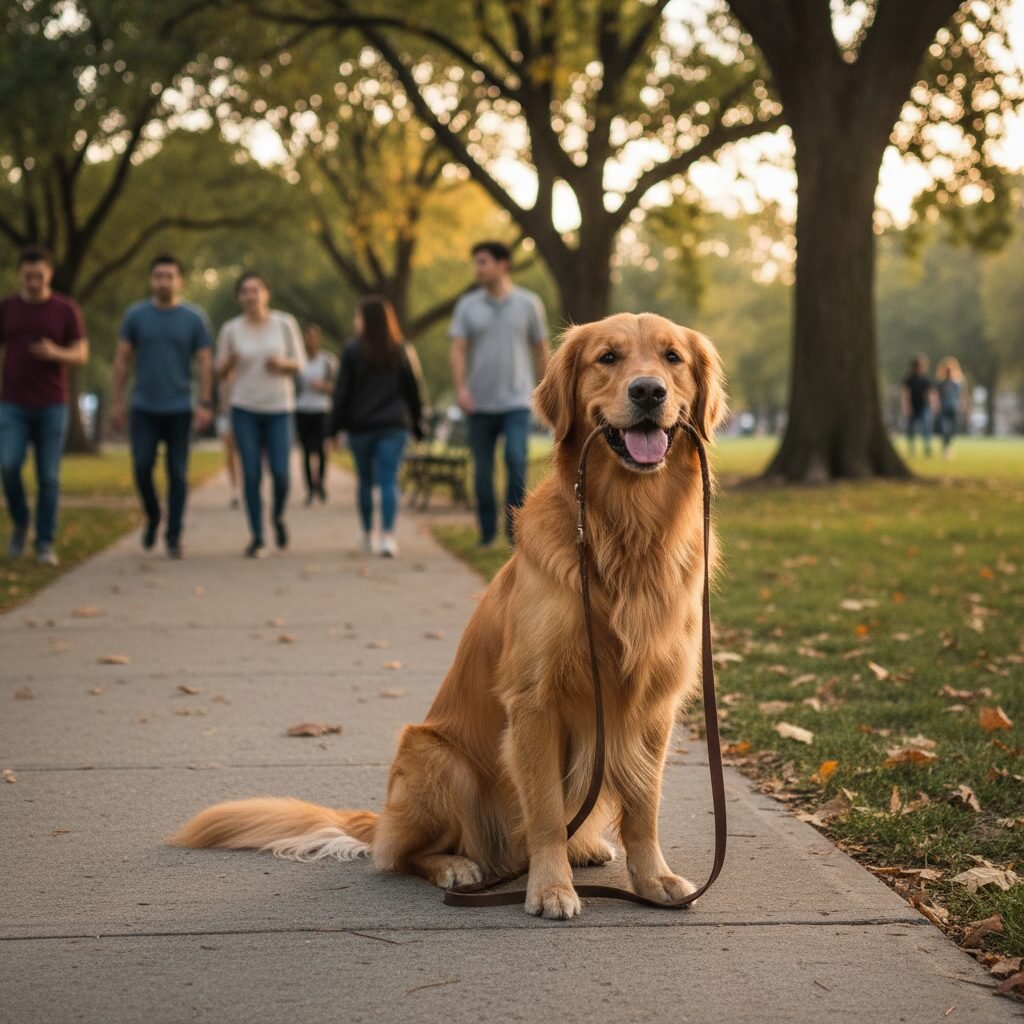
A command isn’t truly learned until your dog can perform it reliably in various environments.
- Introduce Distractions Slowly: Start with mild distractions, like another person in the room, then move to slightly busier areas like your backyard.
- Public Places: Once your dog is consistent at home, try practicing in a quiet park or on a calm street.
- Keep it Positive: If your dog struggles with distractions, go back to a less distracting environment and gradually increase the challenge. Always end on a successful note.
This step helps your dog generalize the ‘sit’ command, understanding it applies everywhere.
Step 5 Reinforce and Maintain
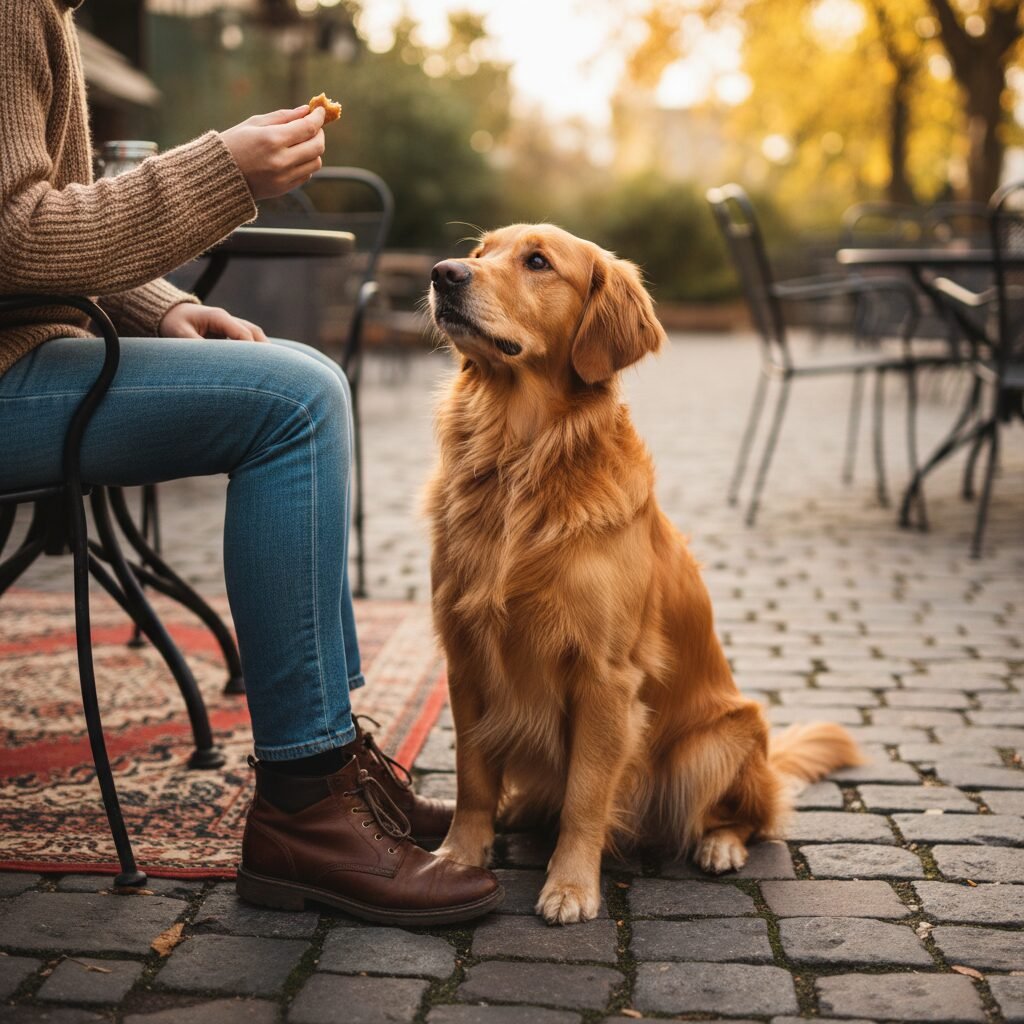
Training isn’t a one-time event; it’s an ongoing process.
- Random Rewards: Once your dog consistently sits, you don’t need to reward every single time. Switch to intermittent rewards – sometimes a treat, sometimes praise, sometimes nothing. This makes the behavior stronger.
- Integrate into Daily Life: Ask your dog to sit before meals, before putting on their leash, or before greeting someone.
- Short Refreshers: Keep training fun with short, spontaneous refreshers.
Consistent reinforcement ensures the ‘sit’ command remains strong and reliable throughout your dog’s life.
Troubleshooting Common Challenges
5 Simple Steps to Teach Your Dog to Sit Correctly
5 Simple Steps to Teach Your Dog to Sit Correctly
Teaching your dog to sit is more than just a cute trick; it’s a fundamental building block for good behavior, safety, and a stronger bond between you and your furry friend. A reliable ‘sit’ command can prevent your dog from jumping on guests, keep them safe at crosswalks, and even help manage excitement. If you’ve been wondering how to teach your dog this essential command, you’re in the right place. We’ll guide you through five simple, positive, and effective steps that will have your canine companion sitting like a pro in no time.
Why Teaching Sit is So Important
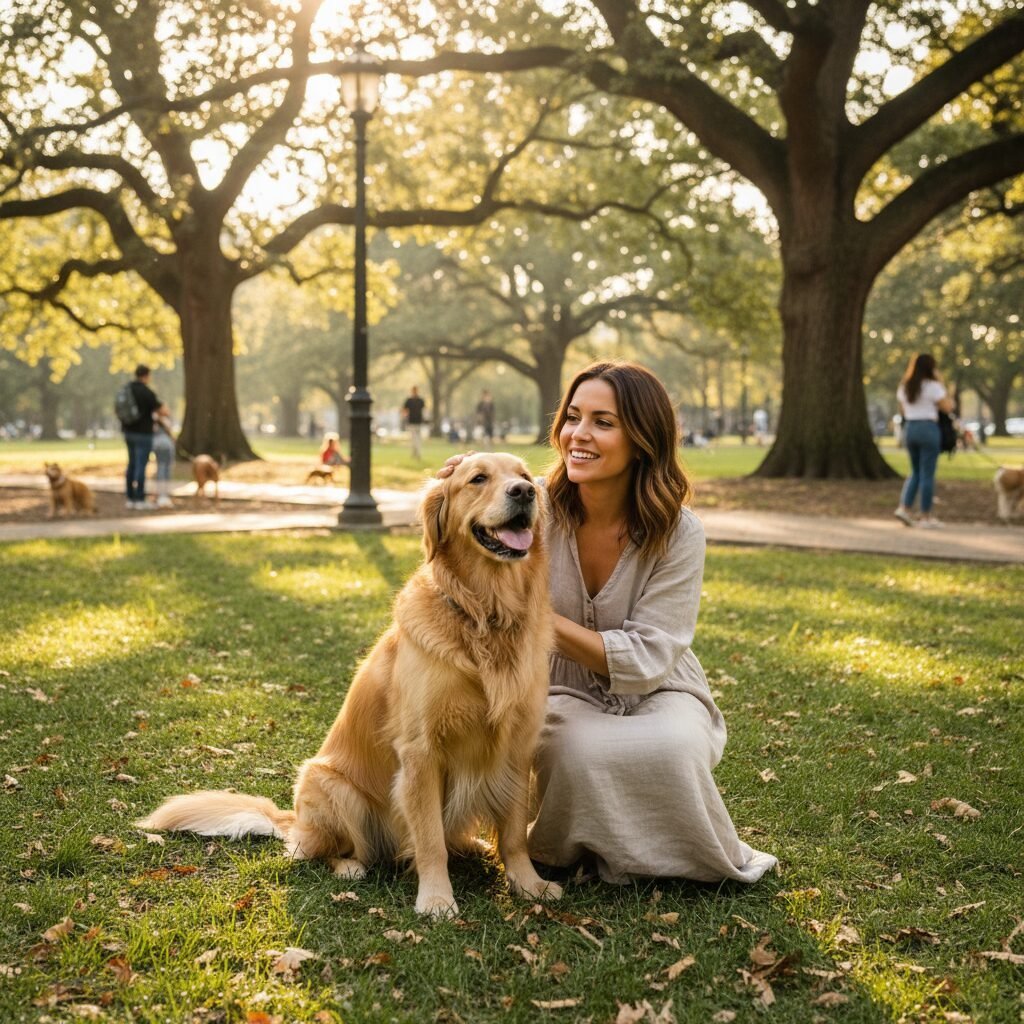
The ‘sit’ command is often the first thing people teach their dogs, and for good reason. It’s a foundational skill that opens the door to more advanced training and provides countless benefits in daily life.
- Safety First: A quick ‘sit’ can keep your dog from darting into the street or rushing through an open door.
- Better Manners: It’s an excellent alternative to jumping on people or begging at the table.
- Calmness and Control: Asking your dog to sit can help them settle down when they’re overstimulated or excited.
- Strengthens Your Bond: Training sessions are a fantastic way to spend quality time together, building trust and communication.
- Foundation for Other Commands: Once your dog masters ‘sit’, other commands like ‘stay’ or ‘down’ become much easier to teach.
It’s a simple command with powerful implications for a harmonious life together.
Before You Begin- Essential Preparations
Before you jump into the training, a little preparation goes a long way. Setting yourself and your dog up for success will make the process smoother and more enjoyable for both of you.
- Gather High-Value Treats: These should be small, soft, and incredibly appealing to your dog—think tiny pieces of cooked chicken, cheese, or specialized training treats.
- Choose a Quiet Environment: Start training in a distraction-free area, like your living room, to help your dog focus.
- Keep Sessions Short: Dogs, especially puppies, have short attention spans. Aim for 5-10 minute sessions, 2-3 times a day.
- Be Patient and Positive: Training should always be a fun and rewarding experience. Avoid punishment or frustration; positive reinforcement is key.
The 5 Simple Steps to Teach Sit
Step 1 Lure Your Dog into Position
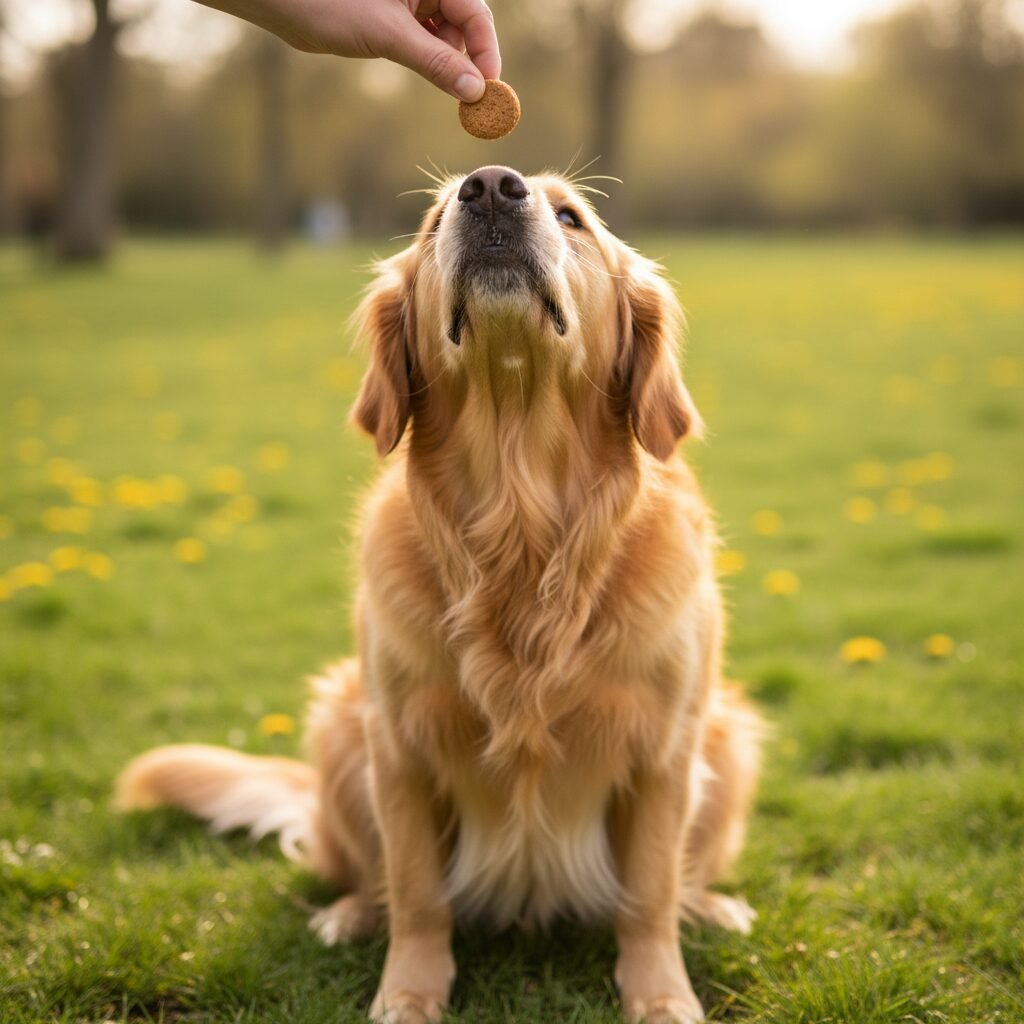
This is where the magic begins! Luring uses a treat to guide your dog into the desired position without any physical force.
- Hold a Treat: Get a high-value treat in your hand. Hold it close to your dog’s nose.
- Move the Lure: Slowly move the treat upwards and slightly back over your dog’s head, towards their tail.
- Watch Them Sit: As their nose follows the treat, their rear end will naturally lower to the ground.
- Mark and Reward: The instant their bottom touches the floor, say ‘Yes!’ or ‘Good!’ (or use a clicker), and immediately give them the treat.
- Repeat: Do this a few times until your dog consistently sits when you lure them.
Remember, the treat is a magnet for their nose, guiding their body into position.
Step 2 Add the Verbal Cue
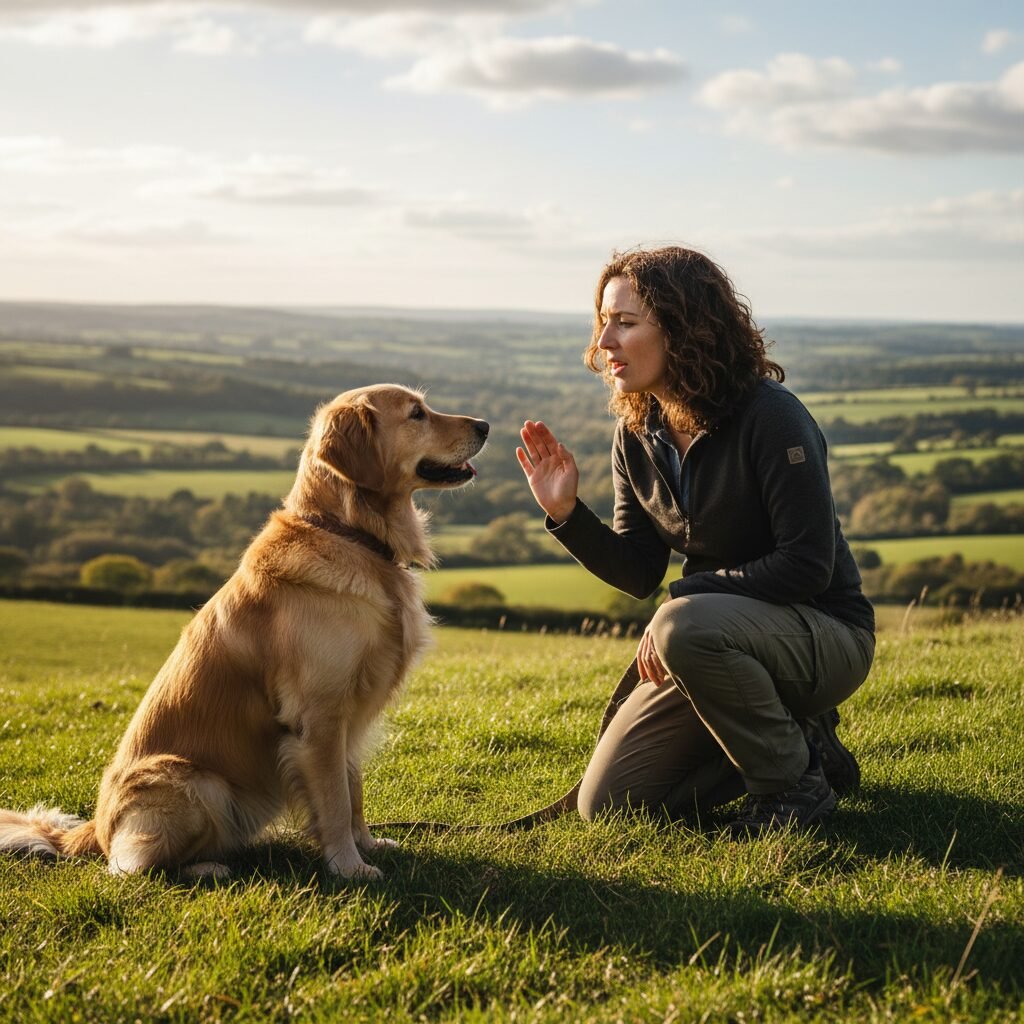
Once your dog understands the luring motion, it’s time to introduce the word ‘sit’.
- Say the Cue: Just as you begin to move the treat to lure your dog, say ‘Sit’.
- Lure and Reward: Continue with the luring motion, and as soon as they sit, mark and reward them.
- Consistency is Key: Always say ‘Sit’ before you lure. This helps your dog associate the word with the action.
Keep practicing until your dog starts to anticipate the sit after hearing the word, even before seeing the full lure.
Step 3 Fade the Lure
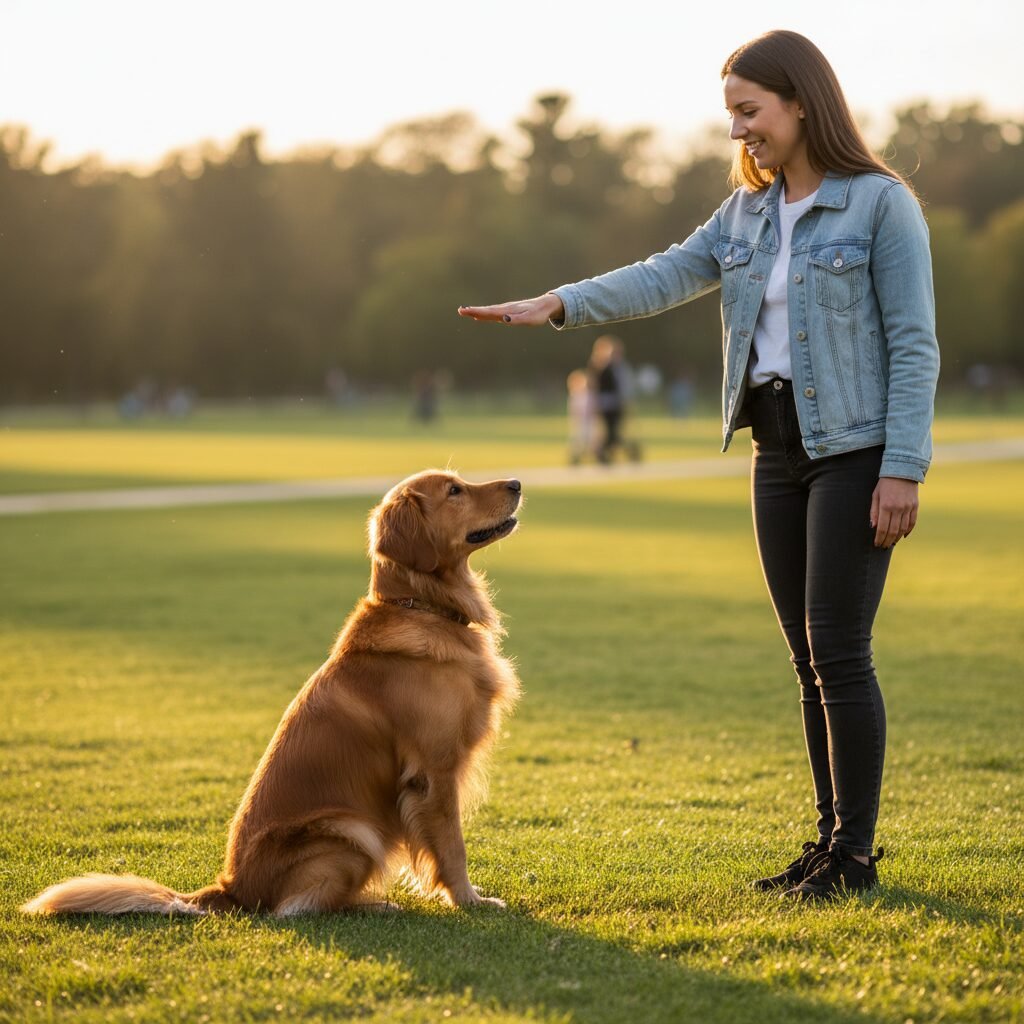
The goal is for your dog to sit on command without needing to see a treat. This is called ‘fading the lure’.
- Smaller Hand Motion: Start making the luring motion smaller and less obvious. Instead of a full hand movement, use just a finger or a subtle hand gesture.
- Delay the Treat: Once your dog sits, pause for a split second before giving the treat. This teaches them to hold the sit for a moment.
- Vary Rewards: Don’t always give a treat. Sometimes offer praise, a quick pat, or a favorite toy as a reward.
Gradually, your dog will respond to the verbal ‘sit’ and a subtle hand signal rather than the food lure.
Step 4 Practice in Different Places
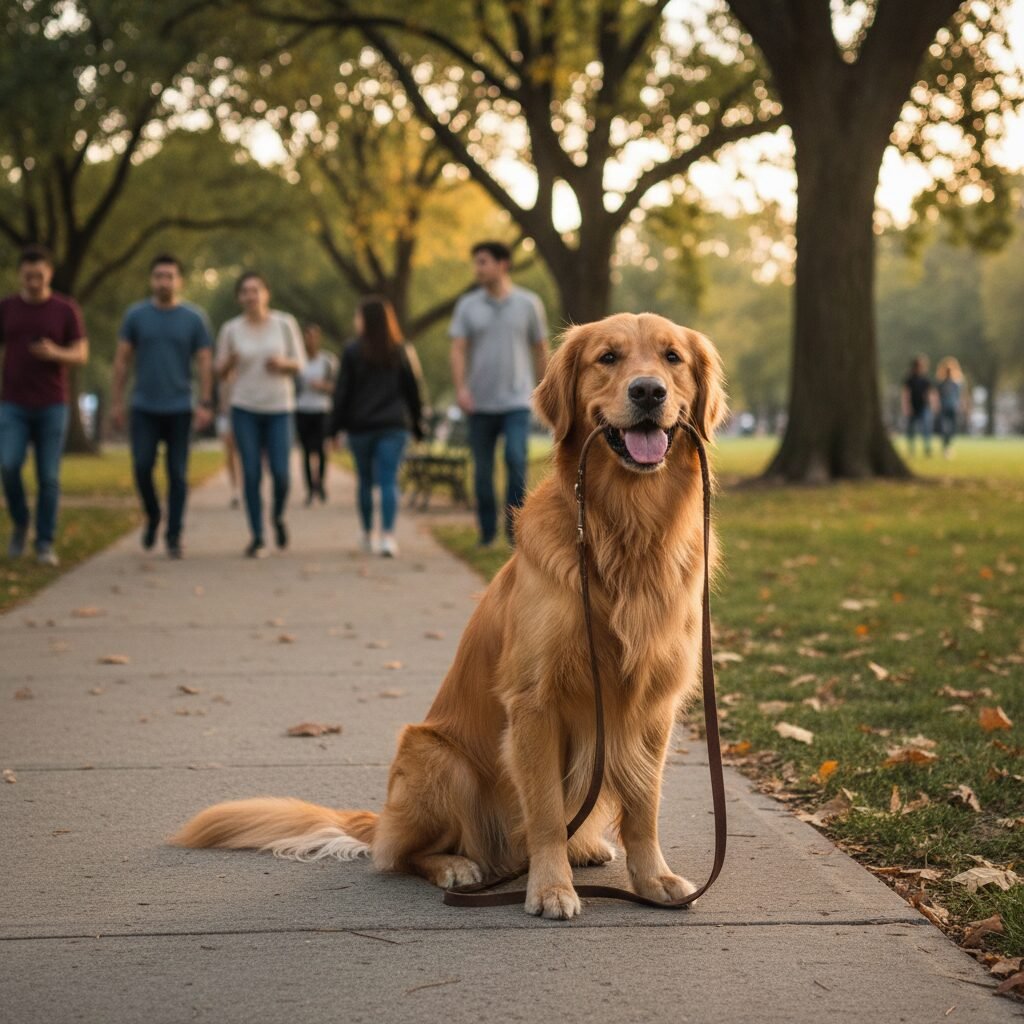
A command isn’t truly learned until your dog can perform it reliably in various environments.
- Introduce Distractions Slowly: Start with mild distractions, like another person in the room, then move to slightly busier areas like your backyard.
- Public Places: Once your dog is consistent at home, try practicing in a quiet park or on a calm street.
- Keep it Positive: If your dog struggles with distractions, go back to a less distracting environment and gradually increase the challenge. Always end on a successful note.
This step helps your dog generalize the ‘sit’ command, understanding it applies everywhere.
Step 5 Reinforce and Maintain
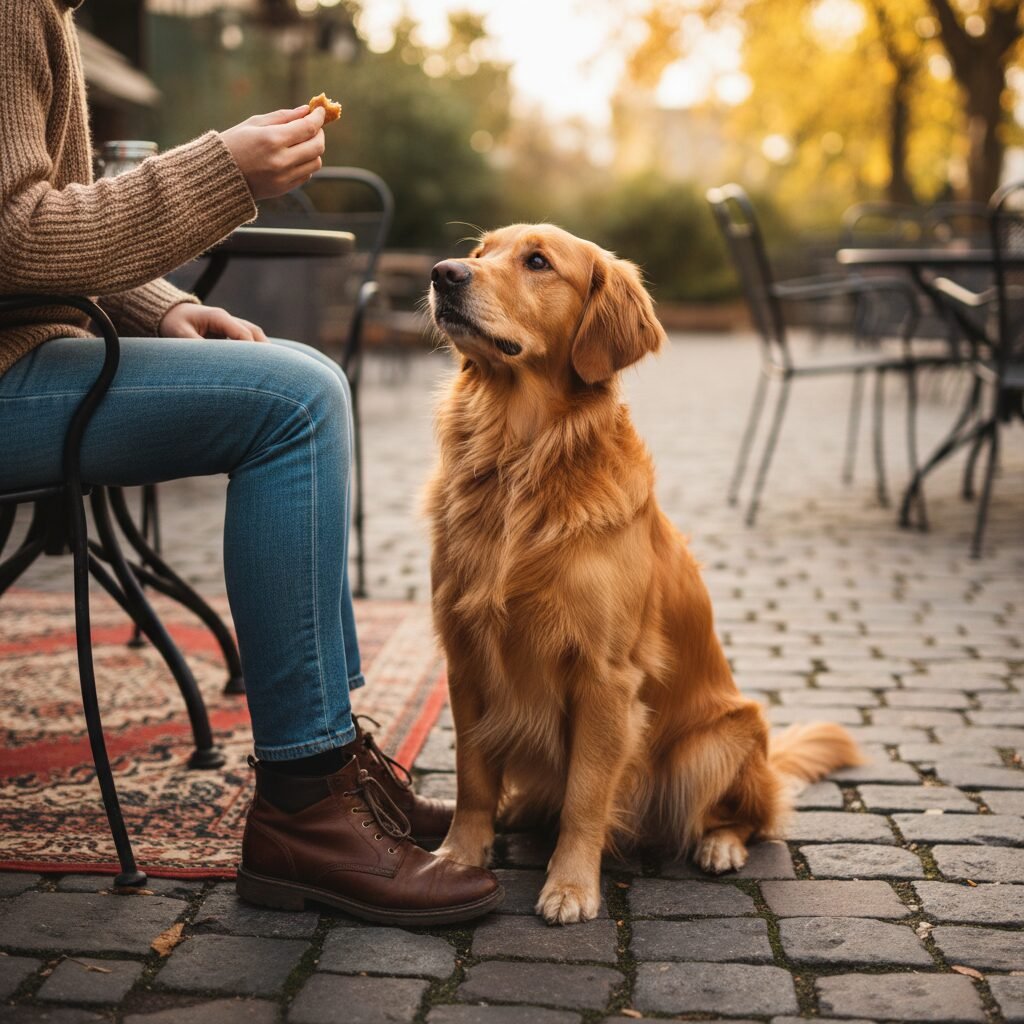
Training isn’t a one-time event; it’s an ongoing process.
- Random Rewards: Once your dog consistently sits, you don’t need to reward every single time. Switch to intermittent rewards – sometimes a treat, sometimes praise, sometimes nothing. This makes the behavior stronger.
- Integrate into Daily Life: Ask your dog to sit before meals, before putting on their leash, or before greeting someone.
- Short Refreshers: Keep training fun with short, spontaneous refreshers.
Consistent reinforcement ensures the ‘sit’ command remains strong and reliable throughout your dog’s life.
Troubleshooting Common Challenges
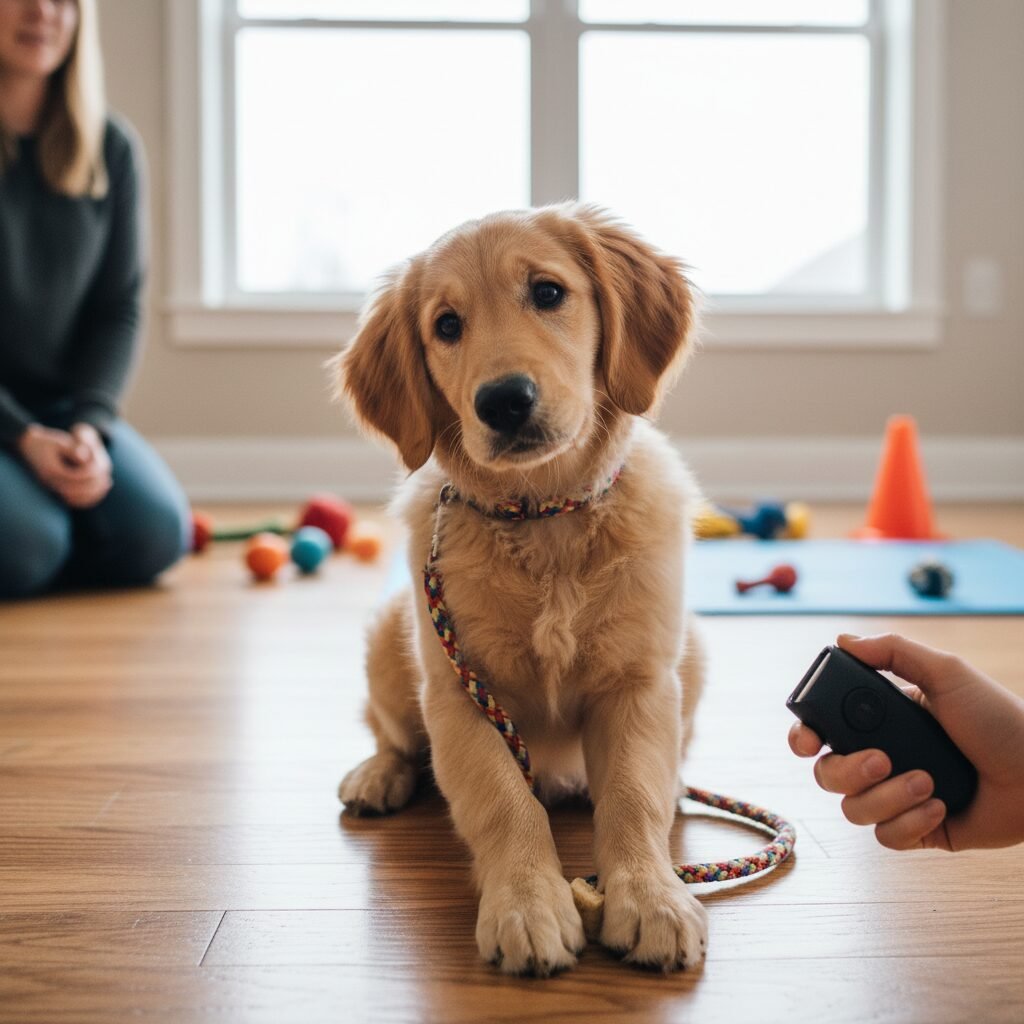
Even with simple steps, you might encounter a few bumps. Don’t worry, these are common!
- My Dog Won’t Sit: If your dog isn’t sitting, check your lure. Is the treat appealing enough? Are you moving it correctly to guide their nose back? Sometimes, a very high-energy dog might need a few minutes to calm down before training.
- My Dog Jumps Up Instead: This usually means your lure is too high or too far forward. Adjust the treat so it moves directly over their head, encouraging their rear to go down.
- My Dog Only Sits for Treats: This is where fading the lure and using varied rewards comes in. Gradually reduce the frequency of treats and introduce other forms of reinforcement like praise or toys.
- My Dog Gets Distracted: Go back to a less distracting environment. Build up distractions very slowly. Make sure your rewards are high-value enough to compete with the distraction.
Patience and consistency are your best friends when troubleshooting.
Making Training Fun and Rewarding
Training should never feel like a chore for you or your dog. It’s an opportunity to bond, communicate, and build confidence.
- End on a High Note: Always finish your training sessions with a successful command and plenty of praise.
- Keep it Playful: Incorporate training into games. For example, ‘sit’ before throwing a ball.
- Celebrate Small Wins: Every successful sit is a step forward. Acknowledge and celebrate your dog’s progress.
- Know When to Stop: If either of you is getting frustrated, take a break. Training should always be a positive experience.
Teaching your dog to sit correctly is a rewarding journey that strengthens your bond and enhances their safety and manners. By following these five simple, positive reinforcement steps—luring, adding the cue, fading the lure, practicing in different places, and consistent reinforcement—you’ll equip your furry friend with a fundamental skill for life. Remember to be patient, keep training sessions fun, and always celebrate your dog’s efforts. The pride you’ll feel watching your well-behaved companion respond to your commands is truly priceless. Happy training!