6 Fun and Effective Training Tips for American Pit Bull Terriers
6 Fun and Effective Training Tips for American Pit Bull Terriers
American Pit Bull Terriers, often misunderstood, are incredibly intelligent, loyal, and eager-to-please dogs. With the right approach, training your Pit Bull can be a rewarding and joyful experience, strengthening your bond and ensuring they become a well-adjusted member of your family and community. These powerful athletes thrive on mental and physical challenges, making training not just a necessity, but a fantastic way to channel their energy positively. Let’s dive into six fun and effective strategies to help your Pit Bull shine.
1. Embrace Positive Reinforcement
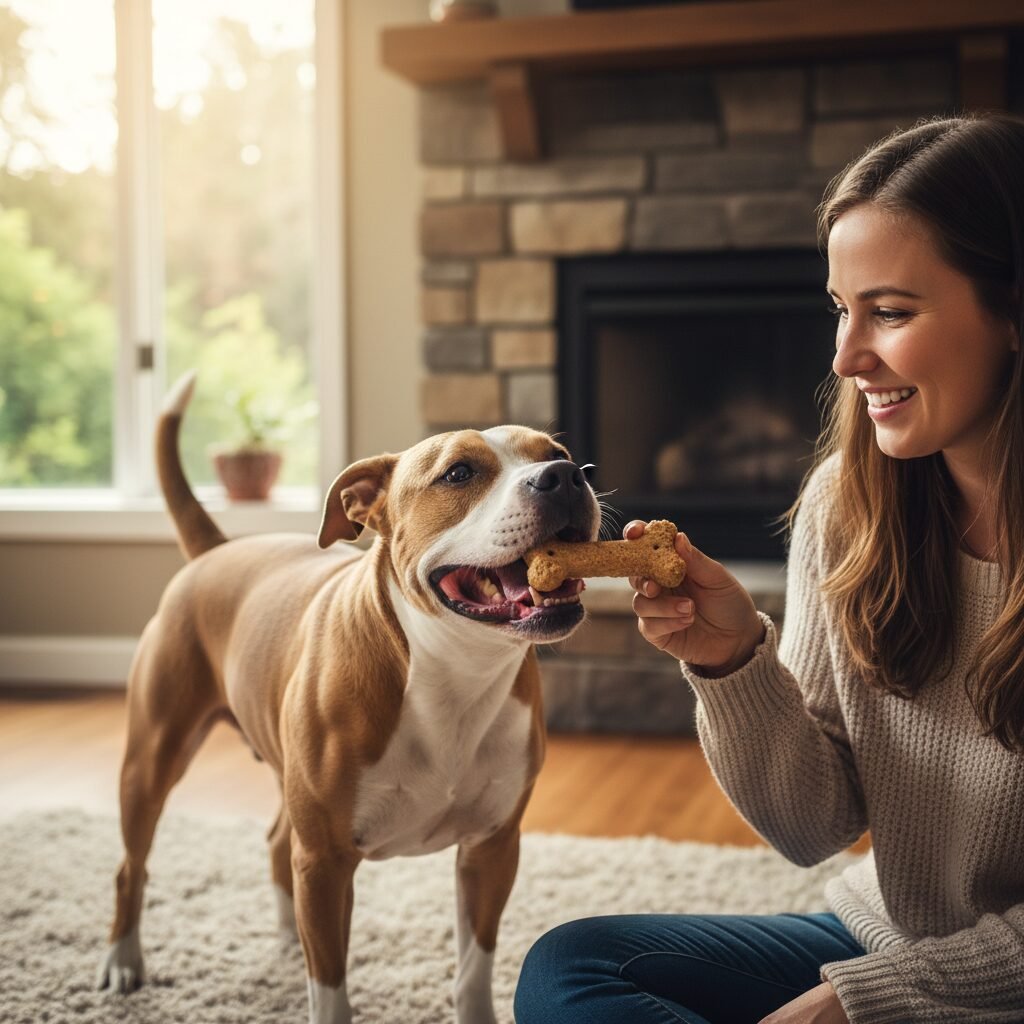
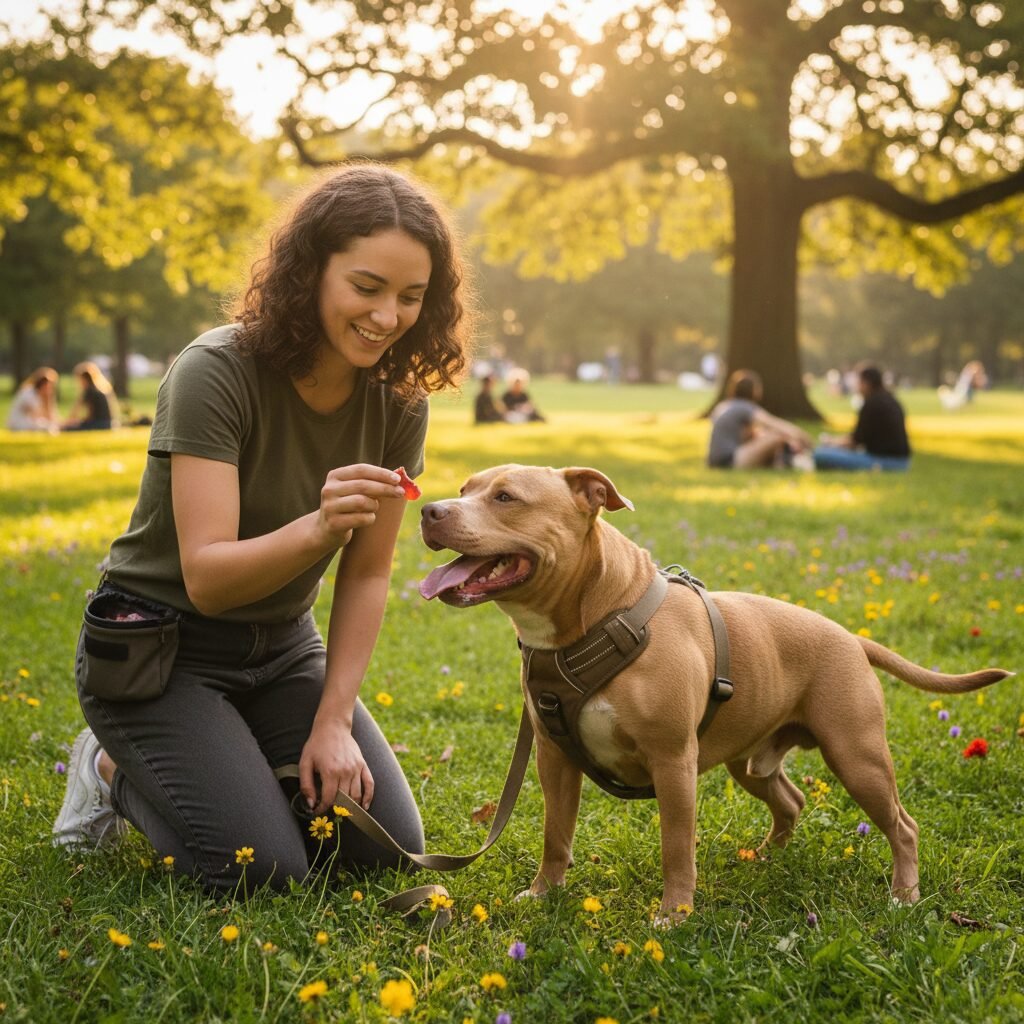
Positive reinforcement is the cornerstone of effective Pit Bull training. These dogs respond incredibly well to rewards like treats, praise, and toys. Instead of focusing on what your dog does wrong, reward them immediately and generously for desired behaviors. This approach builds confidence and a strong desire to please, making training a positive game for both of you.
- High-Value Rewards Use treats your Pit Bull absolutely loves, especially during initial training.
- Timing is Everything Deliver the reward within 1-3 seconds of the desired action so your dog connects the behavior with the positive outcome.
- Vary Your Rewards Mix treats with verbal praise, belly rubs, or a quick game of tug to keep things exciting.
2. Start Early and Be Consistent
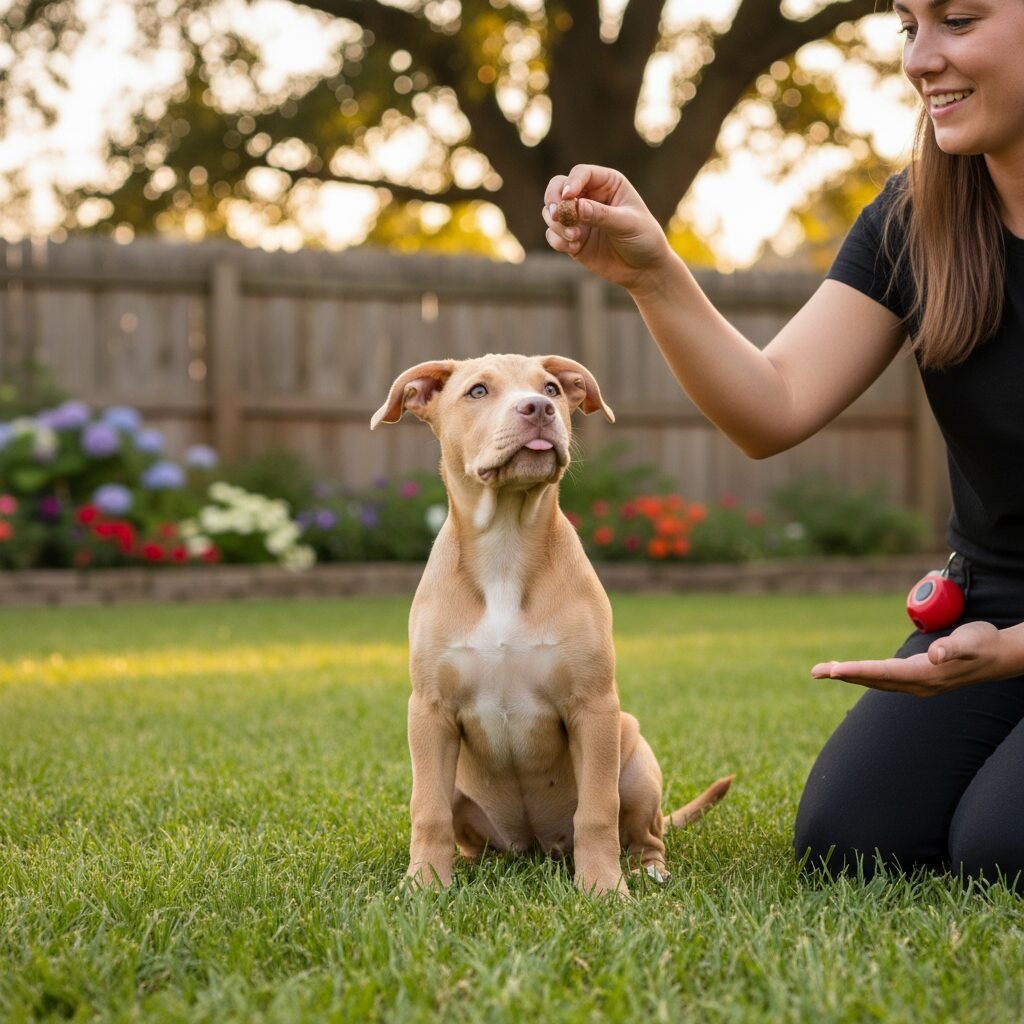
The sooner you begin training, the better. Pit Bull puppies are like sponges, soaking up new information. Start with basic commands like ‘sit,’ ‘stay,’ ‘come,’ and ‘down’ as early as eight weeks old. Consistency is equally vital. Everyone in the household should use the same commands and expectations. Inconsistency can confuse your dog and slow down progress.
- Short, Frequent Sessions Keep training sessions brief (5-10 minutes) and fun, especially for puppies. Multiple short sessions throughout the day are more effective than one long, tedious one.
- Practice Everywhere Once a command is learned in a quiet environment, practice it in different locations with varying distractions.
- Family Involvement Ensure all family members are on the same page with commands and rules.
3. Socialization is Non-Negotiable
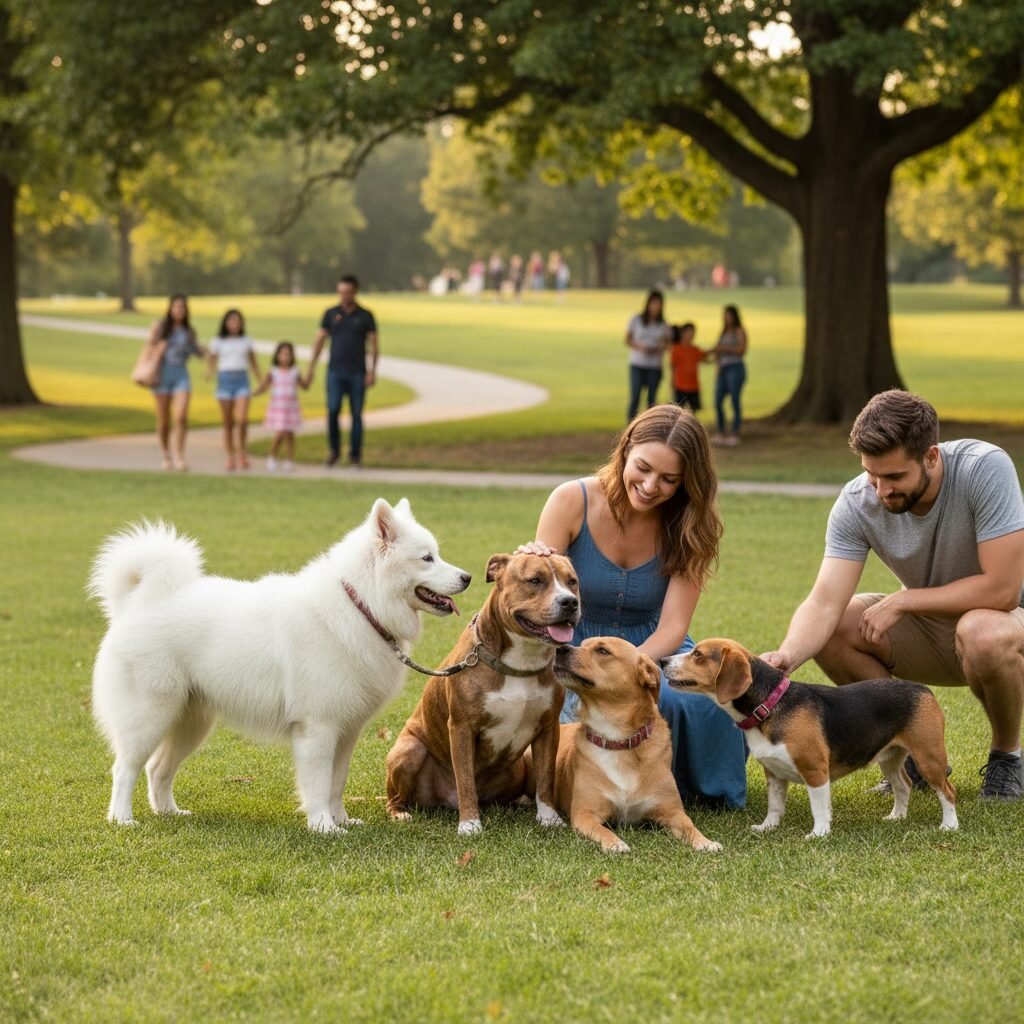
Early and continuous socialization is paramount for American Pit Bull Terriers. Exposing your puppy to a variety of sights, sounds, people, and other friendly, vaccinated dogs in a controlled, positive manner helps them develop into confident, well-adjusted adults. This reduces fear-based reactions and promotes polite interactions.
- Puppy Classes Enroll in well-run puppy socialization classes.
- Supervised Playdates Arrange controlled playdates with known, friendly dogs.
- Public Outings Take your leashed Pit Bull to dog-friendly parks, stores, or cafes to observe the world calmly. Always ensure positive experiences.
4. Master Leash Training for Enjoyable Walks

A well-trained Pit Bull on a leash is a joy to walk. Given their strength, teaching loose-leash walking is essential for both your safety and theirs. Start indoors, then gradually move to less distracting outdoor environments. Tools like front-clip harnesses can be very helpful.
- Start with a Flat Collar and Leash Get your puppy comfortable wearing them around the house.
- Reward Loose Leash Every time your dog walks beside you without pulling, reward them. Stop walking if they pull, and only resume when the leash is slack.
- Change Directions Frequently changing direction can keep your dog focused on you and prevent them from pulling ahead.
5. Mind Games and Mental Stimulation
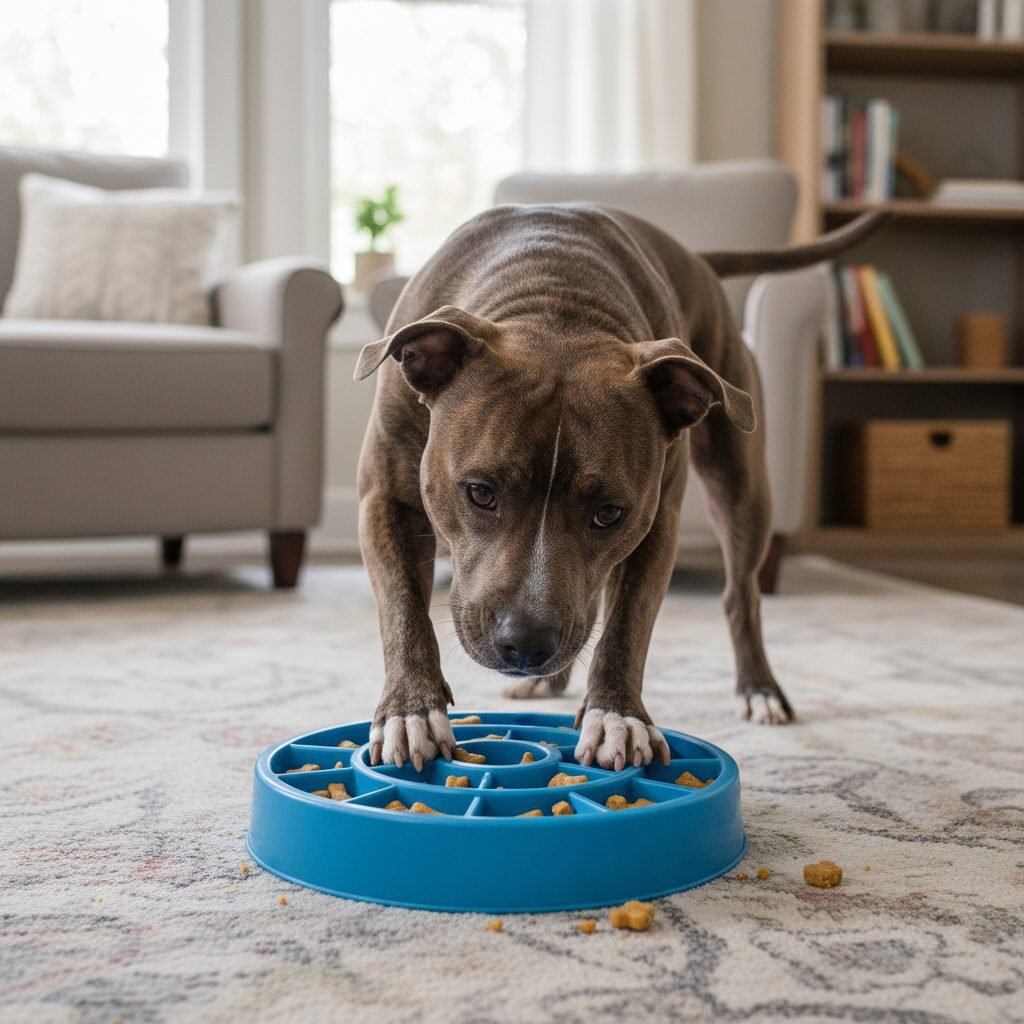
American Pit Bull Terriers are smart and need mental exercise as much as physical. Boredom can lead to destructive behaviors. Incorporate puzzle toys, scent work, and new tricks into their routine to keep their minds engaged and prevent mischief.
- Puzzle Feeders Use food-dispensing toys to make mealtime a brain game.
- Scent Work Hide treats around the house and encourage your dog to find them.
- Trick Training Teach fun tricks like ‘shake a paw,’ ‘roll over,’ or ‘fetch specific toys’ to challenge their intellect.
6. Boundary Training for a Harmonious Home

Establishing clear boundaries helps your Pit Bull understand their place in the household and contributes to a calm environment. This includes teaching them appropriate places to relax, not to jump on guests, and to respect personal space. Crate training can be a valuable tool for boundary setting and creating a safe den for your dog.
- ‘Place’ Command Teach your dog to go to their bed or mat and stay there until released. This is great for managing greetings or meal times.
- Door Manners Prevent jumping and barging by teaching your Pit Bull to sit politely before going out or greeting visitors.
- Consistent Rules Decide what your Pit Bull is allowed to do (e.g., on furniture) and enforce those rules consistently.
A Lifetime of Love and Learning

Training your American Pit Bull Terrier is an ongoing journey that builds a profound connection between you and your furry friend. Remember, patience, consistency, and a heart full of positive encouragement are your best tools. Celebrate every small victory, understand that setbacks happen, and always approach training with love and understanding. Your Pit Bull’s boundless loyalty and eagerness to please will make every effort worthwhile, resulting in a happy, well-behaved companion who enriches your life in countless ways. Embrace the process, and enjoy the incredible bond you’ll forge!


