
6 Common Beagle Health Problems Every Owner Must Know
6 Common Beagle Health Problems Every Owner Must Know
Beagles are beloved companions, known for their charming personalities, boundless energy, and distinctive baying. Their gentle nature and compact size make them popular family pets. However, like all purebred dogs, Beagles are predisposed to certain health conditions that every owner should be aware of. Understanding these potential challenges allows you to be proactive in their care, ensuring your furry friend lives a long, happy, and healthy life.
Being an informed Beagle parent means recognizing the signs of common health issues and knowing when to seek veterinary attention. This guide will walk you through six prevalent health problems in Beagles, offering insights into symptoms, prevention, and management strategies. Let’s dive in!
1. Ear Infections

Beagles are famous for their long, floppy ears, which, while adorable, can unfortunately create a warm, moist environment perfect for bacteria and yeast to thrive. This makes them highly susceptible to ear infections, known as otitis externa.
Symptoms to Watch For
- Frequent head shaking or tilting
- Scratching at the ears
- Redness or swelling inside the ear canal
- Strong, unpleasant odor from the ears
- Dark discharge (waxy or pus-like)
- Pain or sensitivity when touching the ears
Prevention and Management
- Regular Cleaning: Gently clean your Beagle’s ears once a week with a vet-approved ear cleaner.
- Thorough Drying: Always dry their ears thoroughly after baths or swimming.
- Hair Trimming: Trim excess hair inside the ear canal if recommended by your vet to improve airflow.
- Veterinary Check-ups: Regular vet visits can help catch issues early.
2. Obesity

Beagles are notorious for their love of food – and their ability to convince you they haven’t eaten in days! This strong food drive, combined with a tendency towards a more sedentary lifestyle if not actively exercised, makes them highly prone to obesity. Excess weight can lead to a host of other serious health problems.
Consequences of Obesity
- Increased risk of joint problems like arthritis
- Higher chance of developing diabetes
- Heart disease and respiratory issues
- Reduced stamina and quality of life
- Shorter lifespan
Prevention and Management
- Portion Control: Measure your Beagle’s food accurately according to their age, activity level, and ideal weight. Consult your vet for guidance.
- Healthy Treats: Opt for low-calorie treats or use pieces of healthy vegetables like carrots or green beans.
- Regular Exercise: Beagles need at least 60 minutes of vigorous exercise daily. This can include long walks, playtime, or scent work.
- Avoid Table Scraps: Resist those pleading Beagle eyes! Table scraps often contain too much fat, salt, and calories.
3. Hypothyroidism

Hypothyroidism is a common endocrine disorder in Beagles, where the thyroid gland doesn’t produce enough thyroid hormones. These hormones are crucial for regulating metabolism.
Symptoms to Watch For
- Lethargy and decreased activity
- Weight gain without an increase in food intake
- Hair loss (often symmetrical) and a dull coat
- Dry, flaky skin
- Increased susceptibility to skin infections
- Intolerance to cold
- Mental dullness
Diagnosis and Treatment
Diagnosis involves a blood test to measure thyroid hormone levels. Treatment is typically lifelong oral medication (synthetic thyroid hormone) which is highly effective in managing the condition and restoring your Beagle’s quality of life.
4. Intervertebral Disc Disease (IVDD)
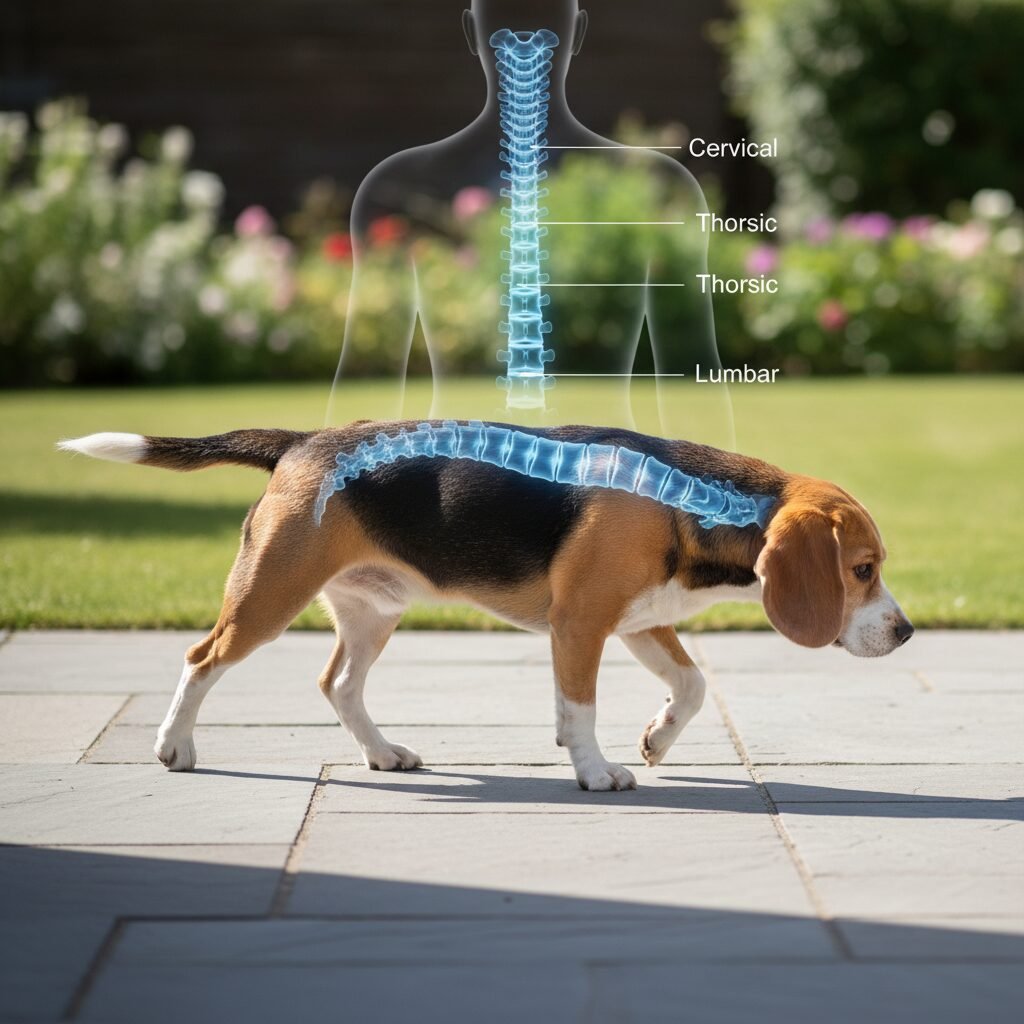
Beagles, like other long-backed breeds, are predisposed to Intervertebral Disc Disease (IVDD). This condition occurs when the discs between the vertebrae in the spine rupture or herniate, pressing on the spinal cord. This can cause pain, nerve damage, and in severe cases, paralysis.
Symptoms to Watch For
- Reluctance to jump or climb stairs
- Crying out in pain when touched or moved
- Weakness or paralysis in the hind legs
- Dragging paws or an uncoordinated gait
- Arched back or tense abdominal muscles
- Loss of bladder or bowel control
Prevention and Management
- Weight Management: Keeping your Beagle at a healthy weight reduces stress on their spine.
- Avoid High-Impact Activities: Limit jumping on and off furniture. Consider ramps for beds and sofas.
- Supportive Harness: Use a harness instead of a collar to prevent neck strain.
- Early Veterinary Intervention: If you suspect IVDD, seek immediate veterinary care. Treatment can range from strict rest and medication to surgery.
5. Epilepsy

Epilepsy is a neurological disorder characterized by recurrent seizures. Genetic epilepsy is relatively common in Beagles, meaning they can inherit a predisposition to the condition.
Symptoms of a Seizure
- Loss of consciousness
- Convulsions or uncontrollable shaking
- Paddling of the legs
- Drooling or foaming at the mouth
- Urination or defecation
- Prior to a seizure, some dogs may exhibit anxiety, restlessness, or seek comfort (aura phase).
- After a seizure, dogs may be disoriented, tired, or temporarily blind (post-ictal phase).
Management
If your Beagle experiences a seizure, remain calm and ensure their safety. Do not put your hands in their mouth. Record the duration and nature of the seizure, and contact your veterinarian immediately. Epilepsy is typically managed with anti-seizure medication, which can significantly reduce the frequency and severity of seizures.
6. Eye Conditions

Beagles can be prone to several eye conditions, some of which are hereditary. Regular eye examinations are important for early detection and treatment.
Common Eye Problems
- Cherry Eye: Protrusion of the gland of the third eyelid, appearing as a red mass in the inner corner of the eye.
- Glaucoma: Increased pressure within the eye, which can lead to pain and blindness if untreated.
- Progressive Retinal Atrophy (PRA): A group of degenerative diseases that affect the retina, eventually leading to blindness.
- Distichiasis: Eyelashes growing in an abnormal spot, often irritating the eye.
Prevention and Management
- Regular Vet Checks: Include thorough eye exams during routine check-ups.
- Watch for Symptoms: Redness, discharge, squinting, excessive tearing, or cloudiness should prompt a vet visit.
- Genetic Testing: For breeders, genetic testing can help reduce the incidence of hereditary eye conditions.
Proactive Care for a Happy Beagle Life

While this list might seem daunting, it’s important to remember that not every Beagle will experience these issues. The key is to be proactive and informed. Here are some general tips to maintain your Beagle’s overall health:
- Regular Veterinary Check-ups: Annual or bi-annual visits are crucial for preventive care and early detection.
- Balanced Diet and Exercise: A high-quality diet and consistent exercise routine are fundamental for preventing obesity and supporting overall well-being.
- Dental Hygiene: Regular dental care can prevent painful periodontal disease and related systemic issues.
- Observant Parenting: Pay close attention to any changes in your Beagle’s behavior, appetite, energy levels, or physical appearance. You know your dog best!
Your Beagle relies on you to be their advocate and protector. By understanding these common health concerns and working closely with your veterinarian, you can provide the best possible care, ensuring your loyal companion enjoys a long, vibrant, and healthy life by your side. Every wag of their tail is a testament to the love and care you provide.


