6 Stress-Free Ways to Train Your Dog to Be Alone Without Anxiety
Leaving our beloved dogs alone can be one of the toughest parts of being a pet parent. We love their companionship, and the thought of them feeling anxious or distressed while we’re away can weigh heavily on our hearts. Separation anxiety is a real and often challenging issue for many dogs and their owners. But here’s the good news: with patience, understanding, and the right approach, you can help your dog build confidence and feel comfortable when they’re on their own. This guide will walk you through six stress-free, effective strategies to teach your furry friend to embrace their alone time without a worry.
1. Start Small and Build Up Gradually
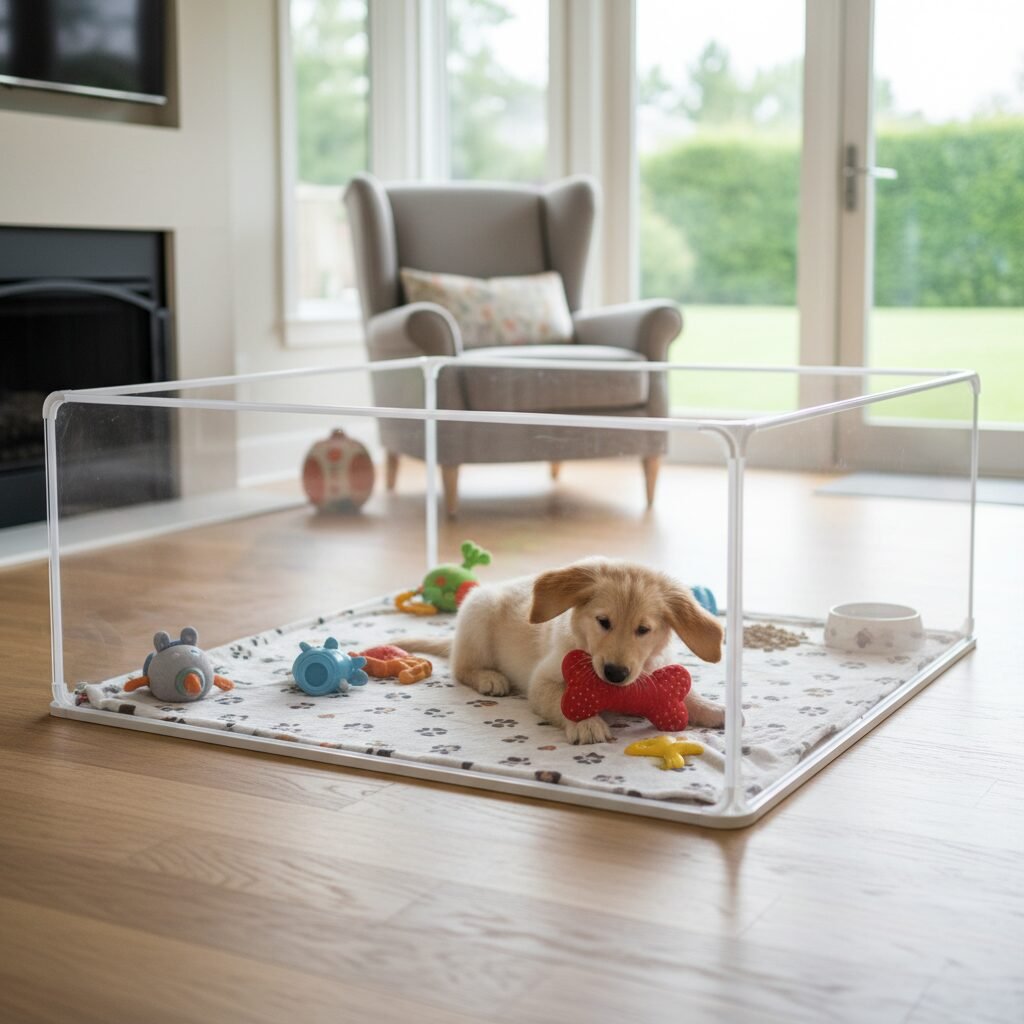
Think of this as teaching your dog to swim – you wouldn’t throw them into the deep end! Instead, you’d introduce them to water slowly. The same principle applies to alone training. The goal is to build positive associations with your absence, starting with very short periods and slowly increasing the duration.
Practice Short Departures
Begin by leaving your dog alone for just a few minutes, literally stepping out of sight into another room or just outside the door. Return before they have a chance to get anxious. The key is to make these departures and returns feel completely normal and uneventful. Don’t make a big fuss when you leave or when you come back. A simple, calm ‘hello’ is enough.
Increase Time Slowly
Once your dog is comfortable with a few minutes, gradually extend the time. Go from 5 minutes to 10, then 15, then 30, and so on. This might take days or even weeks for each increment. Always return while your dog is still calm. If you come back to an anxious dog, you might have increased the time too quickly.
2. Create a Safe and Comfortable Den
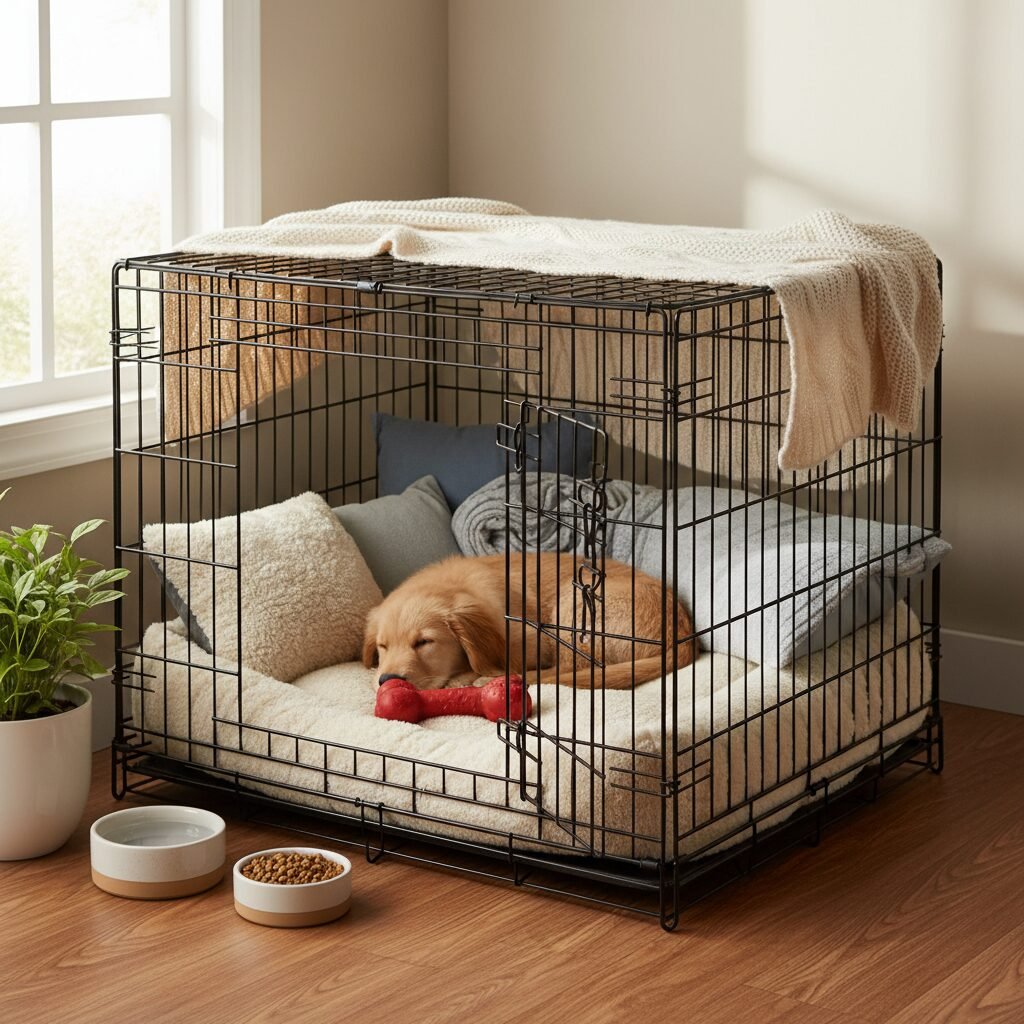
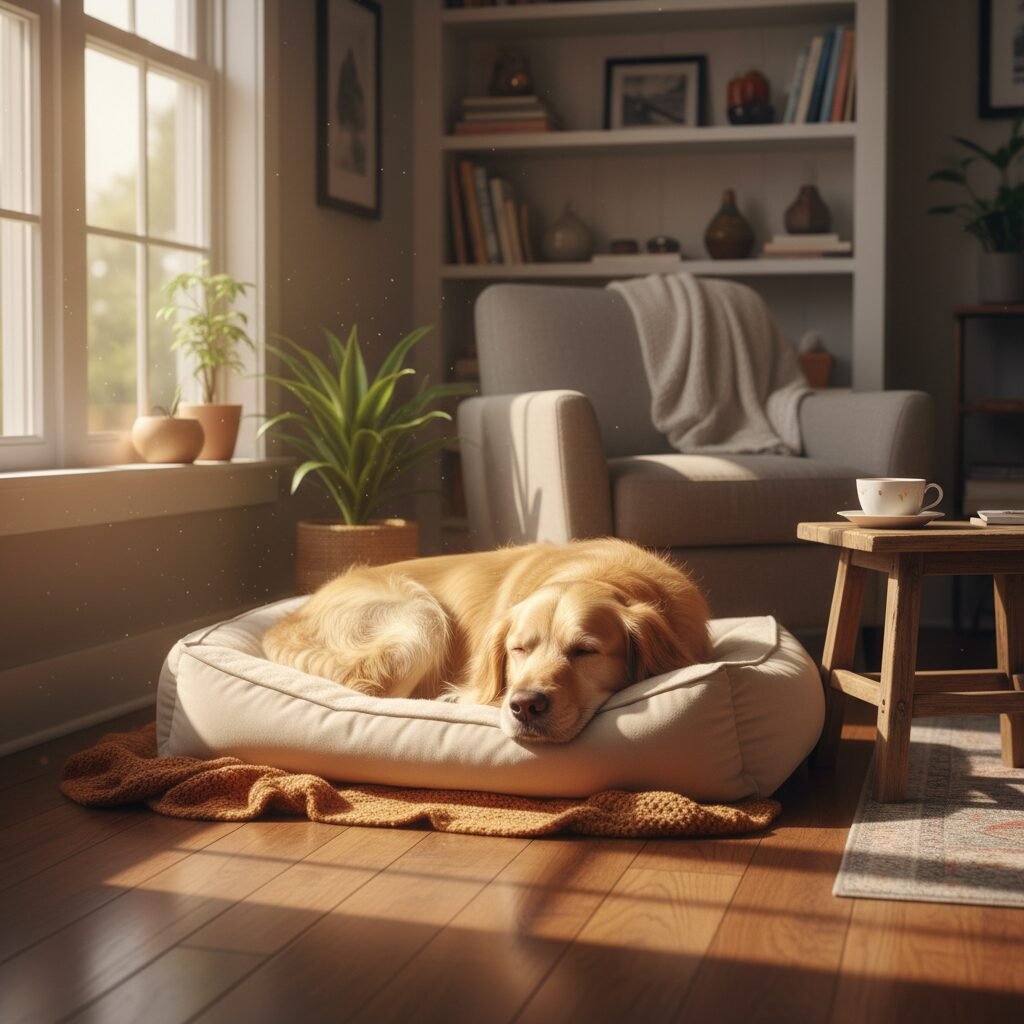
Every dog needs a secure, comfortable space they can call their own. This ‘den’ can be a crate, a designated room, or a cozy corner. The aim is for this space to be a positive sanctuary where they feel safe and relaxed, especially when you’re not around.
Crate Training Benefits
If introduced correctly, a crate can become a dog’s personal haven. It provides a sense of security and can prevent destructive behaviors. Ensure the crate is the right size (large enough to stand, turn around, and lie down comfortably) and always make it inviting with soft bedding and toys.
Cozy Corner Setup
If a crate isn’t for your dog, set up a comfortable spot with their bed, favorite blanket, and a familiar-smelling item of yours (like an old t-shirt). This helps them feel connected to you even when you’re apart.
3. Master the Pre-Departure Routine
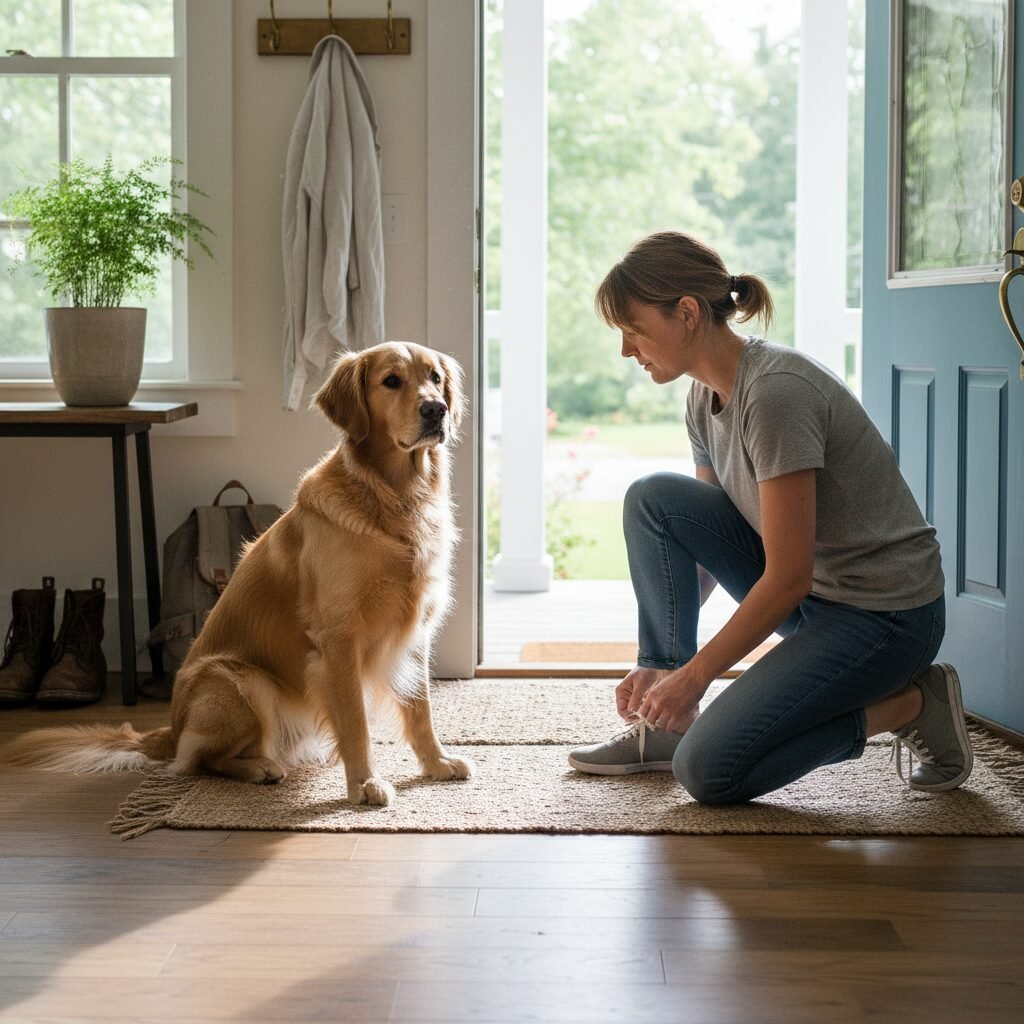
Dogs are incredibly observant and quickly pick up on our routines. The jingle of keys, picking up your bag, or putting on your shoes can become triggers for anxiety. By making your departure cues less significant, you can help your dog stay calm.
Calm Departures
Practice doing your departure routine (grabbing keys, coat, etc.) without actually leaving. Do it, then sit back down. Repeat this several times a day. This desensitizes your dog to these actions, so they no longer automatically signal your imminent, anxiety-inducing departure.
Avoid Guilt Trips
Resist the urge to make a big, emotional goodbye. This can heighten your dog’s anxiety. Instead, be calm and matter-of-fact. A simple pat and a quiet ‘I’ll be back’ is all that’s needed. When you return, greet them calmly and wait a few minutes before showering them with attention.
4. Provide Engaging Distractions
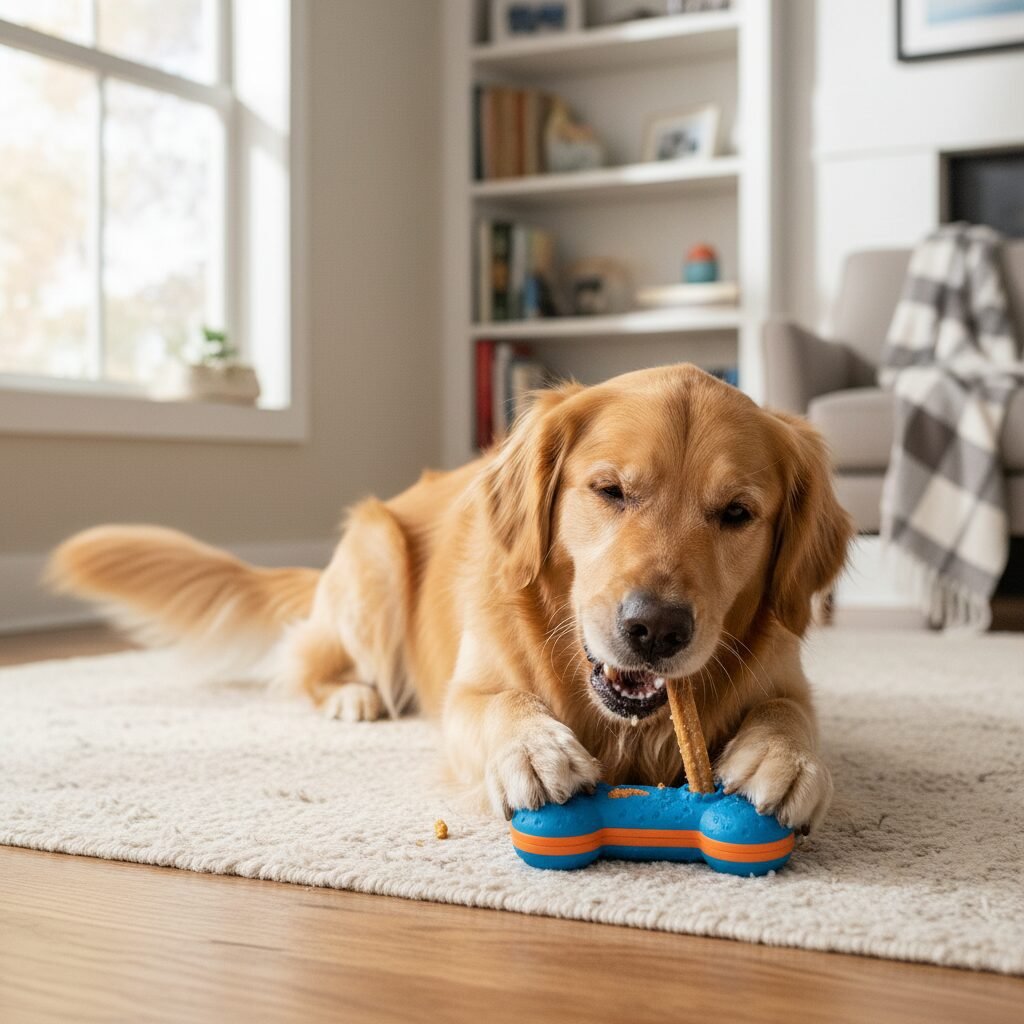
A bored dog is more likely to become an anxious or destructive dog. Providing mental and physical stimulation before you leave, and engaging distractions while you’re gone, can make a huge difference in their ability to cope with alone time.
Puzzle Toys and Chews
Invest in high-quality puzzle toys that dispense treats, or long-lasting chews. These can keep your dog happily occupied for extended periods. Introduce these items only when you’re leaving, so they become a special, positive association with your absence.
Calming Music or TV
Some dogs find ambient noise comforting. Leaving on a radio tuned to classical music, a specialized ‘dog calming’ playlist, or even a TV channel with quiet programming can help mask outside noises and provide a sense of presence.
5. Desensitize to Departure Cues
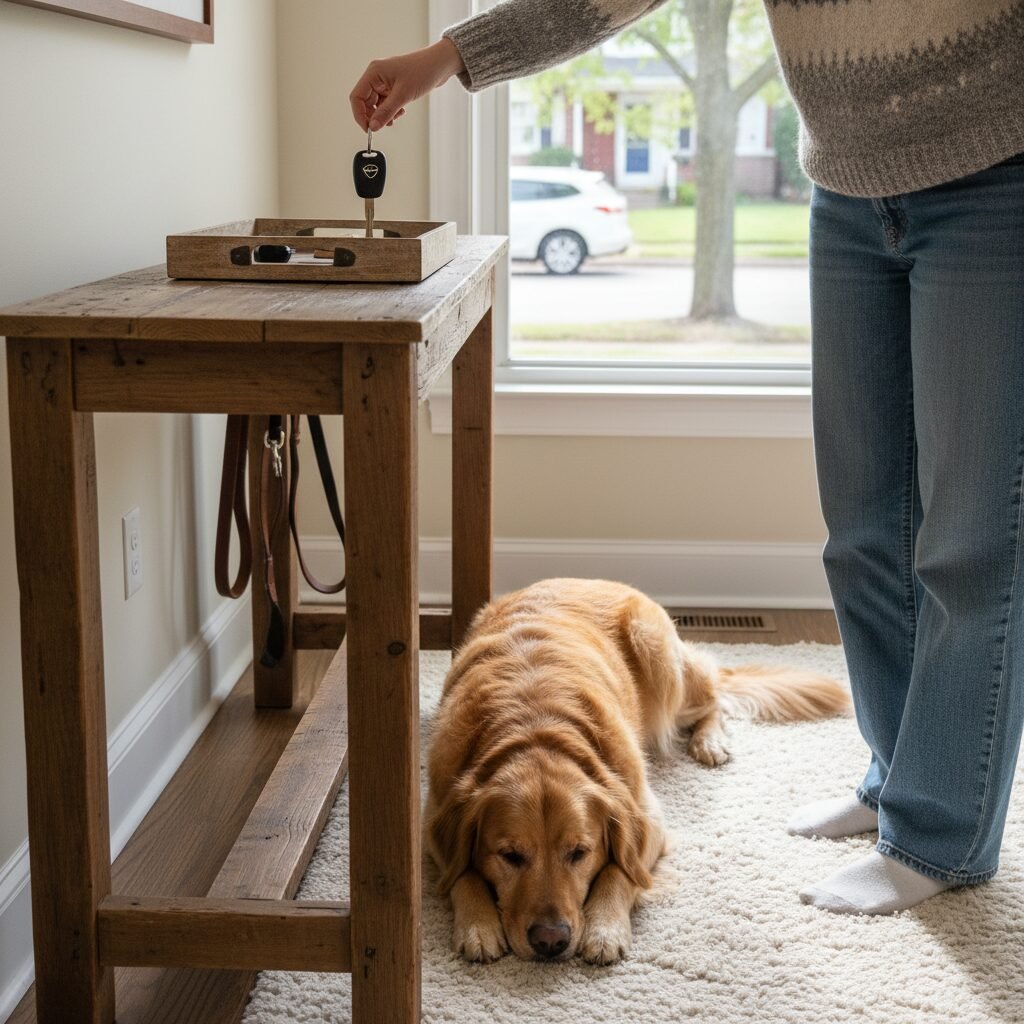
As mentioned before, dogs learn patterns. If every time you pick up your keys, you leave, they’ll associate keys with your absence. Breaking these associations is crucial for reducing anticipatory anxiety.
Practice Departure Cues
Randomly pick up your keys, put on your coat, or grab your bag throughout the day, without actually leaving. Do these actions, then sit down and relax. The goal is to make these cues meaningless in terms of your departure, so they don’t trigger immediate panic.
Mix Up Your Routine
Change the order of your departure routine. Sometimes put on your shoes first, sometimes grab your bag first. This unpredictability helps prevent your dog from anticipating your leaving based on a strict sequence of events.
6. Monitor and Adjust
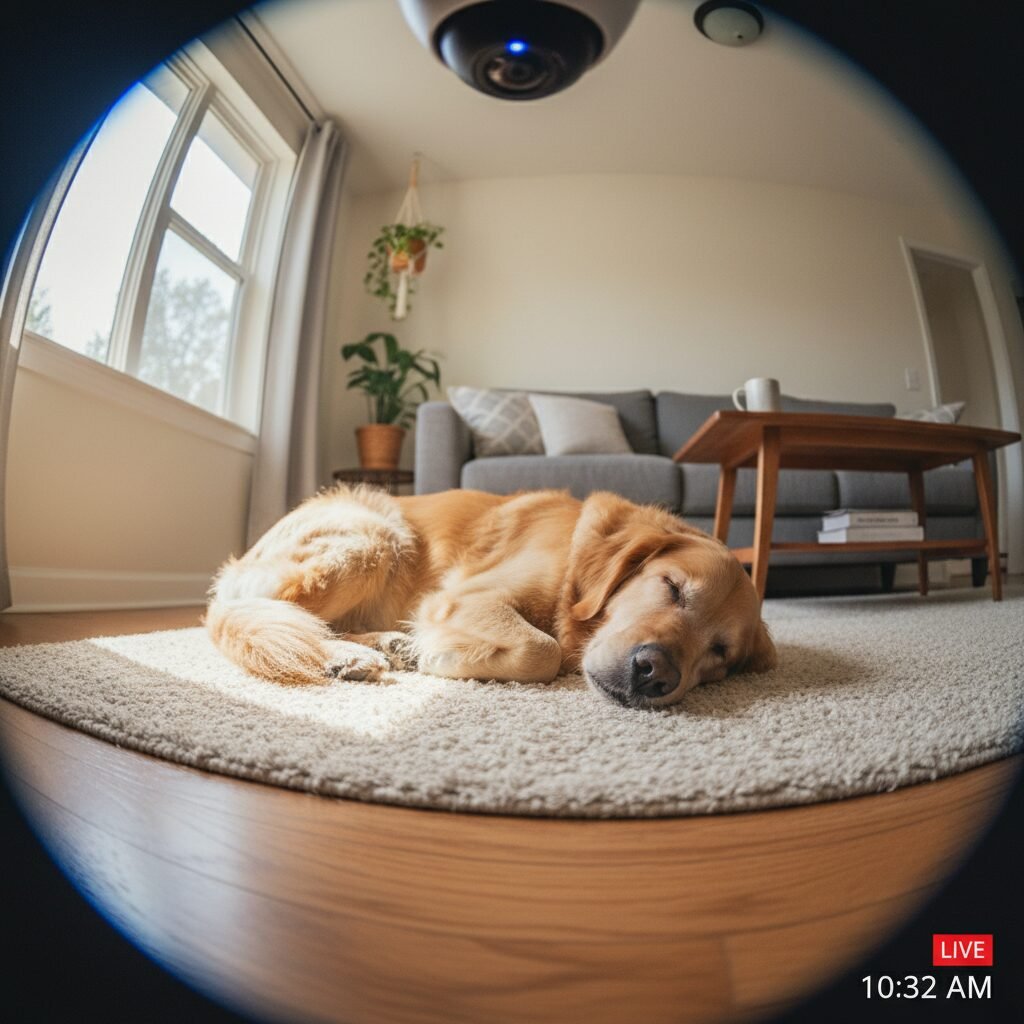
Every dog is an individual, and what works for one might need tweaking for another. Observing your dog’s behavior when you’re away is vital to understanding their progress and making necessary adjustments.
Use a Pet Camera
A pet camera is an invaluable tool. It allows you to check in on your dog remotely and see how they truly behave when alone. This insight can help you determine if your training is working, if you’re progressing too fast, or if you need to try a different approach.
Recognize Anxiety Signs
Look for signs of anxiety such as excessive barking, howling, destructive chewing, pacing, house-soiling, or trying to escape. If you notice these, it’s a sign to slow down your training, revisit earlier steps, or consult with a professional dog trainer or veterinary behaviorist.
Conclusion
Teaching your dog to be comfortable alone is a journey that requires patience, consistency, and a whole lot of love. It’s about building their confidence and trust, reassuring them that you will always return. By implementing these six stress-free strategies, you’re not just training a behavior; you’re strengthening your bond and ensuring a happier, healthier life for your cherished companion. Remember, every small step forward is a victory. Celebrate their progress, offer endless encouragement, and soon, both you and your dog will enjoy the peace of mind that comes with successful alone training.