Reasons Your Dog Isn’t Listening and How to Fix Them Fast
Every dog parent has been there. You call your furry friend’s name, give a familiar command, and… nothing. They might stare blankly, sniff the ground, or even run the other way. It’s frustrating, disheartening, and can sometimes feel like a personal snub. But before you throw your hands up in exasperation, remember this: your dog isn’t ignoring you to be difficult. There’s always a reason behind their behavior, and understanding that ‘why’ is the first step to fixing it.
In this guide, we’ll explore the seven most common reasons your dog might be tuning you out and, more importantly, provide you with fast, practical solutions to get back on track. Get ready to improve your communication, strengthen your bond, and enjoy a more harmonious life with your beloved canine companion!
Reason 1 – Lack of Clear Communication or Inconsistent Commands
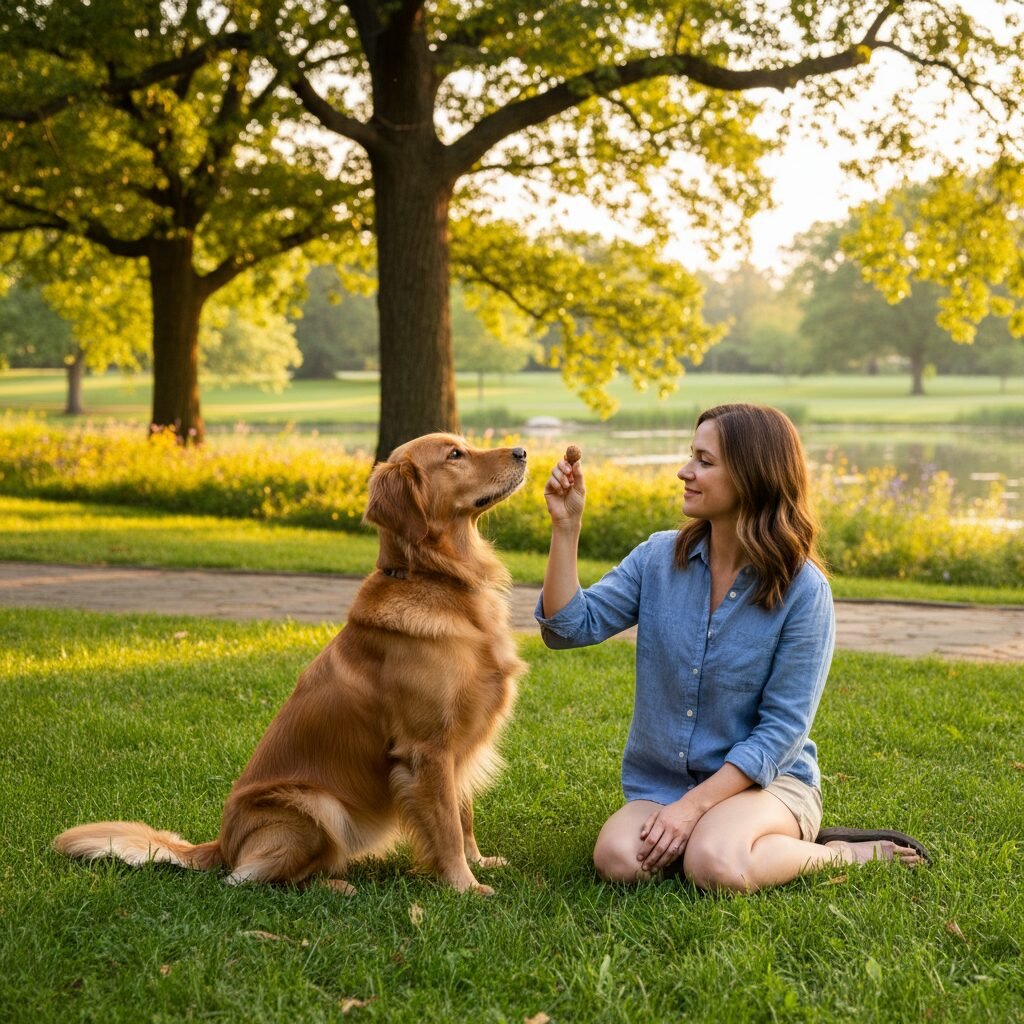
Imagine trying to understand someone who uses different words for the same thing every time, or mumbles their instructions. That’s often what it feels like for our dogs when we’re inconsistent with our commands.
The Problem
- Varying Vocabulary You might say ‘sit’ sometimes and ‘down’ others when you mean the same thing, or use a long phrase instead of a single word.
- Inconsistent Hand Signals Your body language might change, confusing your dog.
- Lack of Follow-Through Giving a command without ensuring your dog performs it, or repeating it multiple times, teaches your dog they don’t have to respond immediately.
The Fix
- Be Consistent Choose one word for each command (e.g., ‘sit’, ‘stay’, ‘come’). Everyone in the household should use the exact same words and hand signals.
- Keep it Short and Sweet Use single-word commands. Dogs don’t understand complex sentences.
- Follow Through Every Time Once you give a command, gently guide your dog into position if necessary, then reward them. This teaches them that a command means action.
- Avoid Repeating Commands Say it once, then wait. If they don’t respond, guide them. Repeating just teaches them they don’t have to listen to the first few.
Reason 2 – Distractions are Overwhelming
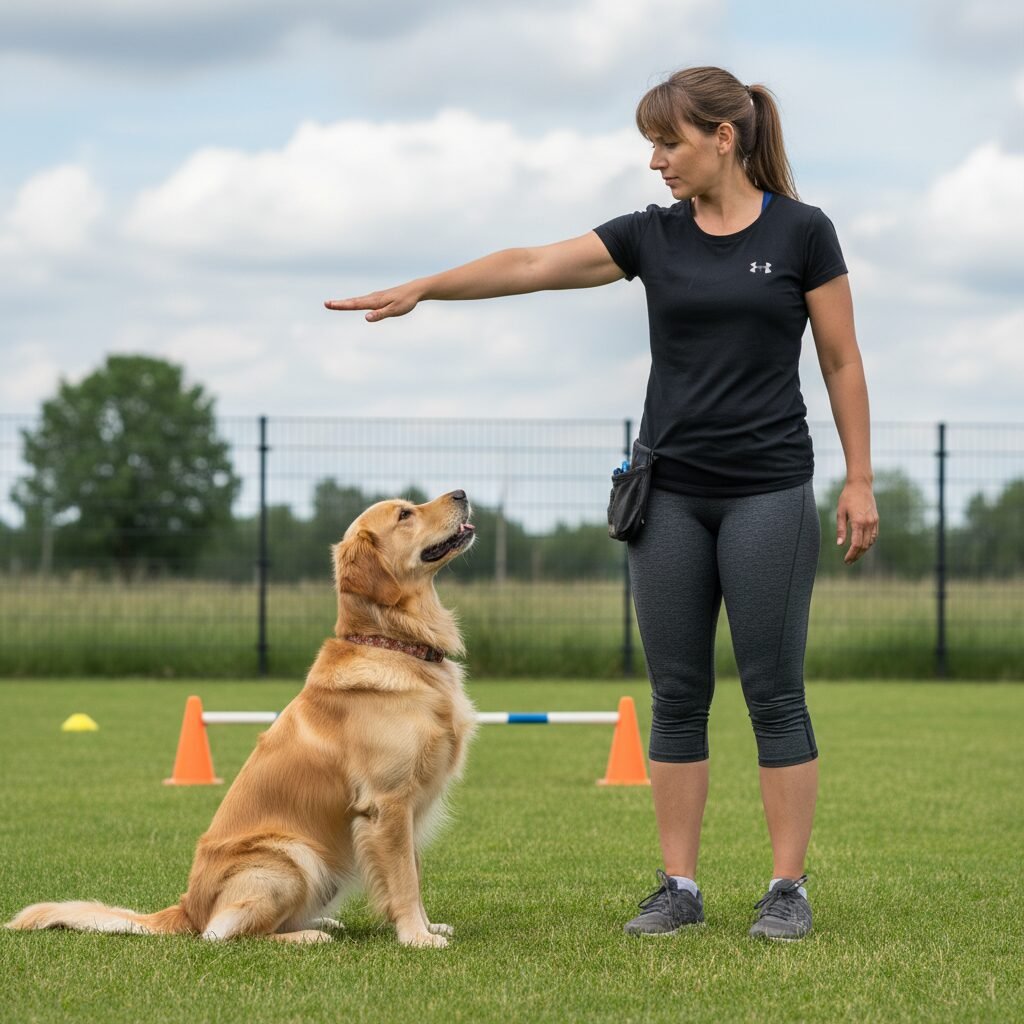
Your dog is a master of living in the moment, and sometimes, that moment is filled with irresistible smells, sights, and sounds that are far more interesting than your voice.
The Problem
- High-Stimulus Environments A busy park, other dogs, squirrels, or new smells can completely override your dog’s ability to focus on you.
- Lack of Practice in Varied Settings If you only train at home, your dog hasn’t learned to generalize commands to different environments.
The Fix
- Start Small, Then Expand Begin training in a quiet, familiar environment with minimal distractions. Once your dog is proficient, gradually introduce mild distractions, then move to busier places.
- Practice ‘Look at Me’ Teach your dog to make eye contact with you on command. This is a powerful tool for regaining their attention in distracting situations.
- Increase Reinforcement Value In highly distracting environments, use your dog’s absolute favorite, high-value treats to make listening to you more rewarding than the distraction.
Reason 3 – Lack of Motivation or Reinforcement
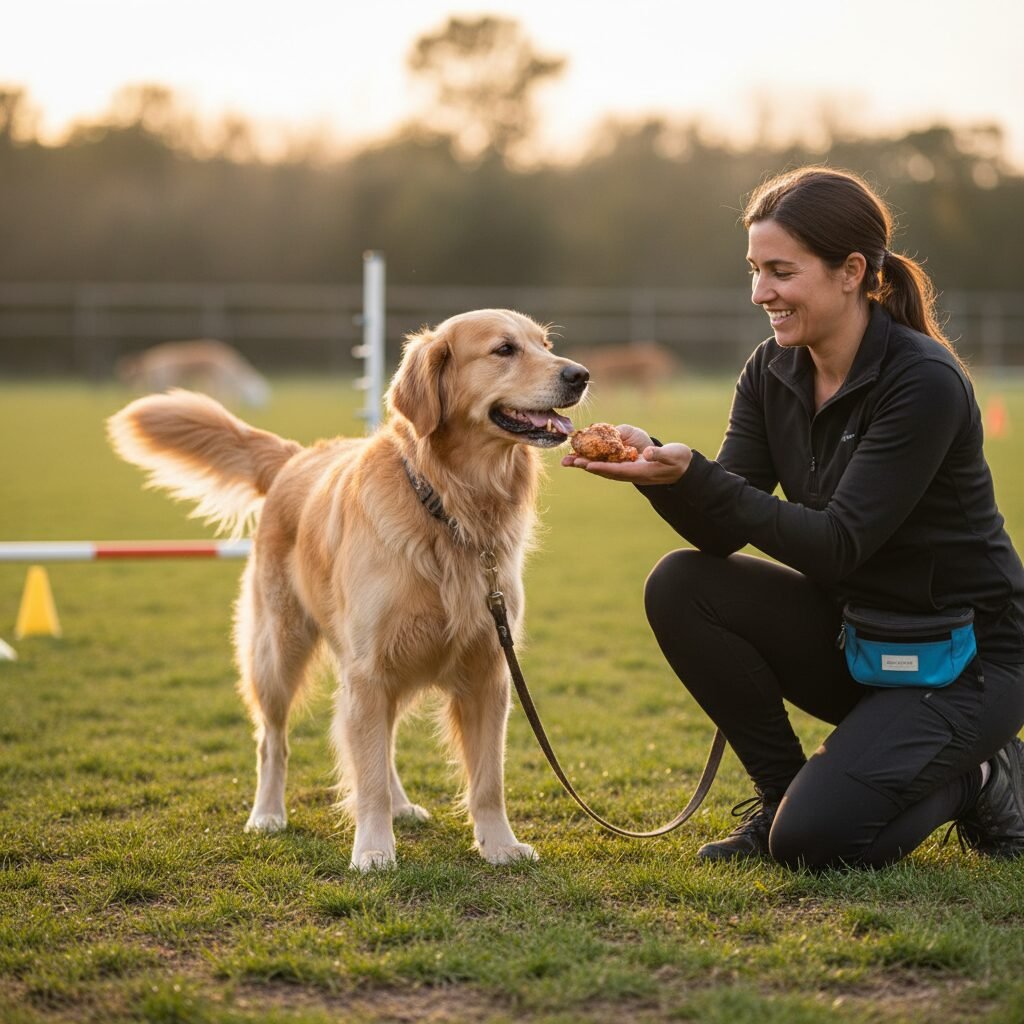
Why should your dog listen if there’s nothing in it for them? Effective training relies on positive reinforcement, making the desired behavior worthwhile for your dog.
The Problem
- Rewards Aren’t Enticing Enough Dry kibble might work at home, but won’t cut it when a squirrel is nearby.
- Inconsistent Rewards Not rewarding every correct response, especially when learning a new behavior.
- Poor Timing Rewards delivered too late, making it unclear to the dog what they’re being rewarded for.
The Fix
- Discover High-Value Rewards Experiment with different treats (cheese, boiled chicken, hot dogs), toys, or praise to find what truly motivates your dog.
- Reward Consistently Especially in the beginning stages of training, reward every correct response. As they become more proficient, you can switch to intermittent reinforcement.
- Master Timing Deliver the reward within 1-3 seconds of the desired behavior. This instant feedback helps your dog connect their action to the positive outcome.
- Vary Your Rewards Keep things exciting by sometimes using treats, sometimes a favorite toy, and sometimes enthusiastic praise.
Reason 4 – Physical Discomfort or Health Issues
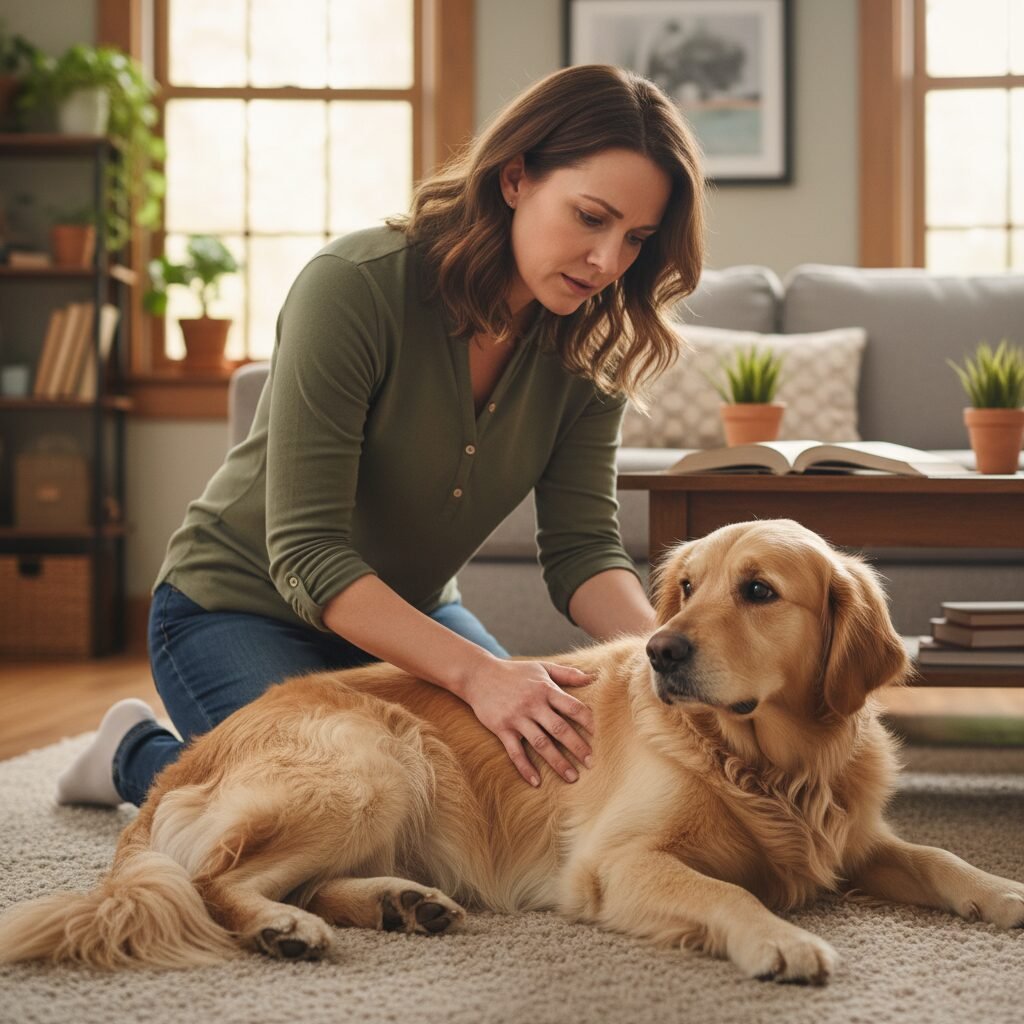
Just like us, dogs can become withdrawn or less responsive when they’re not feeling well. Pain or illness can significantly impact their willingness or ability to follow commands.
The Problem
- Hidden Pain Arthritis, dental issues, ear infections, or other ailments can make certain movements painful or simply make them feel unwell.
- Sensory Decline Older dogs might experience hearing loss or vision impairment, making it harder to perceive your commands.
- Underlying Medical Conditions Thyroid issues, cognitive dysfunction, or other illnesses can affect energy levels and cognitive function.
The Fix
- Schedule a Vet Check-up If your dog’s listening habits suddenly change, a trip to the vet is crucial to rule out any underlying medical conditions.
- Observe Closely Look for subtle signs of pain (limping, reluctance to move, sensitivity to touch) or changes in behavior (lethargy, irritability).
- Adapt to Disabilities If your dog has hearing loss, switch to hand signals. If vision is impaired, use more verbal cues and touch.
Reason 5 – Fear, Anxiety, or Stress
When a dog is scared or stressed, their primary focus shifts to survival. They enter ‘fight, flight, or freeze’ mode, making it impossible to process commands or engage in training.
The Problem
- Environmental Triggers Loud noises, new people, other dogs, or unfamiliar places can induce fear.
- Past Negative Experiences A previous bad experience with a certain command or situation can create anxiety.
- Lack of Socialization Dogs not adequately exposed to various sights, sounds, and experiences as puppies may be more prone to fear.
The Fix
- Identify Triggers Pinpoint what makes your dog anxious. Is it specific noises, people, or places?
- Create a Safe Space Ensure your dog has a calm, secure retreat where they feel safe.
- Positive Exposure Gradually and positively expose your dog to their triggers from a distance, rewarding calm behavior. Never force them into a situation they fear.
- Seek Professional Help For severe fear or anxiety, consult a certified professional dog trainer or veterinary behaviorist.
Reason 6 – Adolescence or Regression
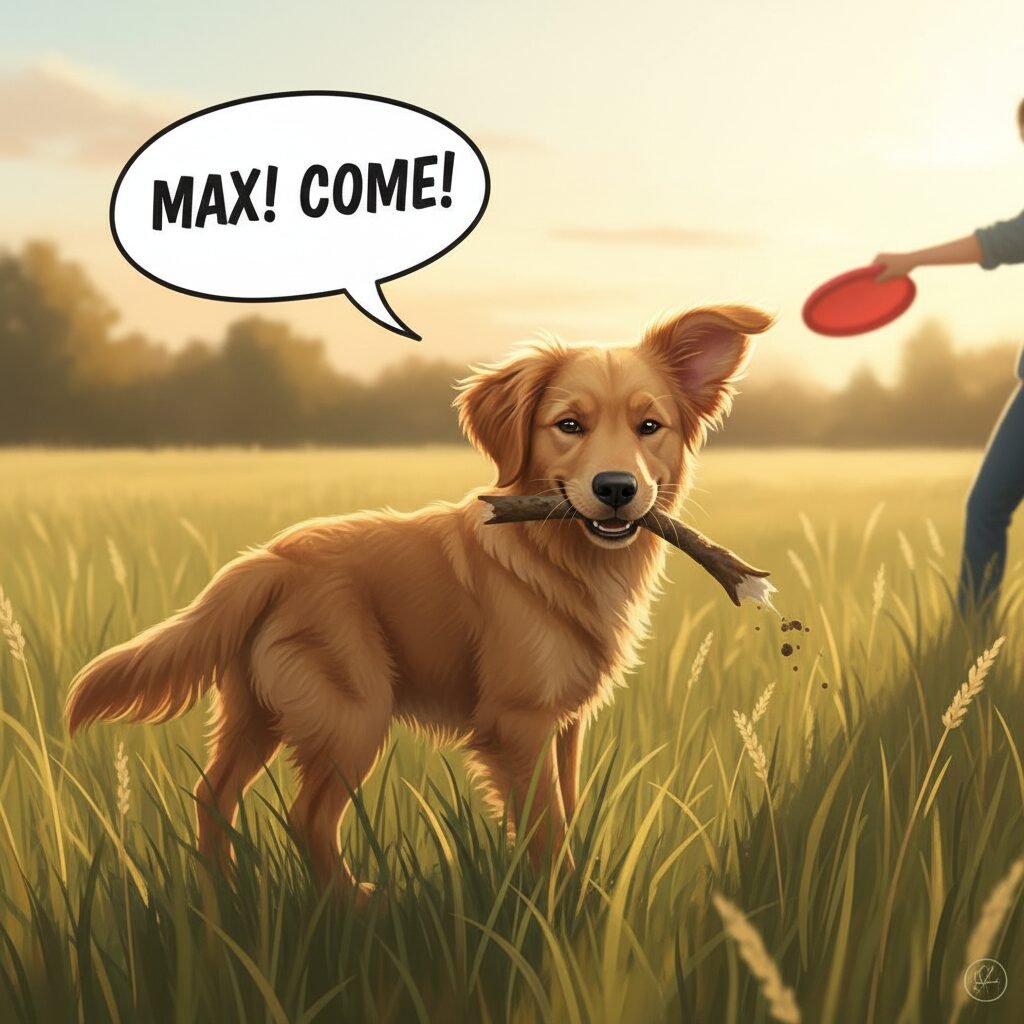
Just like human teenagers, adolescent dogs (typically between 6 months and 2 years) can go through a phase where they seem to ‘forget’ everything they’ve learned and test boundaries.
The Problem
- Testing Boundaries Your dog is becoming more independent and seeing what they can get away with.
- Hormonal Changes These can influence behavior and focus.
- Increased Distractibility The world becomes much more interesting as they mature.
The Fix
- Revisit the Basics Go back to basics with short, fun training sessions, just like when they were a puppy.
- Be Patient and Consistent This phase will pass, but consistent reinforcement of rules and commands is key.
- Manage Expectations Understand that some regression is normal. Don’t get discouraged.
- Increase Mental Stimulation Keep their minds busy with puzzle toys, new tricks, and scent work.
Reason 7 – Insufficient Exercise or Mental Stimulation
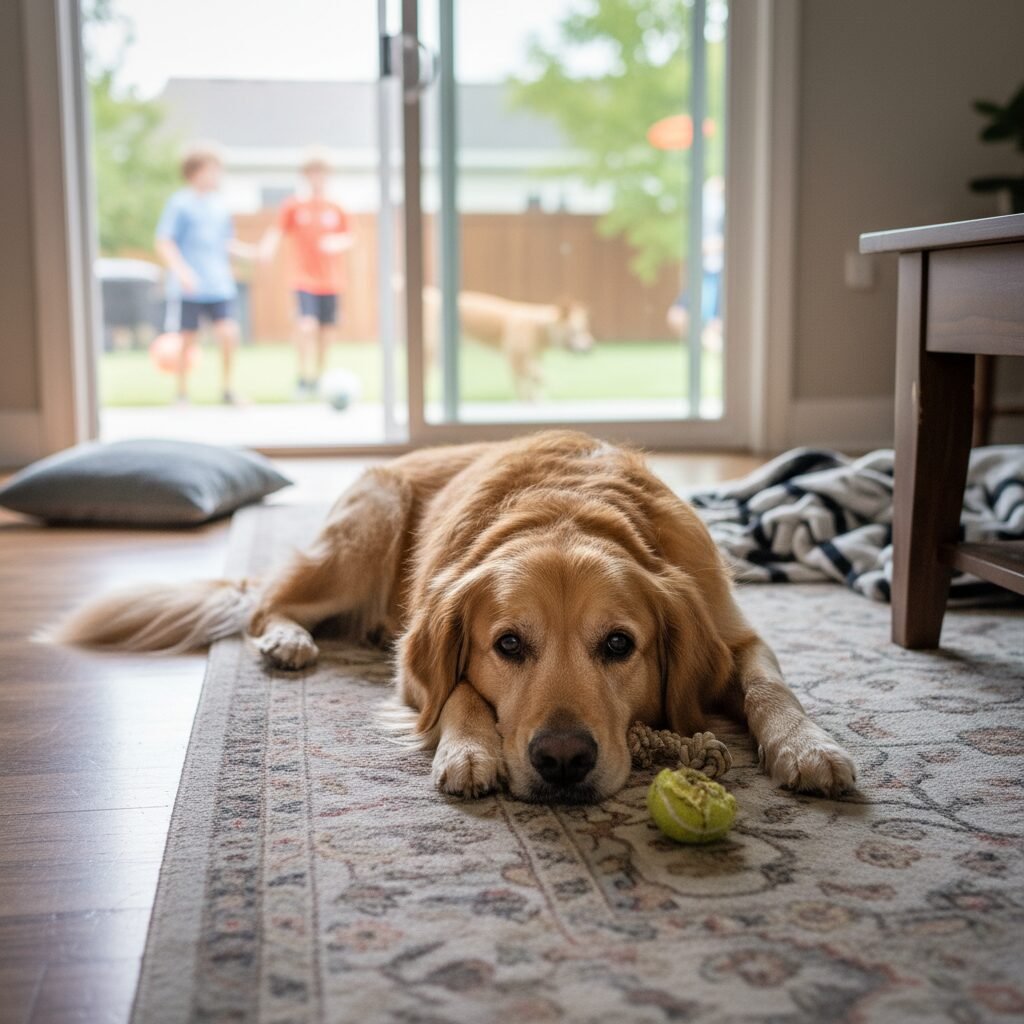
A bored or under-exercised dog often has pent-up energy and needs an outlet. This excess energy can manifest as an inability to focus or a strong desire to seek their own entertainment.
The Problem
- Boredom A dog with nothing to do will find something to do, and it might not be what you want.
- Excess Energy An under-exercised dog struggles to settle down and concentrate on commands.
- Lack of Mental Engagement Dogs need more than just physical exercise; their brains need a workout too.
The Fix
- Increase Physical Activity Ensure your dog gets enough daily exercise appropriate for their breed and age. This might mean longer walks, more vigorous play, or dog park visits.
- Incorporate Mental Games Use puzzle toys, snuffle mats, or hide-and-seek games with treats to engage their minds.
- Training as a Game Turn training sessions into fun games to burn mental energy and reinforce good behavior.
- Scent Work Dogs love to use their noses! Engage them with scent games or even introductory nose work classes.
Conclusion
When your dog isn’t listening, it’s rarely about defiance. More often, it’s a call for help – a sign that something is amiss in their world or in your communication. By understanding these common reasons and implementing the practical fixes, you’re not just ‘fixing’ a problem; you’re deepening your understanding of your dog and strengthening the incredible bond you share.
Remember, patience, consistency, and a whole lot of love are the most powerful tools in your training toolkit. Celebrate every small victory, stay positive, and keep working together. Your dog is always eager to connect with you, and with these insights, you’re well on your way to a more responsive, happier, and well-understood companion.