5 Safe and Effective Ways to Help Your Dog Lose Weight
Watching our furry friends gain a few extra pounds can be concerning. Just like humans, dogs can suffer from health issues due to excess weight, including joint problems, diabetes, heart disease, and decreased energy. As loving dog parents, we want the best for our companions, and that includes helping them maintain a healthy weight. But where do you start? Don’t worry, we’re here to guide you through five safe and effective ways to help your dog shed those extra pounds and live a happier, healthier life.
1. Consult Your Veterinarian First
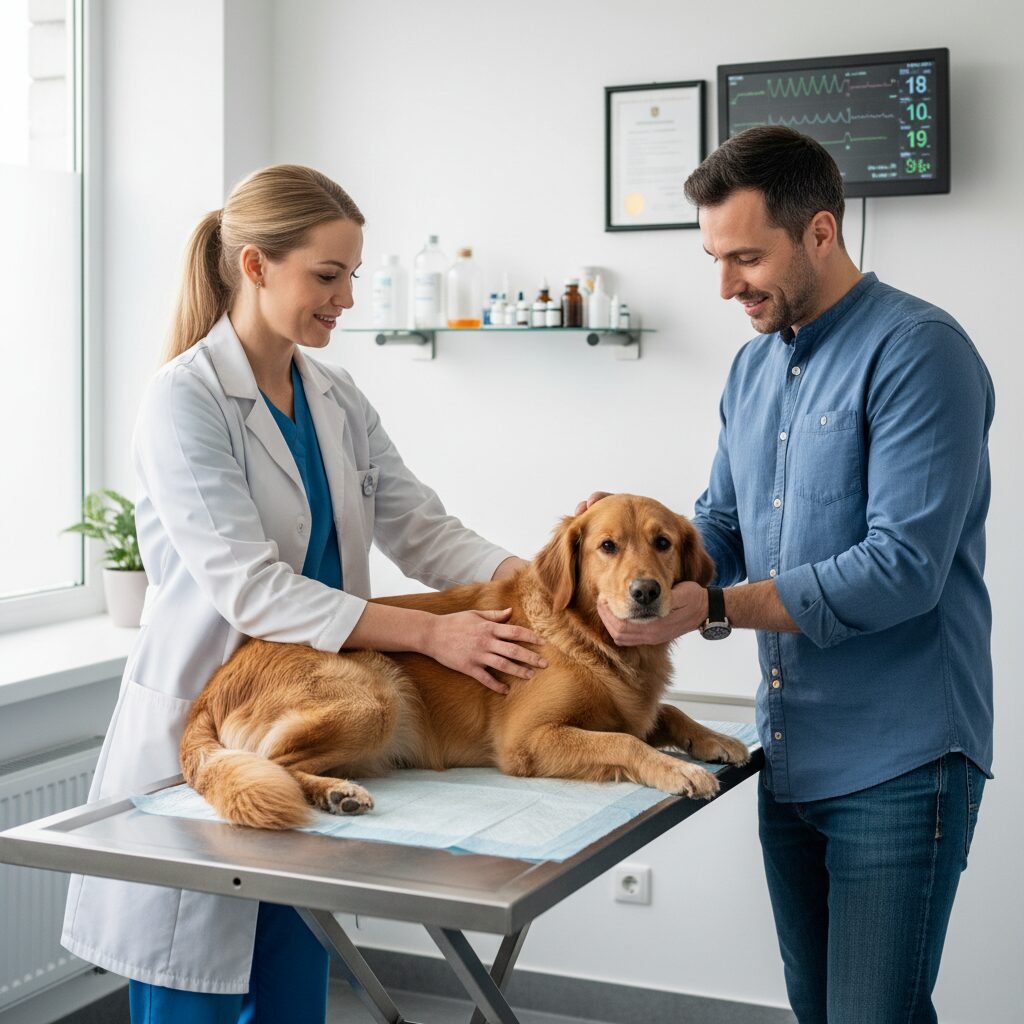
Before making any significant changes to your dog’s diet or exercise routine, the very first step is always to consult your veterinarian. They can accurately assess your dog’s current weight, determine their ideal weight, and rule out any underlying medical conditions that might be contributing to weight gain or could be affected by a new regimen. Your vet can also help you calculate the precise calorie intake your dog needs for healthy weight loss, considering their breed, age, activity level, and current health status.
2. Implement a Controlled Diet Plan
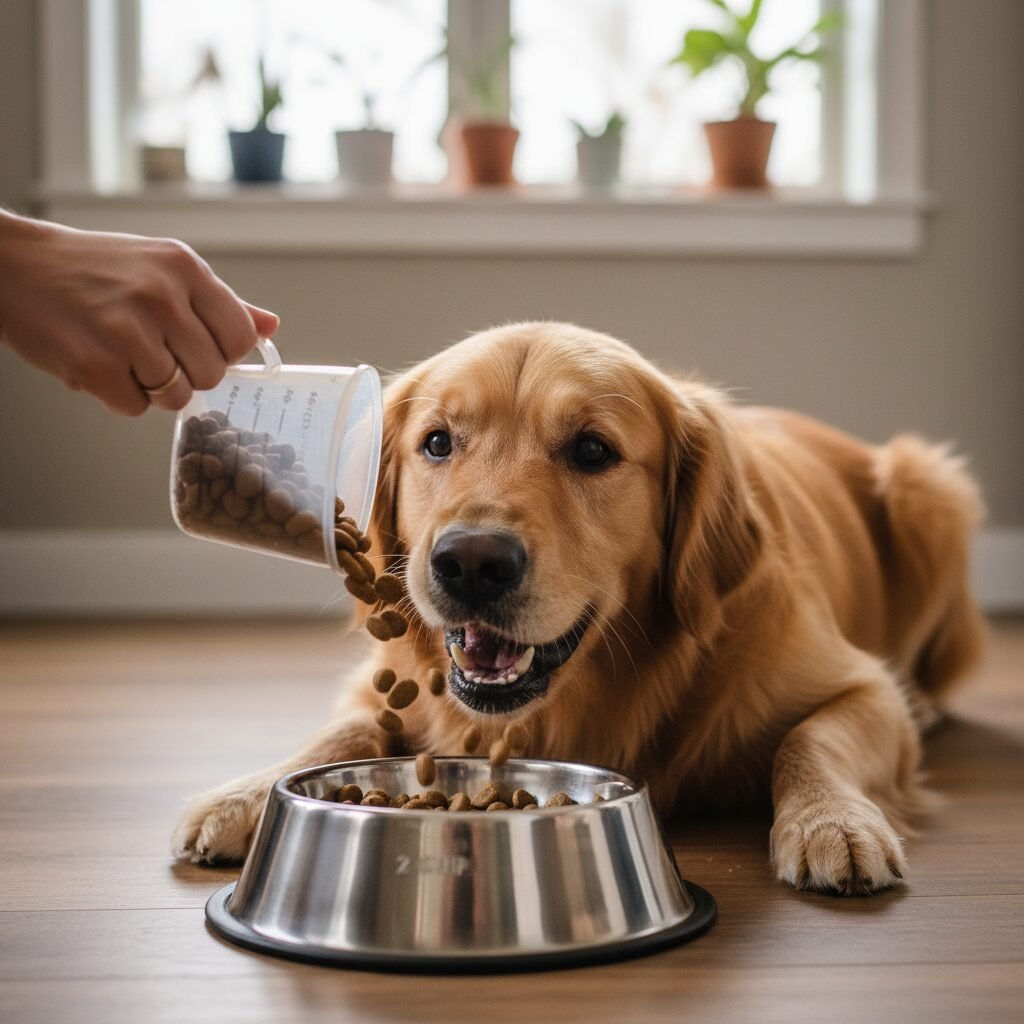
Diet is perhaps the most critical factor in weight management. It’s not just about what your dog eats, but how much. Overfeeding, even with healthy food, can lead to weight gain. Here’s how to create an effective diet plan:
- Measure Portions Accurately Always use a measuring cup to portion out your dog’s food. Eyeballing it can easily lead to overfeeding.
- Choose High-Quality Food Opt for dog food that is rich in protein and fiber, and lower in fat and carbohydrates. Look for formulas specifically designed for weight management or senior dogs, if applicable.
- Stick to a Schedule Feed your dog at consistent times each day. This helps regulate their metabolism and can reduce begging.
- Cut Back on Table Scraps and Unhealthy Treats This is a big one! Human food, even small amounts, can add significant calories and unhealthy fats to your dog’s diet. Opt for healthy, low-calorie dog treats or even better, use small pieces of vegetables as rewards.
Healthy Snack Swaps for Your Dog
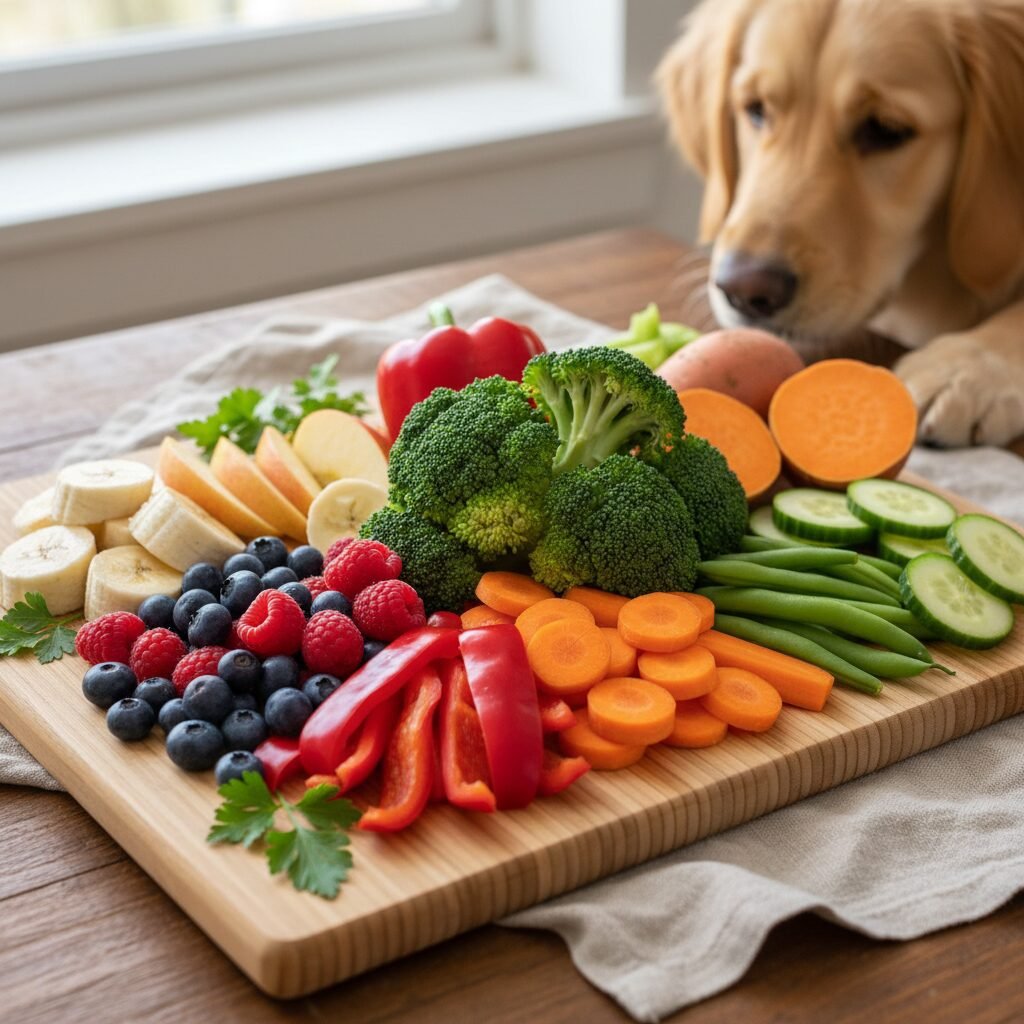
Instead of high-calorie dog biscuits or human snacks, try these healthy alternatives:
- Carrot slices
- Green beans
- Apple slices (without seeds)
- Cucumber slices
- Blueberries (in moderation)
3. Increase Physical Activity Gradually
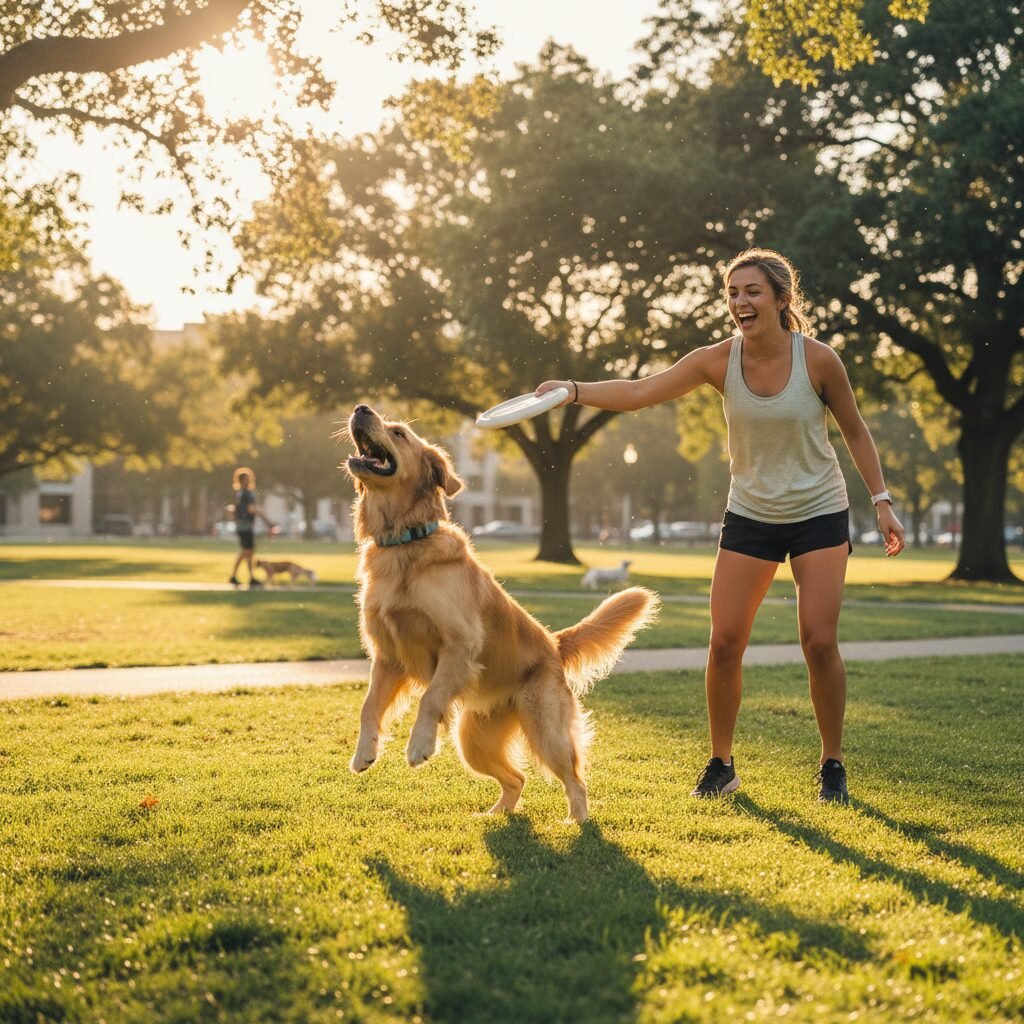
Exercise burns calories and builds lean muscle mass, which further helps in burning fat. However, it’s crucial to start slowly, especially if your dog is significantly overweight or has joint issues. Always consult your vet about appropriate exercise levels.
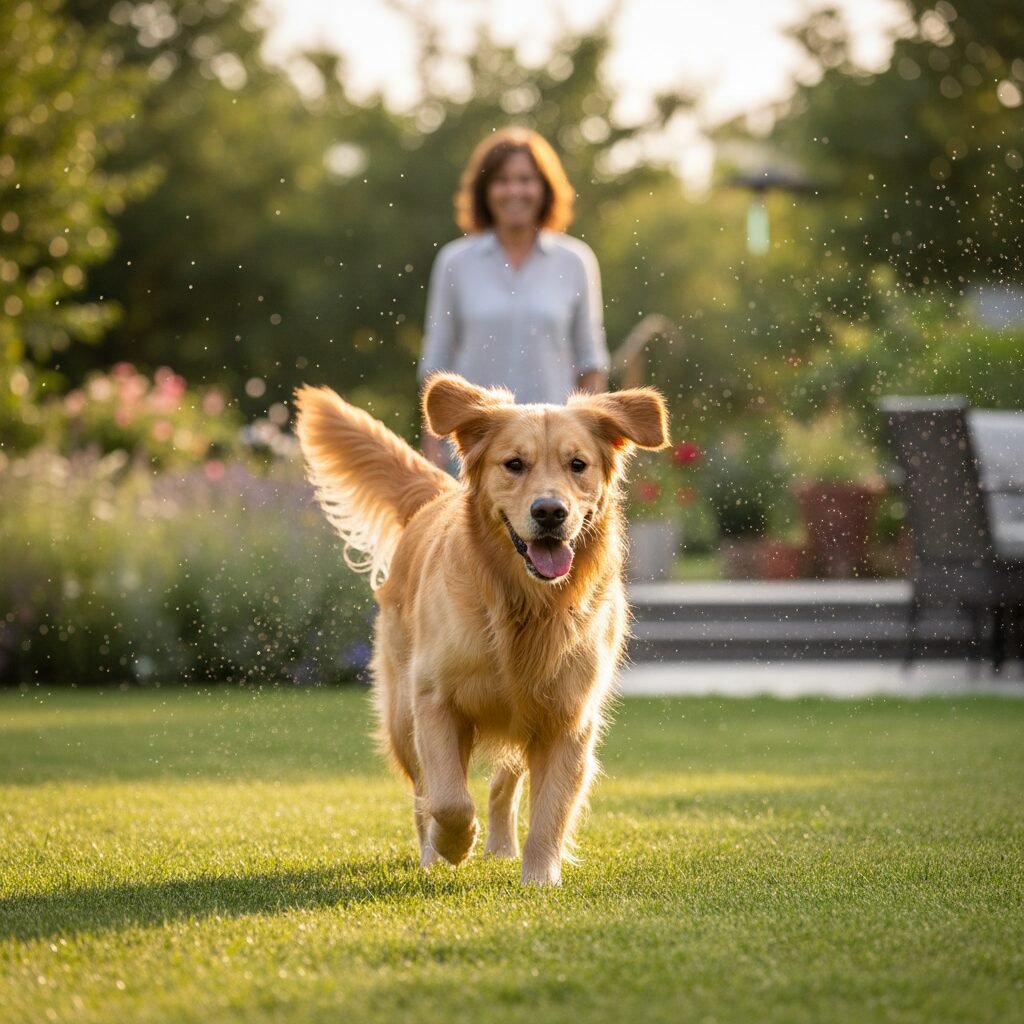
- Daily Walks Increase the duration and intensity of your walks. Start with shorter, slower walks and gradually extend them as your dog’s stamina improves. Aim for at least 30-60 minutes daily, split into two or three sessions.
- Playtime Incorporate interactive play into your routine. Fetch, tug-of-war, or even just running around the yard can be great exercise.
- Swimming If your dog enjoys water, swimming is an excellent low-impact exercise that’s gentle on joints.
- Dog Parks and Socialization Visiting a dog park can provide an opportunity for your dog to run and play with other dogs, boosting their activity levels.
4. Make Mealtimes More Engaging
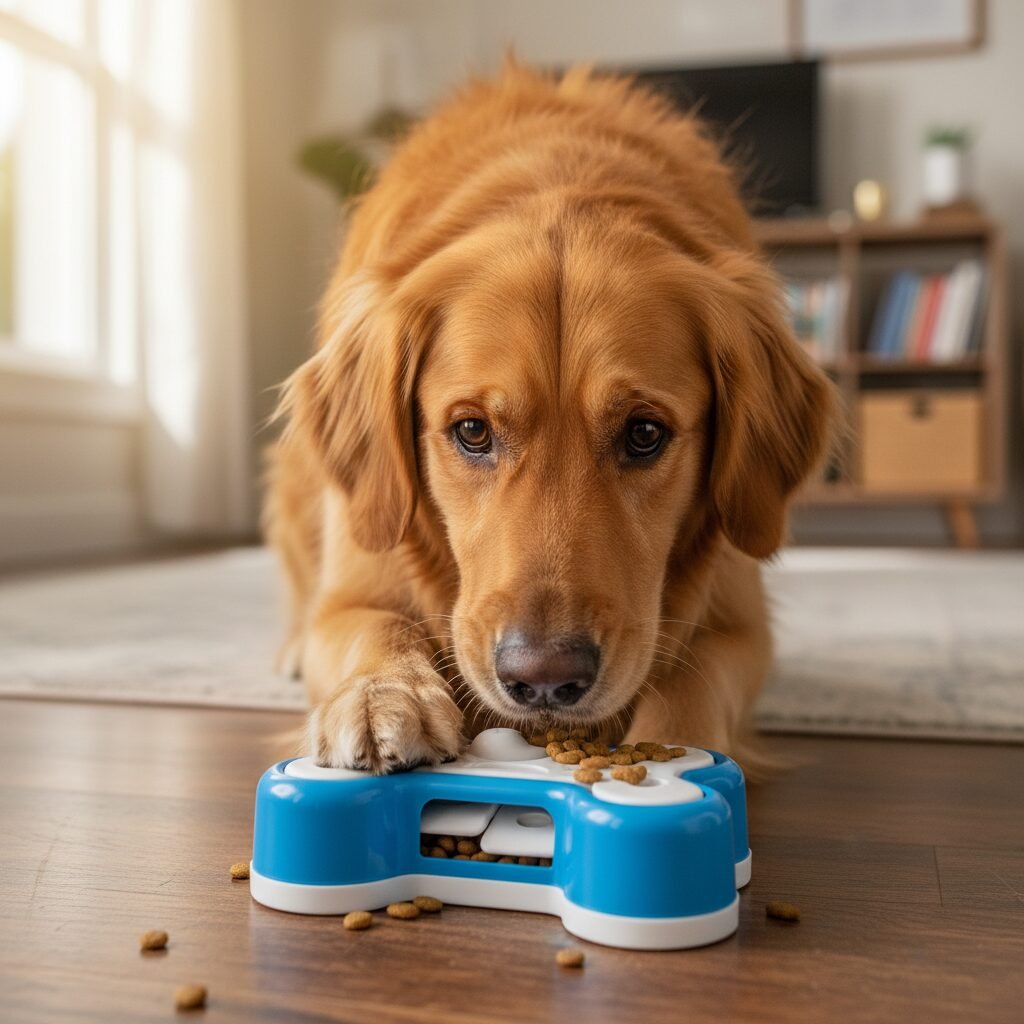
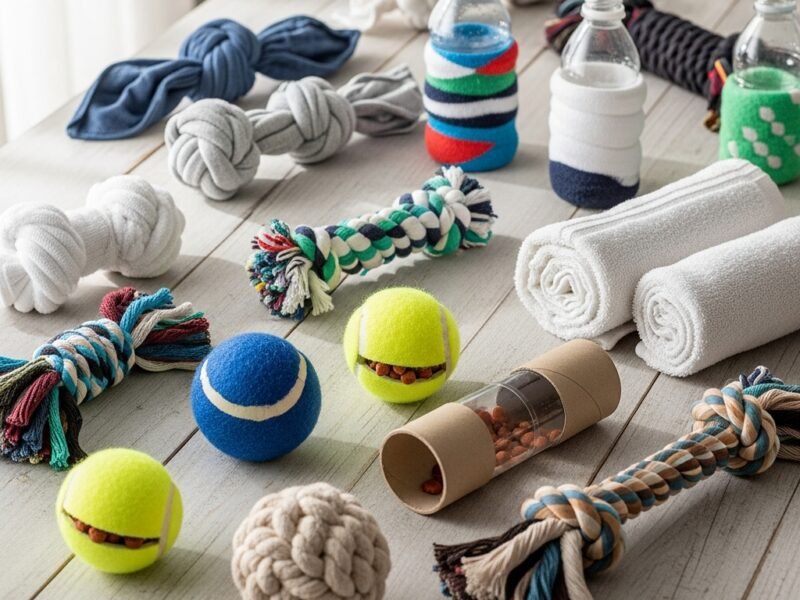
Slow feeders and puzzle toys can turn mealtime into a mental and physical exercise. These tools make your dog work for their food, slowing down their eating pace and preventing them from gobbling down meals too quickly. This can also help them feel more satisfied with smaller portions.
- Slow Feeder Bowls These bowls have obstacles that prevent fast eating.
- Puzzle Toys Fill these with a portion of their kibble, and your dog will have to solve a puzzle to get their meal.
- Food Dispensing Toys Toys that release food as your dog plays with them can extend mealtime and add activity.
5. Monitor Progress and Stay Consistent
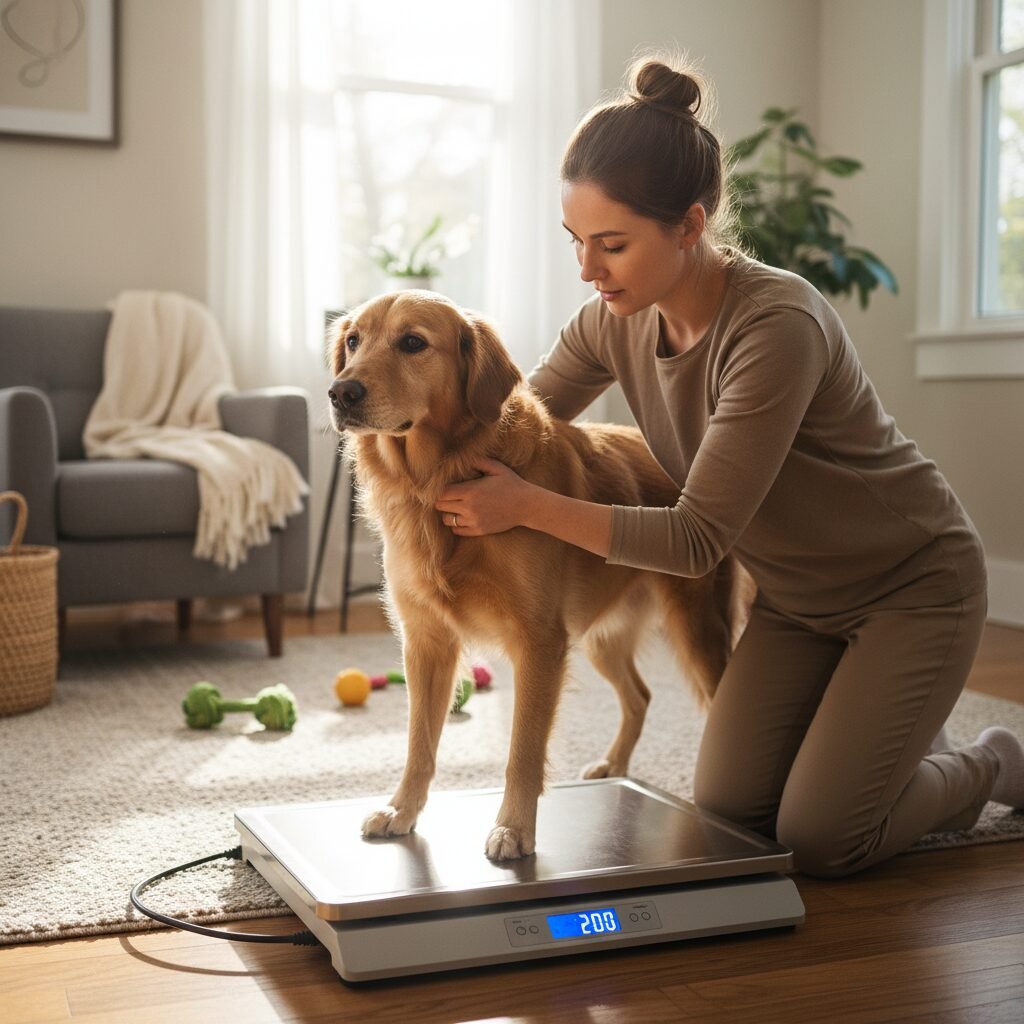
Weight loss is a journey, not a sprint. Consistency is key, and regular monitoring will help you track your dog’s progress and make adjustments as needed. Your vet might recommend weekly or bi-weekly weigh-ins.
- Keep a Journal Note down your dog’s food intake, exercise duration, and weight measurements. This helps you identify what’s working and what isn’t.
- Celebrate Small Victories Acknowledge your dog’s efforts and progress with extra cuddles, praise, or a favorite healthy treat.
- Be Patient It took time for your dog to gain weight, and it will take time to lose it safely. Don’t get discouraged if progress seems slow.
Helping your dog achieve a healthy weight is one of the best ways you can show your love and commitment to their well-being. By working closely with your veterinarian, making smart dietary choices, increasing their activity, and staying consistent, you’ll be giving your beloved companion the gift of a longer, happier, and more energetic life. Every step you take makes a difference!