8 Common Dog Owner Mistakes and How to Fix Them Easily
8 Common Dog Owner Mistakes and How to Fix Them Easily
Being a dog parent is one of life’s greatest joys, filled with wagging tails, sloppy kisses, and endless companionship. We all want the best for our furry family members, striving to provide them with love, care, and a happy life. Yet, even the most devoted dog owners can sometimes fall into common traps, making mistakes without even realizing it. The good news? Recognizing these missteps is the first step toward correcting them, leading to an even stronger bond and a healthier, happier dog.
This guide will walk you through eight prevalent dog owner mistakes and, more importantly, offer easy, practical solutions to help you navigate these challenges. From understanding their unique needs to refining your training approach, we’re here to help you become the best dog parent you can be.
Mistake 1 – Not Providing Enough Mental Stimulation
The Problem
Dogs, especially intelligent breeds, need more than just physical exercise; their minds need a workout too! When dogs lack mental stimulation, they can become bored, anxious, and destructive. This often manifests as chewing furniture, excessive barking, digging, or even house-soiling, not because they are ‘bad’ dogs, but because they are under-stimulated and looking for something to do.
The Fix
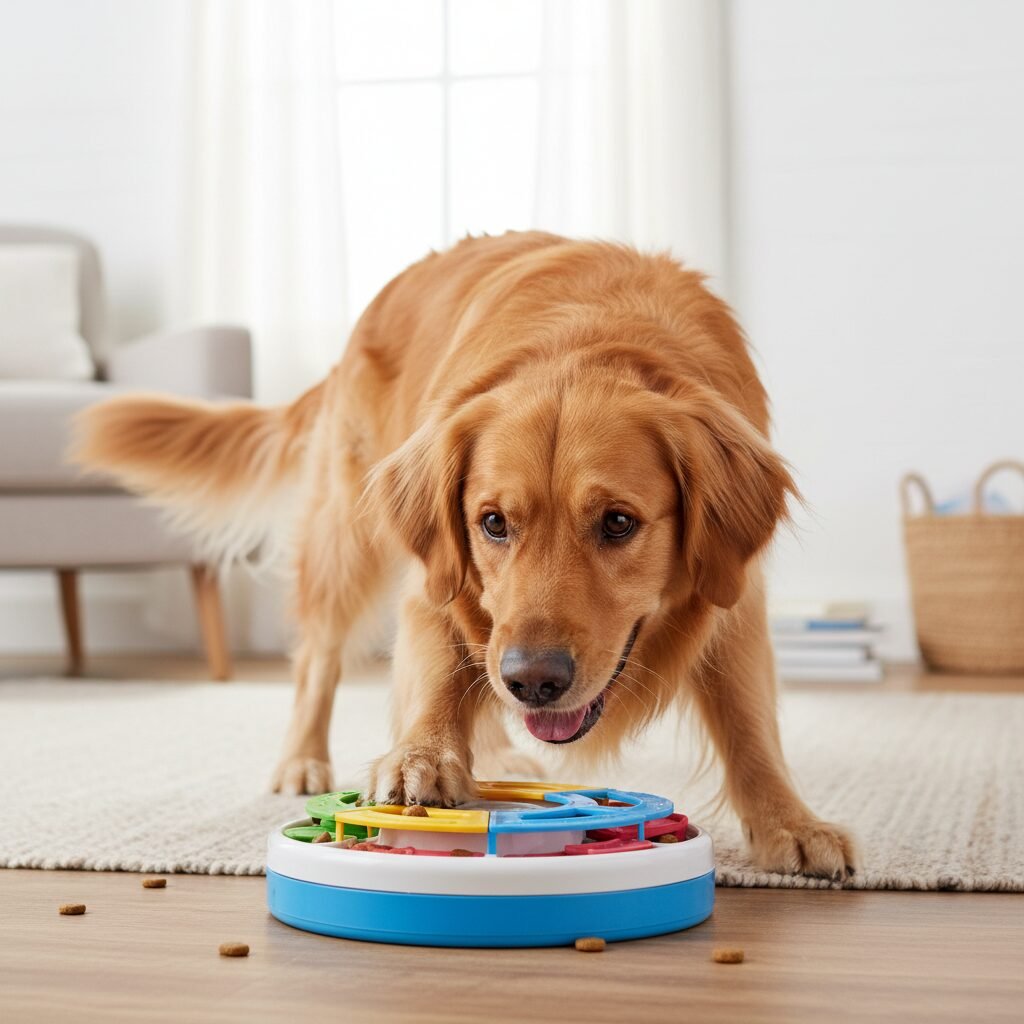
Integrate mental exercises into your dog’s daily routine. Puzzle toys that dispense treats are excellent for engaging their problem-solving skills. Try ‘sniff walks’ where you let your dog lead and explore scents, which is incredibly enriching. Teach new tricks regularly; even five minutes of training can be mentally tiring. Rotate toys to keep things fresh and exciting, preventing boredom with the same old objects.
Mistake 2 – Inconsistent Training and Rules
The Problem
Imagine if your parents told you one thing one day, and something completely different the next! Dogs thrive on consistency and clear boundaries. When rules vary between family members or change frequently, dogs become confused about what’s expected of them. This inconsistency can lead to frustration for both you and your dog, making training efforts less effective and potentially creating behavioral issues.
The Fix
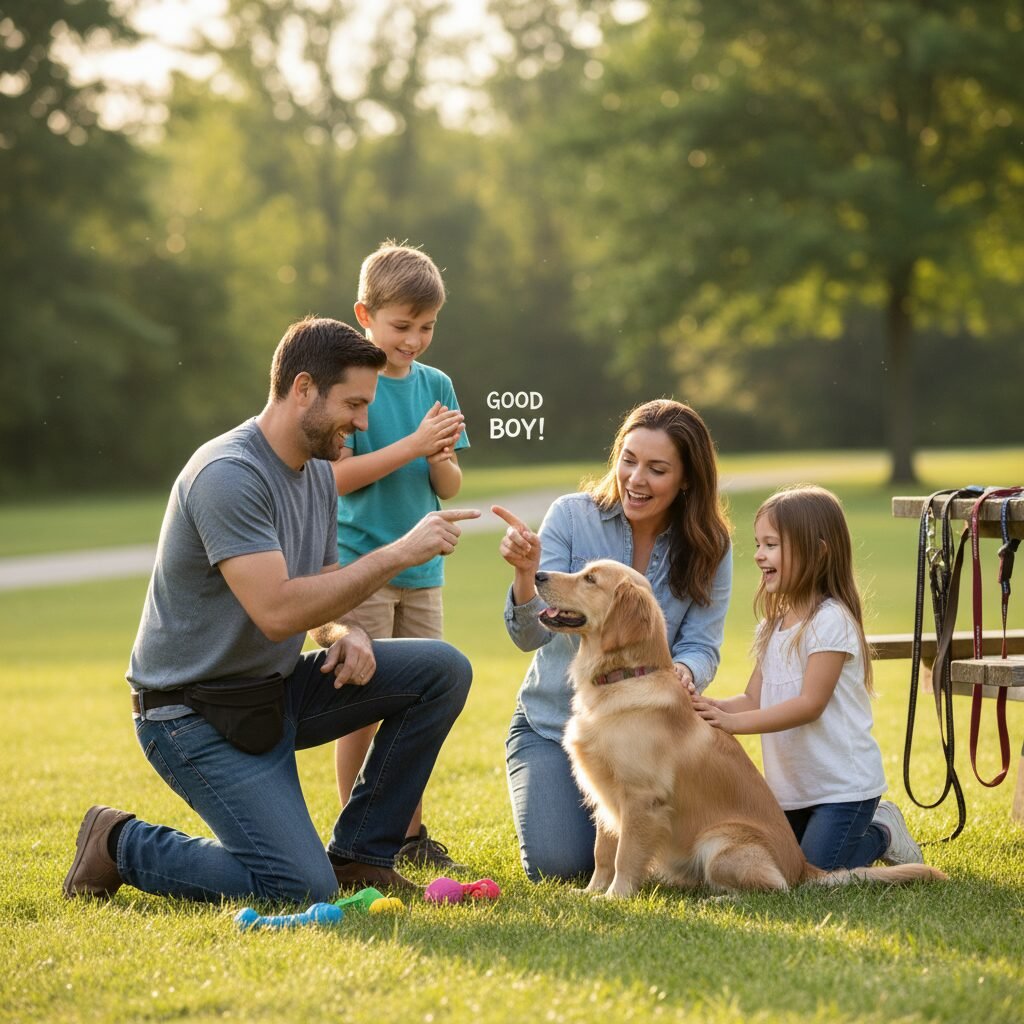
Establish clear, simple rules and ensure everyone in the household understands and enforces them consistently. Decide on house rules together (e.g., no jumping on furniture, specific potty spots) and use the same commands for actions. Positive reinforcement (treats, praise, toys) is key; reward desired behaviors immediately. Regular, short training sessions reinforce good habits and build your dog’s confidence.
Mistake 3 – Overfeeding or Incorrect Diet
The Problem
It’s tempting to spoil our dogs with extra treats and food, but overfeeding is a leading cause of obesity in dogs, which can lead to serious health problems like diabetes, joint issues, heart disease, and a shortened lifespan. Feeding an inappropriate diet (e.g., too many human scraps, low-quality kibble) can also cause digestive upset, allergies, and nutritional deficiencies.
The Fix
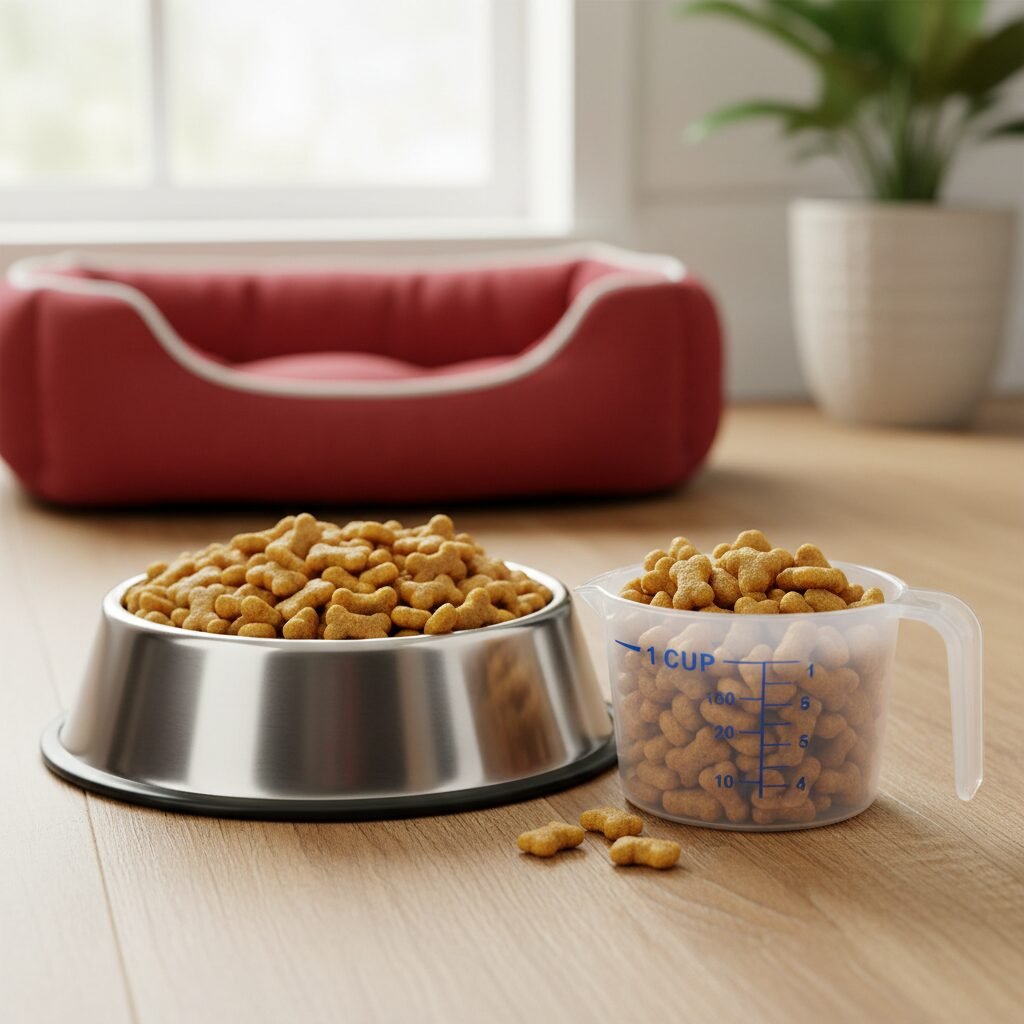
Always follow the feeding guidelines on your dog’s food packaging, adjusting for activity level and age. Use a measuring cup to ensure accurate portions. Opt for high-quality dog food appropriate for your dog’s life stage and breed. Limit treats and choose healthy options like small pieces of carrot or apple. Consult your veterinarian about your dog’s ideal weight and dietary needs.
Mistake 4 – Skipping Regular Vet Check-ups
The Problem
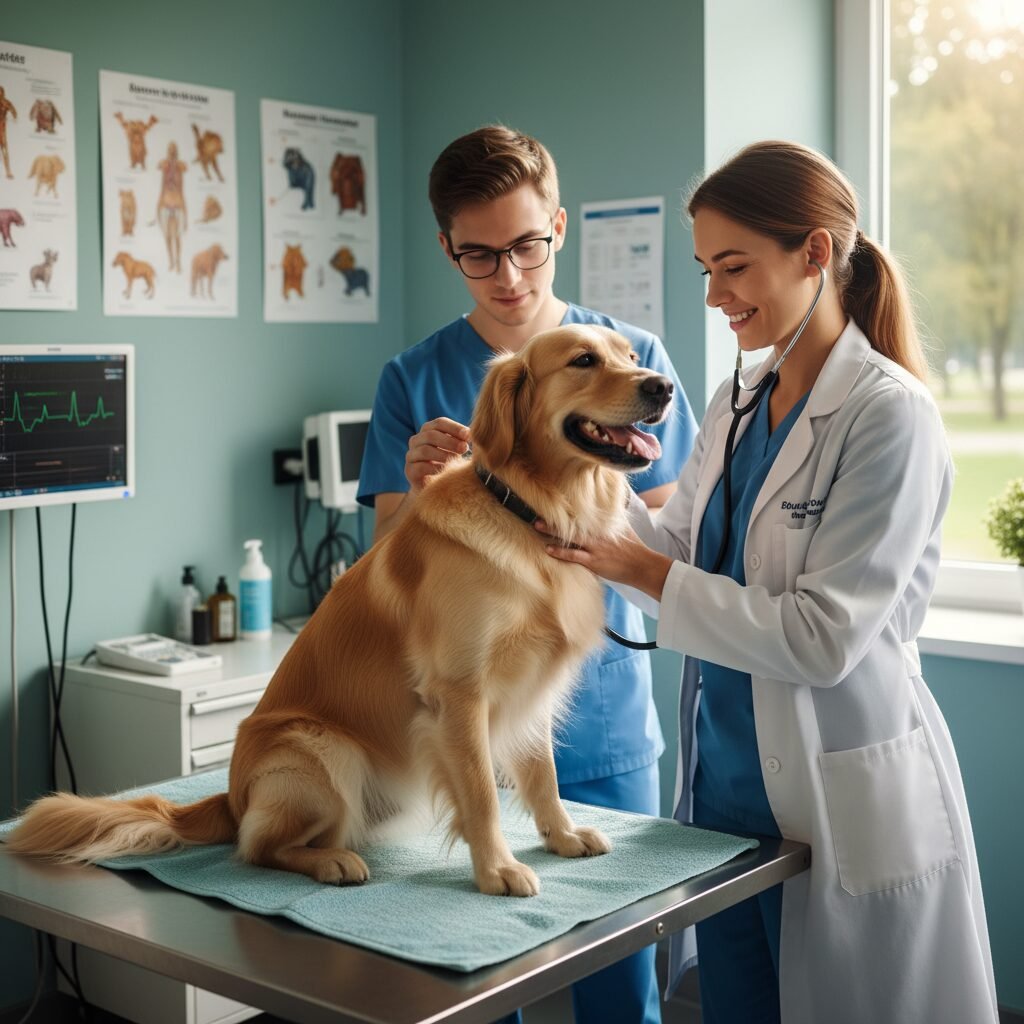
Dogs are masters at hiding pain and illness. By the time symptoms become obvious, a condition might be more advanced and harder to treat. Skipping annual vet check-ups means missing opportunities for preventative care, early detection of diseases, and keeping vaccinations and parasite control up-to-date. This can lead to higher treatment costs and unnecessary suffering for your beloved pet.
The Fix
Schedule annual wellness exams for your dog, even if they appear perfectly healthy. These visits allow your vet to catch potential issues early, discuss preventative measures, and ensure your dog’s vaccinations are current. Maintain a regular schedule for flea, tick, and heartworm prevention. Don’t hesitate to contact your vet if you notice any changes in your dog’s behavior, appetite, or energy levels.
Mistake 5 – Neglecting Socialization

The Problem
Proper socialization is crucial for a well-adjusted dog. A lack of exposure to various people, places, sounds, and other dogs during their critical developmental period (especially as puppies) can lead to fear, anxiety, and even aggression in adulthood. Undersocialized dogs may react poorly to new situations, making everyday activities like walks or vet visits stressful for everyone.
The Fix
Start socialization early and continue it throughout your dog’s life. Safely expose your puppy to a variety of positive experiences—different people (children, adults, people with hats/glasses), friendly vaccinated dogs, various sounds, and environments. Enroll in puppy classes. For adult dogs, controlled and positive introductions to new experiences are vital. Always ensure encounters are positive and never force your dog into a situation where they are clearly uncomfortable.
Mistake 6 – Using Harsh Punishment
The Problem
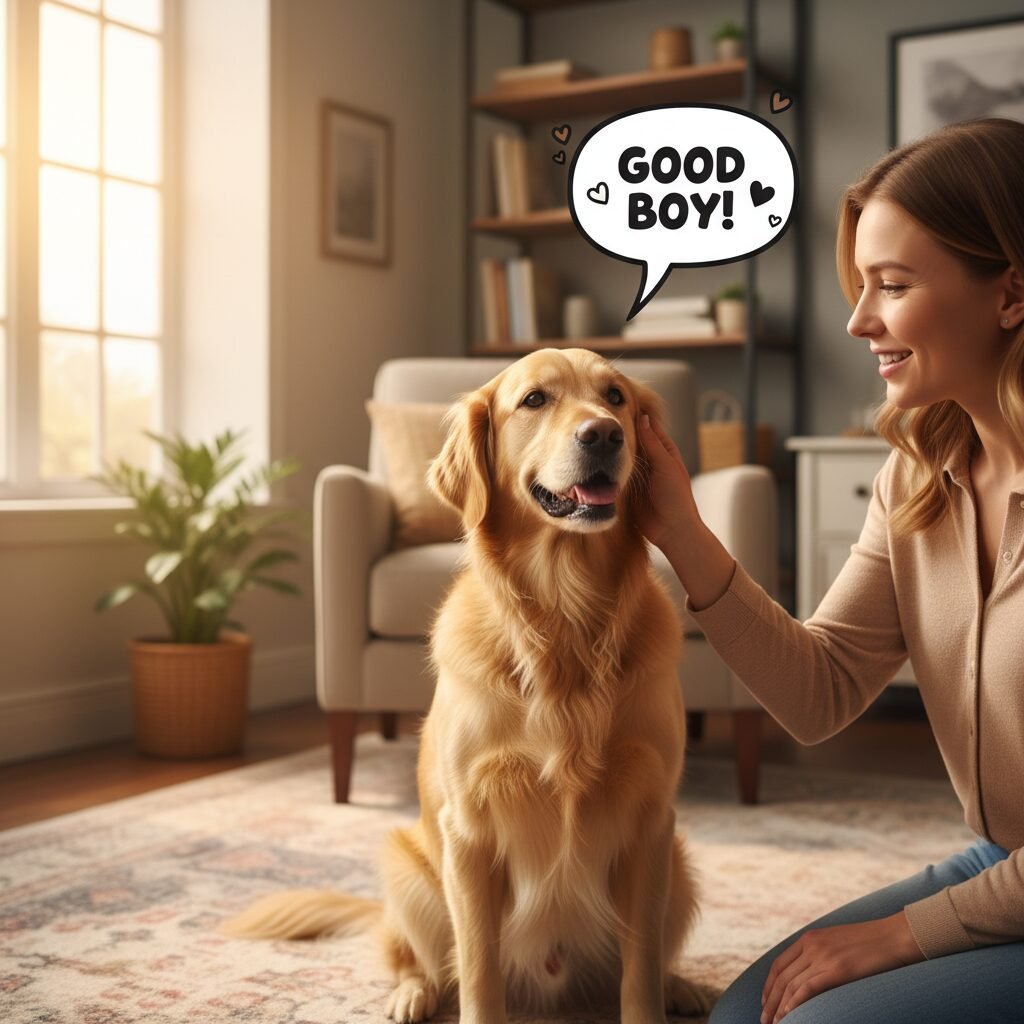
While frustrating behaviors can test our patience, using harsh punishment (like yelling, hitting, or dominance-based methods) can severely damage the trust and bond you share with your dog. It teaches them to fear you, rather than to understand what you want. This can lead to fear-based aggression, anxiety, and a dog who is less likely to engage with you or learn new behaviors effectively.
The Fix
Focus on positive reinforcement training methods. Reward desired behaviors with treats, praise, or toys. When your dog does something undesirable, redirect their attention to an appropriate behavior or toy. For example, if they chew on a shoe, offer them a suitable chew toy instead. Understand that dogs don’t misbehave out of spite; they often do so out of boredom, anxiety, or lack of understanding. Seek guidance from a certified professional dog trainer if you’re struggling with specific behaviors.
Mistake 7 – Not Understanding Body Language

The Problem
Dogs communicate constantly through their body language—their tail, ears, posture, gaze, and even tiny facial expressions. Misinterpreting these signals can lead to misunderstandings, putting both your dog and others at risk. For example, a stiff body and averted gaze might signal discomfort, not just shyness. Missing these cues can escalate a situation or prevent you from meeting your dog’s needs.
The Fix
Take the time to learn common dog body language signals. Understand what a relaxed dog looks like (loose body, wagging tail, soft eyes) versus a stressed or fearful one (tucked tail, flattened ears, yawning, lip licking, whale eye). Resources like books, online guides, and even professional dog trainers can help you become fluent in ‘dog speak.’ Observing your dog in different situations will deepen your understanding and allow you to respond appropriately.
Mistake 8 – Forgetting About Dental Health
The Problem
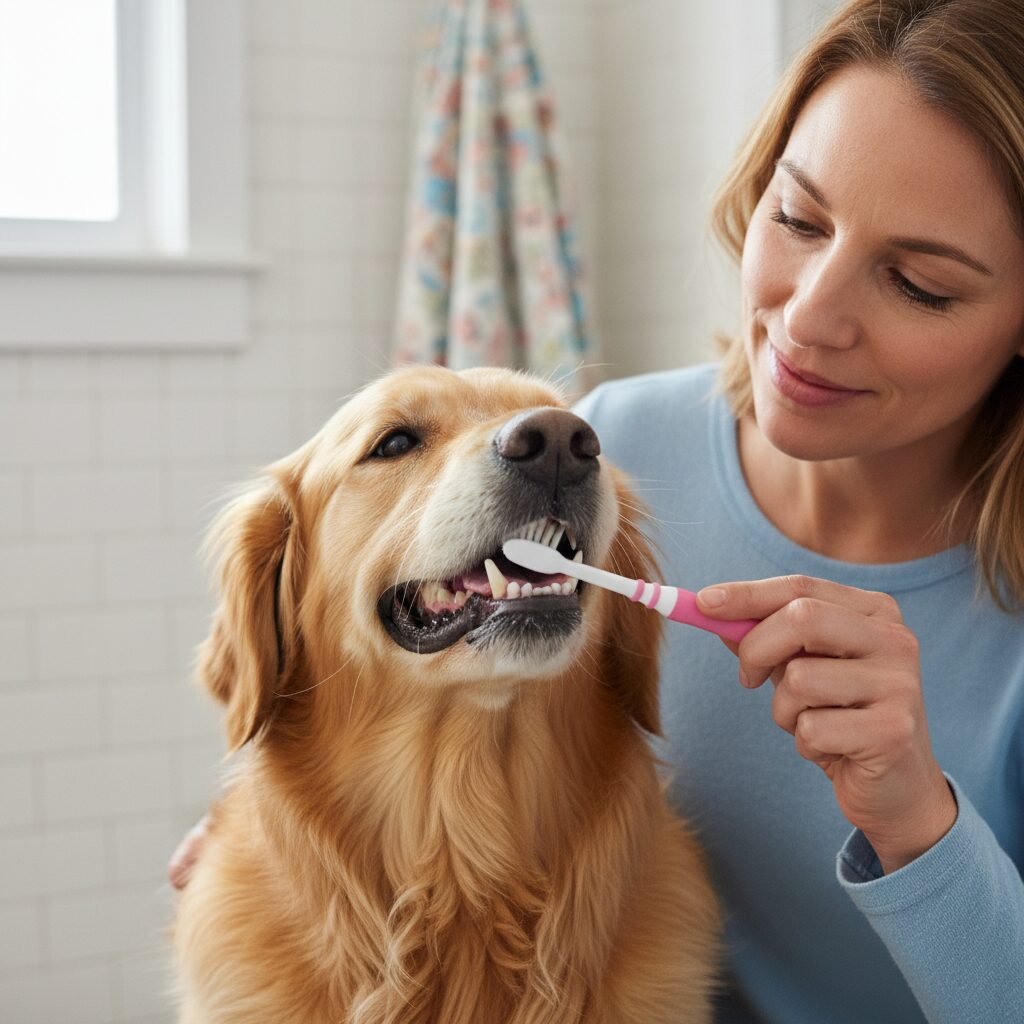
Dental disease is one of the most common health problems in dogs, affecting most by the age of three. Plaque and tartar buildup can lead to gingivitis, painful infections, and eventually tooth loss. Beyond the mouth, poor dental health can contribute to more serious systemic issues affecting the heart, kidneys, and liver, often going unnoticed until the problem is severe.The Fix
Make dental care a part of your dog’s routine. The gold standard is daily tooth brushing with dog-specific toothpaste and a soft brush. If daily brushing isn’t feasible, aim for several times a week. Supplement with dental chews approved by your vet, dental diets, or water additives. Regular professional dental cleanings under anesthesia, as recommended by your veterinarian, are also crucial for maintaining optimal oral health.
Becoming a great dog parent is a journey, not a destination. It’s about continuous learning, adapting, and showering your furry friend with love and understanding. Every mistake is an opportunity to learn and grow, strengthening the incredible bond you share. By addressing these common missteps, you’ll not only improve your dog’s quality of life but also deepen the joy and companionship you both experience every single day. Keep learning, keep loving, and enjoy every moment with your best friend!