5 Biggest Dog Owner Mistakes and Smart Ways to Avoid Them
5 Biggest Dog Owner Mistakes and Smart Ways to Avoid Them
Being a dog parent is one of life’s greatest joys, filled with wagging tails, sloppy kisses, and unconditional love. We all strive to give our furry companions the best possible life, showering them with affection, treats, and endless belly rubs. Yet, even with the best intentions, it’s easy to fall into common traps that can inadvertently affect our dog’s well-being and happiness. No one is perfect, and learning from our experiences is a vital part of responsible pet ownership.
This guide isn’t about shaming; it’s about empowering you with knowledge. We’ll explore five of the biggest mistakes dog owners often make, not to point fingers, but to offer practical, smart ways to avoid them. By understanding these common pitfalls, you can strengthen your bond, improve communication, and ensure your beloved dog lives their healthiest, happiest life by your side. Let’s dive in and transform potential problems into opportunities for growth and deeper companionship.
Mistake 1 – Skipping Early Socialization
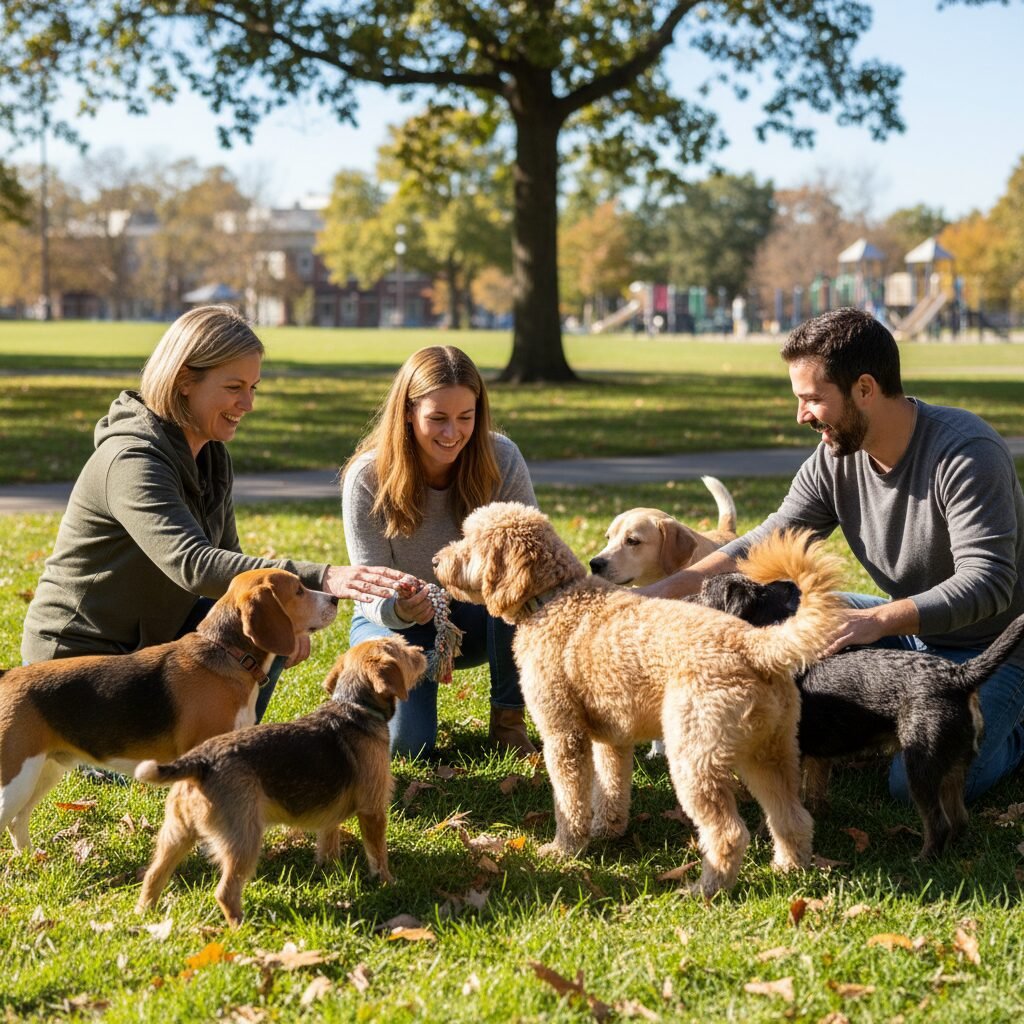
One of the most crucial periods in a dog’s life is their early puppyhood, typically between 3 and 16 weeks of age. This is when they are most receptive to new experiences and learning how to interact with the world around them. Many new dog owners, often out of an abundance of caution regarding vaccinations or simply not realizing its importance, might inadvertently skip or limit early socialization.
Why it’s a mistake
A lack of proper socialization during this critical window can lead to a host of behavioral issues down the line. Dogs not exposed to a variety of sights, sounds, people, and other well-behaved dogs can grow up fearful, anxious, or even aggressive towards new situations. They might react poorly to strangers, other animals, loud noises, or unfamiliar environments, making everyday life stressful for both the dog and their owner.
Smart Ways to Avoid It
- Enroll in Puppy Classes Puppy kindergarten classes are invaluable. They provide a safe, controlled environment for puppies to interact with peers and learn basic manners under professional guidance.
- Controlled Exposure Introduce your puppy to a wide variety of positive experiences. This includes different types of people (men, women, children, people with hats or glasses), gentle, vaccinated dogs, various sounds (traffic, vacuums), and different surfaces. Always ensure these interactions are positive and don’t overwhelm your puppy.
- Positive Reinforcement Use treats and praise to reward calm and curious behavior during new encounters. Never force your puppy into a situation they are clearly uncomfortable with.
- Prioritize Safety While socialization is key, always prioritize your puppy’s health. Consult your vet about appropriate times for outdoor exposure, especially before they are fully vaccinated. Often, controlled indoor environments are perfectly safe.
Mistake 2 – Inconsistent Training and Boundaries
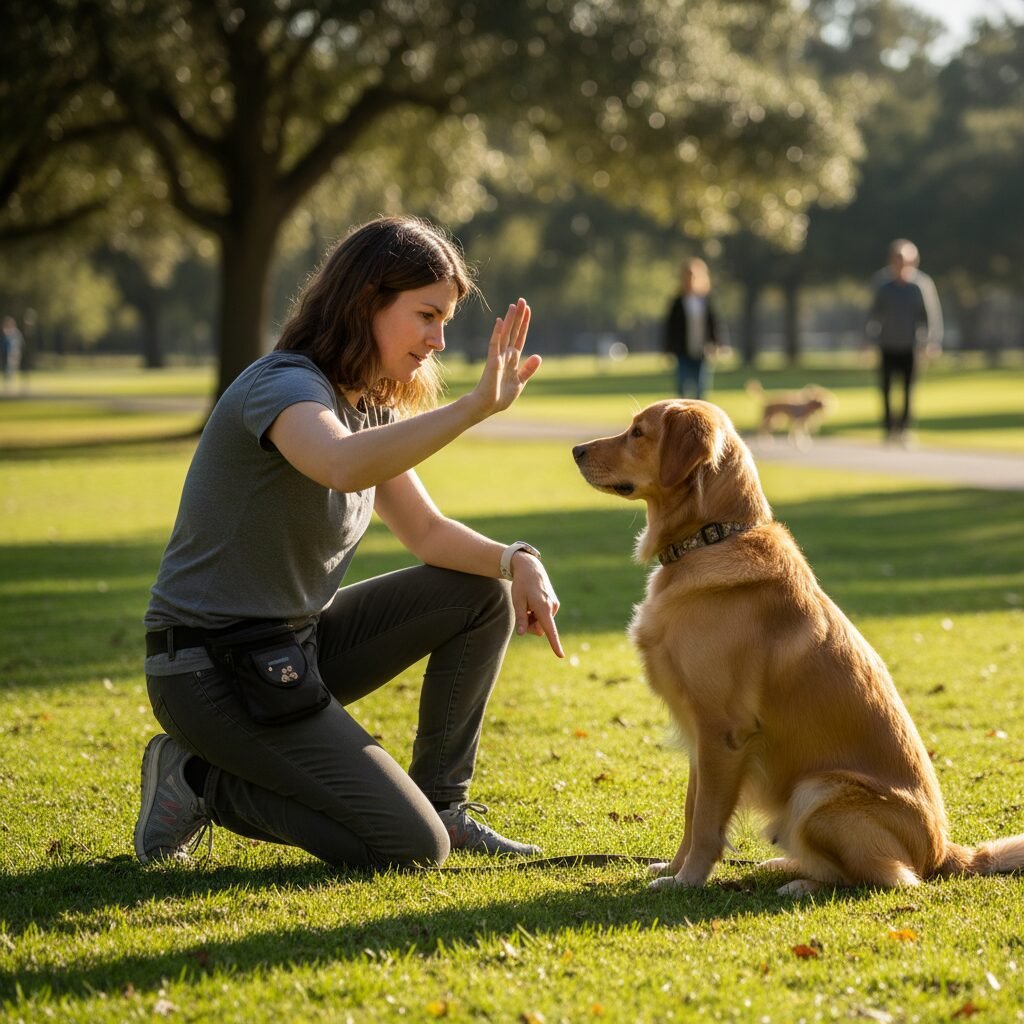
Dogs thrive on routine and clear expectations. A common mistake many owners make is being inconsistent with training commands, house rules, or boundaries. One day the dog is allowed on the couch, the next they’re not. Sometimes “sit” is rewarded, other times it’s ignored. This can be incredibly confusing for a dog, leading to frustration and behavioral problems.
Why it’s a mistake
Inconsistency creates uncertainty for your dog. They don’t understand what’s expected of them, which can manifest as anxiety, disobedience, or even trying to test boundaries more frequently. It undermines your authority as a leader and makes training much more challenging and less effective. A dog that doesn’t know the rules is a dog that can’t follow them.
Smart Ways to Avoid It
- Establish Clear Rules Before your dog even comes home, or as soon as possible, decide on house rules. Will they be allowed on furniture? Where will they sleep? What areas are off-limits?
- Consistent Commands Use the same command words and hand signals every time. Ensure everyone in the household uses them consistently. For example, if “come” is your recall command, don’t sometimes use “here boy” or “get over here.”
- Positive Reinforcement Always Reward desired behaviors immediately and consistently. This helps your dog understand what they did right. Ignore unwanted behaviors when appropriate, or redirect them to an acceptable alternative.
- Family Involvement Make sure every member of the family is on the same page regarding rules and training methods. A united front is crucial for your dog’s understanding and compliance.
Mistake 3 – Neglecting Dental Care and Regular Vet Check-ups
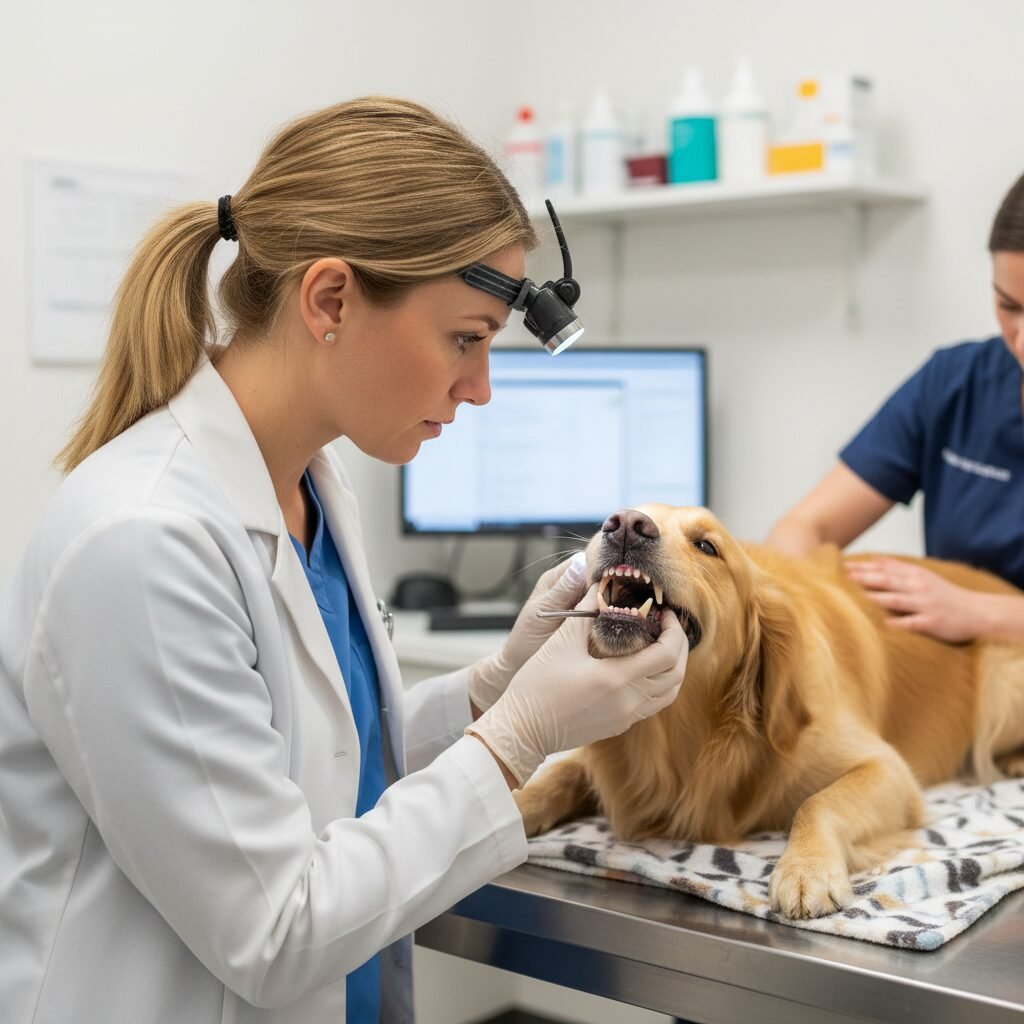
Many dog owners diligently feed their dogs well and ensure they get exercise, but often overlook two critical aspects of long-term health: regular dental care and routine veterinary check-ups. It’s easy to assume that if a dog isn’t showing obvious signs of illness, they’re perfectly fine, or that their teeth don’t need daily attention.
Why it’s a mistake
Dental disease is one of the most common health problems in dogs, affecting over 80% of dogs by age three. Untreated dental issues can lead to pain, difficulty eating, and even systemic problems affecting the heart, kidneys, and liver. Similarly, skipping annual vet check-ups means potential health issues, like early-stage organ disease, arthritis, or even certain cancers, might go unnoticed until they become advanced and much harder, or more expensive, to treat.
Smart Ways to Avoid It
- Daily Dental Hygiene Aim to brush your dog’s teeth daily with dog-specific toothpaste and a toothbrush. Start early when they are puppies to get them accustomed to it.
- Dental Chews and Toys Supplement brushing with veterinary-approved dental chews and toys designed to help reduce plaque and tartar buildup.
- Annual Vet Check-ups Schedule a comprehensive physical exam with your veterinarian at least once a year, even if your dog appears healthy. These visits are vital for preventive care, vaccinations, parasite control, and early detection of health problems.
- Professional Dental Cleanings Your vet might recommend professional dental cleanings under anesthesia, especially if significant plaque and tartar have accumulated.
Mistake 4 – Overfeeding and Lack of Exercise
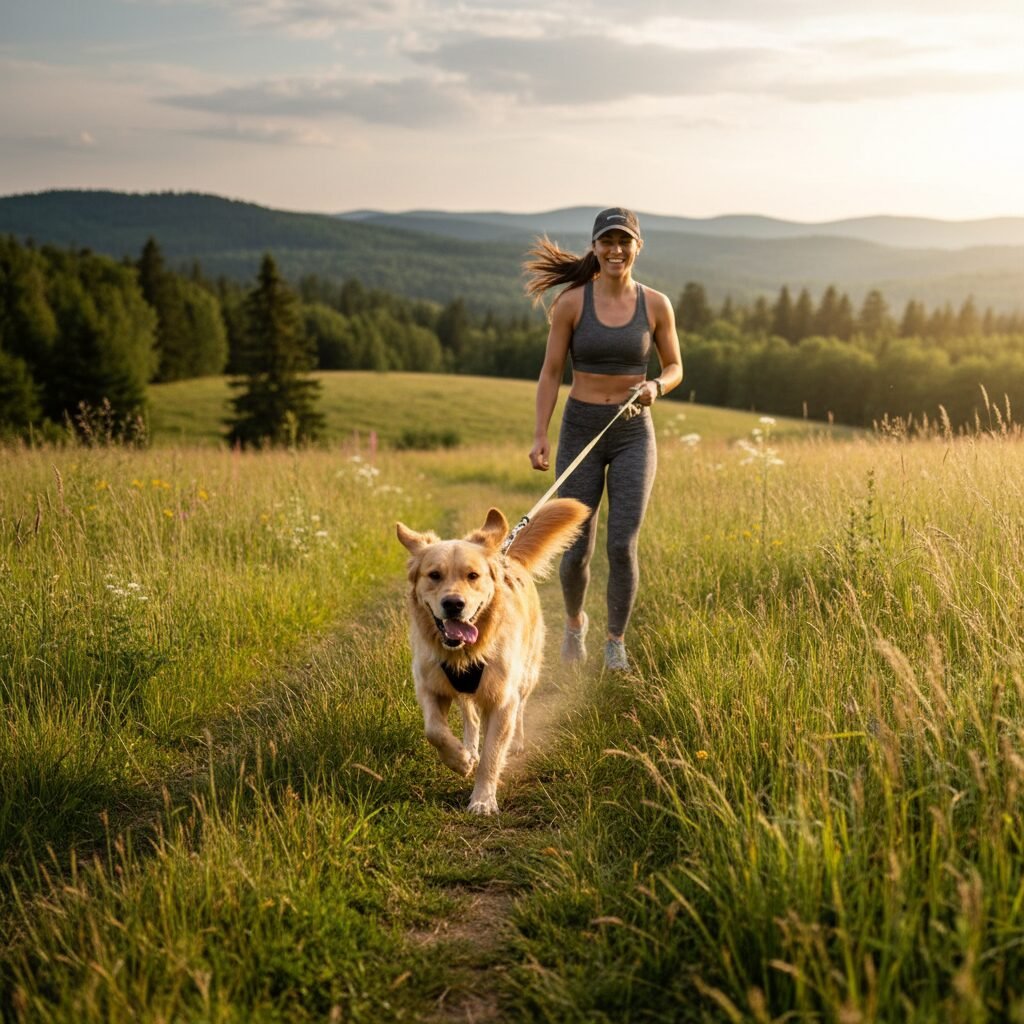
It’s tempting to show our love through food, offering extra treats or a bit more kibble than recommended. Coupled with a sedentary lifestyle, this combination creates a significant health risk for many dogs. Canine obesity is a growing epidemic, and often, owners don’t realize their dog is overweight until it’s pointed out by a vet.
Why it’s a mistake
Just like in humans, obesity in dogs leads to a myriad of health problems. These include diabetes, arthritis, heart disease, respiratory issues, reduced life expectancy, and decreased quality of life. A lack of adequate exercise also deprives dogs of mental stimulation and an outlet for their natural behaviors, which can lead to boredom, destructive behaviors, and anxiety.
Smart Ways to Avoid It
- Portion Control is Key Always follow the feeding guidelines on your dog’s food bag, adjusting based on their activity level, age, and individual metabolism. Use a measuring cup to ensure accuracy.
- Healthy Treats Opt for low-calorie, healthy treats like small pieces of carrot, apple (without seeds), or green beans. Factor treats into their daily calorie intake.
- Daily Exercise Routine Ensure your dog gets appropriate exercise for their breed, age, and energy level. This could be daily walks, runs, fetch in the park, swimming, or dog park visits. Aim for at least 30-60 minutes of moderate activity most days.
- Mental Stimulation Combine physical exercise with mental challenges. Puzzle toys, training sessions, and scent work can tire a dog out just as much as a long walk.
Mistake 5 – Misinterpreting Dog Body Language
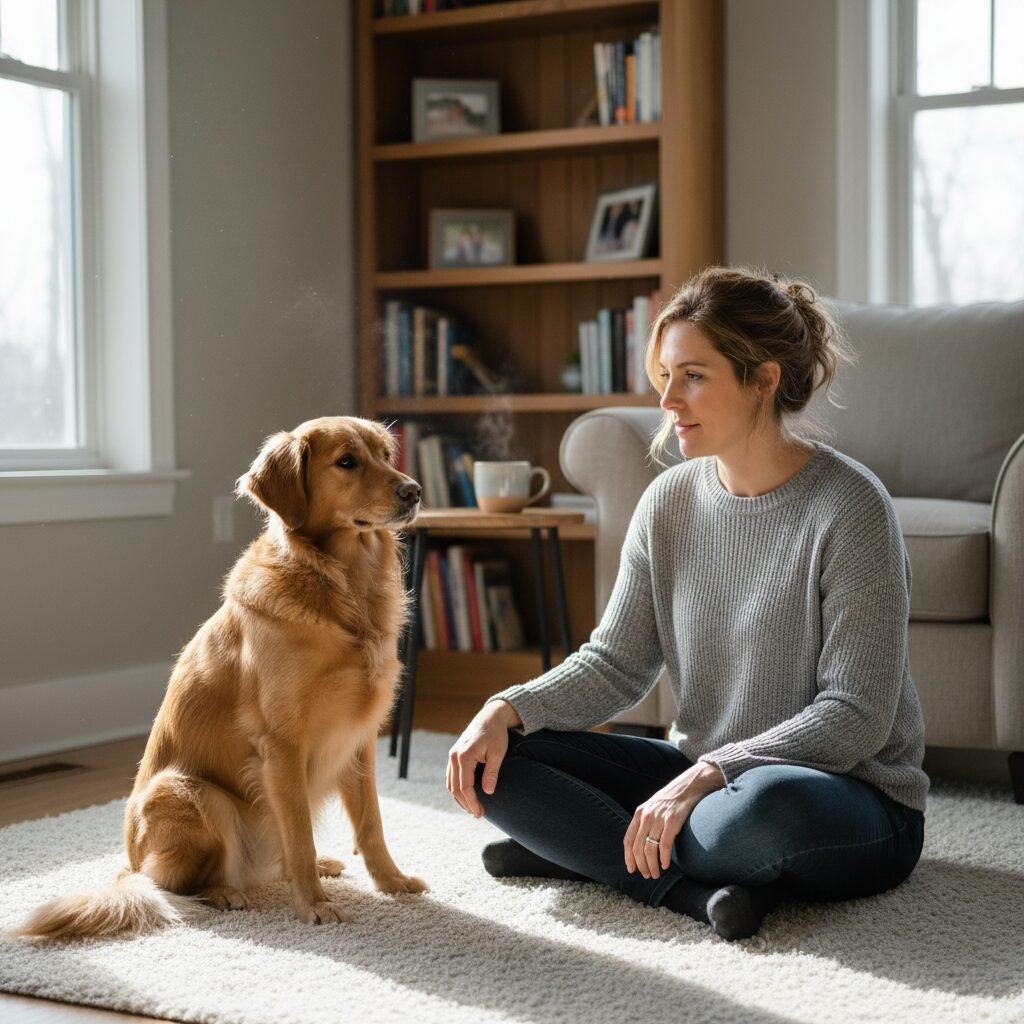
Dogs communicate constantly, but they do so primarily through body language. Many owners, however, miss or misinterpret these subtle (and sometimes not-so-subtle) cues. Assuming a wagging tail always means happiness, or that a growl is always aggressive, can lead to misunderstandings, potential bites, or simply failing to address our dog’s needs effectively.
Why it’s a mistake
Misinterpreting your dog’s body language can lead to dangerous situations. A dog might be showing signs of stress or fear (lip licking, yawning, stiff body, averting gaze) long before they resort to a growl or a snap. If these early warnings are missed, owners might inadvertently push their dog past their comfort zone. It also means we might not understand when our dog is in pain, anxious, or simply trying to tell us something important.
Smart Ways to Avoid It
- Educate Yourself Take the time to learn common dog body language signals. Resources like books, online guides, and videos can be incredibly helpful. Pay attention to their eyes, ears, mouth, tail, and overall posture.
- Observe Context Always consider the context of the situation. A wagging tail with a stiff body and wide eyes can indicate anxiety, not joy. A growl is often a warning, not an immediate attack, and should be respected as a communication signal.
- Recognize Stress Signals Look for subtle signs of stress or discomfort such as lip licking, yawning (when not tired), averted gaze, tucked tail, flattened ears, or a “whale eye” (when the whites of the eyes are visible).
- Seek Professional Help If you’re consistently struggling to understand your dog’s behavior or if they exhibit concerning behaviors, consult a certified professional dog trainer or a veterinary behaviorist.
Becoming a dog owner is a journey of continuous learning, growth, and boundless love. It’s okay to make mistakes; what truly matters is our willingness to recognize them and take proactive steps to improve. By being mindful of these five common pitfalls, you’re not just avoiding problems; you’re actively investing in a stronger, happier, and healthier relationship with your best friend.
Remember, every interaction is an opportunity to learn more about your dog and strengthen your bond. Embrace the learning curve, be patient, and always lead with love. Your dog will thank you for it with every wag of their tail and every joyful bark. Here’s to many more years of happy, healthy companionship!


