
5 Dog-Friendly Fruits and 2 Fruits You Should Never Feed
5 Dog-Friendly Fruits and 2 Fruits You Should Never Feed
As devoted dog parents, we love to spoil our furry friends with treats. But when it comes to sharing our own healthy snacks like fruit, it’s easy to wonder which ones are safe and which could be harmful. The good news is that many fruits offer fantastic nutritional benefits for your canine companion, from essential vitamins to crucial fiber. The bad news? Some seemingly innocent fruits can pose serious health risks.
This guide will clear up the confusion, helping you confidently choose delicious and safe fruit options for your dog, while also highlighting the two absolute no-gos. Get ready to add some fruity goodness to your dog’s diet, responsibly and with love!
The Juicy Truth About Fruits and Your Dog

Fruits can be a wonderful addition to your dog’s diet when given in moderation and prepared correctly. They are packed with vitamins, minerals, fiber, and antioxidants that can boost your dog’s immune system, aid digestion, and contribute to overall well-being. However, dogs have different digestive systems and nutritional needs than humans. What’s healthy for us isn’t always healthy for them.
Always remember these golden rules before offering any fruit to your dog:
- Moderation is Key Treats, including fruits, should make up no more than 10% of your dog’s daily caloric intake.
- Preparation Matters Always wash fruits thoroughly and remove any seeds, pits, stems, or rinds, as these can be choking hazards or contain toxic substances.
- Introduce Slowly When introducing a new fruit, start with a tiny piece to see how your dog reacts. Watch for any signs of digestive upset like diarrhea or vomiting.
- Consult Your Vet Before making significant changes to your dog’s diet, it’s always best to chat with your veterinarian.
Five Fantastic Fruits Your Dog Can Enjoy
1. Apples – A Crunchy Delight
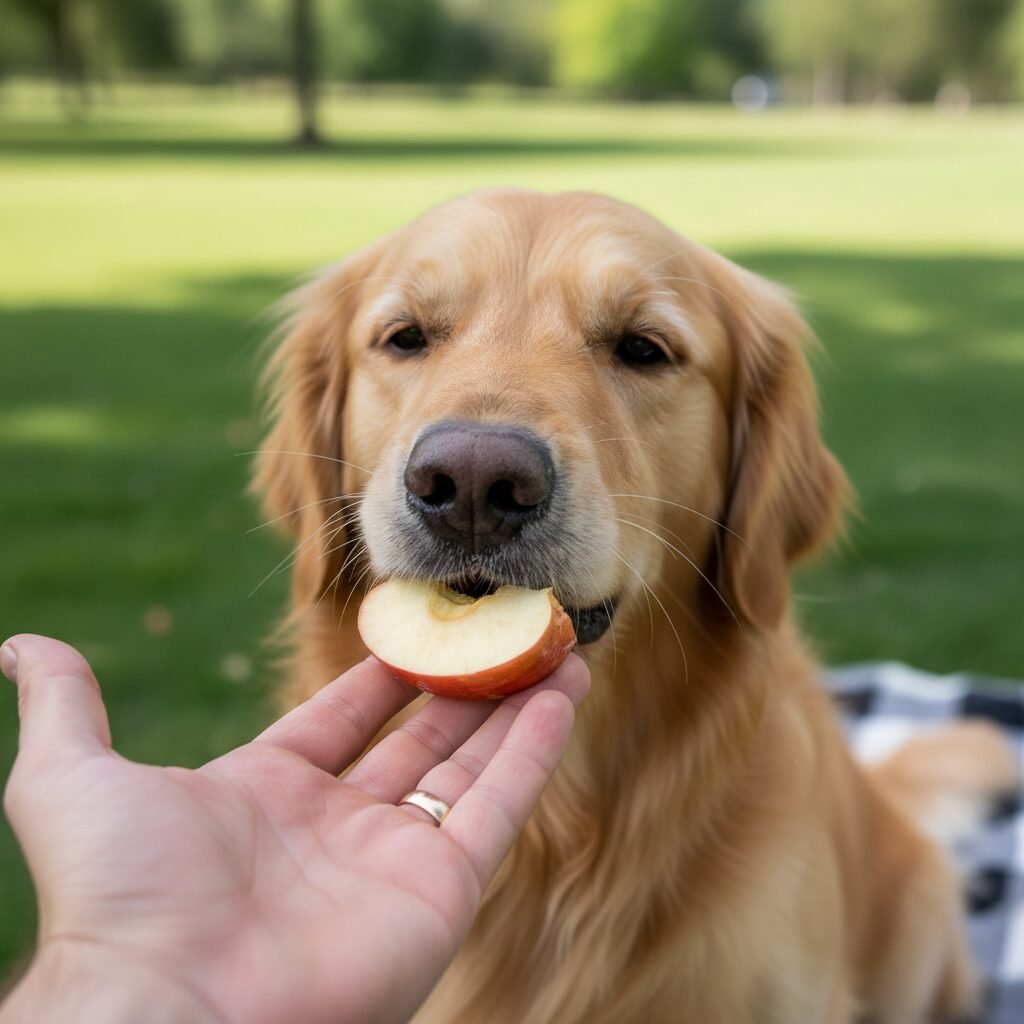
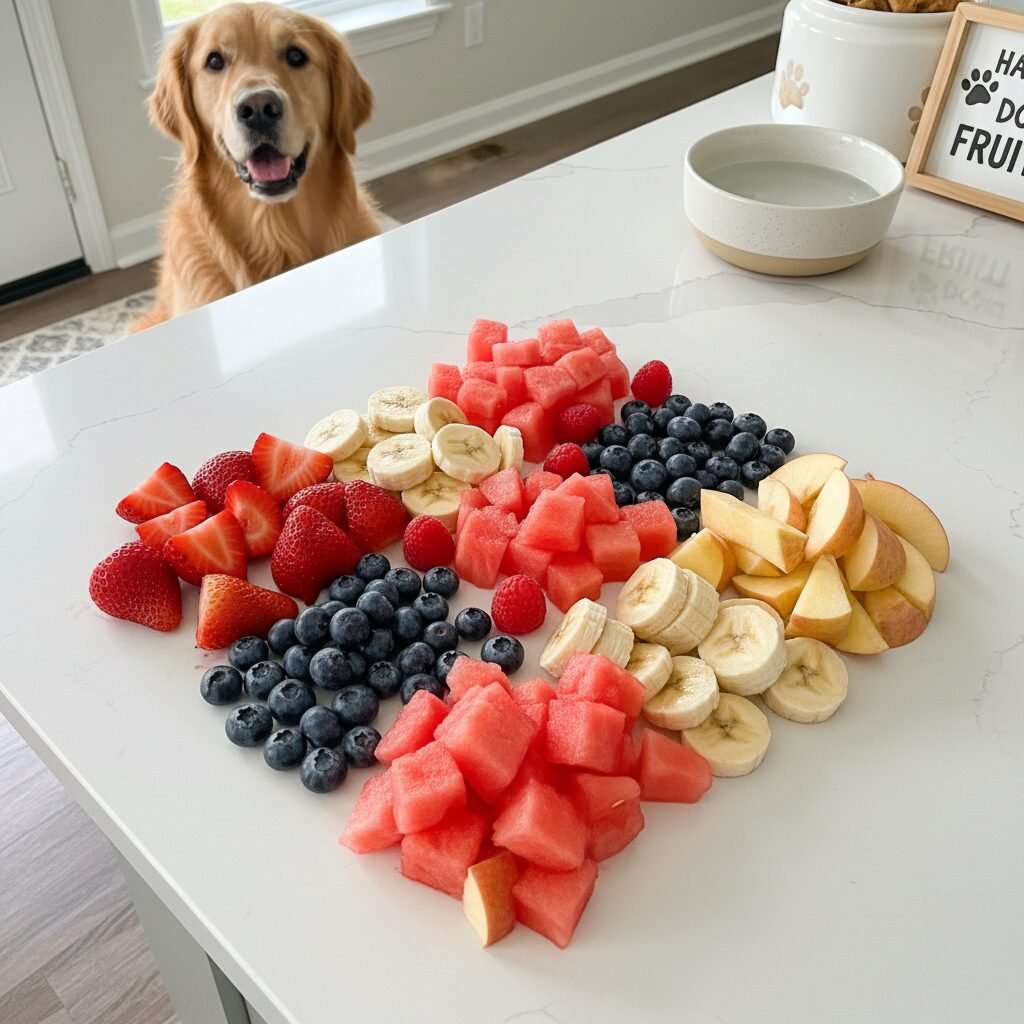
Apples are a fantastic source of vitamins A and C, and a great way to add fiber to your dog’s diet. The crunch can also help clean their teeth! Just be sure to remove the core and all seeds, as apple seeds contain small amounts of cyanide. Cut apples into small, bite-sized pieces to prevent choking.
Serving Tip Offer a few small slices as a healthy snack or mix finely diced apple into their regular food.
2. Bananas – Potassium Powerhouse

Bananas are rich in potassium, vitamins, biotin, and fiber. They’re a sweet treat that many dogs adore. However, due to their high sugar content, bananas should be given in very small amounts and only as an occasional treat. They can also help with digestive issues in small doses.
Serving Tip Peel the banana and offer a small coin-sized slice or mash a tiny bit into their Kong toy.
3. Blueberries – Antioxidant Boosters
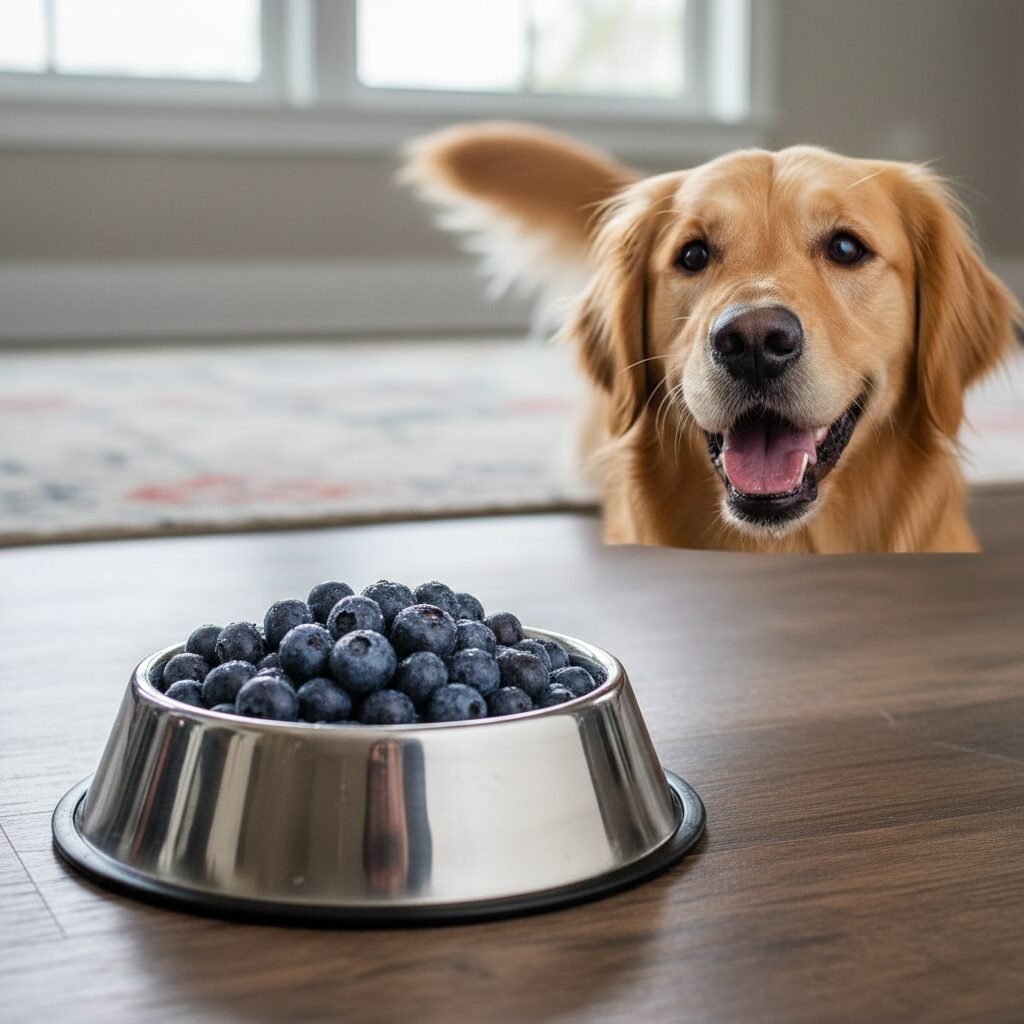
These tiny superfoods are packed with antioxidants, fiber, and vitamins C and K. Blueberries are small, making them a perfect bite-sized training treat. Many dogs love their natural sweetness, and they’re low in calories compared to other fruits.
Serving Tip Offer fresh or frozen blueberries (great for hot days!) in moderation. They are generally safe whole for most dogs.
4. Watermelon – Hydrating and Refreshing
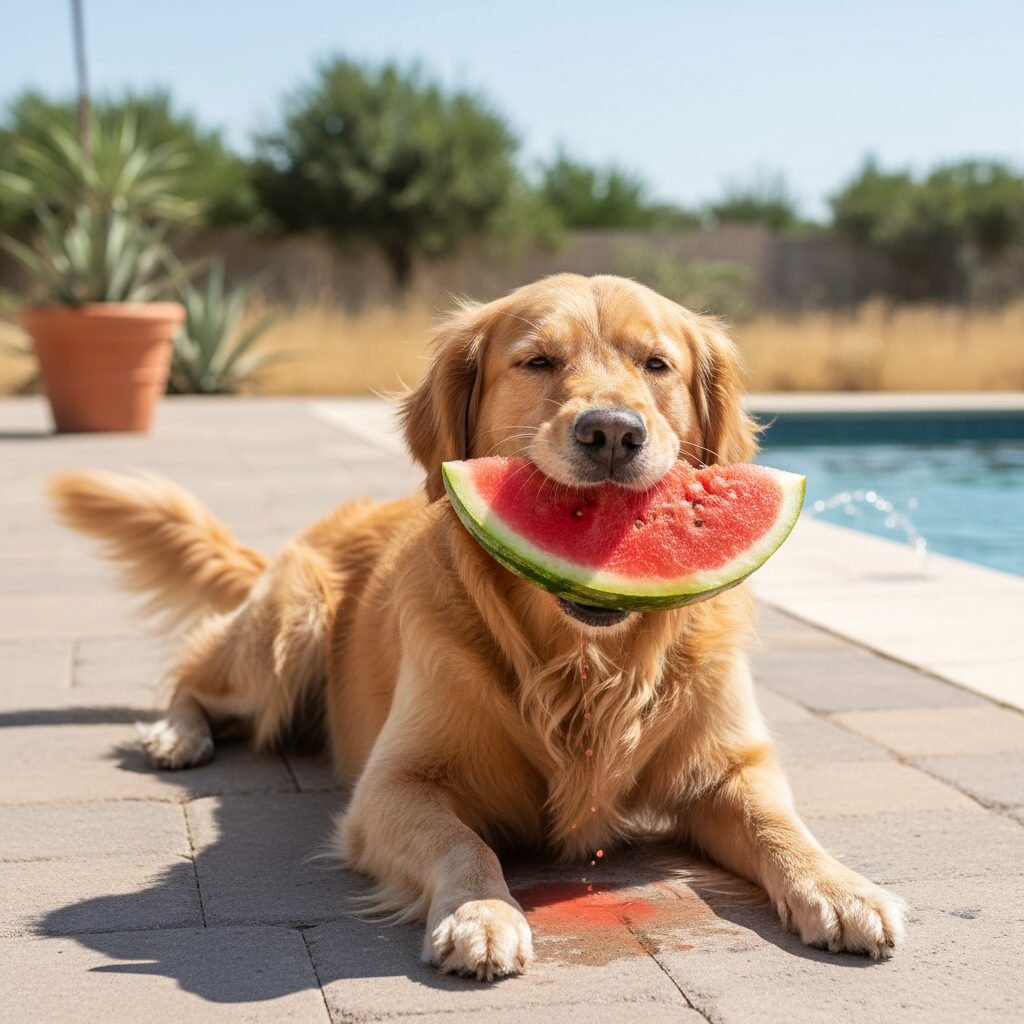
Mostly water, watermelon is an excellent choice for keeping your dog hydrated, especially during warmer months. It’s also a good source of vitamins A, B6, and C, as well as potassium. The critical rule with watermelon is to remove all seeds and the rind, as both can cause digestive upset or choking.
Serving Tip Cut into small, seedless, rind-free cubes. A fantastic frozen treat!
5. Cantaloupe – Vitamin Rich
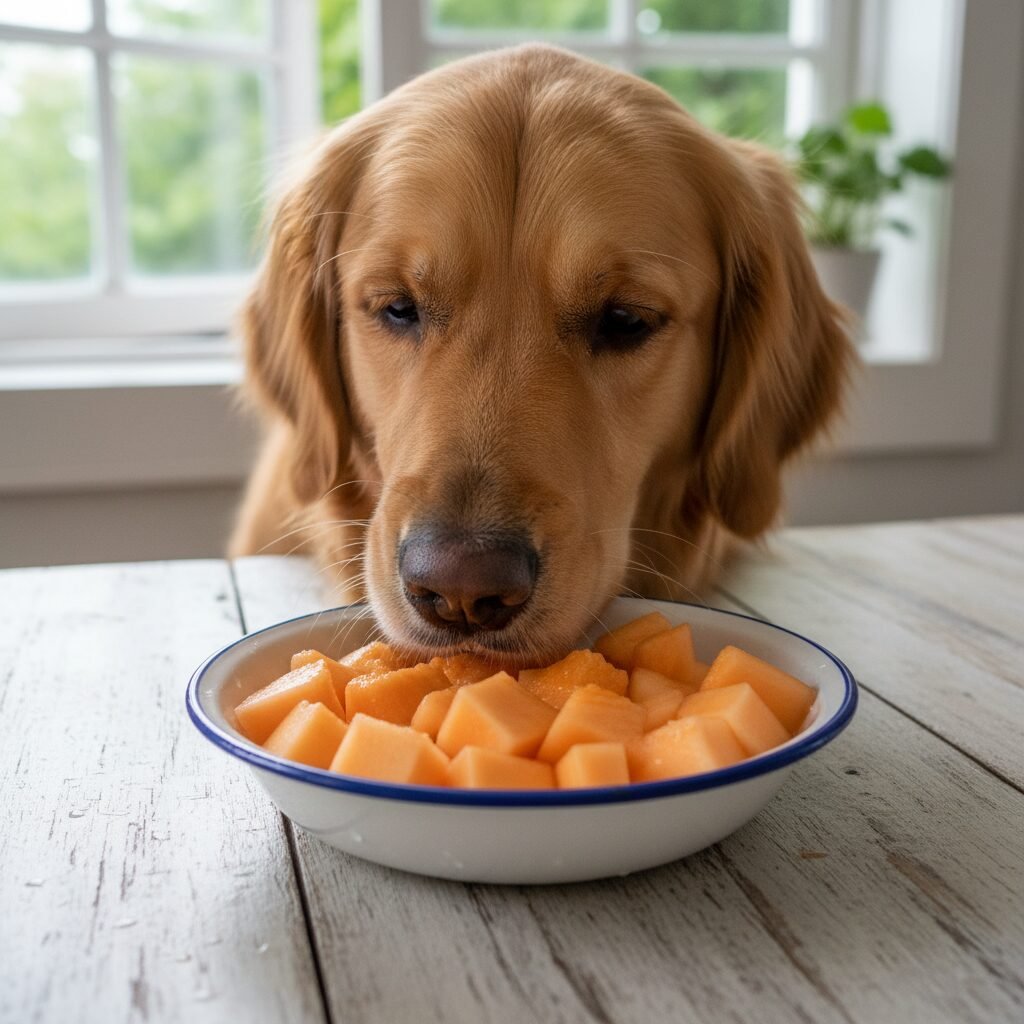
Like watermelon, cantaloupe is hydrating and full of beneficial nutrients, including vitamins A and C, and fiber. Ensure you remove the rind and seeds before offering it to your dog. The rind can be tough to digest and a choking hazard, and the seeds can cause stomach upset.
Serving Tip Offer small, bite-sized pieces without the rind or seeds. It’s a sweet, aromatic snack.
Two Fruits to Absolutely Avoid Feeding Your Dog
While many fruits are beneficial, some pose significant health risks. It’s crucial to know which ones to keep away from your canine companion.
1. Grapes and Raisins – Highly Toxic
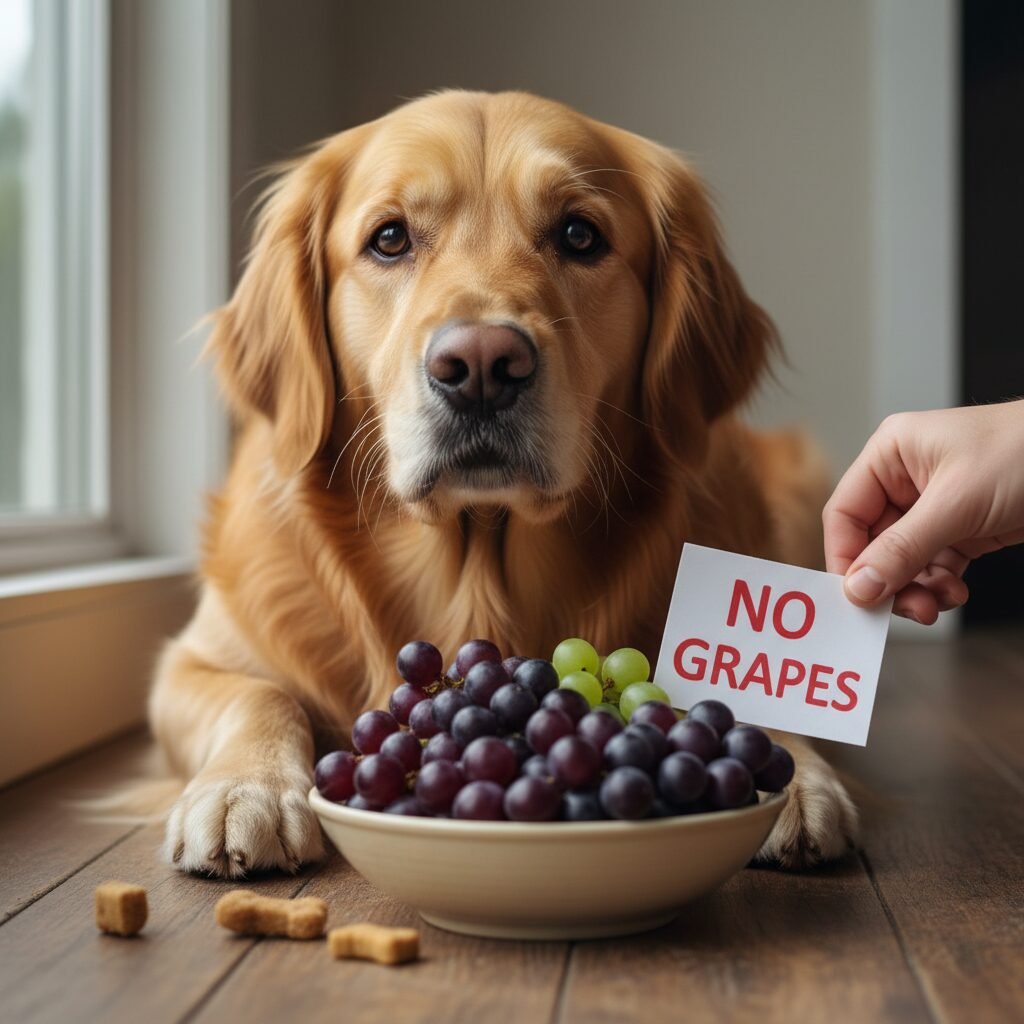
This is perhaps the most critical warning. Grapes and raisins (dried grapes) are highly toxic to dogs. Even a small amount can cause sudden kidney failure, and the exact toxic dose is unknown, meaning even one grape can be dangerous for some dogs. Symptoms can include vomiting, diarrhea, lethargy, dehydration, and decreased urination. If you suspect your dog has eaten grapes or raisins, contact your veterinarian immediately.
Never, ever feed grapes or raisins to your dog.
2. Cherries – Pits are Poisonous
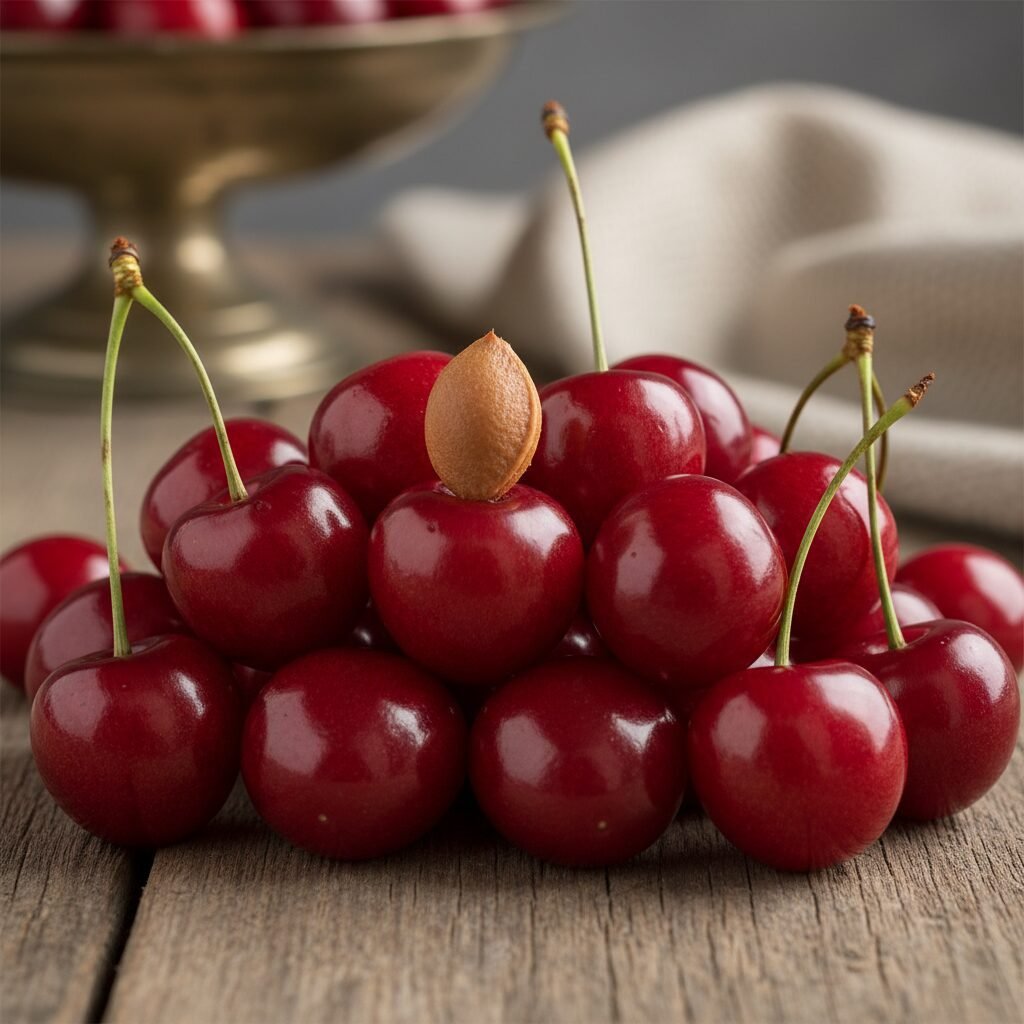
While the flesh of a cherry might not be inherently toxic in tiny amounts, the pits, stems, and leaves contain cyanide, which is poisonous to dogs. The pits are also a significant choking hazard and can cause intestinal blockage. Given the risks, it’s safest to avoid feeding cherries to your dog altogether.
Avoid cherries due to toxic pits and choking hazards.
Smart Snacking Tips for Fruity Treats
To ensure your dog enjoys their fruit treats safely and happily, keep these tips in mind:
- Start Small Always introduce new fruits in very small quantities to monitor for any adverse reactions.
- Proper Preparation Always wash fruits thoroughly, and remove all seeds, pits, stems, and rinds.
- Portion Control Remember the 10% rule for treats. Even healthy fruits add calories.
- Watch for Allergies Just like humans, dogs can have allergies. Be vigilant for itching, swelling, or digestive upset after introducing a new food.
- Fresh is Best Stick to fresh or frozen fruits. Canned fruits often contain added sugars or syrups, which are unhealthy for dogs.
A Healthy, Happy Dog Starts with Smart Choices
Providing your dog with safe and healthy treats is a wonderful way to strengthen your bond and contribute to their overall well-being. By understanding which fruits are beneficial and which are dangerous, you can make informed decisions that keep your furry family member safe and thriving.
Remember, a balanced diet and regular veterinary check-ups are the cornerstones of your dog’s health. Always consult your vet if you have any concerns about your dog’s diet or if they accidentally ingest a toxic food. Here’s to many happy, healthy years filled with safe and delicious moments with your beloved companion!


