6 Essential Potty Training Tips That Make Life Easier
6 Essential Potty Training Tips That Make Life Easier
Bringing a new dog or puppy into your home is an exciting adventure filled with joy, laughter, and endless cuddles. However, it also comes with its share of challenges, and for many dog parents, potty training tops the list. Those unexpected puddles and “surprises” can test anyone’s patience, but don’t despair! Potty training doesn’t have to be a nightmare. With the right approach and a little consistency, you can guide your furry friend to understand where and when to do their business, making life easier and your home much cleaner. We’ve gathered six essential tips that will transform your potty training journey from frustrating to fulfilling.
Understanding Potty Training Basics
Before diving into specific tips, it’s helpful to understand the core principles of potty training. It’s all about communication, routine, and positive reinforcement. Your dog isn’t trying to be naughty when they have an accident indoors; they simply haven’t learned the house rules yet, or they physically can’t hold it. Patience is your most powerful tool in this process.
Tip 1 – Establish a Consistent Schedule
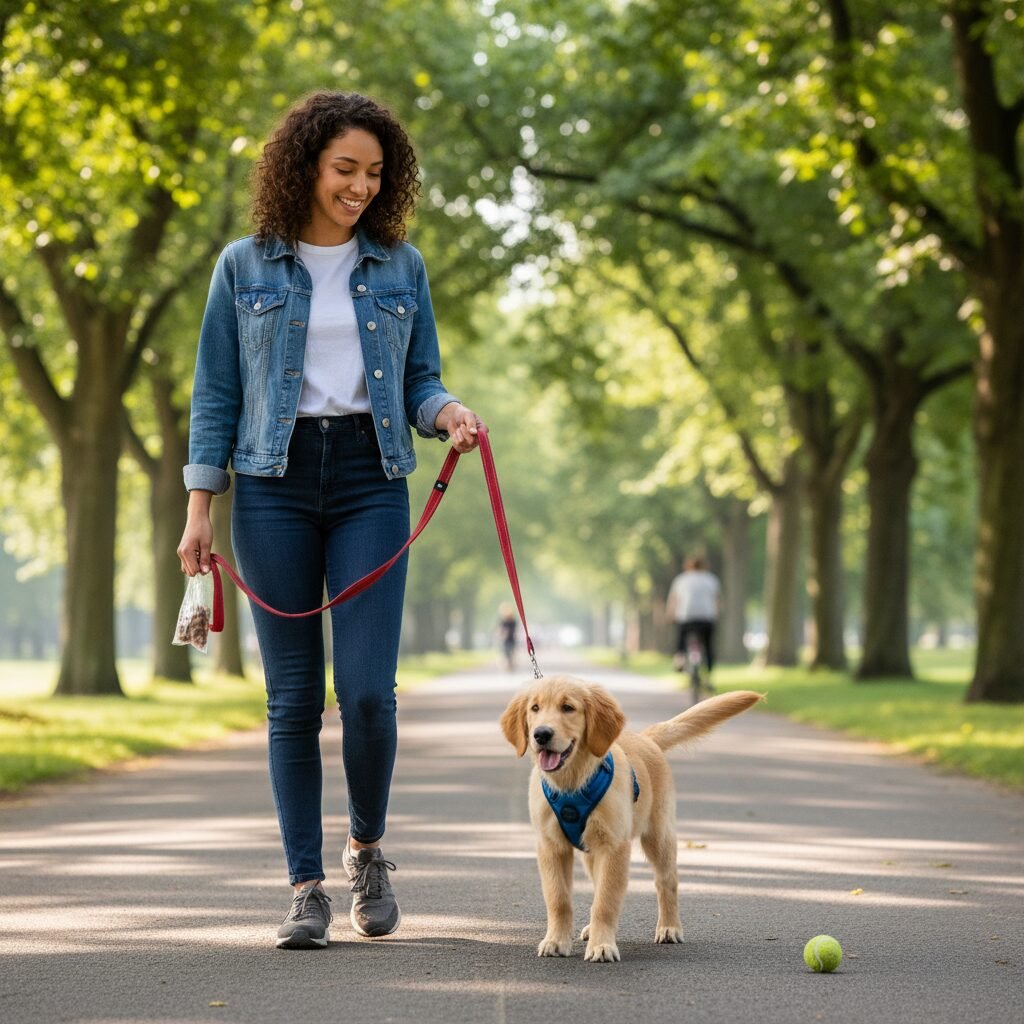
Consistency is the cornerstone of successful potty training. Dogs thrive on routine, and a predictable schedule helps them understand when it’s time to go outside. For puppies, this means frequent trips. A general rule of thumb is that a puppy can hold their bladder for about one hour per month of age (e.g., a 3-month-old puppy can hold it for about 3 hours), but this is just a guideline. You’ll need to take them out much more often.
What Your Potty Schedule Should Include
- Immediately upon waking up in the morning.
- After every meal and drink.
- After naps or playtime.
- Before bedtime.
- Every 2-4 hours throughout the day for young puppies.
Even adult dogs benefit from a consistent schedule, typically needing to go out 3-5 times a day.
Tip 2 – Choose a Designated Potty Spot
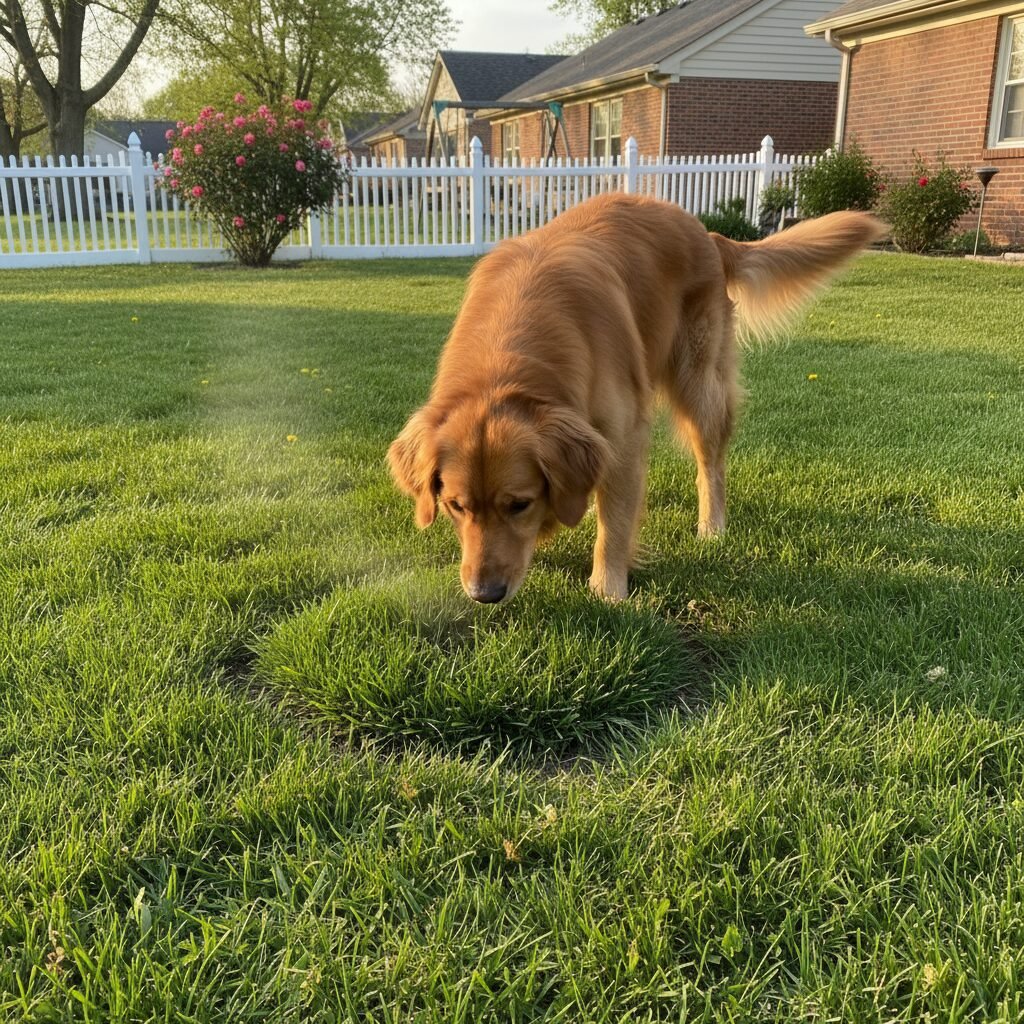
Designating a specific area outside for your dog to relieve themselves can significantly speed up the training process. Dogs learn through association. When they consistently go to the same spot, they start to associate that area with potty time. This also helps with cleanup and keeps other areas of your yard pristine.
How to Reinforce the Potty Spot
- Always take your dog to this specific spot.
- Use a consistent phrase like “Go potty” or “Do your business” as they sniff around.
- Stay calm and patient; avoid rushing them.
Tip 3 – Supervise Closely and Learn the Signs
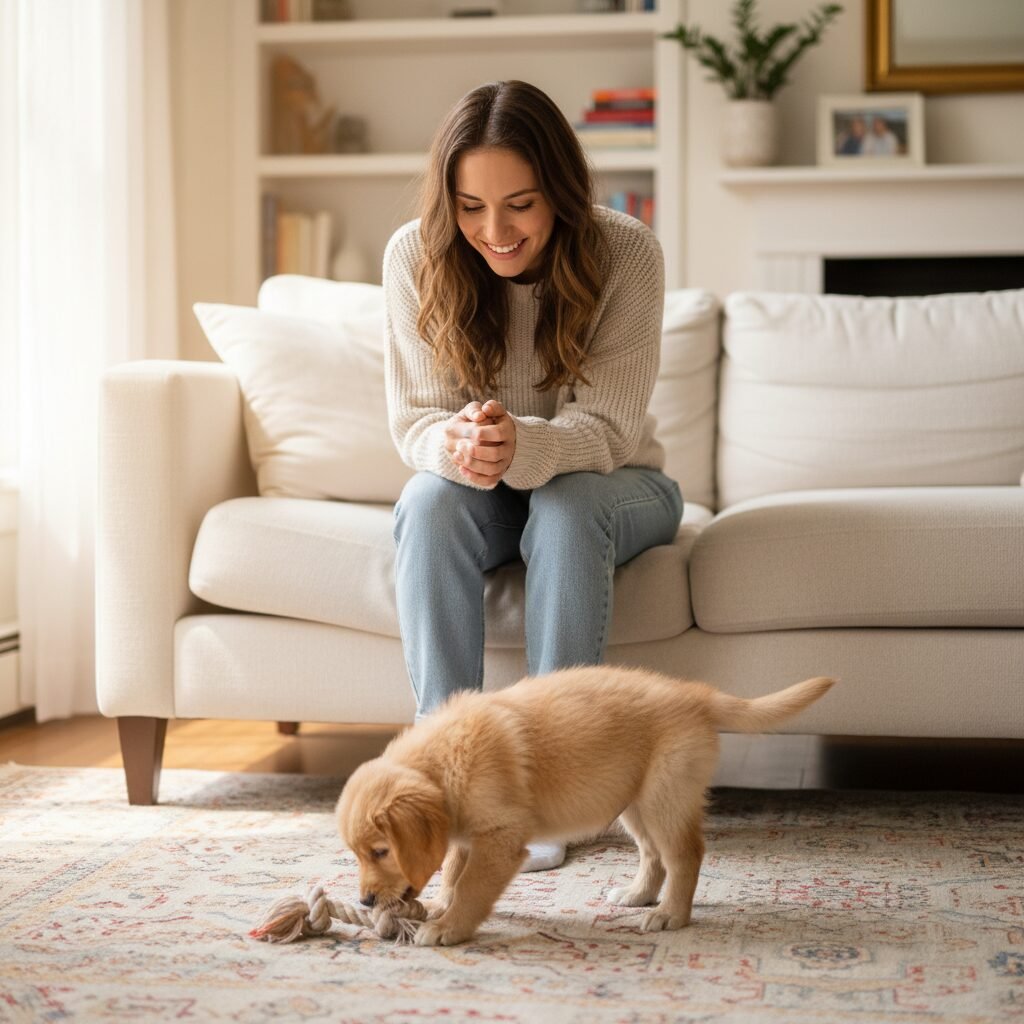
When your dog is indoors, especially during the early stages of training, close supervision is crucial. This allows you to catch them before an accident happens. Keep them in the same room as you, or use a leash to keep them tethered nearby. This isn’t about punishment; it’s about prevention and teaching.
Signs Your Dog Needs to Go Out
Look for these common indicators:
- Sniffing the ground intently.
- Circling or pacing.
- Whining or barking (sometimes).
- Restlessness or sudden change in behavior.
- Heading towards a specific door.
As soon as you notice any of these signs, immediately take your dog outside to their designated potty spot.
Tip 4 – Reward Success Immediately
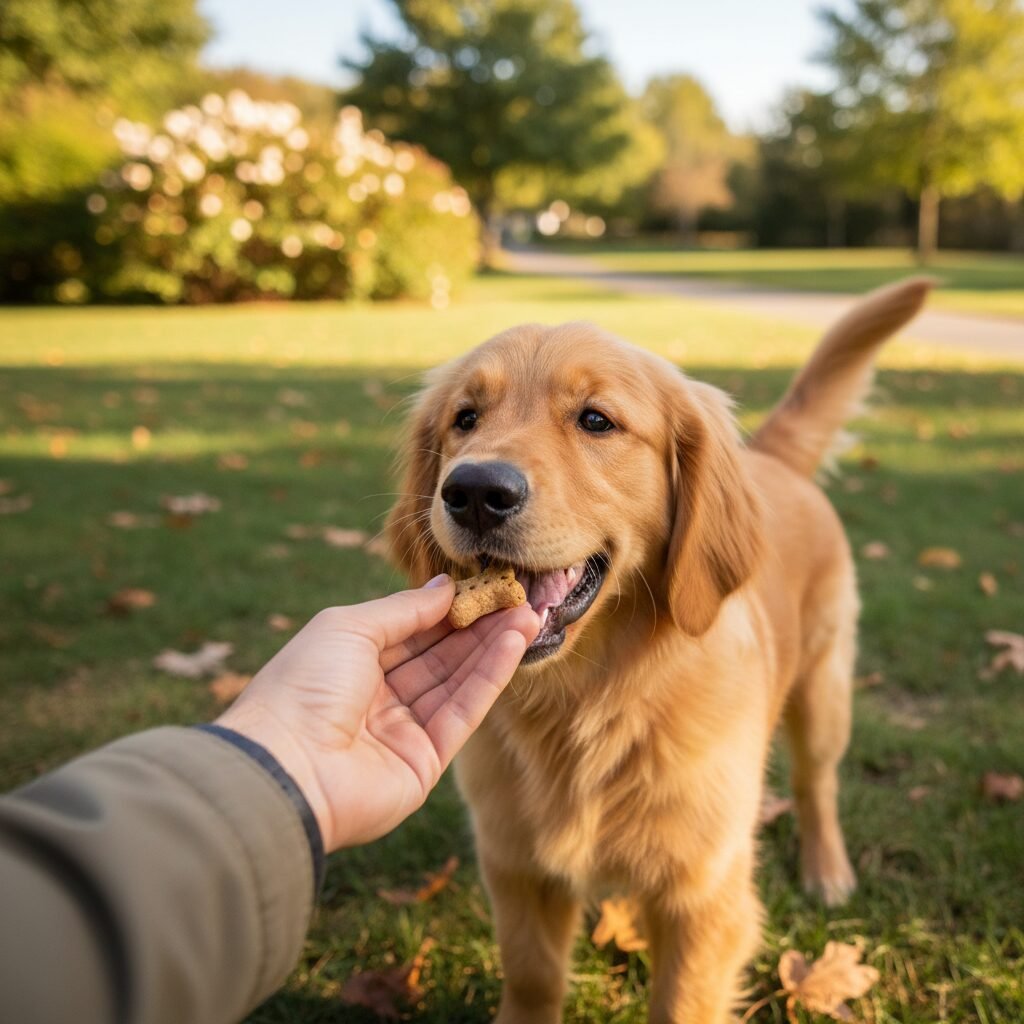
Positive reinforcement is incredibly powerful. When your dog successfully potties outside, shower them with praise, a small tasty treat, or a quick play session. The timing of this reward is critical—it must happen within seconds of them finishing their business. This immediate feedback helps them connect the act of eliminating outside with a positive outcome.
Effective Rewards
- Verbal Praise– “Good potty!” in an excited tone.
- Treats– High-value, small treats they love.
- Affection– A quick scratch behind the ears.
- Playtime– A few minutes with their favorite toy.
Avoid scolding or punishing them if they have an accident indoors. This can make them fearful of eliminating in front of you, even outside, potentially leading to more hidden accidents.
Tip 5 – Clean Accidents Thoroughly
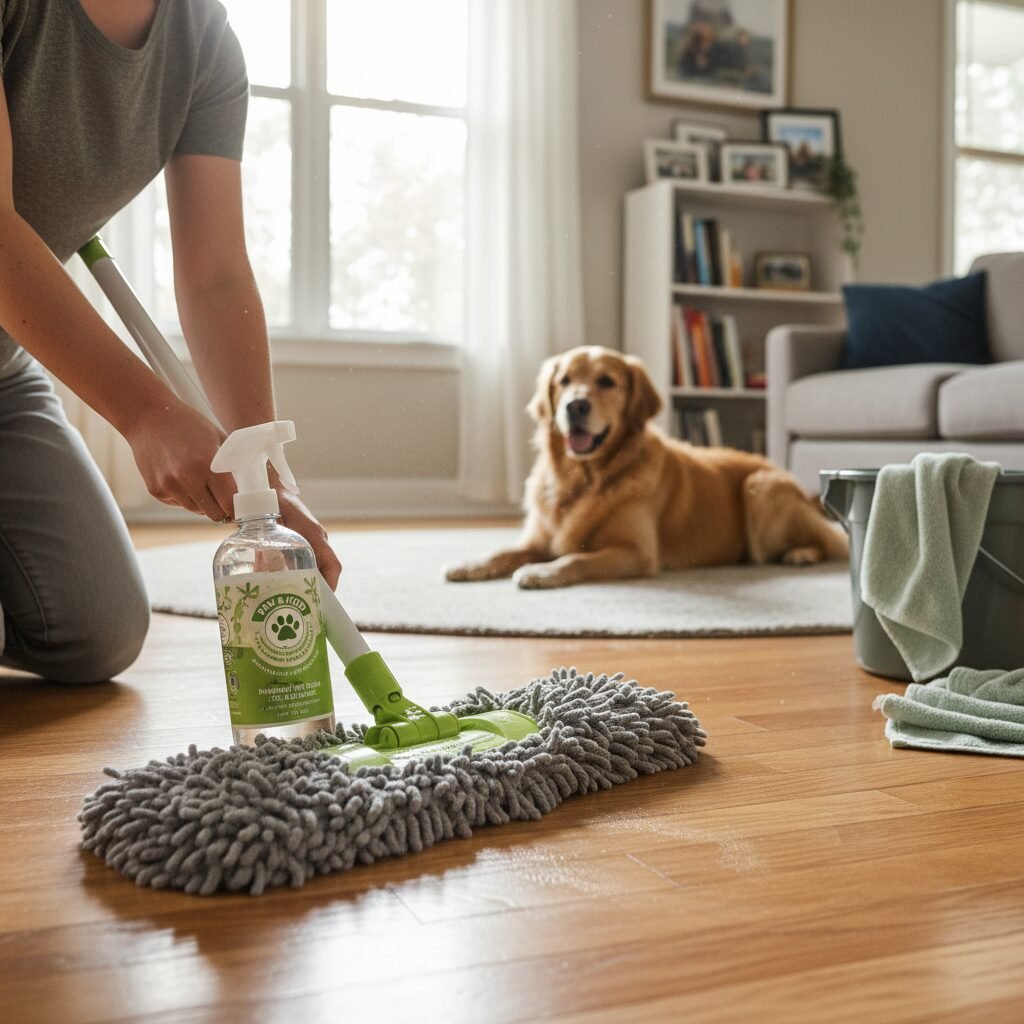
Accidents happen, especially during training. The key is how you handle them. It’s vital to clean any indoor accidents thoroughly using an enzymatic cleaner specifically designed for pet odors. Regular household cleaners might remove the visible stain, but they often leave behind odors that only your dog can detect, which can encourage them to mark that spot again.
Why Enzymatic Cleaners Are Best
Enzymatic cleaners break down the uric acid crystals in urine, completely neutralizing the odor. This prevents your dog from being drawn back to the same spot by scent. Avoid ammonia-based cleaners, as ammonia is a component of urine and can actually attract your dog back to the area.
Tip 6 – Crate Training Can Be Your Best Friend
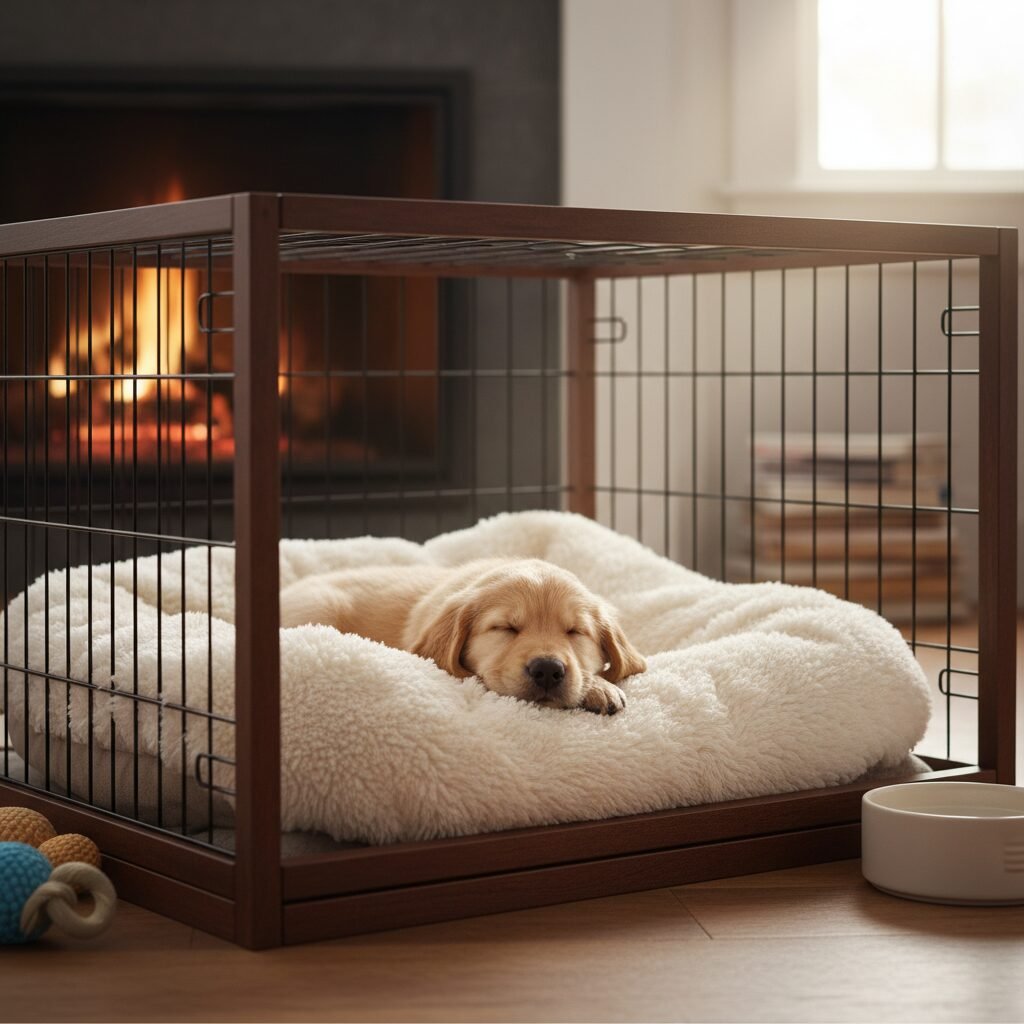
Crate training, when done correctly, is one of the most effective tools for potty training. Dogs naturally do not want to soil their sleeping area. A crate provides a safe, den-like space where your dog is unlikely to have an accident, especially if it’s appropriately sized—just big enough for them to stand up, turn around, and lie down comfortably, but not so big that they can relieve themselves in one corner and sleep in another.
How to Use a Crate for Potty Training
- Introduce the crate positively, making it a comfortable haven.
- Gradually increase the time your dog spends in the crate.
- Always take your dog immediately outside after they come out of the crate.
- Never use the crate as punishment.
If you’re unable to supervise your dog, placing them in their crate for short periods can prevent accidents and reinforce good habits.
Troubleshooting Common Potty Training Challenges
Even with the best efforts, you might encounter bumps in the road. Regression can happen if routines change, or if your dog is experiencing stress or a medical issue. If your dog suddenly starts having accidents after being reliably house-trained, a vet visit is always a good idea to rule out any underlying health problems.
Submissive urination, where a dog pees when excited or nervous, is different from a potty training issue and often requires a different approach, focusing on confidence building and minimizing triggers.
Conclusion
Potty training your dog is a journey that requires patience, consistency, and a whole lot of love. It might seem daunting at first, but by implementing these six essential tips, you’ll set your furry companion up for success and enjoy a cleaner, happier home together. Remember, every dog is an individual, and some may learn faster than others. Celebrate every small victory, stay positive, and trust the process. Soon, those frustrating accidents will be a distant memory, replaced by the joy of a well-behaved, house-trained dog who brings even more happiness into your life.


