7 Beagle Training Tips That Actually Work for Stubborn Dogs
Beagles. Just saying the name brings a smile to any dog lover’s face. With their soulful eyes, floppy ears, and distinctive bay, they are undeniably charming. But let’s be honest, beneath that adorable exterior lies a dog with a mind of its own, often described as ‘stubborn.’ If you’re a Beagle parent, you know the struggle is real when their nose takes over, or their selective hearing kicks in. It’s not truly stubbornness, though; it’s their strong instinct as scent hounds.
Training a Beagle requires a special blend of patience, consistency, and a deep understanding of their unique personality. It’s about working with their natural instincts, not against them. Ready to transform those challenging moments into rewarding victories? This guide offers seven practical, real-world tips that genuinely work for even the most headstrong Beagles, helping you build a stronger bond and a happier, more obedient companion.
1. Understand Your Beagle’s Unique Nature
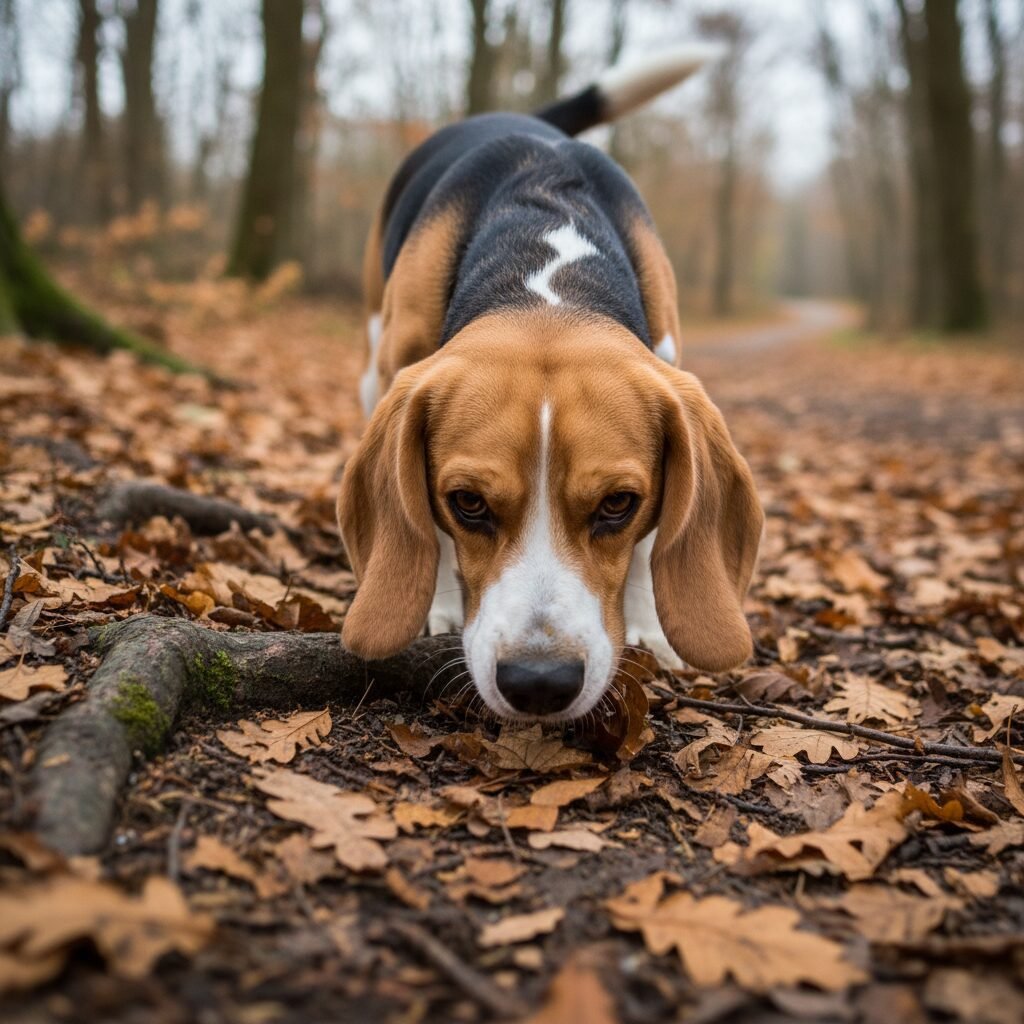
Before you can effectively train a Beagle, you must understand what makes them tick. Beagles are scent hounds, bred for centuries to follow a trail. Their nose is their world, and once it’s locked onto an interesting smell, everything else fades into the background. This isn’t defiance; it’s instinct. They are also intelligent, independent thinkers, and can be easily distracted.
Embrace their intelligence and use it to your advantage. Acknowledge that their incredible sense of smell will always be a powerful motivator. Your training approach needs to be engaging enough to compete with the allure of a captivating scent trail.
2. Start Early and Be Consistent
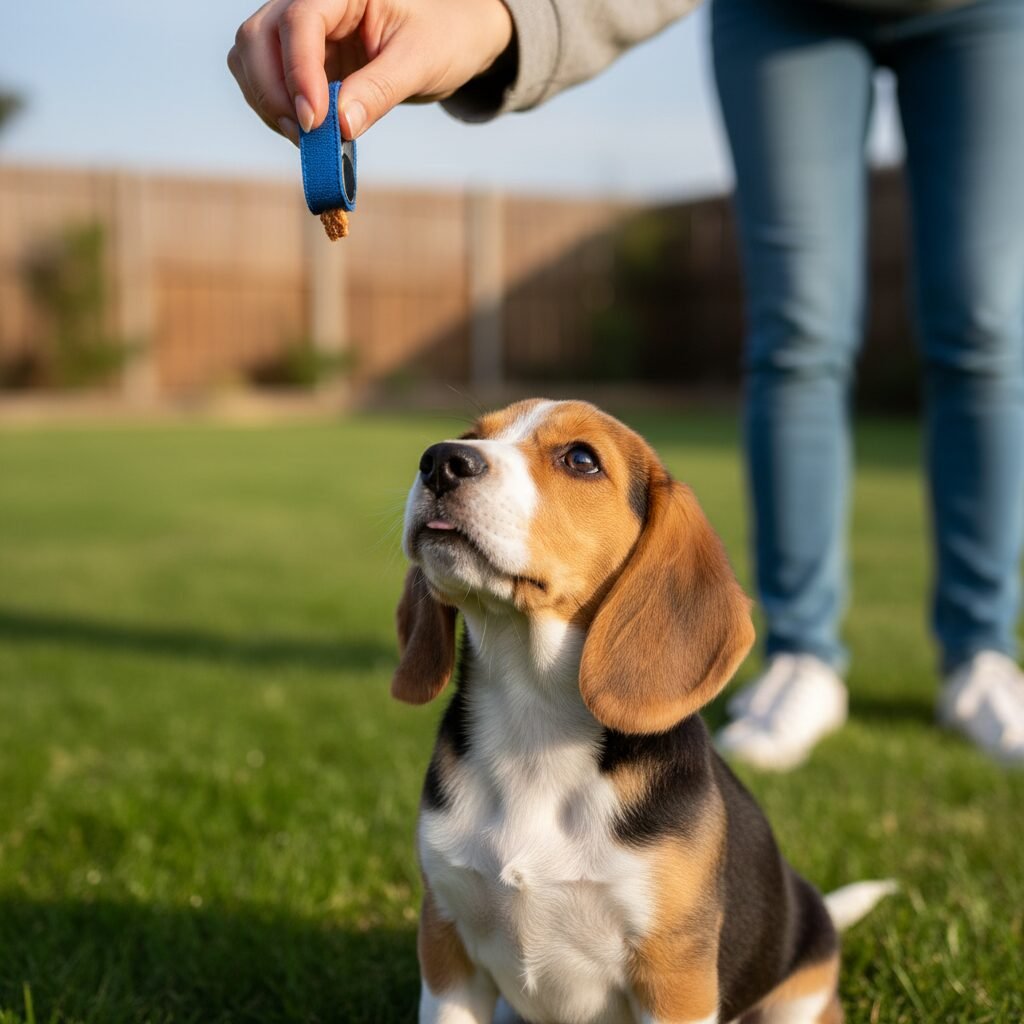
The earlier you begin training, the better. Puppyhood is a prime window for learning. Introduce basic commands like ‘sit,’ ‘stay,’ and ‘come’ as soon as your Beagle pup comes home. Consistency is paramount. Every family member should use the same commands, hand signals, and rewards. Inconsistency confuses your Beagle and makes training much harder.
Establish a routine for feeding, potty breaks, playtime, and training sessions. Predictability helps Beagles feel secure and understand expectations. Even 5-10 minute training bursts several times a day are more effective than one long, infrequent session.
3. Harness the Power of Positive Reinforcement
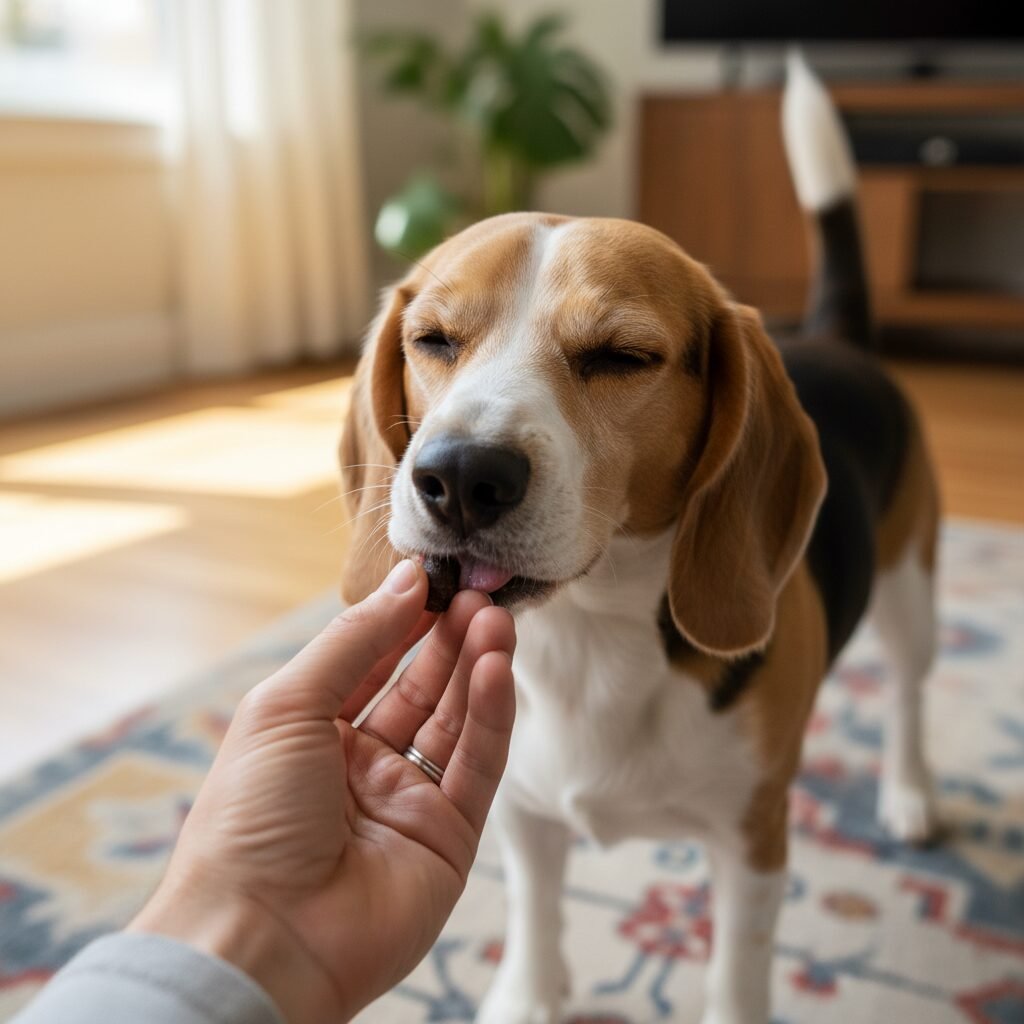
Beagles respond incredibly well to positive reinforcement. This means rewarding desired behaviors immediately with something they love. For most Beagles, high-value treats (small pieces of cooked chicken, cheese, or specialized training treats) are gold. Verbal praise (‘Good dog!’) and enthusiastic petting also work wonders.
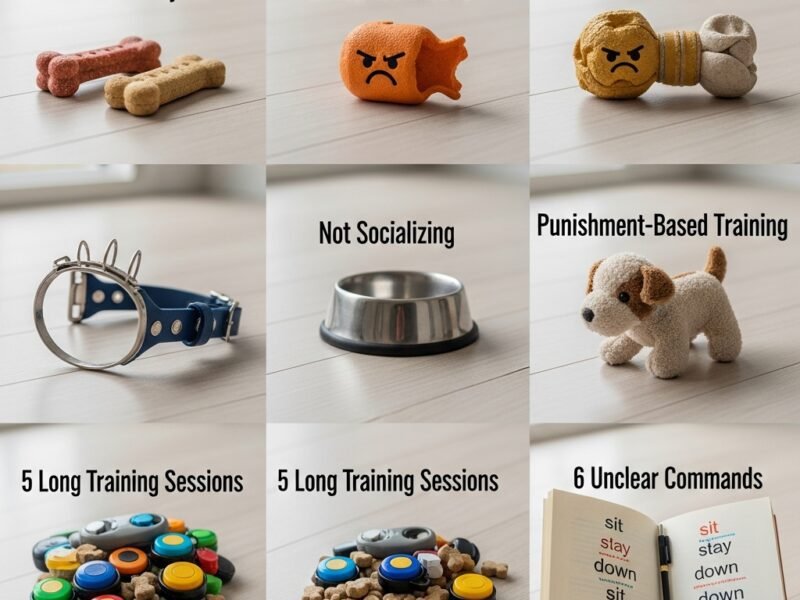
Avoid harsh corrections or punishment. These methods can make your Beagle fearful, anxious, and less likely to engage in training. Instead, focus on making training a positive, rewarding experience. If your Beagle isn’t responding, it’s often a sign that the reward isn’t motivating enough, or the distraction is too high.
4. Master Leash Training and Recall
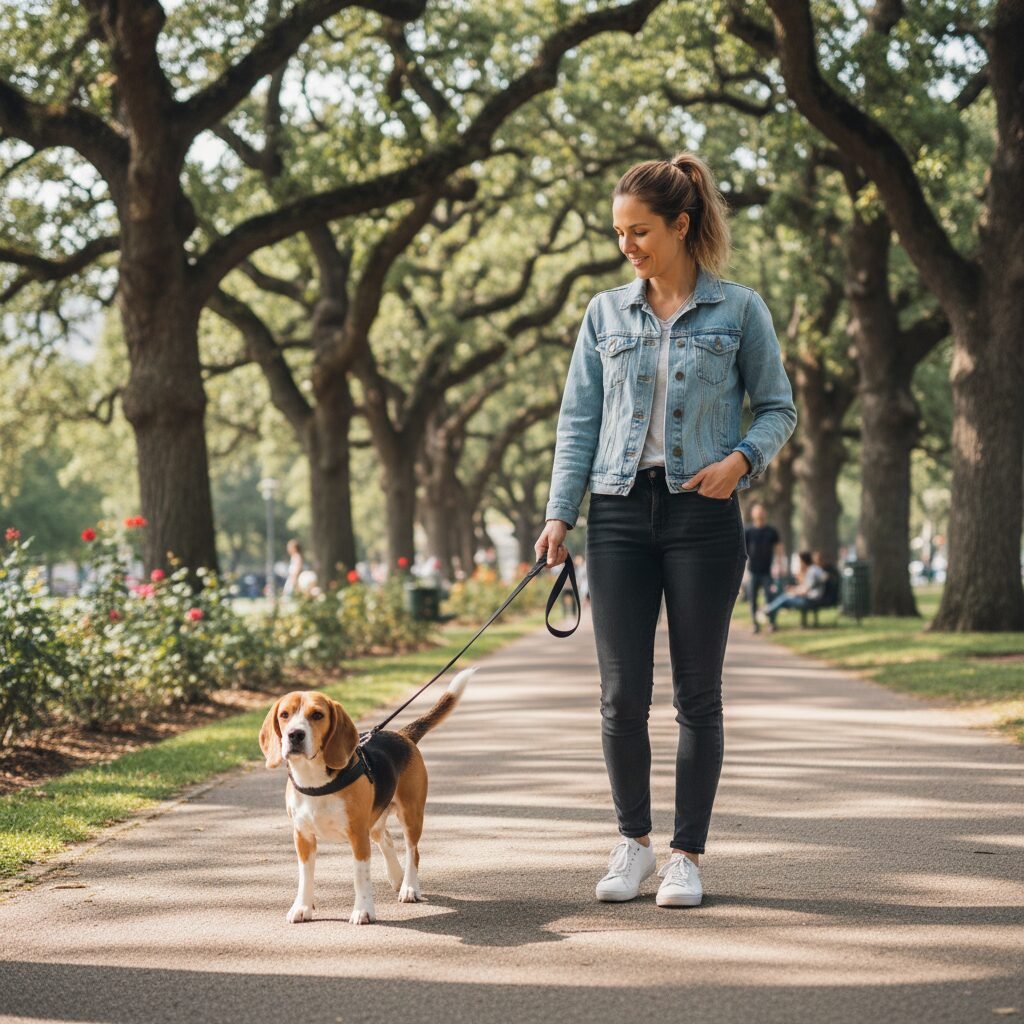
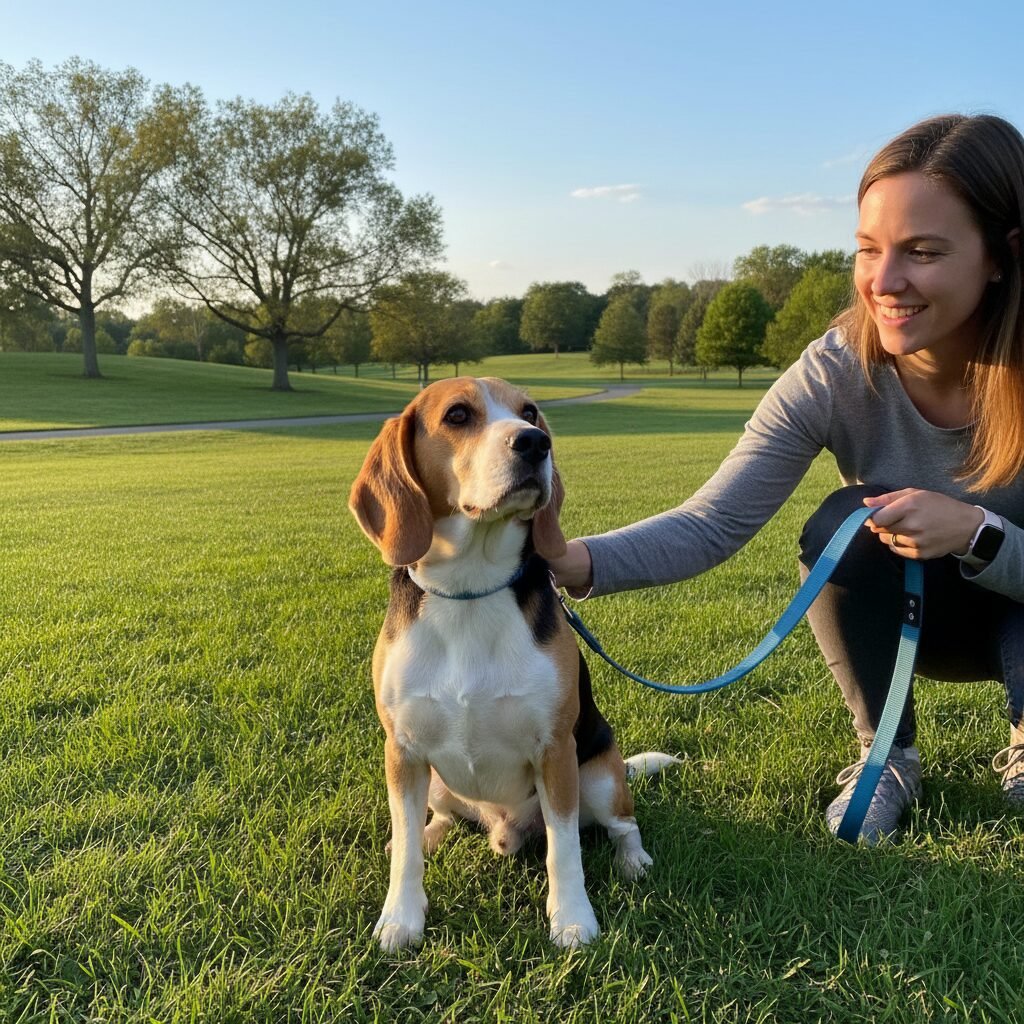
Leash training and recall are critical for Beagles, given their strong urge to follow scents. A Beagle off-leash in an unfenced area is a flight risk. Start leash training early with a comfortable harness, not just a collar, to prevent neck strain. Practice walking politely without pulling, using treats to reward loose-leash walking.
For recall (‘come’), practice in a secure, distraction-free environment first. Make coming to you the most exciting thing ever. Use a long line (a very long leash) in safe, open spaces to practice recall at a distance. Always reward heavily when they return, even if it took a moment. Never punish them for taking their time to come back, as this will only make them less likely to return next time.
5. Tackle Nuisance Barking and Howling
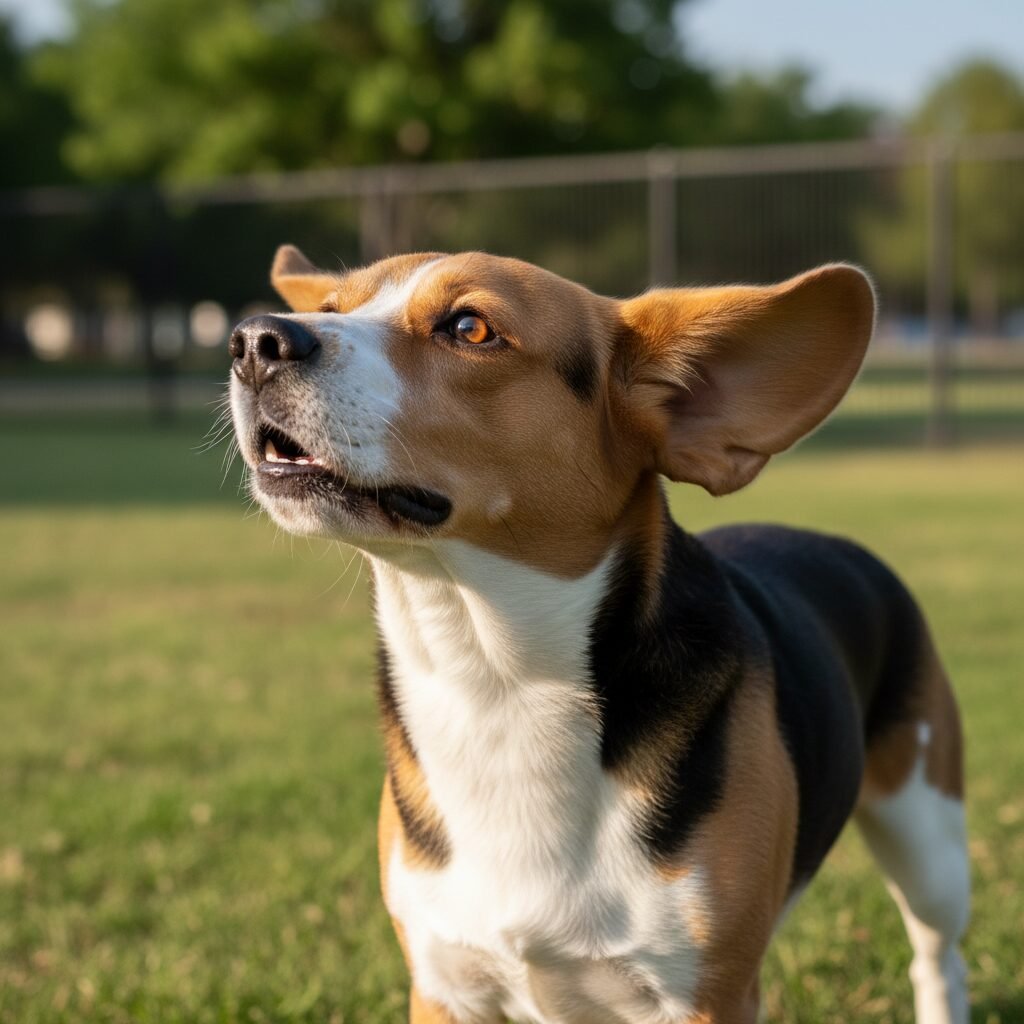
Beagles are vocal dogs, known for their distinctive baying and howling. While charming in small doses, excessive barking can be a challenge. Identify the triggers for their vocalizations—boredom, loneliness, alerting to something, or seeking attention. Address the root cause.
For attention-seeking barking, ignore it until they are quiet, then reward the silence. For alert barking, teach a ‘quiet’ command by rewarding them for stopping the bark. Ensure they get enough mental and physical stimulation throughout the day to reduce boredom-induced vocalizations. Puzzle toys and long walks can make a big difference.
6. Crate Training for Security and Structure
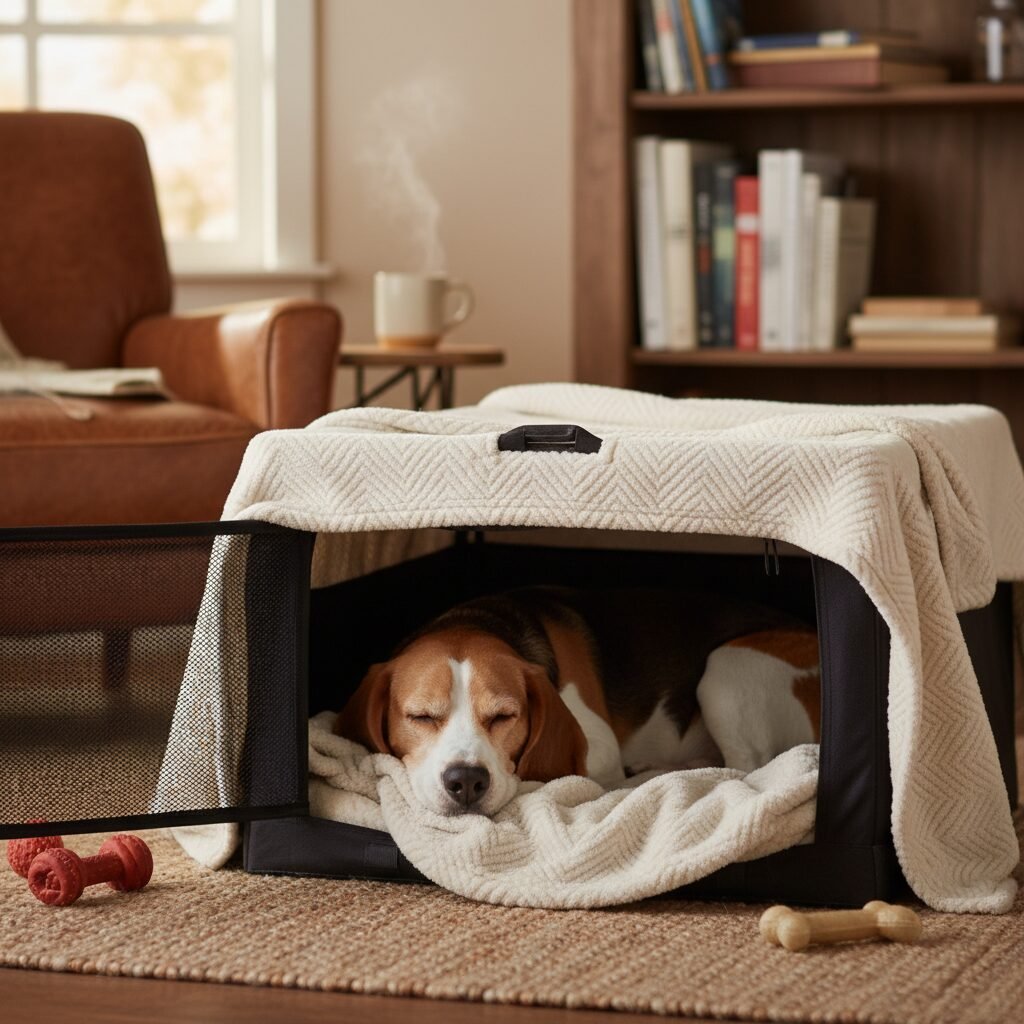
Crate training is invaluable for Beagles. A crate provides a safe, den-like space for your dog, helps with potty training, and can prevent destructive behaviors when you can’t supervise them. Introduce the crate positively, making it a comfortable haven with soft bedding, toys, and treats.
Never use the crate as punishment. Your Beagle should associate it with security and comfort. Gradually increase the time they spend in the crate, always ensuring they have recently relieved themselves and have access to water. This structure can greatly reduce anxiety and improve overall behavior.
7. Keep Training Sessions Short, Fun, and Engaging
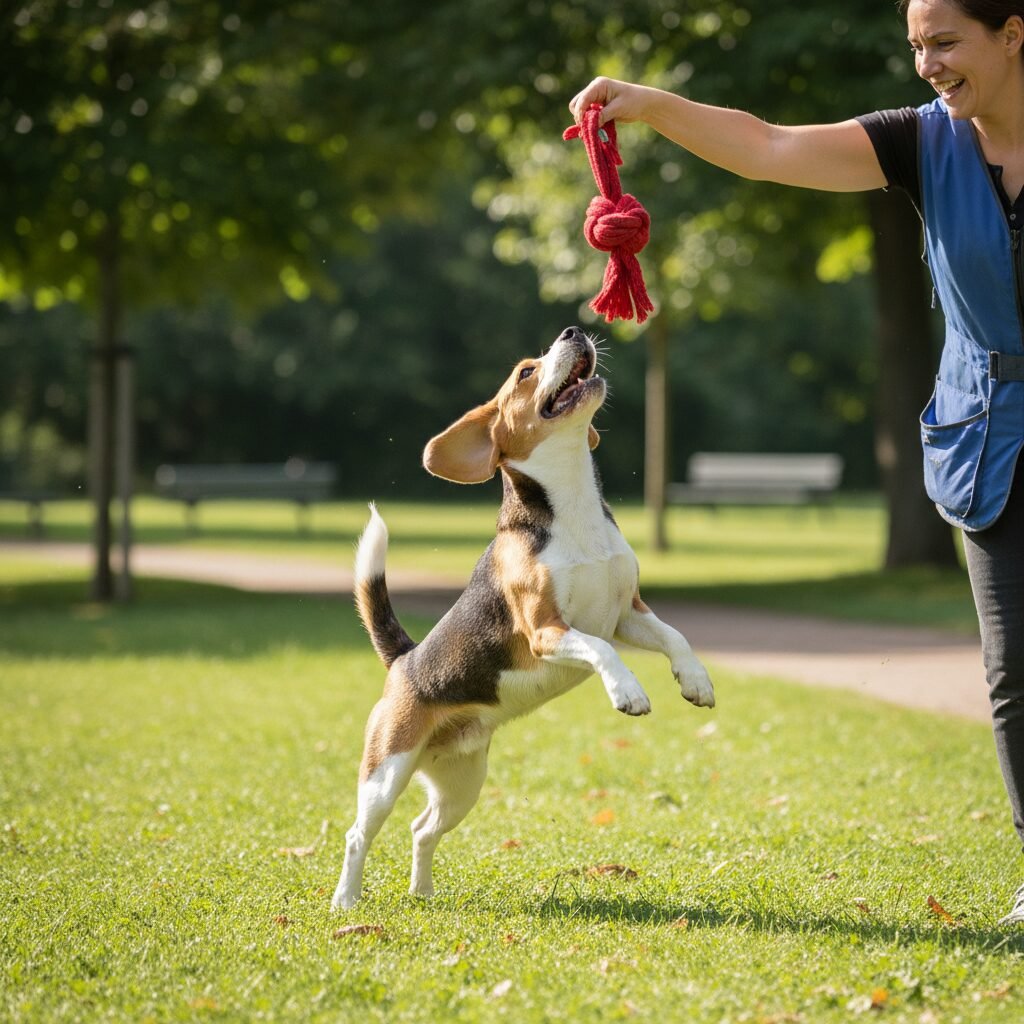
Beagles have relatively short attention spans, especially when competing with the exciting smells of the world. Keep training sessions brief, typically 5-10 minutes, and end them on a high note before your Beagle gets bored or frustrated. Incorporate play and variety to keep them engaged.
Rotate commands, introduce new tricks, and practice in different locations to generalize their learning. If your Beagle seems distracted or uninterested, take a break. Remember, training should be a fun bonding experience for both of you, not a chore.
Beyond the 7 Tips – Essential Beagle Parenting Advice
Socialization is Key
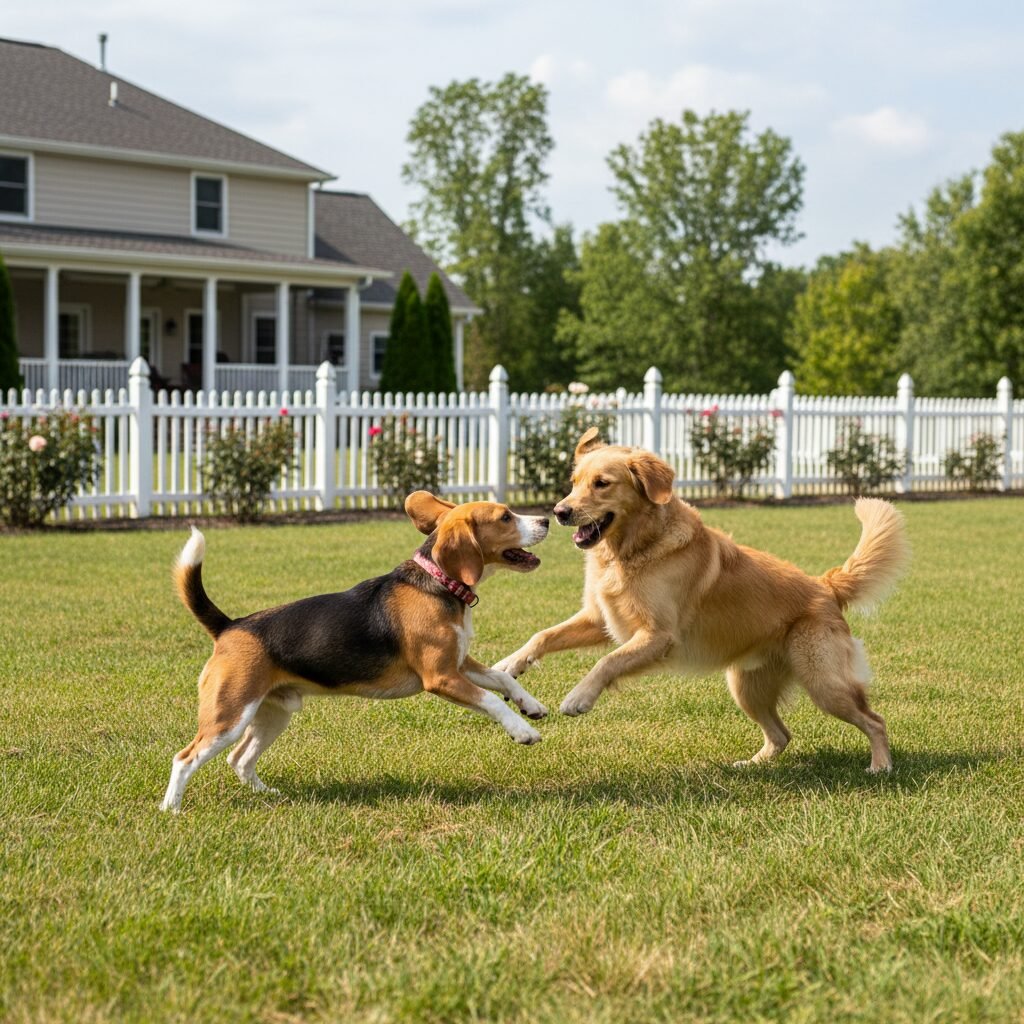
Expose your Beagle puppy to a variety of sights, sounds, people, and other friendly dogs from a young age. Positive socialization helps them grow into confident, well-adjusted adults, less prone to fear-based behaviors or aggression.
Exercise Their Minds and Bodies
Beagles are active dogs and need plenty of physical exercise to burn off energy. Daily walks, playtime in a secure yard, and even dog sports like scent work or agility can keep them happy and healthy. Mental stimulation, such as puzzle feeders or training new tricks, is just as important to prevent boredom and destructive habits.
Training a Beagle, while challenging at times, is an incredibly rewarding journey. It’s an opportunity to deepen your connection, build trust, and truly understand your beloved companion. With patience, consistency, and these proven tips, you’ll be well on your way to a well-behaved, joyful Beagle who enriches your life in countless ways. Embrace their unique spirit, celebrate every small victory, and remember that every ‘stubborn’ moment is just another chance to teach with love. Happy training!