
7 Best Vet-Approved Dog Foods for Golden Retrievers
Golden Retrievers, with their sunny dispositions and boundless energy, are more than just pets—they’re cherished family members. To keep these loving companions healthy and thriving, providing them with the right nutrition is paramount. Their specific needs, from maintaining a lustrous coat to supporting their active joints, demand a diet that goes beyond basic kibble.
Choosing the best dog food can feel overwhelming with countless options available. This guide will walk you through what makes a dog food truly great for a Golden Retriever, highlight key ingredients, and present seven vet-approved options designed to meet their unique dietary requirements. Let’s ensure your Golden lives its happiest, healthiest life!
Understanding Your Golden Retriever’s Nutritional Needs

Golden Retrievers are a large, active breed with a lifespan typically ranging from 10 to 12 years. Their nutritional needs evolve significantly throughout their lives and are also influenced by their activity level and potential health predispositions.
Age-Specific Needs
- Puppies Golden Retriever puppies grow rapidly, requiring a diet rich in protein and healthy fats to support muscle and bone development. Crucially, their food should have carefully balanced calcium and phosphorus levels to prevent orthopedic issues common in large breeds.
- Adults Once they reach maturity (around 1-2 years), adult Goldens need a balanced diet for energy, muscle maintenance, and overall health. Their food should support their activity levels without leading to excess weight gain.
- Seniors As Goldens age (typically 7+ years), their metabolism slows, and they may become less active. Senior formulas often have fewer calories, increased fiber, and added joint support to address common aging concerns like arthritis and weight management.
Common Health Concerns to Address Through Diet
- Joint Health Golden Retrievers are prone to hip and elbow dysplasia. Foods rich in glucosamine and chondroitin can help support joint cartilage.
- Cardiac Health Certain heart conditions can affect Goldens. A diet with taurine and L-carnitine may offer support.
- Skin and Coat Health Their beautiful double coat benefits from omega-3 and omega-6 fatty acids, which promote healthy skin and a shiny coat.
- Weight Management Goldens can be prone to obesity, which exacerbates joint problems. Portion control and appropriate calorie intake are essential.
- Allergies Some Goldens may develop food sensitivities, requiring limited ingredient diets or novel protein sources.
What to Look For in Golden Retriever Dog Food
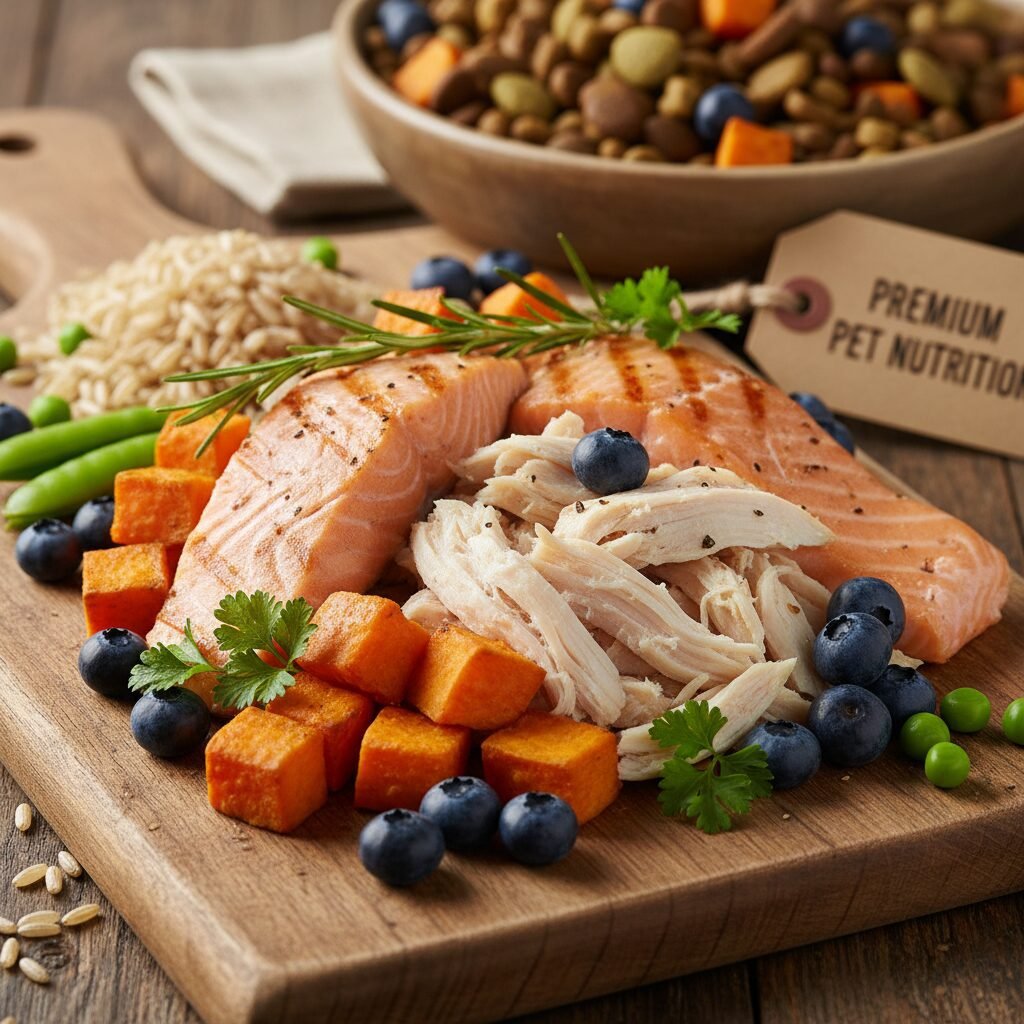
When selecting food for your Golden, focus on these key nutritional aspects:
- High-Quality Protein Sources Look for real meat as the first ingredient (e.g., chicken, beef, salmon, lamb). Protein is crucial for muscle development and repair.
- Healthy Fats Essential for energy, brain health, and a healthy coat. Sources include chicken fat, fish oil, and flaxseed.
- Complex Carbohydrates Provide sustained energy. Ingredients like sweet potatoes, brown rice, barley, and oats are good choices.
- Vitamins and Minerals A balanced blend supports overall bodily functions, immunity, and bone health.
- Joint Support Glucosamine and chondroitin are vital for large breeds.
- Omega Fatty Acids Omega-3s (from fish oil, flaxseed) and Omega-6s (from chicken fat) are excellent for skin and coat health, and also have anti-inflammatory properties.
- No Artificial Additives Avoid artificial colors, flavors, and preservatives that can cause sensitivities.
7 Best Vet-Approved Dog Foods for Golden Retrievers
Here are seven categories of vet-approved dog foods that are highly recommended for Golden Retrievers, catering to different life stages and specific needs. Always consult your veterinarian to determine the best choice for your individual dog.
1. Premium Large Breed Puppy Formula

Specifically formulated for the rapid growth of large breed puppies, these foods ensure a controlled growth rate to prevent bone and joint issues. They feature high-quality protein, balanced calcium and phosphorus, and often contain DHA for cognitive development.
2. Adult Large Breed with Joint Support

Designed for adult Goldens, these formulas focus on maintaining ideal weight and supporting active joints. Key ingredients typically include chicken, lamb, or salmon, combined with significant levels of glucosamine and chondroitin to protect cartilage.
3. Grain-Friendly Sensitive Skin & Stomach Formula

For Goldens prone to digestive upset or skin irritations, this type of food uses easily digestible ingredients like rice or oats and often features novel proteins such as duck or venison. Prebiotics and probiotics are often included to support gut health.
4. Weight Management and Low-Calorie Diet

If your Golden is a bit on the heavier side or less active, a weight management formula is crucial. These foods are lower in calories but high in fiber to promote satiety, helping your dog reach and maintain a healthy weight without feeling hungry.
5. High-Performance Active Dog Blend

For highly active Goldens—those involved in sports, hunting, or with extremely high energy levels—a high-performance blend provides increased protein and fat for sustained energy and muscle recovery. These formulas are calorie-dense to meet their intense energy demands.
6. Senior Formula with Cognitive Support

Tailored for aging Goldens, these diets typically have reduced calorie content, increased fiber, and added joint support. Many senior formulas also include antioxidants and ingredients like MCTs (medium-chain triglycerides) to support brain health and cognitive function.
7. Limited Ingredient Diet (LID)
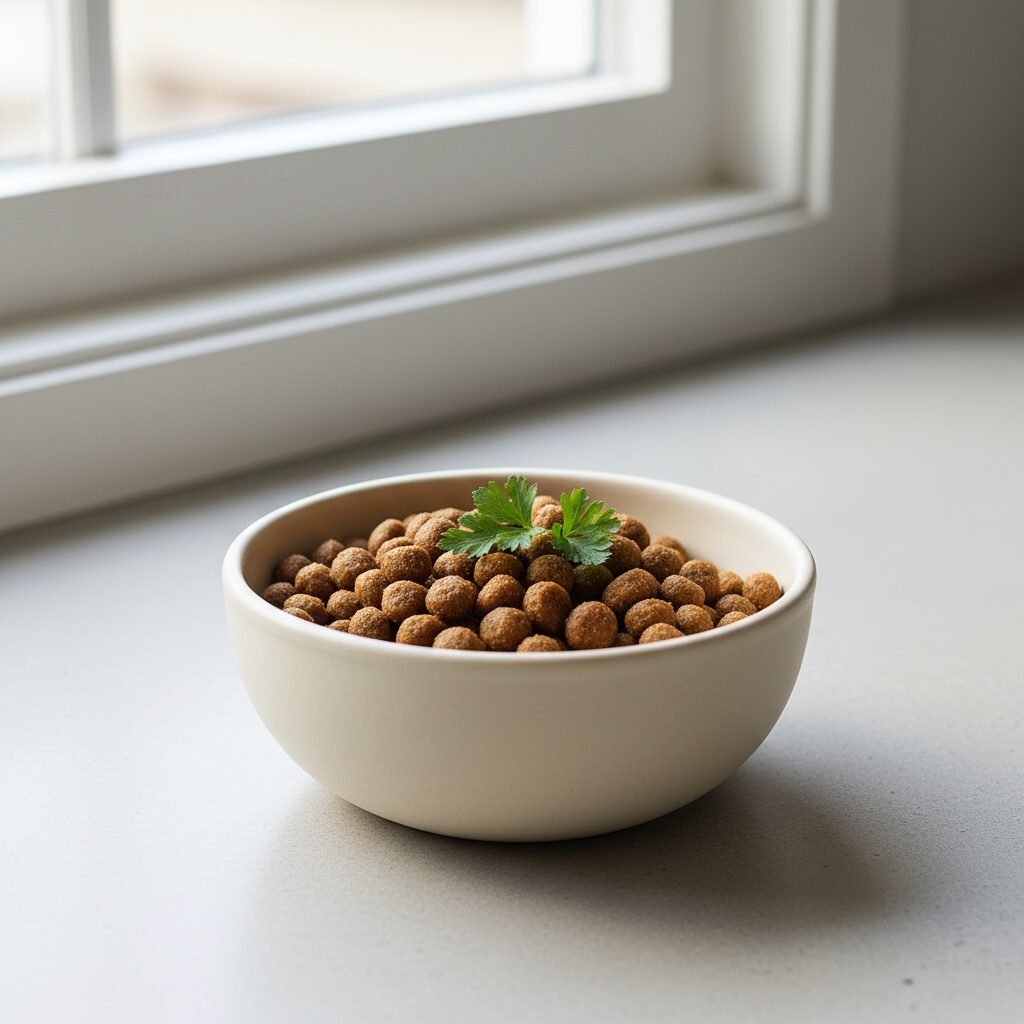
For Goldens with severe food allergies or sensitivities, a Limited Ingredient Diet is often recommended. These diets contain a single protein source and a single carbohydrate source, minimizing the chance of an allergic reaction. Common ingredients might be salmon and sweet potato, or duck and pea.
Transitioning Your Golden Retriever to New Food
Switching your Golden Retriever’s food too quickly can cause digestive upset. Always introduce new food gradually over 7-10 days:
- Day 1-2 25% new food, 75% old food
- Day 3-4 50% new food, 50% old food
- Day 5-6 75% new food, 25% old food
- Day 7-10 100% new food
Monitor your dog for any signs of digestive distress, such as vomiting, diarrhea, or changes in appetite. If issues arise, slow down the transition or consult your vet.
Feeding Guidelines and Portions
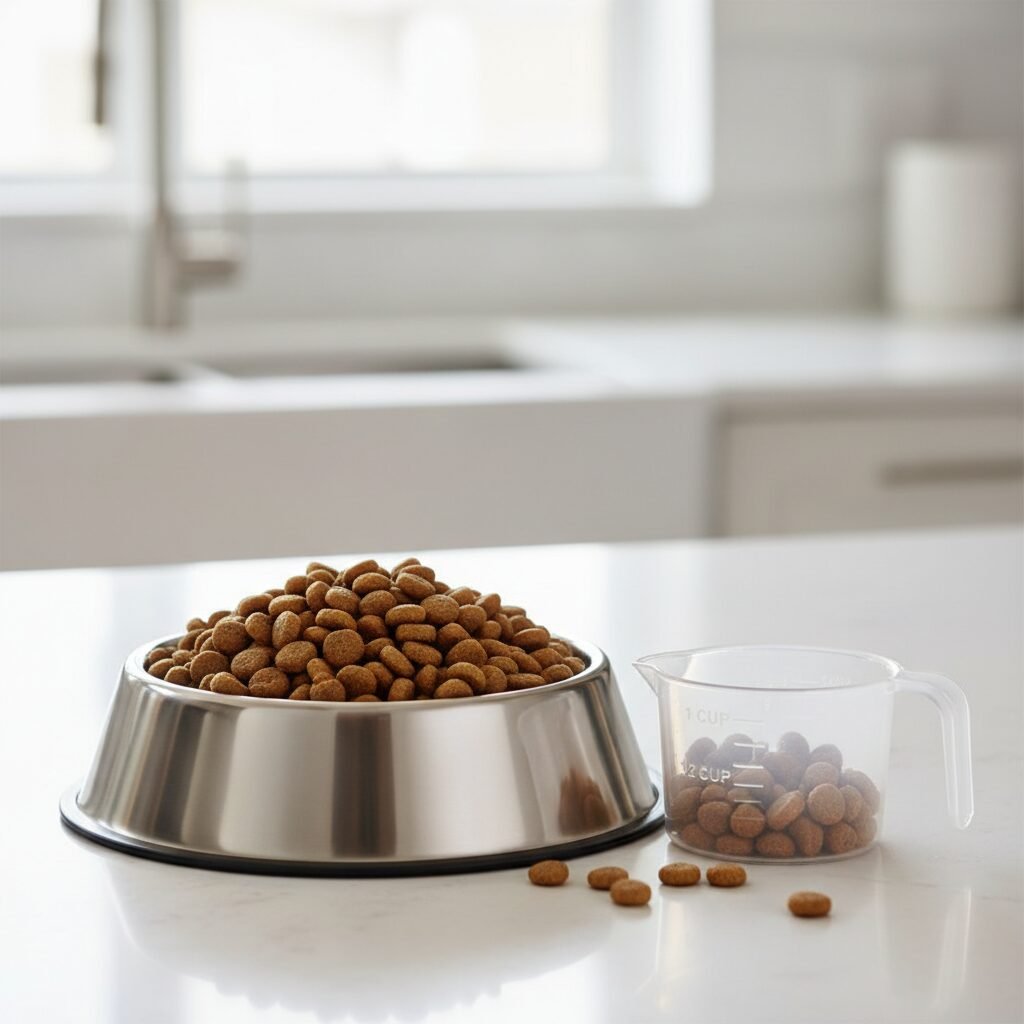
Always follow the feeding guidelines on the dog food package, but remember these are just starting points. Adjust portions based on your Golden’s:
- Age Puppies eat more frequently; seniors may eat less.
- Weight Maintain an ideal body condition score.
- Activity Level Highly active dogs need more calories than couch potatoes.
- Metabolism Every dog is unique.
Always ensure your Golden Retriever has access to fresh, clean water at all times.