
10 Foods Boxers Should Avoid to Stay Healthy
Boxers are known for their boundless energy, playful personalities, and unwavering loyalty. They bring so much joy into our lives, and as responsible dog parents, we want to ensure they live long, healthy, and happy lives. A crucial part of this is understanding their unique dietary needs and, perhaps more importantly, knowing which everyday human foods can pose a serious threat to their health.
Boxers, like many breeds, can have sensitive digestive systems and are prone to certain health conditions that can be exacerbated by an improper diet. Feeding them the wrong things can lead to anything from mild stomach upset to life-threatening emergencies. This comprehensive guide will walk you through the top 10 foods you should always keep away from your beloved Boxer, along with practical advice on what to do if an accident happens.
Understanding Your Boxer’s Unique Digestive Needs
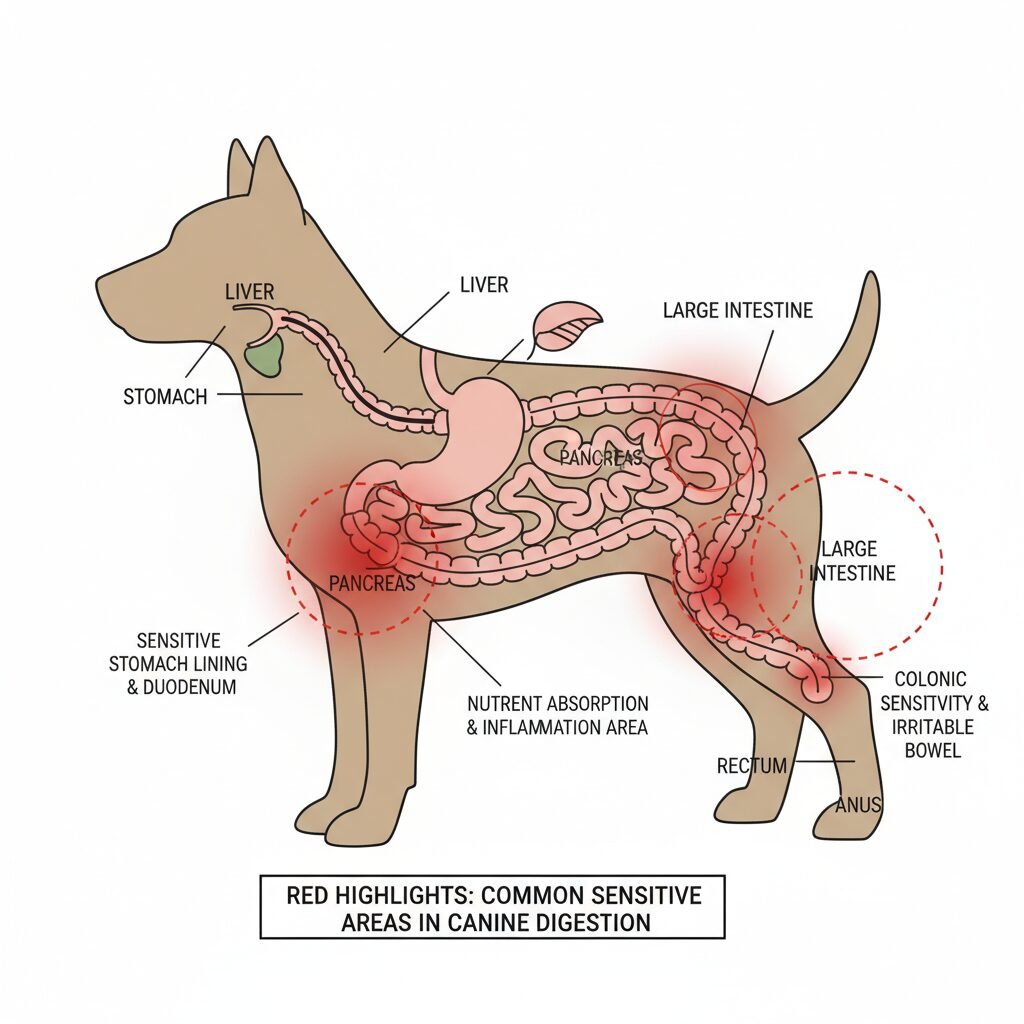
Boxers are a deep-chested breed, which makes them more susceptible to bloat (gastric dilatation-volvulus), a life-threatening condition. While diet isn’t the sole cause, certain foods can contribute to gas and digestive upset, potentially increasing risk. Beyond bloat, Boxers can also be prone to allergies and general gastrointestinal sensitivities. This means being extra vigilant about what goes into their bowls and mouths is paramount.
Their robust, muscular build requires a diet rich in high-quality protein and balanced nutrients, but their inquisitive nature often means they’re eager to sample whatever you’re eating. Knowing the red flags is your first line of defense in keeping them safe.
The Top 10 Foods Boxers Must Avoid
1. Chocolate

Chocolate contains theobromine, a stimulant that Boxers metabolize much slower than humans. Even small amounts can cause toxicity. Symptoms include vomiting, diarrhea, restlessness, increased thirst, tremors, seizures, and in severe cases, heart failure or death. Dark chocolate and baking chocolate are the most dangerous.
2. Grapes and Raisins
The exact toxic substance in grapes and raisins is unknown, but they can cause acute kidney failure in dogs. Symptoms often include vomiting, lethargy, loss of appetite, dehydration, and increased urination followed by decreased urination. Even a small quantity can be dangerous.
3. Onions and Garlic
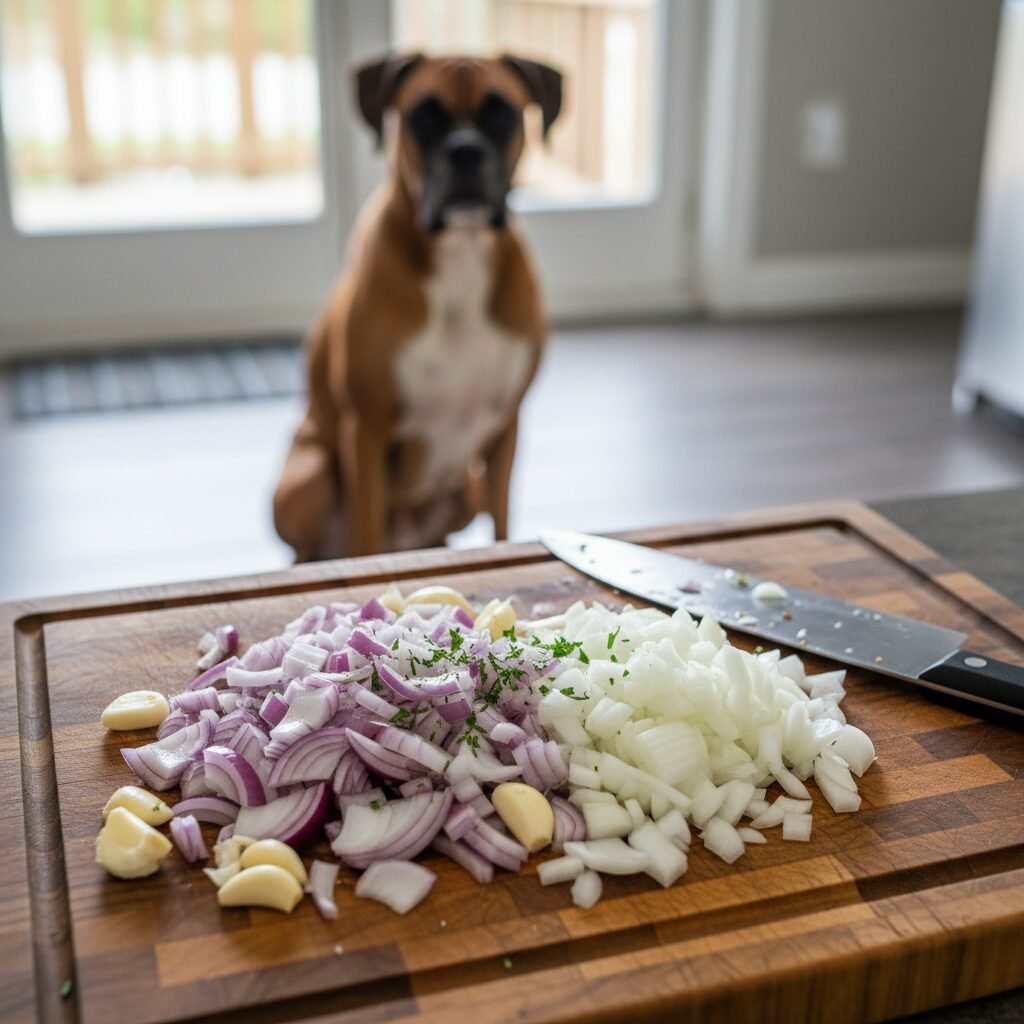
These common kitchen staples, along with chives and leeks, belong to the Allium family and contain compounds that can damage a Boxer’s red blood cells, leading to anemia. Symptoms may not appear for a few days and include weakness, lethargy, pale gums, and dark urine. Garlic is generally more potent than onions.
4. Avocado
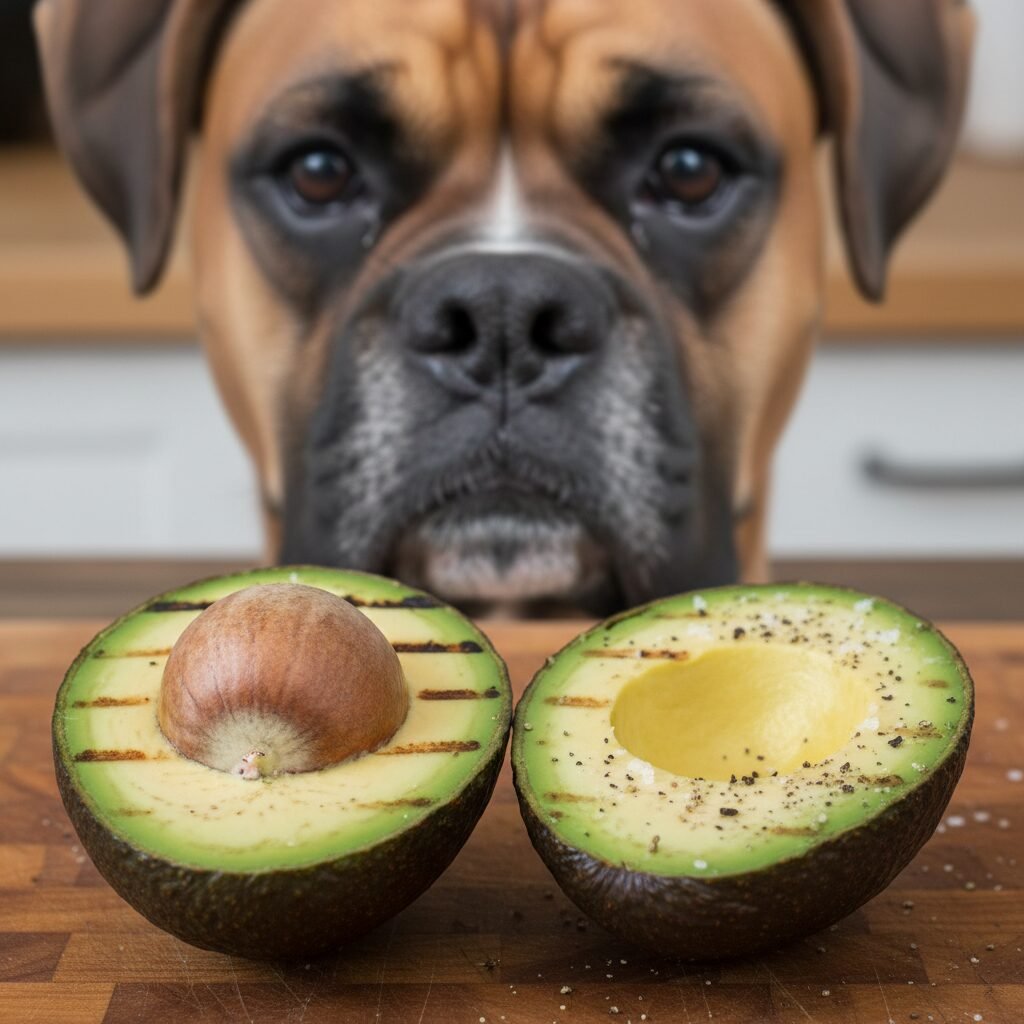
Avocado contains a fungicidal toxin called persin, which can cause vomiting and diarrhea in some dogs, particularly in large quantities. While the flesh might be less harmful, the pit poses a significant choking hazard and can cause intestinal blockage if swallowed. It’s best to avoid it entirely.
5. Alcohol

Any amount of alcohol—found in alcoholic beverages, food products, and even some raw dough—can be extremely dangerous for Boxers. Alcohol poisoning can lead to vomiting, diarrhea, disorientation, difficulty breathing, tremors, coma, and even death. Keep all alcohol strictly out of reach.
6. Xylitol – Artificial Sweetener
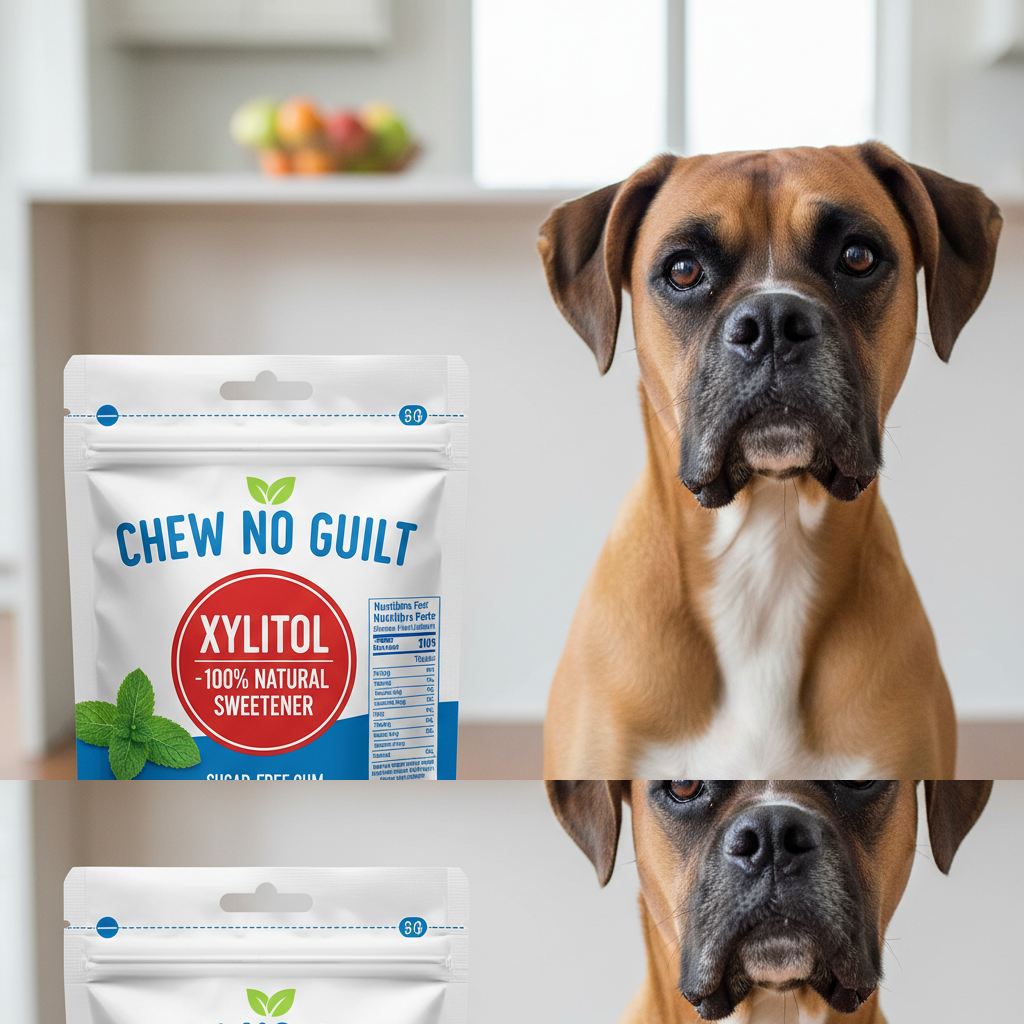
Xylitol is a sugar substitute found in many sugar-free products like gum, candies, toothpaste, and some peanut butters. It’s highly toxic to dogs, causing a rapid release of insulin that leads to a dangerous drop in blood sugar (hypoglycemia) and potential liver failure. Symptoms include vomiting, lethargy, loss of coordination, and seizures. Always check labels!
7. Caffeine

Caffeine, found in coffee, tea, energy drinks, and some medications, contains methylxanthines, similar to chocolate. Ingesting caffeine can cause hyperactivity, restlessness, elevated heart rate, tremors, and even seizures in Boxers. Keep all caffeinated products away from your pup.
8. Dairy Products
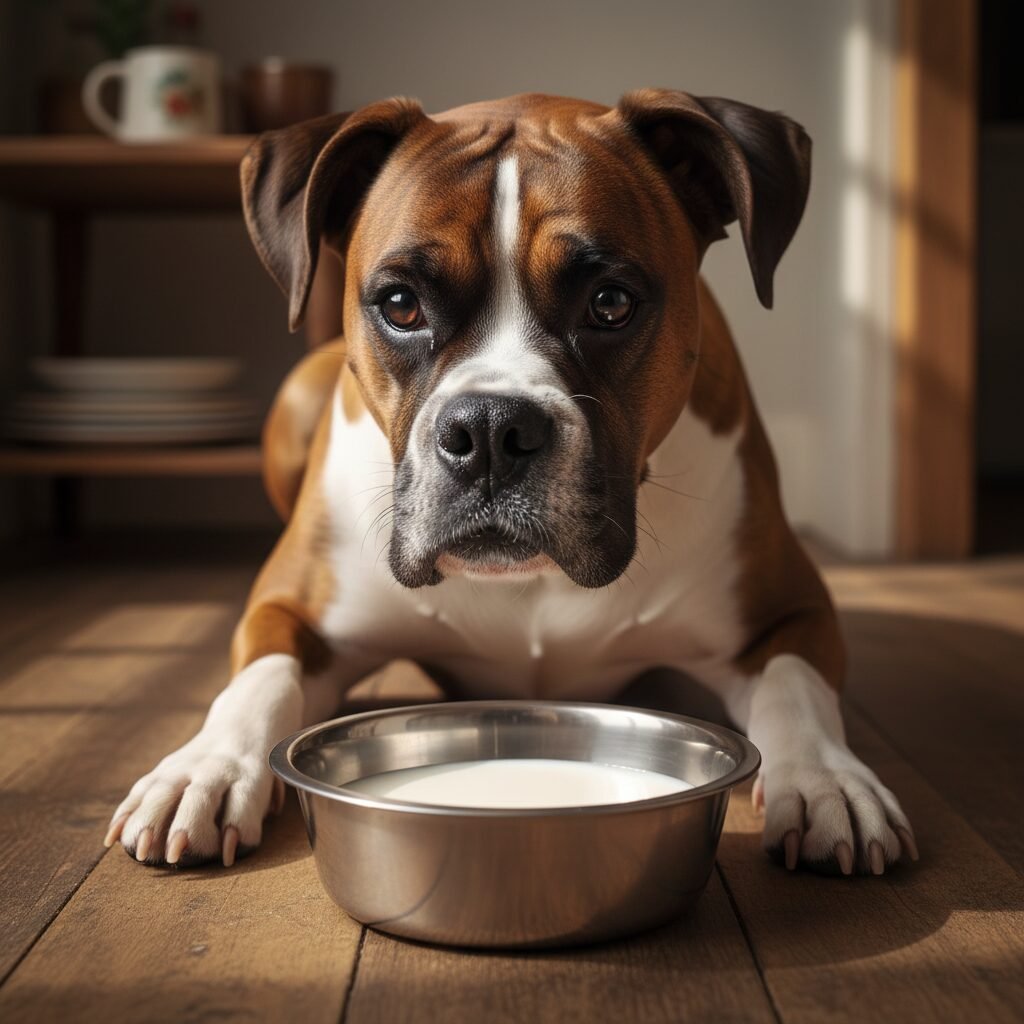
Many Boxers are lactose intolerant, meaning they lack the enzyme needed to digest lactose found in milk and other dairy products. While not toxic, consuming dairy can lead to uncomfortable gastrointestinal upset, including diarrhea, vomiting, and gas. Small amounts of plain yogurt or cheese might be tolerated by some, but it’s generally best to avoid.
9. Fatty Foods and Cooked Bones
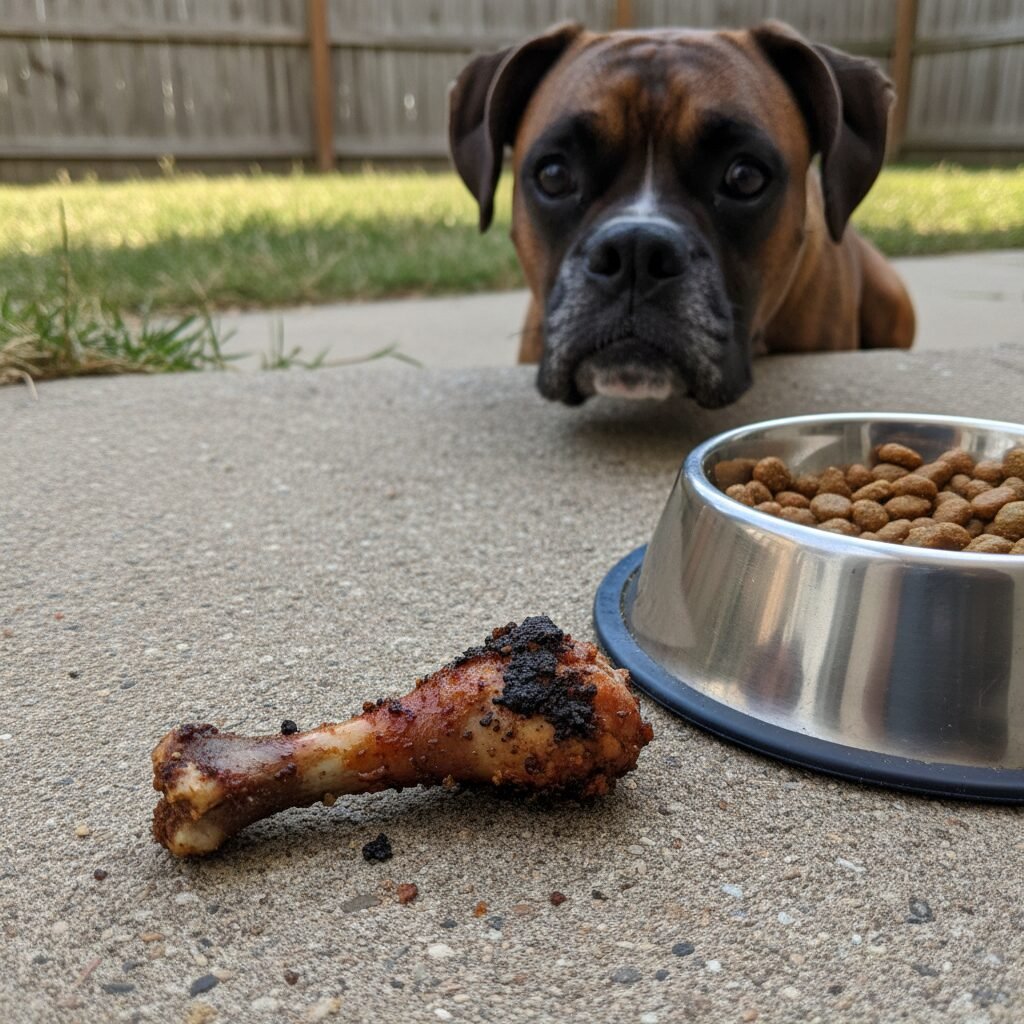
Rich, fatty foods like bacon grease, fried chicken skin, or excessive table scraps can trigger pancreatitis in Boxers, a painful inflammation of the pancreas. Cooked bones are also extremely dangerous; they can splinter, causing choking, internal punctures, or blockages in the digestive tract. Always dispose of cooked bones safely.
10. Salty Snacks
While a tiny bit of salt isn’t harmful, large quantities of salty snacks like potato chips, pretzels, or salted nuts can lead to sodium ion poisoning in Boxers. Symptoms include excessive thirst and urination, vomiting, diarrhea, lethargy, tremors, and even seizures. Offer fresh water instead.
What to Do If Your Boxer Eats Something Harmful
If you suspect your Boxer has ingested any of these harmful foods, act quickly. The sooner they receive treatment, the better their prognosis. Here’s what to do:
- Stay Calm– Panicking won’t help your Boxer.
- Identify the Substance– Try to determine what they ate, how much, and when.
- Call Your Veterinarian Immediately– Provide them with all the details. They can advise you on whether to induce vomiting or bring your Boxer in for emergency care.
- Do Not Induce Vomiting Unless Instructed– In some cases, inducing vomiting can cause more harm. Always follow your vet’s instructions.
- Monitor Your Boxer– Observe for any symptoms as advised by your vet.
It’s always a good idea to have your vet’s emergency number and the number for a pet poison control center (like ASPCA Animal Poison Control Center) readily available.
Safe and Healthy Alternatives for Your Boxer
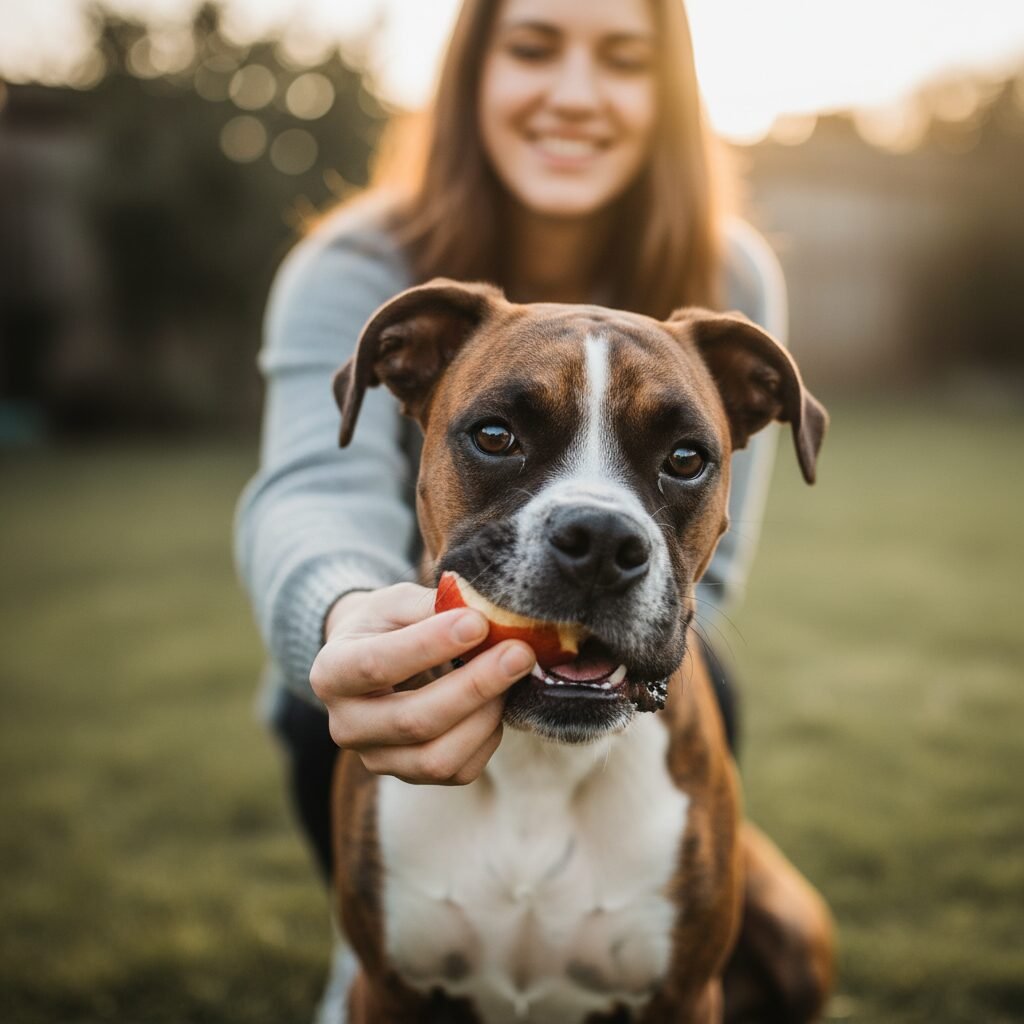
Instead of sharing your potentially harmful human snacks, opt for dog-safe alternatives that are both healthy and delicious for your Boxer:
- Fresh Fruits– Apples (without seeds), bananas, blueberries, watermelon (seedless).
- Vegetables– Carrots, green beans, cucumber, sweet potatoes (cooked).
- Lean Meats– Plain, cooked chicken or turkey (no bones, no seasoning).
- Plain Yogurt– Small amounts of plain, unsweetened yogurt (if tolerated) can be a good source of probiotics.
- Dog-Specific Treats– Always a safe bet!
Conclusion
Your Boxer relies on you to keep them safe, healthy, and happy. By understanding and avoiding these 10 common toxic foods, you’re taking a vital step in protecting your furry family member from unnecessary illness and discomfort. Always remember that prevention is key when it comes to your Boxer’s diet. Stick to high-quality dog food, offer safe treats, and be vigilant about keeping harmful human foods out of reach.
A little knowledge and caution go a long way in ensuring your Boxer lives their best life, full of playful antics and loving companionship. If you’re ever unsure about a food, it’s always best to err on the side of caution and consult your veterinarian. Your Boxer’s health and happiness are worth it!


