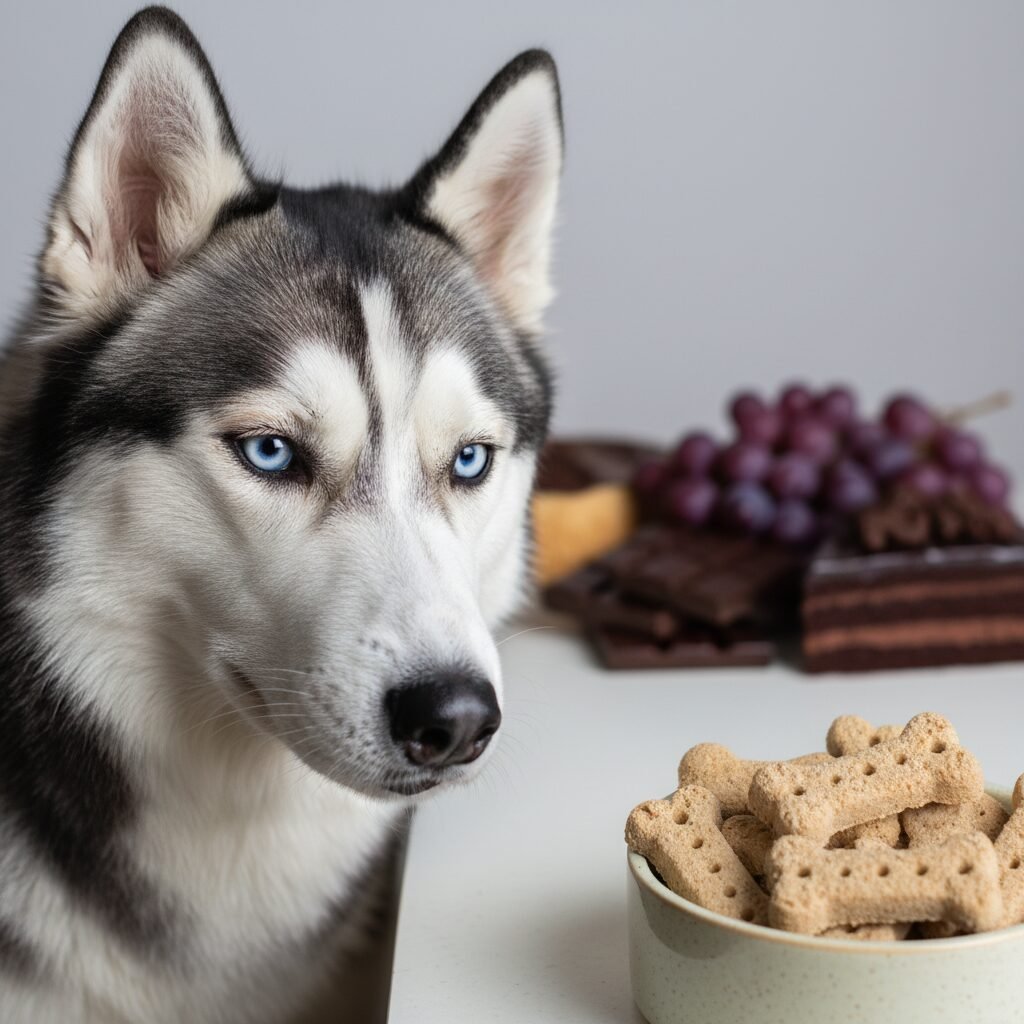
10 Foods Siberian Huskies Should Avoid Completely
As devoted Siberian Husky parents, we want nothing more than to see our furry companions thrive. Huskies are magnificent dogs, known for their energy, intelligence, and striking appearance. But beneath their beautiful coats and playful spirits lies a sensitive digestive system that requires careful attention. What might be harmless to us could be incredibly dangerous, even fatal, for our beloved huskies.
Understanding which foods are off-limits is one of the most crucial aspects of responsible husky ownership. This guide will walk you through ten common foods that your Siberian Husky should avoid completely, ensuring their health and happiness for years to come.
Understanding Your Husky’s Unique Digestive Needs
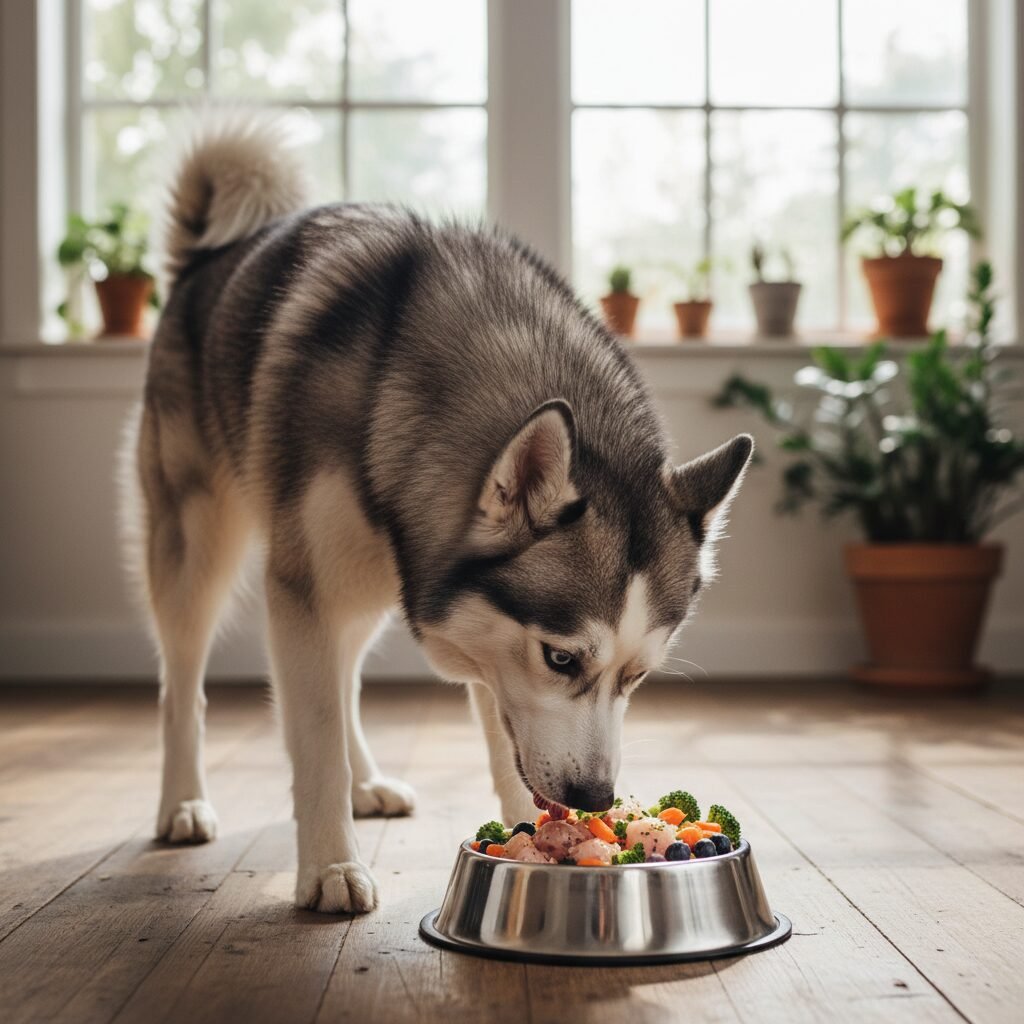
Siberian Huskies are a robust breed, but like all dogs, their digestive systems are not designed to process many human foods. Their active metabolism means they burn calories efficiently, but it also means they can react strongly to toxins. Some foods can cause mild upset, while others can lead to severe organ damage, neurological issues, or even death. Being vigilant about what goes into your husky’s bowl—or what they might sneak off the counter—is paramount.
The Top 10 Foods Siberian Huskies Must Never Eat
1. Chocolate
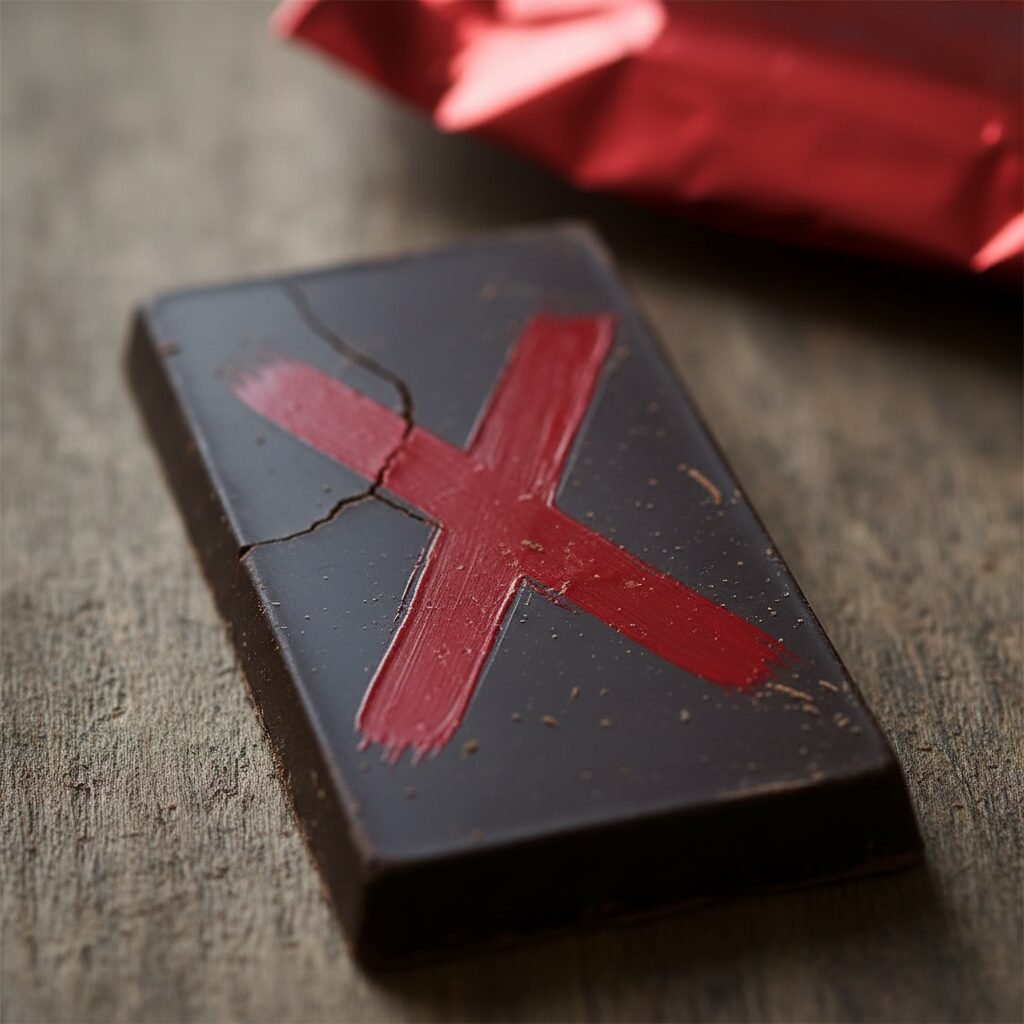
Chocolate contains theobromine, a stimulant that dogs metabolize much slower than humans. This means it can build up to toxic levels in their system. Darker chocolate and baking chocolate are the most dangerous. Symptoms include vomiting, diarrhea, increased thirst, restlessness, tremors, seizures, and in severe cases, heart failure.
2. Grapes and Raisins

Even small amounts of grapes and raisins can cause sudden kidney failure in some dogs. The toxic substance is unknown, but the effects can be devastating. Watch for vomiting, lethargy, diarrhea, decreased appetite, and abdominal pain. Seek immediate veterinary attention if ingested.
3. Onions and Garlic
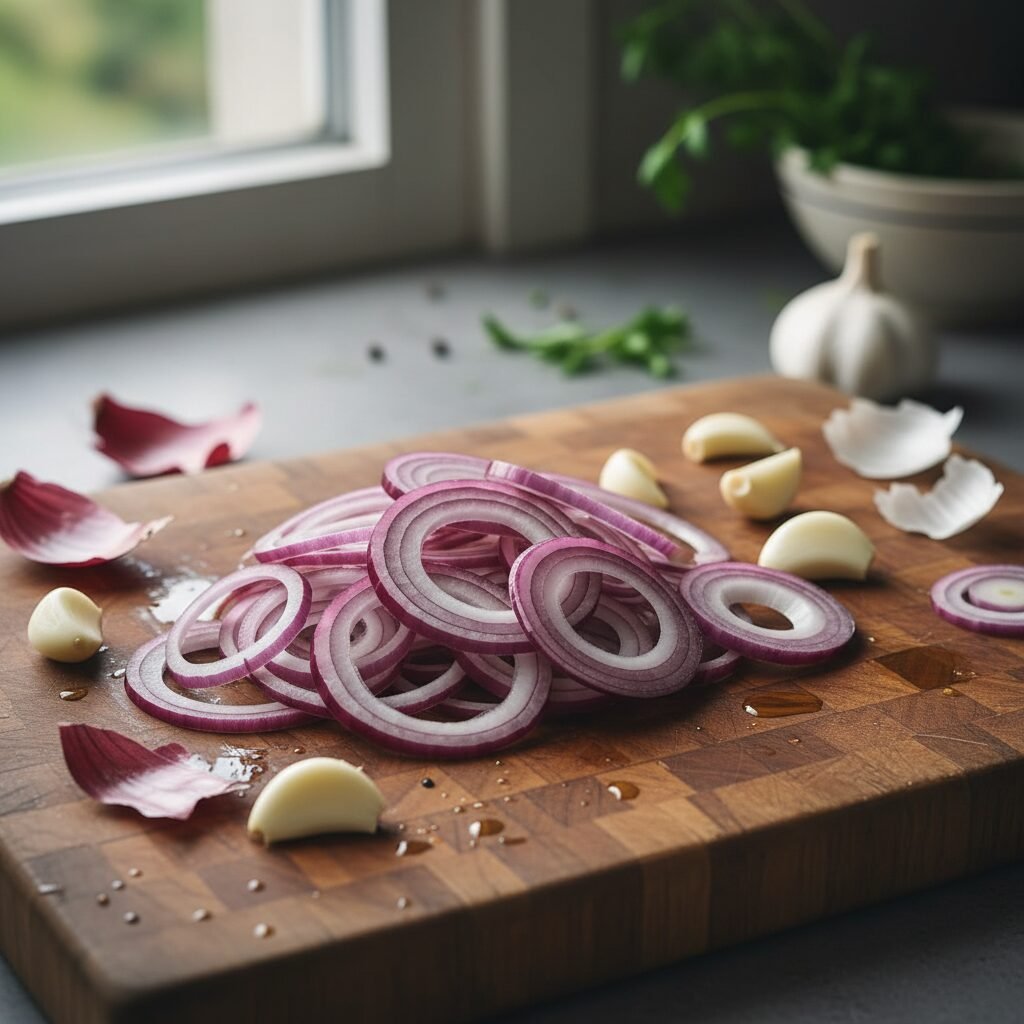
These common kitchen staples, along with chives and leeks, belong to the Allium family. They contain compounds that can damage a husky’s red blood cells, leading to anemia. Symptoms may include weakness, lethargy, pale gums, vomiting, and dark urine. Toxicity can occur from a single large dose or repeated small doses.
4. Xylitol Artificial Sweetener
Xylitol is a sugar substitute found in many sugar-free products like gum, candy, toothpaste, and some peanut butters. It’s extremely toxic to dogs, causing a rapid and severe drop in blood sugar (hypoglycemia), liver failure, and seizures. Even a small amount can be life-threatening.
5. Avocado
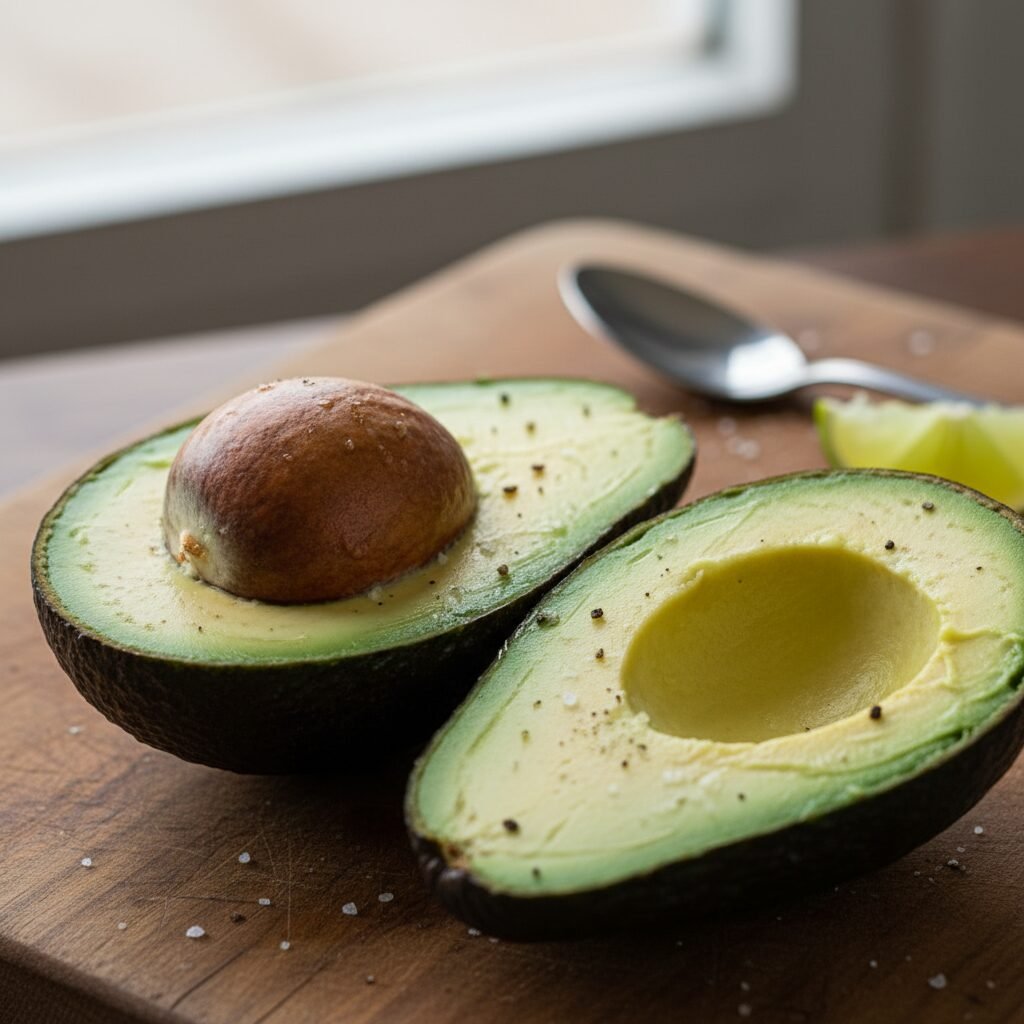
Avocado contains persin, a fungicidal toxin. While generally considered mild for dogs, it can cause vomiting and diarrhea in some. The biggest danger, however, is the large pit, which can cause choking or gastrointestinal obstruction if swallowed.
6. Alcohol
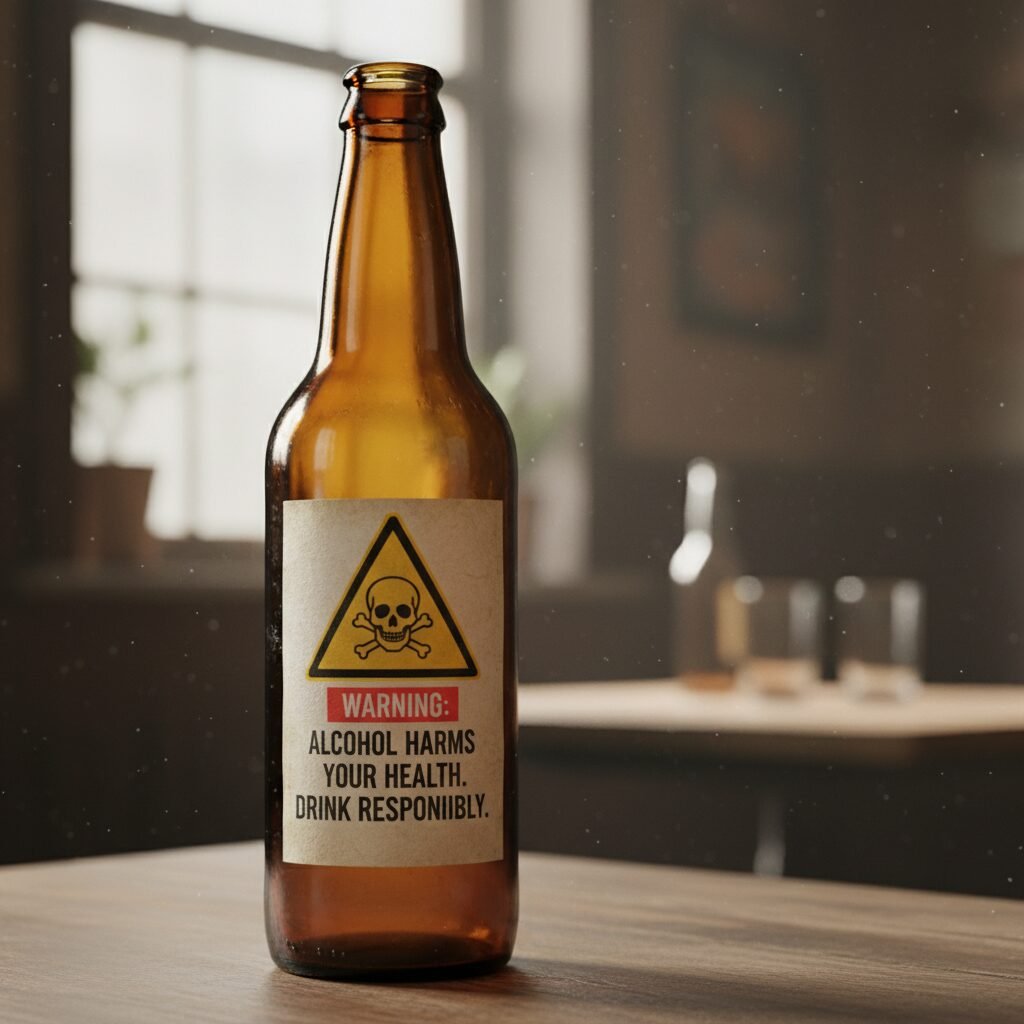
Alcohol is highly toxic to dogs, even in small quantities. It can cause a rapid drop in blood sugar, blood pressure, and body temperature. Symptoms include vomiting, disorientation, weakness, difficulty breathing, seizures, and coma. Never give your husky alcohol in any form.
7. Caffeine

Found in coffee, tea, energy drinks, and some medications, caffeine is a stimulant that can be very dangerous for huskies. Symptoms are similar to chocolate poisoning and include restlessness, hyperactivity, elevated heart rate, tremors, and seizures. Keep all caffeinated products out of reach.
8. Macadamia Nuts
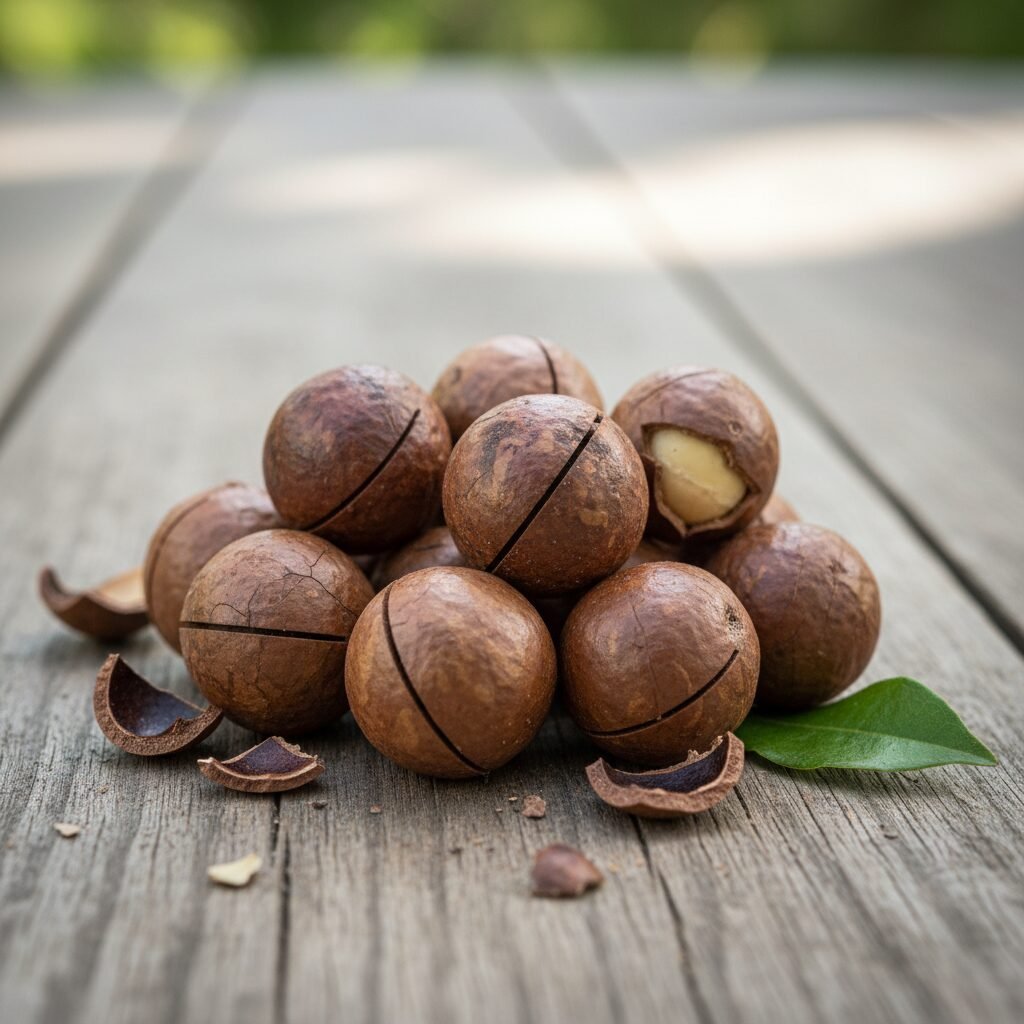
The exact toxic component of macadamia nuts is unknown, but they can cause weakness, tremors, vomiting, fever, and depression in dogs. While usually not fatal, symptoms can be distressing and require veterinary care.
9. Cooked Bones
While raw bones can be a safe and beneficial treat, cooked bones are a major hazard. They become brittle and can splinter easily, leading to choking, mouth injuries, or severe internal damage like punctures in the esophagus, stomach, or intestines. Always avoid giving cooked bones.
10. Dairy Products in Large Amounts
Many huskies are lactose intolerant, meaning they lack the enzyme needed to break down milk sugars. While a tiny bit of plain yogurt might be fine for some, large quantities of milk, cheese, or ice cream can lead to digestive upset, including diarrhea, vomiting, and gas. It’s best to avoid them or offer only in very small, tested amounts.
What to Do If Your Husky Eats Something Harmful

If you suspect your Siberian Husky has eaten any of these toxic foods, immediate action is crucial:
- Stay Calm. Panic can make it harder to think clearly.
- Contact Your Veterinarian Immediately. Have the vet’s number readily available.
- Provide Information. Tell your vet what your husky ate, approximately how much, and when. If you have the packaging, have it ready.
- Observe Symptoms. Note any changes in your husky’s behavior, breathing, or physical condition.
- Do Not Induce Vomiting Unless Directed. Inducing vomiting inappropriately can sometimes cause more harm than good. Always follow your vet’s specific instructions.
Time is often of the essence in these situations, so act quickly and follow professional advice.
Safe and Healthy Alternatives for Your Husky
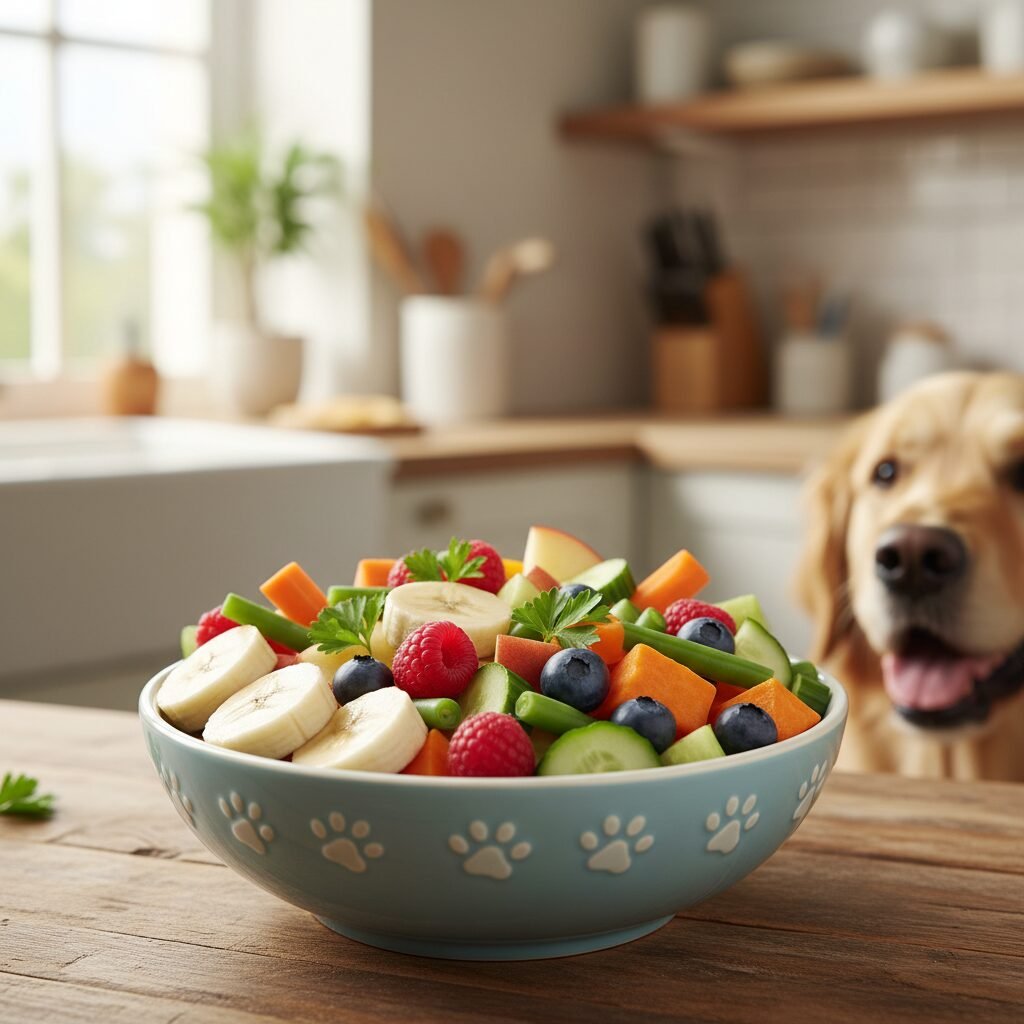
Instead of risky human foods, offer your husky safe and nutritious treats. Many fruits and vegetables are excellent choices:
- Carrots: Great for dental health and a satisfying crunch.
- Apples: Remove seeds and core, as they contain cyanide.
- Blueberries: A superfood packed with antioxidants.
- Green Beans: A low-calorie, healthy snack.
- Pumpkin (plain, canned): Excellent for digestive health.
- Peanut Butter (xylitol-free): A high-value treat in moderation.
Always introduce new foods slowly and in small quantities to monitor for any adverse reactions.
Conclusion
Your Siberian Husky relies on you for everything, especially their safety and well-being. By being aware of these 10 dangerous foods and taking proactive steps to keep them out of reach, you’re building a foundation for a long, happy, and healthy life together. Always remember that prevention is the best medicine, and when in doubt, it’s always safest to consult your veterinarian. Your husky’s wagging tail and bright eyes are the best reward for your careful attention


