10 Best Dog Probiotics to Improve Digestion, Immunity & Overall Health
As devoted dog parents, we constantly seek ways to ensure our furry companions live their happiest, healthiest lives. Sometimes, despite our best efforts with diet and exercise, our dogs can still experience digestive woes, a compromised immune system, or even dull coats. What if there was a simple, yet powerful, solution to support their inner health? Enter dog probiotics – tiny heroes that can make a monumental difference in your dog’s digestion, immunity, and overall vitality.
This comprehensive guide will walk you through the incredible world of canine probiotics, explaining what they are, why your dog might need them, and how to choose the very best options to help your beloved pet thrive. Get ready to unlock the secrets to a healthier, happier gut for your best friend!
Understanding Dog Probiotics – What Are They?
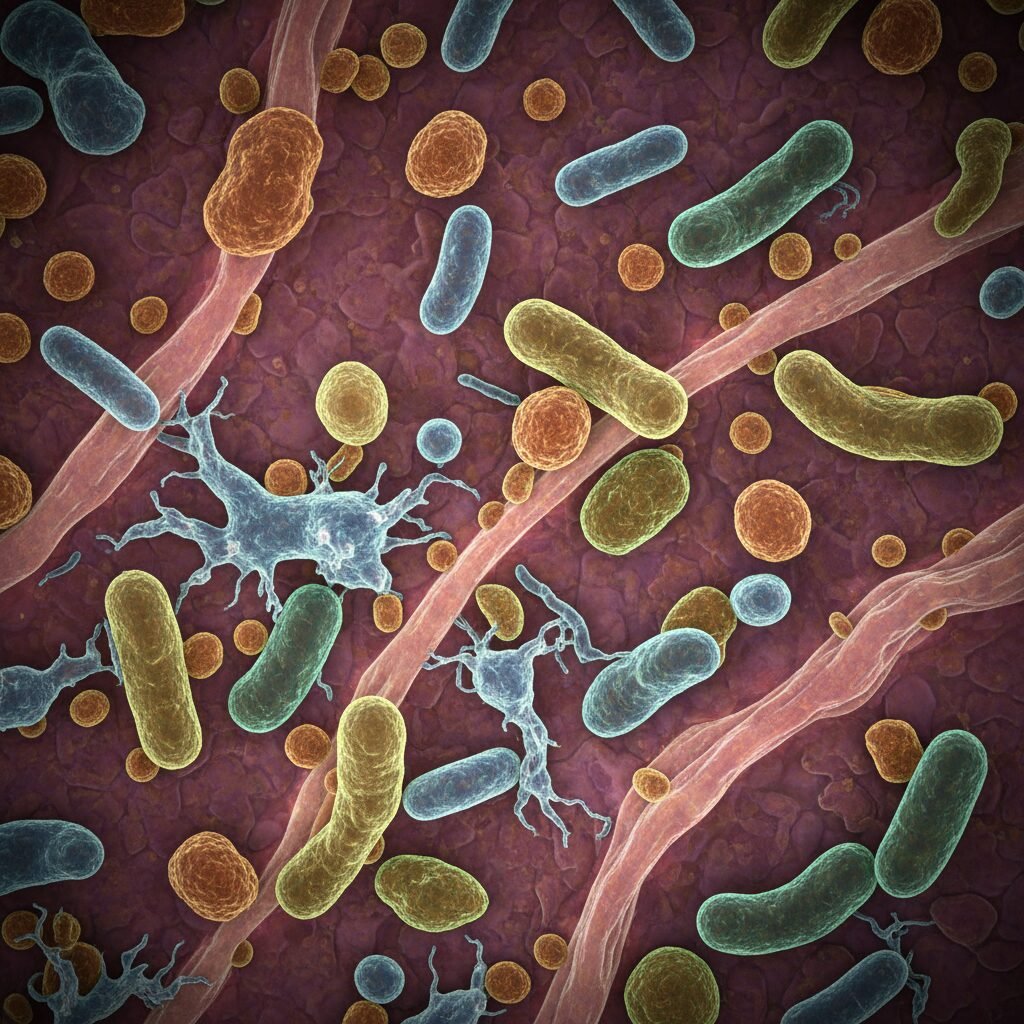
Think of your dog’s gut as a bustling city, teeming with trillions of microorganisms – both good and bad. Probiotics are the ‘good’ bacteria and yeasts that live in this city, specifically in the gastrointestinal tract. Their job is to maintain a healthy balance, helping to break down food, absorb nutrients, and fight off harmful pathogens.
A healthy balance of these beneficial bacteria is crucial for more than just digestion; it impacts nearly every aspect of your dog’s health, from their immune system to their mood. When this balance is disrupted – perhaps by stress, antibiotics, diet changes, or illness – it can lead to a host of problems.
Why Your Dog Might Need Probiotics – Key Benefits

Probiotics aren’t just for dogs with obvious tummy troubles. Many dogs can benefit from these beneficial bacteria. Here’s why they’re so important:
Boosting Digestive Health
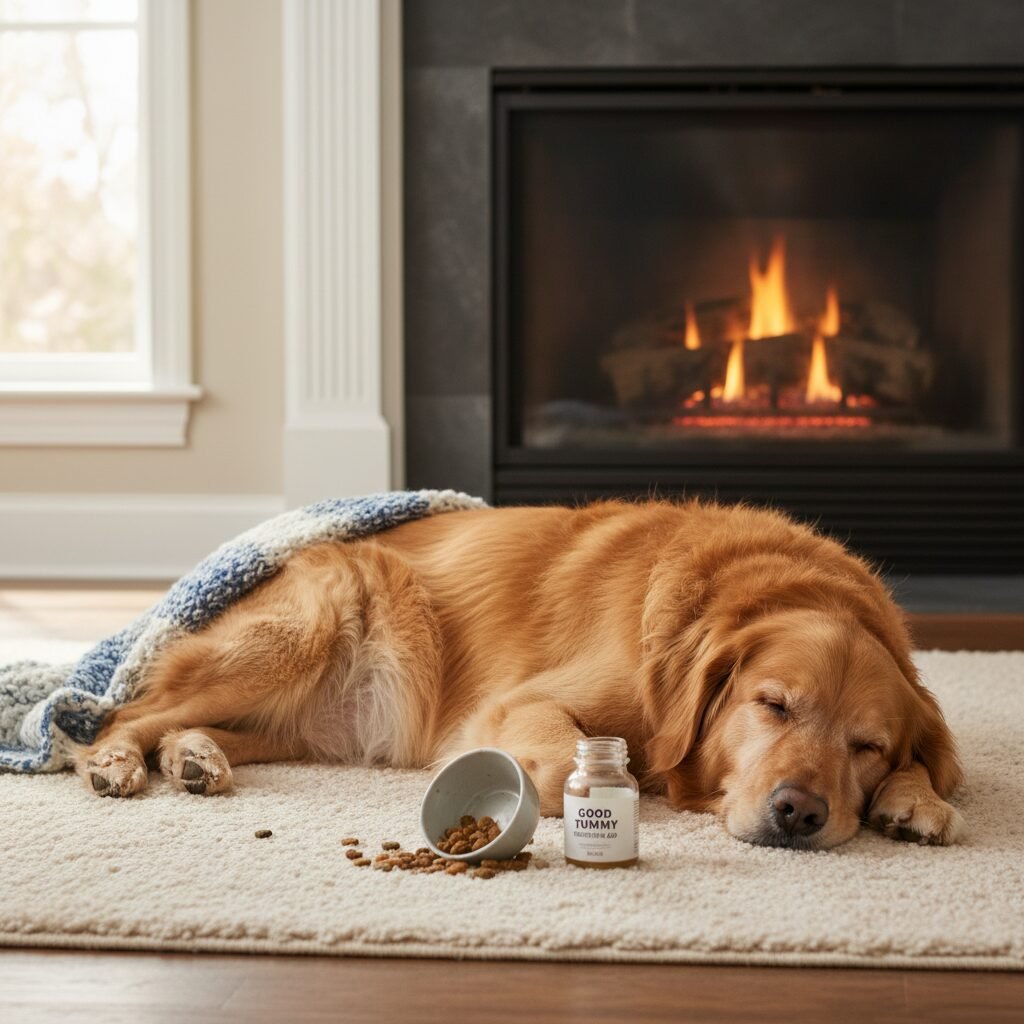
This is perhaps the most well-known benefit. Probiotics help regulate bowel movements, reduce gas, bloating, and discomfort. They can be particularly helpful for dogs experiencing:
- Occasional diarrhea or constipation
- Irritable Bowel Syndrome (IBS) or Inflammatory Bowel Disease (IBD) symptoms
- Dietary changes or sensitivities
Strengthening the Immune System

Did you know that about 70-80% of your dog’s immune system resides in their gut? A healthy gut microbiome directly translates to a stronger immune response. Probiotics help the body produce antibodies and regulate immune cells, making your dog more resilient against illnesses and infections.
Supporting Skin and Coat Health

Many skin issues, like allergies, hot spots, and excessive itching, can be linked to an imbalanced gut. By restoring gut health, probiotics can help reduce inflammation throughout the body, often leading to noticeable improvements in skin condition and a shinier, healthier coat.
Aiding Nutrient Absorption
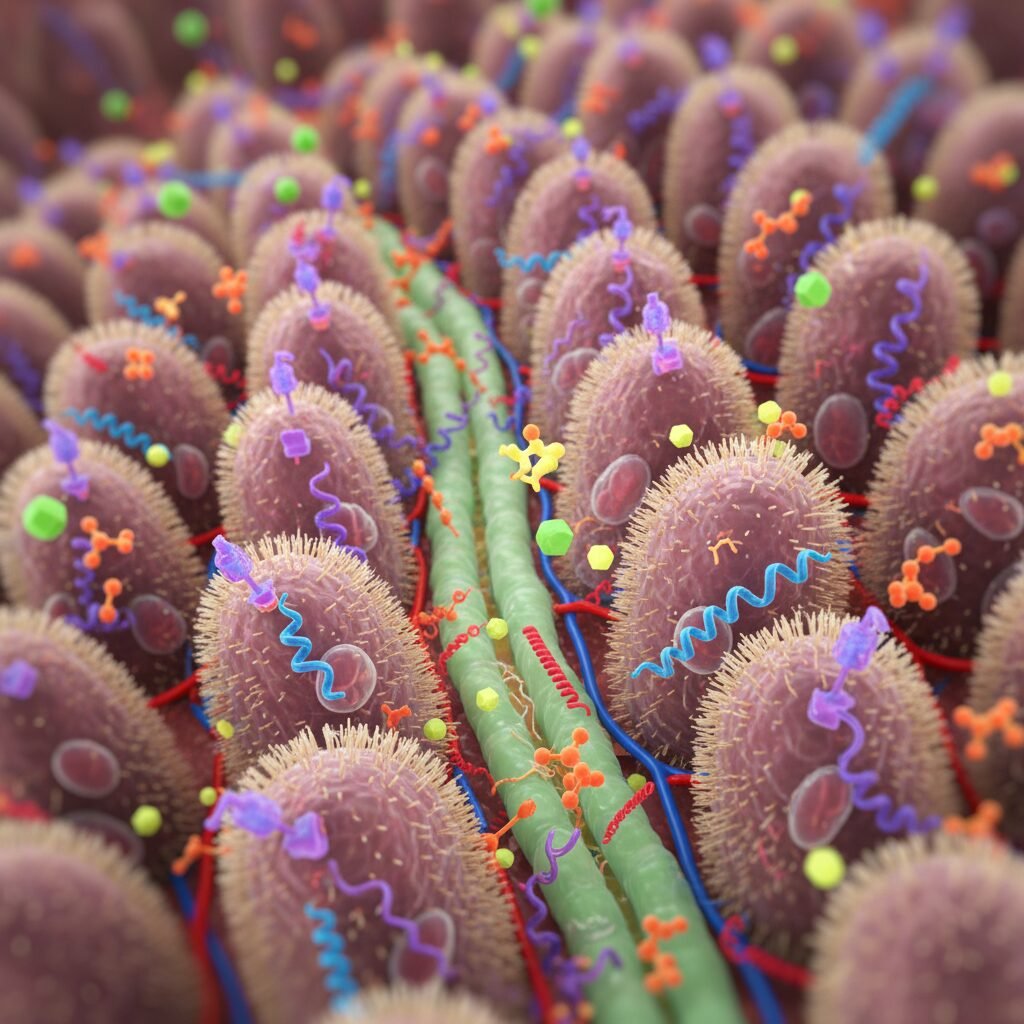
Even the best dog food can’t provide full benefits if your dog isn’t absorbing its nutrients properly. Probiotics assist in breaking down food particles more effectively, ensuring your dog gets the most out of every meal. This can lead to better energy levels and overall vitality.
Choosing the Right Probiotic – What to Look For
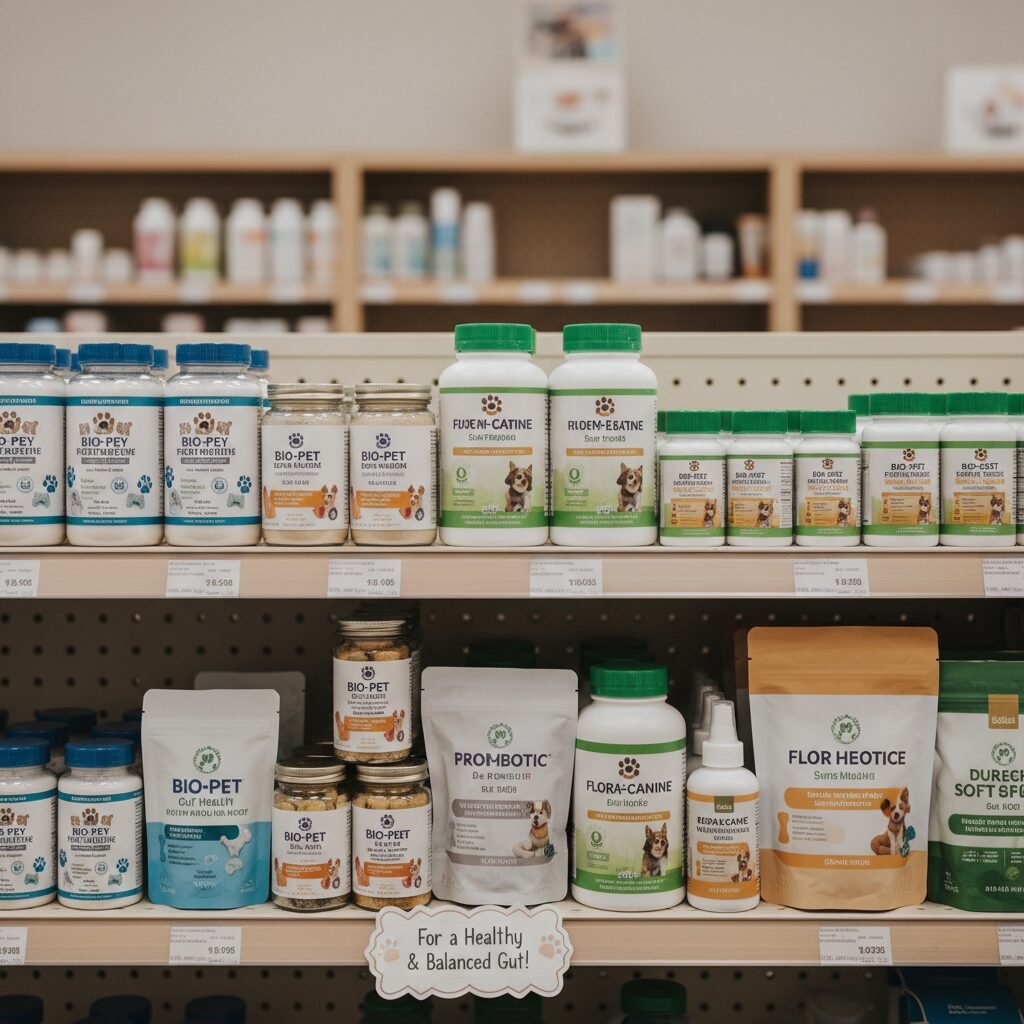
With so many options available, selecting the right probiotic can feel overwhelming. Here are key factors to consider:
- CFUs (Colony Forming Units) Ensure the product has a high CFU count (billions are usually good) to ensure enough beneficial bacteria survive the digestive tract.
- Multiple Strains A blend of different bacterial strains (e.g., Lactobacillus, Bifidobacterium) offers broader benefits than a single strain.
- Prebiotics Included Prebiotics are food for probiotics, helping them thrive. Look for ingredients like FOS (fructooligosaccharides) or inulin.
- Quality Ingredients Avoid products with unnecessary fillers, artificial colors, or flavors.
- Formulation Probiotics come in powders, chewables, and capsules. Choose what’s easiest for you and your dog.
Our Top 10 Best Dog Probiotics for Optimal Health
While we can’t recommend specific brands, we can highlight the characteristics and types of probiotics that consistently deliver excellent results for different canine needs. Here are 10 categories to guide your choice:
1. Best for Daily Digestive Support
Look for a multi-strain probiotic with a high CFU count, designed for general maintenance. These are excellent for supporting everyday gut health and preventing minor issues before they start.
2. Best for Sensitive Stomachs

Opt for probiotics with gentle strains, often including Lactobacillus acidophilus or Bifidobacterium animalis. These are formulated to be easily tolerated by dogs prone to digestive upset.
3. Best for Post-Antibiotic Recovery

Antibiotics can wipe out both good and bad bacteria. Choose a broad-spectrum probiotic with robust, diverse strains to rapidly replenish the gut flora and prevent antibiotic-associated diarrhea.
4. Best with Added Prebiotic Fiber
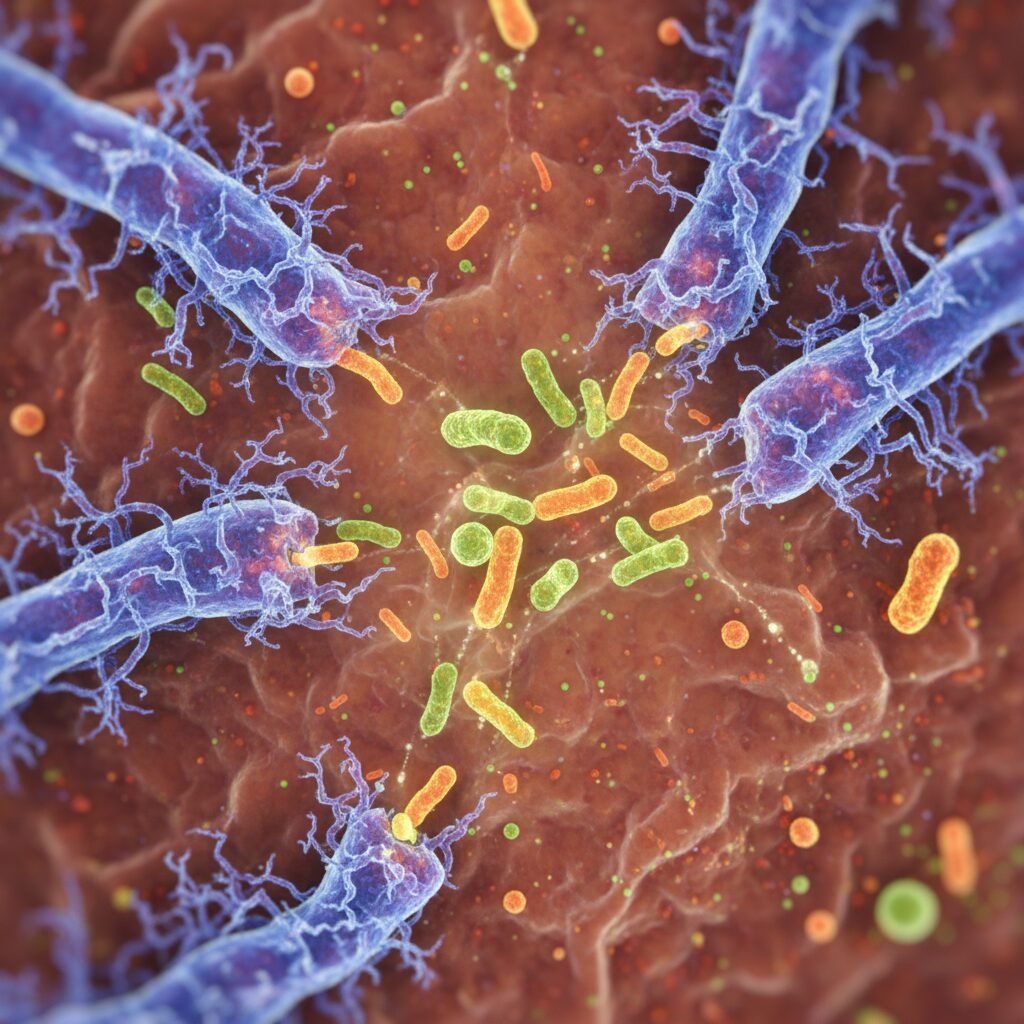
The synergy between probiotics and prebiotics (like FOS or inulin) is powerful. Prebiotics act as food for the beneficial bacteria, helping them colonize and thrive more effectively in the gut.
5. Best for Senior Dog Vitality
As dogs age, their gut microbiome can change. Probiotics for seniors often contain strains targeted to support an aging digestive system, boost nutrient absorption, and maintain overall vitality.
6. Best for Growing Puppies

Puppies have developing digestive systems. Look for mild probiotic formulations specifically designed for young dogs to help establish a healthy gut microbiome from an early age, supporting immune development.
7. Best for Allergy and Skin Health

Certain probiotic strains are known to modulate the immune system and reduce inflammatory responses, which can be highly beneficial for dogs suffering from environmental or food allergies and related skin issues.
8. Best for Stress-Related Digestive Upset

The gut-brain axis is real! Probiotics can help mitigate digestive issues triggered by stress (e.g., vet visits, travel, thunderstorms) by positively influencing gut health and potentially even mood.
9. Best in Chewable Form for Picky Eaters

If your dog is finicky about powders or capsules, a highly palatable chewable probiotic can be a game-changer. These often come in flavors dogs love, making administration easy and enjoyable.
10. Best with Digestive Enzymes
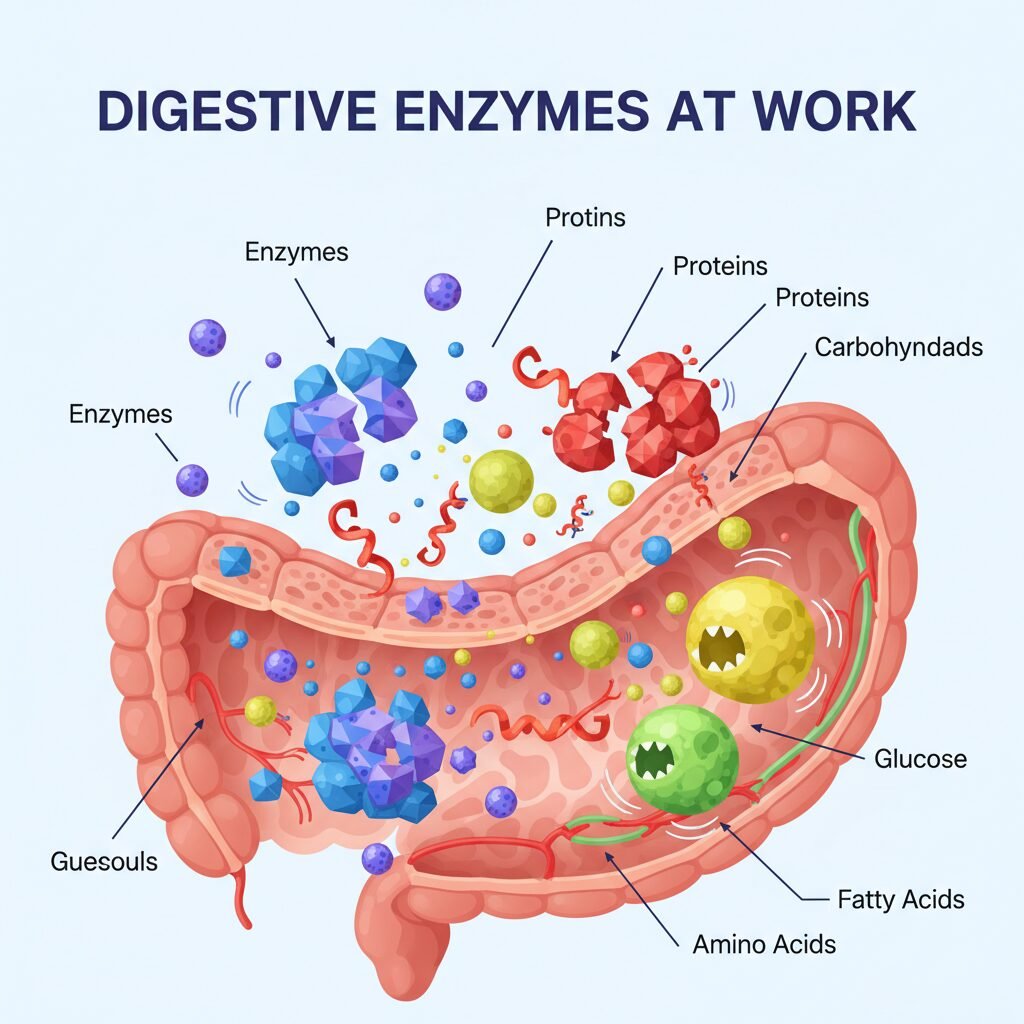
For dogs with chronic digestive problems or those who struggle to absorb nutrients, a probiotic supplement that also includes digestive enzymes (like amylase, protease, lipase) can offer comprehensive support.
How to Introduce Probiotics to Your Dog’s Diet
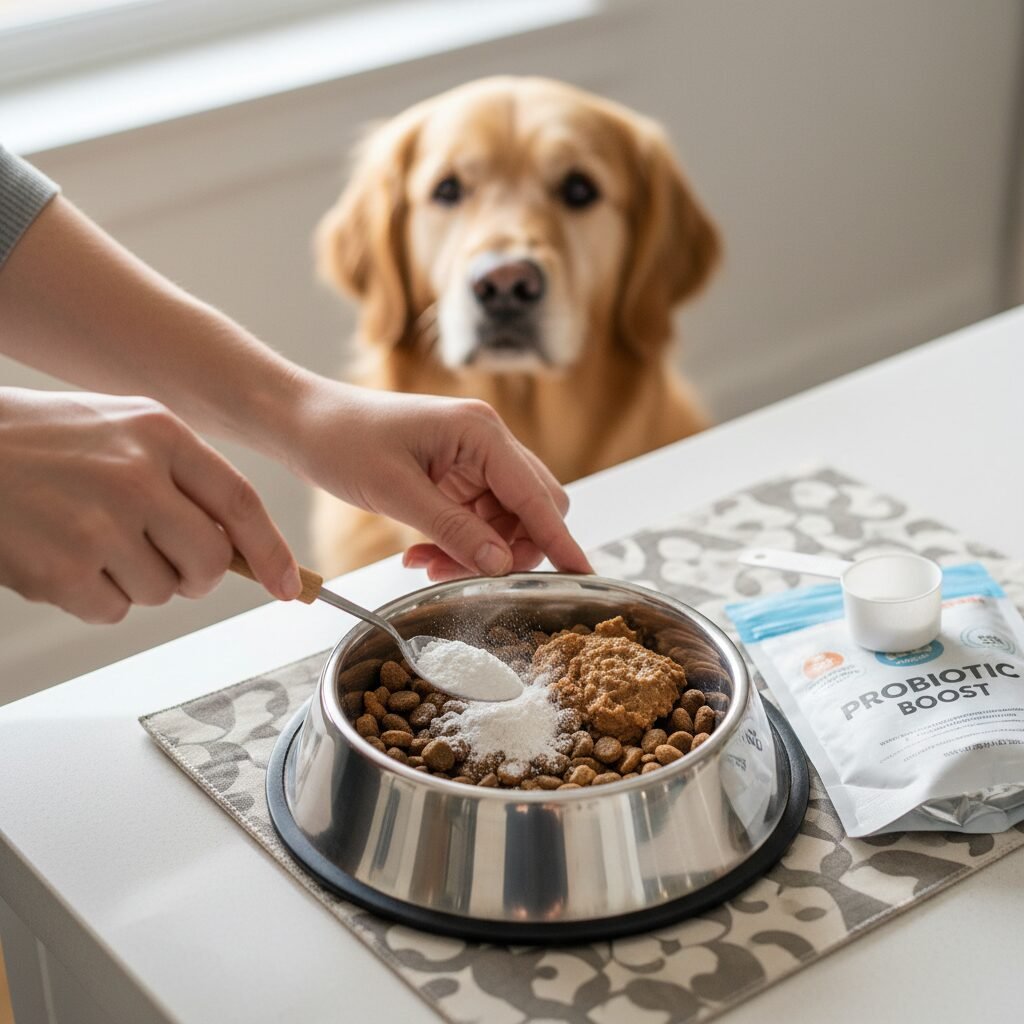
Introducing probiotics is usually straightforward, but a little patience helps:
- Start Slow Begin with a smaller dose than recommended for the first few days, especially if your dog has a sensitive stomach.
- Mix with Food Most powders or capsules can be easily mixed into wet food, or sprinkled over kibble moistened with a little water or broth. Chewables can be given as treats.
- Be Consistent For the best results, administer probiotics daily. Consistency is key to maintaining a healthy gut microbiome.
- Observe Your Dog Pay attention to any changes in your dog’s digestion, energy levels, skin, and coat.
Potential Side Effects and When to Consult Your Vet
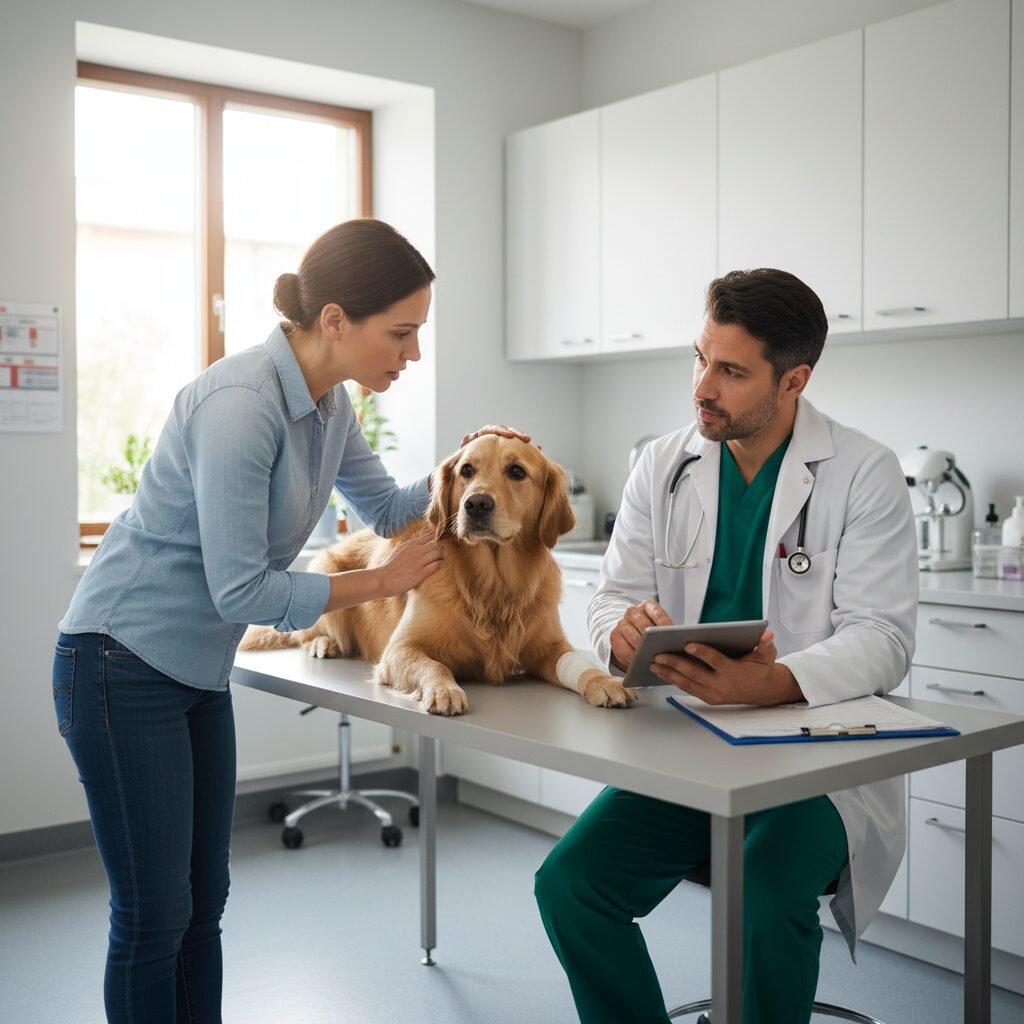
Probiotics are generally safe for dogs. However, when first introducing them, some dogs might experience mild, temporary side effects such as:
- Increased gas
- Loose stools
- Mild bloating
These usually subside within a few days as your dog’s system adjusts. If symptoms persist, worsen, or if your dog shows signs of severe discomfort, vomiting, or lethargy, stop administration and consult your veterinarian immediately. Always discuss any new supplements with your vet, especially if your dog has underlying health conditions or is on medication.
Conclusion
Providing your dog with the right probiotic can be a transformative step in their health journey. From enhancing digestion and bolstering immunity to improving skin and coat health, the benefits are far-reaching. By understanding what probiotics are, why they’re beneficial, and how to choose the best type for your furry friend’s unique needs, you’re empowering them to live a vibrant, comfortable, and truly happy life.
Remember, a healthy gut means a healthy, happy dog. If you’re considering adding probiotics to your dog’s routine, chat with your veterinarian to determine the best approach. Your dog deserves to feel their absolute best, and a thriving gut microbiome is a wonderful place to start!