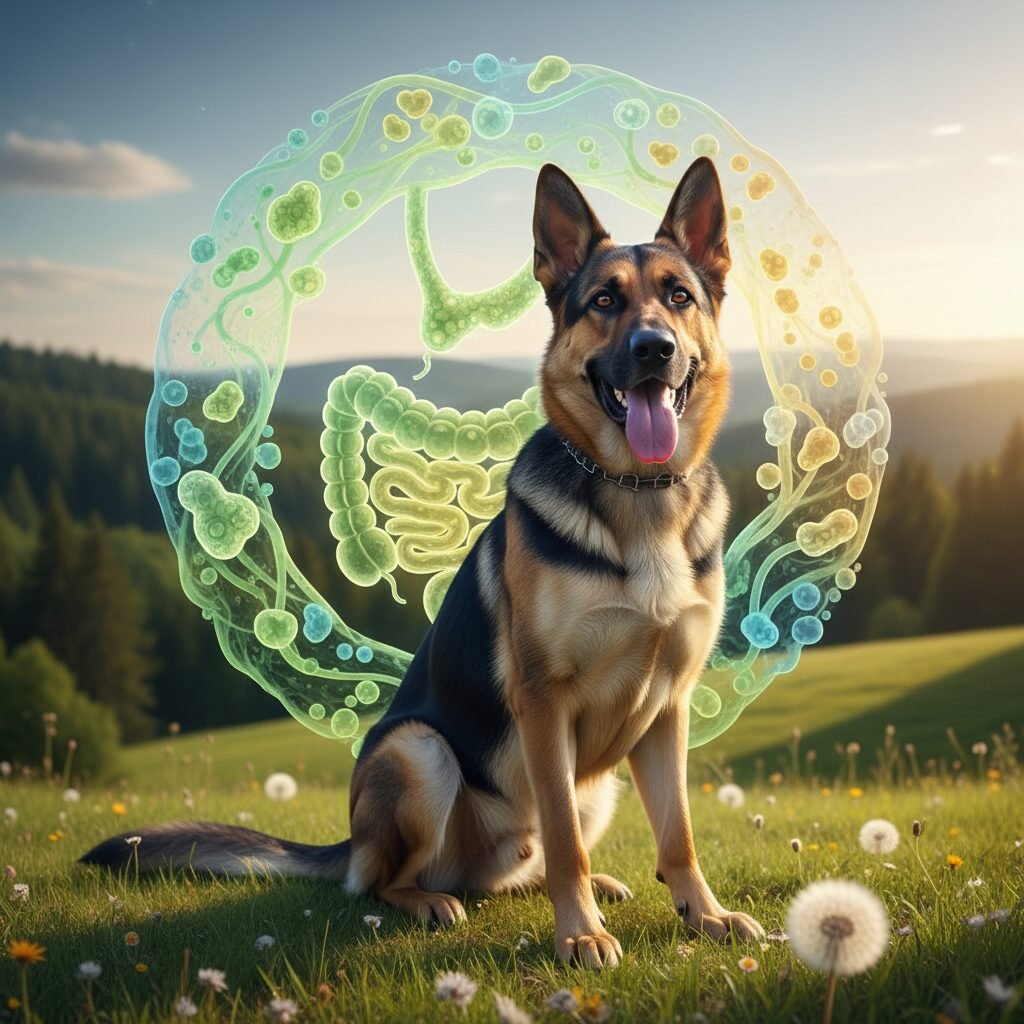
German Shepherds are legendary for their strength and loyalty, but they are also frequently predisposed to digestive sensitivities. Maintaining a healthy gut microbiome is crucial for this breed to prevent issues such as bloating, loose stools, and nutrient malabsorption. Probiotics introduce beneficial bacteria into the digestive tract, helping to balance the internal ecosystem and bolster the immune system. This guide explores ten of the highest-rated probiotic supplements specifically suited for the unique metabolic needs of German Shepherds.
1. Purina Pro Plan Veterinary Supplements FortiFlora
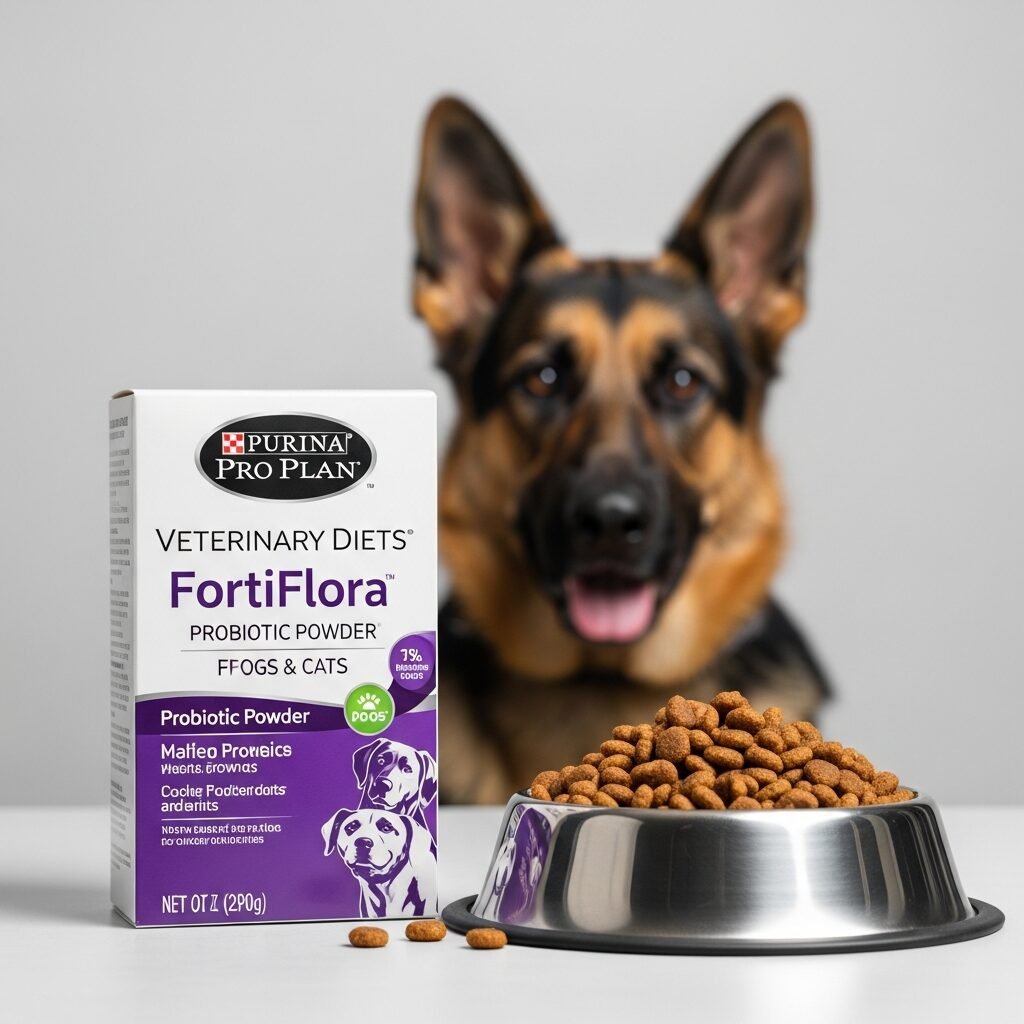
FortiFlora is widely considered a gold standard among veterinarians for managing canine diarrhea and promoting gut health. It contains a guaranteed level of live microorganisms, specifically Enterococcus faecium, which helps restore intestinal balance. For German Shepherds with high-stress lifestyles or those recovering from antibiotic treatments, this powder supplement is easy to sprinkle over food and is highly palatable.
2. Zesty Paws Probiotic Bites

These soft chews are an excellent option for owners looking for a convenient, treat-like delivery system. Zesty Paws incorporates a six-strain probiotic blend including DE111, a clinically studied Bacillus subtilis. These bites also contain pumpkin and papaya enzymes to further assist with digestion and regular bowel movements, making them ideal for German Shepherds with picky appetites.
4. Honest Paws Pre plus Probiotics

This supplement combines probiotics with prebiotics to ensure the beneficial bacteria have the fuel they need to thrive. It features a concentrated formula of 5 billion CFUs per serving and includes premium ingredients like inulin. The powder format is flavorless, making it an excellent choice for German Shepherds who may be sensitive to artificial flavorings or additives.
5. NaturVet Digestive Enzymes Plus Probiotic
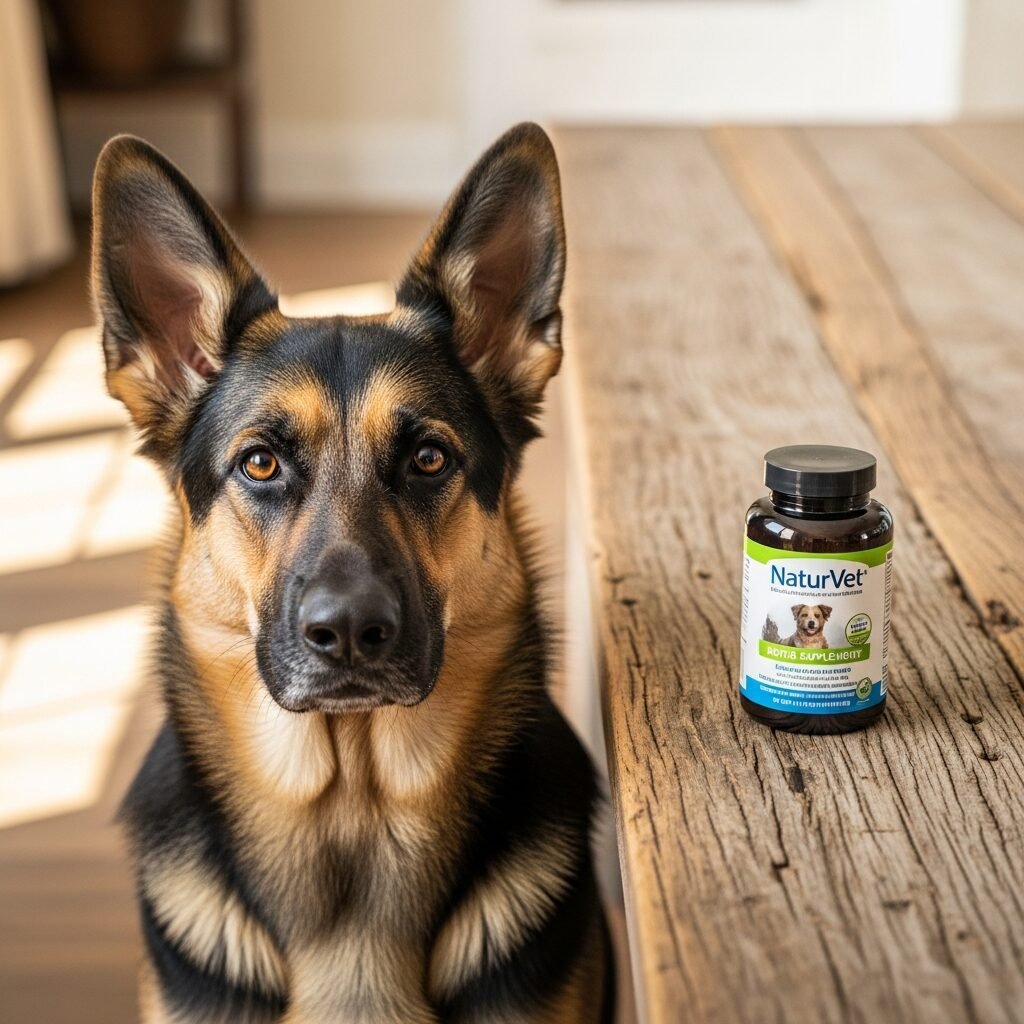
Because German Shepherds can sometimes struggle with enzyme deficiencies, this NaturVet formula provides a dual-action benefit. It contains alpha-Amylase to break down starches, Protease for proteins, and Lipase for fats, alongside a robust probiotic blend. This comprehensive support is vital for large breeds that require maximum nutrient extraction from their daily meals.
6. Pet Ultimates Probiotics for Dogs
Pet Ultimates offers an ultra-concentrated powder that boasts 2 billion CFUs per scoop with twenty different bacterial strains. This diversity is its primary strength, addressing a wide array of digestive issues from gas to skin allergies. It is manufactured in the USA in an audited facility, ensuring a high safety profile for concerned pet owners.
7. Bernie’s Perfect Poop Digestion Support
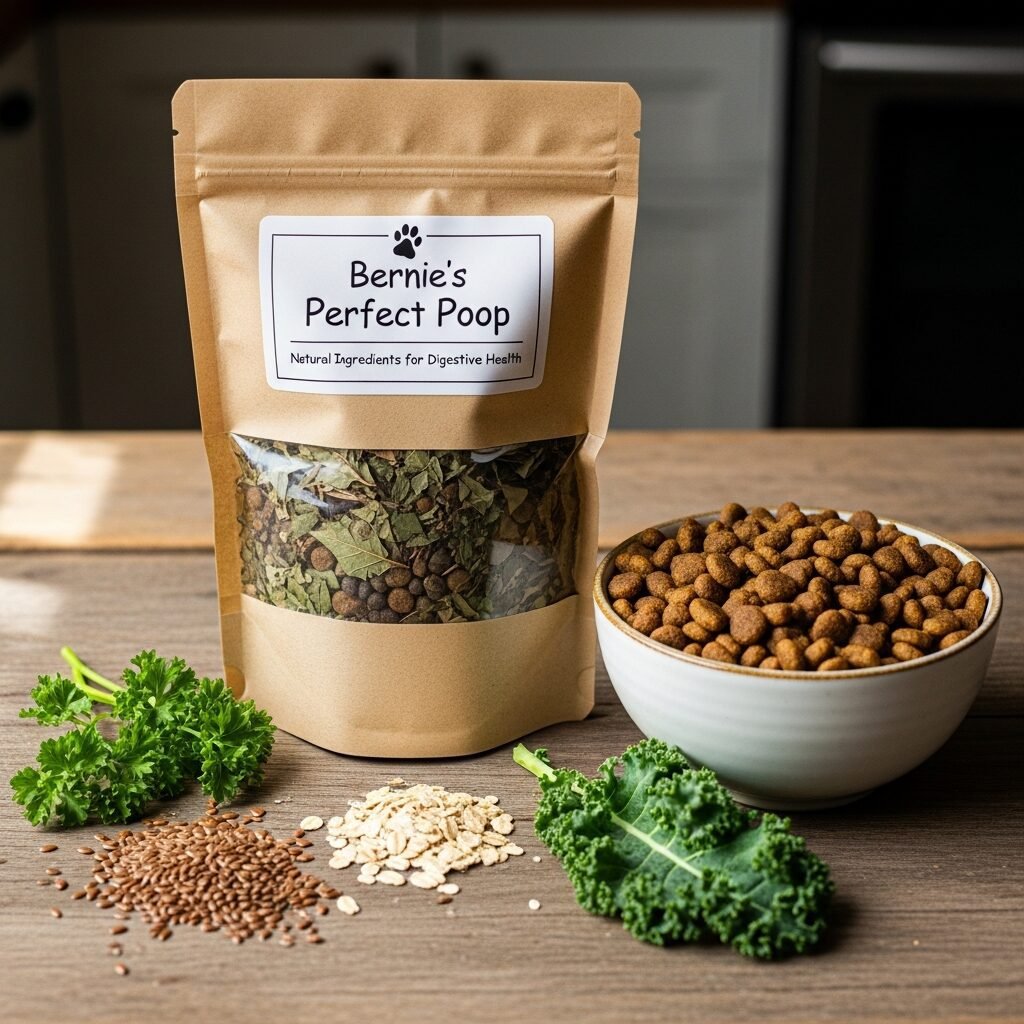
Focusing on the final result of digestion, this supplement combines fiber, prebiotics, probiotics, and enzymes. It uses miscanthus grass and pumpkin as fiber sources to bulk up stool, which can be a common concern for German Shepherd owners. The combination ensures that the digestive transit time is optimized for maximum nutrient absorption and comfort.
8. Nusentia Probiotic Miracle
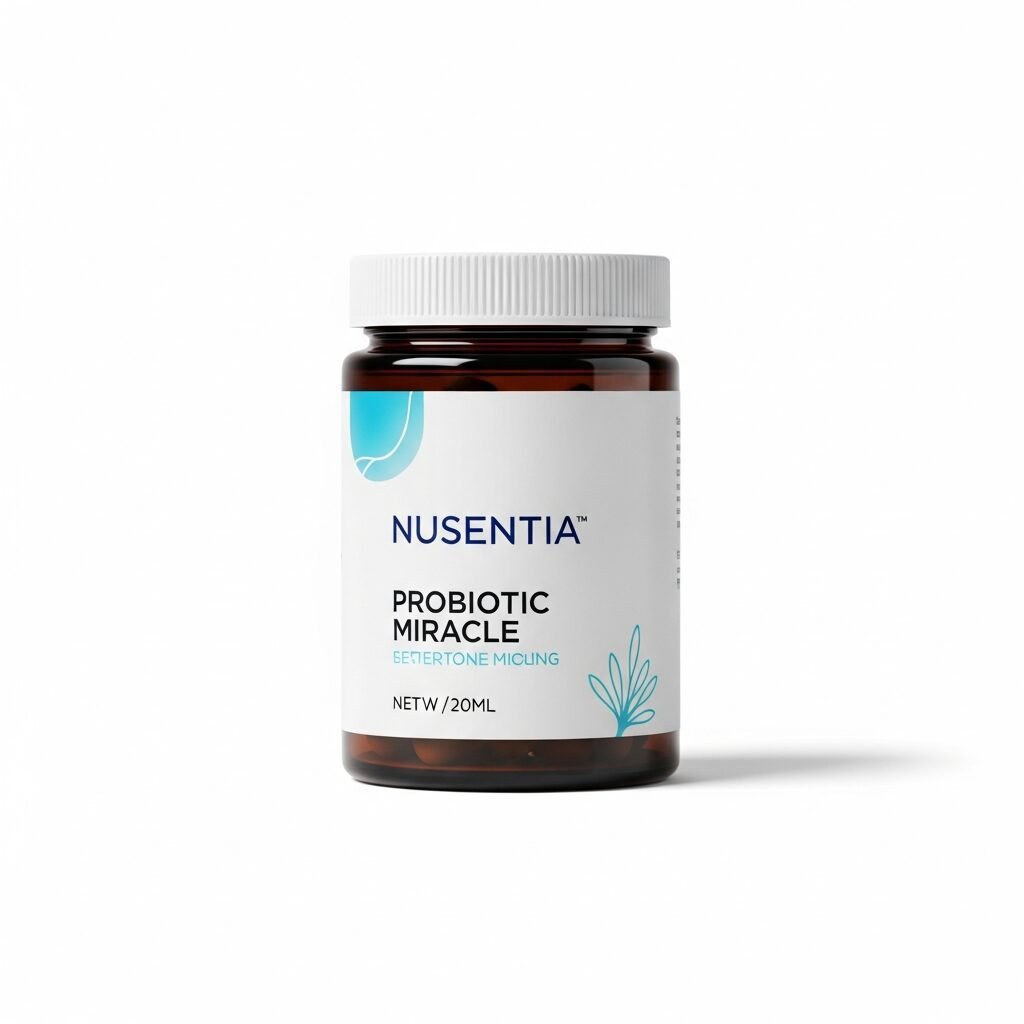
Probiotic Miracle is a concentrated, dairy-free powder designed for long-term gut maintenance. It is free from fillers, flavors, and animal products, reducing the risk of allergic reactions. For German Shepherds with suspected food allergies that manifest as digestive distress, this clean formula provides the necessary microbial support without unnecessary ingredients.
9. Amazing Nutritionals Probiotic Joint Relief

Recognizing that German Shepherds often face both digestive and joint issues, this product offers a unique two-in-one benefit. While the probiotics work to stabilize the gut, the inclusion of glucosamine and chondroitin supports hip and joint health. This is a practical choice for senior German Shepherds who require multiple daily supplements.
10. Advita Probiotic Nutritional Supplement
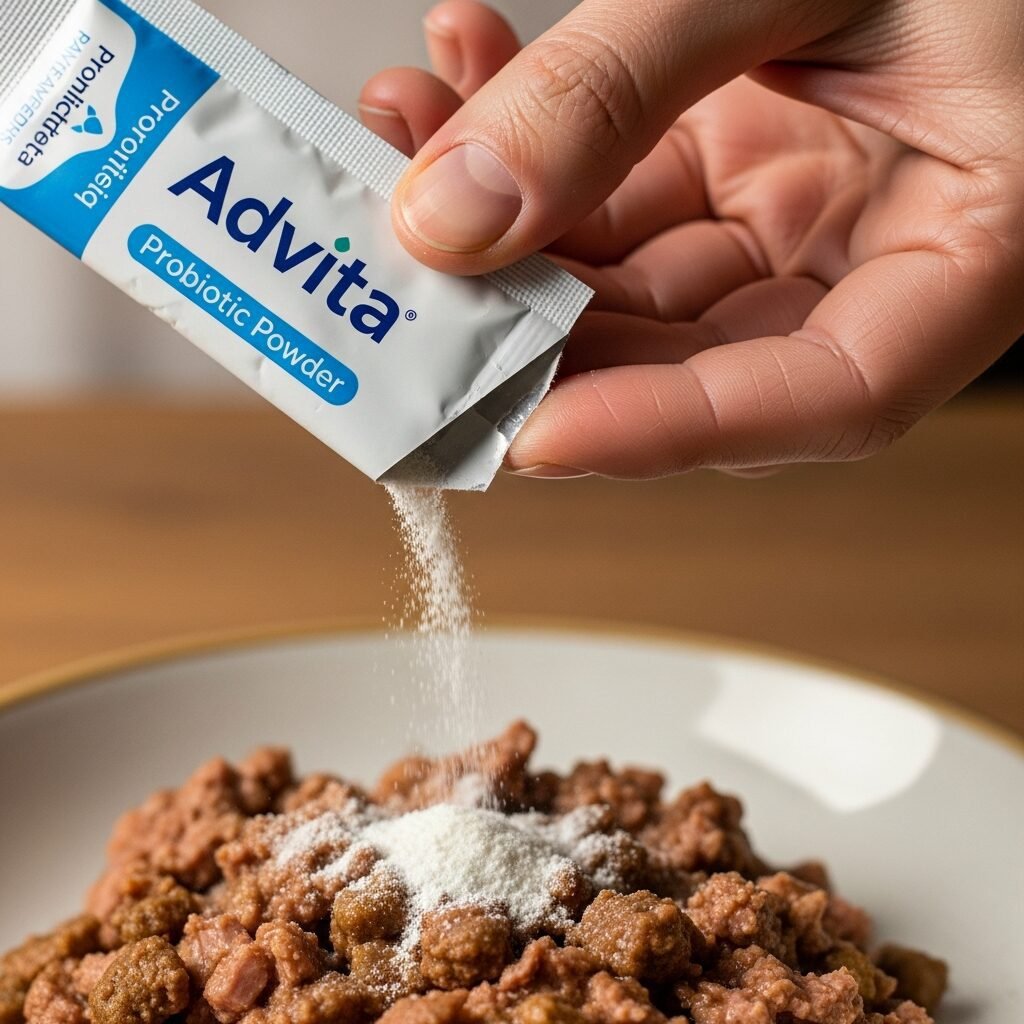
Advita is a veterinarian-formulated powder that contains a source of live, naturally occurring microorganisms. It is enriched with vitamins A, E, and C to provide antioxidant support alongside its digestive benefits. The individual sachets ensure freshness and provide a precise dose every time, which is helpful for maintaining a strict dietary regimen for your GSD.
Conclusion
Investing in a high-quality probiotic can significantly enhance the quality of life for your German Shepherd. By supporting their digestive tract, you are not only reducing the frequency of stomach upsets but also improving their immune response and skin health. Always consult with your veterinarian before starting a new supplement regimen to ensure it aligns with your dog’s specific health profile and dietary requirements.