10 Vegetables Dogs Should Eat (And 2 You Should Skip)
As devoted dog parents, we constantly seek ways to enhance our furry friends’ health and happiness. While a balanced commercial dog food is essential, many of us wonder if adding fresh, whole foods, like vegetables, can provide an extra nutritional boost. The answer is a resounding yes! Many vegetables are packed with vitamins, minerals, and fiber that can contribute to your dog’s overall well-being. However, it’s crucial to know which ones are safe and beneficial, and more importantly, which ones are strictly off-limits.
This guide will walk you through 10 fantastic vegetables you can safely share with your canine companion, detailing their benefits and how to prepare them. We’ll also highlight two common vegetables that pose serious health risks and should always be skipped. Let’s dig in and discover how to add a rainbow of healthy goodness to your dog’s bowl!
Why Vegetables Are Great for Your Dog’s Health
Just like humans, dogs can benefit immensely from the nutrients found in fresh vegetables. They offer:
- Essential Vitamins and Minerals: Boosting immunity, supporting bone health, and aiding metabolic functions.
- Fiber: Promoting healthy digestion, regulating blood sugar, and contributing to a feeling of fullness, which can be helpful for weight management.
- Antioxidants: Fighting off free radicals and supporting cellular health.
- Hydration: Many vegetables have high water content, contributing to your dog’s daily hydration.
Remember, vegetables should always be given in moderation and as treats or supplements, not as a primary food source. They should make up no more than 10% of your dog’s daily caloric intake.
10 Delicious and Healthy Vegetables for Your Dog
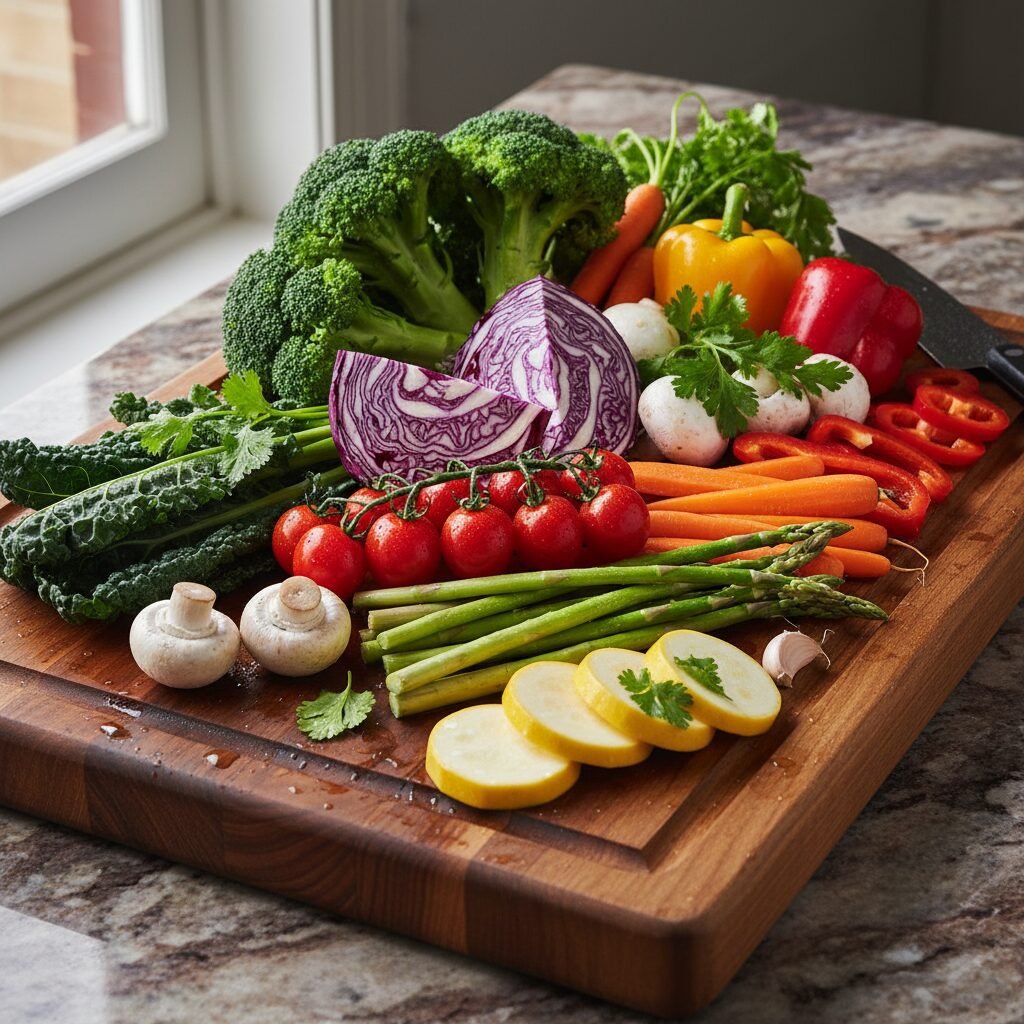
Here are some of the best veggie choices to share with your beloved pet:
1. Carrots
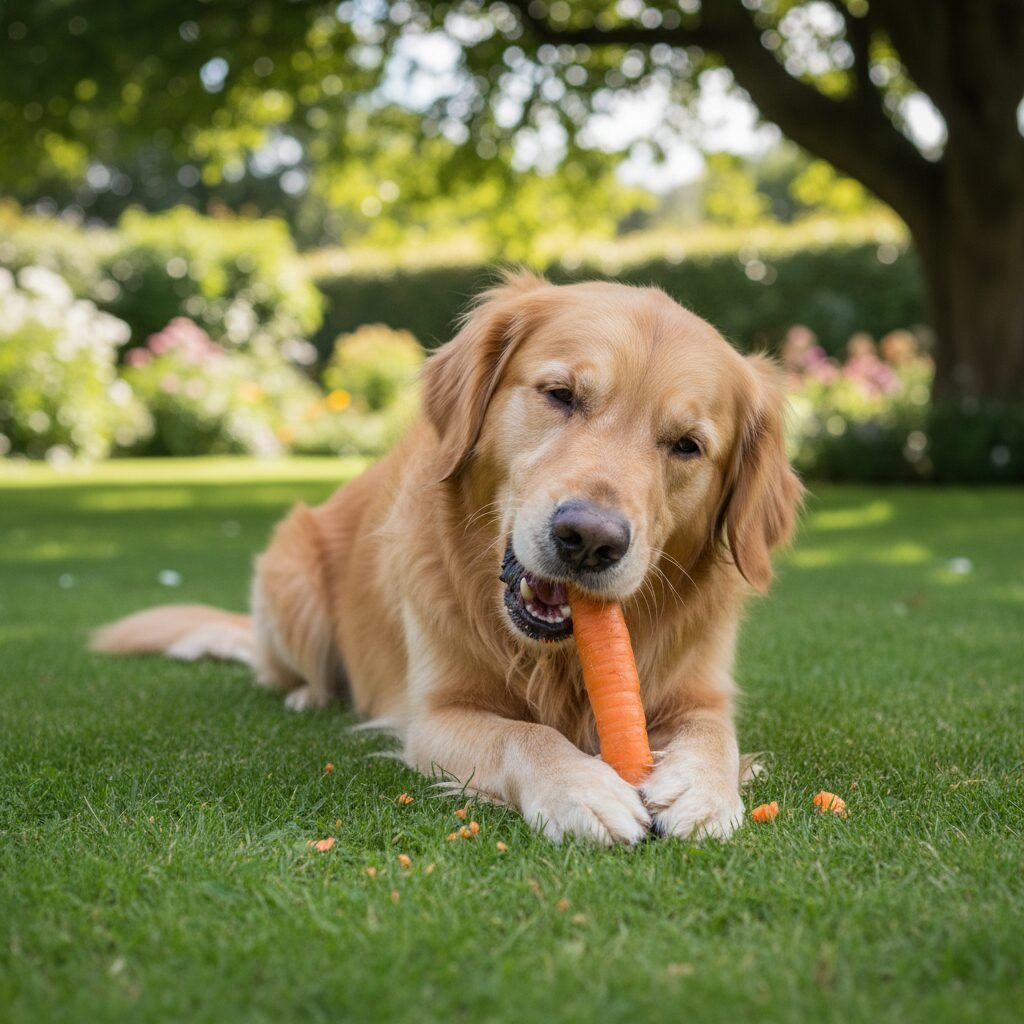
Benefits: High in beta-carotene (which produces Vitamin A), fiber, and antioxidants. Great for dental health as a crunchy treat.
How to Serve: Raw or cooked, chopped into bite-sized pieces. Avoid whole carrots for small dogs to prevent choking.
2. Green Beans
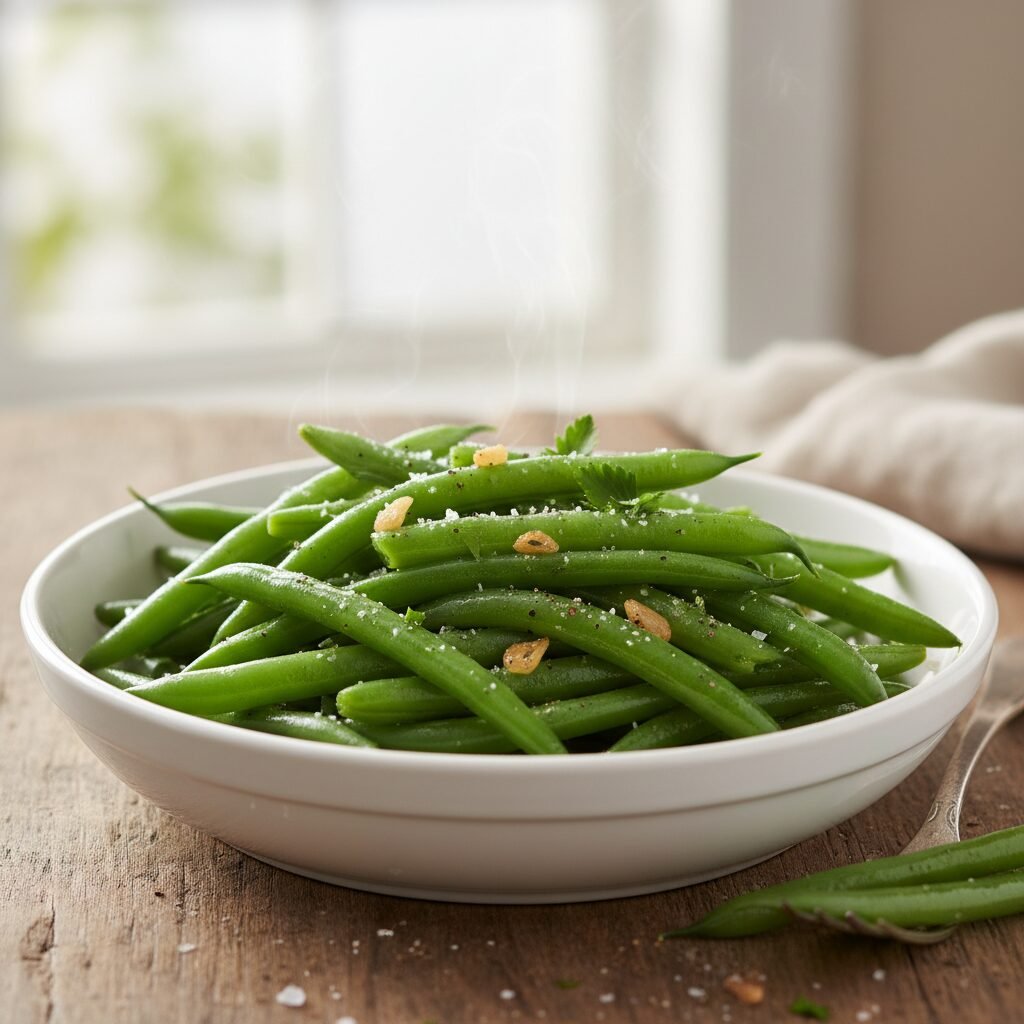
Benefits: Low in calories, high in fiber, and packed with vitamins K, C, and A. Excellent for dogs on a diet.
How to Serve: Fresh, steamed, or boiled. Plain only, no salt or seasonings.
3. Broccoli
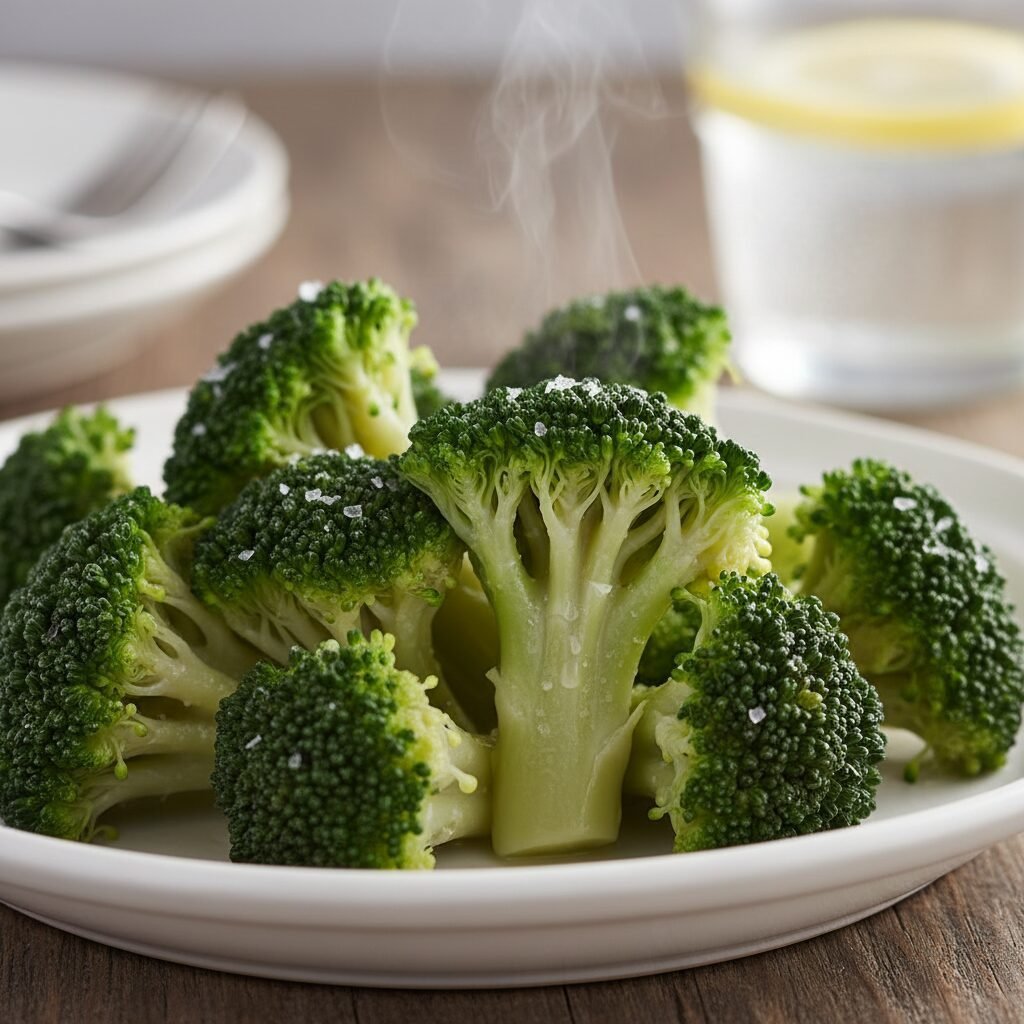
Benefits: Rich in vitamins C and K, and fiber. Contains powerful antioxidants.
How to Serve: Small amounts, thoroughly cooked (steamed or boiled) and chopped into florets. The stalks can be tough and a choking hazard.
4. Sweet Potatoes

Benefits: An excellent source of dietary fiber, beta-carotene, and vitamins B6 and C. Great for digestive health.
How to Serve: Cooked and mashed or cut into small chunks. Never serve raw sweet potato.
5. Spinach
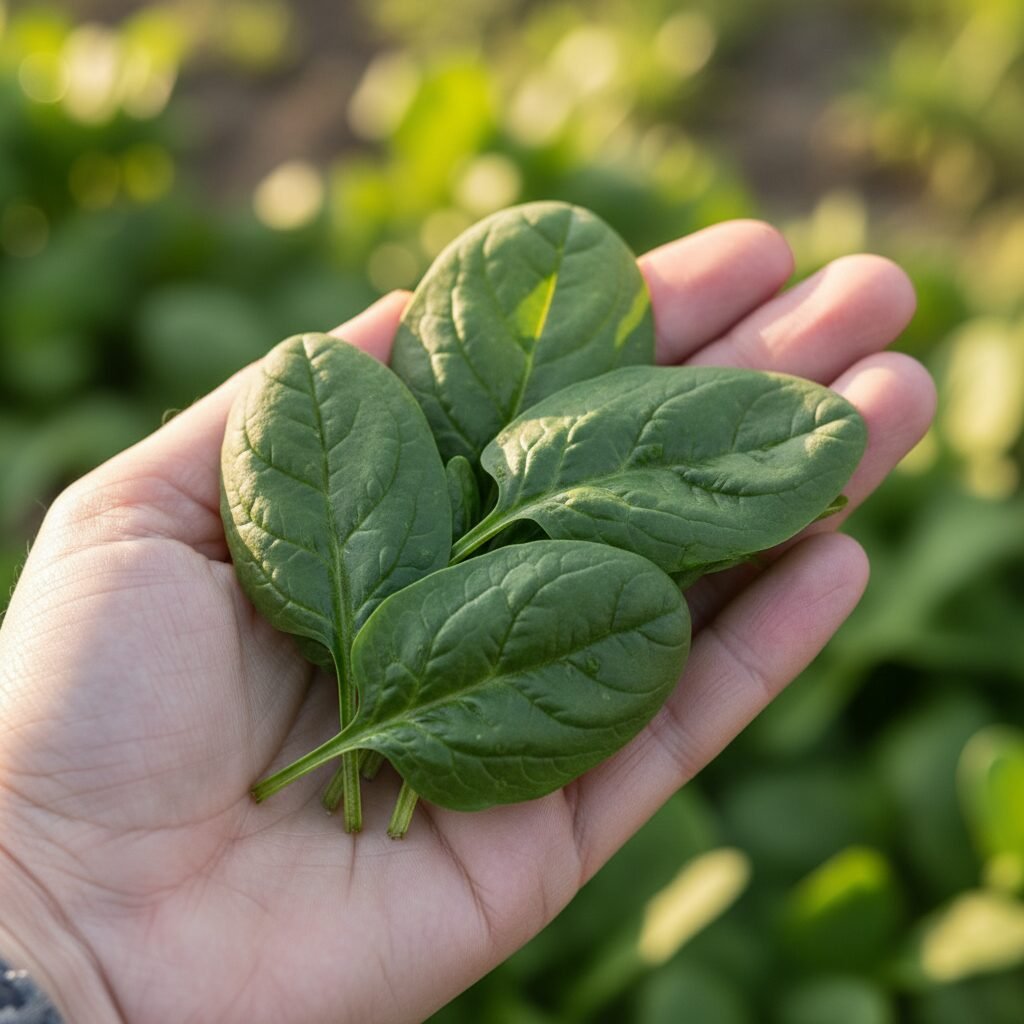
Benefits: Contains vitamins K, A, C, and B, as well as iron and antioxidants. Supports bone health and energy.
How to Serve: In small quantities, steamed or finely chopped and mixed with food. Due to oxalates, offer sparingly.
6. Pumpkin

Benefits: A superstar for digestive health! High in fiber and great for both constipation and diarrhea. Rich in vitamins A, C, and E.
How to Serve: Plain, canned pumpkin puree (not pie filling) or cooked fresh pumpkin. A tablespoon or two is usually sufficient.
7. Cucumbers
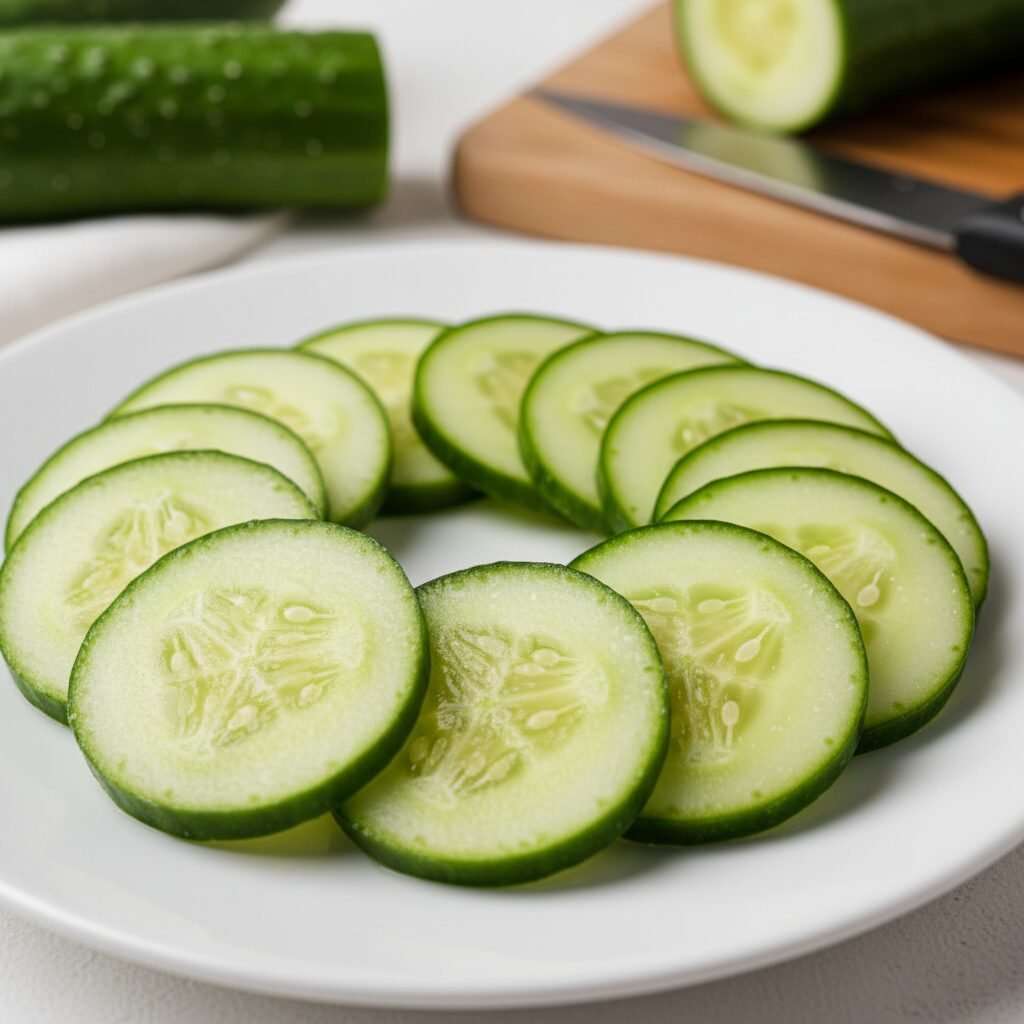
Benefits: Low in calories and high in water content, making them a refreshing and hydrating treat. Contains vitamins K, C, and B1.
How to Serve: Peeled and sliced into small pieces. Can be given raw.
8. Celery
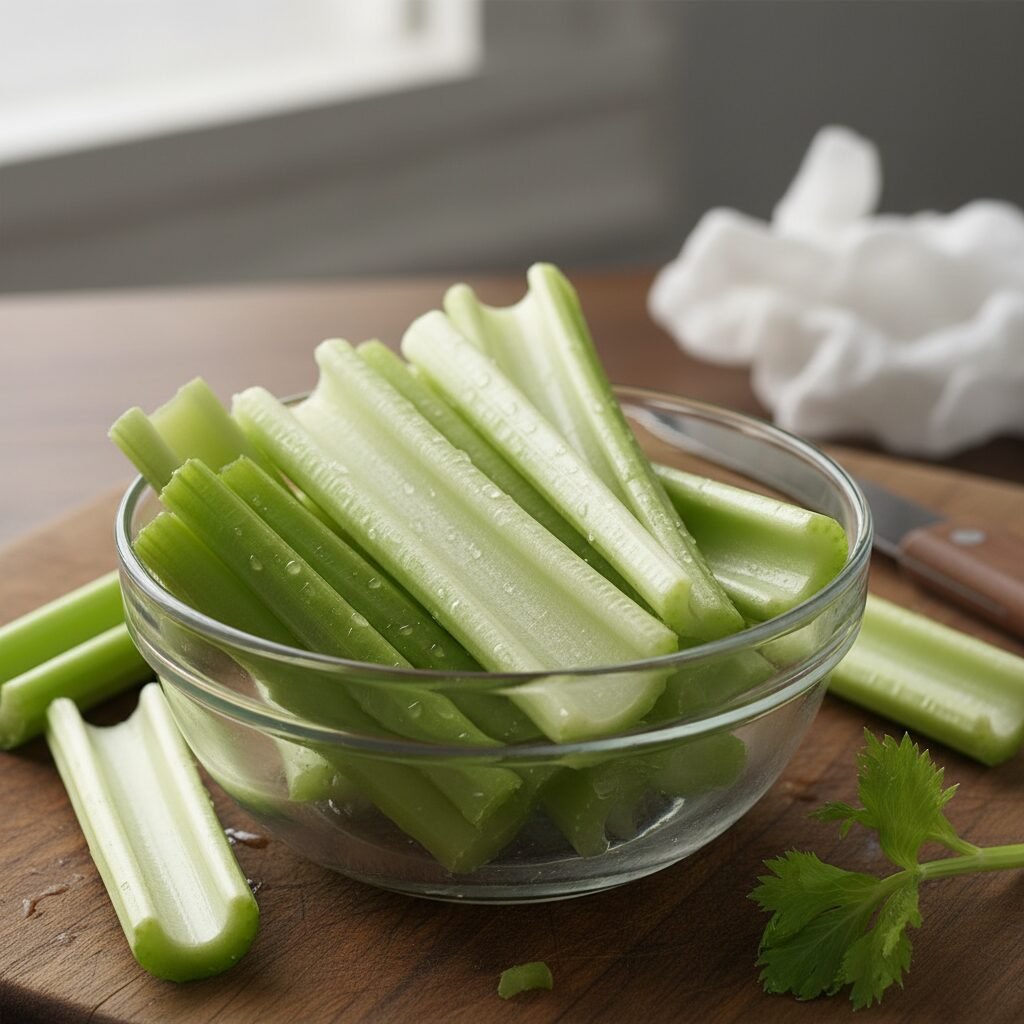
Benefits: High in water, vitamins A, C, and K, and provides a satisfying crunch. Believed to freshen doggy breath.
How to Serve: Chopped into small, manageable pieces to prevent choking, especially the fibrous strings.
9. Peas
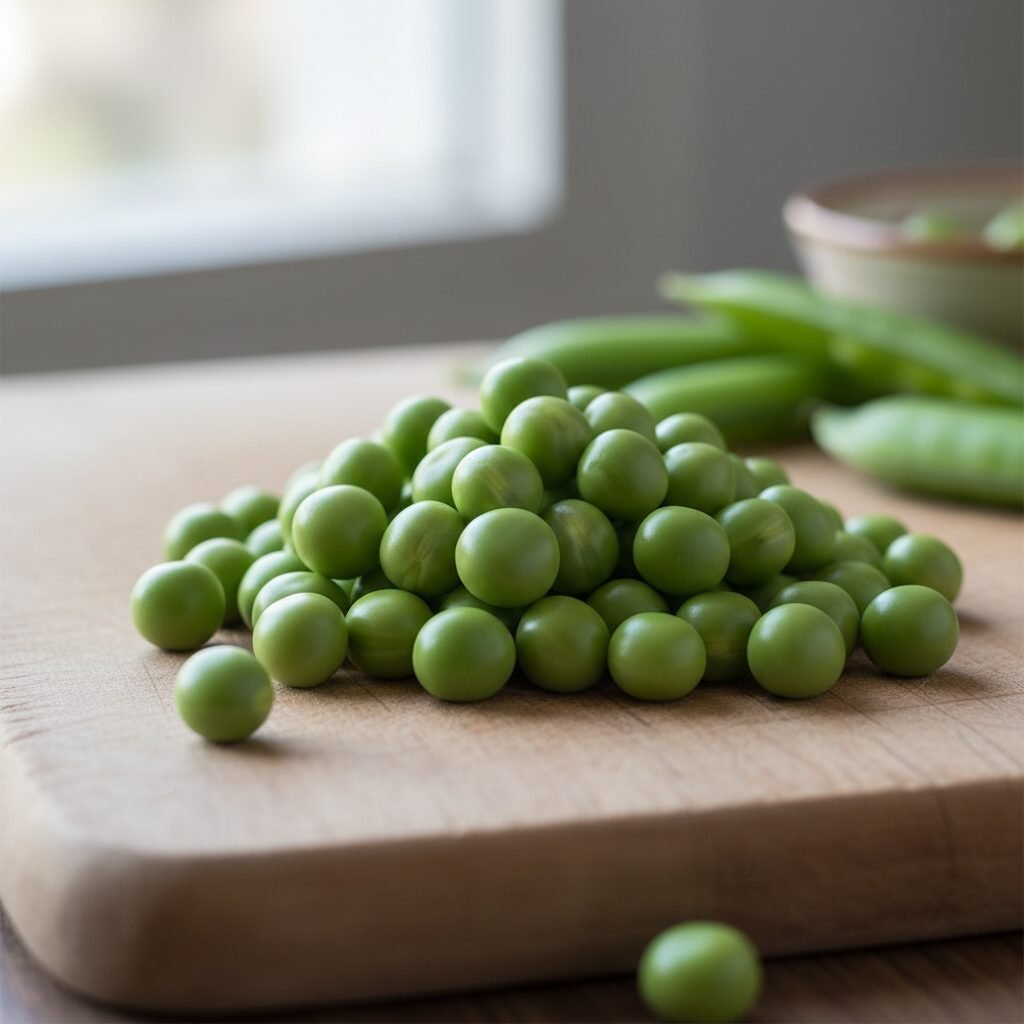
Benefits: Rich in vitamins K, B, and C, zinc, and fiber. A good source of protein.
How to Serve: Fresh or frozen (thawed), shelled, and plain. Avoid canned peas with added sodium.
10. Brussels Sprouts
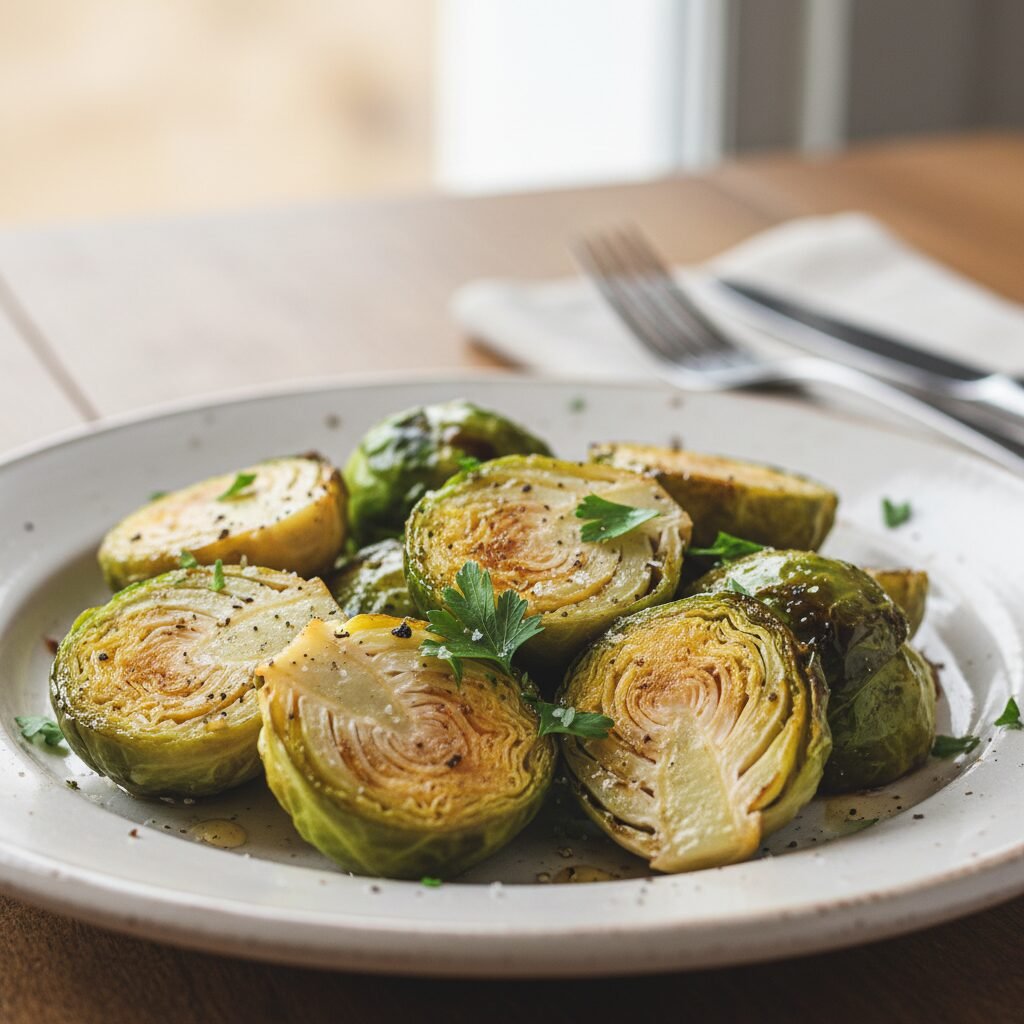
Benefits: High in vitamins K and C, fiber, and antioxidants. Can aid in digestion.
How to Serve: Cooked (steamed or boiled) and cut into halves or quarters. Introduce slowly as they can cause gas.
How to Safely Introduce Vegetables to Your Dog’s Diet

When introducing any new food, including vegetables, it’s essential to do so carefully:
- Start Small: Offer a tiny amount first to see how your dog reacts.
- One at a Time: Introduce one new vegetable at a time over a few days so you can easily identify any sensitivities.
- Preparation is Key: Always wash vegetables thoroughly. Cut them into small, bite-sized pieces to prevent choking. Most vegetables are best served plain, either raw or lightly steamed/boiled without any seasonings, oils, or butter.
- Monitor for Reactions: Watch for any signs of digestive upset like vomiting, diarrhea, or unusual gas. If you notice any, discontinue use and consult your vet.
- Consult Your Vet: If your dog has any pre-existing health conditions or dietary restrictions, always speak with your veterinarian before making changes to their diet.
2 Vegetables You Must Absolutely Skip
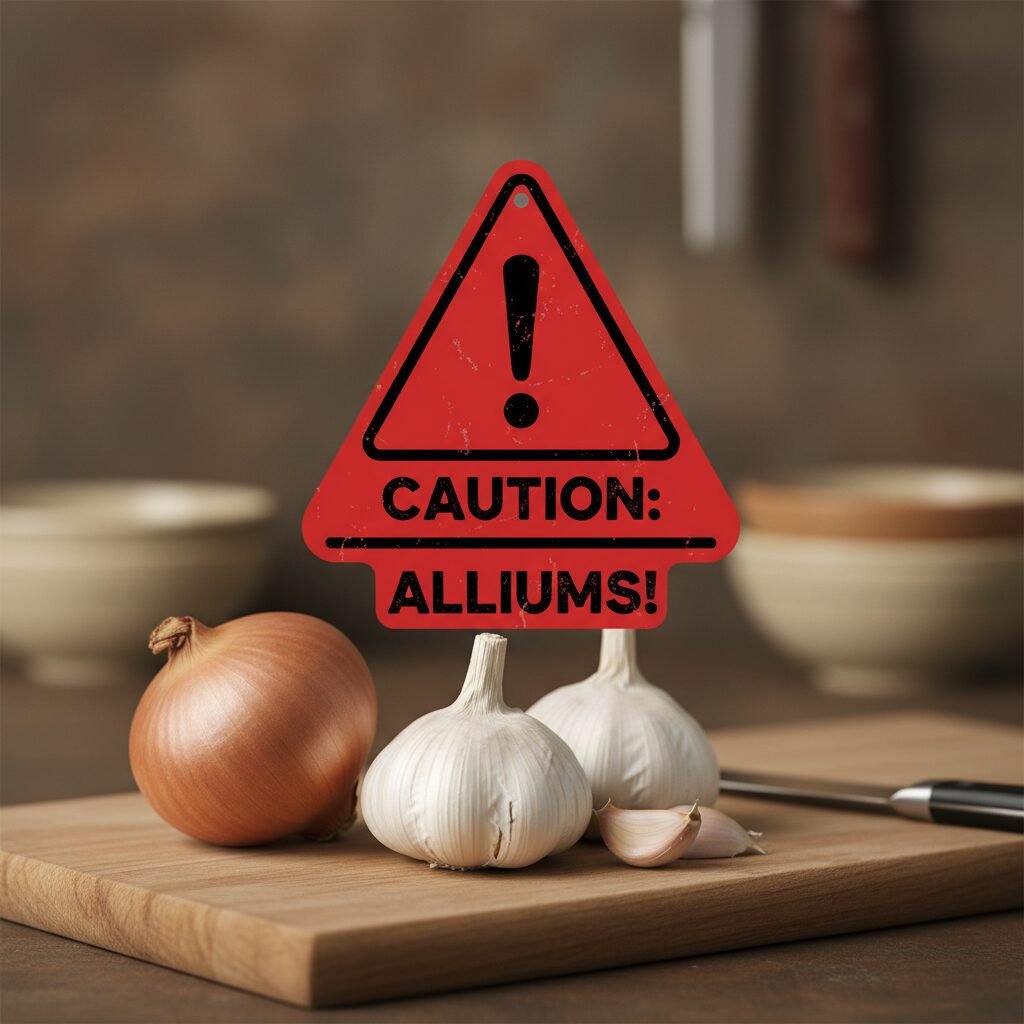
While many vegetables are beneficial, some are highly toxic to dogs and should never be offered. Keep these two far away from your canine companion:
1. Onions
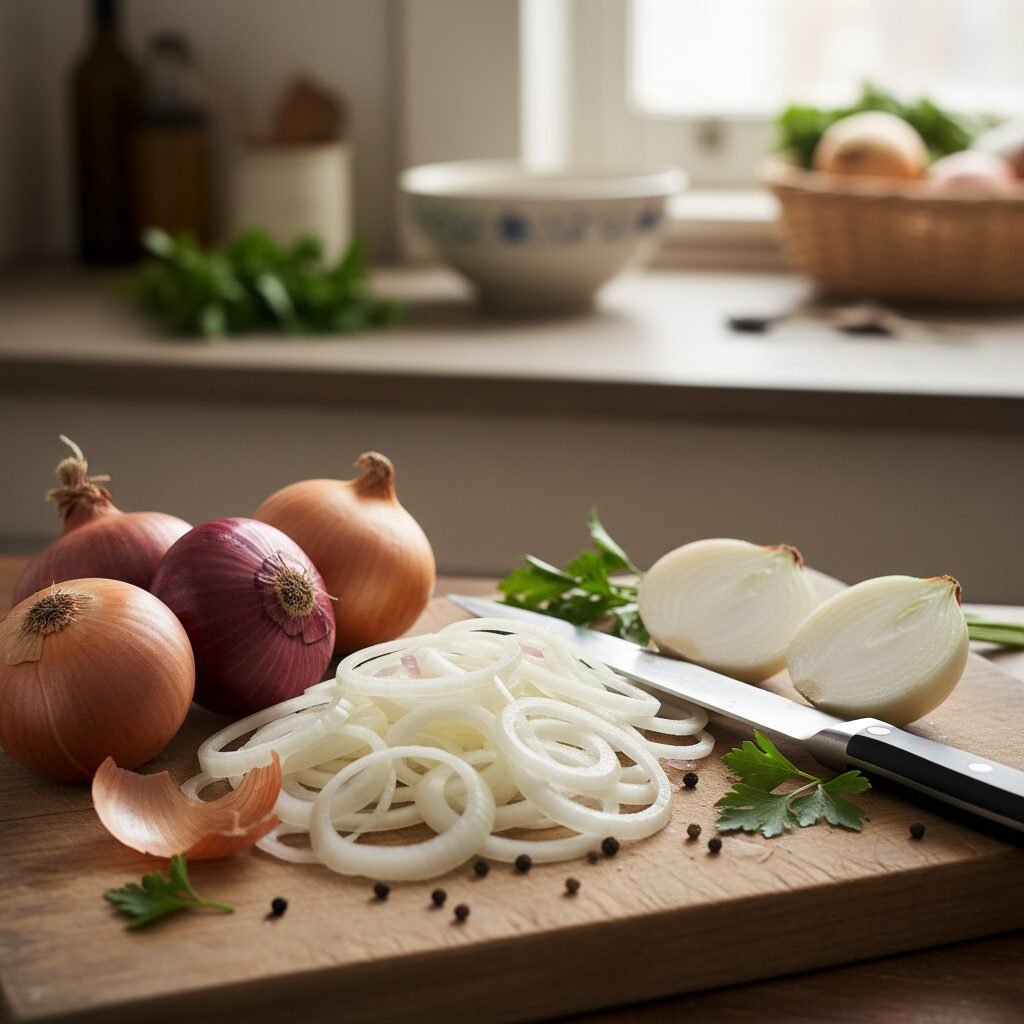
Why to Skip: Onions, along with chives, leeks, and shallots, belong to the Allium family. They contain N-propyl disulfide, which can damage a dog’s red blood cells, leading to a condition called hemolytic anemia. Symptoms include weakness, lethargy, pale gums, and dark urine. Even small amounts can be dangerous, whether raw, cooked, or powdered.
2. Garlic
Why to Skip: Also a member of the Allium family, garlic is even more potent than onions. It contains thiosulphates, which are toxic to dogs and can cause gastrointestinal upset and red blood cell damage. While some claim medicinal benefits, the risk far outweighs any perceived advantage, and it should be avoided entirely.
Conclusion
Incorporating safe and healthy vegetables into your dog’s diet can be a wonderful way to boost their nutrition and add exciting variety to their meals. From crunchy carrots to digestive-friendly pumpkin, these natural treats offer a wealth of vitamins, minerals, and fiber that support a vibrant, healthy life. However, knowledge is power, and understanding which vegetables are safe versus those that are harmful is paramount for responsible dog parenting. Always remember to prepare vegetables simply, introduce them gradually, and consult your veterinarian with any concerns.
By making informed choices, you’re not just feeding your dog; you’re nurturing their health and strengthening the incredible bond you share. Here’s to many happy, healthy years filled with wagging tails and wholesome treats!


