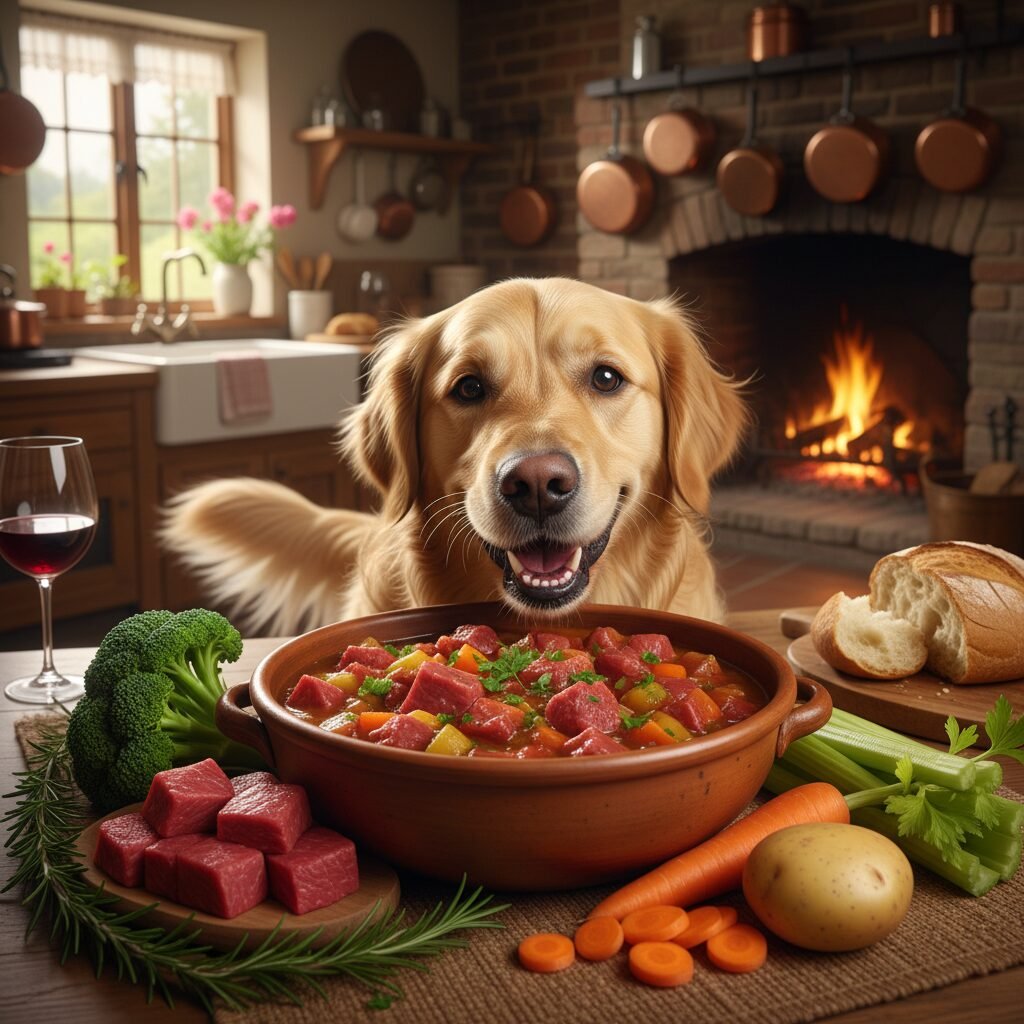
5 DIY Dog Food Recipes with Beef for Allergic Dogs
Watching our beloved canine companions suffer from food allergies can be heartbreaking. Itchy skin, upset stomachs, and constant discomfort are signs no dog parent wants to see. While beef is a common protein, sometimes it’s other ingredients mixed with it in commercial foods that cause problems. The good news? Preparing homemade meals gives you complete control over what goes into your dog’s bowl, ensuring they get nutritious, delicious food without the allergens.
This guide will walk you through five simple, vet-friendly DIY beef recipes designed to minimize common allergens, helping your allergic pup thrive. Let’s get cooking for a happier, healthier dog!
Understanding Dog Food Allergies and Beef

Food allergies in dogs occur when their immune system mistakenly identifies a harmless food protein as a threat. This reaction can manifest in various ways, from skin issues like itching, redness, and hot spots, to gastrointestinal problems such as vomiting, diarrhea, and gas. While beef is often cited as a common allergen, it’s crucial to remember that it’s frequently the *other* ingredients in commercial dog foods—like grains, dairy, or chicken—that are the true culprits.
If you suspect your dog has a food allergy, consulting your veterinarian is the first and most important step. They might recommend an elimination diet to pinpoint the exact allergen. Once beef is confirmed as a safe protein for your dog, these DIY recipes become a fantastic option.
Essential Safety Tips for DIY Dog Food

Embarking on a homemade diet for your dog requires careful planning to ensure it’s balanced and safe. Always keep these tips in mind:
- Consult Your Vet– Before making any significant dietary changes, discuss it with your veterinarian. They can help ensure the diet is nutritionally complete for your dog’s specific needs, especially if they have underlying health conditions or severe allergies.
- Balanced Nutrition– While these recipes are designed to be wholesome, long-term homemade diets often require a veterinary-approved supplement to ensure all essential vitamins and minerals are provided.
- Proper Cooking– Always cook meats thoroughly to kill bacteria. Raw feeding carries risks for both dogs and humans.
- Safe Ingredients– Use fresh, high-quality ingredients. Avoid foods toxic to dogs, such as onions, garlic, grapes, raisins, chocolate, and xylitol.
- Storage– Store homemade dog food in airtight containers in the refrigerator for up to 3-4 days, or freeze portions for longer storage.
- Introduce Slowly– When transitioning to new food, do so gradually over 7-10 days to avoid digestive upset.
Recipe 1 – Simple Beef and Sweet Potato Delight
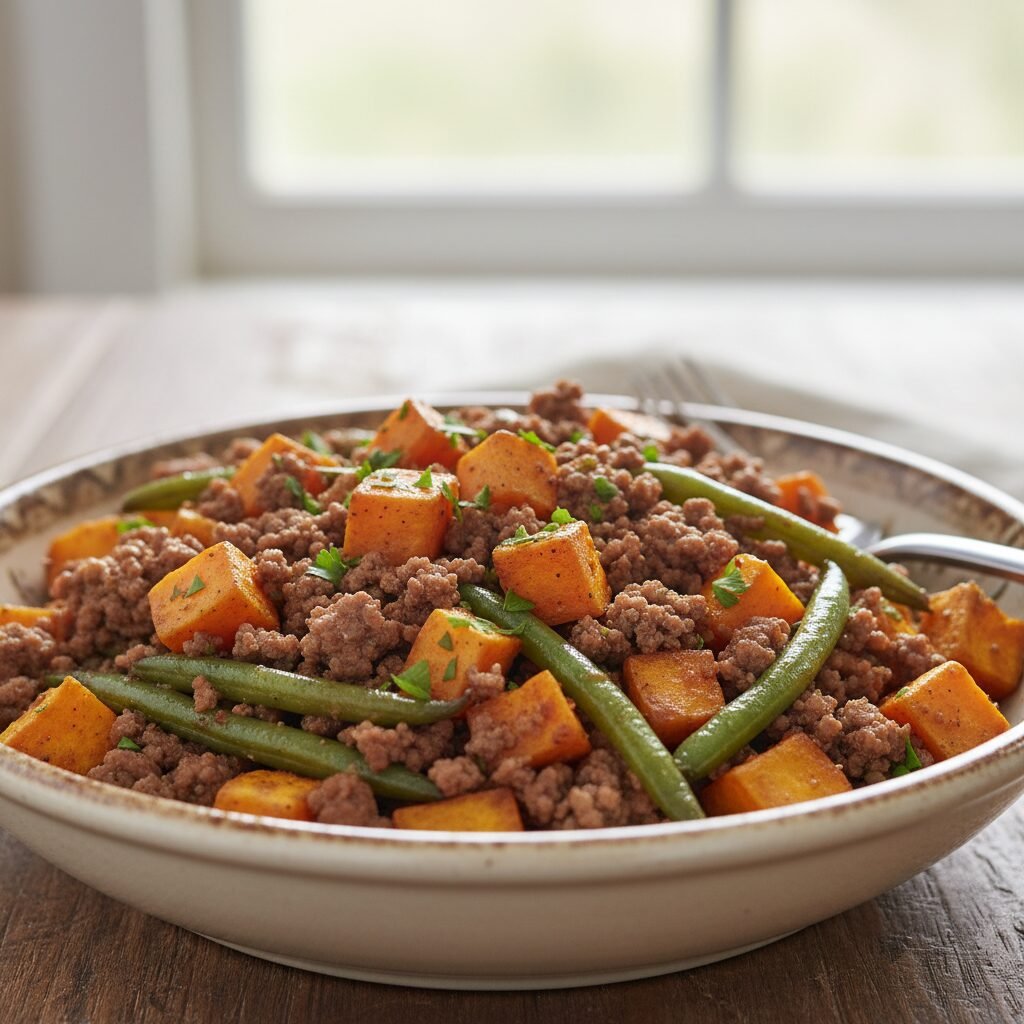
This recipe is a fantastic starting point for dogs with sensitive stomachs, focusing on limited, easily digestible ingredients.
Ingredients
- 1 lb lean ground beef (90/10 or higher)
- 2 medium sweet potatoes, peeled and diced
- 1 cup green beans, trimmed and chopped
- 2 cups water or low-sodium beef broth (check for no onion/garlic)
Instructions
- In a large pot, brown the ground beef over medium heat, breaking it into small pieces. Drain any excess fat.
- Add the diced sweet potatoes, green beans, and water/broth to the pot with the beef.
- Bring to a boil, then reduce heat, cover, and simmer for 15-20 minutes, or until sweet potatoes are tender.
- Cool completely before serving. Mash slightly for smaller dogs or those who prefer softer textures.
Recipe 2 – Lean Ground Beef with Green Beans and Quinoa
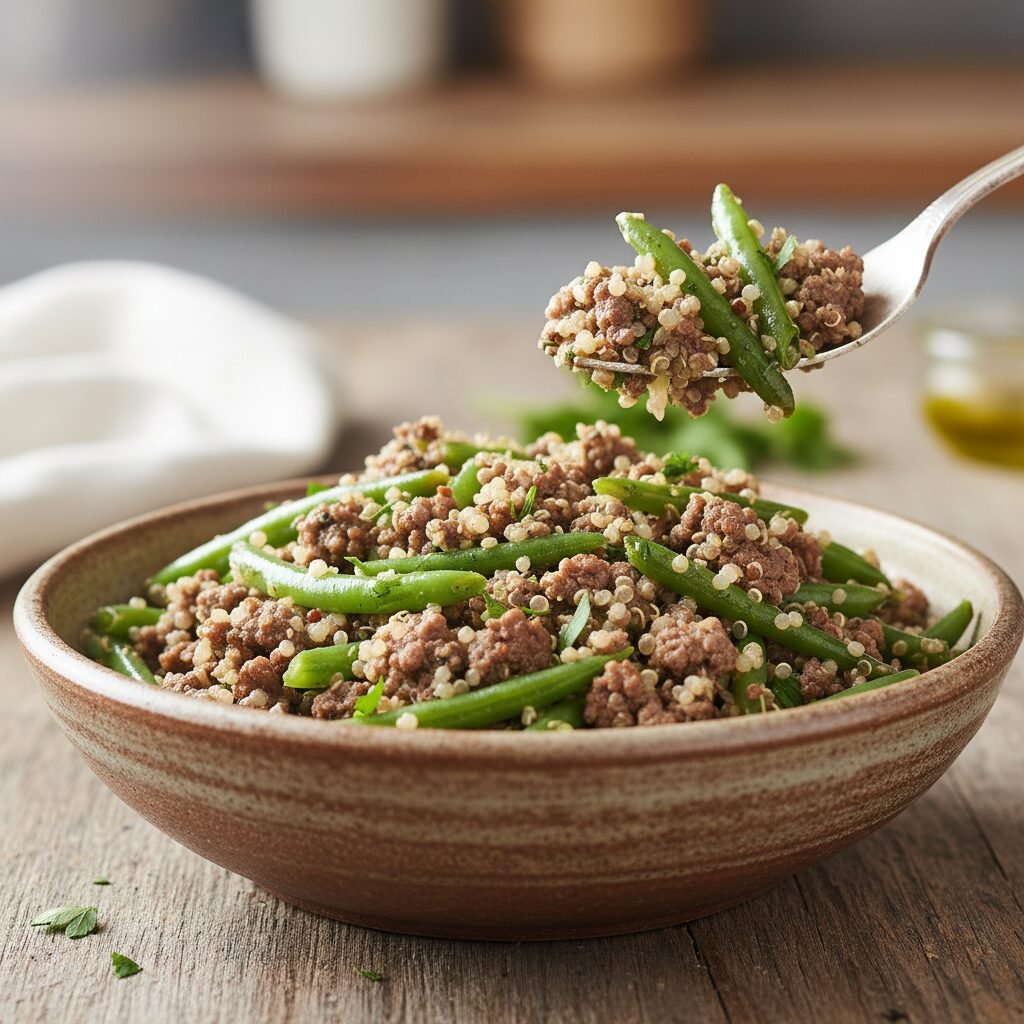
Quinoa is a complete protein and a great grain-free alternative for dogs sensitive to traditional grains like wheat or corn.
Ingredients
- 1 lb lean ground beef
- 1 cup cooked quinoa (prepare separately according to package directions)
- 1.5 cups fresh or frozen green beans, steamed or lightly boiled
- 1 tablespoon olive oil (optional, for healthy fats)
Instructions
- Brown the ground beef in a skillet, then drain any fat.
- Once the beef is cooked, combine it with the prepared quinoa and steamed green beans in a large bowl.
- Add olive oil if using, and mix thoroughly.
- Allow to cool completely before serving.
Recipe 3 – Hearty Beef Stew with Carrots and Peas
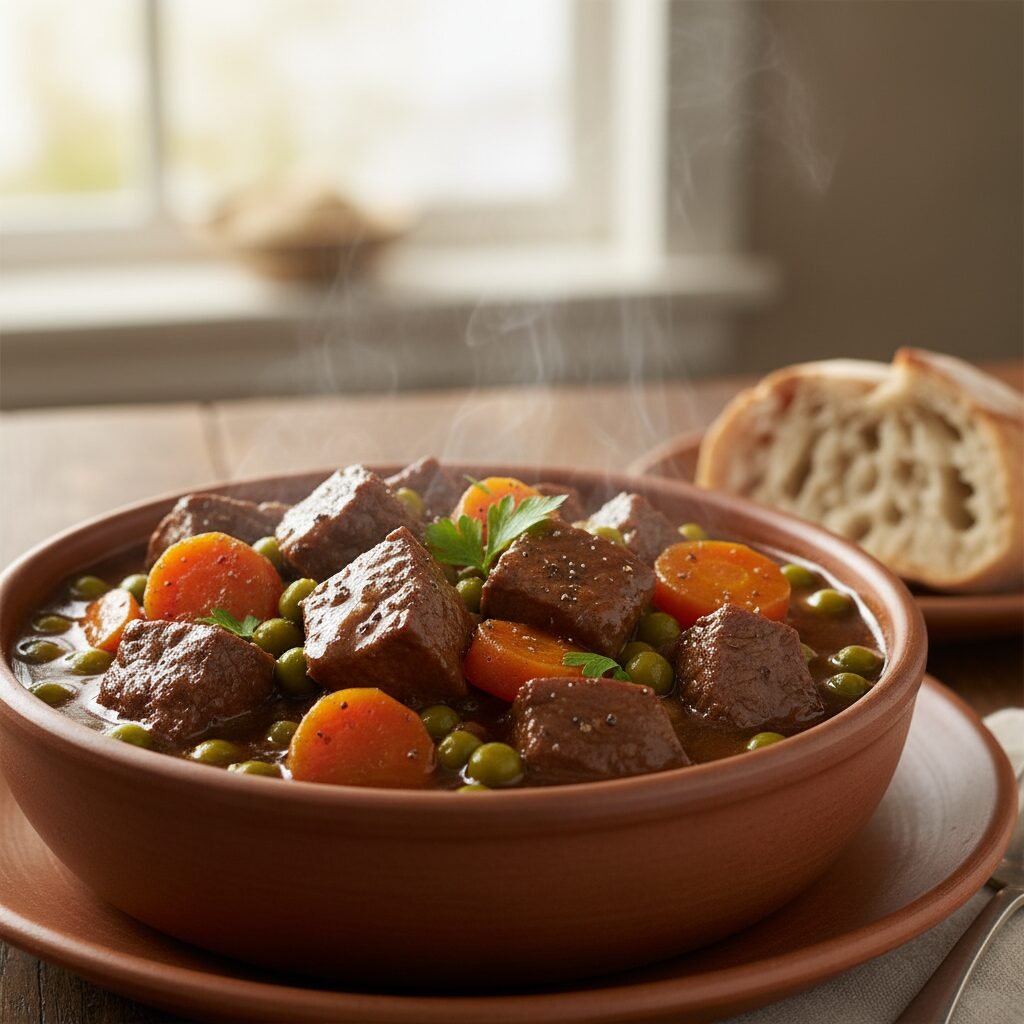
A comforting and nutrient-rich meal, this stew offers a good balance of protein and vitamins.
Ingredients
- 1 lb beef stew meat (cut into small, bite-sized pieces)
- 2 cups water
- 1 cup chopped carrots
- 1 cup frozen peas
- 1/2 cup cooked brown rice (optional, if your dog tolerates grains)
Instructions
- In a large pot or Dutch oven, combine the beef stew meat and water. Bring to a boil, then reduce heat, cover, and simmer for 45-60 minutes, or until beef is tender.
- Add the chopped carrots and continue to simmer for another 10-15 minutes, until carrots are tender.
- Stir in the frozen peas and cooked brown rice (if using) and cook for another 5 minutes, or until peas are heated through.
- Cool completely before serving.
Recipe 4 – Power-Packed Beef and Rice Bowl
This recipe combines a healthy grain with lean protein and nutrient-dense spinach, perfect for energy and vitality.
Ingredients
- 1 lb lean ground beef
- 2 cups cooked brown rice
- 1 cup finely chopped fresh spinach
- 1/2 cup finely diced zucchini
- 1 tablespoon coconut oil (optional, for healthy fats and digestion)
Instructions
- Brown the ground beef in a large skillet, draining any fat.
- Once cooked, add the finely chopped spinach and diced zucchini to the skillet with the beef. Cook for 5-7 minutes until vegetables are tender.
- In a large bowl, combine the beef and vegetable mixture with the cooked brown rice.
- Add coconut oil if using, and mix well.
- Cool thoroughly before serving.
Recipe 5 – Beef Liver and Veggie Mix-in
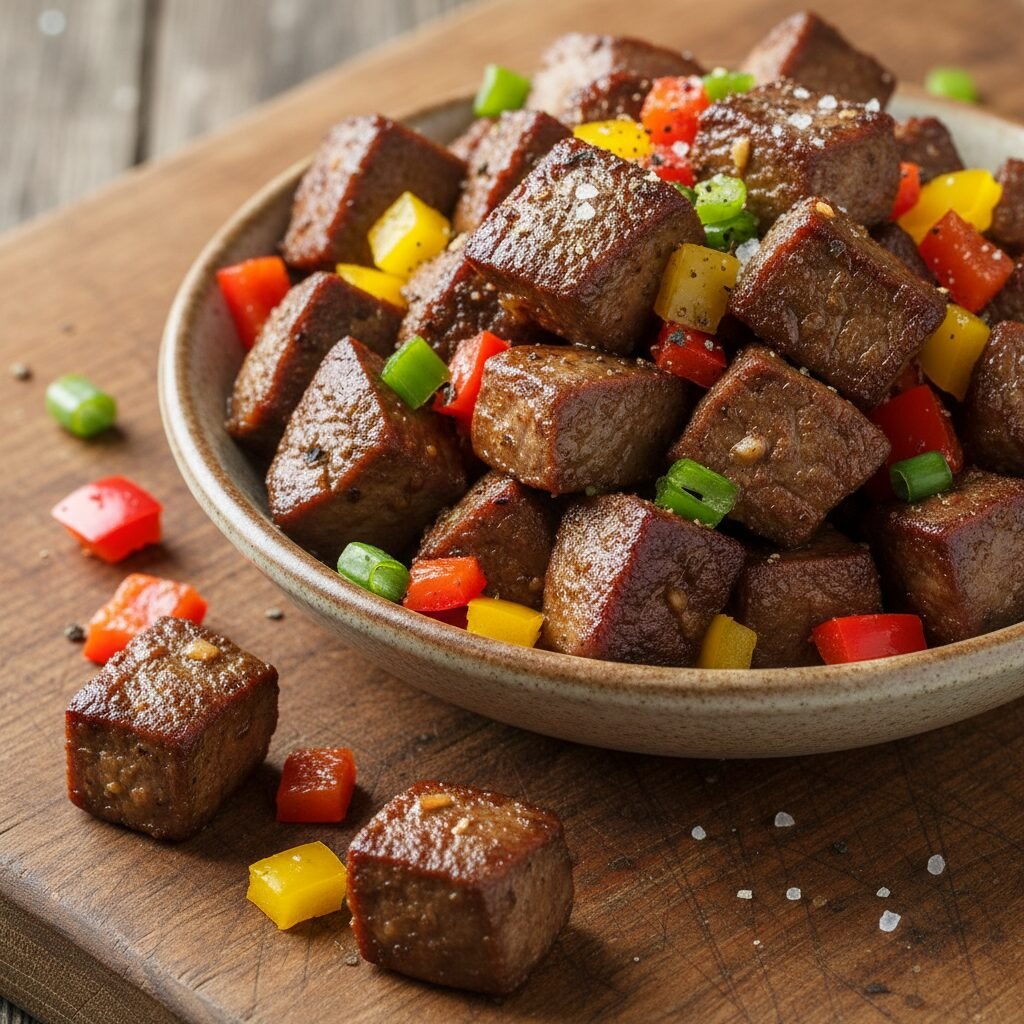
Beef liver is a powerhouse of nutrients, and when combined with bell peppers, it creates a highly palatable and healthy addition to any meal.
Ingredients
- 1/2 lb beef liver, cut into small, bite-sized pieces
- 1 red bell pepper, finely diced
- 1/2 cup finely diced celery
- 1/4 cup water or low-sodium beef broth
Instructions
- In a small saucepan, add the beef liver pieces and water/broth. Bring to a gentle simmer and cook for 10-15 minutes until liver is cooked through.
- Drain the liquid (you can save it as a broth topper!).
- In a separate bowl, combine the cooked liver with the finely diced red bell pepper and celery.
- This mixture can be served as a special topper to your dog’s regular hypoallergenic kibble or as a treat.
- Cool completely before serving.
Transitioning Your Dog to a New Diet
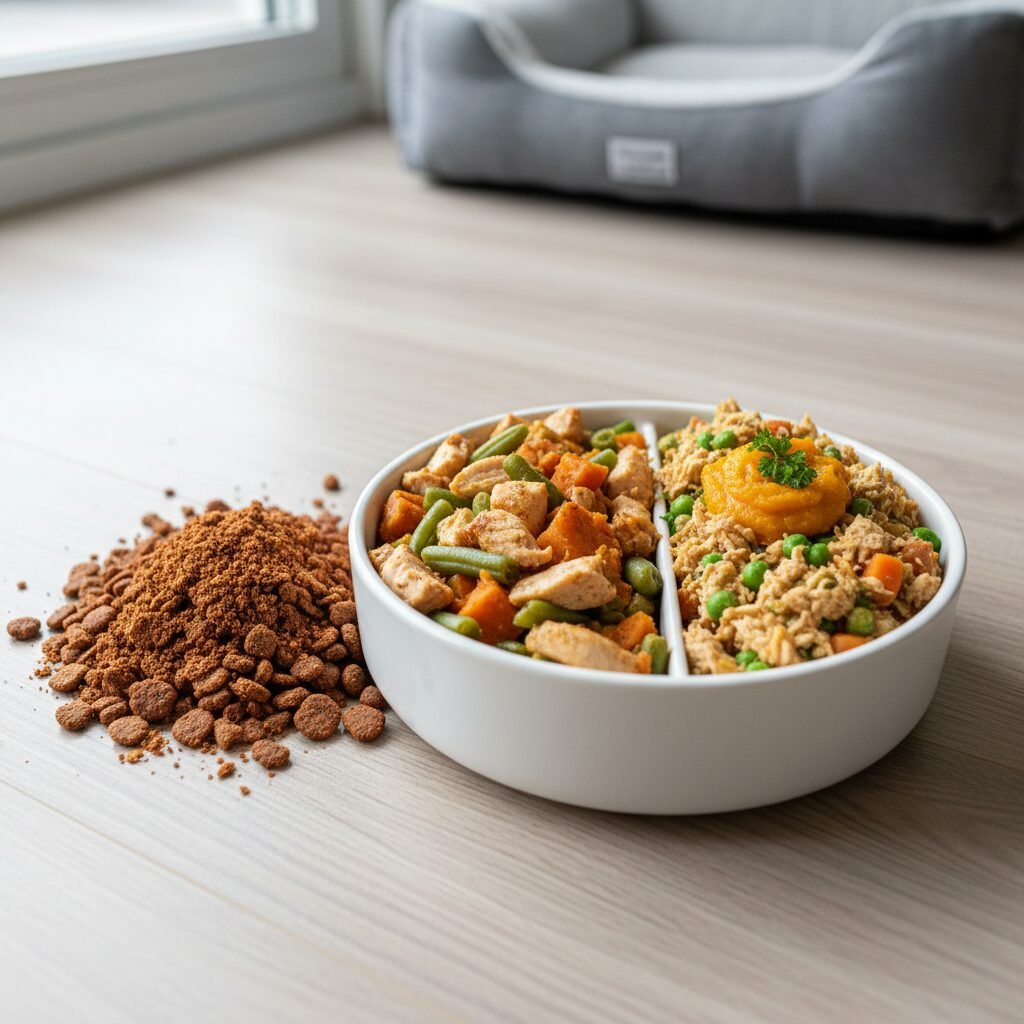
When introducing any new food, especially a homemade diet, a gradual transition is key to preventing digestive upset. Start by replacing about 25% of their old food with the new homemade food for a few days. If your dog tolerates it well, increase the new food to 50% for a few more days, then 75%, and finally 100% over a period of 7-10 days. Always monitor your dog closely for any signs of discomfort or allergic reactions during this period.
Common Allergen Triggers to Watch Out For
While these recipes focus on beef, it’s good to be aware of other common food allergens in dogs. These often include chicken, dairy products, soy, wheat, corn, and eggs. Always read ingredient labels carefully, even on treats, to avoid accidental exposure if your dog is allergic to these.
Conclusion
Providing your allergic dog with homemade meals is a profound way to show your love and dedication. By carefully selecting ingredients and preparing these delicious beef-based recipes, you’re not just feeding them; you’re offering comfort, health, and peace of mind. Remember to always work with your veterinarian to ensure your dog’s diet is perfectly balanced for their unique needs. Enjoy the journey of cooking for your best friend, and watch them thrive!


