5 Natural Remedies to Calm Dog Anxiety Safely
Watching your beloved dog suffer from anxiety can be heartbreaking. The whines, the pacing, the destructive chewing—it’s a clear sign your furry friend is distressed. While veterinary care is always the first step for any health concern, many dog parents are also exploring natural, complementary approaches to help their pups find peace. The good news is, there are several gentle, safe, and effective natural remedies that can significantly reduce anxiety in dogs, helping them feel more secure and content.
In this guide, we’ll explore five natural remedies that can help soothe your anxious dog, providing practical tips and insights to help you create a calmer, happier environment for your canine companion. Remember, always consult your veterinarian before introducing any new remedies or supplements to your dog’s routine.
Understanding Dog Anxiety- Its Signs and Causes
Before diving into remedies, it’s helpful to understand what dog anxiety looks like and what might be triggering it. Recognizing the signs early can help you intervene and provide comfort more effectively.
Common Signs of Anxiety in Dogs
Anxiety in dogs can manifest in various ways, sometimes subtle, sometimes overt. Here are some common indicators to watch for:
- Destructive Behavior– Chewing furniture, scratching doors, or inappropriate urination/defecation.
- Excessive Barking or Howling– Especially when left alone.
- Pacing or Restlessness– Unable to settle down.
- Trembling or Shaking– Even when not cold.
- Licking Lips or Yawning– Often out of context.
- Hiding or Escaping– Seeking isolated spots or trying to get away.
- Changes in Appetite– Refusing to eat or eating excessively.
- Aggression– Snapping or growling when feeling threatened or overwhelmed.
Why Dogs Get Anxious- Underlying Causes
Dog anxiety can stem from many sources. Identifying the cause is crucial for effective treatment.
- Separation Anxiety– Fear of being left alone.
- Fear-Related Anxiety– Triggered by loud noises (thunderstorms, fireworks), strangers, new environments, or specific objects.
- Age-Related Anxiety– Cognitive decline in older dogs can lead to confusion and anxiety.
- Past Trauma– Rescue dogs, especially, might carry anxiety from previous negative experiences.
- Lack of Socialization– Dogs not properly socialized as puppies might be fearful of new situations.
- Medical Conditions– Pain or illness can sometimes manifest as anxiety.
Remedy 1- The Power of Pheromones and Aromatherapy
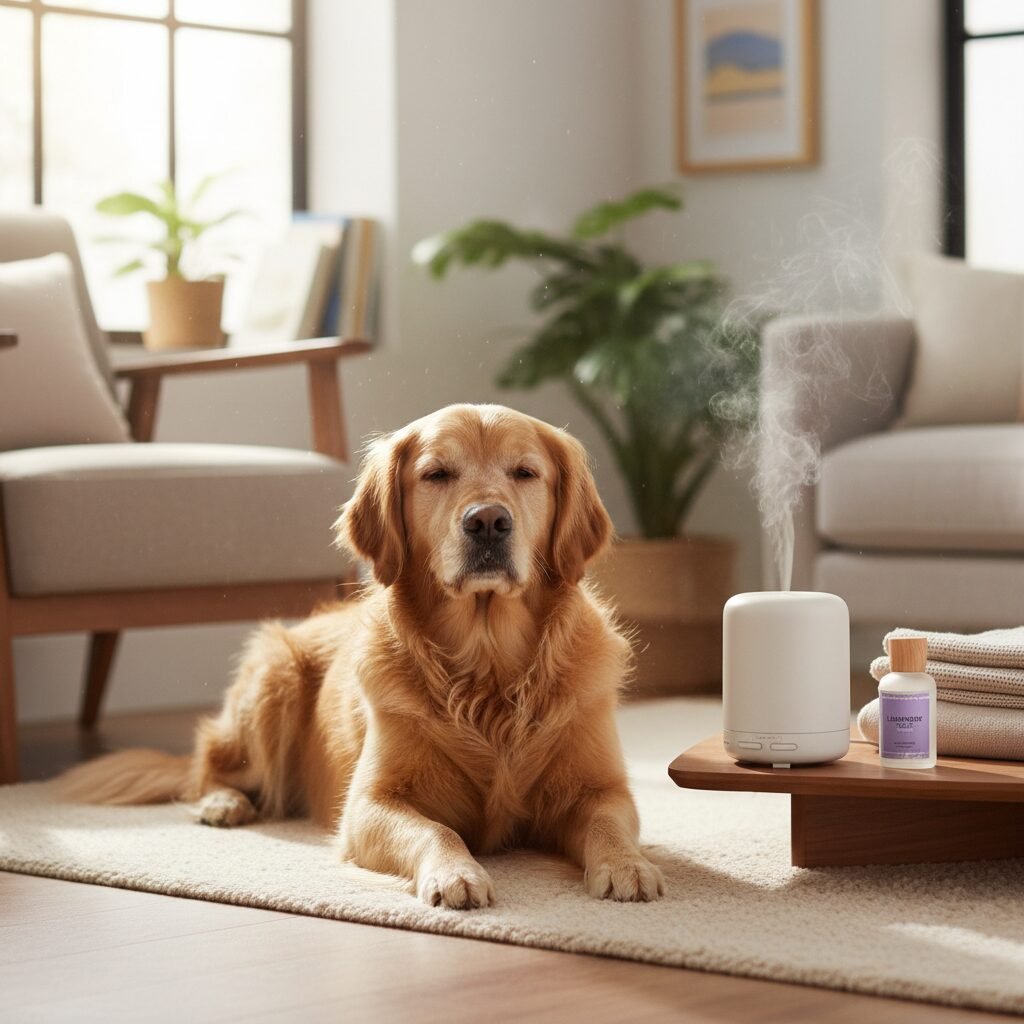
Certain scents and synthetic pheromones can work wonders in creating a sense of calm for your dog.
Calming Pheromone Products
Dog appeasing pheromones (DAP) are synthetic versions of the natural pheromones mother dogs emit to calm their puppies. These are odorless to humans but can have a profound calming effect on dogs of all ages.
- Diffusers– Plug-in diffusers release pheromones into the air, ideal for home use.
- Collars– Pheromone-infused collars provide continuous calming effects, great for dogs on the go.
- Sprays– Can be used in carriers, cars, or on bedding for targeted relief.
Safe Essential Oils for Dogs
While some essential oils are toxic to dogs, others can be used safely and effectively for calming purposes when properly diffused and diluted. Always use therapeutic-grade oils and consult your vet.
- Lavender– Known for its calming properties, use a small amount in a diffuser (away from the dog’s direct breathing path) or highly diluted on a bandana.
- Chamomile– Gentle and soothing, can be diffused or applied topically when extremely diluted.
- Frankincense– Can help promote relaxation; use sparingly in diffusion.
Important Safety Note– Never apply undiluted essential oils directly to your dog’s skin. Ensure proper ventilation if diffusing, and always introduce new scents slowly to observe your dog’s reaction.
Remedy 2- Herbal Supplements for Canine Calm
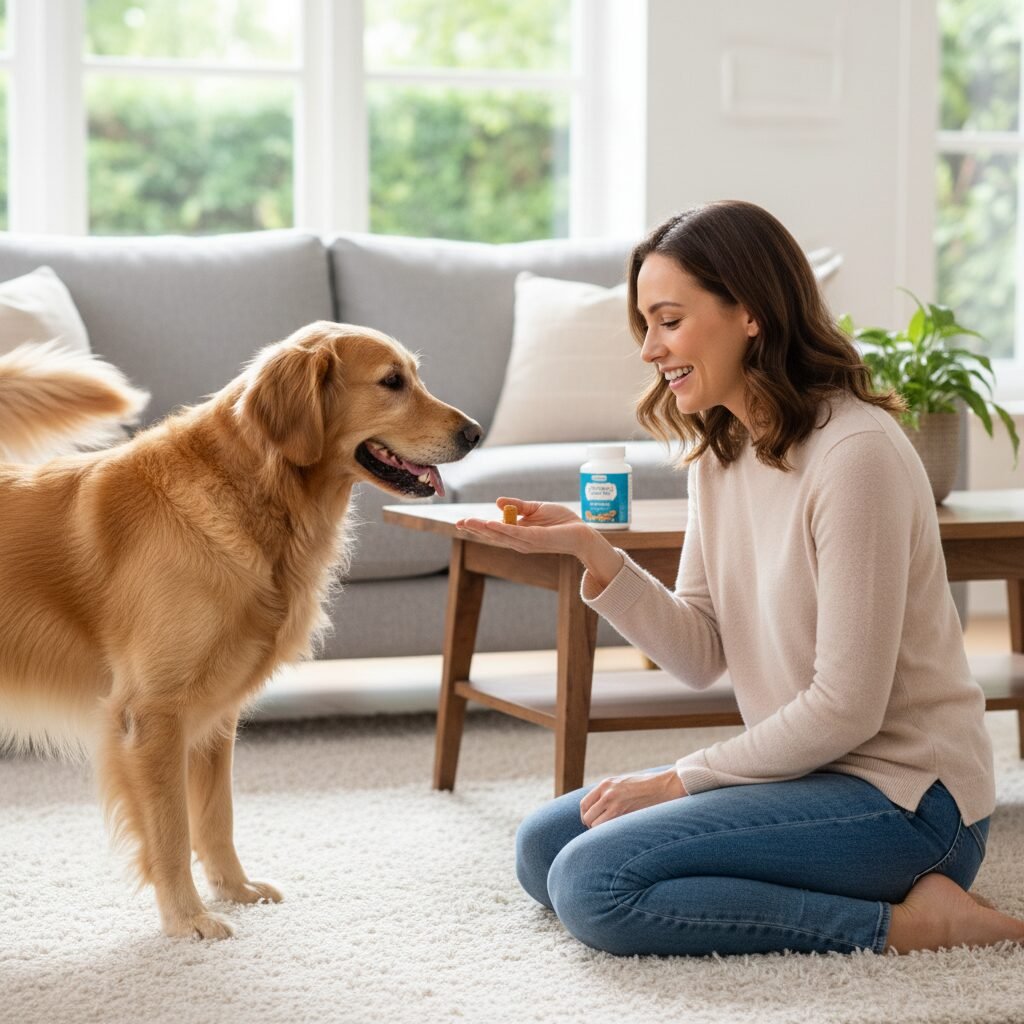
A range of herbal supplements can support your dog’s nervous system and help reduce anxiety. These should always be discussed with your veterinarian to ensure they are appropriate for your dog’s specific health needs and won’t interact with other medications.
Popular Herbal Options
- Valerian Root– A natural sedative, often used for sleep and anxiety in humans and dogs.
- Chamomile– Beyond its aromatic properties, chamomile can be given as a supplement or a weak tea.
- L-Theanine– An amino acid found in green tea, known for promoting relaxation without drowsiness.
- Passionflower– Often used in combination with other herbs for its calming effects.
- CBD (Cannabidiol)– Gaining popularity for its potential to reduce anxiety and pain. Ensure you use a high-quality, pet-specific product and discuss dosage with your vet.
Dosage and Administration Tips
Start with the lowest recommended dose and monitor your dog’s reaction. It can take time to see results, so consistency is key. Supplements come in various forms, including chews, tinctures, and powders, making administration easier for different dogs.
Remedy 3- Dietary Adjustments and Nutritional Support
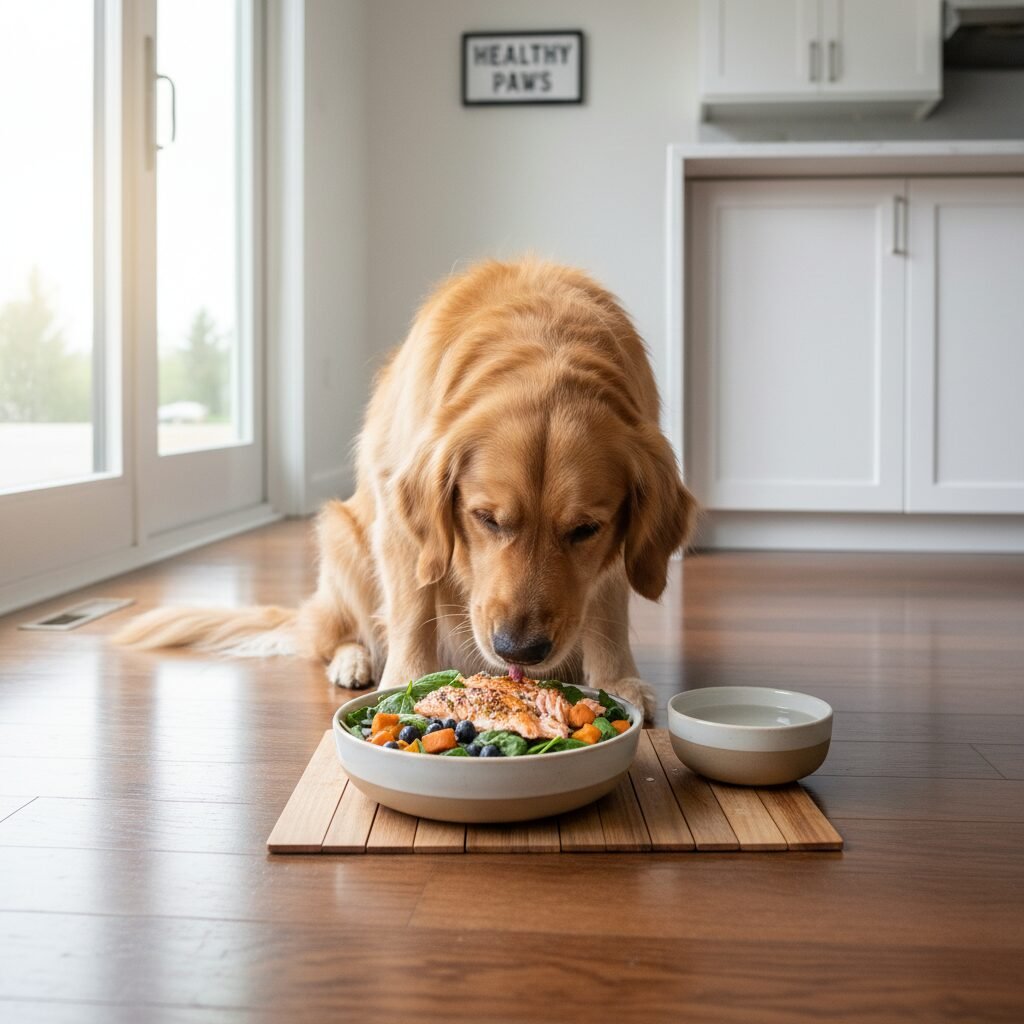
What your dog eats can significantly impact their overall well-being, including their mental state. A healthy gut is often linked to a healthy mind.
Gut Health and Anxiety Connection
Emerging research highlights the strong connection between gut health and brain function. An unbalanced gut microbiome can contribute to mood disorders, including anxiety.
Foods and Supplements that Help
- Probiotics– Introducing beneficial bacteria through probiotic supplements or fermented foods (like plain kefir) can support a healthy gut.
- Omega-3 Fatty Acids– Found in fish oil, omega-3s are known for their anti-inflammatory properties and can support brain health, potentially reducing anxiety symptoms.
- Tryptophan-Rich Foods– Tryptophan is a precursor to serotonin, a neurotransmitter that promotes feelings of well-being. Foods like turkey, chicken, and cottage cheese contain tryptophan.
Always ensure any dietary changes are gradual and approved by your vet to avoid digestive upset.
Remedy 4- The Soothing Touch of Massage and Acupressure
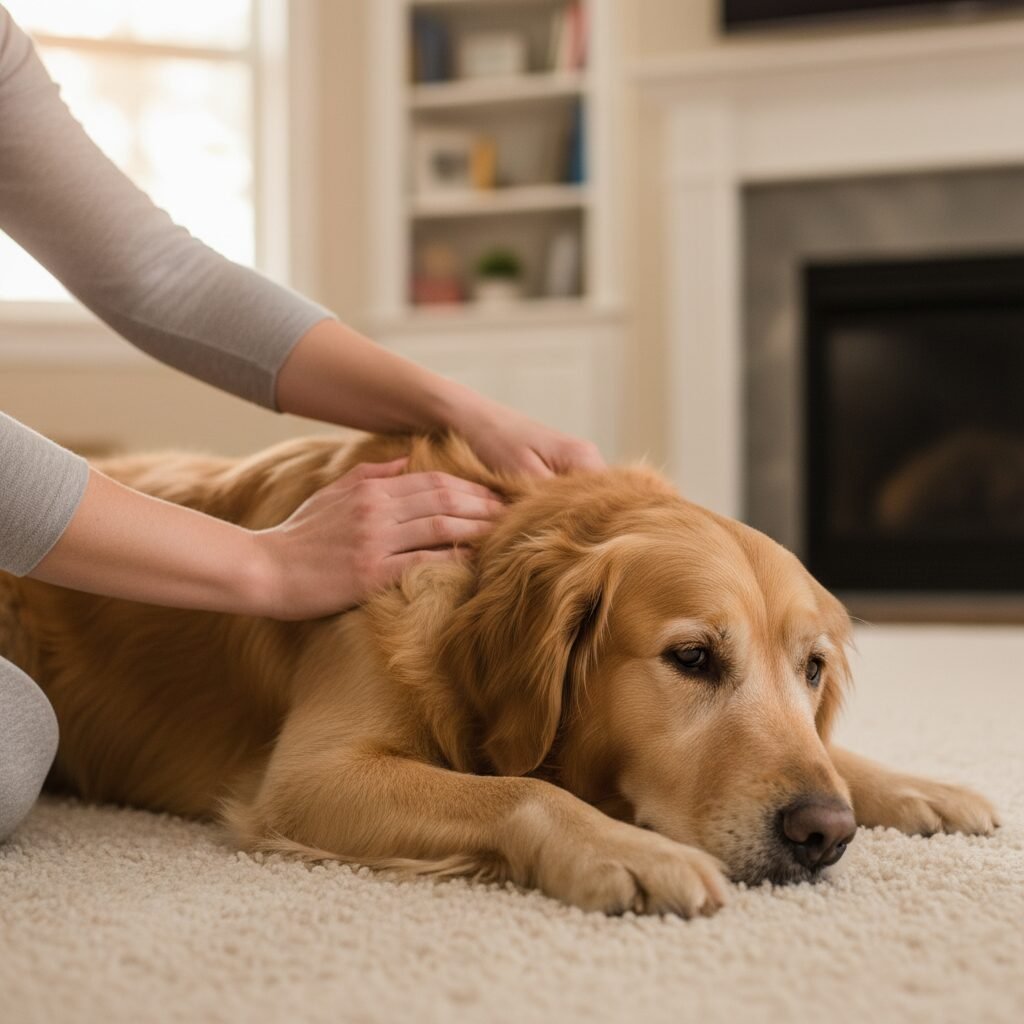
The power of touch is immense. Gentle massage and targeted acupressure can significantly calm an anxious dog, strengthening your bond in the process.
Basic Canine Massage Techniques
When your dog is anxious, a calm, gentle massage can help release tension and promote relaxation.
- Start Slow– Begin with gentle strokes on areas your dog enjoys, like behind the ears or along their back.
- Circular Motions– Use soft, circular motions with your fingertips, applying light pressure.
- Focus on Tension Spots– Many dogs hold tension in their neck, shoulders, and hips. Observe their reactions and adjust your touch.
- Ear Rubs– Gently rub the base of their ears and stroke outwards. This is often very soothing.
Acupressure Points for Relaxation
Certain acupressure points can help calm the nervous system. While best learned from a professional, you can gently massage these areas:
- GV 20 (Bai Hui)– Located at the top of the head, between the ears. Often called the ‘hundred meetings’ point, it’s great for calming.
- PC 6 (Nei Guan)– On the inside of the front leg, just above the wrist. Known for alleviating nausea and anxiety.
- An Mian (Peaceful Sleep)– Behind the ear, in the hollow just below the skull.
Always ensure your dog is comfortable and receptive to touch. Stop if they show any signs of discomfort.
Remedy 5- Environmental Enrichment and Routine
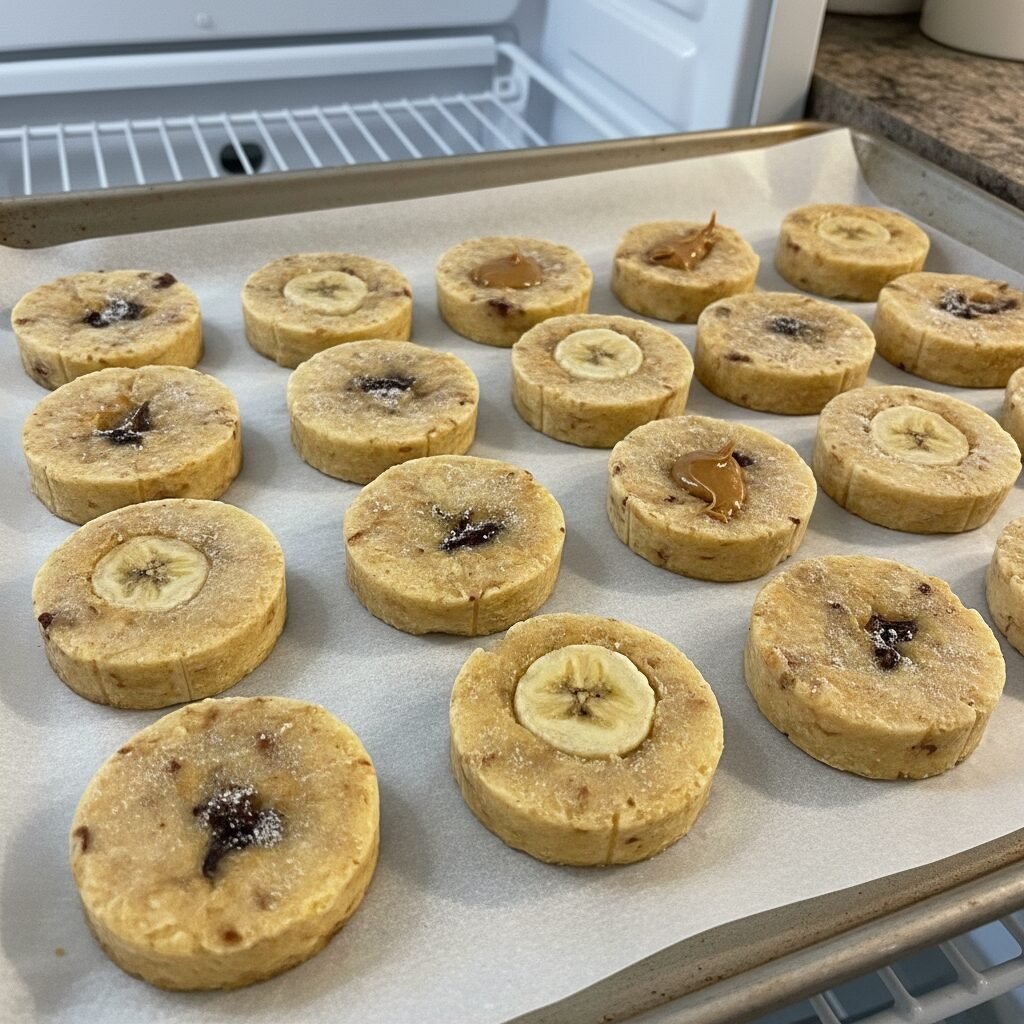
A dog’s environment and daily routine play a huge role in their anxiety levels. Creating a predictable, stimulating, and safe space can make a world of difference.
Creating a Secure Space
Every dog needs a safe haven—a place where they can retreat and feel secure. This could be a crate, a cozy bed in a quiet corner, or a designated room. Ensure this space is comfortable, quiet, and always accessible.
The Importance of Routine and Exercise
Dogs thrive on routine. Predictable feeding times, walks, and play sessions help reduce uncertainty, which can be a major source of anxiety. Regular physical exercise is also crucial; it burns off excess energy and releases endorphins, promoting a sense of well-being.
Calming Activities and Toys
- Puzzle Toys– These keep your dog mentally stimulated and engaged, distracting them from anxious thoughts.
- Lick Mats– The repetitive licking motion is incredibly soothing for dogs, releasing calming hormones.
- Chew Toys– Chewing is a natural stress-reliever for dogs. Provide durable, appropriate chew toys.
- Calming Music or White Noise– Soft classical music or white noise machines can mask anxiety-inducing sounds.
Important Considerations Before Starting Natural Remedies
While natural remedies offer a gentle approach, it’s vital to remember a few key points:
- Consult Your Veterinarian First– Always discuss any new remedies with your vet to rule out underlying medical conditions and ensure safety.
- Start Slowly and Observe– Introduce one remedy at a time and carefully monitor your dog’s reaction.
- Combine Approaches– Often, a combination of remedies and behavioral modifications yields the best results.
- Patience is Key– Natural remedies may take time to show full effects. Consistency and patience are crucial.
Helping your anxious dog find peace is a journey that requires understanding, patience, and love. By exploring these natural remedies in consultation with your vet, you can provide your furry family member with the comfort and security they deserve. A calm dog means a happier home, and that’s a goal every dog parent strives for.