7 Powerful Boxer Training Methods for Better Behavior at Home
Boxers are truly magnificent dogs—full of energy, loyalty, and an undeniable zest for life. Their playful spirit and affectionate nature make them wonderful family companions. However, their intelligence, strength, and strong will can sometimes lead to behavioral challenges if not properly channeled. A well-trained Boxer is a joy to live with, and achieving that harmony starts with understanding and implementing effective training methods. This guide will walk you through seven powerful techniques to help your Boxer develop excellent behavior right in your home.
1. Embrace Early Socialization and Exposure

One of the most crucial steps in raising a well-adjusted Boxer is early and consistent socialization. From a young age, expose your Boxer puppy to a wide variety of sights, sounds, people, and other friendly, vaccinated dogs. This helps them learn to navigate different situations confidently, reducing the likelihood of fear, anxiety, or aggression later in life.
- Puppy Classes: Enroll your puppy in a reputable puppy kindergarten class. This provides a safe, structured environment for them to interact with other puppies and people.
- Controlled Experiences: Take your puppy on short, positive outings to parks (observing from a distance initially), pet-friendly stores, or friends’ homes. Always ensure these experiences are positive and not overwhelming.
- Introduce New Things Slowly: Let them hear different noises (vacuum, doorbell, city sounds) and meet various types of people (children, adults, people with hats or glasses) in a calm, controlled manner.
2. Master Positive Reinforcement Training
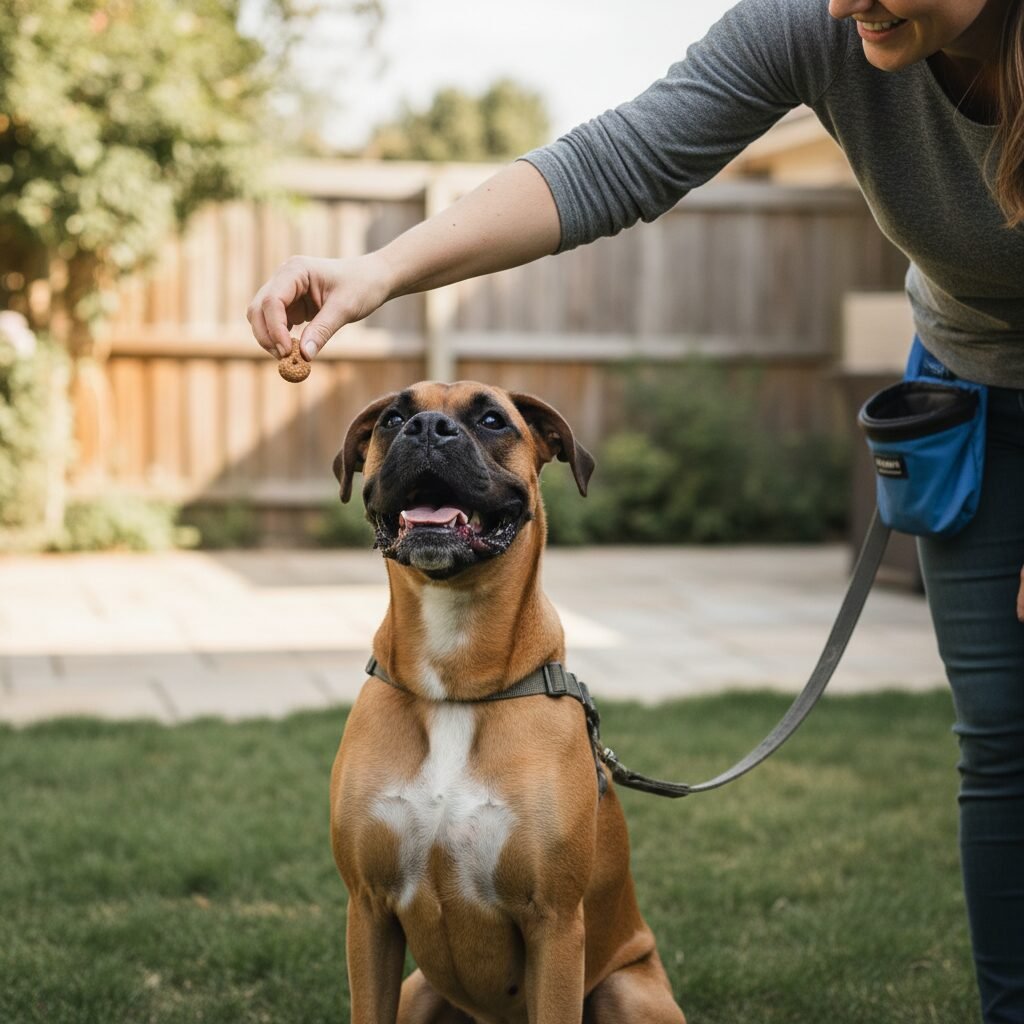
Boxers respond incredibly well to positive reinforcement. This method focuses on rewarding desired behaviors rather than punishing unwanted ones. It builds a strong bond of trust between you and your dog, making them eager to learn and please.
- Use High-Value Rewards: Small, soft, smelly treats work best, especially in the beginning. Praise, petting, and favorite toys can also be powerful motivators.
- Mark the Behavior: Use a verbal marker like “Yes!” or a clicker the instant your Boxer performs the desired action, then immediately follow with a reward. This helps them understand exactly what they’re being rewarded for.
- Keep it Fun: Short, frequent training sessions (5-10 minutes) are more effective than long, tedious ones. End on a positive note, even if it means asking for an easy command they know well.
3. Consistency and Routine are Your Best Friends
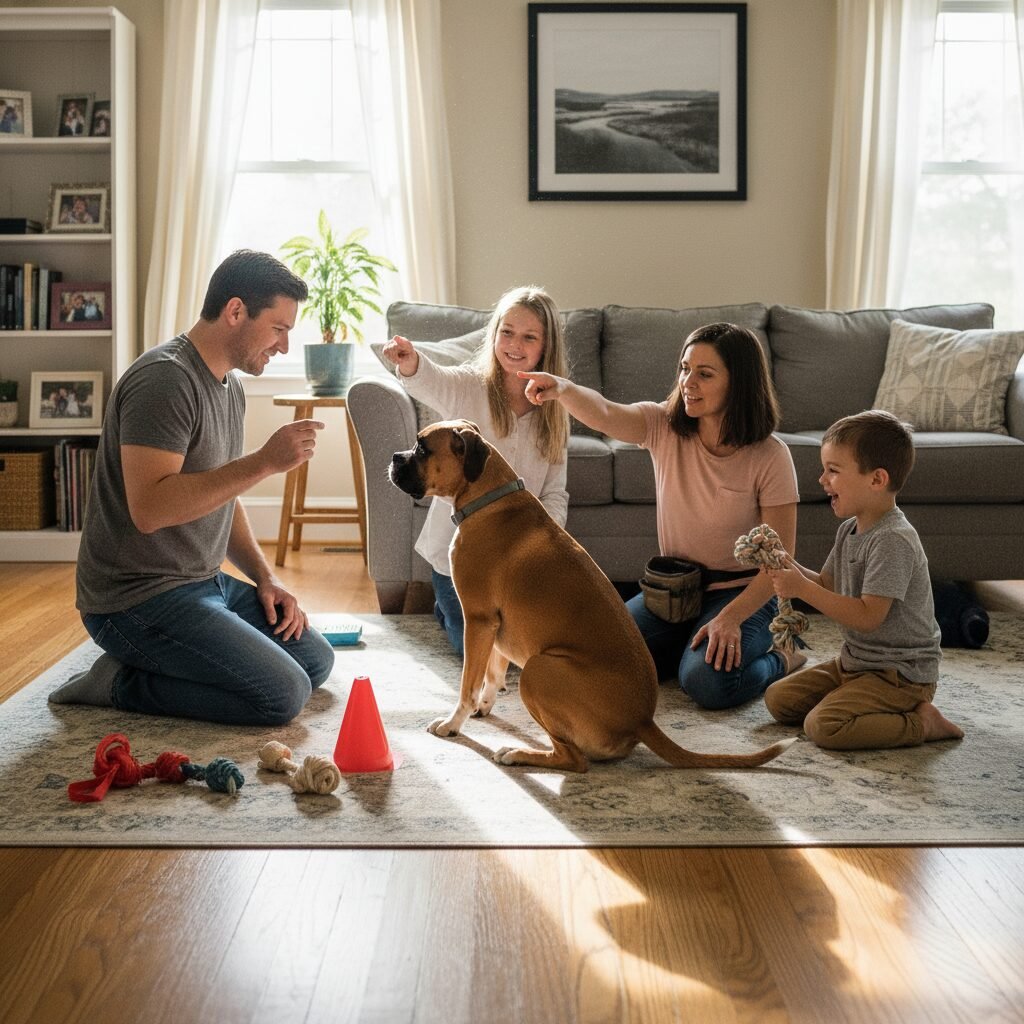
Boxers thrive on predictability and clear boundaries. Inconsistency can confuse them and make training much harder. Everyone in the household needs to be on the same page regarding rules, commands, and expectations.
- Establish Clear Rules: Decide what your Boxer is allowed to do and not do (e.g., no jumping on furniture, no begging at the table).
- Use Consistent Commands: All family members should use the same commands and hand signals. Avoid variations like “sit down” and “sit.”
- Stick to a Schedule: Regular feeding times, potty breaks, exercise, and training sessions help your Boxer feel secure and understand what’s expected of them throughout the day.
4. Perfect Leash Training and Loose-Leash Walking
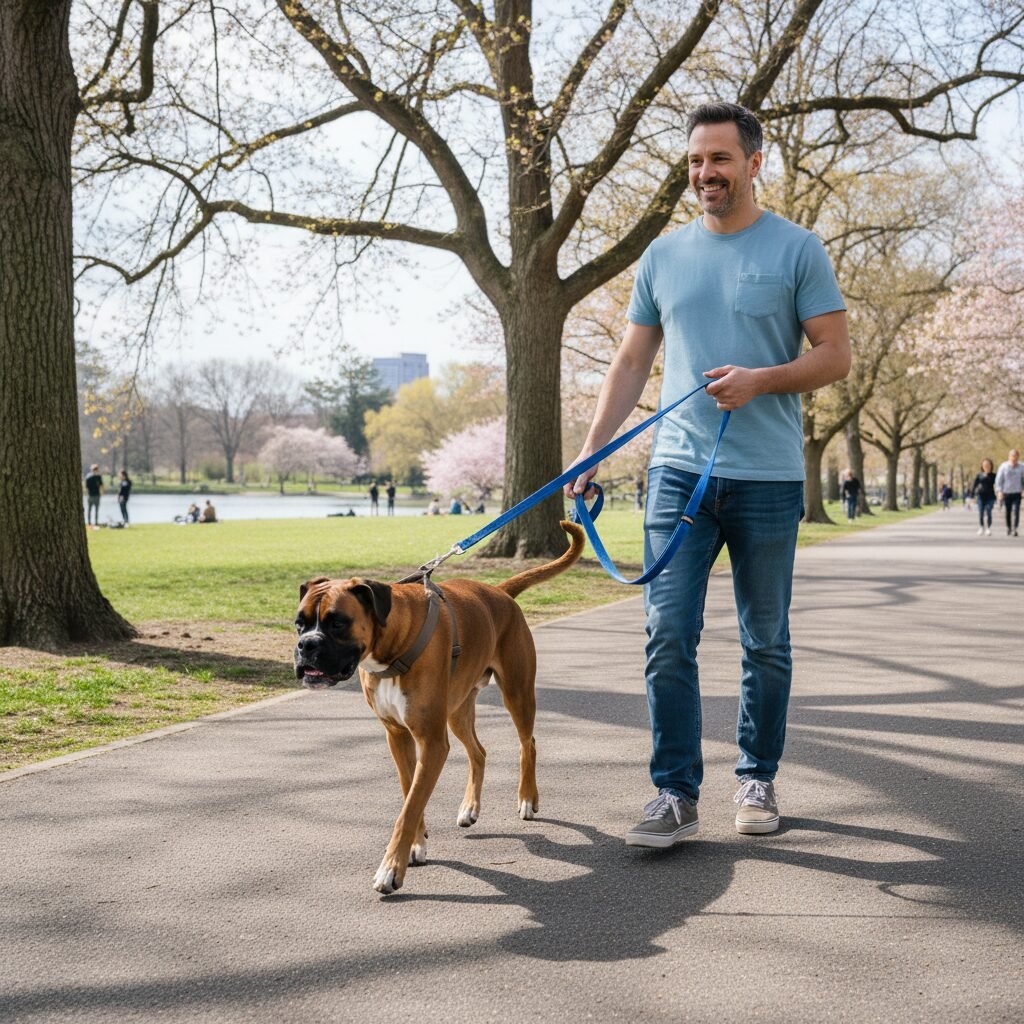
Given a Boxer’s strength and enthusiasm, teaching them to walk politely on a leash is essential for enjoyable outings. Pulling can be frustrating and even dangerous for both of you.
- Start Early: Introduce the collar/harness and leash in short, positive sessions even before going outside. Let them get used to wearing it.
- Practice Indoors First: Begin by walking short distances inside your home, rewarding your Boxer for walking beside you without pulling.
- The “Stop-Start” Method: If your Boxer pulls, immediately stop walking. Only resume when the leash slackens. This teaches them that pulling gets them nowhere.
- Consider Equipment: A front-clip harness can be very effective in redirecting a Boxer’s pulling power without causing discomfort.
5. Utilize Crate Training for Safety and Structure
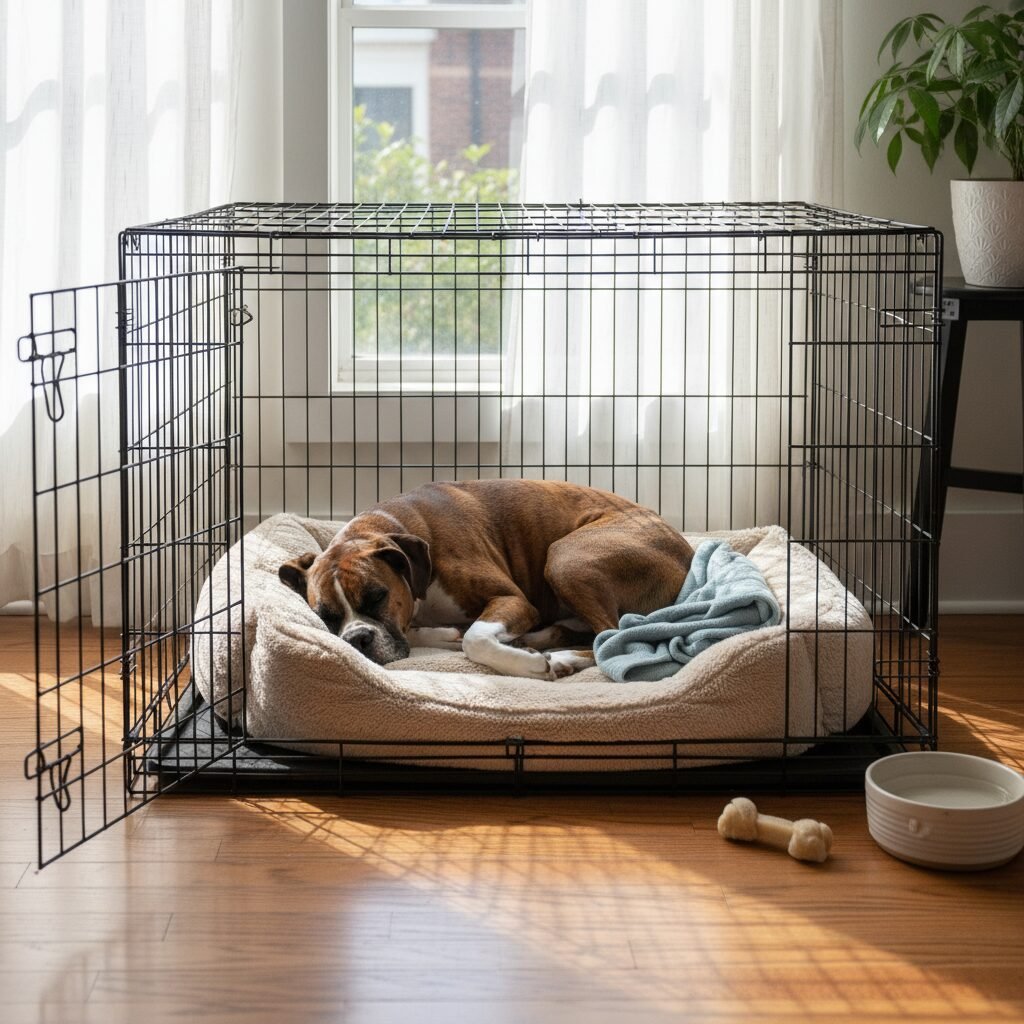
Crate training, when done correctly, provides a safe, comfortable den for your Boxer and is an invaluable tool for house-training, managing separation anxiety, and preventing destructive behavior when you can’t supervise them.
- Make it Positive: Never use the crate as punishment. Introduce it gradually with treats, toys, and positive praise. Feed meals inside the crate.
- Comfort is Key: Ensure the crate is appropriately sized (enough room to stand, turn around, and lie down) and has a soft bed or blanket.
- Gradual Introduction: Start with short periods, slowly increasing the time your Boxer spends in the crate. Never leave a young puppy for too long.
- Safety First: Remove collars before crating to prevent snagging.
6. Gently Guide Away From Nipping and Chewing

Boxer puppies, like most puppies, explore the world with their mouths. Nipping and chewing are natural behaviors, but it’s vital to teach them what is and isn’t acceptable to chew on.
- Redirection: When your Boxer nips or chews on something inappropriate, immediately redirect their attention to an approved chew toy. Praise them when they take the toy.
- Provide Appropriate Chew Toys: Offer a variety of durable, safe chew toys to satisfy their natural urge to chew. Rotate them to keep things interesting.
- “Yelp” and Ignore: If your puppy nips too hard during play, let out a high-pitched “ouch!” or “yelp!” and immediately withdraw attention for a few seconds. This mimics how littermates teach bite inhibition.
7. Prioritize Mental Stimulation and Exercise
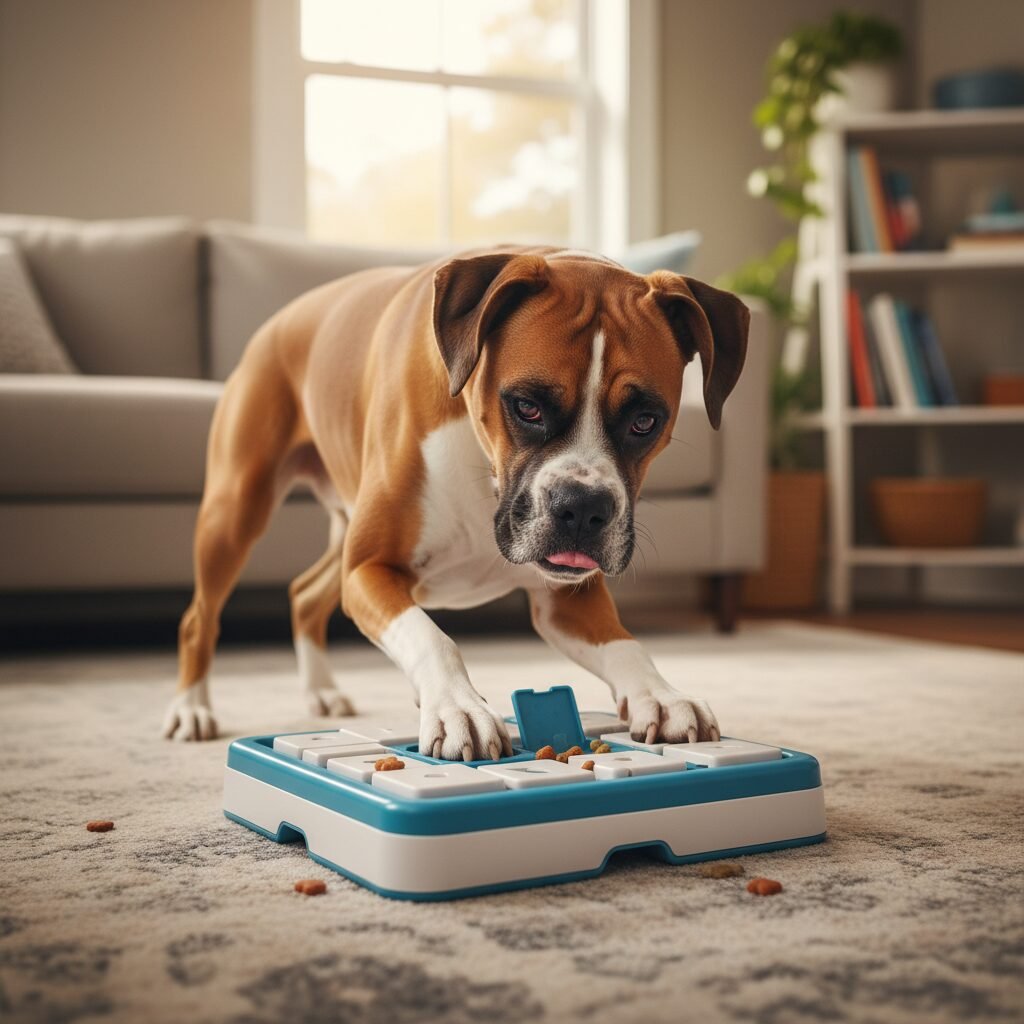
Boxers are intelligent and highly energetic dogs. Physical exercise alone isn’t always enough to keep their minds engaged. A bored Boxer is often a destructive Boxer.
- Daily Exercise: Ensure your Boxer gets ample physical activity, such as brisk walks, runs, or supervised playtime in a secure yard.
- Puzzle Toys: Invest in food-dispensing puzzle toys that challenge your Boxer to ‘work’ for their treats or kibble.
- Obedience Training: Continue practicing commands and teaching new tricks throughout their lives. This provides mental exercise and strengthens your bond.
- Interactive Play: Engage in games like fetch, hide-and-seek, or flirt pole play to burn off energy and stimulate their minds.