What Happens in a Pet’s Sleep? 7 Amazing Sleep Science Discoveries
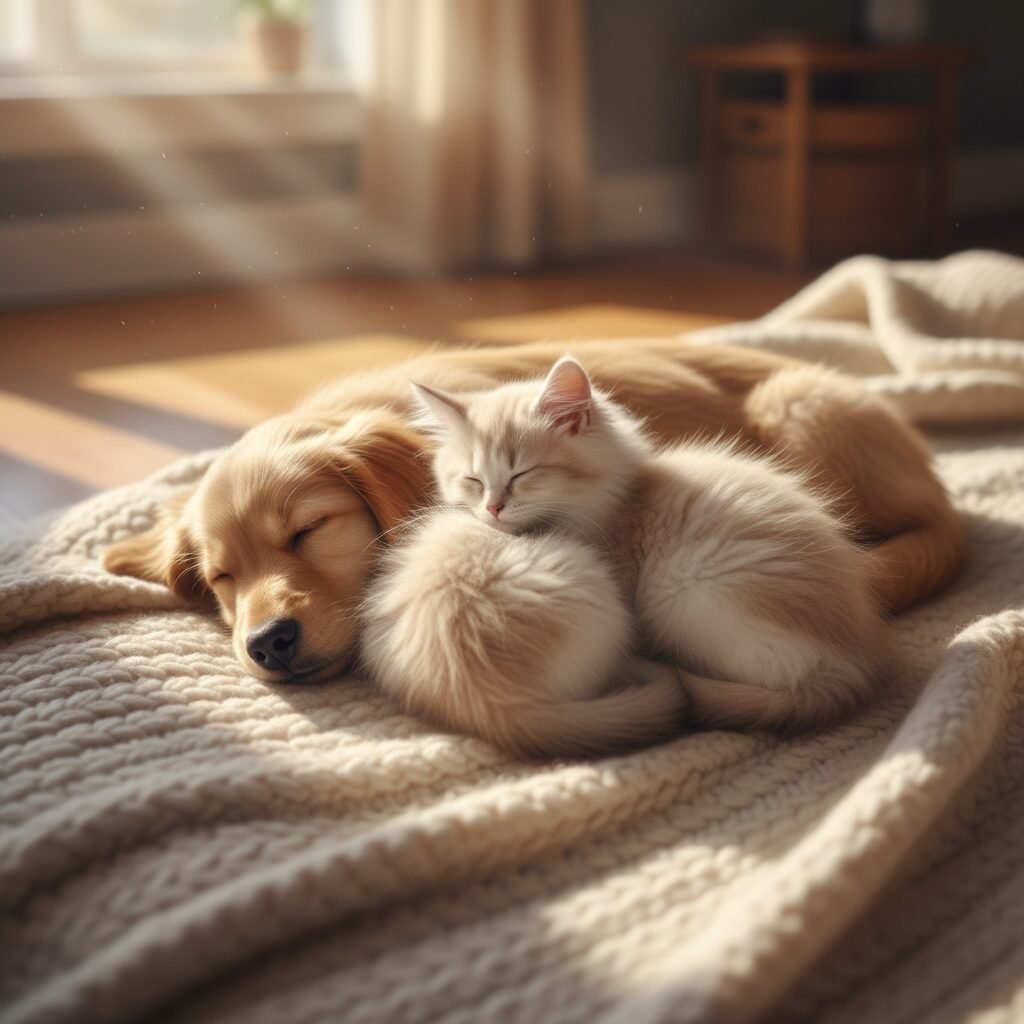
Have you ever watched your furry friend twitching, whimpering, or even ‘running’ in their sleep? It’s a common sight that sparks curiosity in every pet parent. Just like us, our beloved dogs and cats spend a significant portion of their lives asleep, but what exactly goes on behind those closed eyelids? Pet sleep is a fascinating world, full of scientific wonders that impact their health, mood, and overall well-being. Let’s dive into 7 amazing sleep science discoveries that reveal the hidden life of your sleeping companion.
1. Pets Dream Just Like Us – The REM Connection

One of the most heartwarming discoveries is that our pets experience REM (Rapid Eye Movement) sleep, much like humans. This is the stage where most vivid dreaming occurs. During REM, you might notice your dog’s paws gently paddling, their whiskers twitching, or soft whines escaping their lips. For cats, it might be subtle ear flicking or paw movements. Scientists believe that during these dream states, pets are replaying their daily activities – chasing squirrels, playing with toys, or even snuggling with you. It’s their brain processing and consolidating memories from their waking hours.
2. The Importance of Sleep for Pet Health and Learning

Sleep isn’t just downtime; it’s crucial for your pet’s physical and mental health. During deep sleep, their bodies repair and rejuvenate, immune systems strengthen, and growth hormones are released. For puppies and kittens, adequate sleep is vital for proper development. Beyond physical benefits, sleep plays a critical role in learning and memory consolidation. Studies show that pets who get enough quality sleep are better at retaining training commands and solving problems. It’s during sleep that their brains organize and store new information.
3. Decoding Pet Sleep Positions – What They Mean

Your pet’s favorite sleeping position can tell you a lot about how they’re feeling. Here are a few common ones:
- Curled Up Ball This position, often seen in both dogs and cats, conserves body heat and protects vulnerable areas. It suggests they feel safe and comfortable, but might also be a bit chilly.
- Side Sleeper When a pet sleeps on its side with legs extended, it indicates a deep sense of security and comfort. They feel safe enough to expose their belly.
- Superman Pose (Spreading Out) Often seen in warm environments, this belly-down, legs-out position allows pets to cool down quickly. It also suggests they’re ready to spring into action.
- Belly Up This vulnerable position shows ultimate trust and relaxation. Your pet feels completely safe in their environment and with you.
- The Loaf (Cats) A cat sitting upright with paws tucked under means they’re in a light sleep, ready to wake up quickly.
4. Why Pets Twitch and Make Noises While Asleep
Those adorable twitches, soft barks, meows, or whimpers are perfectly normal and a sign of active dreaming. As mentioned, during REM sleep, their brains are highly active. These involuntary movements and sounds are their bodies reacting to the dream world they’re experiencing. It’s generally best not to wake a dreaming pet, as it can startle them and interrupt a crucial part of their sleep cycle. Unless they appear to be in distress, let them dream on!
5. Age and Sleep – How Patterns Change Over a Lifetime
Sleep patterns evolve significantly throughout a pet’s life. Puppies and kittens, much like human babies, need a tremendous amount of sleep – often 18-20 hours a day – for their rapid growth and development. They learn so much each day, and sleep is essential for processing it all. Adult pets typically sleep 12-14 hours, often broken into several naps throughout the day and a longer stretch at night. Senior pets may revert to sleeping more, similar to their puppyhood, due to lower energy levels and potential discomfort. However, excessive sleep or changes in sleep patterns can also be a sign of underlying health issues, so always consult your vet if you notice significant shifts.
6. The Impact of Environment on Pet Sleep Quality
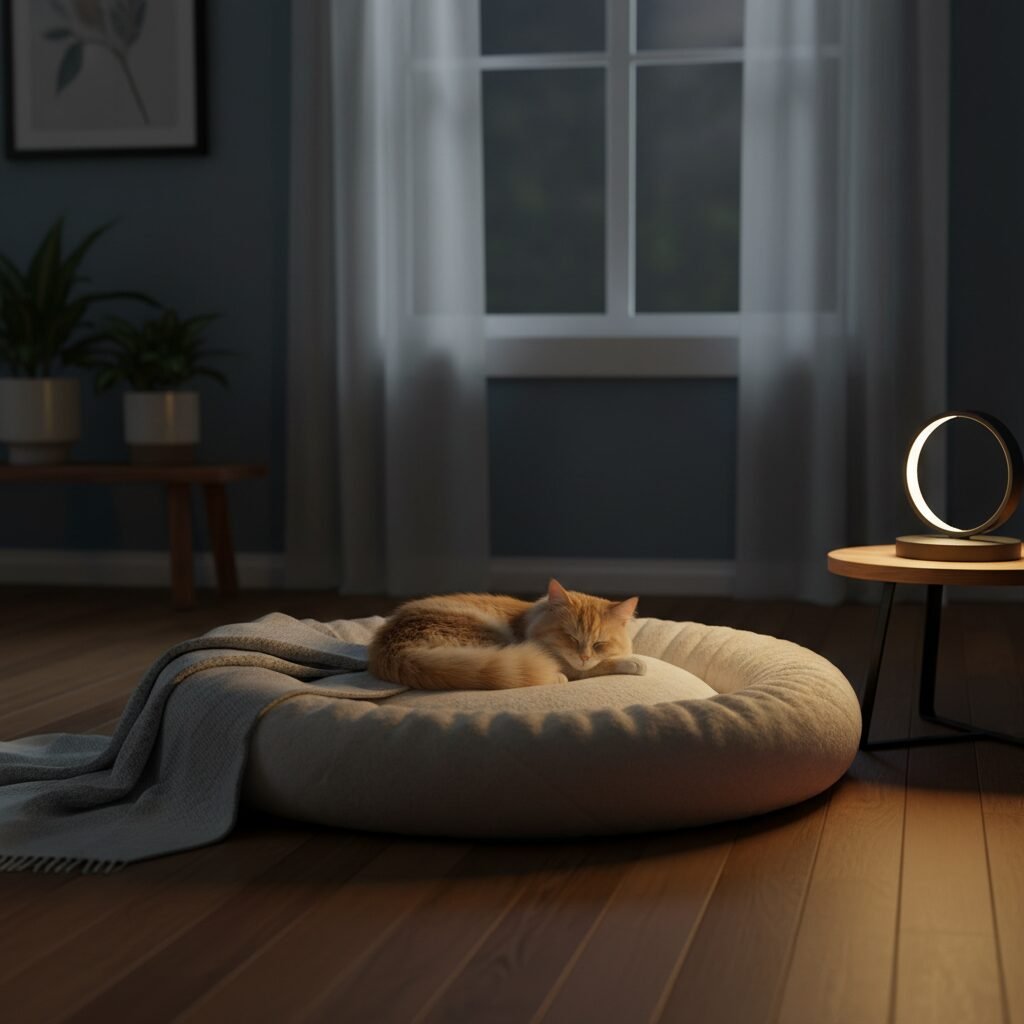
Just like humans, pets need a comfortable, safe, and quiet environment to achieve quality sleep. A designated, comfortable bed in a low-traffic area helps them feel secure. Factors like temperature, light, and noise can significantly affect their ability to fall and stay asleep. Ensuring a consistent sleep schedule and providing enough physical and mental stimulation during waking hours can also contribute to better sleep at night. A tired pet is a happy and well-rested pet!
7. When Pet Sleep Becomes a Concern – Signs to Watch For
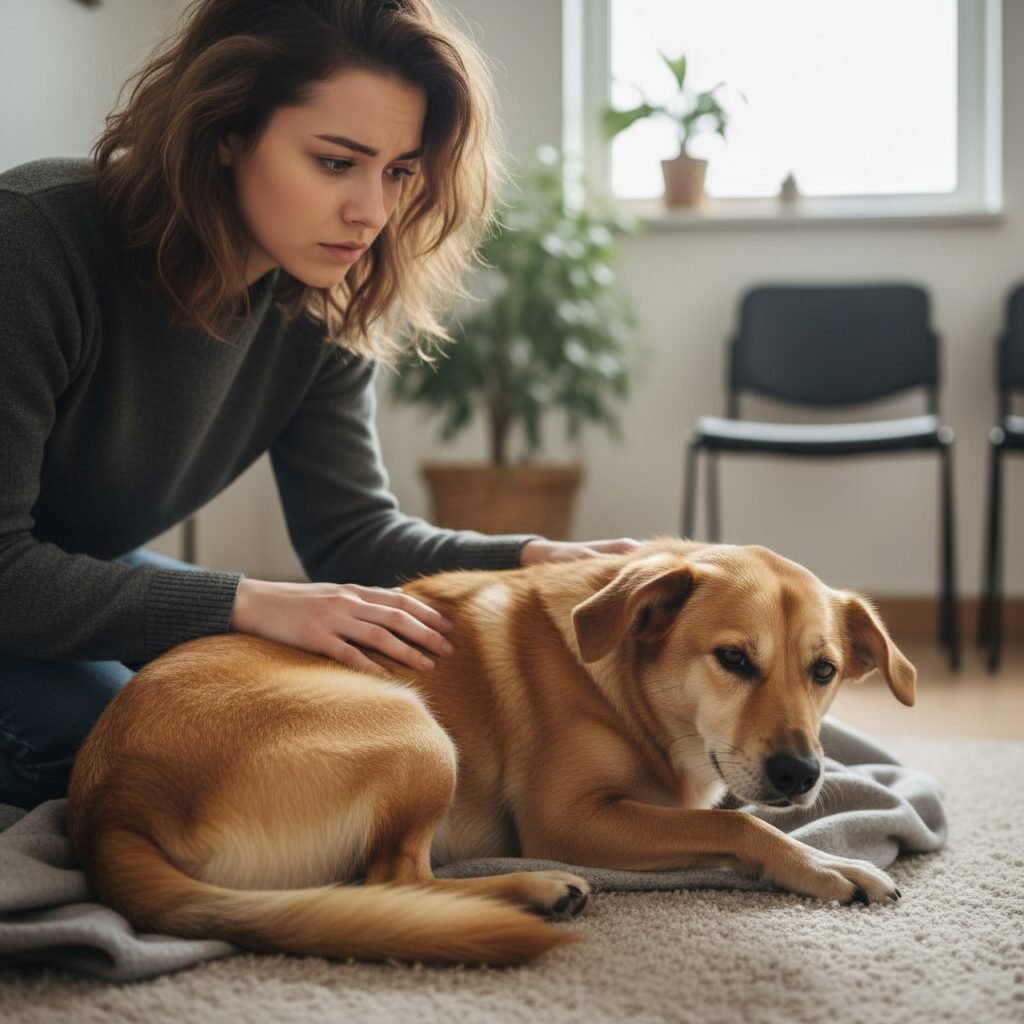
While most pet sleep behaviors are normal, there are times when changes in sleep patterns can signal a problem. Be observant for these signs:
- Excessive Sleepiness More sleep than usual, lethargy during waking hours.
- Restlessness Inability to settle down, frequent waking, pacing at night.
- Changes in Breathing Loud snoring (especially if new), gasping, or pauses in breathing.
- Disorientation Waking up confused or disoriented.
- Pain or Discomfort Difficulty getting comfortable, frequent position changes, whimpering.
If you notice any significant or sudden changes in your pet’s sleep habits, it’s always best to consult your veterinarian. They can help rule out any underlying medical conditions and offer advice to improve your pet’s sleep quality.
Ensuring Your Pet Gets the Best Sleep
As loving pet parents, we want our furry family members to be as healthy and happy as possible, and good sleep is a cornerstone of that. Here are some practical tips:
- Provide a Comfortable Bed Choose a bed that’s appropriately sized and supportive.
- Maintain a Routine Consistent feeding, exercise, and bedtime schedules help regulate their internal clock.
- Exercise and Mental Stimulation A well-exercised and mentally engaged pet sleeps better.
- Quiet Sleeping Area Ensure their sleeping spot is free from excessive noise and light.
- Regular Vet Check-ups Address any health concerns that might be affecting their sleep.
Understanding the science behind your pet’s slumber not only deepens your bond but also empowers you to provide the best care. From their adorable dream twitches to the profound health benefits, every nap and deep sleep contributes to the vibrant life you share.
So next time you see your dog or cat peacefully dreaming, you’ll know there’s a whole world of activity happening, ensuring they wake up refreshed, happy, and ready for another day of adventures with you.