
Eggs for Pets Explained- 5 Pros and Cons You Should Understand
As devoted pet parents, we’re always looking for ways to boost our furry friends’ health and happiness. Often, that means sharing a little bit of our own healthy food, and eggs frequently come up in conversation. But are eggs truly a superfood for your dog or cat, or do they come with hidden risks? It’s a question many of us ponder while cracking an egg for breakfast.
This comprehensive guide will crack open the facts about feeding eggs to your pets. We’ll explore the incredible nutritional benefits, delve into the potential downsides, and provide clear, actionable advice on how to safely incorporate this versatile food into their diet. By the end, you’ll feel confident making informed decisions for your cherished companion.
Why Eggs Are a Popular Treat for Pets

Eggs have long been a go-to choice for pet owners looking for a healthy, natural treat. Their widespread availability, affordability, and simple preparation make them an attractive option. Beyond convenience, eggs are often praised for their rich nutrient profile, leading many to consider them a ‘perfect protein’ for both humans and animals. From boosting a dull coat to aiding muscle recovery, the perceived benefits are numerous, but it’s essential to understand the full picture.
The Nutritional Powerhouse of Eggs
Before we dive into the pros and cons, let’s appreciate why eggs are so nutritionally dense. A single egg is packed with essential nutrients that contribute to overall health and well-being.
Key Nutrients in Eggs
- High-Quality Protein: Essential for muscle building, tissue repair, and enzyme production.
- Vitamins: Rich in Vitamin A (for vision and immune function), Vitamin D (bone health), Vitamin E (antioxidant), and several B vitamins (energy metabolism).
- Minerals: Contains iron (oxygen transport), selenium (antioxidant), zinc (immune support), and phosphorus (bone and teeth health).
- Healthy Fats: Provides energy and supports cell function.
- Amino Acids: All nine essential amino acids are present, making eggs a complete protein source.
The 5 Pros of Feeding Eggs to Your Pet
When prepared correctly and given in moderation, eggs offer several fantastic benefits for your dog or cat.
1. Excellent Protein Source
Eggs are renowned for their high-quality, complete protein, meaning they contain all the essential amino acids your pet needs but cannot produce themselves. This protein is vital for building and maintaining strong muscles, repairing tissues, and supporting a healthy immune system.
2. Rich in Vitamins and Minerals
Beyond protein, eggs are a treasure trove of vitamins and minerals. The B vitamins, like B12 and riboflavin, are crucial for energy production, while Vitamin A supports vision and skin. Minerals like iron and selenium contribute to healthy blood and antioxidant defense.
3. Boosts Coat and Skin Health
The healthy fats, proteins, and biotin found in eggs can do wonders for your pet’s skin and coat. Many pet parents report a shinier, softer coat and healthier skin after regularly incorporating eggs into their pet’s diet. This is thanks to the nourishing components that support cell regeneration and moisture retention.
4. Supports Muscle Repair and Growth
For active dogs or those recovering from injury, the complete protein in eggs is a fantastic aid for muscle repair and growth. It provides the necessary building blocks for tissues, helping your pet stay strong and recover more efficiently.
5. Highly Digestible and Palatable
Most pets find eggs incredibly tasty and easy to digest. This makes them an excellent option for picky eaters or pets with sensitive stomachs, as long as they don’t have a specific egg allergy. They can be a great way to add extra nutrition to a regular meal.
The 5 Cons and Potential Risks of Feeding Eggs
While the benefits are clear, it’s equally important to be aware of the potential risks associated with feeding eggs to your pet.
1. Salmonella Risk from Raw Eggs

The most significant concern with raw eggs is the risk of salmonella contamination. Both humans and pets can contract salmonella, leading to symptoms like vomiting, diarrhea, lethargy, and fever. While some argue that dogs’ digestive systems are more resilient, the risk is still present and can be severe, especially for puppies, seniors, or pets with compromised immune systems.
2. Biotin Deficiency Myth and Reality
There’s a long-standing myth that raw egg whites can cause biotin deficiency in pets. Raw egg whites contain avidin, an enzyme that can bind with biotin and prevent its absorption. However, for a biotin deficiency to occur, a pet would need to consume a very large quantity of raw egg whites over an extended period. When eggs are cooked, avidin is denatured, making it harmless. In moderation, and especially when cooked, the risk of biotin deficiency is negligible.
3. Allergic Reactions and Sensitivities
Like any food, eggs can cause allergic reactions or sensitivities in some pets. Symptoms can range from mild digestive upset (vomiting, diarrhea) to skin issues (itching, rashes) or even more severe reactions. If you introduce eggs for the first time, do so gradually and monitor your pet for any adverse signs.
4. Calorie Content and Weight Gain
Eggs are relatively calorie-dense. While a great source of energy, feeding too many eggs, especially on top of a complete and balanced diet, can contribute to weight gain and obesity. Portion control is crucial to ensure eggs remain a healthy treat, not a dietary overload.
5. Choking Hazard for Small Pets
While less common, a whole egg or large pieces of cooked egg could pose a choking hazard for very small dogs or cats. Always ensure eggs are prepared in bite-sized pieces appropriate for your pet’s size.
How to Safely Prepare and Serve Eggs to Your Pet
To maximize the benefits and minimize the risks, follow these guidelines when feeding eggs to your furry friend.
Cooking is Key
Always serve eggs cooked. Scrambled, boiled, poached, or fried (without oil, butter, or seasonings) are all safe options. Cooking eliminates the risk of salmonella and denatures avidin, ensuring biotin absorption. Avoid adding salt, pepper, cheese, onions, garlic, or other human seasonings, as these can be harmful to pets.
Moderation is Essential
Eggs should always be a treat, not a meal replacement. For most medium to large dogs, one whole egg a few times a week is sufficient. Smaller dogs and cats should have even less, perhaps a quarter to half an egg. Always factor the egg’s calories into their daily intake to prevent weight gain.
Shells Can Be Beneficial
Believe it or not, eggshells can be a good source of calcium! If you choose to offer them, ensure they are thoroughly washed, dried, and then finely ground into a powder. A tiny pinch sprinkled over food can provide a calcium boost, but consult your vet first, especially if your pet is on a specialized diet.
Always Consult Your Vet
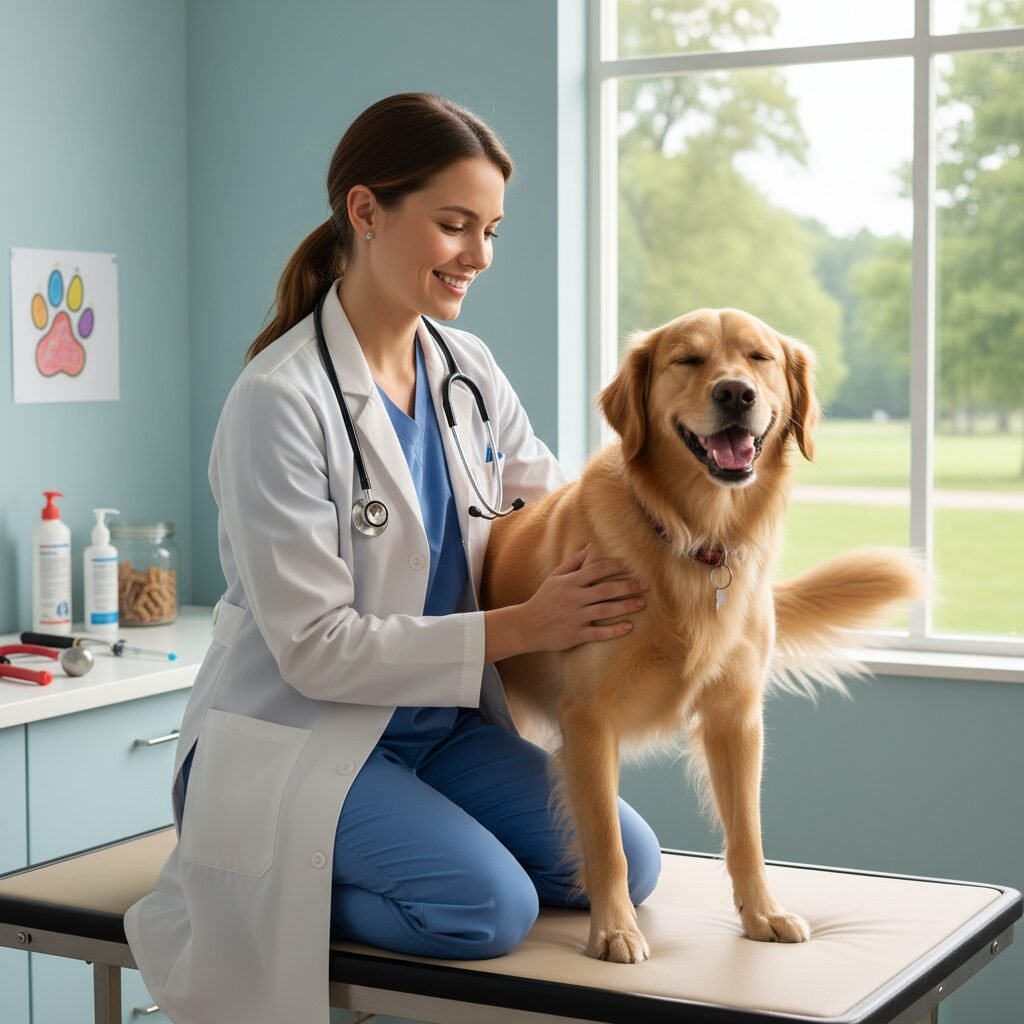
Before introducing any new food into your pet’s diet, especially if they have underlying health conditions, allergies, or are on a prescription diet, always have a chat with your veterinarian. They can provide personalized advice based on your pet’s specific needs.
Conclusion
Eggs can indeed be a wonderful, nutrient-packed addition to your pet’s diet, offering a wealth of protein, vitamins, and minerals that support their overall health, from a shiny coat to strong muscles. However, like all good things, moderation and proper preparation are key. By understanding the potential benefits and risks, and by always serving eggs cooked and unseasoned, you can safely share this wholesome food with your beloved companion.
Remember, every pet is unique, and what works for one may not work for another. Trust your instincts as a loving pet parent, observe your furry friend closely, and never hesitate to reach out to your veterinarian for guidance. With a little care and knowledge, you can ensure your pet enjoys a happy, healthy, and egg-cellent life!


