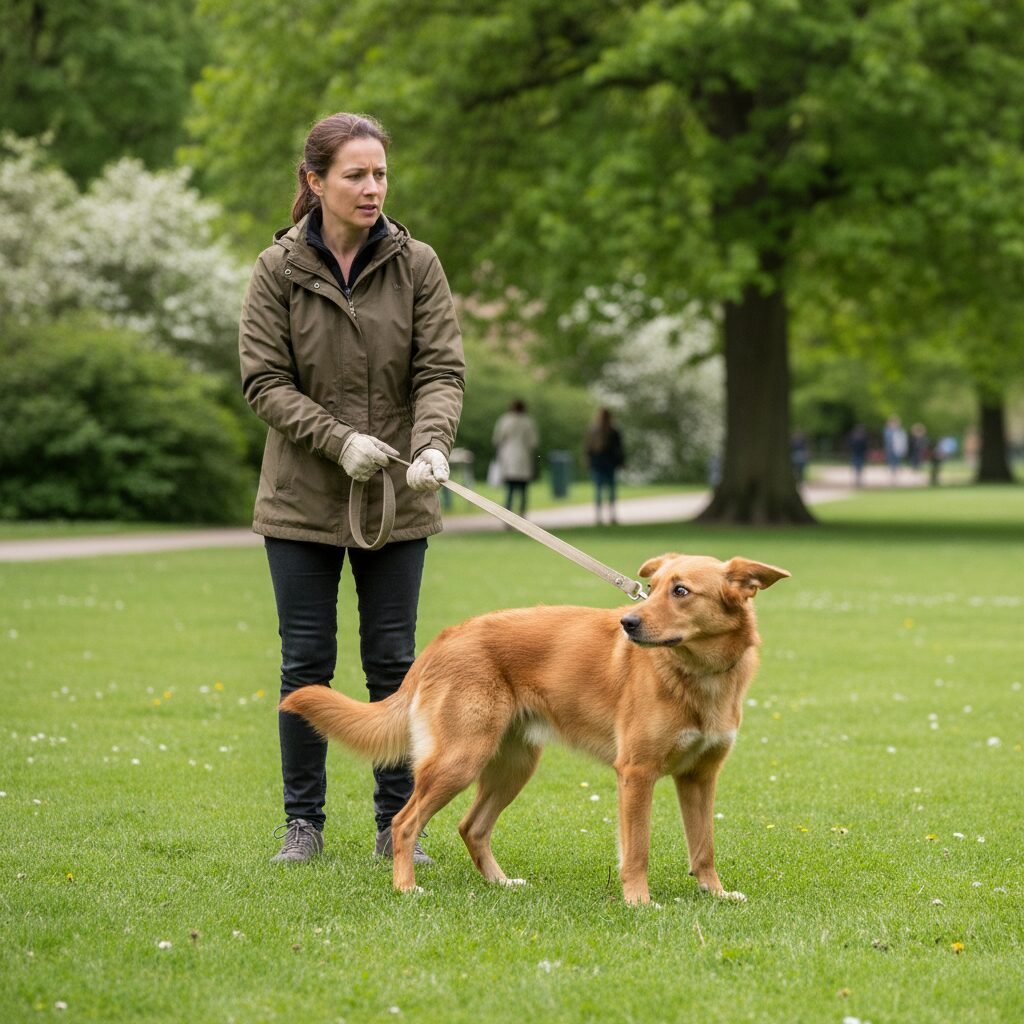
6 Responsible Approaches to Handle Dangerous Behavior Safely
Our dogs are cherished members of our families, bringing boundless joy and companionship into our lives. However, even the most beloved pets can sometimes exhibit behaviors that are concerning, frightening, or even dangerous. Whether it’s sudden aggression, severe reactivity, or unpredictable lunging, dealing with such behavior can be incredibly stressful and isolating for any dog parent.
It’s a challenging situation that demands a thoughtful, responsible, and humane approach. This guide is here to help. We’ll explore six key strategies to safely manage and address dangerous dog behavior, focusing on understanding the underlying causes, prioritizing safety, and working towards positive change with patience and professional support.
Understanding the Root Cause of Dangerous Behavior
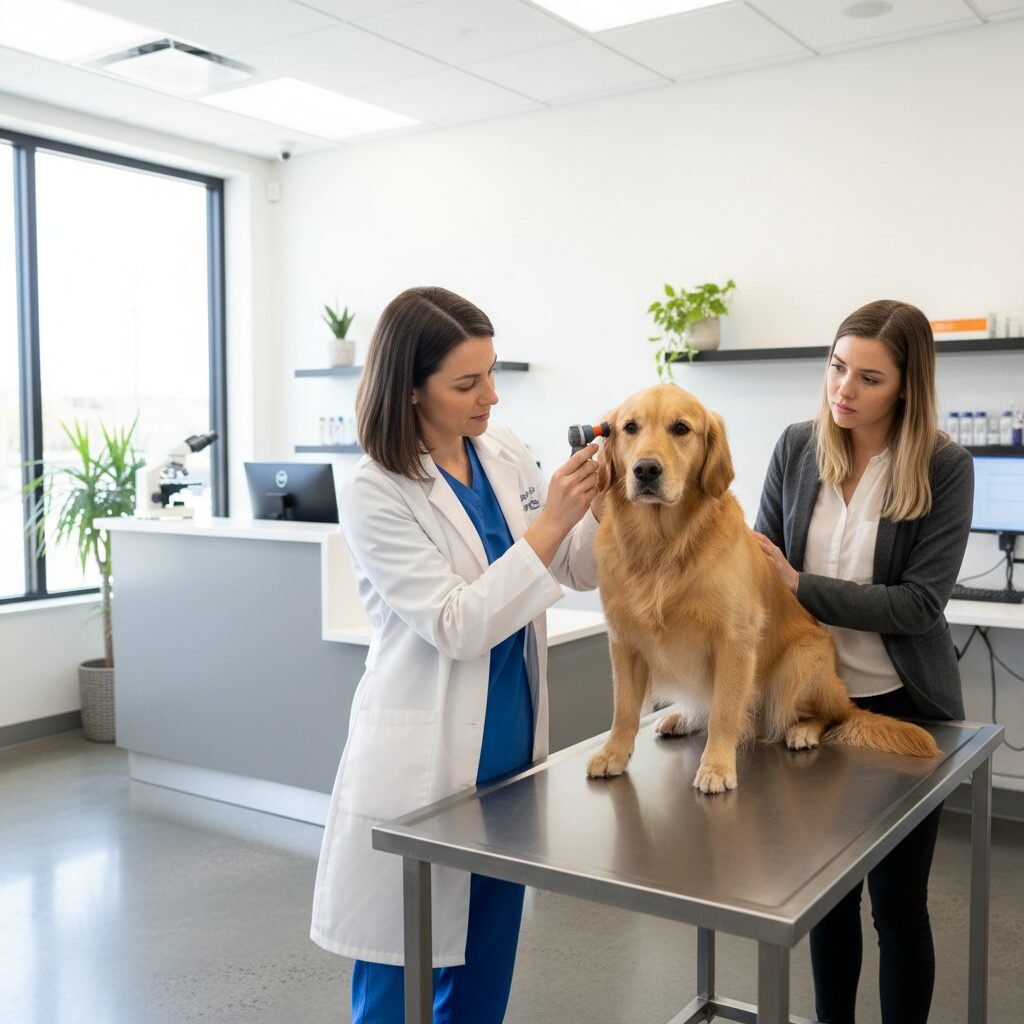
Before you can effectively address dangerous behavior, it’s crucial to understand why your dog is acting out. Behavior is communication, and often, what appears dangerous is a symptom of an underlying issue.
Physical Health First
Many behavioral problems stem from physical discomfort or illness. A dog in pain, experiencing a neurological issue, or suffering from a medical condition might lash out defensively. Imagine having a constant headache or back pain; you might be more irritable too!
- Comprehensive Vet Check-up: Schedule a thorough examination with your veterinarian. Discuss all behavioral changes. Your vet can rule out pain, thyroid issues, neurological conditions, or other medical problems that might be contributing to the behavior.
- Pain Management: If pain is identified, working with your vet on a pain management plan can often lead to significant behavioral improvements.
Behavioral Triggers and History
Once health issues are ruled out, delve into behavioral causes. Dogs don’t typically act ‘mean’ for no reason; there’s always a motivation, even if it’s misunderstood.
- Fear and Anxiety: This is a common driver of aggression. A fearful dog might lunge, growl, or bite to create distance from something they perceive as a threat (people, other dogs, certain objects).
- Resource Guarding: Protecting food, toys, sleeping spots, or even people from perceived threats.
- Territoriality: Defending their home or yard from intruders.
- Past Trauma or Lack of Socialization: Dogs who had negative experiences or insufficient positive exposure during critical developmental periods might struggle in certain situations.
- Frustration: Sometimes, dogs act out when they can’t get what they want or are overstimulated.
Observing when and where the behavior occurs can provide valuable clues to its triggers.
Prioritizing Safety and Management Strategies
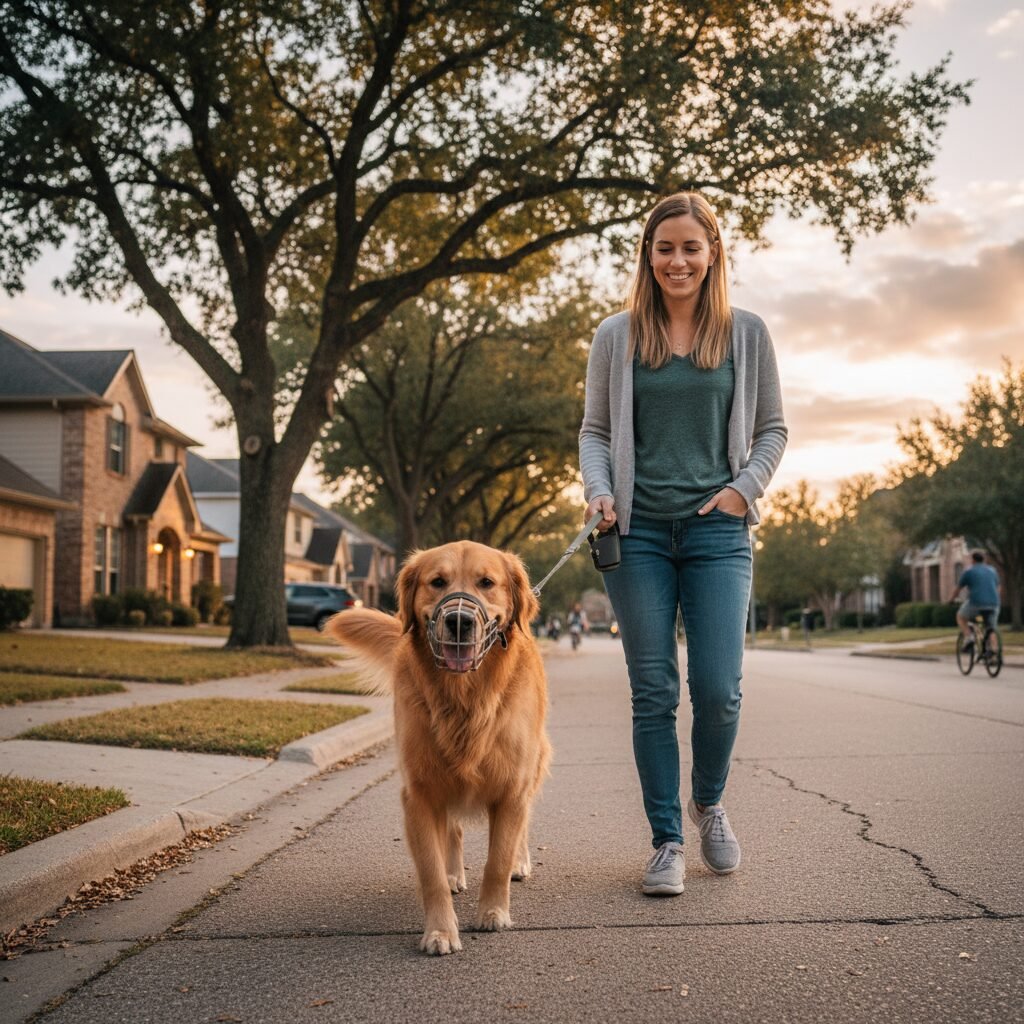
While you’re working to understand and modify behavior, your immediate priority must be safety—for your dog, your family, other animals, and the public. This involves proactive management to prevent incidents.
Immediate Safety Measures
- Leash and Harness Control: Always use a secure leash and harness (or head halter if recommended by a professional) in public. Avoid retractable leashes which offer less control.
- Muzzle Training: A properly fitted basket muzzle allows your dog to pant, drink, and even take treats, but prevents bites. Muzzle training should be introduced positively and gradually, making it a comfortable experience for your dog, not a punishment. It’s a responsible safety tool, not a sign of a ‘bad’ dog.
- Secure Containment: Ensure your home and yard are escape-proof. Use crates, baby gates, or secure rooms to manage your dog when visitors are present or when you cannot supervise them directly.
- Avoid Triggers: Identify what sets your dog off and actively avoid those situations. This isn’t a long-term solution, but it prevents incidents while you work on behavior modification. For example, if your dog reacts to other dogs, walk them at off-peak hours or in quiet areas.
Managing the Environment
Creating a structured and predictable environment can significantly reduce stress and the likelihood of dangerous behaviors.
- Separate Spaces: If you have multiple pets or small children, ensure your dog has their own safe space where they can retreat and be undisturbed.
- Controlled Introductions: Any introductions to new people or animals should be done slowly, safely, and under strict supervision, preferably with professional guidance.
- Clear Boundaries: Establish consistent rules and boundaries within the home to give your dog a sense of security and understanding.
Seeking Professional Guidance
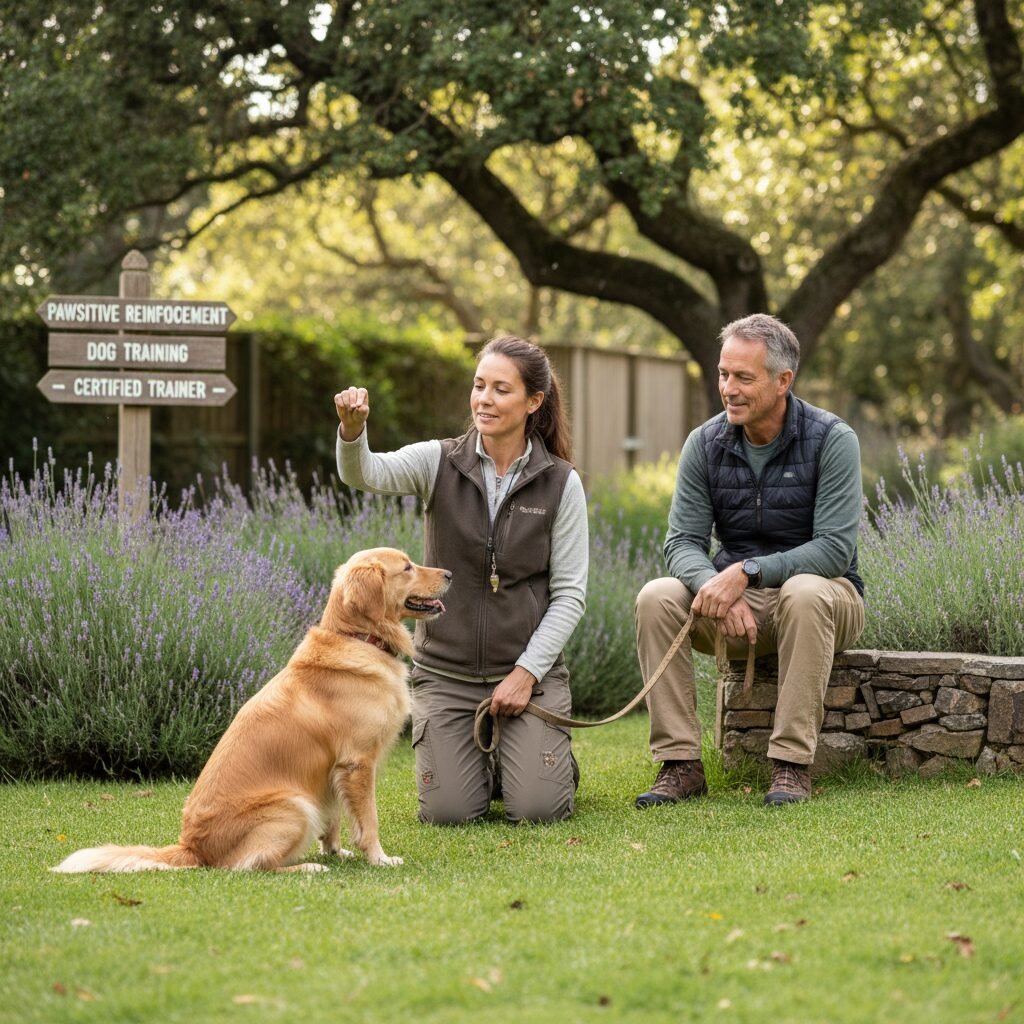
Dealing with dangerous behavior is complex and often requires expertise beyond what an average dog owner possesses. Don’t hesitate to seek professional help.
When to Call a Professional
If your dog’s behavior is persistent, escalating, involves bites (even minor ones), or causes you significant stress and fear, it’s time to consult an expert. Early intervention can prevent problems from worsening.
Choosing the Right Professional
Not all dog trainers are equipped to handle dangerous behavior. Look for professionals with specific qualifications:
- Certified Professional Dog Trainer (CPDT): These trainers often have experience with a range of behavioral issues.
- Certified Dog Behavior Consultant (CDBC): These individuals specialize in behavior modification for more complex problems.
- Veterinary Behaviorist (Dip. ACVB): A veterinarian with advanced training and certification in animal behavior. They can prescribe medication if necessary, which can be a valuable tool in conjunction with behavior modification for severe cases.
Always choose a professional who uses positive reinforcement, force-free, and fear-free methods. Avoid anyone who suggests punitive or aversive techniques, as these can exacerbate fear and aggression.
Consistent Training and Behavior Modification

Once you’ve identified the root cause and implemented safety measures, behavior modification training can begin. This is a long-term process that requires consistency and patience.
Positive Reinforcement is Key
This approach focuses on rewarding desired behaviors and creating positive associations. It’s about teaching your dog what you want them to do, rather than punishing what you don’t.
- Counter-Conditioning: Changing your dog’s emotional response to a trigger. If your dog fears strangers, pair the sight of a stranger (at a safe distance) with high-value treats. Over time, the stranger’s presence becomes associated with good things.
- Desensitization: Gradually exposing your dog to a trigger at a low intensity, slowly increasing the intensity as your dog remains calm and comfortable.
- Reward Calmness: Actively reward your dog when they are calm and relaxed, especially in situations where they might typically react.
Building Trust and Communication
A strong, trusting relationship is the foundation for successful behavior modification. This means clear, consistent communication and predictable routines.
- Clear Cues: Teach your dog clear, simple cues for desired actions (sit, stay, come, leave it).
- Predictable Routines: Dogs thrive on routine. Consistent feeding times, walk schedules, and training sessions reduce anxiety.
Creating a Safe and Enriched Environment

A dog’s environment plays a huge role in their overall well-being and behavior. A well-managed, enriching environment can reduce stress and boredom, which often fuel unwanted behaviors.
Physical and Mental Stimulation
Many behavioral issues stem from a lack of appropriate outlets for a dog’s natural instincts and energy.
- Appropriate Exercise: Ensure your dog gets enough physical activity tailored to their breed, age, and health. For dogs with reactivity, structured walks in quiet areas are often better than dog parks.
- Mental Enrichment: Puzzle toys, snuffle mats, scent work, and training sessions provide vital mental stimulation, tiring your dog out in a healthy way.
- Chewing Outlets: Provide safe, appropriate chew toys to satisfy their natural urge to chew, which can also be a stress reliever.
Predictability and Routine
A predictable daily routine helps dogs feel secure and reduces anxiety, making them less likely to react negatively to unexpected events.
- Consistent Feeding and Potty Schedules: Helps regulate their internal clock.
- Regular Training Sessions: Even short, daily training sessions reinforce good habits and strengthen your bond.
Patience and Long-Term Commitment
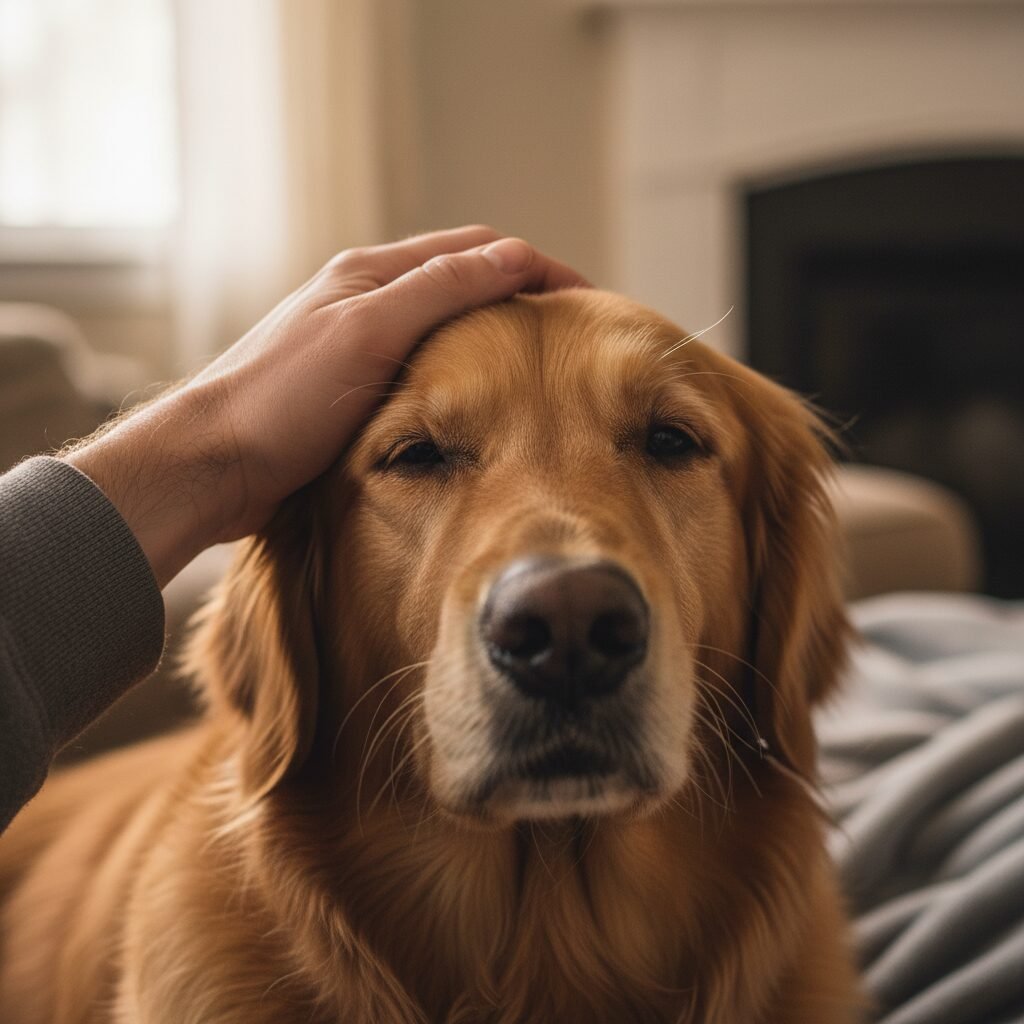
Addressing dangerous behavior is rarely a quick fix. It’s a journey that requires immense patience, consistency, and a long-term commitment from every member of your household.
It’s a Journey, Not a Quick Fix
- Progress Can Be Slow: Don’t get discouraged if you don’t see immediate results. Small, consistent steps accumulate over time.
- Setbacks Happen: There will be good days and bad days. A setback doesn’t mean failure; it’s an opportunity to re-evaluate and adjust your approach.
- Celebrate Small Victories: Acknowledge and celebrate every tiny improvement, no matter how small. This keeps you motivated.
Self-Care for Dog Parents
Dealing with a dog exhibiting dangerous behavior can be emotionally draining. Remember to take care of yourself.
- Seek Support: Talk to your trainer, vet, or other experienced dog owners. Knowing you’re not alone can make a huge difference.
- Manage Your Own Stress: Your stress can impact your dog. Practice mindfulness, take breaks, and engage in activities that help you relax.
- Be Kind to Yourself: You’re doing your best for your dog in a challenging situation.
Handling dangerous dog behavior safely requires courage, dedication, and a deep love for your furry companion. By understanding the root causes, prioritizing safety, seeking professional guidance, implementing consistent training, creating an enriched environment, and committing for the long haul, you can help your dog learn to navigate the world more calmly and safely. Remember, you are your dog’s best advocate. With patience and the right support, you can help them become a happier, more confident member of your family, ensuring a safer environment for everyone.


