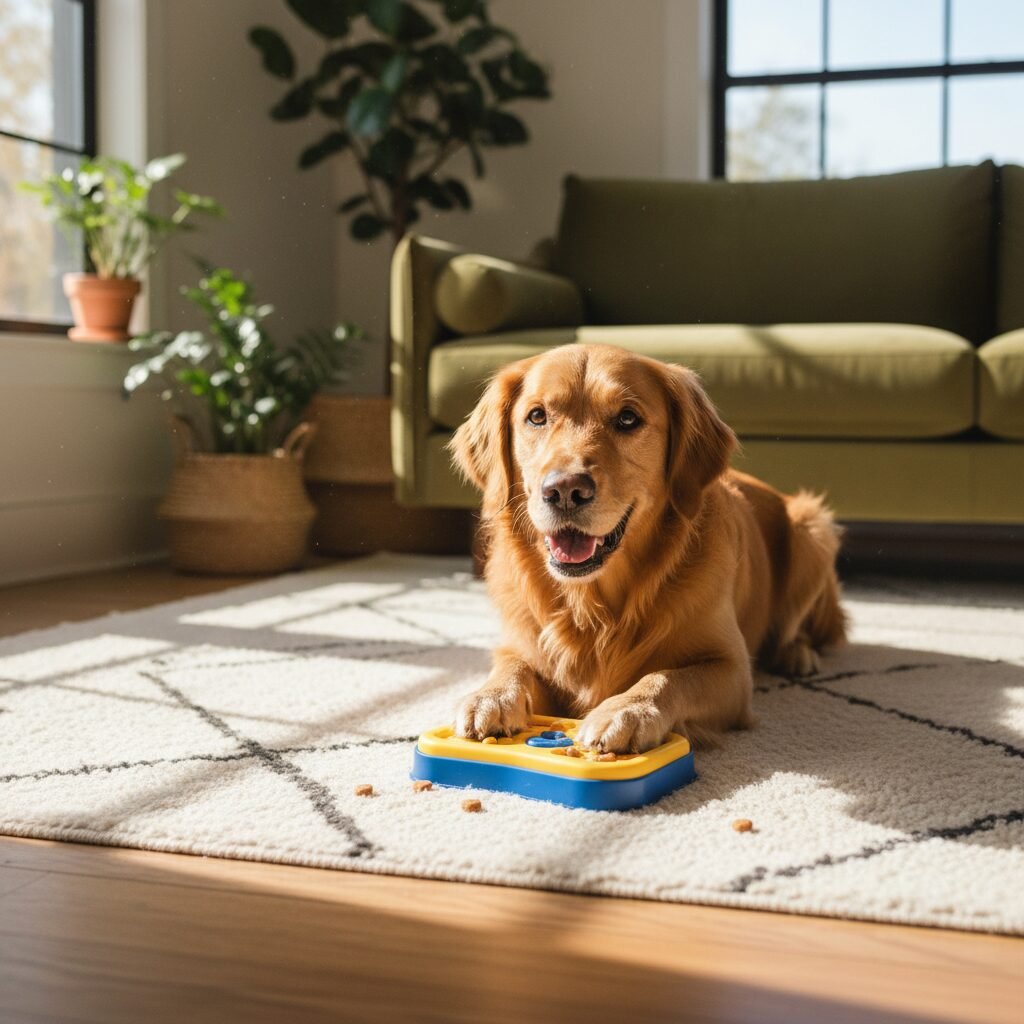
5 Natural Brain Exercises to Improve Mental Sharpness
Just like humans, our beloved canine companions benefit immensely from a good mental workout. Beyond the physical zoomies and long walks, engaging your dog’s mind is crucial for their overall well-being, happiness, and even their longevity. Mental stimulation can prevent boredom, reduce destructive behaviors, and keep their cognitive functions sharp as they age. Ready to unleash your dog’s inner genius? Let’s dive into five natural, fun, and effective brain exercises you can easily incorporate into your daily routine.
Why Mental Exercise is Crucial for Your Dog
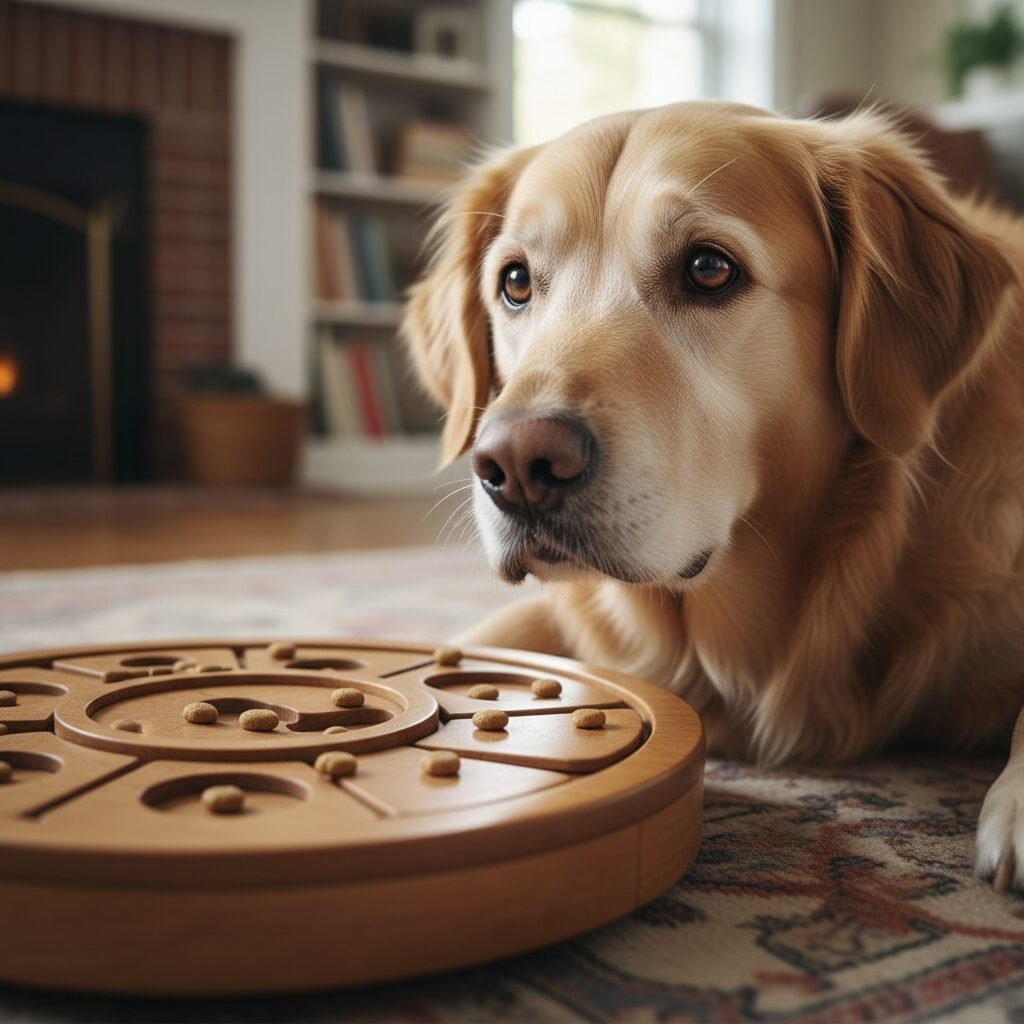
Think of your dog’s brain as a muscle that needs regular exercise to stay strong and healthy. Without adequate mental stimulation, dogs can become bored, anxious, or even destructive. A mentally stimulated dog is often a happier, calmer, and better-behaved dog. It taps into their natural instincts, satisfies their curiosity, and provides a sense of purpose. From puppies learning about the world to senior dogs needing to maintain cognitive function, brain exercises are beneficial for all ages.
The Power of Play and Problem-Solving
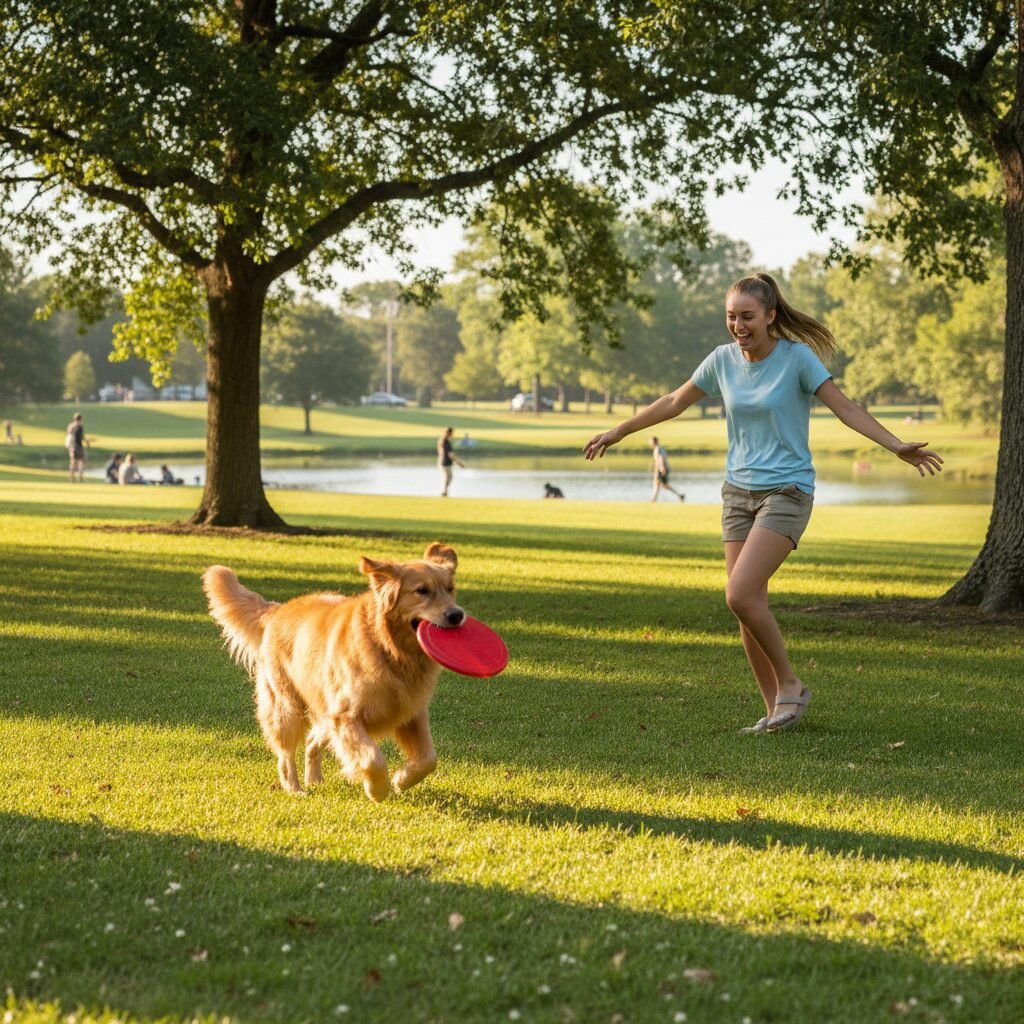
At its core, mental exercise for dogs often involves problem-solving through play. This can range from figuring out how to get a treat out of a toy to understanding a new command. These activities aren’t just about entertainment; they’re about building confidence, fostering independence, and strengthening the bond between you and your furry friend. The joy your dog expresses when they ‘solve’ a challenge is truly priceless.
Brain Exercise 1 – Scent Games and Nose Work
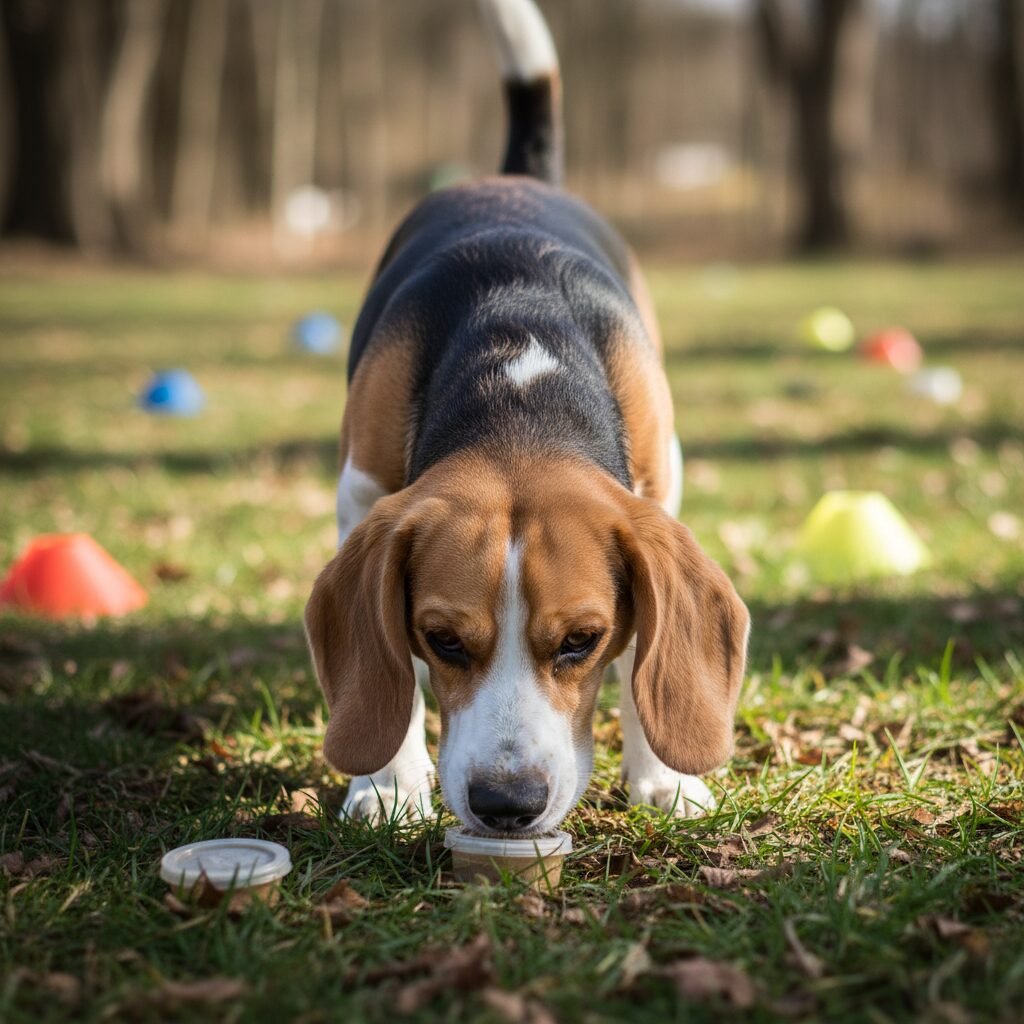
Dogs experience the world primarily through their noses, making scent games one of the most natural and rewarding brain exercises. Nose work taps into their innate hunting instincts, providing immense mental satisfaction and a wonderful outlet for their energy.
How to Start Scent Games
Starting nose work is simple and requires minimal equipment:
- Hide and Seek Start by having your dog ‘stay’ in one room while you hide a high-value treat or favorite toy in another. Call them to ‘find it!’ and praise them enthusiastically when they succeed.
- Shell Game Place three opaque cups upside down. Hide a treat under one cup, then shuffle them gently. Encourage your dog to find the treat.
- Scent Trails Drag a treat along the floor or grass for a short distance and hide it. Let your dog follow the scent trail to the reward.
- Indoor Search Hide treats in various spots around a room—under a rug, behind a cushion, inside a cardboard box. Let your dog sniff them out.
Always keep initial sessions short and positive, ending before your dog gets frustrated. The goal is to build their confidence and make it a fun experience.
Brain Exercise 2 – Puzzle Toys and Interactive Feeders
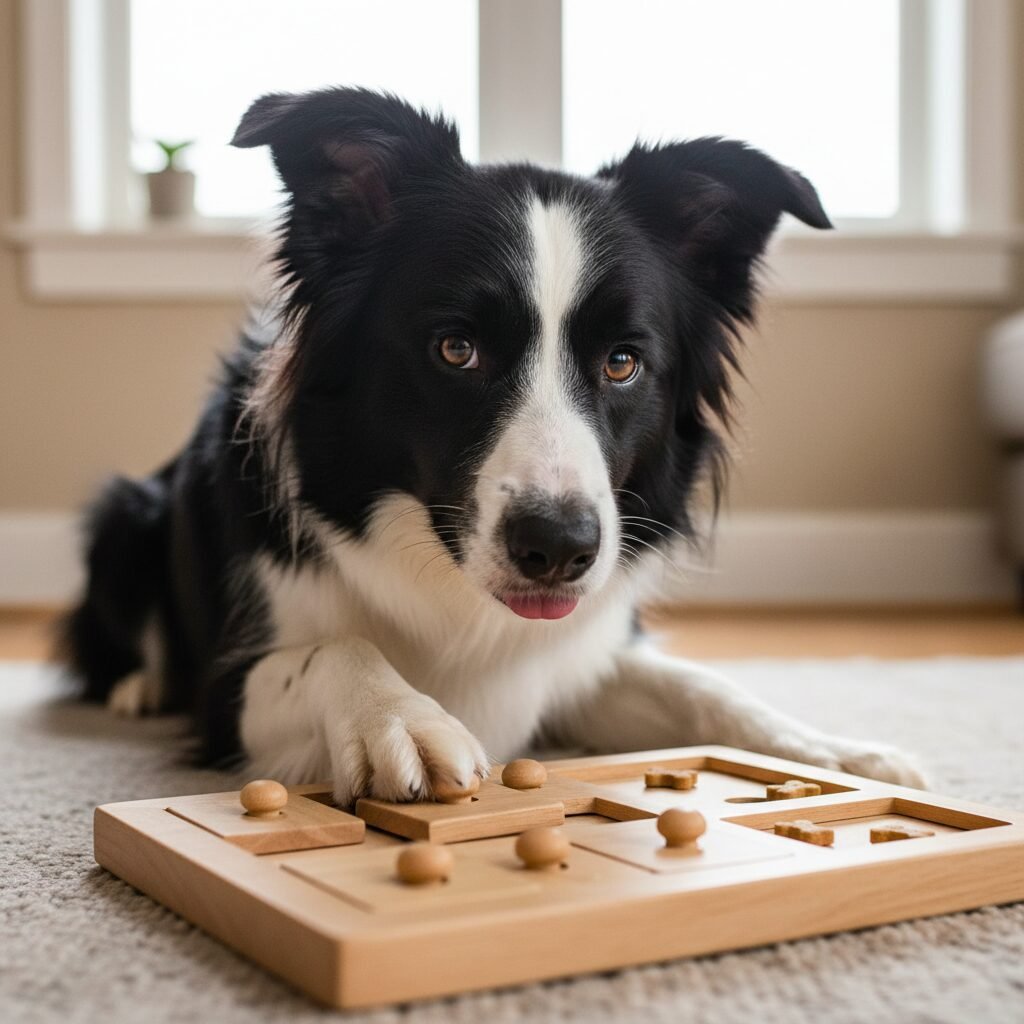
Puzzle toys and interactive feeders are fantastic tools for mental stimulation, turning mealtime into a brain game. They encourage dogs to ‘work’ for their food, slowing down eating and engaging their problem-solving skills.
Choosing the Right Puzzle Toy
There’s a vast array of puzzle toys available, from simple treat-dispensing balls to complex multi-step puzzles. When choosing, consider:
- Difficulty Level Start with easier puzzles and gradually increase the challenge as your dog becomes more adept.
- Durability Ensure the toy is robust enough to withstand your dog’s chewing habits.
- Safety Check for any small parts that could be swallowed.
- Engagement Some dogs prefer toys they can manipulate with their paws, while others enjoy ones they can nudge with their nose.
Always supervise your dog during their first few interactions with a new puzzle toy to ensure they use it safely and correctly.
Brain Exercise 3 – Learning New Tricks and Commands
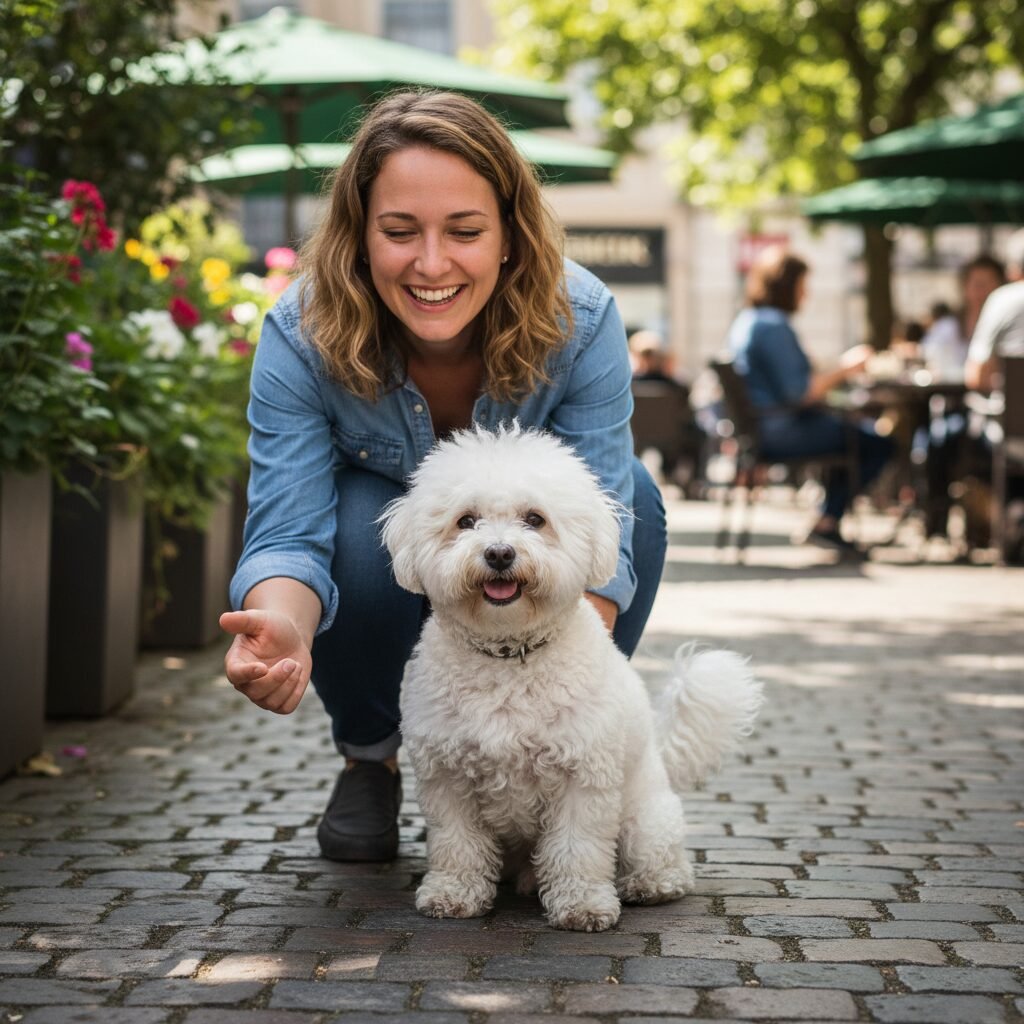
Teaching your dog new tricks isn’t just for show; it’s a powerful way to engage their brain, improve communication, and strengthen your bond. Each new command requires your dog to think, focus, and learn, building their cognitive flexibility.
Making Training Fun and Engaging
- Keep it Positive Use positive reinforcement with treats, praise, and toys.
- Short Sessions Dogs have short attention spans. Keep training sessions brief (5-10 minutes) and frequent.
- Vary Commands Once they master ‘sit’ and ‘stay,’ move on to ‘shake a paw,’ ‘roll over,’ ‘fetch a specific toy,’ or even ‘wave.’
- Practice in New Places Once a trick is learned at home, practice it in different environments to help generalize the command.
The mental effort involved in processing new information and responding to cues is incredibly stimulating for your dog.
Brain Exercise 4 – Obstacle Courses and Agility Fun
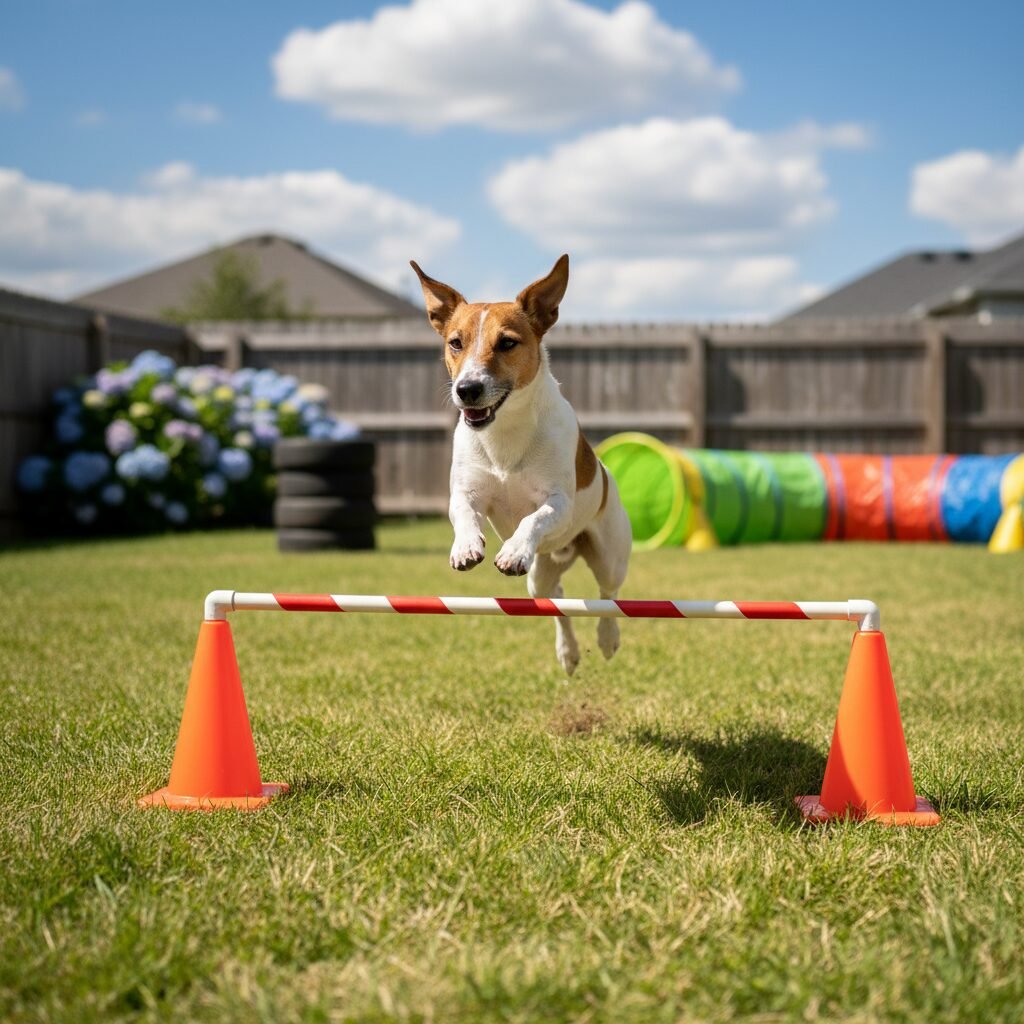
You don’t need a professional agility course to provide this stimulating brain exercise. Creating a simple obstacle course in your backyard or even living room combines physical activity with mental challenges, requiring your dog to think about their movements and follow cues.
Setting Up a Simple Course at Home
- Weave Poles Use household items like traffic cones, broomsticks stuck in the ground, or even your legs to create a weaving pattern.
- Tunnels A child’s play tunnel or a large cardboard box with both ends open can make a fun tunnel.
- Jumps Use a broomstick resting on two chairs or low boxes for a simple jump. Start very low.
- Balance Beam A wide, low plank of wood or a fallen log can serve as a balance challenge.
Guide your dog through the course with treats and praise. This activity builds confidence, coordination, and mental focus as they navigate the challenges.
Brain Exercise 5 – Interactive Storytelling and Communication
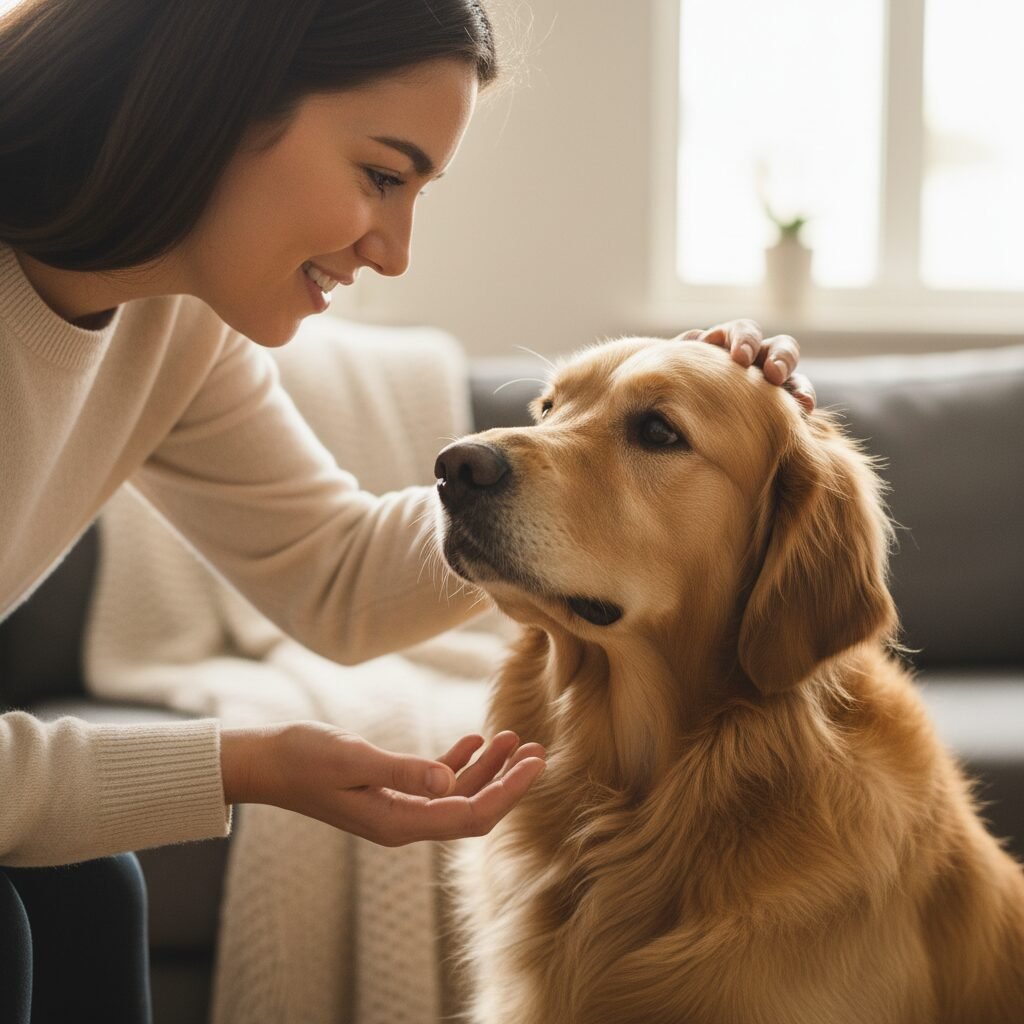
While dogs don’t understand complex human language, they are incredibly adept at picking up on tone, body language, and specific keywords. Engaging your dog in interactive ‘storytelling’ or conversation can be a surprisingly effective brain exercise.
Engaging Your Dog in Conversation
- Name Objects Point to and name various objects around the house or during walks. “Where’s your ball?” “Go get your leash!” Over time, many dogs learn to associate words with objects.
- Describe Your Day Talk to your dog about what you’re doing, even if it feels silly. “We’re going to the kitchen now to make dinner.” This helps them understand routines and anticipate events.
- Ask Questions “Do you want to go for a walk?” “Are you hungry?” Pay attention to their responses—tail wags, head tilts, barks—and acknowledge them.
- Two-Step Commands Instead of just “sit,” try “go to your bed, then sit.” This adds a layer of complexity that requires more cognitive effort.
This type of interaction strengthens your bond and encourages your dog to actively listen and interpret your communication, making them more attentive and mentally engaged.
Integrating Brain Exercises into Daily Life
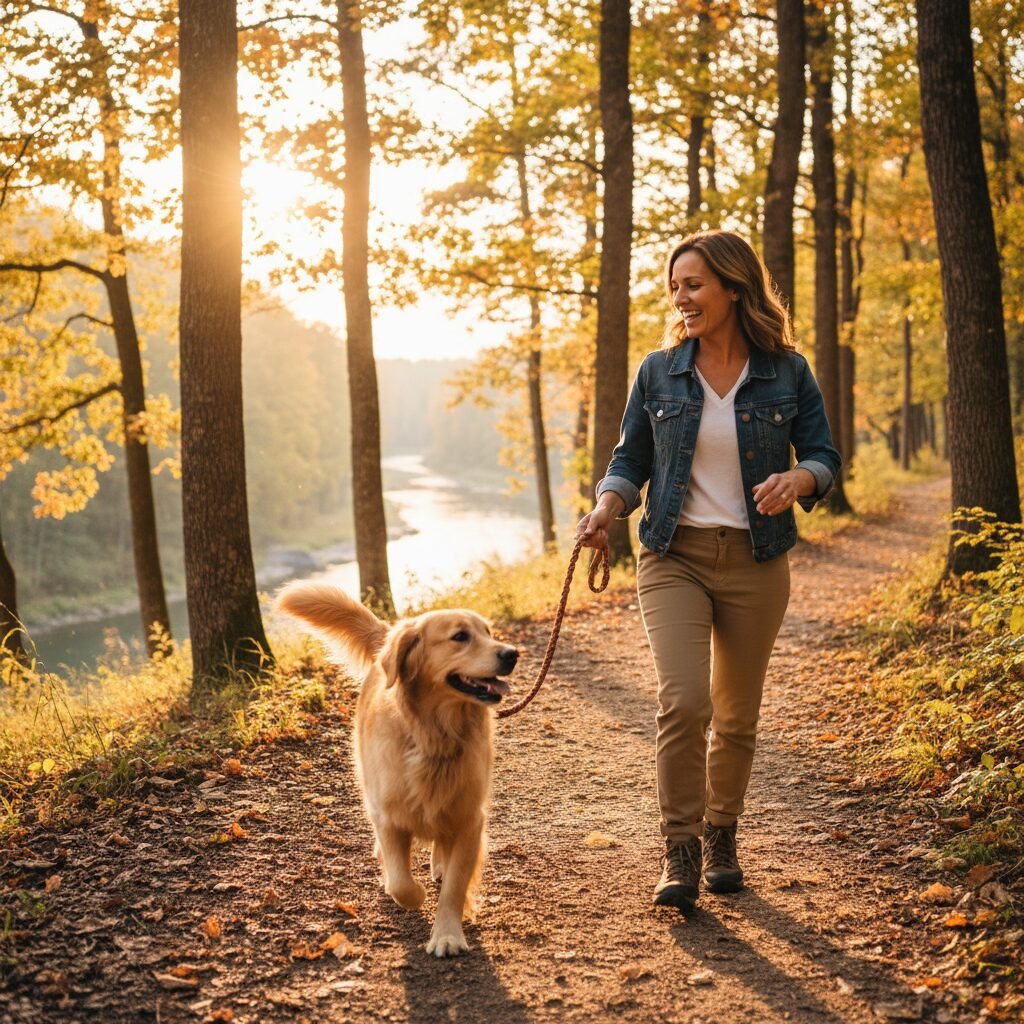
The beauty of these natural brain exercises is how easily they can be woven into your everyday life. You don’t need hours of dedicated time; even short bursts of mental stimulation throughout the day can make a significant difference. A few minutes of nose work before breakfast, a quick training session during a commercial break, or an interactive puzzle toy while you’re busy can all contribute to a sharper, happier dog.
Remember, consistency is key. Make mental exercise a regular part of your dog’s routine, and watch as they become more confident, engaged, and content. It’s a small investment of your time that yields enormous rewards in your dog’s well-being and the joy you share together.
Conclusion
Providing your dog with regular mental stimulation through natural brain exercises is one of the most loving things you can do for them. It’s not just about preventing boredom; it’s about nurturing their intelligence, building their confidence, and strengthening the incredible bond you share. From the simple joy of a scent game to the accomplishment of learning a new trick, these activities offer profound benefits for your dog’s happiness and health. So, go ahead—unleash your dog’s inner genius, have fun, and enjoy watching them thrive!


