7 Mental Growth Exercises to Strengthen Cognitive Skills
As devoted dog parents, we often focus on physical exercise to keep our furry friends healthy. While daily walks and playtime are crucial, a dog’s mind needs just as much attention as their body. Just like humans, dogs thrive on mental stimulation. Without it, they can become bored, anxious, and even destructive. Engaging your dog’s cognitive skills not only prevents unwanted behaviors but also strengthens your bond and enriches their life.
Think of mental exercises as brain workouts for your dog. They challenge their problem-solving abilities, improve focus, and teach them new ways to interact with their environment. Ready to unlock your dog’s full potential? Here are seven fantastic mental growth exercises you can start implementing today to strengthen your dog’s cognitive skills.
1. Puzzle Toys for Brain Teasing
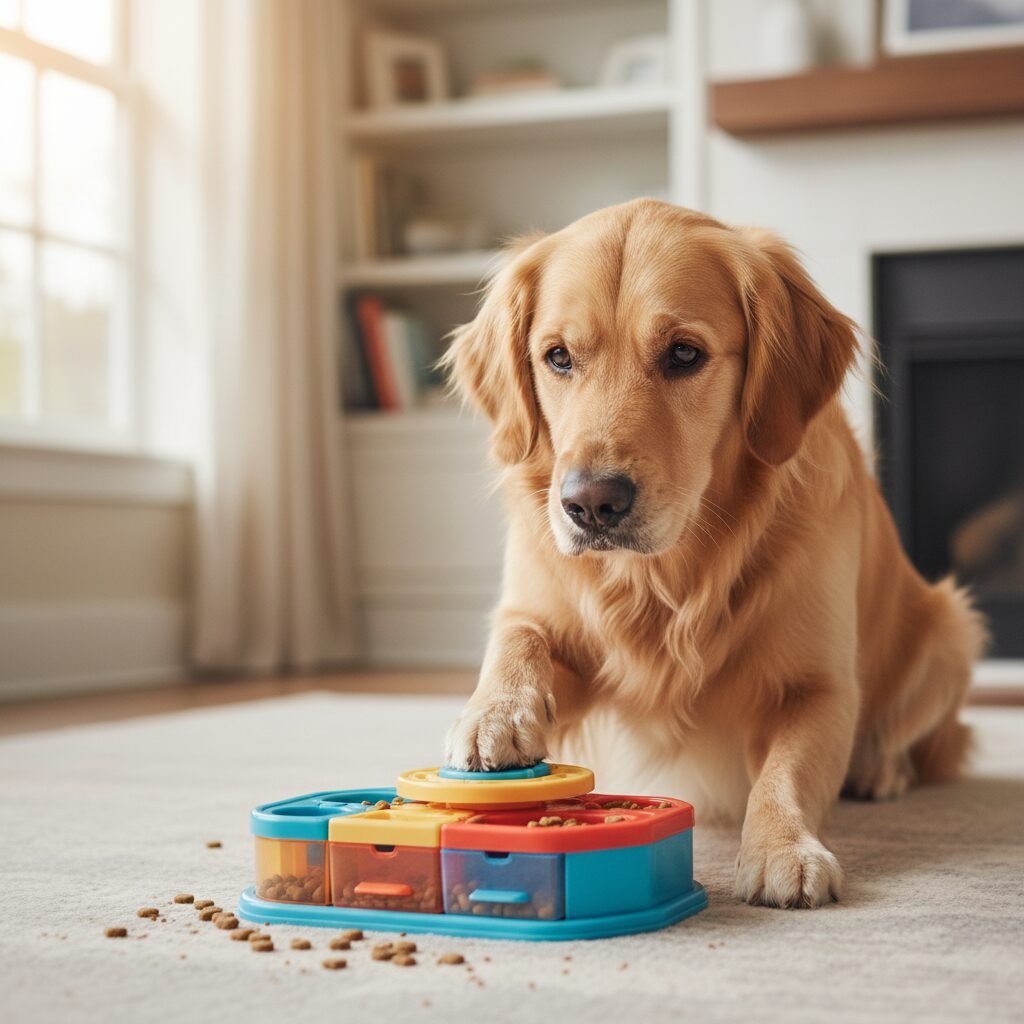
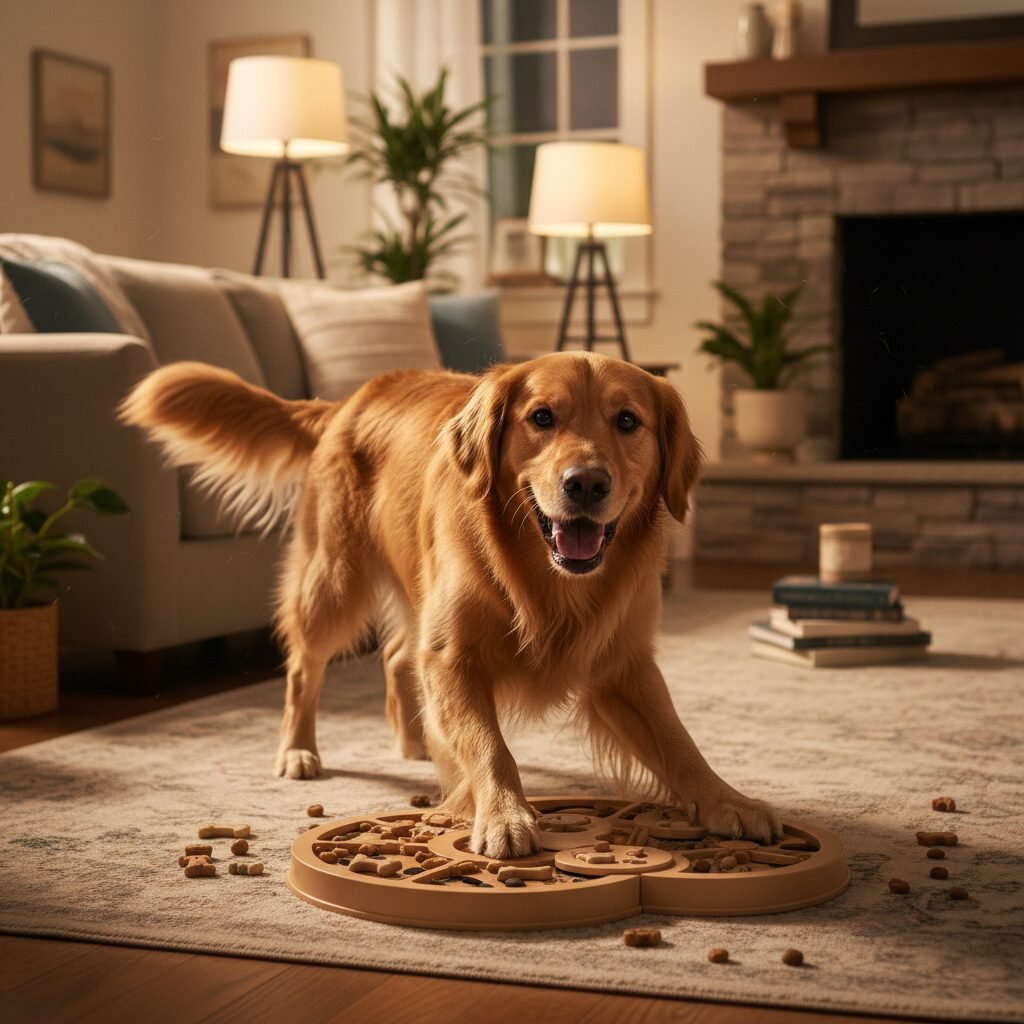
Puzzle toys are an excellent way to introduce mental stimulation. These toys require your dog to figure out how to get a treat or kibble, often involving pushing, nudging, or lifting parts. They range in difficulty, from simple sniff-and-find toys to complex multi-step puzzles.
How to Introduce Puzzle Toys
- Start Simple: Begin with easy puzzles to avoid frustration. Let your dog succeed quickly to build confidence.
- Supervise: Always supervise your dog, especially with new toys, to ensure they don’t chew or ingest parts.
- Rotate Toys: Keep things fresh by rotating different puzzle toys. This prevents boredom and keeps the challenge exciting.
- Use Meals: Instead of a bowl, use puzzle toys for a portion of your dog’s meals to make eating a more engaging activity.
2. Scent Games and Nose Work Challenges
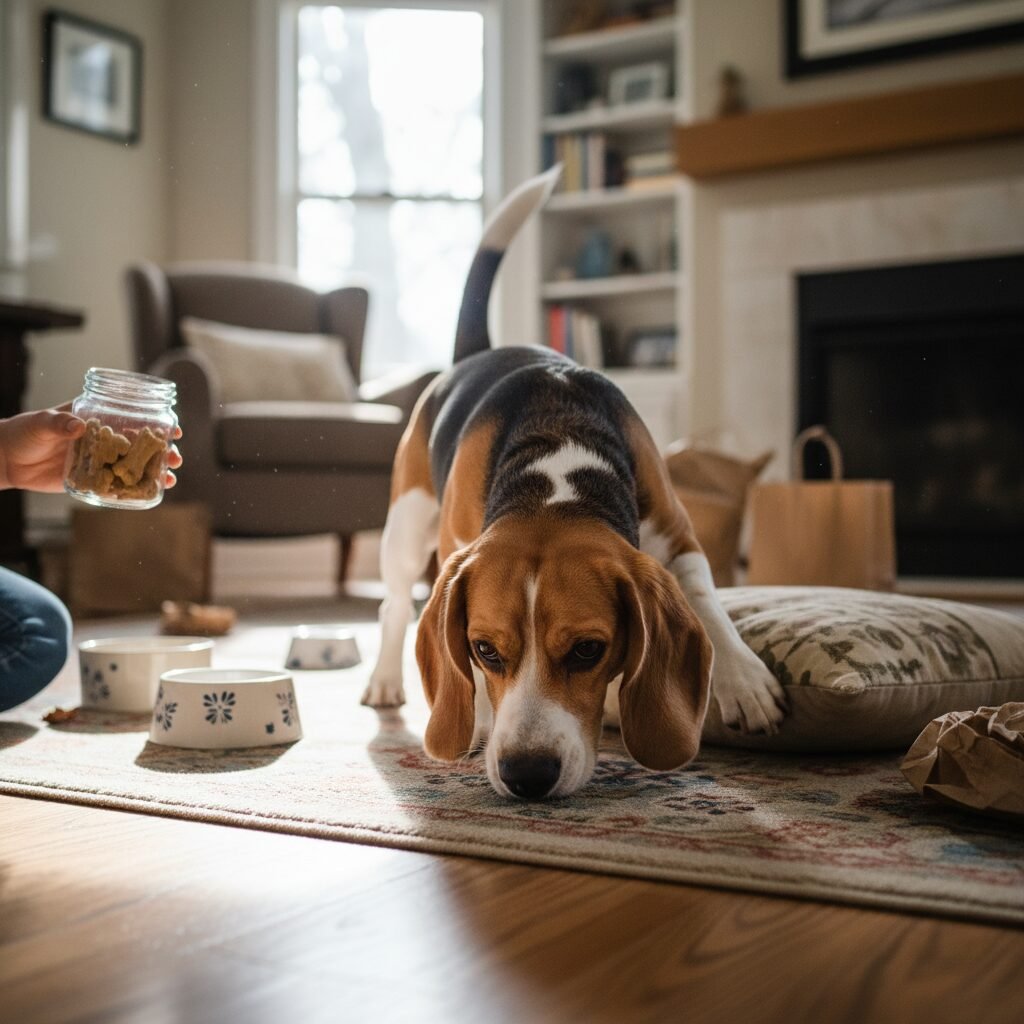
Your dog’s nose is an incredibly powerful tool, and engaging it is one of the best ways to provide mental stimulation. Nose work games tap into their natural instincts, building confidence and focus. These activities are particularly great for dogs who might have physical limitations but still need mental challenges.
Simple Nose Work Activities
- Find the Treat: Hide treats around a room while your dog watches. Gradually make the hiding spots more challenging and have your dog wait in another room before searching.
- Shell Game: Place a treat under one of three cups. Shuffle the cups and let your dog use their nose to find the treat.
- Scent Trails: Drag a high-value treat along the floor to create a scent trail, then hide the treat at the end for your dog to follow.
3. Obedience Training Beyond the Basics
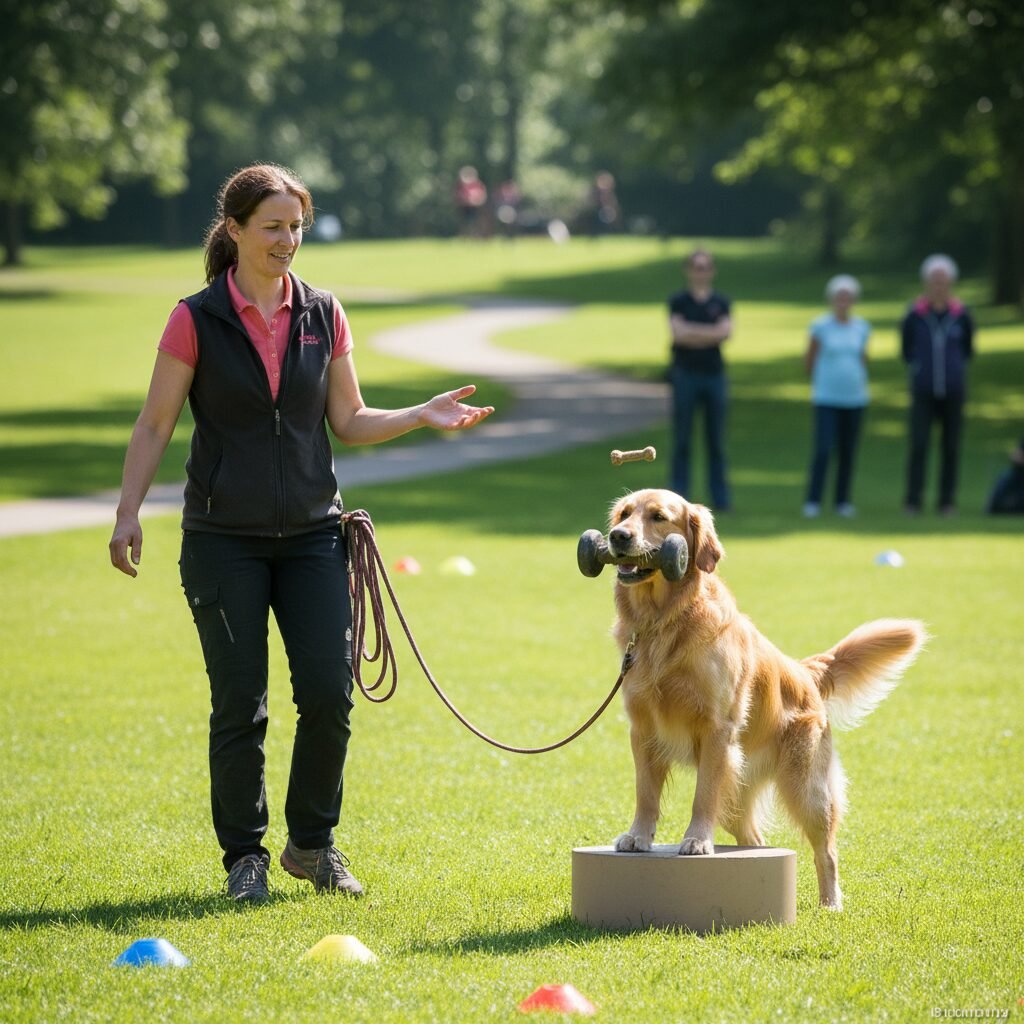
While basic commands like “sit” and “stay” are foundational, pushing into more advanced obedience training offers significant cognitive benefits. Learning new commands strengthens neural pathways and improves your dog’s ability to focus and follow instructions in various environments.
Advanced Obedience Ideas
- Proofing Commands: Practice existing commands in new, distracting environments (e.g., a park, near other dogs).
- Distance and Duration: Increase the distance you are from your dog or the length of time they hold a “stay” command.
- Recall with Distractions: Work on a reliable recall even when there are tempting distractions nearby.
4. Teach New Tricks and Commands

Teaching your dog fun, new tricks is a fantastic way to engage their brain. Tricks like “roll over,” “play dead,” “fetch a specific toy,” or even “wave” require them to think, coordinate, and understand sequences. The process of learning itself is highly stimulating.
Tips for Teaching Tricks
- Break it Down: Deconstruct complex tricks into smaller, manageable steps.
- Positive Reinforcement: Use treats, praise, and toys to reward every successful attempt.
- Keep it Short and Fun: Training sessions should be brief (5-10 minutes) and end on a positive note to keep your dog engaged and eager for more.
5. DIY Enrichment Activities
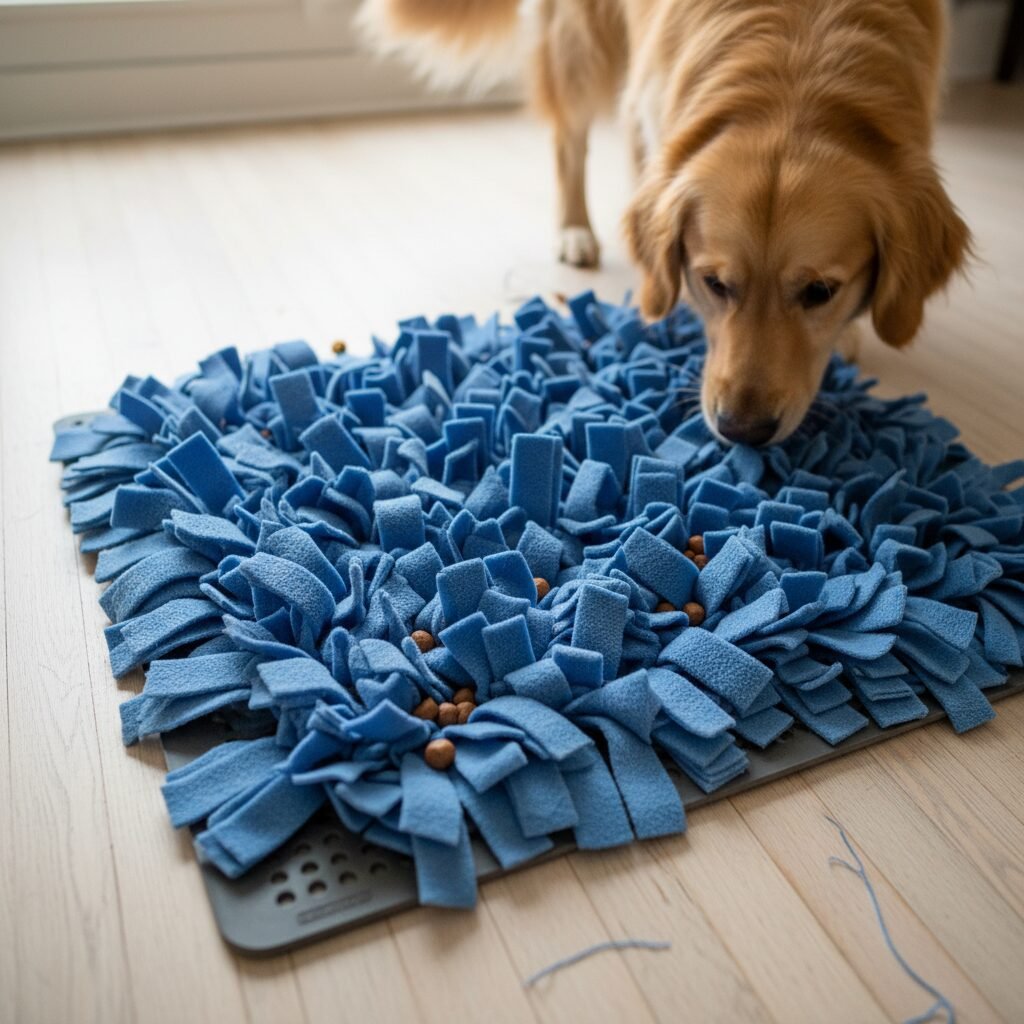
You don’t always need fancy store-bought items to provide mental stimulation. Many household items can be repurposed into engaging enrichment activities. These DIY projects challenge your dog’s problem-solving skills and keep them entertained.
Creative DIY Ideas
- Towel Roll-Up: Spread treats on a towel, roll it up tightly, and let your dog unroll it to find the goodies.
- Muffin Tin Game: Place treats in a muffin tin, cover some holes with tennis balls, and let your dog figure out how to get the treats.
- Cardboard Box Fun: Fill a cardboard box with crumpled paper and hide treats inside for a fun foraging game.
6. Interactive Play Sessions
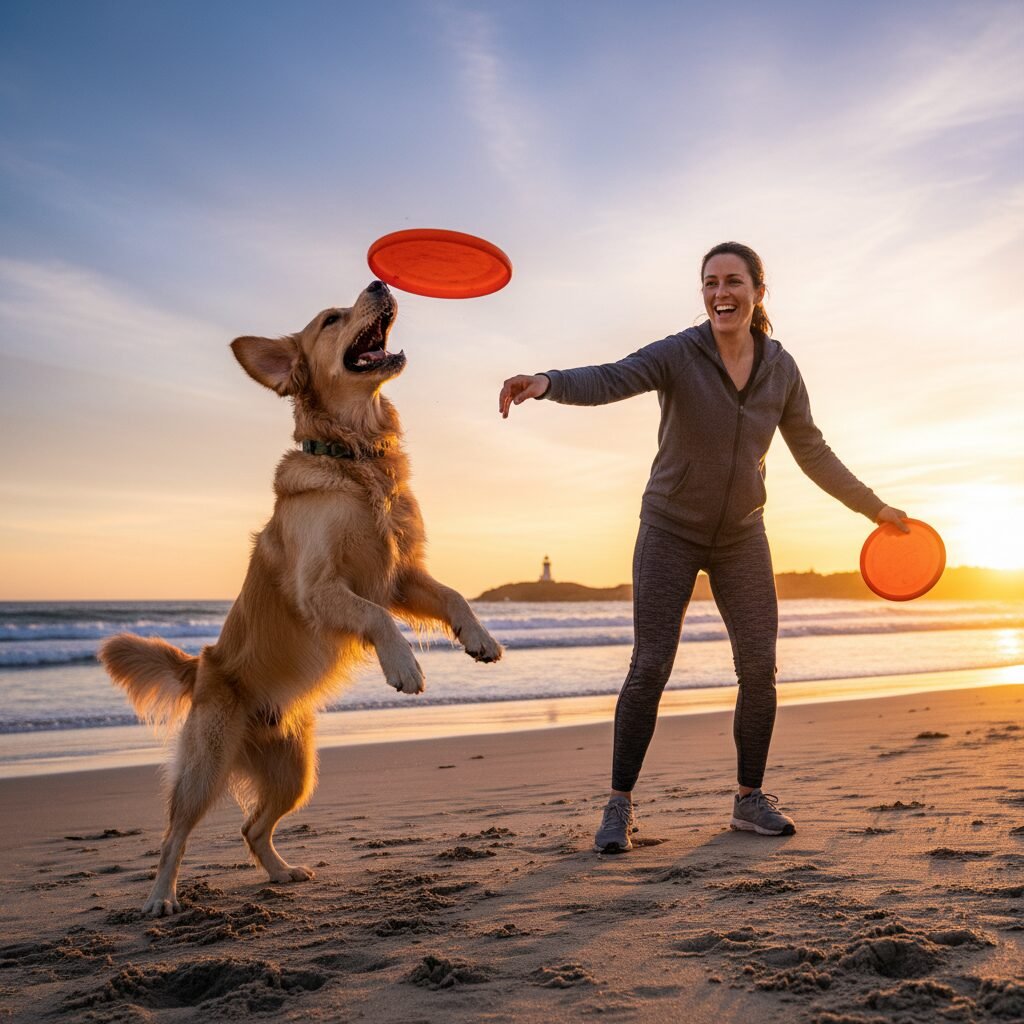
Beyond simple fetch, interactive play that requires your dog to think can be incredibly beneficial. Games that involve strategy, decision-making, or working together with you strengthen their cognitive abilities and reinforce your bond.
Engaging Interactive Games
- Hide-and-Seek: Have your dog “stay” while you hide, then call them to find you. This builds recall and problem-solving.
- Fetch with a Twist: Instead of just throwing, make your dog “sit” or “stay” before throwing, or have them retrieve specific toys by name.
- Agility Course: Set up a mini-agility course in your yard with household items (e.g., jump over a broomstick, weave through cones).
7. Socialization and New Experiences
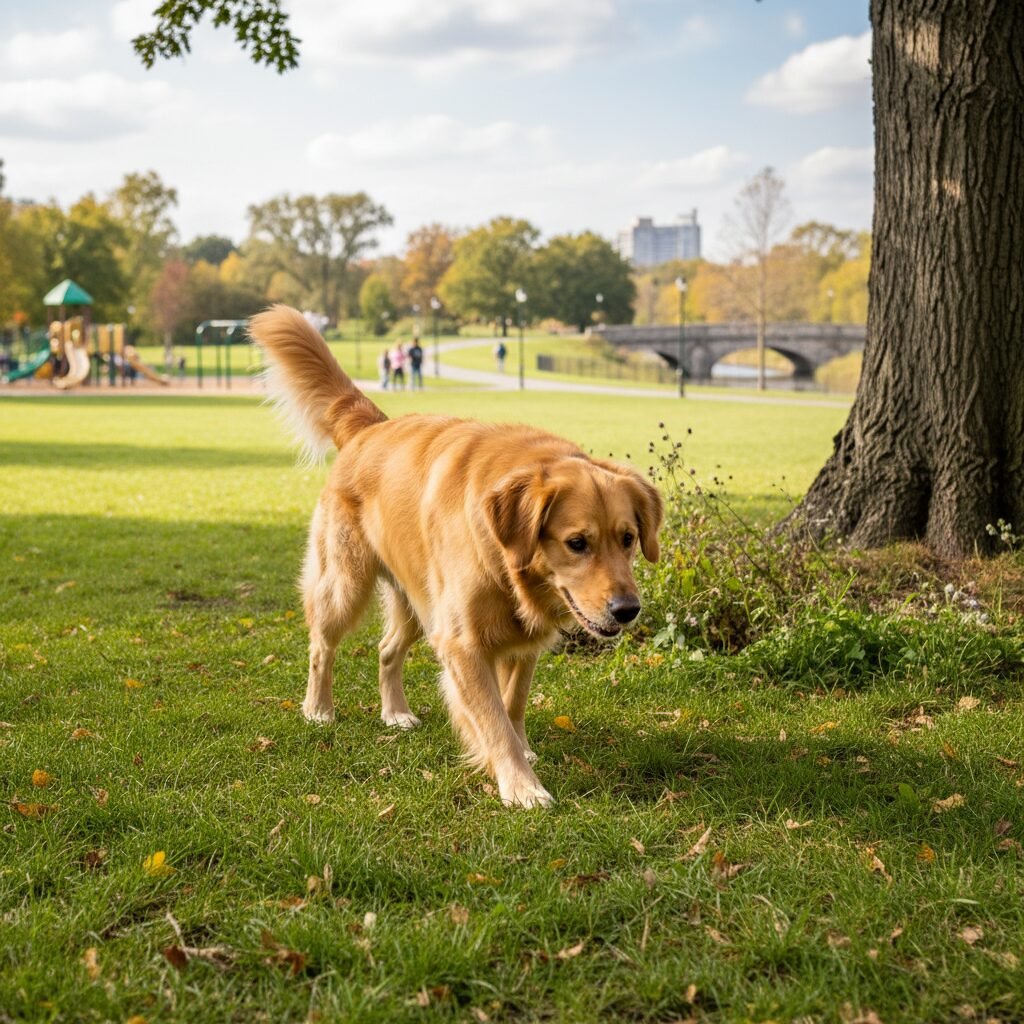
Exposing your dog to new sights, sounds, smells, and social interactions is a powerful form of mental enrichment. Novelty challenges their brain to process new information and adapt to different situations, fostering confidence and adaptability.
Ways to Provide New Experiences
- New Walking Routes: Explore different neighborhoods, parks, or trails.
- Dog-Friendly Outings: Take your dog to a pet store, a dog-friendly cafe, or a friend’s house.
- Meet New Dogs and People: Controlled, positive interactions with other vaccinated dogs and friendly people help them learn social cues.
Benefits of Consistent Mental Stimulation
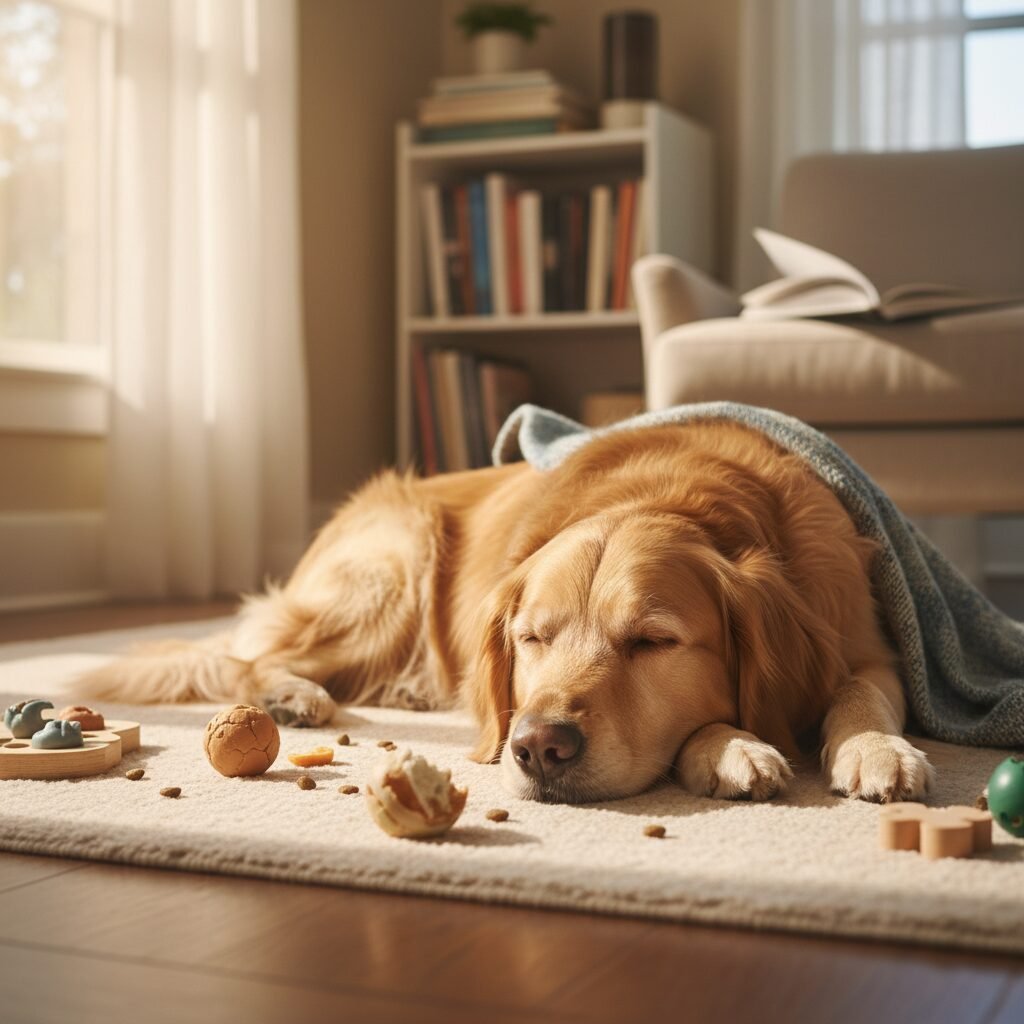
Incorporating these exercises into your dog’s routine offers a wealth of benefits:
- Reduces Boredom and Destructive Behavior: A mentally tired dog is less likely to chew furniture or bark excessively.
- Boosts Confidence: Successfully solving puzzles or learning new tricks builds self-esteem.
- Strengthens Your Bond: Working together on challenges fosters trust and communication.
- Improves Adaptability: Exposure to new experiences makes dogs more resilient to change.
- Enhances Cognitive Function: Keeps their brain sharp, especially as they age.
- Manages Energy: Mental work can be just as tiring as physical exercise, helping to calm an energetic dog.
Tips for Success in Mental Training
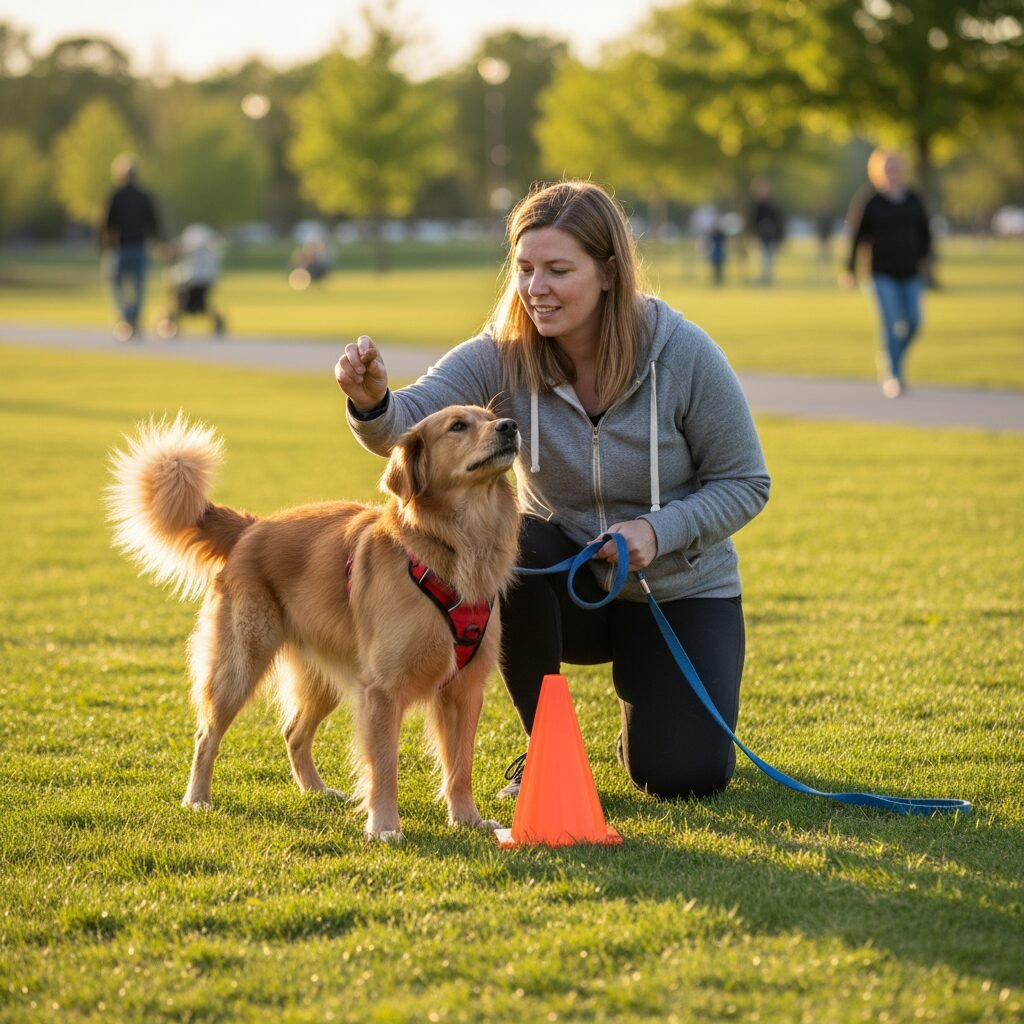
To make the most of your mental growth exercises, remember these key tips:
- Keep it Positive: Always use positive reinforcement. Make it a fun, rewarding experience.
- Short Sessions: Dogs have shorter attention spans. Aim for several short sessions rather than one long one.
- Know Your Dog: Tailor activities to your dog’s age, breed, personality, and physical capabilities.
- Be Patient: Learning takes time. Celebrate small victories and don’t get discouraged by setbacks.
- Consistency is Key: Regular mental workouts yield the best results.
Engaging your dog’s mind is a gift you give them—and yourself. A mentally stimulated dog is a happier, calmer, and more well-adjusted companion. By incorporating these seven mental growth exercises into their daily routine, you’re not just strengthening their cognitive skills; you’re enriching their entire world and deepening the incredible bond you share. So, grab some treats, unleash your creativity, and get ready to watch your clever canine thrive!