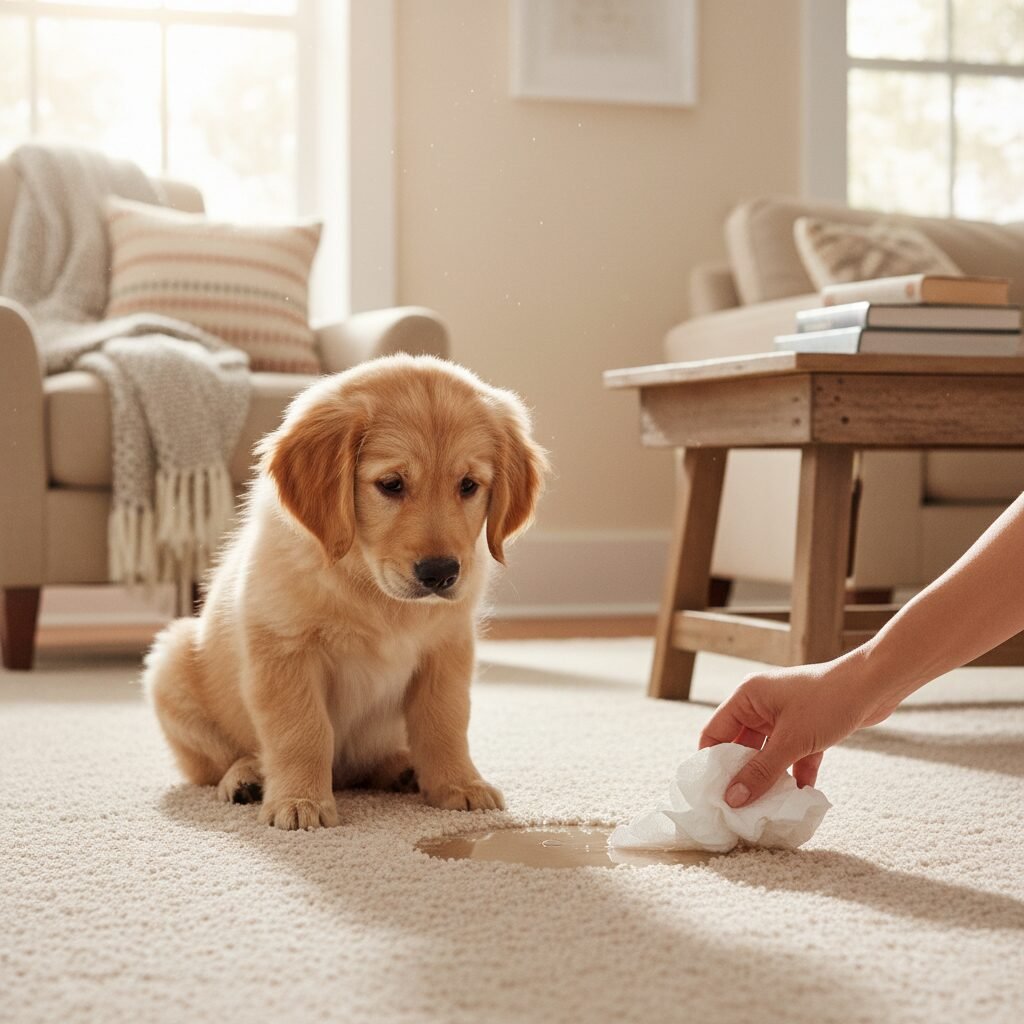
5 Quick Carpet Rescue Methods for Fresh Accidents
Every dog parent knows that sinking feeling – you turn your back for a second, and there it is: a fresh, wet spot on your beautiful carpet. Whether it’s a new puppy still learning the ropes, an older dog with a bladder issue, or just an unexpected upset stomach, accidents happen. But don’t panic! The key to saving your carpet and preventing lasting stains and odors is quick action and the right technique. You don’t need fancy equipment; often, the best solutions are already in your home.
Acting fast can make all the difference between a minor cleanup and a permanent reminder of a messy moment. We’re here to guide you through five quick, reliable methods to tackle those fresh pet accidents head-on, ensuring your home stays clean and fresh, and your furry friend remains your beloved companion.
First Steps for Any Accident
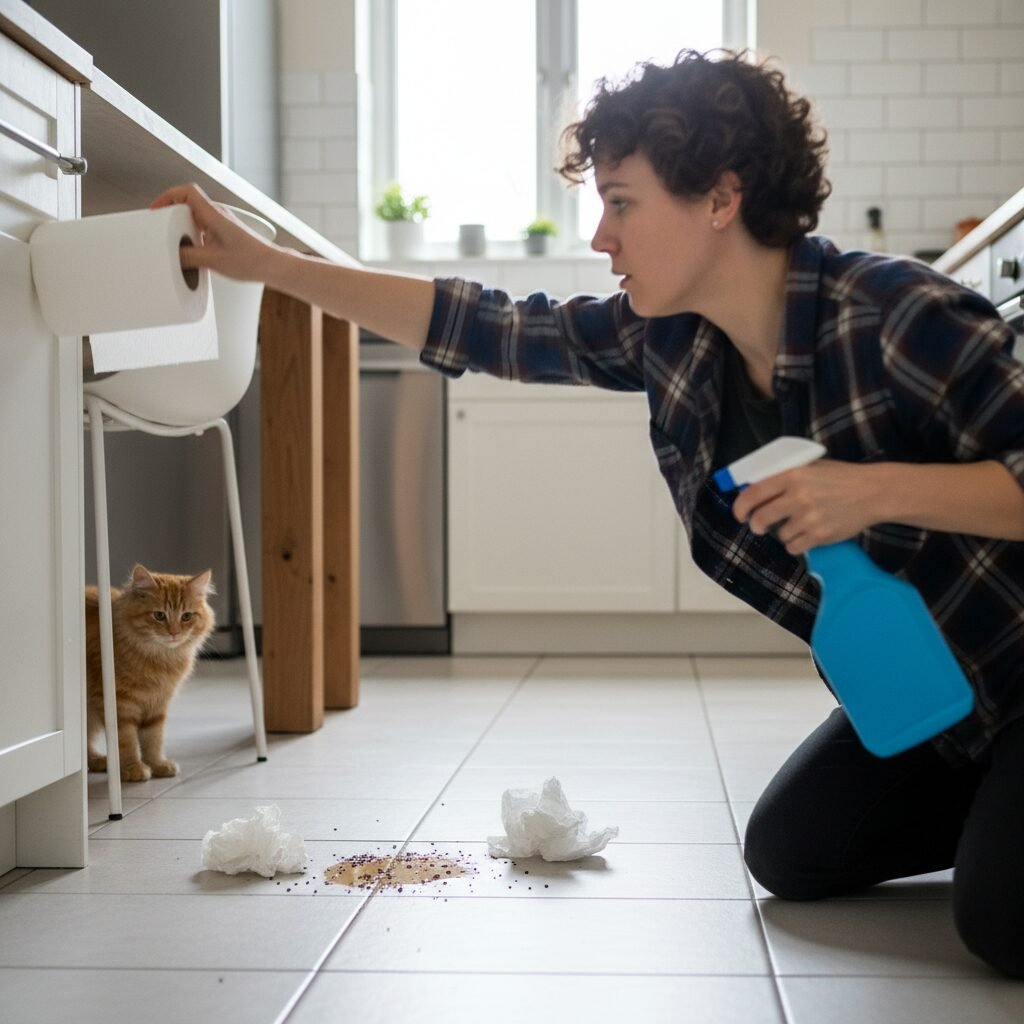
Before diving into specific methods, remember these universal first steps that apply to almost any fresh pet accident on the carpet:
- Don’t Rub, Blot! Rubbing only pushes the liquid deeper into the carpet fibers and spreads the stain. Always blot gently with a clean, dry cloth or paper towels.
- Gather Your Supplies: Have paper towels, old rags, a spray bottle, and your chosen cleaning solution ready. Speed is crucial!
- Protect Your Pet: Keep your dog away from the accident area during cleanup to prevent them from tracking the mess or ingesting cleaning agents.
- Work from the Outside In: This helps prevent the stain from spreading further.
Method 1 – The Blot and Rinse Technique
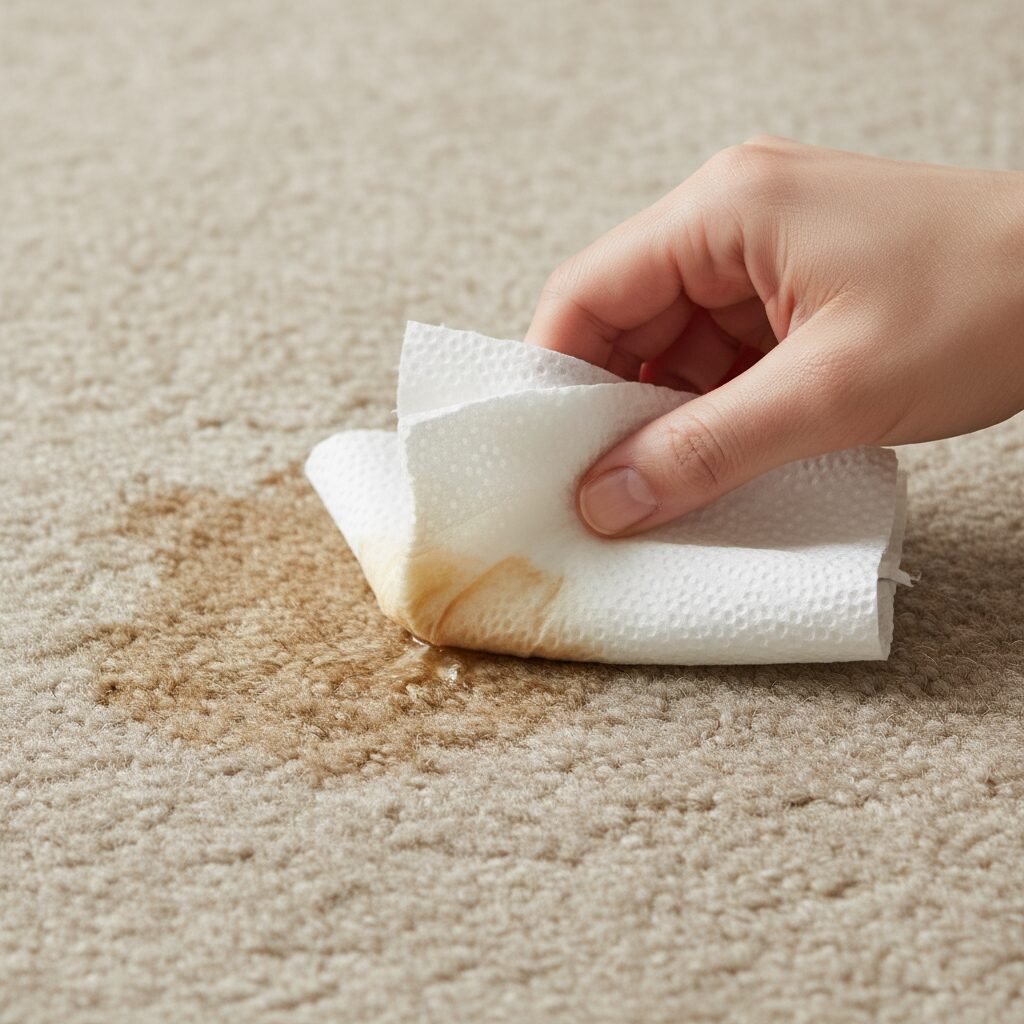
This is your go-to for very fresh, liquid accidents that haven’t had time to soak in. It’s simple, effective, and uses minimal supplies.
How to do it
- Blot Immediately: Place a thick stack of paper towels or a clean, absorbent cloth over the wet spot. Press down firmly to absorb as much liquid as possible. Replace towels as they become saturated and continue until no more moisture transfers.
- Dilute with Water: Lightly mist the area with clean, cool water from a spray bottle. Do not saturate the carpet. The goal is to dilute any remaining urine or liquid.
- Blot Again: Immediately blot the diluted area with fresh, dry paper towels or a clean cloth.
- Repeat if Necessary: If you still see residue or smell an odor, repeat the dilution and blotting steps once or twice.
- Air Dry: Allow the area to air dry completely. You can place a fan nearby to speed up the process.
Method 2 – Baking Soda Power
Baking soda is a natural deodorizer and absorbent, making it excellent for tackling both the liquid and the lingering smell of pet accidents. It’s especially effective after you’ve blotted up most of the moisture.
How to do it
- Blot Thoroughly: Ensure you’ve blotted up as much liquid as possible using Method 1.
- Sprinkle Generously: Liberally sprinkle baking soda over the entire damp area of the accident. Make sure to cover it well.
- Let it Sit: Allow the baking soda to sit for several hours, or even overnight. It will absorb moisture and odors. For tougher odors, you can gently work it into the carpet fibers with a brush.
- Vacuum: Once the baking soda is completely dry, vacuum it up thoroughly. You might need to go over the area a few times to remove all residue.
Method 3 – Vinegar and Dish Soap Combo
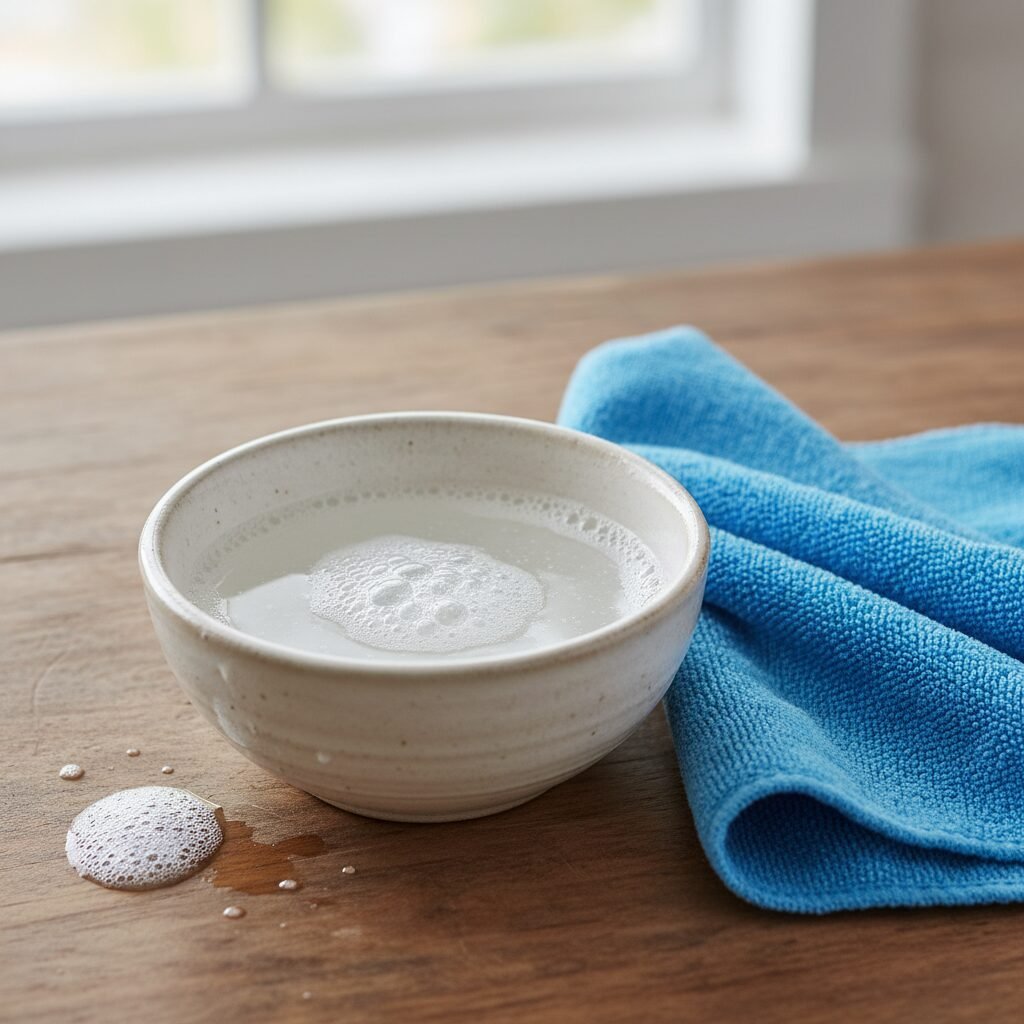
This dynamic duo is fantastic for neutralizing odors and breaking down more stubborn stains. White vinegar is a natural deodorizer and mild disinfectant, while dish soap helps lift greasy residues.
How to do it
- Blot Excess: As always, blot up any fresh liquid as much as possible.
- Prepare Solution: In a spray bottle, mix one cup of white vinegar with one cup of warm water and a quarter teaspoon of mild dish soap (like Dawn).
- Apply Solution: Lightly mist the stained area with the vinegar solution. Do not over-saturate.
- Gently Scrub/Blot: Use a clean cloth or soft brush to gently work the solution into the carpet fibers. Blot firmly with a clean, dry cloth until the stain lifts and the area is dry.
- Rinse (Optional): If you used a significant amount of solution, you can lightly mist with clean water and blot dry to remove any soap residue.
- Air Dry: Let the area dry completely. The vinegar smell will dissipate as it dries.
Method 4 – Hydrogen Peroxide for Stubborn Spots
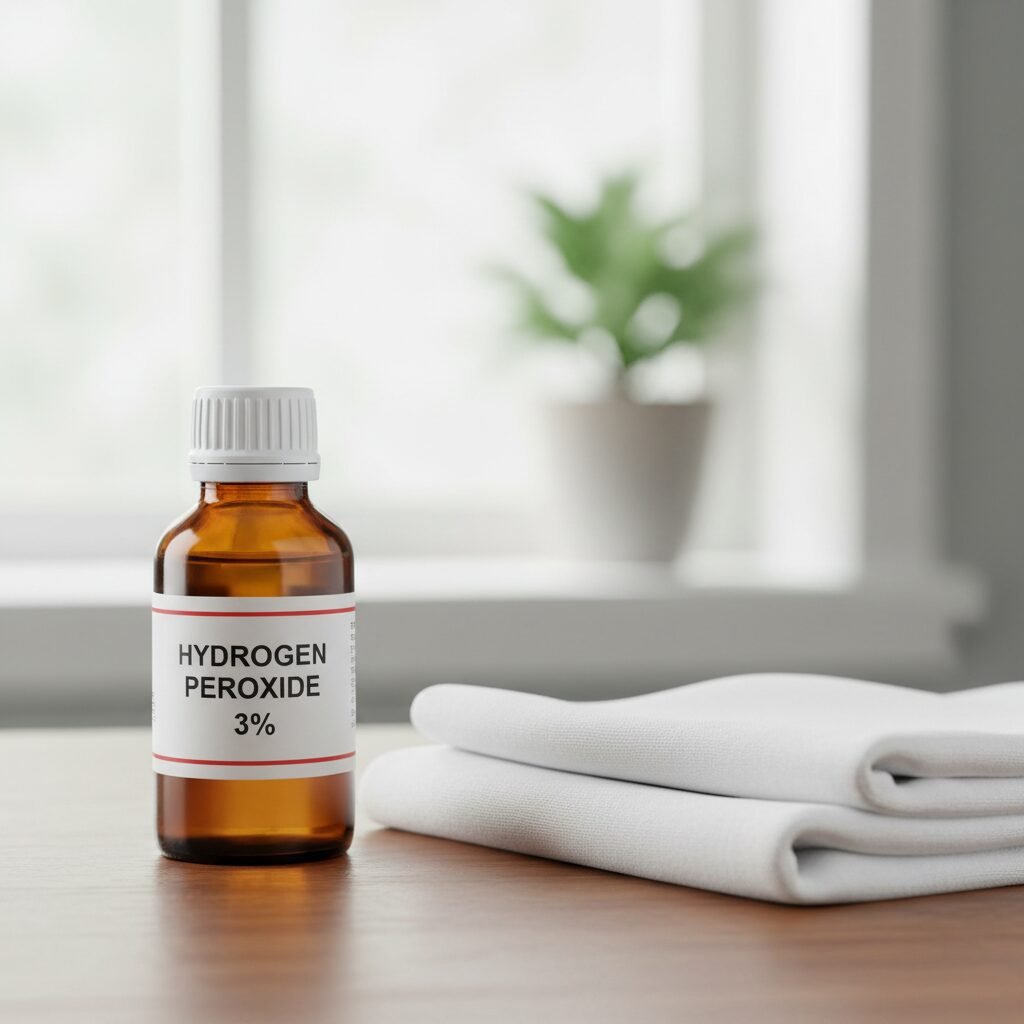
Hydrogen peroxide is a powerful cleaning agent that can tackle more stubborn or slightly older stains, as well as disinfect. However, always use with caution and test first, as it can bleach some carpet colors.
How to do it
- Test First: In an inconspicuous area of your carpet (like inside a closet), apply a small amount of 3% hydrogen peroxide solution. Wait 10-15 minutes to ensure it doesn’t cause discoloration.
- Blot Excess: Blot up any fresh liquid from the accident.
- Apply Peroxide: Mix one part 3% hydrogen peroxide with two parts water. Lightly dab the solution onto the stain with a clean cloth. Do not pour directly onto the carpet.
- Let it Sit: Allow the solution to sit for 5-10 minutes, allowing it to work on the stain.
- Blot and Rinse: Blot the area thoroughly with a clean, damp cloth to remove the peroxide solution.
- Air Dry: Ensure the area dries completely.
Method 5 – Enzyme Cleaners – The Pet Owner’s Best Friend
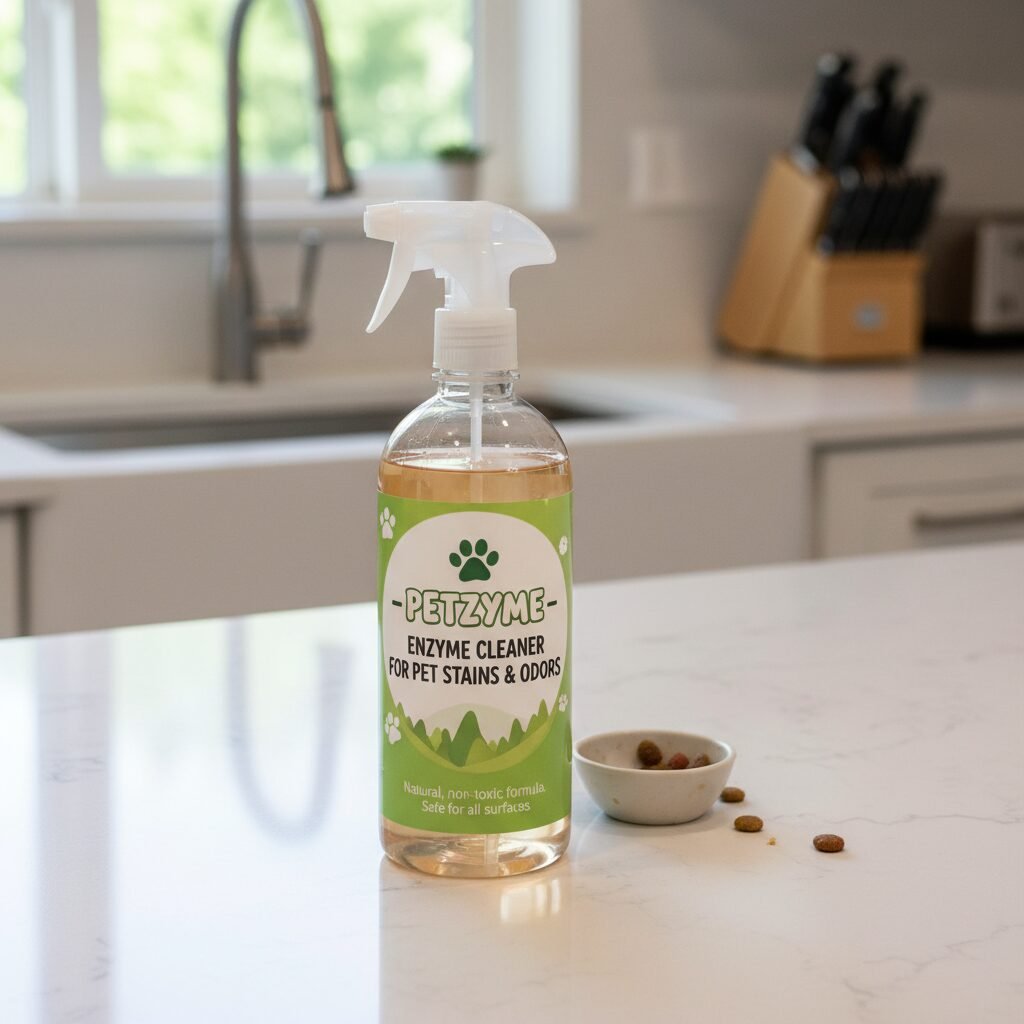
For pet accidents, especially urine, enzyme cleaners are often the most recommended solution. They contain beneficial bacteria that produce enzymes, which break down the organic matter (like urine proteins) that cause odors and stains at a molecular level. This is crucial for truly eliminating the smell that attracts pets back to the same spot.
How to do it
- Blot Thoroughly: Remove as much liquid as possible from the carpet.
- Apply Enzyme Cleaner: Follow the product instructions carefully. Typically, you’ll saturate the soiled area with the enzyme cleaner. Ensure it reaches as deep as the original accident.
- Allow to Dwell: This is critical! Enzyme cleaners need time to work, often several hours or even overnight. Cover the area with a damp towel or plastic wrap to keep it wet, as enzymes are active when moist.
- Blot or Vacuum: Once the dwell time is complete, blot up any excess liquid or allow the area to air dry. Some products recommend vacuuming residue once dry.
- Repeat if Necessary: For very old or stubborn odors, you might need to repeat the process.
Preventing Future Accidents
While these rescue methods are lifesavers, prevention is always the best approach. Consistent potty training, regular outdoor breaks, proper diet, and addressing any underlying health issues with your vet can significantly reduce the frequency of accidents. For puppies, crate training or using puppy pads in designated areas can be very helpful. For older dogs, consider waterproof pads or belly bands as a safeguard.
A Clean Carpet, A Happy Home
Accidents are an inevitable part of living with our beloved dogs, but they don’t have to spell disaster for your carpets. By arming yourself with these five quick and effective rescue methods, you can tackle fresh messes with confidence and ease. Remember, speed is your greatest ally, and a little patience goes a long way. With these tips, you’ll not only keep your home looking and smelling fresh, but you’ll also maintain that special, loving bond with your furry family member, knowing that even the occasional mishap can be easily managed. Here’s to a clean carpet and many more happy moments with your best friend!


