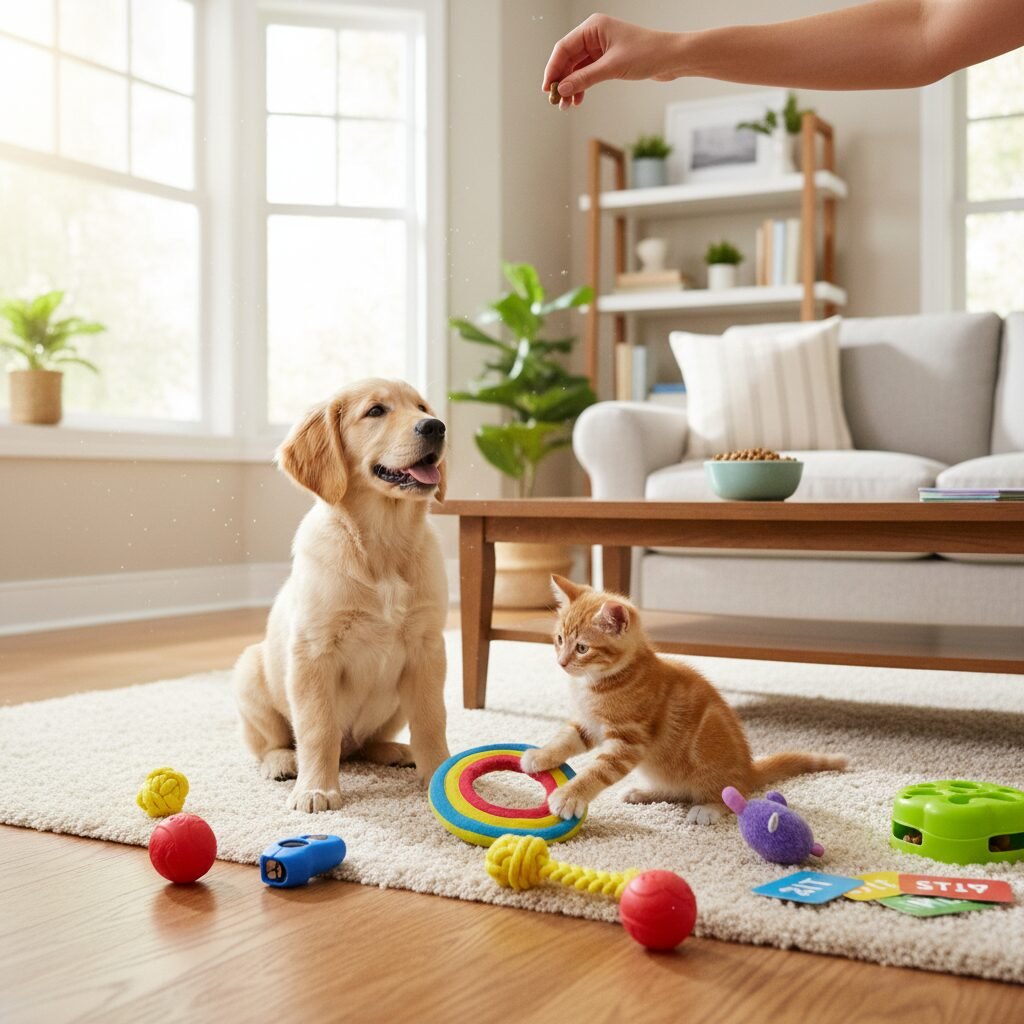
7 Age-Appropriate Training Ideas for Young Pets
Bringing a young pet into your home is an exciting adventure, full of wagging tails, purring cuddles, and endless curiosity. But it also comes with the important responsibility of guiding them to become well-behaved, happy companions. Just like children, pets learn best when training is tailored to their developmental stage. Trying to teach a tiny puppy complex tricks is as frustrating as expecting an adolescent dog to instantly overcome ingrained habits. The secret to success lies in understanding what your furry friend is ready for and presenting it in a way they can grasp.
This guide will walk you through seven age-appropriate training ideas, designed to foster a strong bond, build confidence, and lay the groundwork for a lifetime of good behavior. We’ll cover everything from the crucial early weeks to the often-challenging adolescent period, ensuring your training journey is both effective and enjoyable for you and your beloved pet.
Why Age-Appropriate Training Matters
Imagine trying to teach a toddler calculus! It sounds absurd, right? The same principle applies to our pets. Their brains develop in stages, and their capacity for learning, attention span, and physical abilities evolve over time. Age-appropriate training respects these developmental milestones, preventing frustration for both pet and parent. It builds a foundation of trust and positive association with learning, rather than creating stress or confusion.
Training Ideas for Puppies (8-16 Weeks Old)
This is a critical window for learning! Puppies are like sponges, soaking up every experience. Focus on positive exposure and basic life skills.
Idea 1- Early Socialization and Exposure

During this stage, your puppy’s world is expanding rapidly. Gentle, positive exposure to new sights, sounds, people, and other vaccinated, friendly animals is paramount. This isn’t just about playing; it’s about teaching them that the world is a safe and interesting place. Enroll in a puppy class, invite friends over, and take short, positive trips to pet-friendly stores or quiet parks. Always ensure these experiences are controlled and positive, avoiding overwhelming situations.
Idea 2- Potty Training Fundamentals
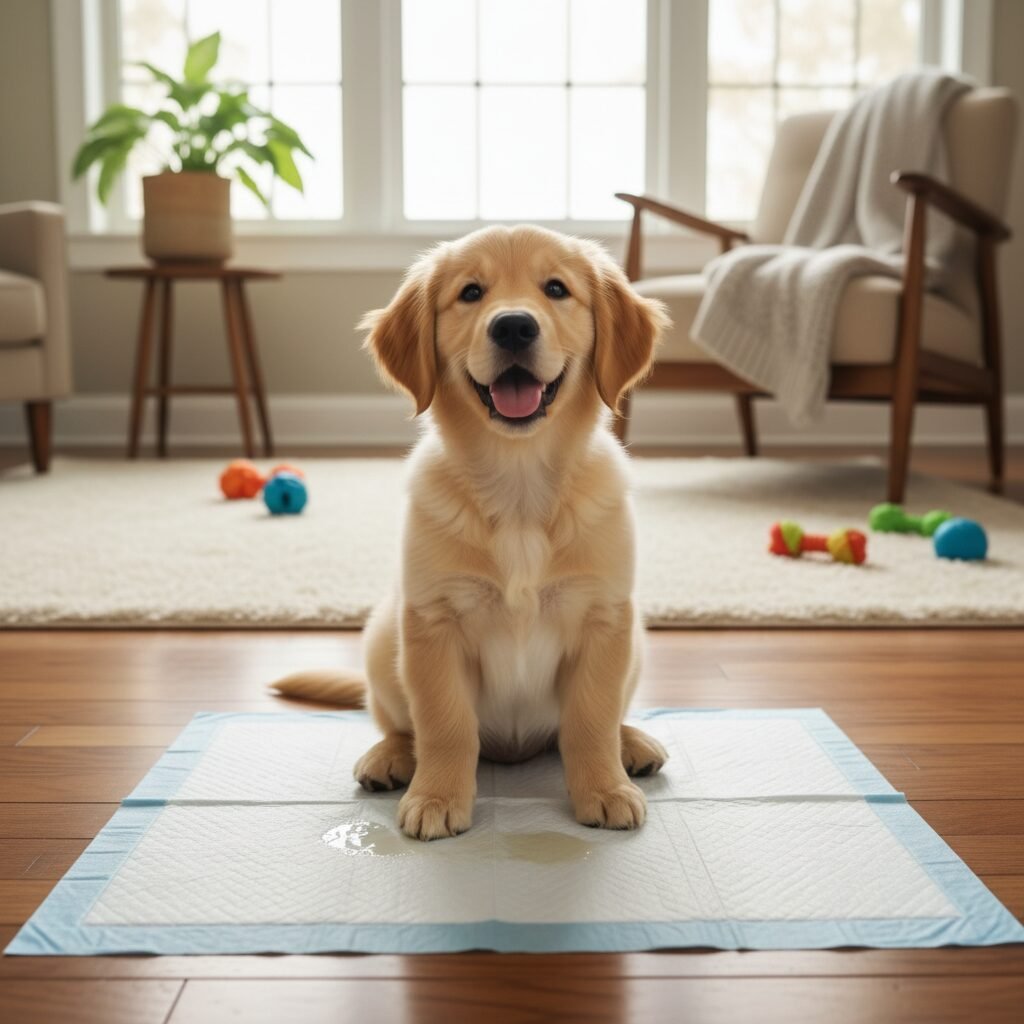
Consistency is key here! Establish a routine immediately. Take your puppy out frequently- first thing in the morning, after every meal, after waking from naps, and before bed. Reward them generously with praise and a high-value treat every single time they eliminate outside. Clean up accidents indoors calmly and thoroughly, without scolding, to prevent creating fear.
Idea 3- Crate Training Comfort
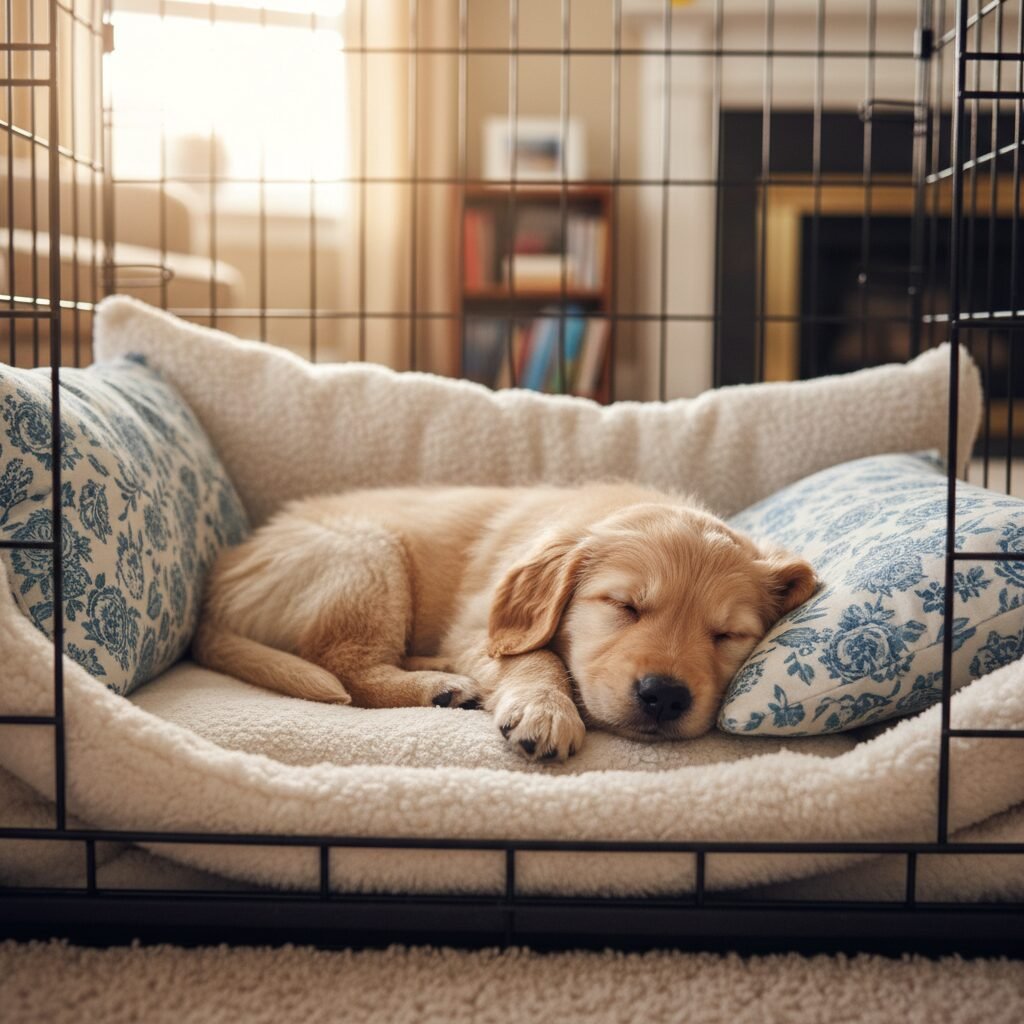
A crate can become your puppy’s safe haven. Introduce it positively by making it a comfortable, inviting space with soft bedding and toys. Feed meals inside the crate and never use it for punishment. Gradually increase the time your puppy spends in the crate, always ensuring they have recently relieved themselves. This helps with house training and provides a secure den.
Training Ideas for Adolescent Pets (4-12 Months Old)
Adolescence often brings a surge of independence and energy. Your pet might test boundaries or seem to ‘forget’ what they learned as a puppy. Patience and consistency are your best tools!
Idea 4- Basic Obedience Commands
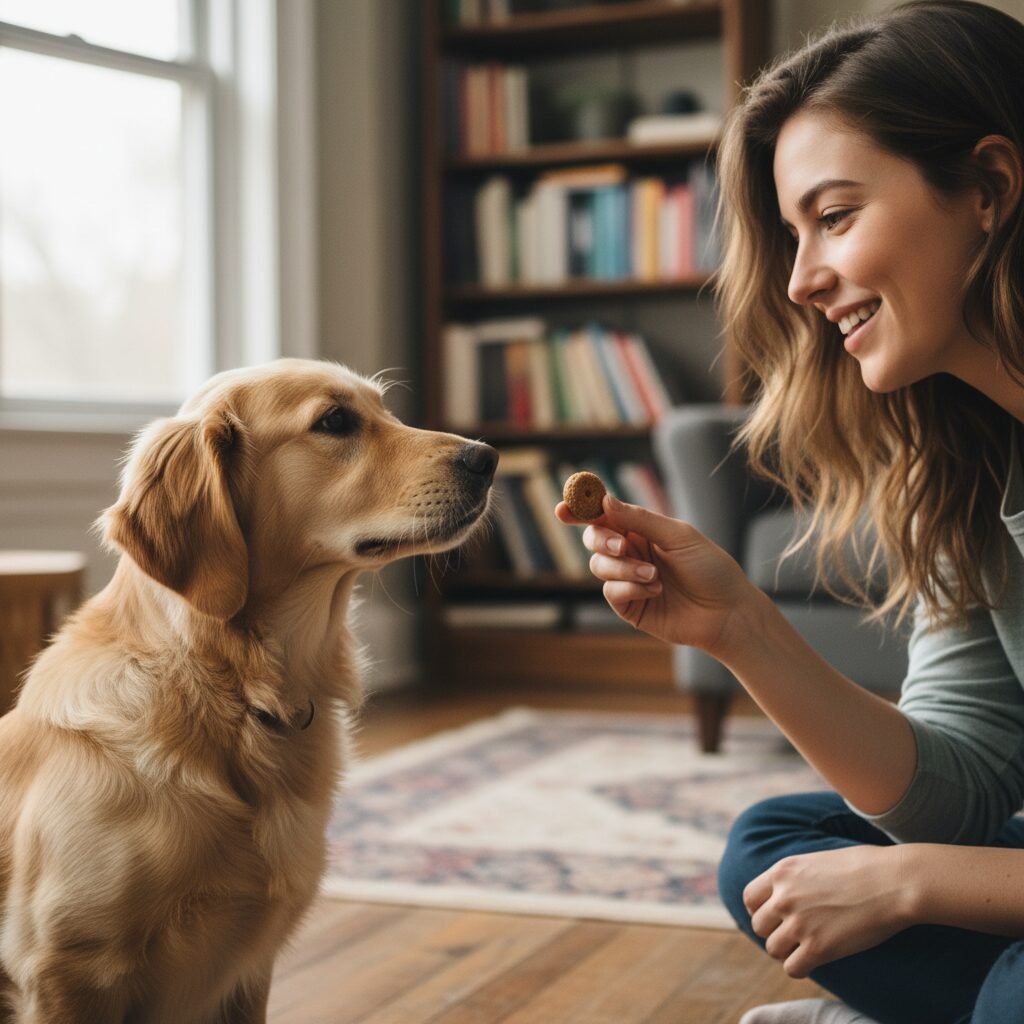
Now is the time to solidify essential commands like ‘sit,’ ‘stay,’ ‘come,’ and ‘down.’ Practice in various environments with increasing distractions. Use positive reinforcement- treats, praise, and toys- to make learning fun and rewarding. Keep sessions short, frequent, and upbeat to maintain their focus and enthusiasm.
Idea 5- Leash Manners and Walking Etiquette
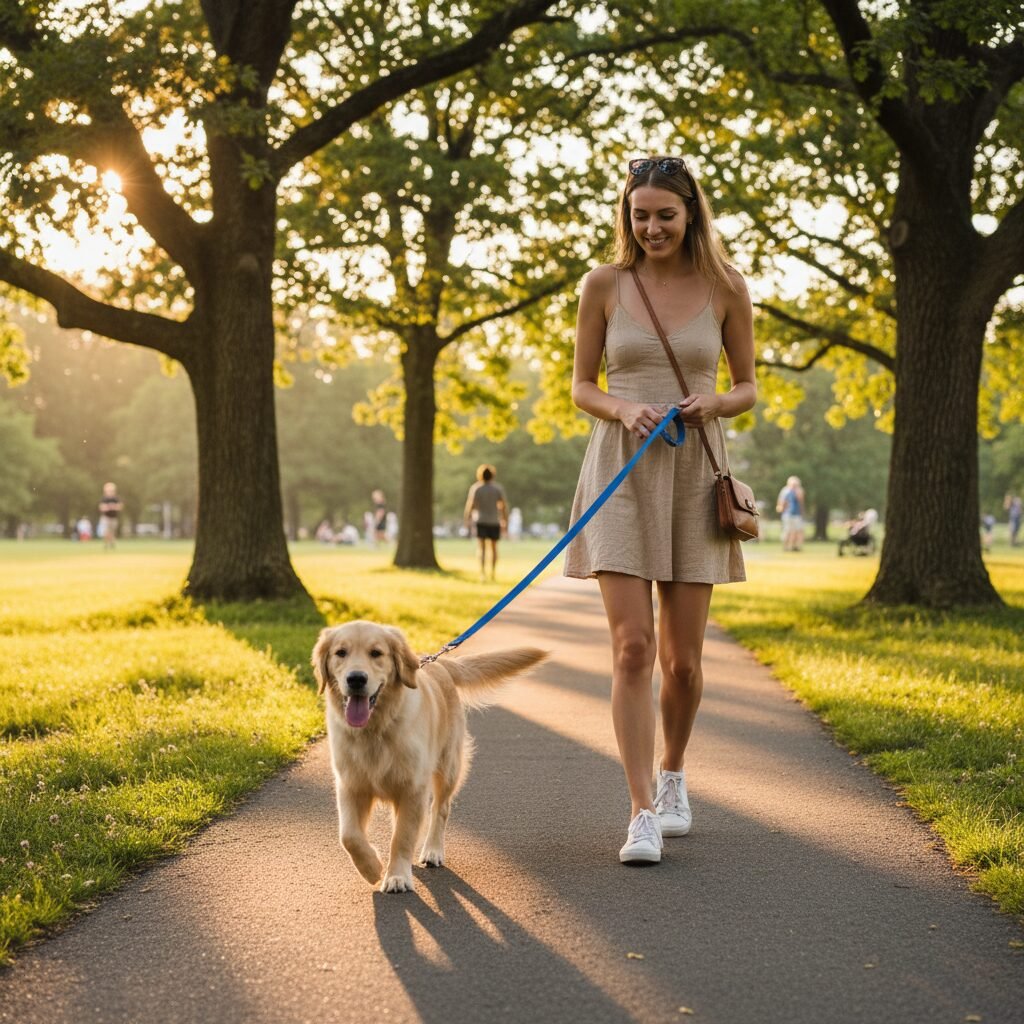
Walking nicely on a leash is a vital skill for both safety and enjoyment. Start in a quiet area, rewarding your pet for walking beside you with a loose leash. If they pull, stop walking until the leash slackens, then continue. Avoid yanking or harsh corrections. A front-clip harness can be very helpful for managing pulling during this stage.
Idea 6- Impulse Control and Boundaries
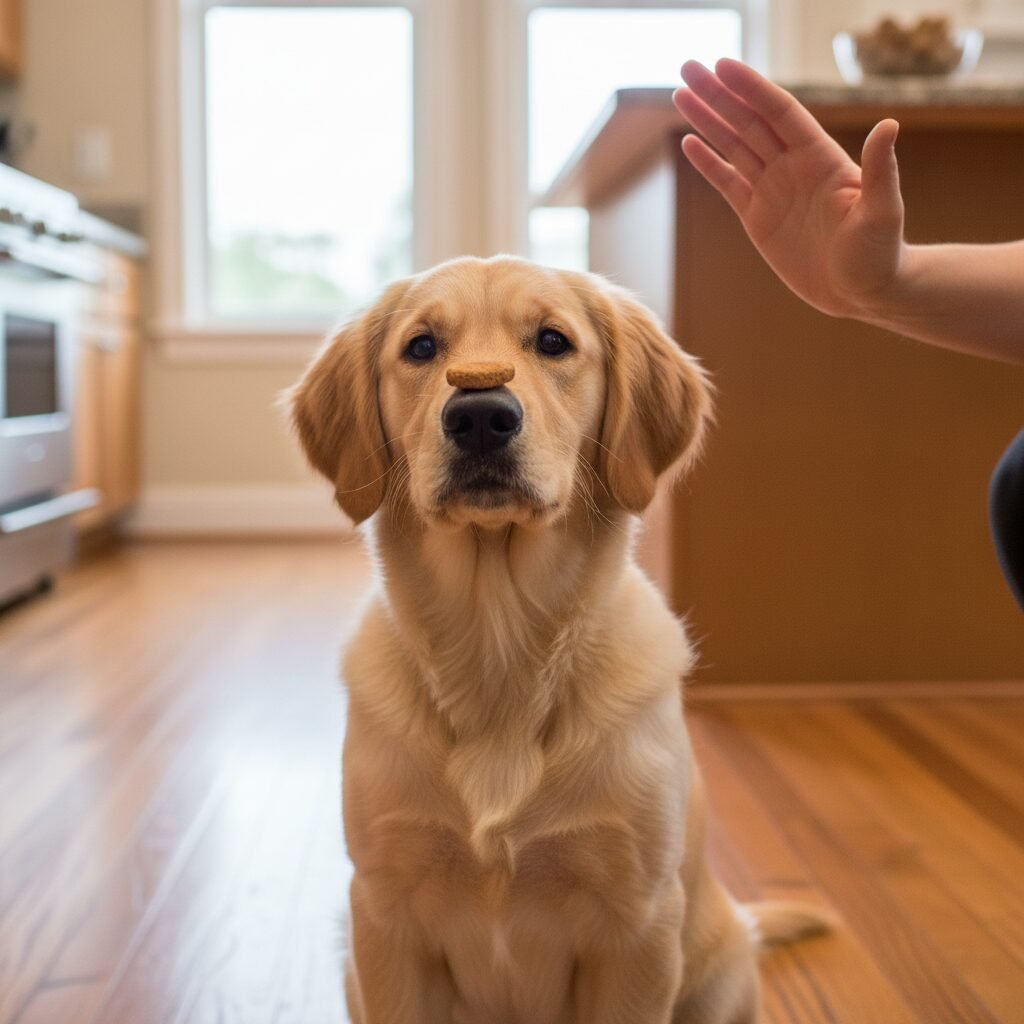
Adolescence is when impulse control really needs to be developed. Teach ‘leave it’ for tempting items, ‘wait’ before going through doors or eating meals, and ‘stay’ for longer durations. These commands help your pet learn self-control and respect boundaries, which are crucial for a harmonious household. Use fun games like ‘fetch and drop’ to practice giving up items.
Training Idea for Older Young Pets (1 Year and Beyond)
By this stage, your pet likely has a solid foundation. Now you can build on that with more advanced skills and mental enrichment.
Idea 7- Advanced Skills and Fun Tricks
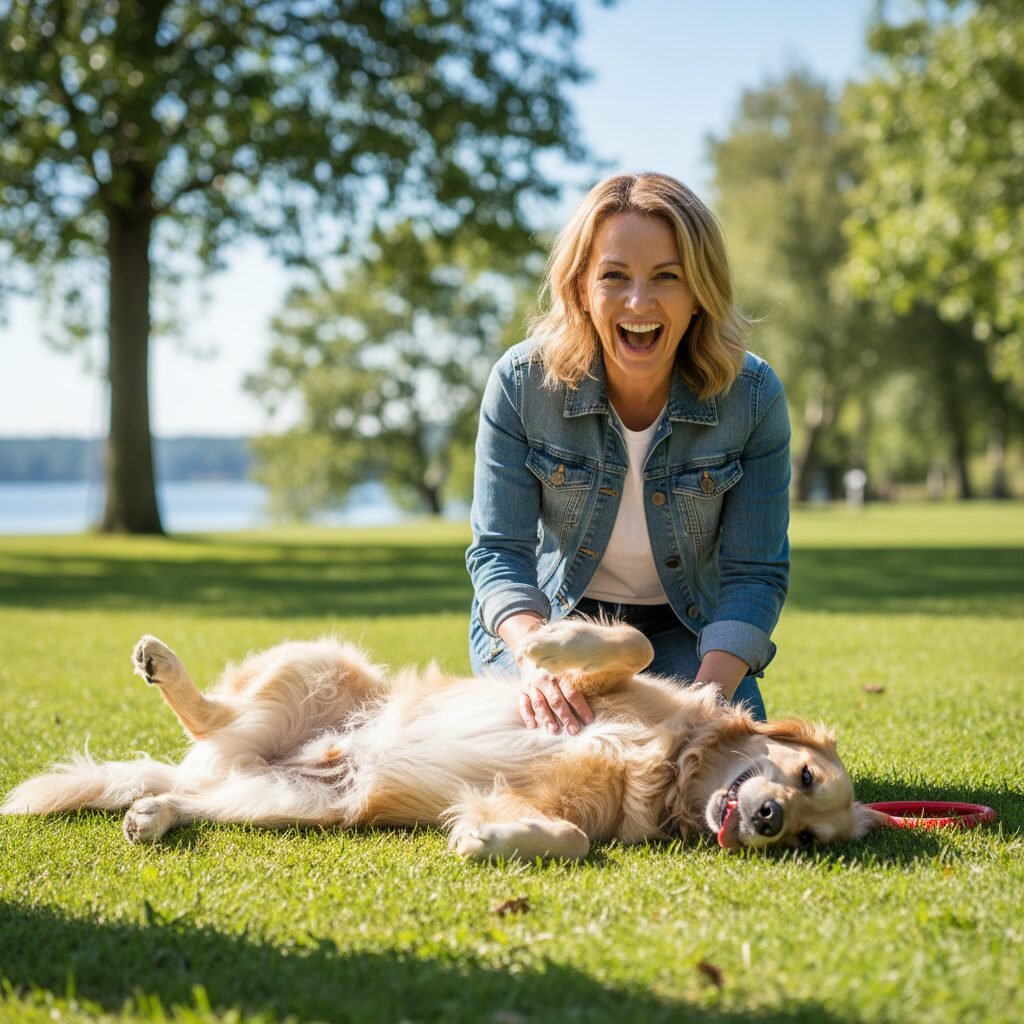
Once basic obedience is mastered, explore more advanced commands or fun tricks. Consider agility, scent work, or even canine good citizen classes. Teaching ‘shake a paw,’ ‘roll over,’ or ‘fetch specific toys’ provides mental stimulation and strengthens your bond. It keeps their minds engaged and prevents boredom, which can lead to unwanted behaviors.
Key Principles for Successful Pet Training
- Positive Reinforcement Always reward desired behaviors with treats, praise, or toys. Make learning a joyful experience.
- Consistency Everyone in the household should use the same commands and rules. Predictability helps your pet learn faster.
- Patience Training takes time. There will be setbacks. Stay calm, be understanding, and celebrate small victories.
- Short, Frequent Sessions Young pets have short attention spans. Aim for 5-10 minute sessions a few times a day rather than one long, tedious one.
- End on a Positive Note Always finish a training session with a command your pet knows well and can perform successfully, followed by a big reward.
Training your young pet is one of the most rewarding journeys you’ll embark on together. It’s an opportunity to communicate, to build trust, and to deepen the incredible bond you share. By approaching training with patience, understanding, and age-appropriate methods, you’re not just teaching commands; you’re shaping a confident, happy, and well-adjusted member of your family. Embrace the process, celebrate every milestone, and enjoy watching your furry friend blossom into the amazing companion they’re meant to be. Your dedication now will lead to a lifetime of joy and companionship.


