
6 Soothing Techniques to Reduce Crying Behavior
The sound of your beloved dog crying can be heartbreaking. Whether it’s a new puppy adjusting to a strange environment or an older dog expressing distress, that mournful sound tugs at every pet parent’s heartstrings. It’s not just distressing for them; it’s unsettling for you too. Understanding why your dog cries is the first step toward finding a solution, and thankfully, there are many gentle and effective ways to help.
This guide will explore six soothing techniques designed to reduce crying behavior, helping your furry companion feel more secure, content, and quiet. With a little patience, consistency, and a lot of love, you can bring calm and peace back into your home.
Build a Consistent Daily Schedule
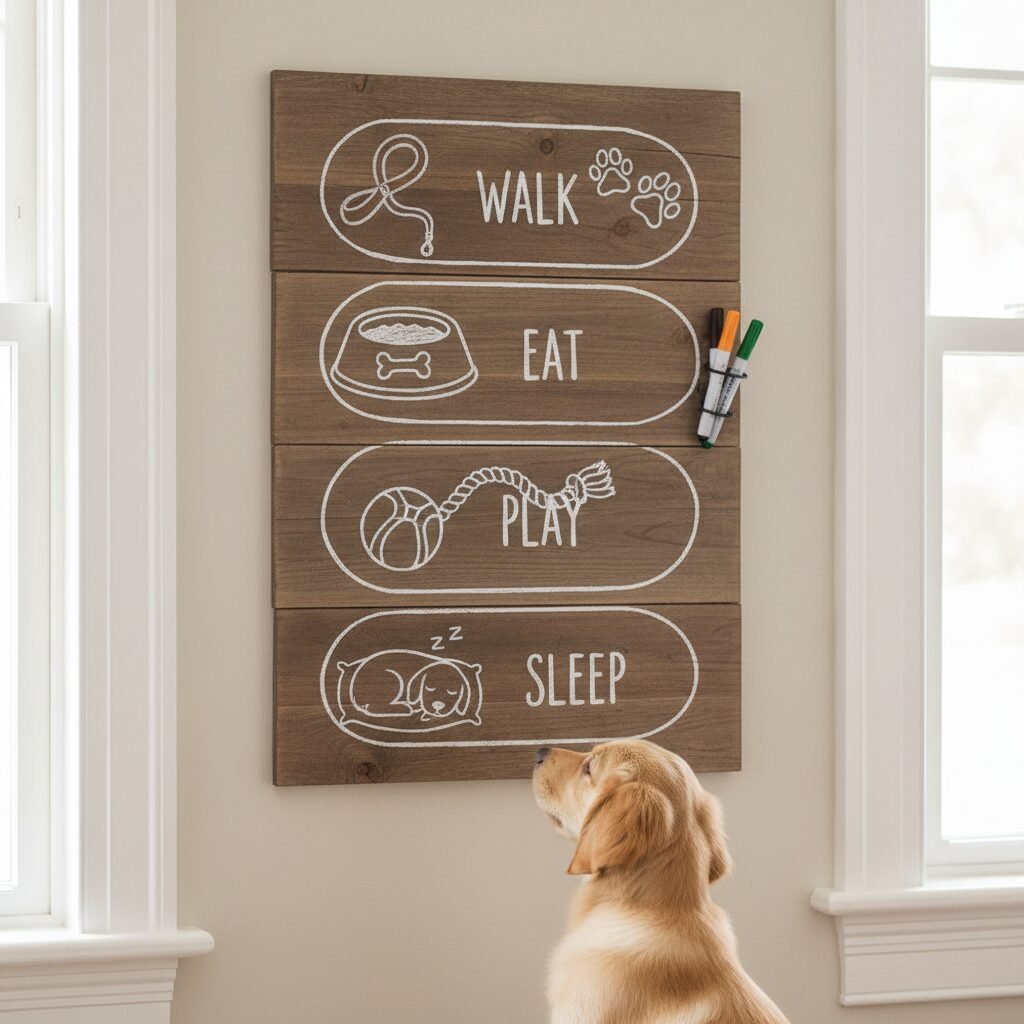
Dogs thrive on routine. A predictable schedule provides a sense of security and significantly reduces anxiety, which is often a major cause of crying. When your dog knows what to expect and when, they feel safer and more confident in their environment.
Why Routine Matters for Dogs
Imagine not knowing when your next meal is coming or when you’ll get to go outside. It’s stressful! For dogs, especially puppies, an unpredictable day can lead to feelings of insecurity and fear, manifesting as crying or whining. Establishing a consistent daily rhythm for feeding, potty breaks, playtime, and rest helps them anticipate events and feel more in control.
Practical Tips for Establishing a Routine
- Set Fixed Feeding Times: Feed your dog at the same times each day.
- Regular Potty Breaks: Take them out for potty breaks at consistent intervals, especially after waking up, eating, and playing.
- Scheduled Play and Training: Dedicate specific times for interactive play and short training sessions.
- Consistent Bedtime: Encourage sleep at roughly the same time each night.
Stick to this schedule as much as possible, even on weekends. Consistency is key to building trust and reducing stress-induced crying.
Design a Comforting Den Space

Dogs are naturally den animals. Providing them with a safe, comfortable, and private space of their own can be incredibly effective in reducing crying, particularly at night or when you’re away. This ‘den’ becomes their sanctuary, a place where they feel secure and can retreat when overwhelmed.
The Power of a Safe Haven
A well-prepared den, such as a crate or a designated bed in a quiet corner, offers a sense of security that can dramatically lessen anxiety. It’s not a punishment; it’s their personal bedroom, a place they associate with comfort and safety. This can be especially helpful for puppies or newly adopted dogs who might feel overwhelmed by a new, open environment.
Creating the Perfect Den
- Choose the Right Spot: Place the den in a quiet, low-traffic area of your home, but still close enough to feel part of the family.
- Comfort is Key: Line the crate or bed with soft, comfortable bedding, like a favorite blanket or a plush dog bed.
- Familiar Scents: Include an old t-shirt or blanket with your scent on it to provide extra reassurance.
- Add Toys: A favorite chew toy or comfort object can make the space more inviting and provide a distraction.
- Positive Association: Never use the den as a punishment. Encourage positive experiences by offering treats or feeding meals inside.
Make sure the den is always accessible to your dog so they can retreat there whenever they feel the need.
Ensure Enough Physical and Mental Activity
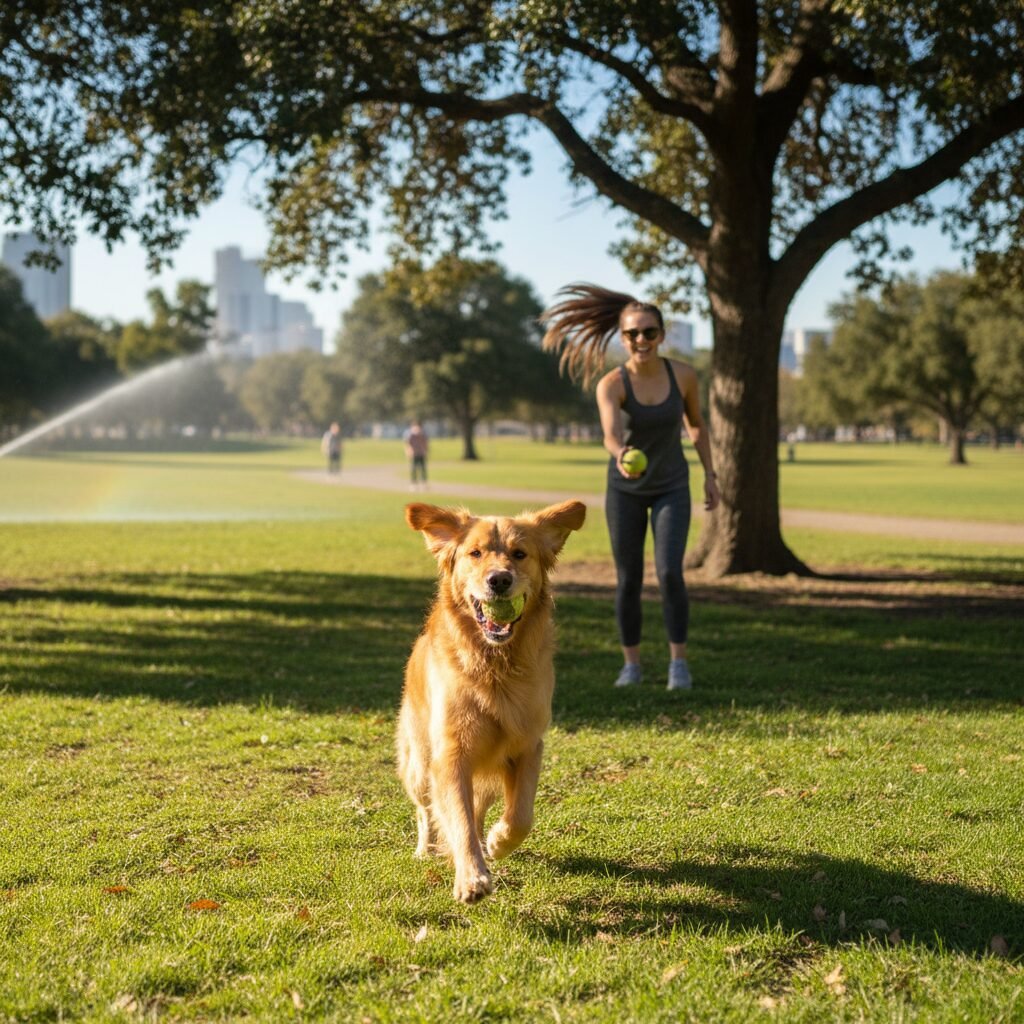
A tired dog is often a quiet dog. Many instances of crying, whining, or destructive behavior stem from boredom or pent-up energy. Dogs, like humans, need both physical exercise and mental stimulation to stay happy and well-adjusted.
Why Exercise and Mental Stimulation are Crucial
Without adequate outlets for their energy and intelligence, dogs can become anxious, frustrated, and vocal. Crying can be their way of signaling that they’re bored, under-exercised, or simply have too much energy to settle down. Engaging their bodies and minds helps to release endorphins, reduce stress, and promote a sense of calm.
Ways to Keep Your Dog Engaged
- Daily Walks or Runs: Tailor the length and intensity to your dog’s breed, age, and energy level.
- Interactive Play: Games like fetch, tug-of-war, or hide-and-seek burn energy and strengthen your bond.
- Puzzle Toys: Food-dispensing toys or puzzle feeders challenge their minds and keep them occupied.
- Training Sessions: Short, positive reinforcement training sessions are excellent for mental stimulation and reinforcing good behavior.
- Dog Sports: Consider agility, obedience, or nose work classes if your dog enjoys them.
Remember, physical exercise alone isn’t always enough. Mental engagement is just as important for a well-rounded and content dog.
Introduce Soothing Aromas and Auditory Cues

Our canine companions experience the world primarily through their senses, and certain scents and sounds can have a profound calming effect. Utilizing these sensory inputs can be a powerful tool in reducing crying behavior and fostering a more relaxed environment.
The Science of Sensory Comfort
Dogs have an incredible sense of smell, making them highly receptive to certain aromas. Similarly, specific sounds can either agitate or soothe them. By consciously introducing calming sensory cues, we can help redirect their focus from distress to peace.
Calming Sensory Aids
- Dog-Appeasing Pheromones (DAP): These synthetic pheromones mimic the natural calming pheromone released by a mother dog to comfort her puppies. Available as diffusers, sprays, or collars, they can help reduce anxiety.
- Calming Music: Research suggests that certain types of classical music or specially designed ‘dog music’ can have a relaxing effect on dogs.
- White Noise or Nature Sounds: A white noise machine or recordings of gentle rain or ocean waves can mask startling household noises and create a consistent, peaceful auditory environment.
- Lavender (Use with Caution): A very diluted, dog-safe lavender essential oil (never apply directly, use in a diffuser in a well-ventilated area) can be calming for some dogs. Always consult your vet before using essential oils.
Experiment to see what works best for your dog, always ensuring any product used is specifically designed and safe for canine use.
Practice Gradual Separation Training

If your dog primarily cries when left alone, they may be experiencing separation anxiety. This is a common and distressing issue, but it can often be managed with gradual desensitization training. The goal is to teach your dog that being alone is not something to fear.
Understanding Separation Anxiety
Separation anxiety is more than just missing you; it’s a genuine panic response when a dog is left without their primary attachment figure. Crying, barking, destructive chewing, and house soiling are common symptoms. Addressing this requires patience and a systematic approach.
Step-by-Step Desensitization
- Short Absences: Start by leaving your dog alone for very brief periods (e.g., 1-2 minutes) and gradually increase the duration.
- Silent Departures: Make your departures and arrivals low-key. Avoid long goodbyes or overly enthusiastic greetings. This helps reduce the emotional intensity around you leaving and returning.
- Practice ‘Fake’ Departures: Pick up your keys, put on your coat, and then sit back down. Repeat this several times a day without actually leaving to desensitize them to your departure cues.
- Provide Distraction: Before leaving, give them a high-value, long-lasting chew toy or a puzzle feeder to keep them occupied and associate your departure with something positive.
- Never Punish: If your dog cries or has an accident while you’re gone, never punish them. This will only increase their anxiety.
If crying persists or worsens, consider seeking professional help, as severe separation anxiety may require a more tailored approach.
Know When to Consult an Expert

While the techniques above are highly effective for many dogs, sometimes crying behavior can signal a deeper issue that requires professional intervention. Knowing when to reach out to an expert is a crucial part of responsible pet parenting.
Signs You Might Need Professional Help
- Sudden Onset: If crying behavior starts suddenly and intensely without any apparent change in routine.
- Physical Symptoms: Crying accompanied by lethargy, loss of appetite, changes in bathroom habits, or limping could indicate pain or illness.
- Persistent Behavior: If you’ve consistently applied soothing techniques for several weeks without improvement.
- Severe Anxiety: Destructive behavior, self-harm, or extreme panic when left alone.
Who to Consult
- Your Veterinarian: Always the first stop to rule out any underlying medical conditions. Pain, discomfort, or age-related cognitive decline can all manifest as increased vocalization.
- Certified Professional Dog Trainer: For behavioral issues, a positive reinforcement trainer can help identify triggers and develop a tailored training plan.
- Veterinary Behaviorist: For severe or complex cases, a board-certified veterinary behaviorist has specialized medical and behavioral training to diagnose and treat conditions like severe separation anxiety.
Don’t hesitate to seek help. An expert can provide invaluable guidance and support, ensuring your dog receives the best possible care.
Conclusion
Hearing your dog cry can be one of the most challenging experiences for a pet parent, but remember, it’s often a call for help or an expression of an unmet need. By implementing these six soothing techniques—establishing routine, creating a comforting den, ensuring ample activity, utilizing calming sensory cues, practicing gradual separation, and knowing when to seek professional guidance—you’re taking proactive steps to understand and alleviate your dog’s distress.
Patience, consistency, and boundless love are your greatest tools. Every dog is unique, so what works for one might need slight adjustments for another. Embrace the journey of discovery with your furry friend, and soon, you’ll be enjoying a quieter, happier, and more harmonious home together. Your dog relies on you to be their comfort and guide, and with these strategies, you’re well-equipped to fulfill that role.


