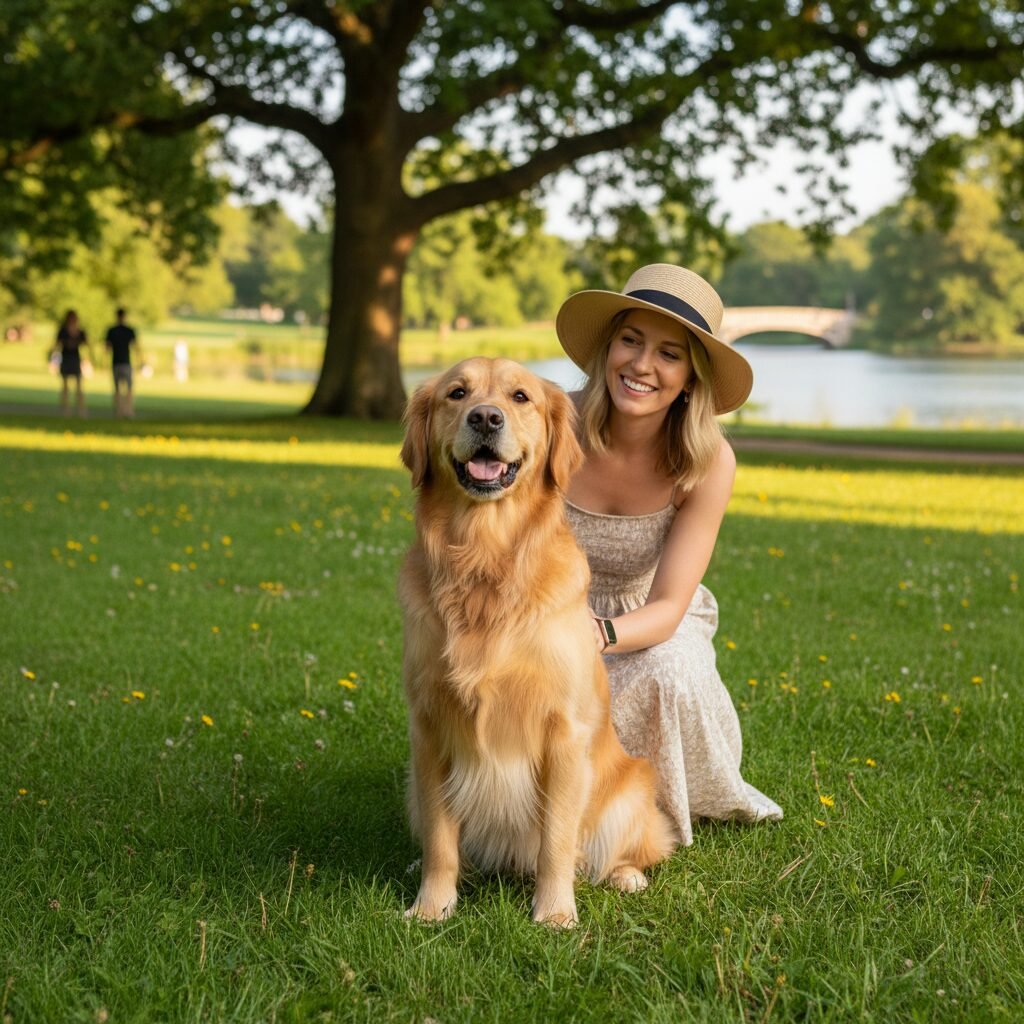
8 Structured Obedience Lessons for Raising a Well-Mannered Retriever
Retrievers are renowned for their friendly nature, intelligence, and eagerness to please. These qualities make them wonderful family companions and excellent working dogs. However, their high energy and natural instincts mean that structured obedience training isn’t just a recommendation—it’s a necessity for a harmonious life together. A well-mannered retriever isn’t born; it’s trained with patience, consistency, and positive reinforcement.
This comprehensive guide will walk you through eight essential obedience lessons designed specifically for retrievers. By mastering these commands, you’ll not only enhance your dog’s safety and your peace of mind but also strengthen the incredible bond you share. Let’s embark on this rewarding training journey!
Lesson 1 – The Foundation of Sit and Stay

The “sit” and “stay” commands are cornerstones of obedience, providing control and focus in various situations. For a high-energy retriever, these commands teach impulse control and patience.
Teaching “Sit”
- Lure and Reward Hold a treat near your retriever’s nose, move it slowly over their head towards their tail. As their nose follows, their rear will naturally lower. The moment their bottom touches the ground, say “Sit!” and give the treat and praise.
- Repetition is Key Practice in short, frequent sessions (5-10 minutes) several times a day.
Teaching “Stay”
- Start Small Once your retriever consistently sits, ask them to “Stay.” Take one small step back. If they remain, step back to them, reward, and release with “Okay!”
- Gradual Progression Slowly increase your distance and the duration of the “stay.” If they break, calmly reset them and start again.
Lesson 2 – Leash Manners and the Heel Command
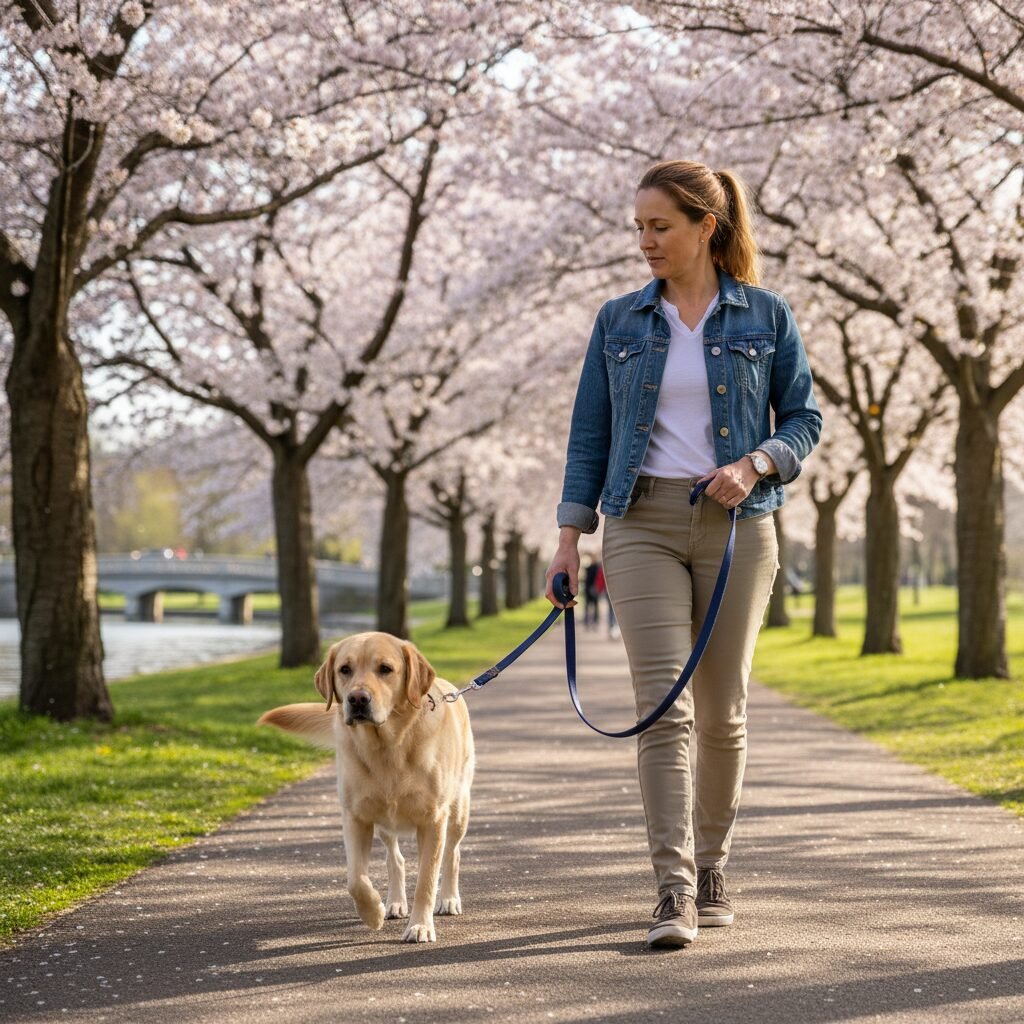
Retrievers love to explore, but a pulling dog can make walks stressful for both of you. Teaching polite leash manners and the “heel” command ensures enjoyable outings.
Mastering Loose-Leash Walking
- The Stop-and-Go Method If your retriever pulls, immediately stop walking. Only resume when the leash slackens. They quickly learn that pulling gets them nowhere.
- Change Direction Randomly change directions. This encourages your dog to pay attention to you rather than forging ahead.
Introducing “Heel”
- Positioning With your dog on your left side, hold a treat at your hip. Say “Heel” and take a few steps. Reward when they walk nicely beside you.
- Consistency Practice “heel” in quiet areas first, gradually introducing more distractions.
Lesson 3 – Come When Called – Reliable Recall
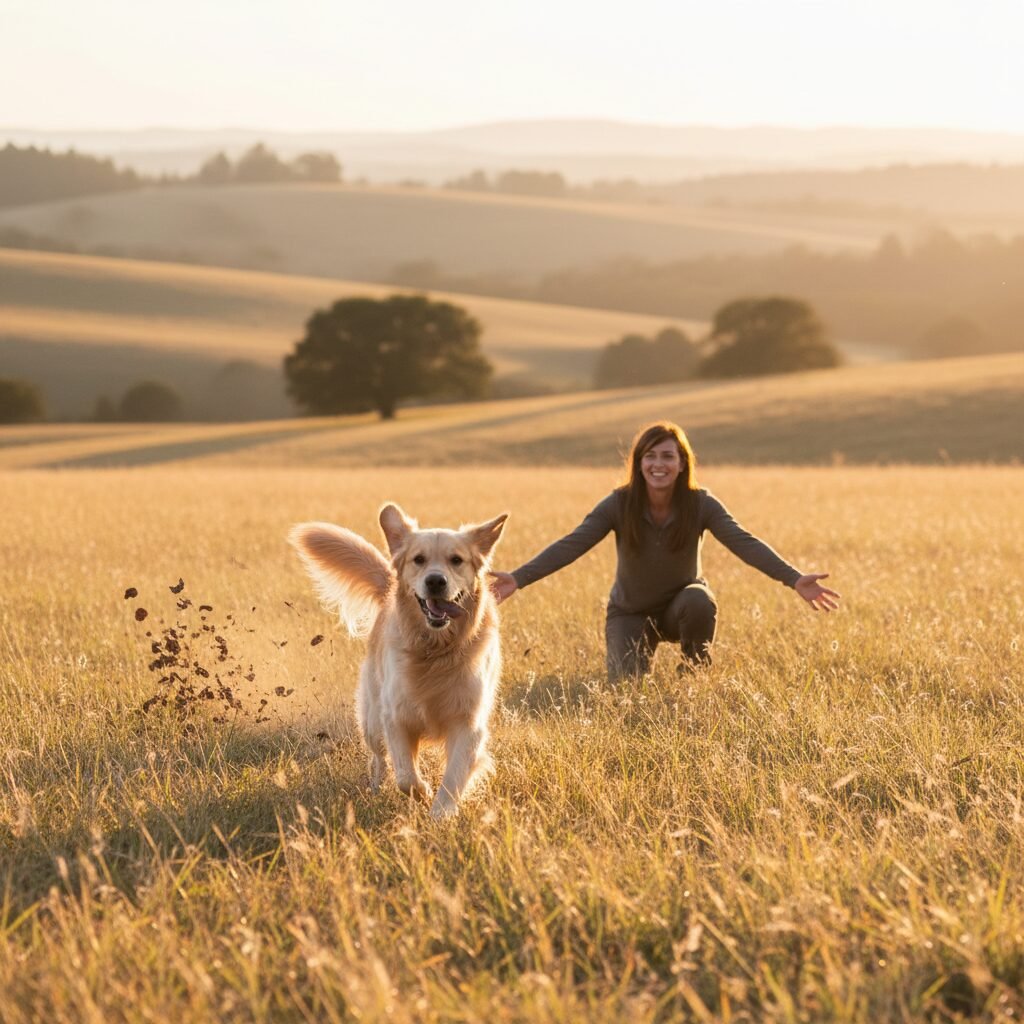
A reliable “come” (recall) is perhaps the most vital command for your retriever’s safety, allowing them freedom off-leash in appropriate environments.
Building a Strong Recall
- Make it Fun Use an excited, happy tone when calling your dog. When they come, throw a party—lots of praise, treats, and perhaps a quick game of tug.
- Practice in a Safe Space Start in a fenced yard or a long-line leash. Gradually introduce distractions.
- Never Punish Recall If your dog takes a while to come, never scold them. This will make them hesitant to return in the future.
Lesson 4 – Leave It – Impulse Control
“Leave it” is an indispensable command for preventing your retriever from picking up potentially harmful objects or food on the ground, or from bothering other animals.
Teaching “Leave It”
- Hidden Treat Method Place a treat on the floor and cover it with your hand. When your dog tries to get it, say “Leave it.” Once they look away or stop trying, reward them with a different, higher-value treat from your other hand.
- Increase Difficulty Gradually move to uncovered treats, then objects, and eventually real-world distractions.
Lesson 5 – Drop It – Object Release
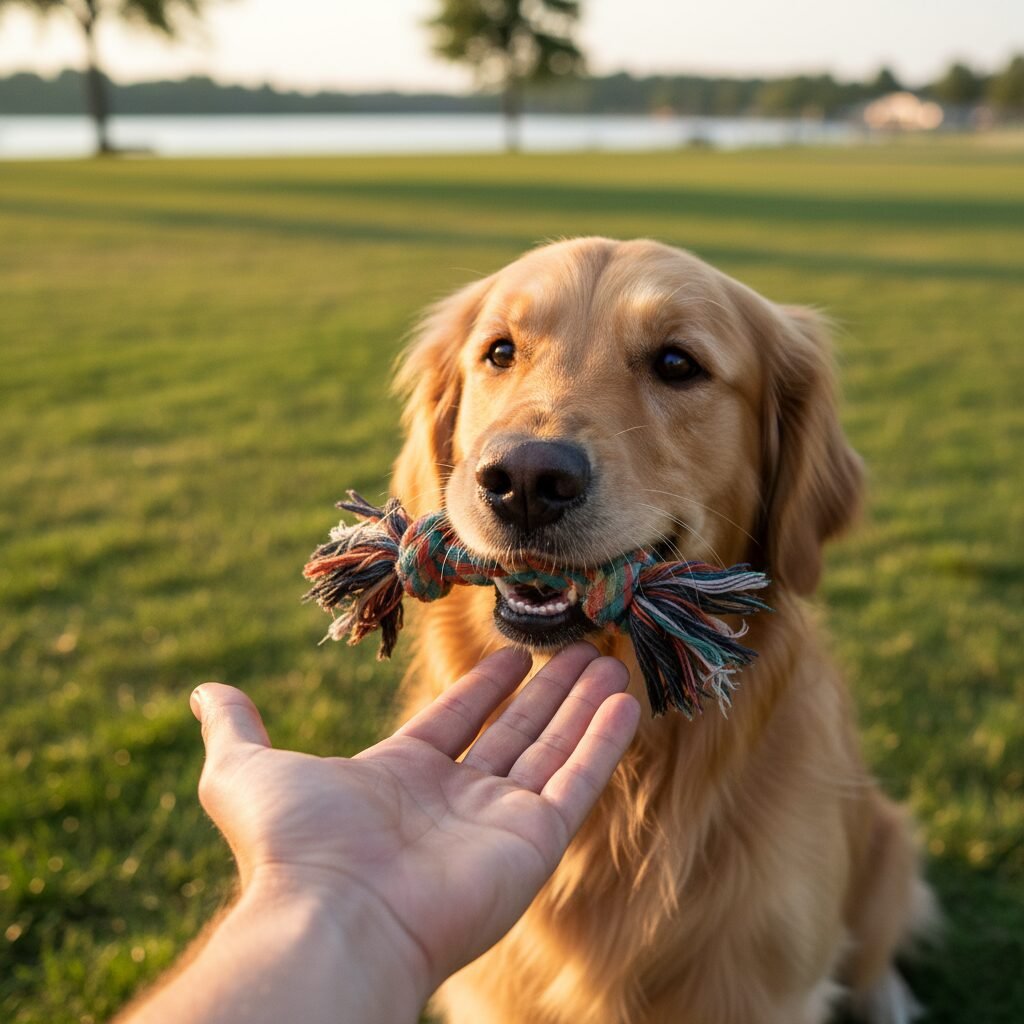
Retrievers love to carry things, but sometimes they pick up items they shouldn’t or need to release a toy during play. “Drop it” ensures they safely relinquish objects.
Mastering “Drop It”
- The Trade Game Offer your dog a lower-value toy. When they have it, present a higher-value treat or another exciting toy. As they open their mouth for the trade, say “Drop it!”
- Practice Regularly Incorporate this into playtime, making it a positive experience.
Lesson 6 – Doorway Etiquette – Waiting Patiently
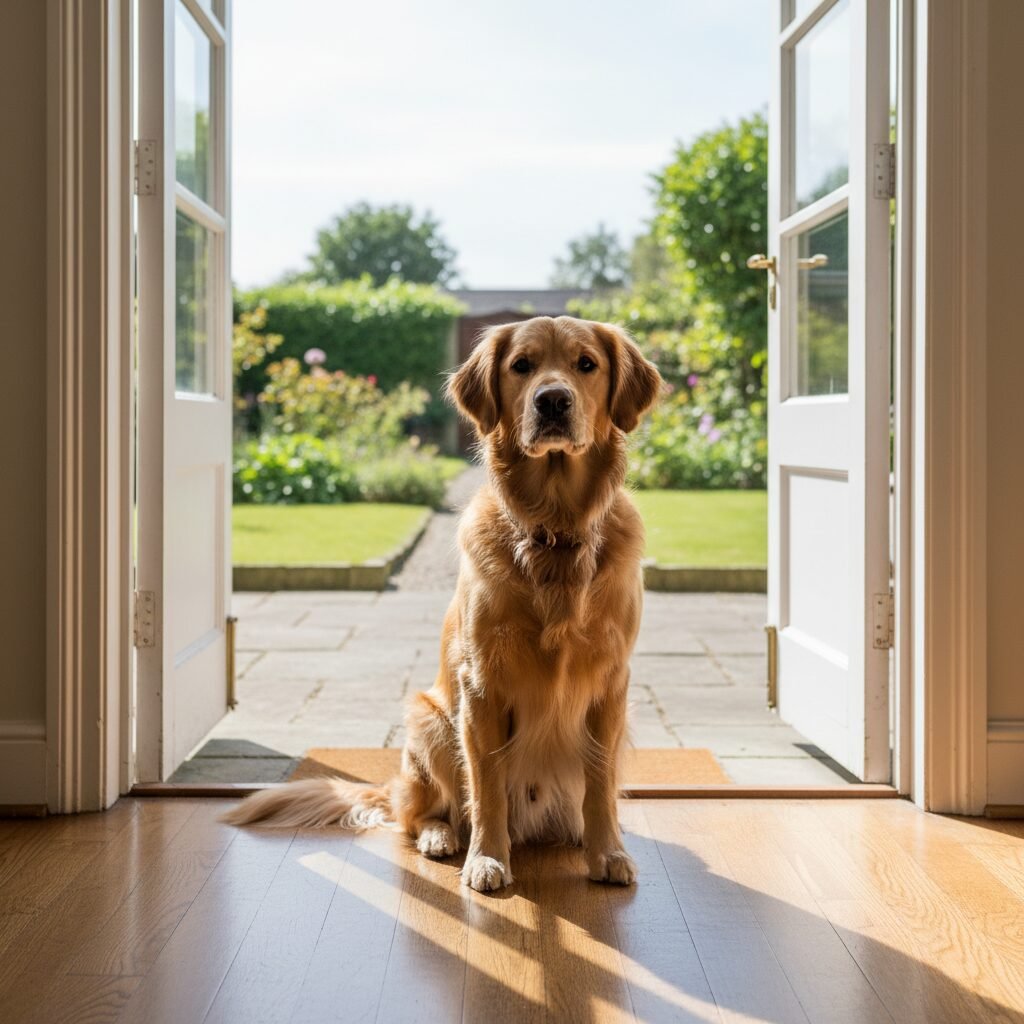
Preventing your retriever from bolting out the door or barging past guests is crucial for safety and good manners. This lesson teaches them to wait politely at thresholds.
Training for Calm Entry and Exit
- The “Wait” Command With your dog on a leash, approach a door. Ask them to “Sit” and “Wait.” Slowly open the door. If they move, close it slightly. Only proceed when they remain calm.
- Permission to Go Once they are waiting patiently, give a release cue like “Okay!” or “Free!” to allow them to pass.
Lesson 7 – Polite Greetings – No Jumping
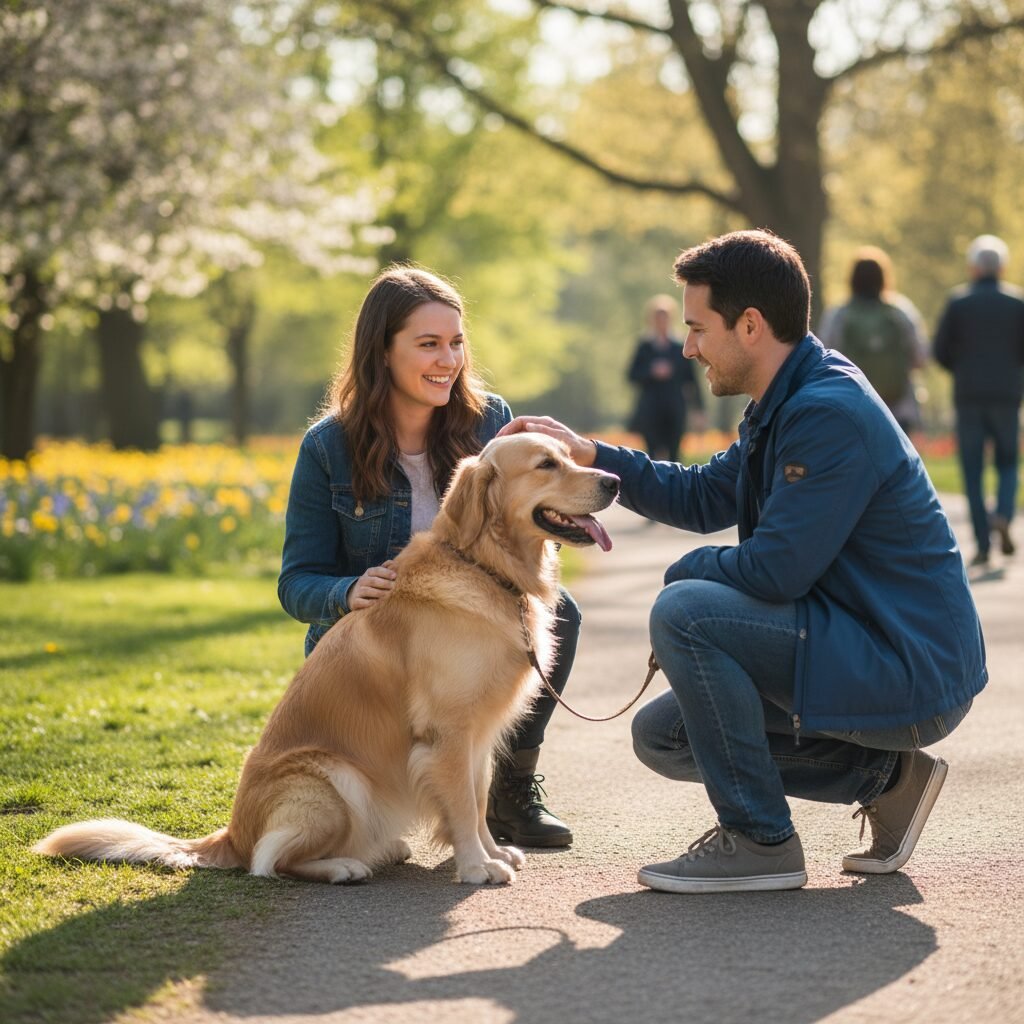
Jumping up is a common retriever behavior, often stemming from excitement. Teaching polite greetings ensures your dog can interact respectfully with people.
Discouraging Jumping
- Ignore and Reward When your retriever jumps, turn your back and ignore them. The moment all four paws are on the floor, turn around and calmly praise and reward.
- Teach an Alternate Behavior Encourage a “sit” or “down” when guests arrive. Reward heavily for calm, four-on-the-floor greetings.
Lesson 8 – Crate Training – A Safe Haven
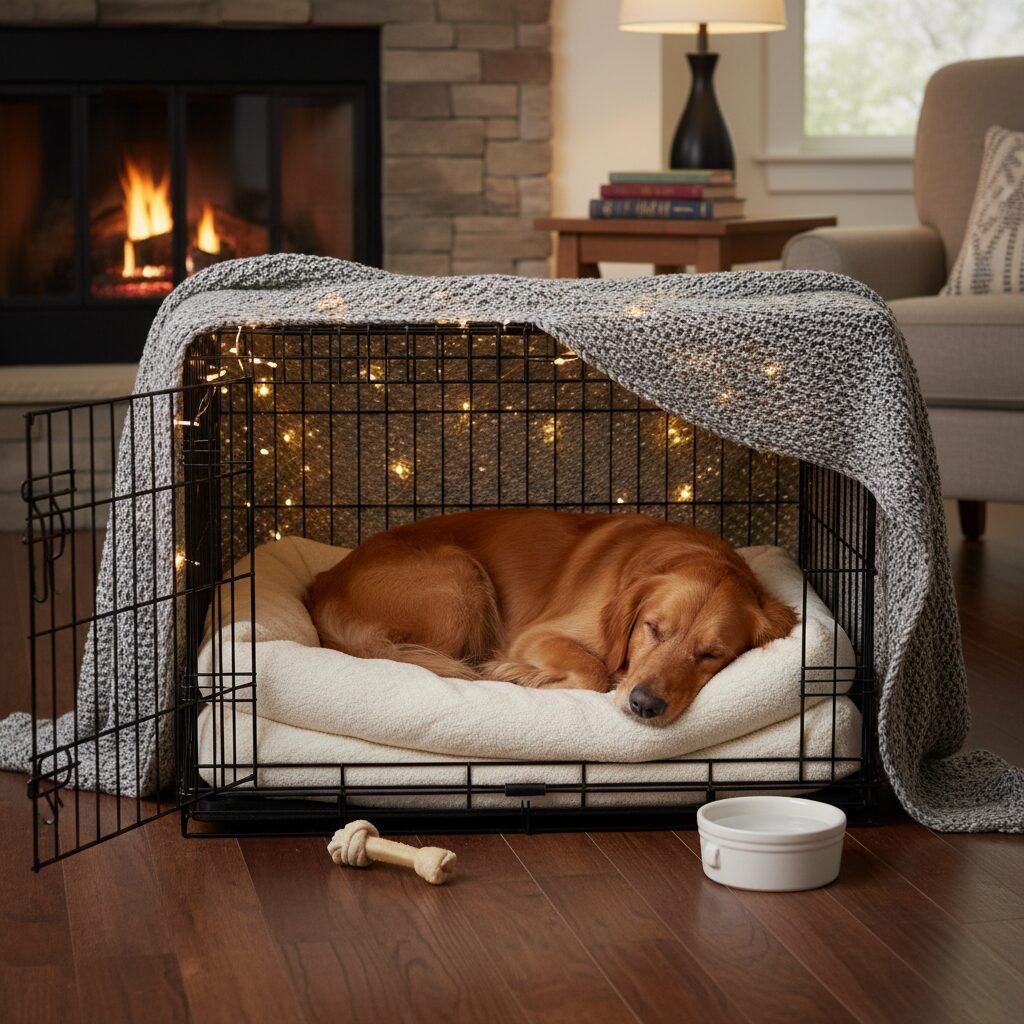
While not a traditional obedience command, proper crate training is an invaluable lesson for retrievers, providing them with a safe, secure den and aiding in house-training and managing alone time.
Making the Crate Positive
- Comfort is Key Ensure the crate is the right size and has comfortable bedding.
- Positive Association Feed meals in the crate, offer special chew toys only when in the crate, and never use it for punishment.
- Gradual Introduction Start with short periods and slowly increase the time spent inside.


