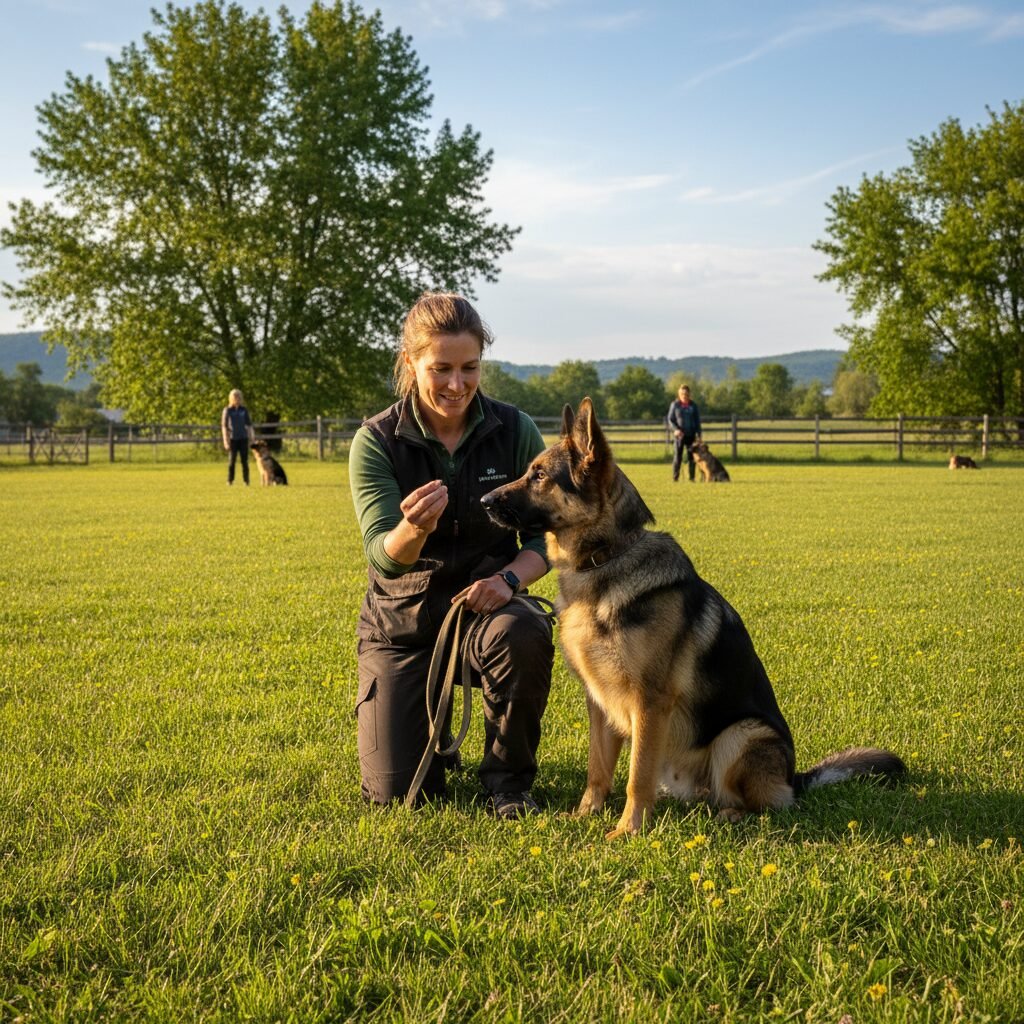
8 Professional Training Secrets for Difficult Temperaments
Every dog deserves a loving home, and every owner deserves a happy, well-behaved companion. But what happens when your furry friend comes with a temperament that’s a little more… challenging? Whether it’s persistent stubbornness, fear-based reactivity, or even occasional aggression, navigating a difficult temperament can feel overwhelming. The good news is, with the right approach and professional insights, you can foster profound positive changes in your dog’s behavior. This guide will share eight professional training secrets that can help you understand, connect with, and effectively train even the most challenging dogs.
Understanding Difficult Temperaments

Before diving into specific techniques, it’s crucial to understand what constitutes a “difficult temperament” and, more importantly, its root causes. Often, behaviors like excessive barking, lunging, biting, or extreme shyness stem from underlying issues such as fear, anxiety, lack of socialization, past trauma, or even genetic predispositions. It’s rarely about a dog being “bad” and almost always about a dog communicating a need or feeling overwhelmed. A professional approach starts with empathy and a commitment to address the underlying cause, not just the symptom.
Secret 1 – Building Unwavering Trust and a Strong Bond
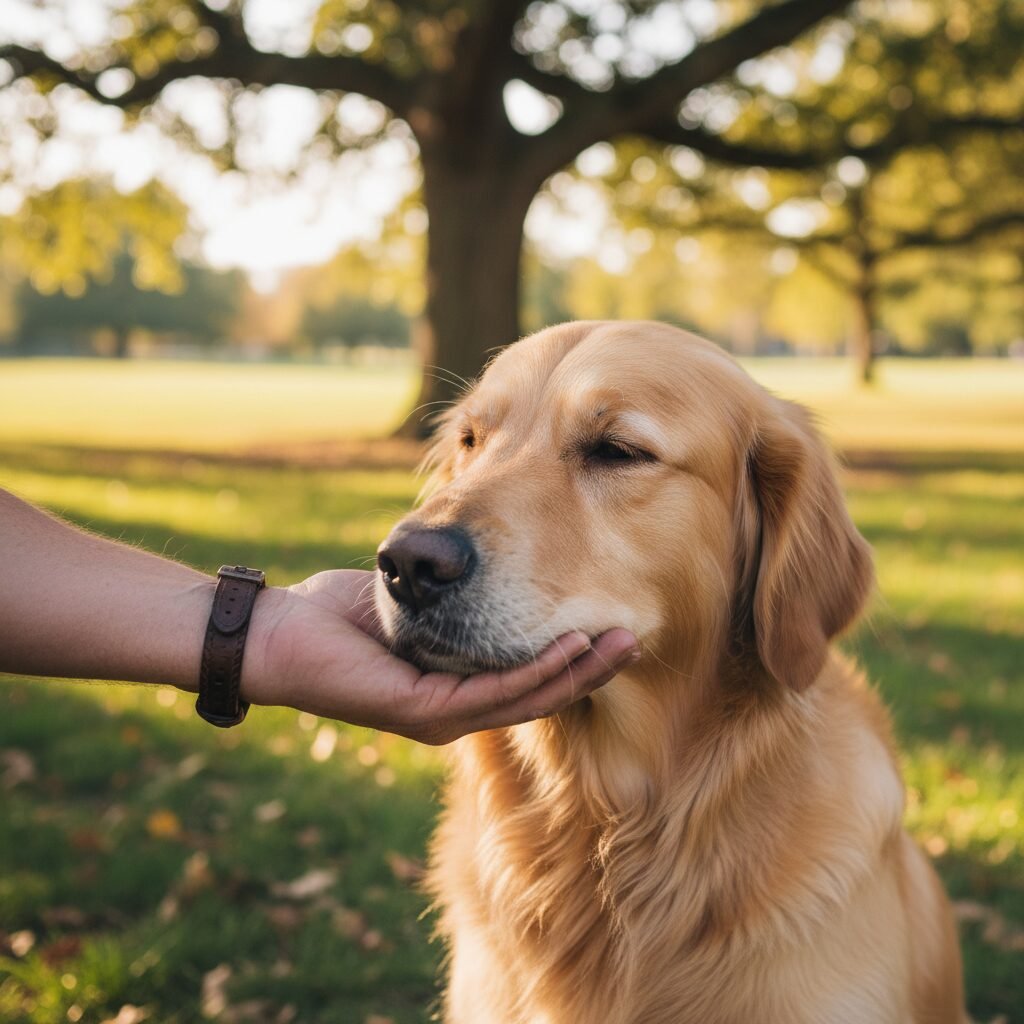
Trust is the foundation of all successful dog training, especially with difficult temperaments. Without it, your dog will struggle to feel secure enough to learn or overcome their fears. Building trust involves consistent, predictable interactions, positive reinforcement, and never punishing fear or anxiety. Always be your dog’s safe haven.
- Be Predictable Establish a consistent routine for feeding, walks, and training. Predictability reduces anxiety.
- Positive Interactions Only Every interaction should be positive, calm, and reassuring. Avoid harsh tones or physical corrections.
- Respect Their Space Learn to read your dog’s body language. If they signal discomfort, give them space.
Secret 2 – Mastering Positive Reinforcement

Positive reinforcement isn’t just about treats; it’s about rewarding desired behaviors to make them more likely to happen again. For difficult temperaments, this is paramount. It creates a positive association with learning and with you.
- High-Value Rewards Use treats, toys, or praise your dog absolutely loves.
- Timing is Everything Deliver the reward immediately (within 1-3 seconds) after the desired behavior.
- Vary Rewards Keep your dog engaged by switching up rewards.
Secret 3 – Consistency is Key

Dogs thrive on consistency. When training a difficult temperament, this means everyone in the household must be on the same page, using the same commands, rules, and expectations. Inconsistency creates confusion and can exacerbate challenging behaviors.
- Family Agreement Ensure all family members use the same cues and follow the same rules.
- Regular Practice Short, frequent training sessions are more effective than long, infrequent ones.
- Environmental Consistency Maintain a stable home environment as much as possible.
Secret 4 – Understanding and Managing Triggers

Many difficult behaviors are trigger-based. Identifying what sets your dog off (other dogs, strangers, certain sounds, specific environments) is the first step. The next is learning to manage those triggers and gradually desensitize your dog to them.
- Observe and Document Keep a journal of when and where challenging behaviors occur.
- Avoidance Strategies Initially, avoid situations that trigger extreme reactions.
- Controlled Exposure Gradually and carefully expose your dog to triggers from a safe distance, pairing it with positive experiences.
Secret 5 – The Power of Desensitization and Counter-Conditioning

These are two powerful techniques often used together by professionals. Desensitization slowly exposes a dog to a trigger at a low intensity, while counter-conditioning changes the dog’s emotional response to that trigger from negative to positive.
- Start Small Begin with the trigger at a distance or intensity where your dog shows no negative reaction.
- Pair with Positives As your dog calmly observes the trigger, offer high-value treats or praise.
- Gradual Progression Slowly decrease the distance or increase the intensity of the trigger over many sessions, always ensuring your dog remains calm.
Secret 6 – Structured Exercise and Mental Stimulation

A tired dog is often a well-behaved dog. Dogs with difficult temperaments, especially those with high energy or anxiety, benefit immensely from adequate physical exercise and mental engagement. This helps burn off excess energy and reduces stress.
- Tailored Exercise Match the type and amount of exercise to your dog’s breed and individual needs.
- Puzzle Toys Incorporate puzzle feeders and interactive toys to challenge their minds.
- Training Games Turn training into fun games to keep them mentally stimulated.
Secret 7 – Seeking Professional Guidance
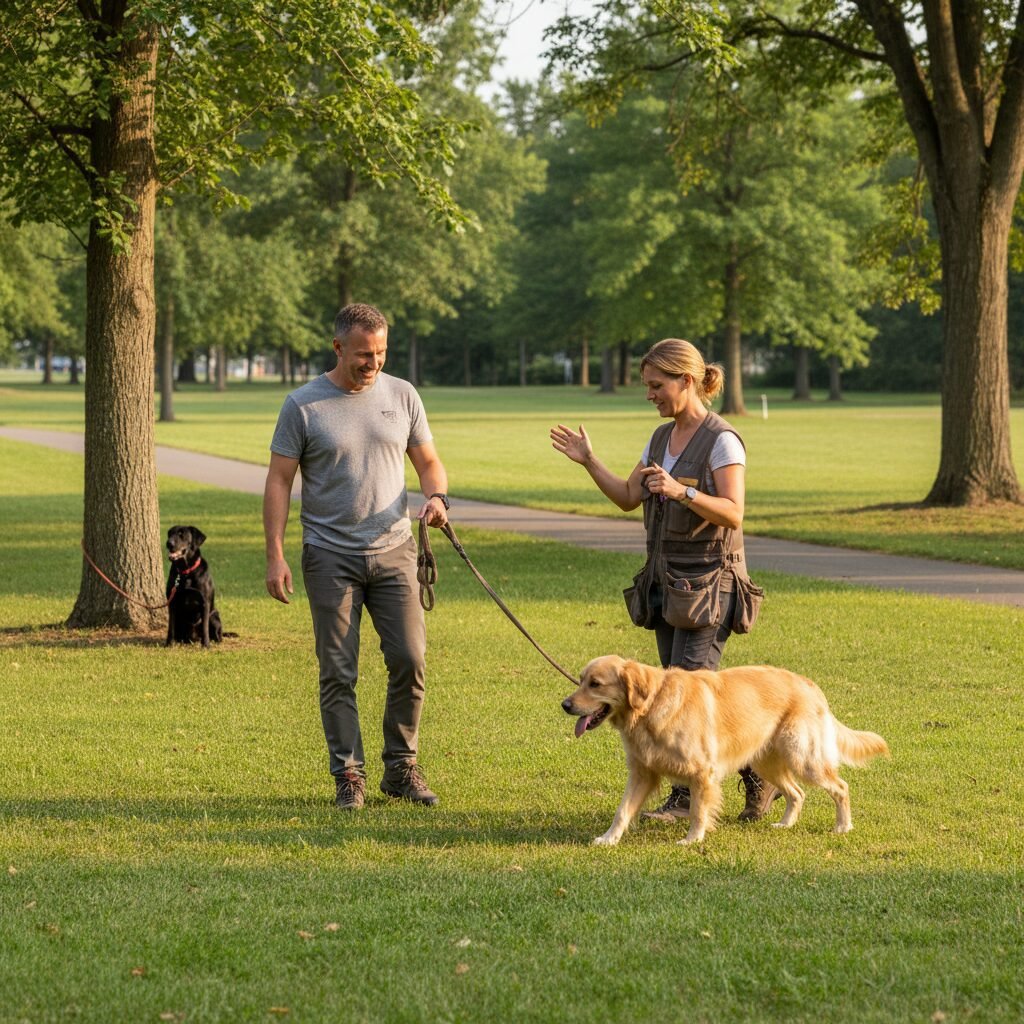
Sometimes, despite your best efforts, a difficult temperament requires the expertise of a certified professional dog trainer or a veterinary behaviorist. They can provide tailored plans, diagnose underlying medical conditions, and offer hands-on support.
- When to Seek Help If behaviors are escalating, dangerous, or you feel overwhelmed.
- Choosing a Professional Look for certified trainers using positive, force-free methods.
- Veterinary Check-up Rule out any medical issues contributing to behavior problems.
Secret 8 – Patience and Persistence

Training a dog with a difficult temperament is a marathon, not a sprint. There will be good days and challenging days. Patience, persistence, and a deep well of empathy are your most valuable tools. Celebrate small victories and remember that every step forward, no matter how small, is progress.
- Set Realistic Expectations Understand that change takes time.
- Celebrate Progress Acknowledge and reward even minor improvements.
- Stay Positive Your attitude significantly impacts your dog’s learning and emotional state.
Conclusion
Training a dog with a difficult temperament is a journey of understanding, patience, and unwavering love. While it may present unique challenges, applying these eight professional training secrets can empower you to transform your dog’s behavior and deepen your bond. Remember, every dog is an individual, and with consistent positive reinforcement, clear communication, and sometimes, the guidance of a professional, you can help your beloved companion navigate their world with confidence and joy. Your dedication makes all the difference, creating a happier, more harmonious life for both of you.