6 Focus-Control Techniques for Scent-Driven Breeds
Scent-driven breeds are truly remarkable. With their incredible noses, they navigate the world in a way we can only imagine, exploring every whisper of a scent. From Beagles to Basset Hounds, Bloodhounds to many Terriers, their instinct to follow a captivating trail is powerful. While this trait makes them exceptional at activities like tracking and nose work, it can also present unique challenges in everyday life. Picture this- your dog catches a compelling scent during a walk, and suddenly, you’re being pulled along like a kite in a hurricane, or your perfectly executed recall vanishes into thin air. It’s not disobedience; it’s instinct!
Understanding and channeling this natural drive is key to a harmonious life together. Instead of fighting their instincts, we can learn to work with them, teaching our dogs to balance their love for sniffing with the need for focus and control. This guide will walk you through six practical, compassionate techniques designed to help your scent-driven companion develop better focus, even when the world smells irresistibly interesting. Let’s transform those distracting moments into opportunities for connection and cooperation.
1- Building a Strong Foundation with Engagement Games
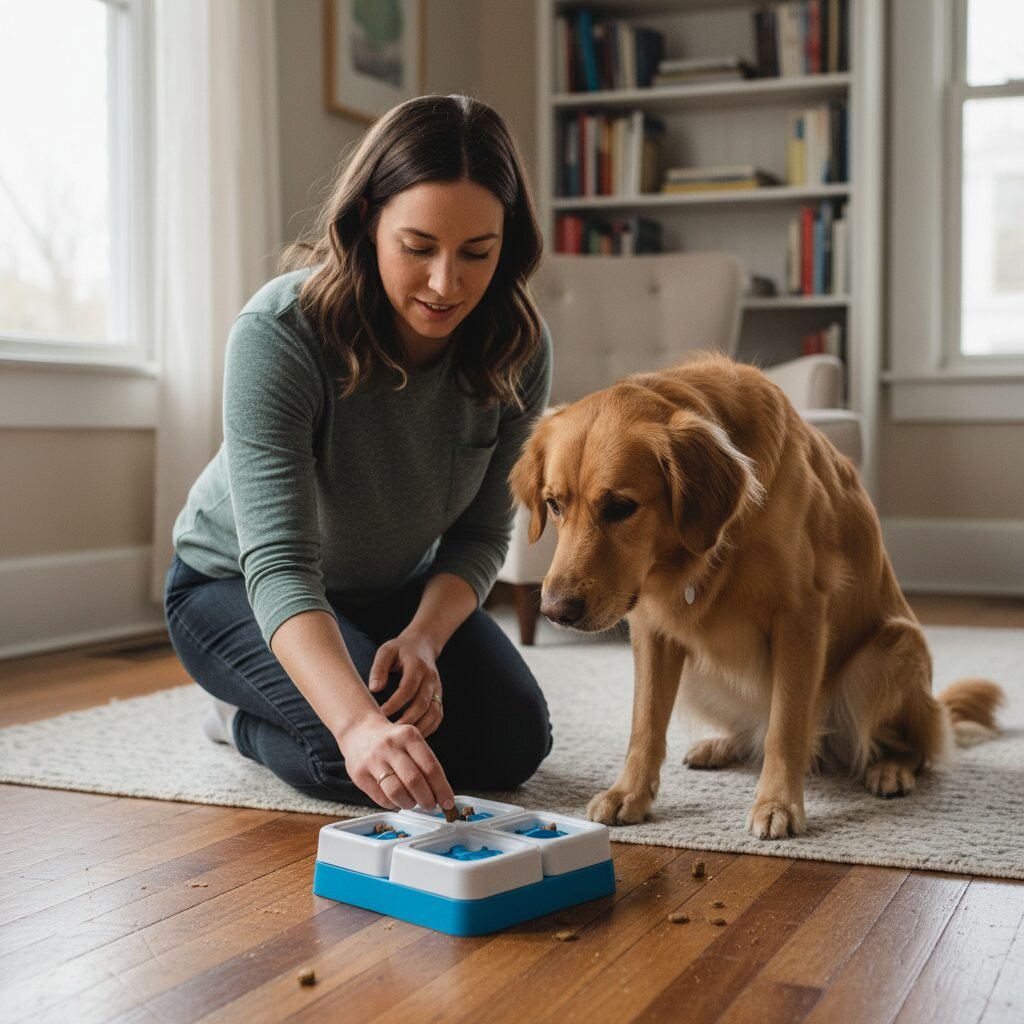
Before tackling distractions, establish a strong foundation of engagement. This means making yourself the most interesting thing in your dog’s environment. Engagement games build value for looking at you, listening to you, and staying connected. This isn’t just about obedience; it’s about building a partnership.
The ‘Look at Me’ Game
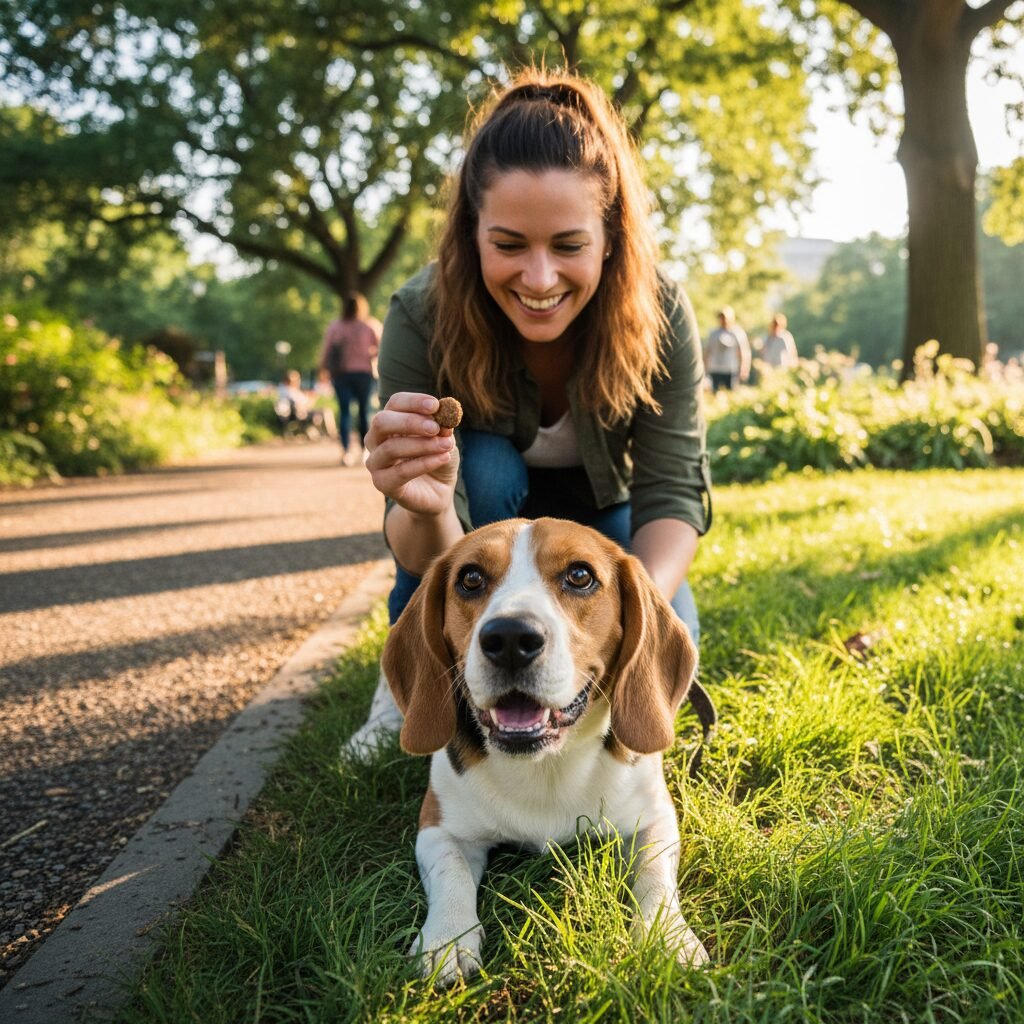
Start in a quiet environment. Hold a high-value treat near your nose. The moment your dog looks at your eyes, say ‘Yes!’ or click, and give them the treat. Practice this in short, fun sessions. Gradually increase the duration of eye contact and introduce minor distractions.
- Why it works It teaches your dog that paying attention to you is highly rewarding, creating a positive association with your presence.
- Step-by-step:
- Hold a treat at your eye level.
- Wait for your dog to make eye contact.
- Mark the moment (clicker or verbal ‘Yes!’).
- Reward immediately.
- Repeat in varying locations and with increasing distractions.
Tug and Treat
Tug-of-war is more than just a game; it’s a powerful tool for engagement. Teach your dog to ‘Take it’ and ‘Drop it’ on command. The ability to start and stop play on cue builds impulse control and reinforces your role as the leader of fun.
- Why it works It’s a high-energy outlet that also requires focus and responsiveness to your commands.
- Tip Use a designated tug toy and keep it special, only for training and focused play.
2- Mastering ‘Leave It’ and ‘Drop It’ Commands
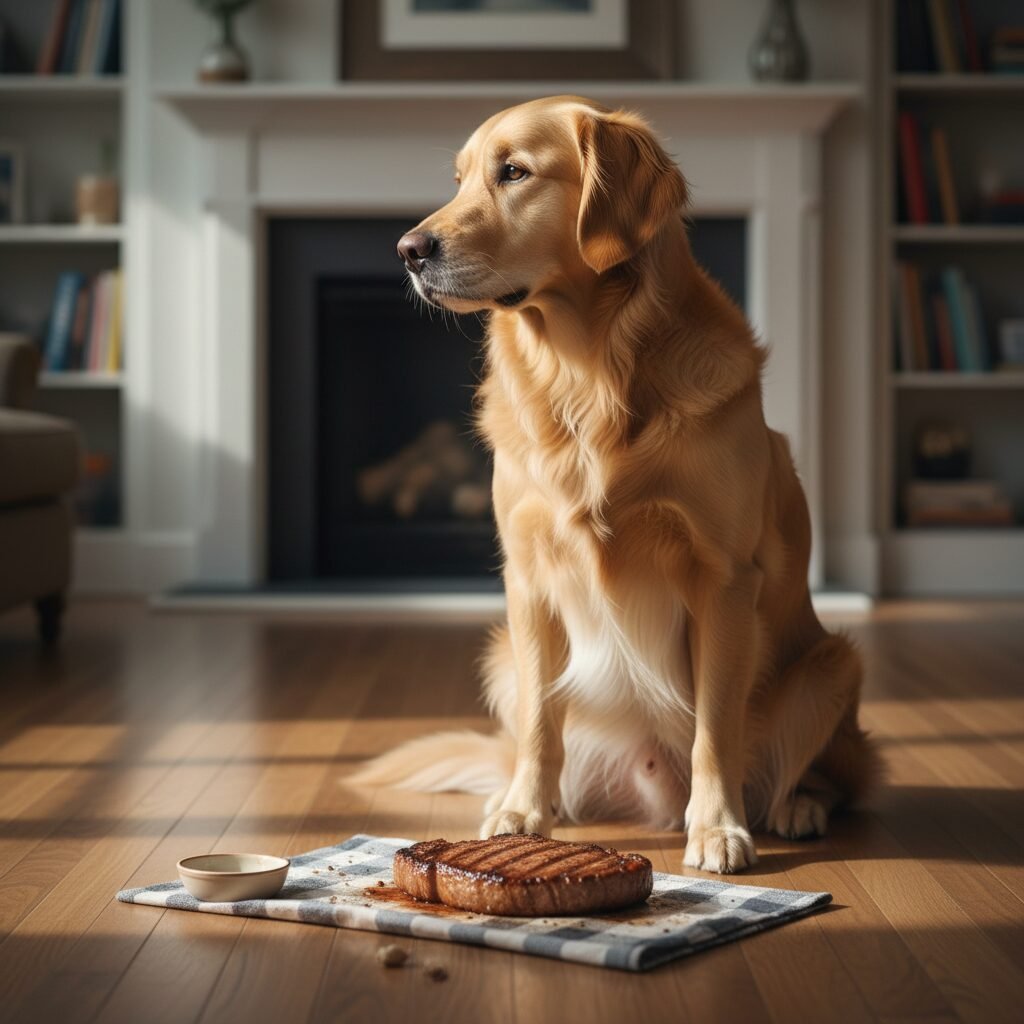
These two commands are indispensable for scent-driven dogs. They teach impulse control and can literally be lifesavers, preventing your dog from eating something harmful or chasing after an undesirable scent.
The ‘Leave It’ Breakthrough
This command teaches your dog to ignore something tempting. Start with low-value items and gradually increase the difficulty.
- Indoor practice Place a treat on the floor, cover it with your hand. When your dog looks away from your hand, say ‘Yes!’ and reward them with a different, higher-value treat from your other hand. Gradually remove your hand, still rewarding for ignoring the floor treat.
- Outdoor application Practice ‘leave it’ with interesting smells on walks. Start with common, non-harmful items like leaves or twigs, then progress to more tempting scents.
The ‘Drop It’ Command
Essential for when your dog already has something in their mouth. This is critical for safety and managing scavengers.
- Trade-up method Offer a higher-value treat in exchange for the item your dog has. As they drop it to take the treat, say ‘Drop It!’ Over time, they’ll associate the verbal cue with releasing items.
- Consistency is key Always make the ‘trade’ worthwhile for your dog so they learn that dropping something leads to a positive outcome.
3- Structured Walks and Leash Handling Techniques
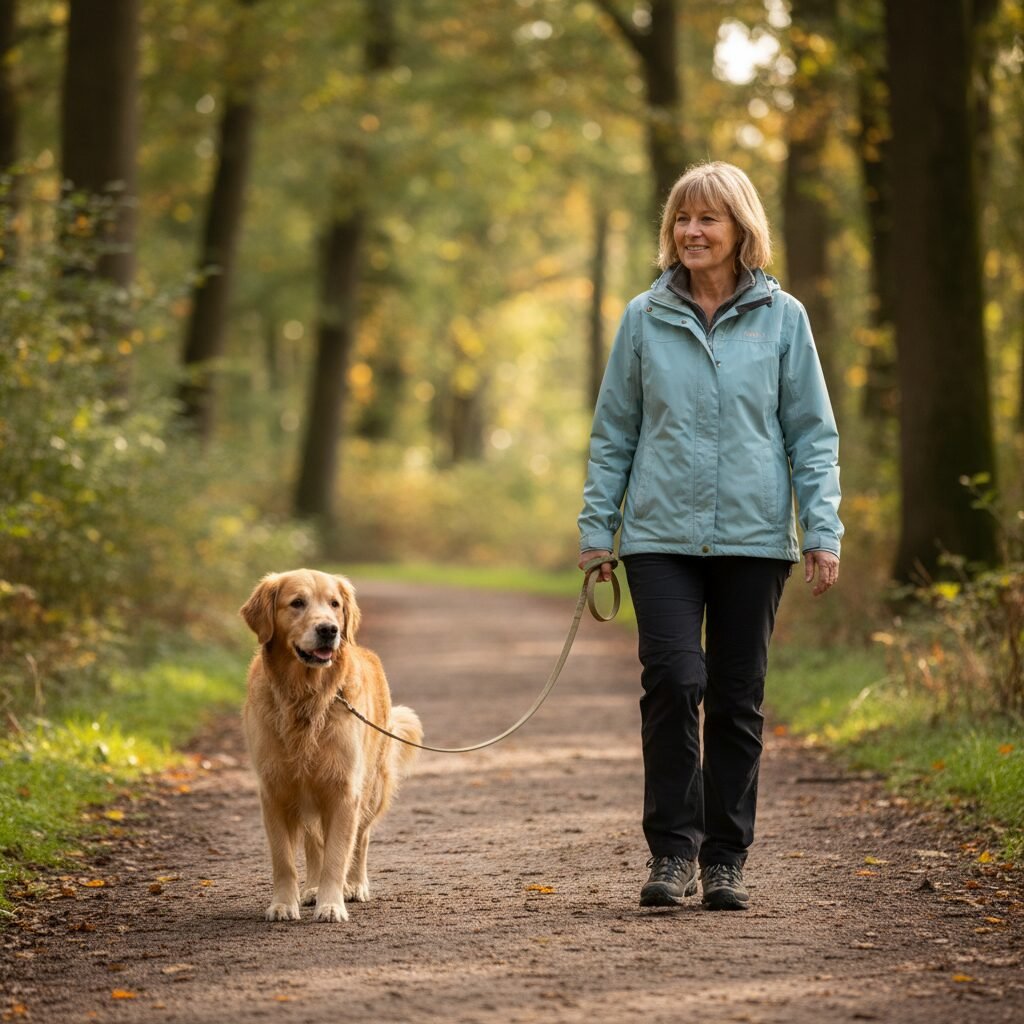
For scent-driven breeds, walks are a sensory explosion. A structured walk isn’t about preventing sniffing entirely, but teaching your dog when and where it’s appropriate, and how to maintain focus on you amidst the smells.
Loose Leash Walking Fundamentals
Your goal is a loose leash, not a taut one. When your dog pulls, stop immediately. Only resume walking when the leash slackens. This teaches them that pulling gets them nowhere.
- Start small Practice in a low-distraction environment, like your backyard, before moving to busy parks.
- Change directions Frequently changing direction keeps your dog engaged and watching you to anticipate your next move.
The ‘Sniffari’ Concept
Dedicate specific times or areas during a walk for your dog to indulge their sniffing instincts freely. This can be a designated ‘sniff spot’ or a portion of the walk where you allow a longer leash (if safe and appropriate).
- Benefits Satisfies their natural drive, making them more likely to focus during structured portions of the walk.
- Cue it Use a specific cue like ‘Go sniff!’ to indicate when they are allowed to explore with their nose.
4- Emergency Recall- Your Dog’s Lifeline
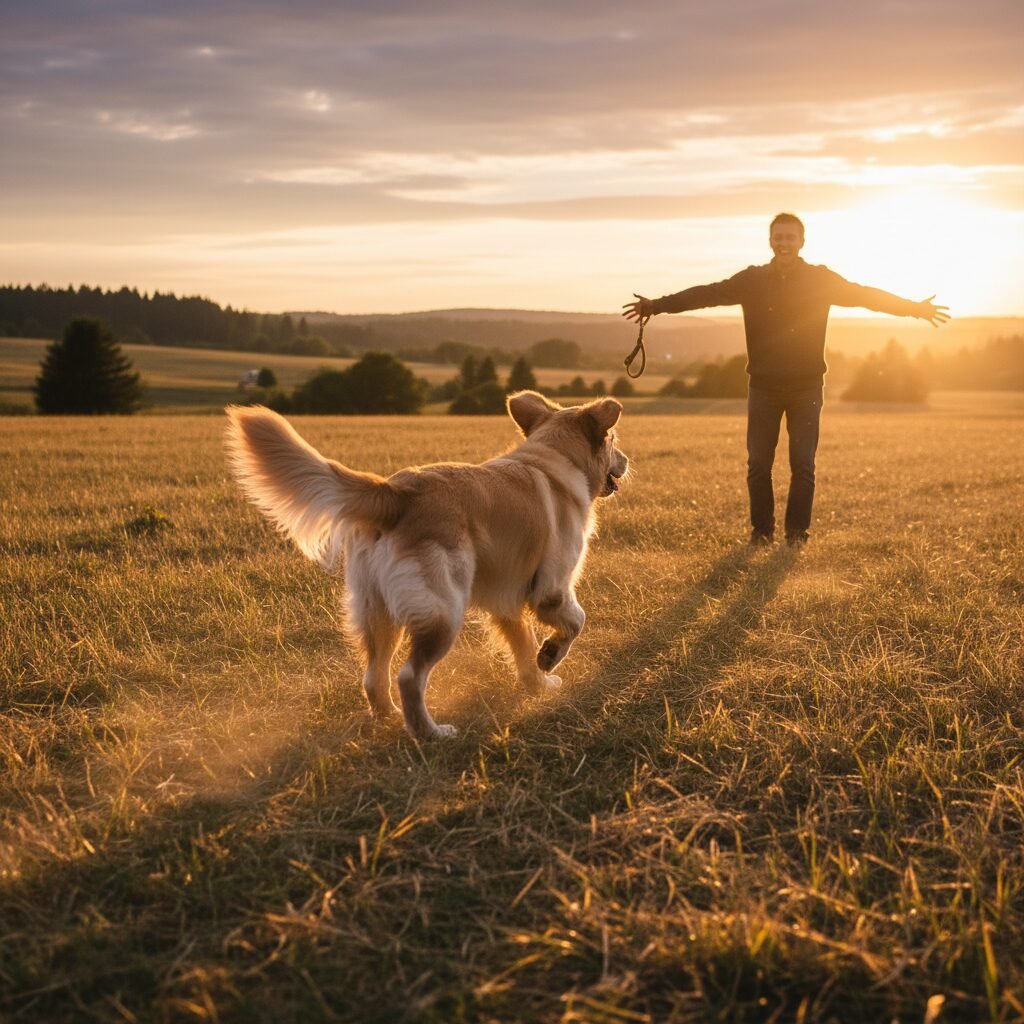
A reliable recall is paramount, especially for dogs whose noses can lead them astray. An emergency recall is a separate, high-value command used only for critical situations.
Building a Bulletproof Recall
Choose a unique, exciting word or phrase for your emergency recall (e.g., ‘Come NOW!’, ‘Super Here!’). It should be different from your everyday recall word.
- High-value rewards Only use the absolute highest-value treats or toys for emergency recall practice. Think cooked chicken, cheese, or their favorite squeaky toy.
- Practice in safe spaces Begin in a fenced yard or a long line in an open field. Call your dog, and when they come, throw a party! Lavish praise and multiple high-value rewards. Never scold your dog if they don’t come immediately; this poisons the recall.
- Never use it for punishment The emergency recall should always be associated with positive experiences.
5- Channeling Scent Drive with Nose Work
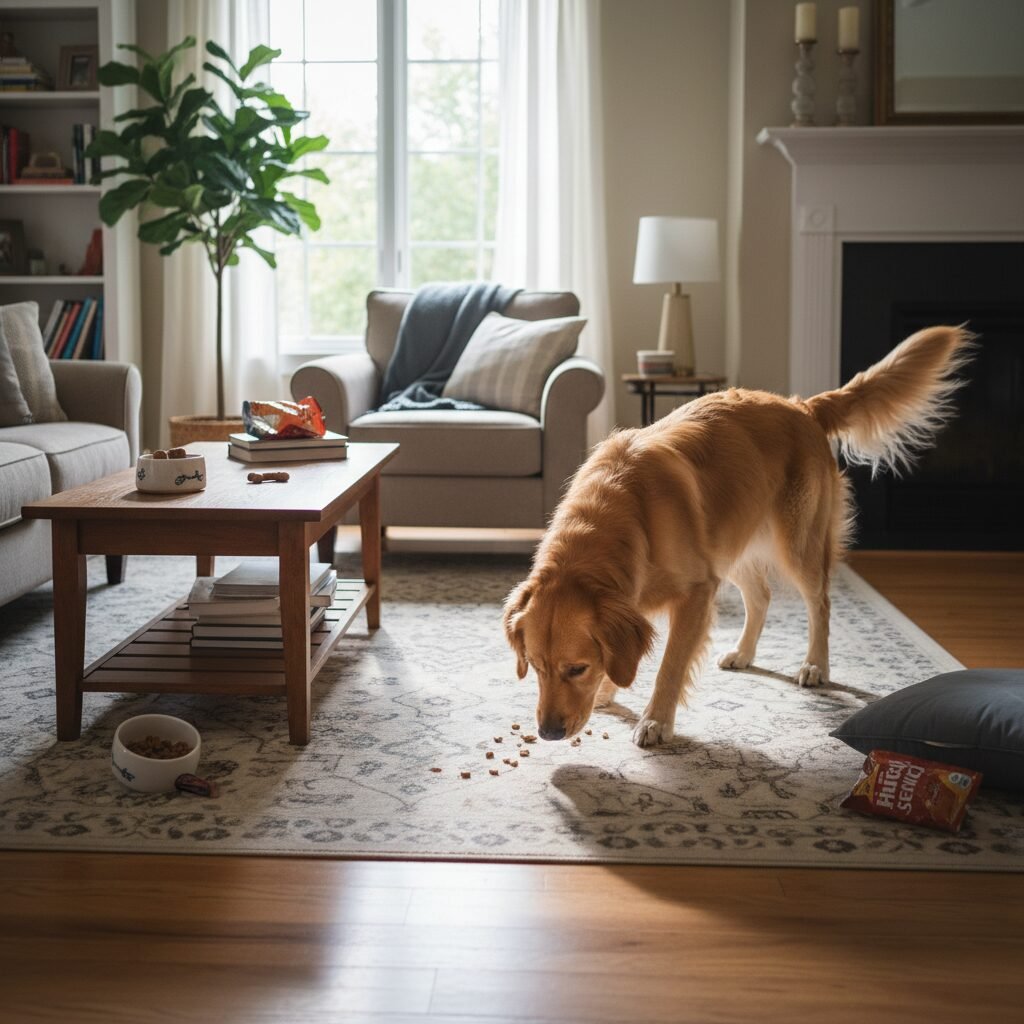
Instead of suppressing their scent drive, channel it into productive and enriching activities. Nose work, also known as ‘scent work’ or ‘canine scent detection,’ is perfect for scent-driven breeds.
Introduction to Nose Work Games
Start with simple ‘find it’ games. Hide high-value treats around your house and encourage your dog to use their nose to locate them.
- Progression Gradually increase the difficulty by hiding treats in more challenging spots, using different containers, or moving to outdoor environments.
- Benefits Provides mental stimulation, builds confidence, and tires them out in a fulfilling way. It also reinforces their natural abilities in a controlled setting.
Tracking and Trailing
For more advanced enthusiasts, consider formal tracking or trailing classes. This can be an incredibly rewarding way to bond with your dog and showcase their extraordinary talent.
- Professional guidance Seek out certified instructors for these specialized activities to ensure proper technique and safety.
6- Environmental Management and Consistency
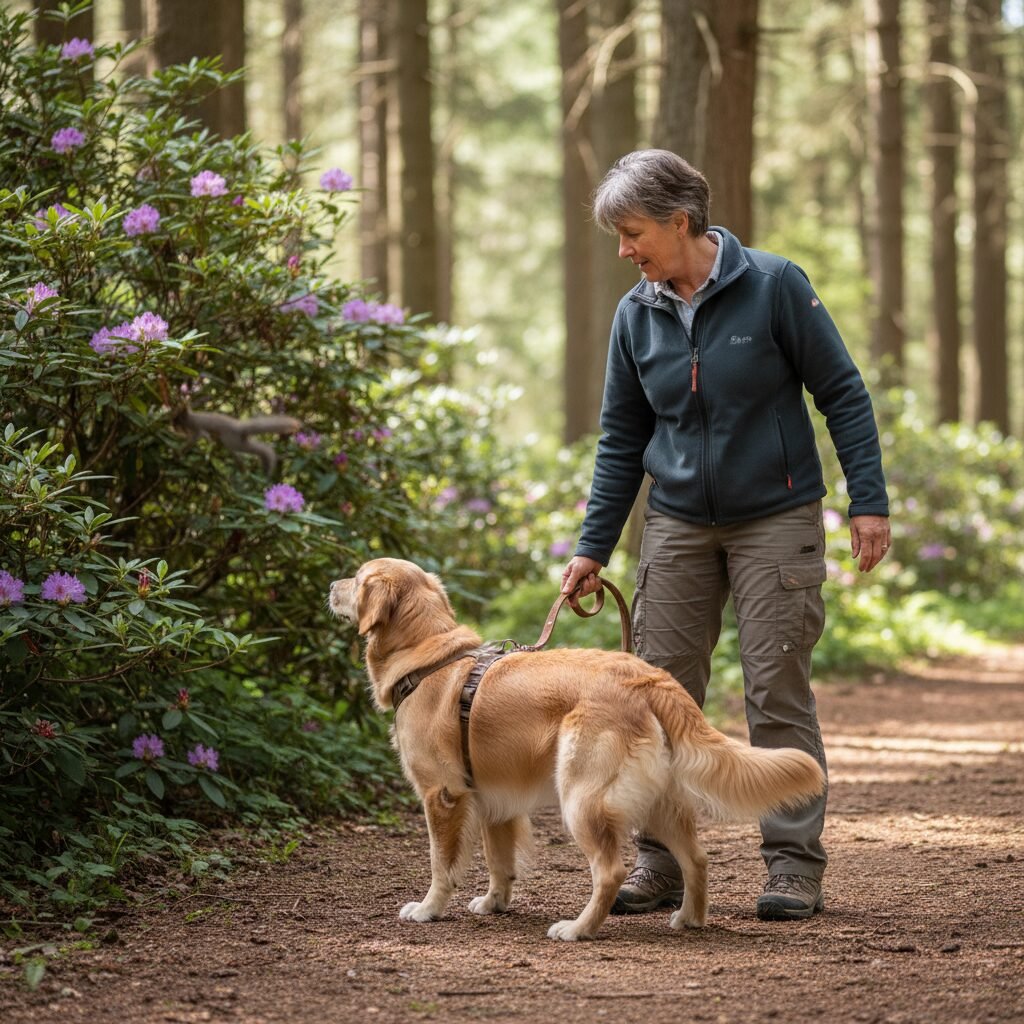
While training is crucial, managing your dog’s environment and maintaining consistency in your routines are equally important for success.
Managing the Environment
Prevention is often the best strategy. If you know a certain area is highly distracting, consider alternative routes for walks or use a long line in safe, open spaces to allow exploration without risk.
- Secure fencing For breeds with a strong prey drive or tendency to follow scents, secure fencing is non-negotiable.
- Visual barriers Sometimes, blocking visual access to tempting squirrels or other animals can help reduce arousal.
The Power of Consistency
Dogs thrive on routine and clear expectations. Every family member should use the same commands and follow the same rules. Inconsistency can confuse your dog and slow progress.
- Short, frequent training sessions Instead of long, infrequent sessions, aim for 5-10 minute training bursts several times a day. This keeps your dog engaged and prevents boredom.
- Positive reinforcement Always use positive reinforcement methods (rewards, praise) to encourage desired behaviors. Avoid punishment, which can damage trust and create fear.
Living with a scent-driven breed is a unique adventure, filled with delightful sniffs and incredible discoveries. By understanding their innate drive and applying these focus-control techniques with patience and love, you’re not just training a dog; you’re building a deeper, more respectful relationship. Embrace their incredible nose, guide their instincts, and watch your bond strengthen as you navigate the wonderfully aromatic world together. Your scent-driven companion will thank you for it, one focused sniff at a time.


