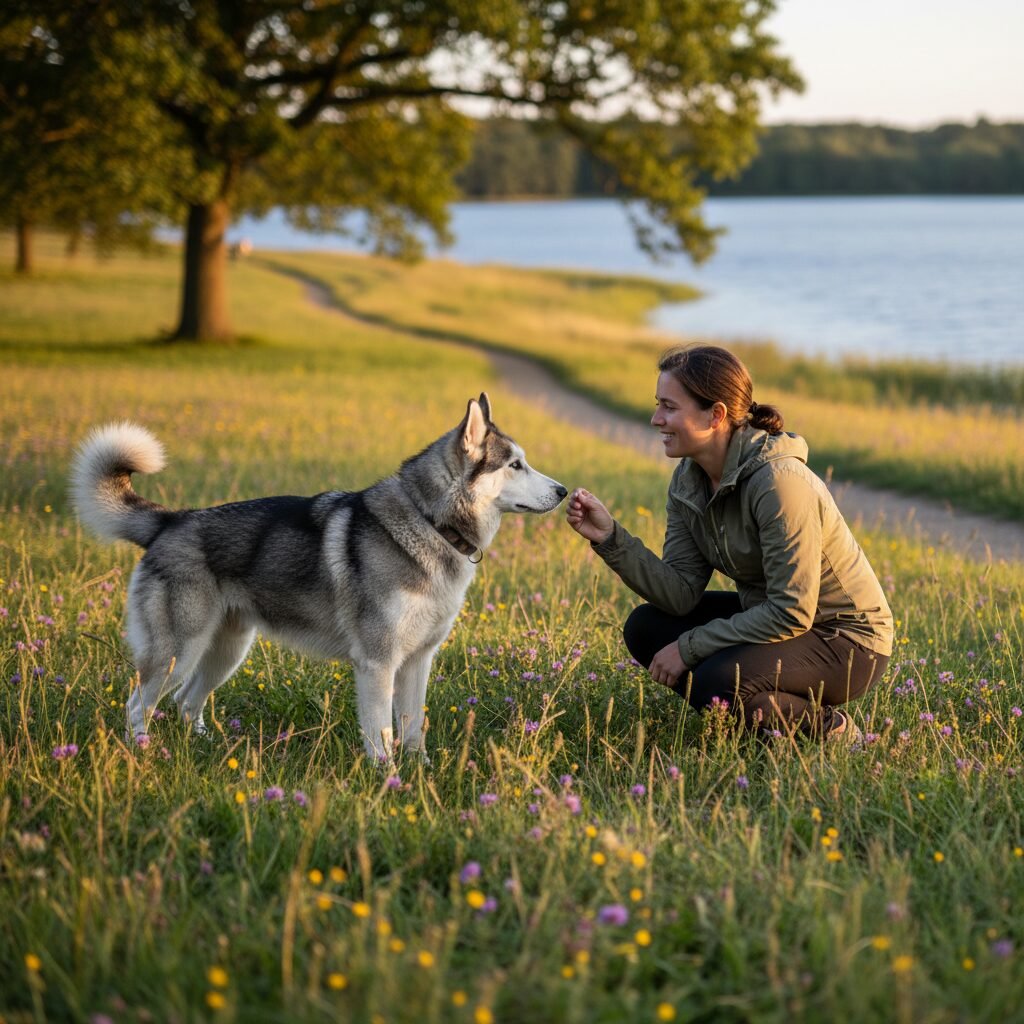
7 Behavior-Shaping Methods That Work for Strong-Willed Breeds
Strong-willed breeds have unique personalities—they’re often intelligent, confident, and independent. While these traits make them incredible companions, they can also present training challenges. It’s not about breaking their spirit, but about understanding their drive and channeling it positively. If you’re a dog parent to a determined Doberman, a spirited Siberian Husky, or a tenacious Terrier, you know that a “one-size-fits-all” approach won’t work. This guide will explore seven proven behavior-shaping methods specifically designed to resonate with and effectively train your strong-willed canine friend, fostering a bond built on trust and mutual respect.
Method 1- Positive Reinforcement is Your Superpower
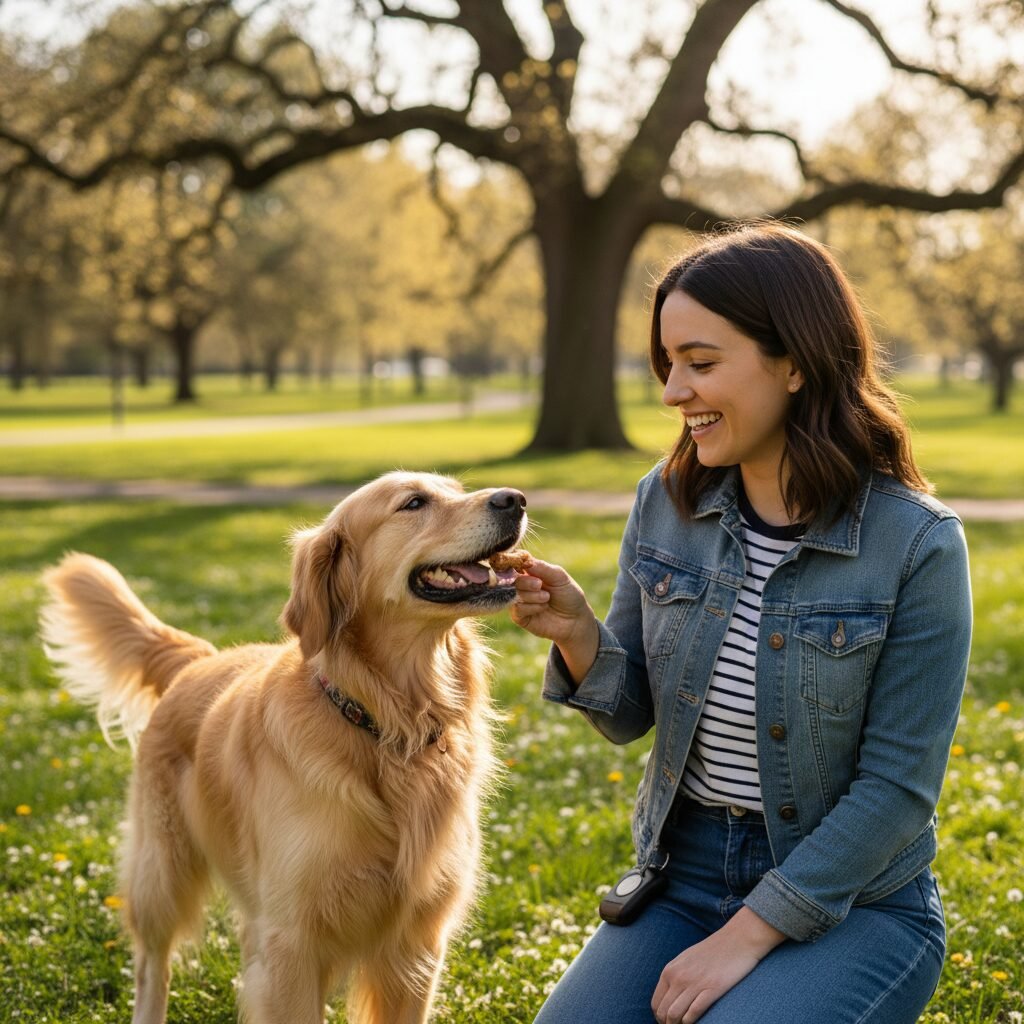
Strong-willed dogs respond exceptionally well to positive reinforcement. This method focuses on rewarding desired behaviors, making your dog more likely to repeat them. Instead of punishing what you don’t want, you’re building a clear path to what you do want. Think high-value treats (chicken, cheese), enthusiastic praise, favorite toys, or a quick game of fetch. The key is immediacy—the reward must follow the desired behavior within seconds so your dog connects the action to the positive outcome. This builds trust and makes training a fun, rewarding experience for both of you.
Method 2- Consistency and Clear Boundaries

For strong-willed breeds, consistency isn’t just important; it’s non-negotiable. Every family member must be on the same page regarding rules, commands, and expectations. If “sit” means one thing to you and another to your partner, your dog will quickly become confused and might choose to ignore both. Establish clear, simple boundaries and enforce them consistently every single time. This provides the structure and predictability that intelligent, independent dogs crave, helping them understand their place in the pack and what is expected of them.
Method 3- Early and Ongoing Socialization
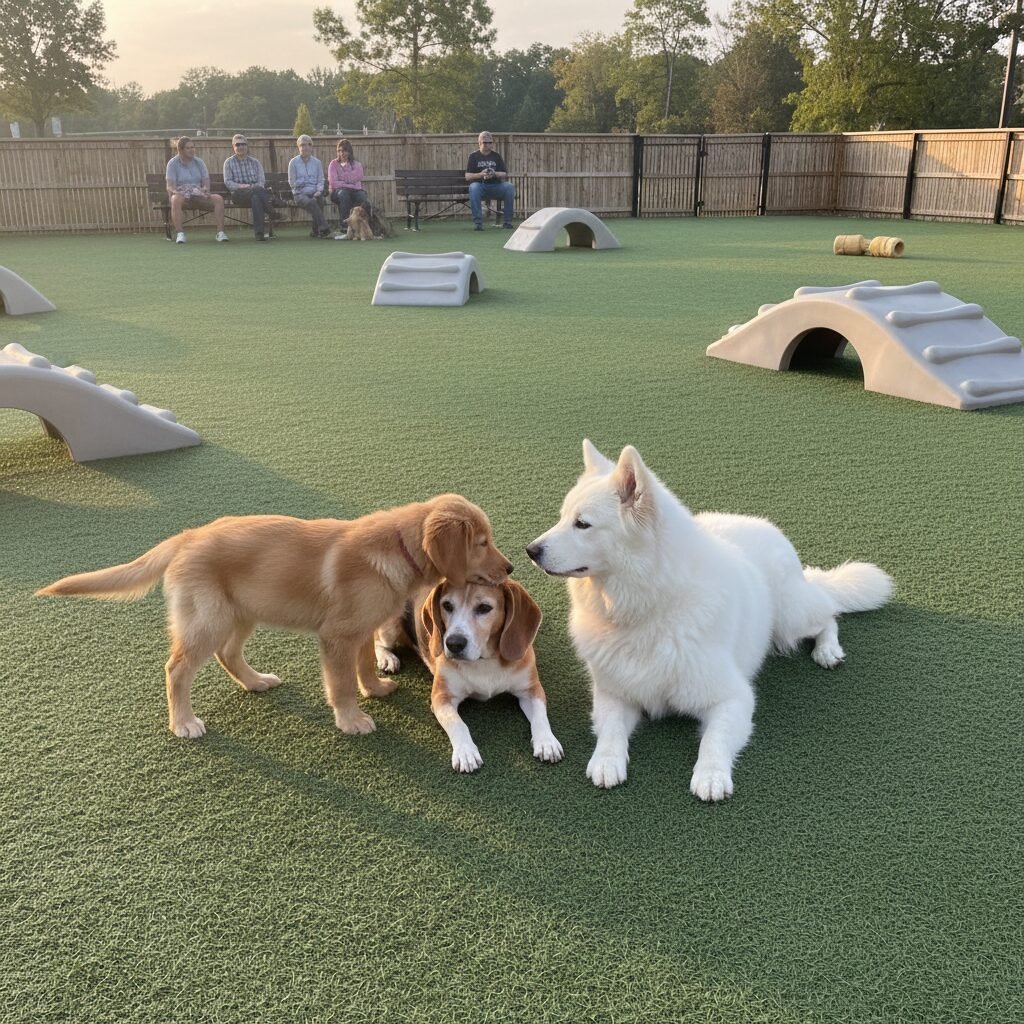
Socialization is crucial for all dogs, but especially for strong-willed breeds who can sometimes develop territorial or dominant tendencies if not properly introduced to the world. Early exposure to a variety of sights, sounds, people, and other well-behaved dogs helps them develop into well-adjusted adults. Continue socialization throughout their lives by attending dog-friendly events, taking walks in different environments, and enrolling in advanced obedience classes. This broadens their experiences and teaches them appropriate responses in various situations.
Method 4- The Power of Redirection
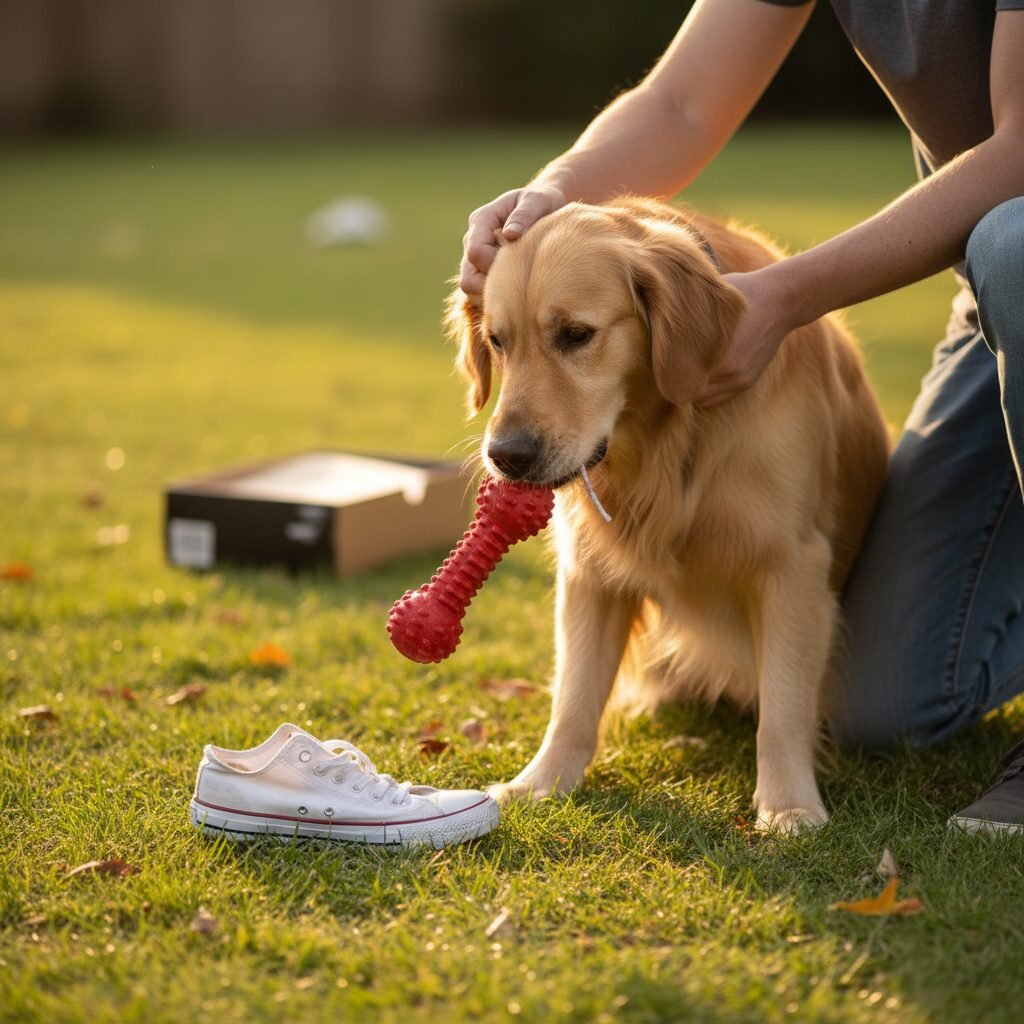
Instead of simply saying “no” to an unwanted behavior, redirection offers your dog an acceptable alternative. Is your puppy nipping at your hands? Redirect their attention to an appropriate chew toy. Is your adult dog jumping on guests? Immediately cue them to “sit” and reward them for all four paws on the floor. Redirection teaches your dog what they can do instead of just what they can’t, making training more positive and effective. It channels their natural drives into constructive outlets.
Method 5- Mental Stimulation and Physical Exercise
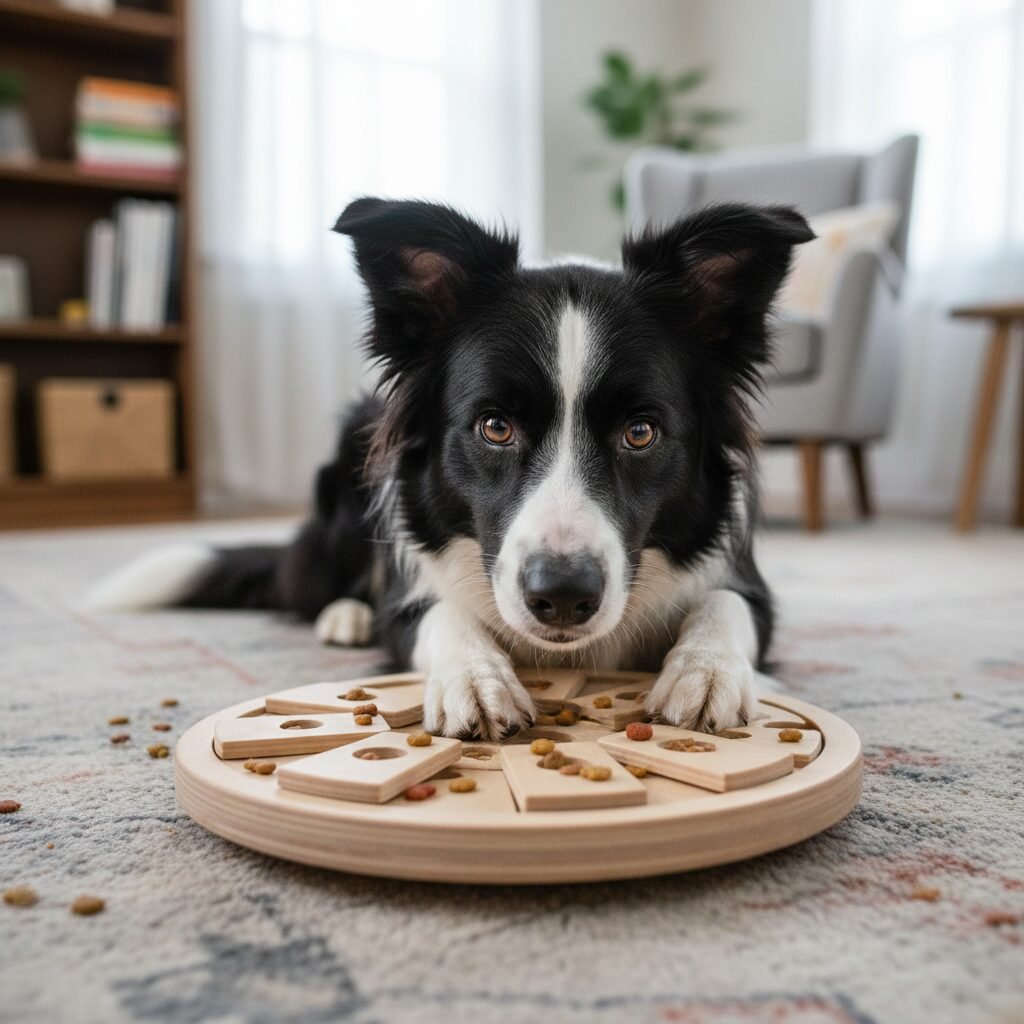
Many strong-willed breeds were bred for specific jobs—herding, guarding, hunting. They have high intelligence and significant energy levels. Without proper outlets, this energy and mental prowess can manifest as destructive behaviors or stubbornness. Provide plenty of physical exercise tailored to their breed’s needs (long walks, runs, fetch, agility). Equally important is mental stimulation through puzzle toys, scent work, obedience training, and learning new tricks. A tired and mentally engaged dog is a well-behaved dog.
Method 6- Establish Yourself as the Calm, Confident Leader
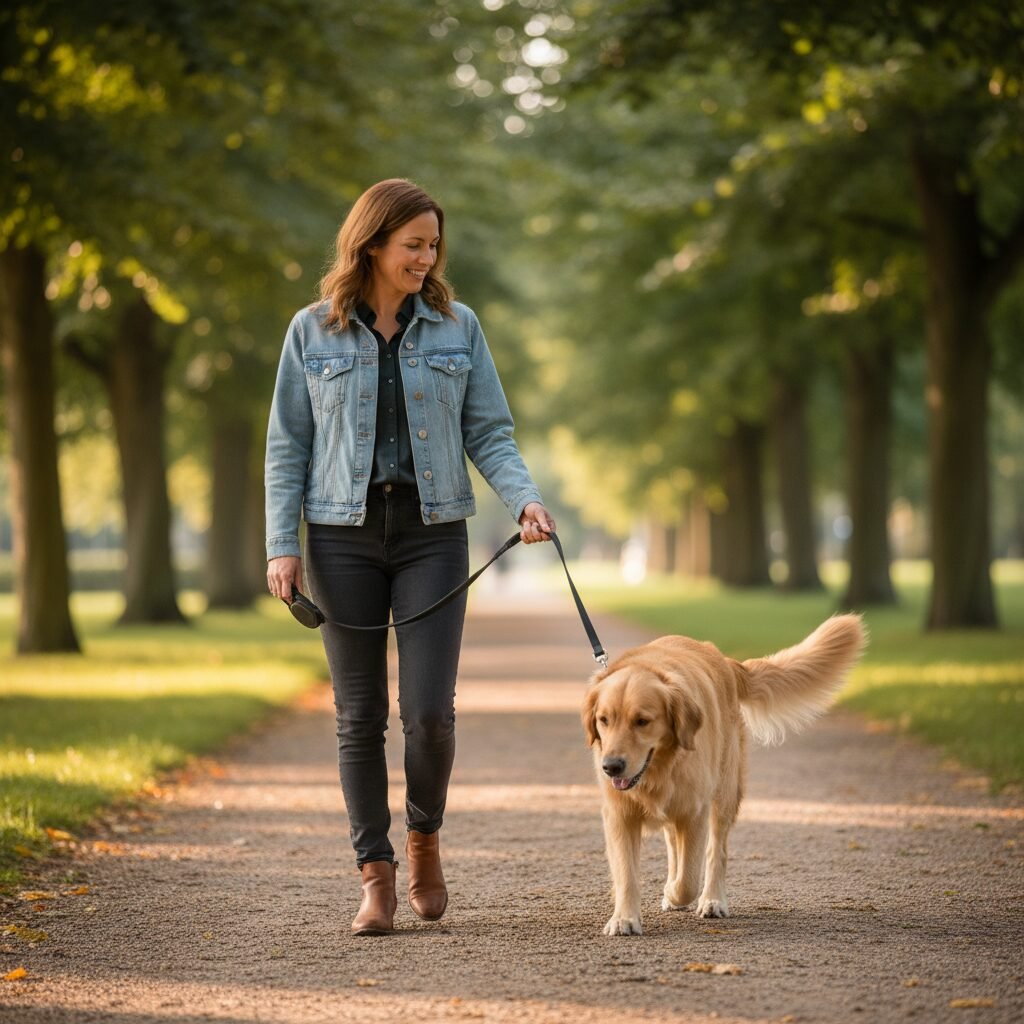
Strong-willed dogs often thrive with a clear leader. This doesn’t mean dominance or harsh methods; it means being a calm, confident, and consistent guide for your dog. You make the decisions, you control resources (food, toys, attention), and you set the rules. Simple practices like making your dog “work” for things (sit before getting dinner), walking confidently with them on a loose leash, and remaining calm in stressful situations communicate your leadership effectively. Your dog will look to you for guidance, building a secure and respectful relationship.
Method 7- Patience and Persistence are Key

Training a strong-willed dog is a marathon, not a sprint. There will be days of triumph and days of frustration. Patience is your most valuable tool. Avoid getting angry or resorting to punishment, as this can damage your bond and make your dog more resistant. Celebrate small victories, be consistent, and never give up. Remember that every “setback” is an opportunity to refine your approach. Your persistence will pay off, leading to a well-behaved and happy companion.
Conclusion
Raising a strong-willed dog is a journey filled with unique rewards. Their intelligence, loyalty, and spirited nature can be incredibly enriching when channeled correctly. By embracing these seven behavior-shaping methods—positive reinforcement, consistency, socialization, redirection, mental and physical stimulation, calm leadership, and unwavering patience—you’re not just training a dog; you’re building a profound, respectful, and joyful relationship. Trust in the process, celebrate every small success, and remember that the effort you put in today will lead to a lifetime of harmonious companionship. Your strong-willed friend is waiting to shine, guided by your loving hand.


