There’s something truly special about the bond we share with our canine companions. From their joyful greetings to their comforting presence, dogs enrich our lives in countless ways. And what better way to show our appreciation than with a delicious, tail-wagging treat? If your furry friend is like most, the mention of “peanut butter” probably gets their ears perked and their nose twitching!

Soft treats hold a special place in the dog treat world. They are kind to developing puppy teeth, gentle on the sensitive gums of senior dogs, and perfect for quick, rewarding training sessions. Plus, their irresistible texture often makes them a favorite for dogs of all ages and sizes. In this article, we’ll dive into five fantastic soft peanut butter dog treats, exploring both homemade options and tips for choosing the best store-bought varieties. Get ready to discover new ways to delight your best friend!

Why Soft Treats Are a Paw-some Choice

Soft treats aren’t just a tasty indulgence; they offer several practical benefits that make them a go-to option for many dog parents.

Gentle on Teeth

One of the biggest advantages of soft treats is how easy they are on your dog’s mouth. This is especially important for certain stages of a dog’s life.

For Puppies

Young pups are often teething, which can make their mouths sensitive. Soft treats are easy for their new teeth to manage without discomfort.

For Senior Dogs

As dogs age, their teeth can become worn, loose, or they might even have some missing. Soft treats ensure they can still enjoy a rewarding snack without pain.

For Dogs with Dental Issues

If your dog has sensitive gums, dental work, or specific tooth problems, a soft treat is a much safer and more comfortable option than a hard biscuit.

Easy to Chew and Digest

Soft treats are less likely to pose a choking hazard compared to hard, brittle treats. They break down easily in the mouth, leading to quicker consumption and often easier digestion for sensitive stomachs.

Perfect for Training

When you’re in the middle of a training session, you want a reward your dog can gobble up quickly without losing focus. Soft treats are ideal because they don’t require much chewing, allowing your dog to immediately refocus on the next command. Their high palatability also makes them an excellent “high-value” reward.

Versatile for All Dog Sizes

Soft treats are incredibly versatile. You can easily tear or cut them into smaller pieces, making them suitable for tiny breeds or for extended training sessions where you want to give many small rewards. This customization means you can control portion sizes better.

The Magic of Peanut Butter for Dogs (and Safety First!)

There’s no denying it: dogs absolutely adore peanut butter. But beyond the delicious taste, it’s vital to ensure that any peanut butter treat you offer is completely safe.

Why Dogs Go Nuts for Peanut Butter

The combination of its rich flavor and creamy, sticky texture is simply irresistible to most dogs. It’s often used to encourage dogs to take medication or to make puzzle toys more engaging. Peanut butter also contains protein and healthy fats, which can be beneficial in moderation.

Essential Peanut Butter Safety Checks

Before you offer any peanut butter, whether in a treat or straight from the jar, you must perform a crucial safety check.

NO Xylitol

This is the most important rule. Xylitol is an artificial sweetener found in many “sugar-free” or “reduced sugar” peanut butters. It is highly toxic to dogs, even in small amounts, and can cause a rapid drop in blood sugar, seizures, and liver failure. Always read the ingredient list carefully and absolutely avoid any product containing xylitol.

Check Ingredients Carefully

Beyond xylitol, look for natural peanut butter with as few ingredients as possible. Ideally, it should just be peanuts.

Moderation Is Key

While delicious, peanut butter is high in calories and fat. Too much can lead to weight gain or digestive upset. Always offer it in small quantities as a treat.

Natural, Unsalted, Unsweetened Is Best

Opt for natural, unsalted, and unsweetened peanut butter. This reduces the amount of unnecessary salt and sugar in your dog’s diet.

Our Top 5 Soft Peanut Butter Dog Treats

Now for the fun part! Here are five fantastic soft peanut butter treats that are sure to earn you extra cuddles from your furry friend. We’ll include a mix of homemade and prepared options.

1. Simple Peanut Butter & Oat Balls

These are incredibly easy to make, require no baking, and are perfect for a quick, healthy snack.

– **What they are:** A blend of natural peanut butter, oats, and a touch of something extra for binding.

– **Benefits:** Highly customizable, natural ingredients, no baking required. Great for dogs with sensitive tummies or those needing a grain-free option if you use gluten-free oats.

– **How to make them:**

1. Mix 1 cup of natural, xylitol-free peanut butter with 1 cup of rolled oats.

2. Add a tablespoon or two of unsweetened applesauce, mashed banana, or plain pumpkin puree to help bind the mixture and add extra nutrients.

3. Roll into small, bite-sized balls.

4. Chill in the refrigerator for at least 30 minutes to firm up.

5. Store in an airtight container in the fridge for up to a week, or freeze for longer storage.

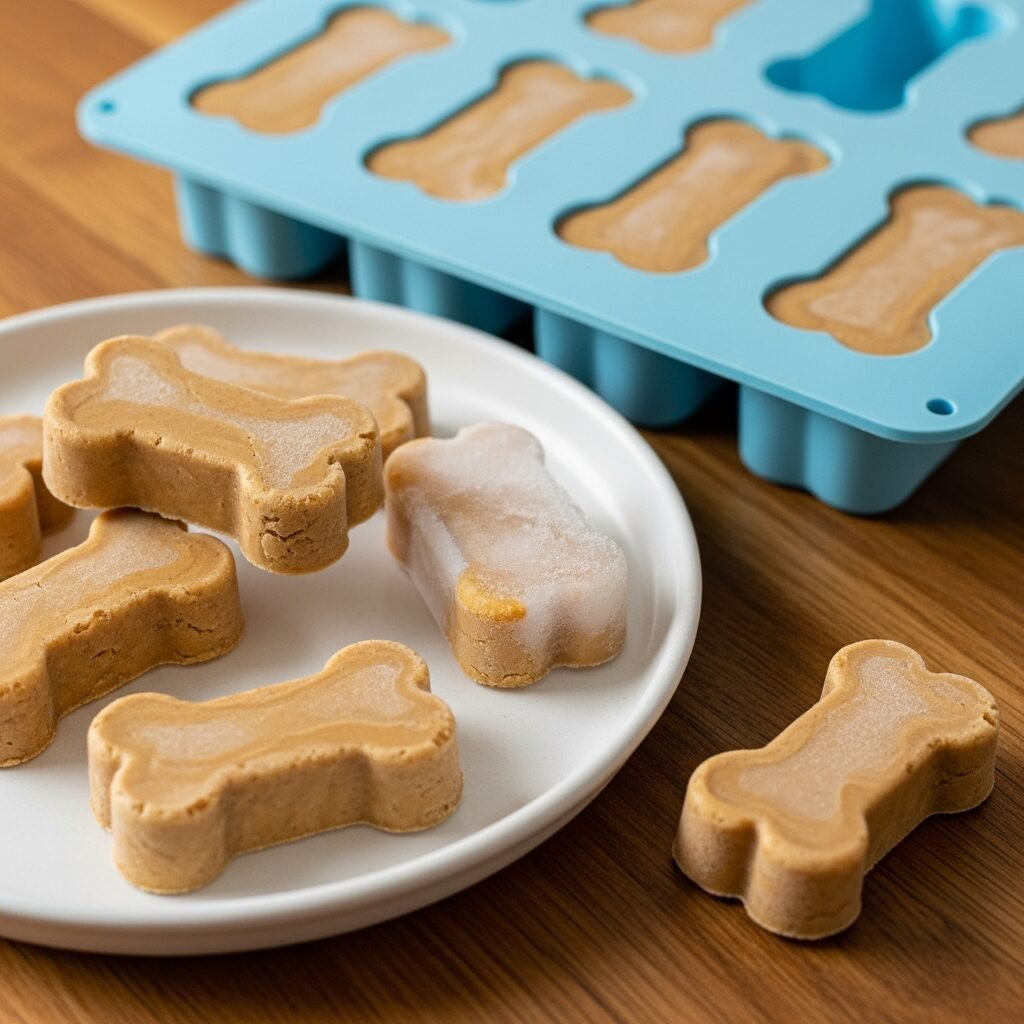
2. Frozen Peanut Butter & Banana Bites

A refreshing and delicious treat, especially on a warm day or for a teething puppy.

– **What they are:** A creamy, cool mixture of peanut butter and banana, frozen into small portions.

– **Benefits:** Hydrating, soothing for hot dogs or teething pups, packed with potassium from bananas.

– **How to make them:**

1. Mash 1 ripe banana in a bowl.

2. Stir in 1/2 cup of natural, xylitol-free peanut butter until well combined.

3. Spoon the mixture into silicone molds (ice cube trays work great!) or small dollops on a parchment-lined baking sheet.

4. Freeze for at least 2-3 hours, or until solid.

5. Pop them out and store them in a freezer-safe bag or container for up to 2-3 months.

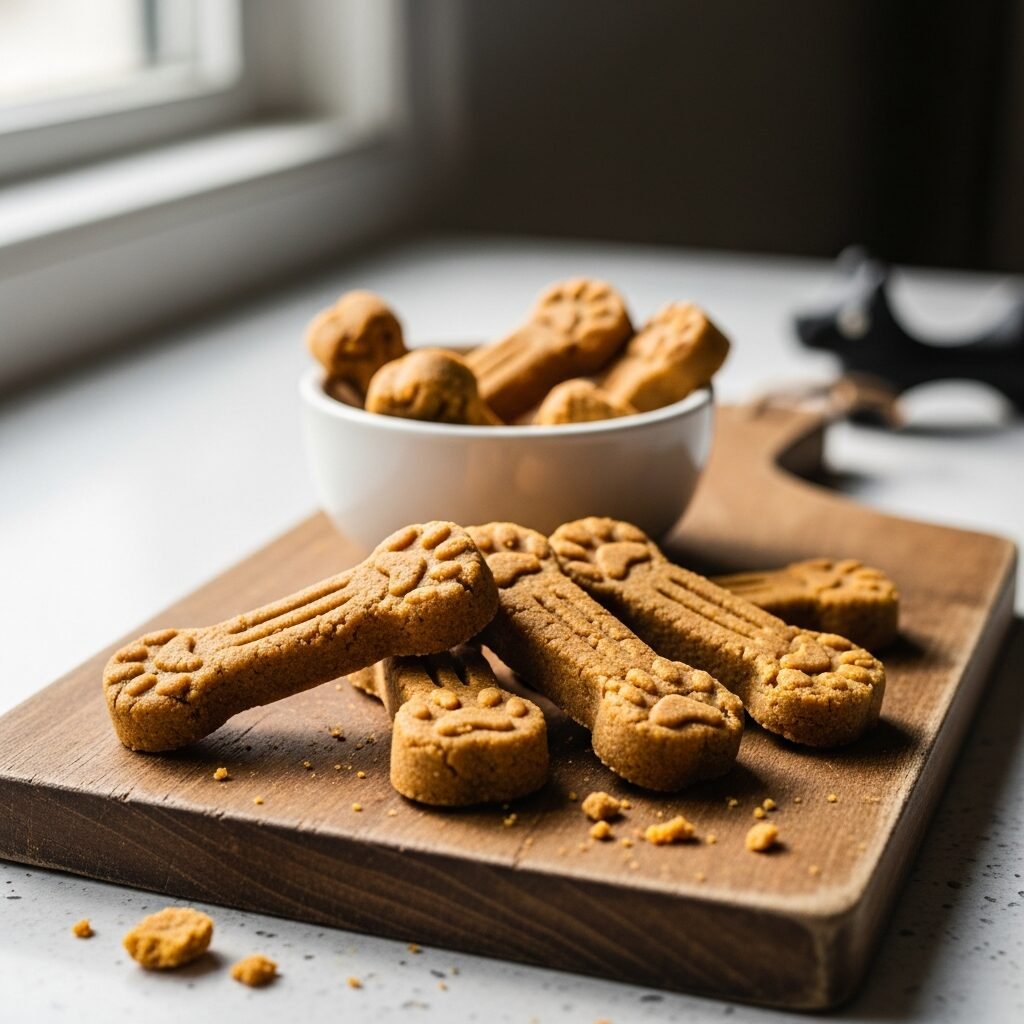
3. Soft-Baked Peanut Butter “Cookies”

For those who enjoy baking, these offer a delightful, chewy texture that dogs adore.

– **What they are:** A classic baked cookie, but made soft and chewy for dogs.

– **Benefits:** Hearty and satisfying, good for general rewards, the baking process makes them last longer.

– **How to make them:**

1. Preheat your oven to 350°F (175°C).

2. In a bowl, cream together 1/2 cup natural, xylitol-free peanut butter, 1/4 cup unsweetened applesauce (or mashed banana), and 1 egg.

3. Gradually add 1 cup of whole wheat flour (or oat flour for a gluten-free option) until a soft dough forms.

4. Roll out the dough on a lightly floured surface to about 1/4 inch thickness.

5. Use a small cookie cutter or knife to cut out shapes.

6. Place on a parchment-lined baking sheet and bake for 10-12 minutes, or until lightly golden and soft.

7. Let them cool completely before serving. Store in an airtight container for 5-7 days or freeze.

4. Store-Bought Soft Peanut Butter Chews

Sometimes, you need a convenient, ready-to-go option. Many brands offer excellent soft peanut butter chews.

– **What they are:** Pre-made, often chewy treats with a primary peanut butter flavor.

– **Benefits:** Time-saving, consistent quality, often fortified with vitamins or beneficial ingredients like glucosamine.

– **Tips for choosing:**

* **Always read the label:** Double-check for xylitol and other potentially harmful ingredients.

* **Look for whole ingredients:** Choose treats where real peanut butter (not just “peanut butter flavor”) is high on the ingredient list.

* **Reputable brands:** Stick to well-known brands with good reviews and transparent ingredient sourcing.

* **Avoid artificial additives:** Steer clear of artificial colors, flavors, and preservatives.

5. Peanut Butter Stuffed Kongs or Chews

While not a “treat” on its own, a Kong or similar puzzle toy stuffed with peanut butter becomes an amazing soft treat experience.

– **What they are:** A durable rubber toy filled with a soft, spreadable treat, providing mental enrichment.

– **Benefits:** Prolonged enjoyment, mental stimulation, anxiety relief, slow feeding.

– **How to prepare:**

1. Choose a Kong or appropriate chew toy for your dog’s size.

2. Fill it with natural, xylitol-free peanut butter. You can mix in some mashed banana, pumpkin, or kibble for variety.

3. For an extra challenge and a cooler treat, freeze the stuffed Kong for a few hours. This makes the peanut butter last even longer and can be especially soothing for teething puppies.

Making Your Own Soft Peanut Butter Treats: Tips for Success

Creating homemade treats allows you to control the ingredients and tailor them precisely to your dog’s needs.

Ingredient Spotlights

Understanding the role of key ingredients helps you get the best results.

Peanut Butter

Always natural, unsalted, and absolutely no xylitol. It provides flavor, fat, and helps bind ingredients.

Oats

Rolled oats or oat flour are excellent binders and a good source of fiber. They are also naturally gluten-free if you choose certified gluten-free oats.

Banana/Pumpkin

These add natural sweetness, moisture, and important vitamins. Mashed banana is rich in potassium, while plain pumpkin puree is great for digestion.

Whole Wheat Flour

A sturdy binder that adds fiber and nutrients. If your dog has a wheat sensitivity, opt for oat flour or rice flour.

Eggs

Eggs act as a binder, holding ingredients together, and add a boost of protein.

Customizing for Your Dog

Personalizing treats ensures they are perfect for your specific canine companion.

Size

For small dogs or for training purposes, make sure the treats are tiny, pea-sized pieces. Larger dogs can handle bigger bites.

Allergies

If your dog has known allergies (e.g., to wheat, dairy, chicken), substitute ingredients accordingly. Oat flour is a good alternative to wheat flour.

Texture

Adjust the amount of liquid (applesauce, pumpkin, water) to achieve your desired softness. More liquid generally means a softer treat.

Storage & Shelf Life

Proper storage is crucial for keeping homemade treats fresh and safe.

Airtight Containers

Always store treats in an airtight container to prevent them from drying out or going stale.

Refrigerator/Freezer Recommendations

Most homemade soft treats, especially those with fresh ingredients like banana or egg, should be stored in the refrigerator for up to 5-7 days. For longer storage, freeze them for up to 2-3 months. Thaw frozen treats in the fridge before serving.

Choosing Store-Bought Soft Peanut Butter Treats Wisely

When you opt for convenience, knowing how to pick a good store-bought treat is essential.

Reading the Label Like a Pro

The ingredient list is your best friend when selecting dog treats.

Ingredient List Order

Ingredients are listed by weight from most to least. Look for real, recognizable ingredients at the top of the list.

No Artificial Colors/Flavors

Artificial additives offer no nutritional benefit and can sometimes cause sensitivities in dogs.

Look for Whole Ingredients

Prioritize treats made with whole food ingredients, like real peanuts, oats, and fruits/vegetables, rather than ambiguous “meat meals” or by-products.

Reputable Brands Matter

Trustworthy brands are transparent about their ingredients and manufacturing processes.

Research Company Values

A quick online search can reveal a brand’s commitment to quality and safety.

Check for Reviews

See what other dog parents are saying about the treats and the brand.

Avoiding Common Allergens

Many dogs have sensitivities. Be mindful if your dog has any known issues.

Gluten-Free Options

If your dog has a grain sensitivity, look for treats made with rice flour, oat flour, or potato flour instead of wheat.

Dairy-Free Options

Some dogs are lactose intolerant. Ensure the treats don’t contain dairy products like cheese or yogurt if this is a concern.

How Much is Too Much? Feeding Guidelines

Treats are wonderful, but balance is key to your dog’s overall health.

Treat Rule of 10%

A good rule of thumb is that treats should make up no more than 10% of your dog’s daily caloric intake. The other 90% should come from their balanced, complete dog food.

Consider Your Dog’s Size and Activity Level

A tiny Chihuahua needs far fewer calories (and therefore fewer treats) than an active German Shepherd. Adjust treat portions based on your dog’s individual needs to prevent weight gain.

When to Give Treats

Treats are excellent for positive reinforcement during training, as a special reward for good behavior, or simply as an expression of love. Just remember to account for them in your dog’s daily diet.

Related Posts

Leave a Reply

Your email address will not be published. Required fields are marked *