As loving dog parents, we always want the best for our furry family members. Sometimes, that means going the extra mile to make sure they’re getting the most nutritious and delicious meals possible. If you’ve been wondering about preparing your dog’s food right in your own kitchen, you’re in the right place!

Homemade dog food gives you complete control over what goes into your pup’s bowl. It can be a wonderful option for dogs with sensitive stomachs, allergies, or simply for owners who want to provide fresh, wholesome ingredients. Turkey is a fantastic lean protein for dogs, easy to digest, and very versatile. We’ll explore five simple and nutritious turkey recipes that your dog is sure to gobble up. Just remember, before making any big changes to your dog’s diet, it’s always a good idea to chat with your veterinarian. They can help ensure these recipes are balanced for your specific dog’s needs.

Why Choose Homemade Turkey Dog Food?

Making your dog’s food at home might seem like a big step, but it comes with some wonderful benefits. It’s a way to show extra love and care, ensuring your dog thrives on a diet made just for them.

Control Over Ingredients

When you cook for your dog, you become the chef and the ingredient checker. You can carefully select every item that goes into their meal. This means no mystery meat, no artificial colors, flavors, or unnecessary fillers that can often be found in commercial dog foods.

You know exactly what your beloved companion is eating, which offers great peace of mind. This transparency is a big plus for many dog parents.

Dietary Needs and Sensitivities

Many dogs experience food sensitivities or allergies, leading to itchy skin, upset stomachs, or other uncomfortable symptoms. Homemade food allows you to avoid specific triggers. If your dog can’t tolerate chicken, turkey is often a wonderful alternative.

You can also tailor the recipes to suit other health concerns, like adding more fiber for digestive health or choosing low-fat options if your vet recommends it. It’s truly personalized nutrition.

Freshness and Nutrition

Just like with human food, fresh ingredients often contain more vibrant nutrients than highly processed alternatives. When you use fresh turkey, vegetables, and grains, your dog benefits from those natural vitamins and minerals at their peak.

Homemade meals don’t sit on a shelf for months, so they retain their nutritional value better. This fresh approach can contribute to better energy levels and a shinier coat for your dog.

Bonding Experience

Cooking for your dog is an act of love. The time and effort you put into preparing their meals can strengthen the bond you share. Your dog will certainly appreciate the delicious aroma and the tasty results!

Watching your dog enjoy a meal you’ve carefully prepared is incredibly rewarding. It’s another way to nurture their well-being and show them how much they mean to you.

Important Considerations Before You Start Cooking

While homemade food is great, it requires a bit of knowledge to ensure it’s healthy and balanced for your dog. A dog’s nutritional needs are different from ours, so we can’t just feed them leftovers.

Talk to Your Veterinarian

This is truly the most important step. Your vet knows your dog’s health history, age, weight, and any specific dietary requirements they might have. They can advise you on portion sizes, necessary supplements, and if homemade food is the right choice for your dog.

A vet can also help you formulate a truly balanced diet or recommend a veterinary nutritionist. This ensures your dog gets all the essential nutrients without overdoing any particular one.

Nutritional Balance is Key

Dogs need a complete and balanced diet, which means getting the right amount of protein, fat, carbohydrates, vitamins, and minerals. Simply feeding plain cooked turkey isn’t enough for long-term health.

A good homemade recipe will include a variety of ingredients: a lean protein source like turkey, some healthy fats, complex carbohydrates (like sweet potato or rice), and plenty of dog-safe vegetables for fiber and micronutrients.

Safe Ingredients for Dogs

Knowing what’s safe and what’s not is crucial.

Safe Turkey Components

* Boneless, skinless turkey breast or ground turkey (leaner options)

* Turkey thighs or other parts (remove skin and bones before cooking and feeding)

* Cooked turkey liver (in moderation, as a nutrient boost)

Safe Vegetables and Grains

* Carrots

* Green beans

* Peas

* Sweet potatoes

* Pumpkin (plain, canned is fine)

* Broccoli (in moderation)

* Brown or white rice

* Oats (plain, rolled oats)

Unsafe Ingredients to Avoid

* Onions, garlic, chives, leeks (all toxic to dogs)

* Grapes and raisins

* Xylitol (artificial sweetener found in many human foods)

* Chocolate

* Avocado

* Cooked bones (they can splinter and cause internal damage)

* Alcohol, caffeine

* Macadamia nuts

* Moldy foods

Proper Storage and Preparation

Just like our food, dog food needs to be handled and stored properly to prevent spoilage and bacterial growth.

Always cook meat thoroughly until it reaches a safe internal temperature. Allow the food to cool completely before portioning. Store homemade dog food in airtight containers in the refrigerator for up to 3-4 days. For longer storage, you can freeze individual portions for up to 2-3 months. Thaw frozen portions in the refrigerator overnight before serving.

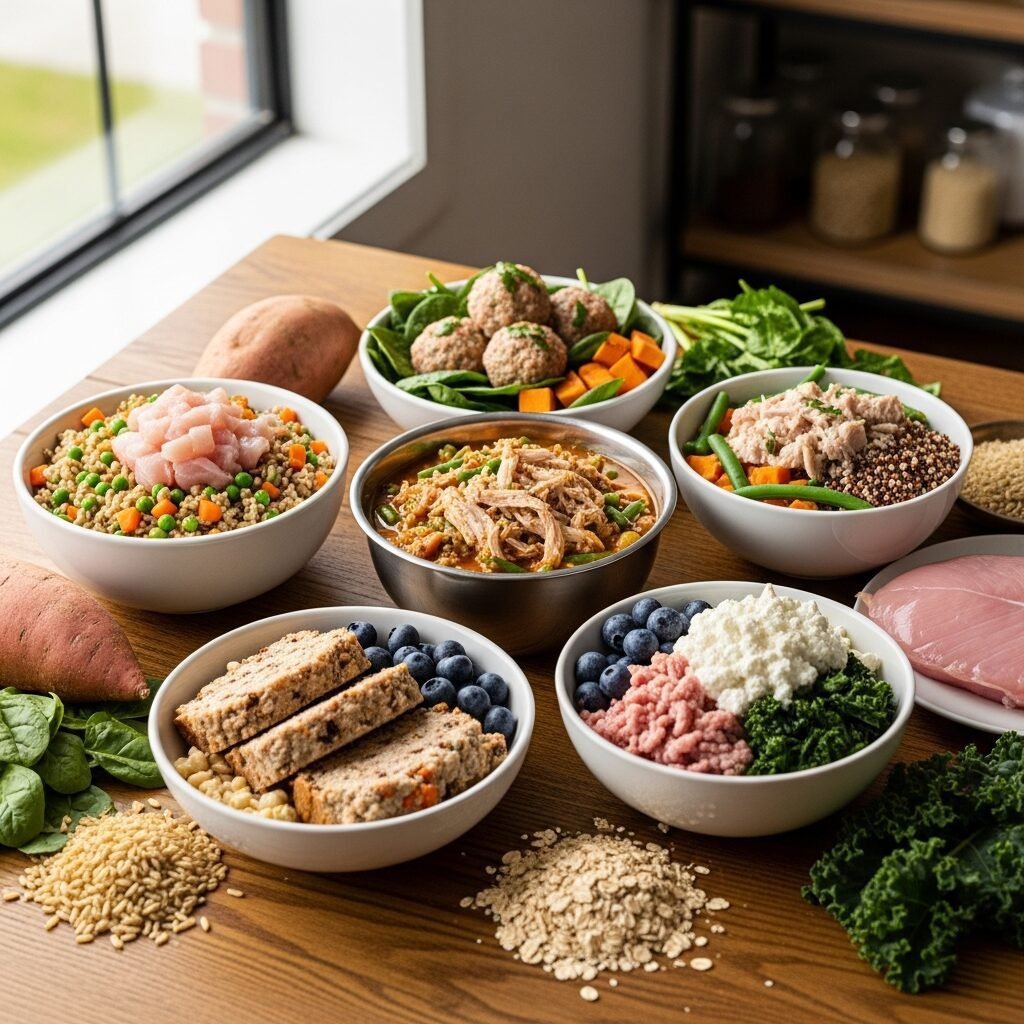
The 5 Homemade Turkey Dog Food Recipes

These recipes are designed to be simple, wholesome, and delicious for your canine companion. Remember to adjust quantities based on your dog’s size and activity level, and always consult your vet.

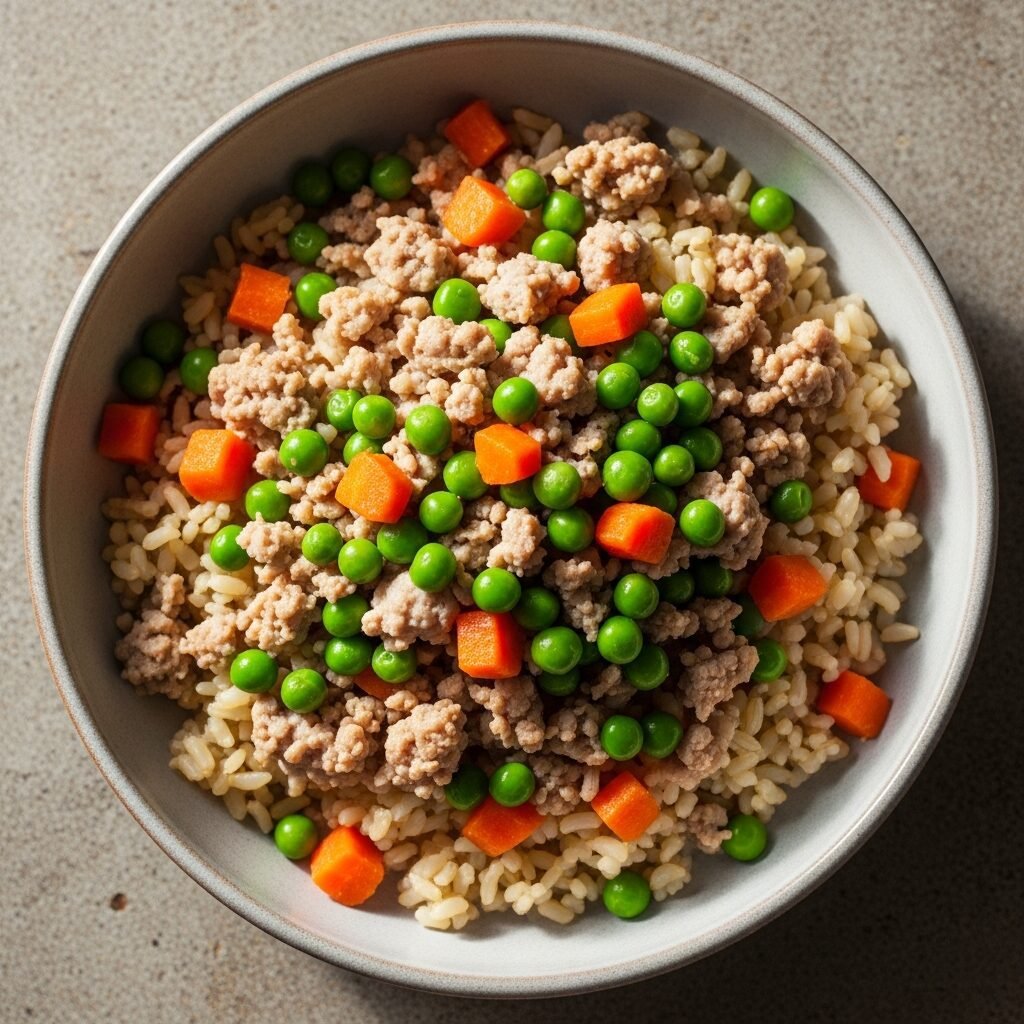
Recipe 1: Simple Turkey & Veggie Blend

This is a great beginner recipe, easy to prepare and highly palatable for most dogs.

Ingredients

* 1 pound ground turkey (lean)

* 1 cup chopped carrots

* 1 cup chopped green beans

* 1/2 cup cooked brown rice (already cooked)

* 1 tablespoon olive oil (optional, for healthy fats)

* 1/2 cup water or low-sodium chicken broth

Instructions

1. In a large pot or skillet, brown the ground turkey over medium heat until fully cooked. Make sure there is no pink remaining. Drain any excess fat.

2. Add the chopped carrots, green beans, and water (or broth) to the pot with the cooked turkey.

3. Bring the mixture to a simmer, then reduce heat, cover, and cook for about 10-15 minutes, or until the vegetables are tender.

4. Stir in the cooked brown rice and olive oil (if using).

5. Allow the mixture to cool completely before serving to your dog.

Why it’s great

This recipe is packed with lean protein and fiber-rich vegetables. It’s gentle on the stomach and provides a good balance of nutrients. The brown rice adds beneficial complex carbohydrates for energy.

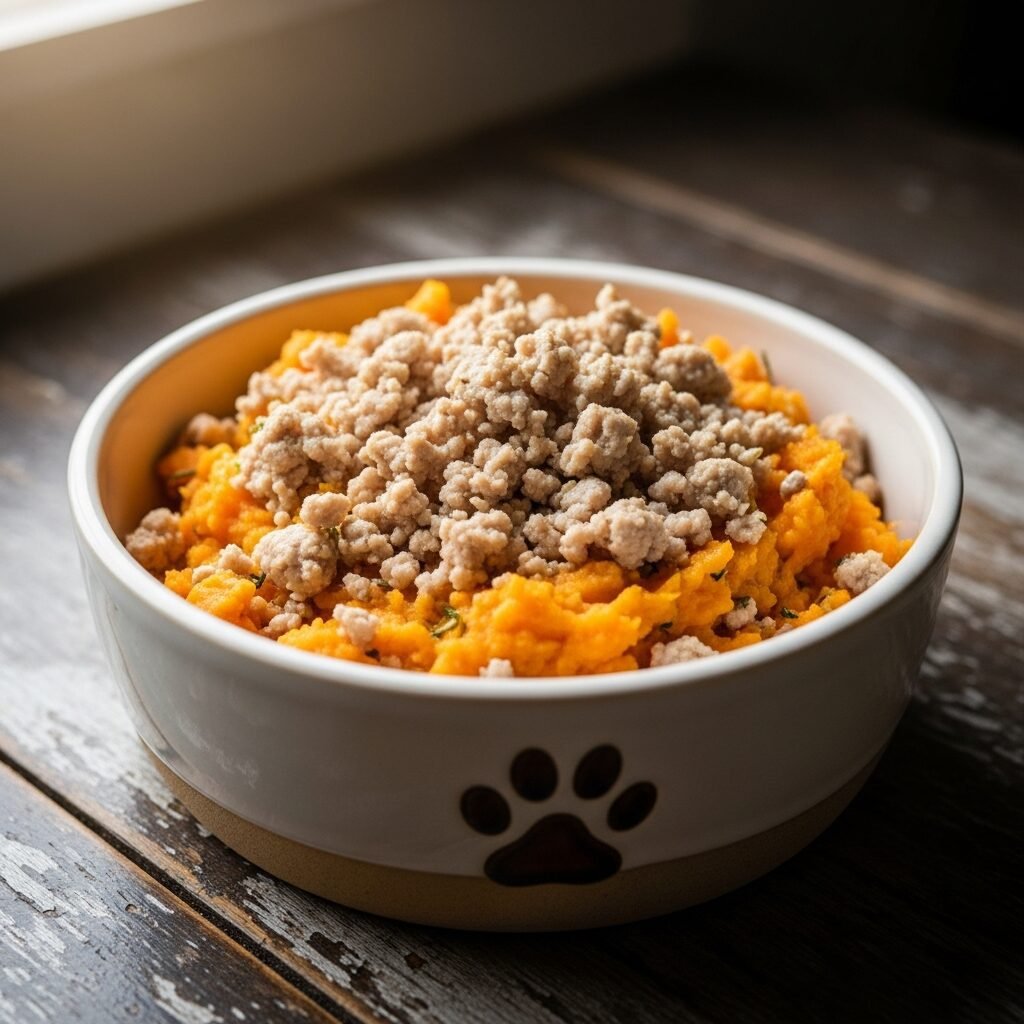
Recipe 2: Turkey & Sweet Potato Power Bowl

Sweet potatoes are a superfood for dogs, loaded with vitamins and fiber. This recipe combines them with lean turkey for a nutritious meal.

Ingredients

* 1 pound ground turkey (lean)

* 2 medium sweet potatoes, peeled and diced

* 1 cup peas (fresh or frozen)

* 1/2 cup water

* 1 tablespoon flaxseed oil (for Omega-3s, optional)

Instructions

1. Brown the ground turkey in a large pot or skillet until fully cooked, draining any fat. Set aside.

2. In the same pot (or a separate one), steam or boil the diced sweet potatoes until they are very tender. You can mash them slightly if your dog prefers.

3. Add the cooked turkey back to the pot with the sweet potatoes.

4. Stir in the peas and water. Cook for another 5 minutes until peas are heated through.

5. Remove from heat and stir in the flaxseed oil if you are using it.

6. Cool completely before serving.

Why it’s great

Sweet potatoes provide essential vitamins A and C, along with dietary fiber for healthy digestion. Flaxseed oil adds beneficial Omega-3 fatty acids, which are great for skin and coat health.

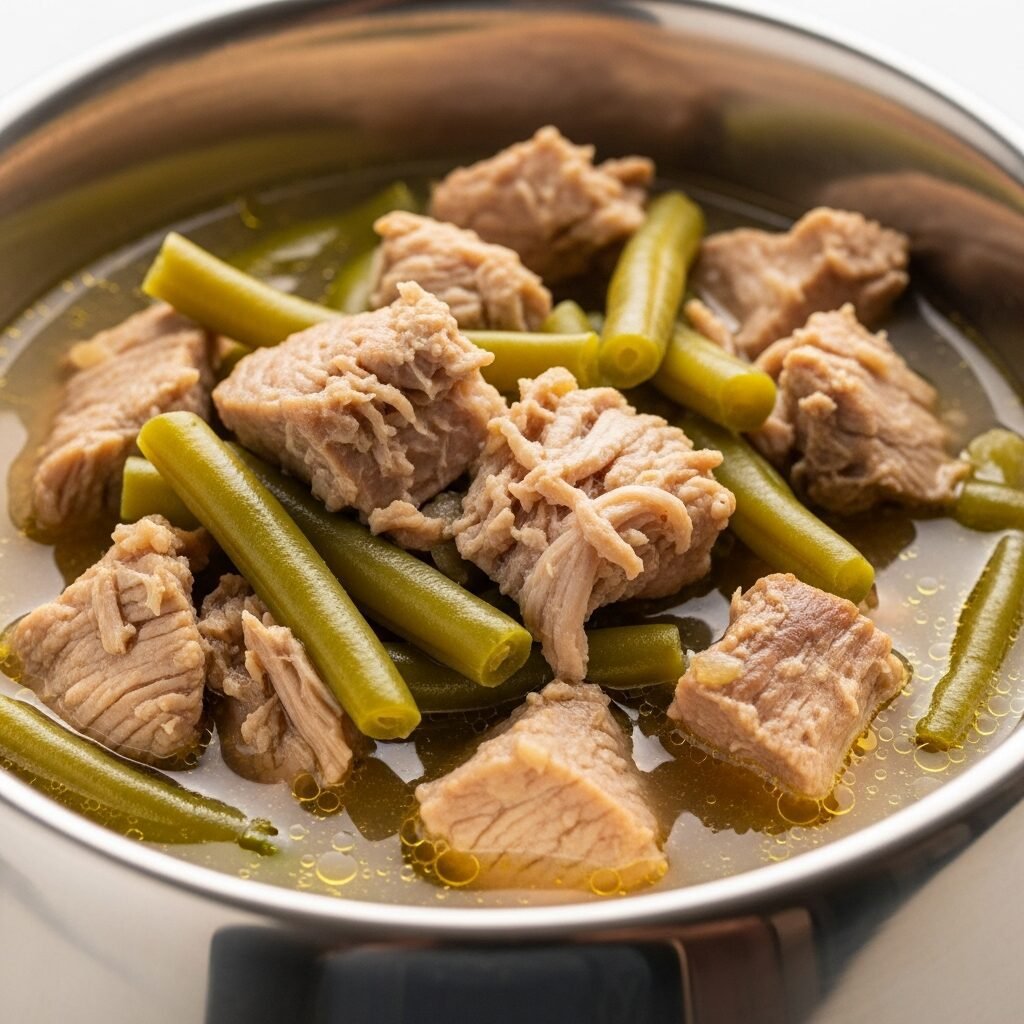
Recipe 3: Lean Turkey & Rice Medley for Sensitive Stomachs

This recipe is especially good for dogs with upset tummies or those prone to digestive issues. It uses simple, easy-to-digest ingredients.

Ingredients

* 1 pound boneless, skinless turkey breast, cooked and shredded or finely diced

* 2 cups cooked white rice

* 1 cup canned pumpkin (plain, 100% pumpkin puree, not pie filling)

* 1/2 cup cooked carrots (steamed until soft)

* Pinch of dried ginger (optional, can help with nausea)

Instructions

1. Cook the turkey breast by boiling or baking it until fully cooked. Shred or dice it into small, manageable pieces.

2. In a large bowl, combine the cooked turkey, cooked white rice, and canned pumpkin puree.

3. Add the soft, cooked carrots and the optional pinch of dried ginger.

4. Mix all ingredients thoroughly until well combined.

5. Serve once completely cooled.

Why it’s great

White rice is easier to digest than brown rice for some dogs. Plain pumpkin is excellent for digestive health, helping with both constipation and diarrhea. This bland diet is perfect for a sensitive stomach.

Recipe 4: Hearty Turkey & Oatmeal Stew

Oatmeal is a wonderful source of fiber and can be soothing for the digestive tract. This stew is warm, comforting, and packed with goodness.

Ingredients

* 1 pound ground turkey (lean)

* 1 cup rolled oats (uncooked, plain)

* 3 cups water or low-sodium vegetable broth

* 1 cup mixed dog-safe vegetables (e.g., peas, green beans, small broccoli florets)

* 1 tablespoon coconut oil (optional, for healthy fats)

Instructions

1. In a large pot, brown the ground turkey until fully cooked, draining any fat.

2. Add the water or vegetable broth to the pot with the turkey. Bring to a boil.

3. Stir in the rolled oats. Reduce heat and simmer for about 10 minutes, stirring occasionally, until the oats are cooked and the mixture thickens into a stew.

4. Add the mixed vegetables and cook for another 5-7 minutes, until the vegetables are tender-crisp.

5. Remove from heat and stir in the coconut oil if desired.

6. Allow the stew to cool completely before serving.

Why it’s great

Oats provide a good source of soluble fiber, which can help regulate blood sugar and support digestive health. Coconut oil can contribute to a healthy coat and skin. This is a satisfying, hearty meal.

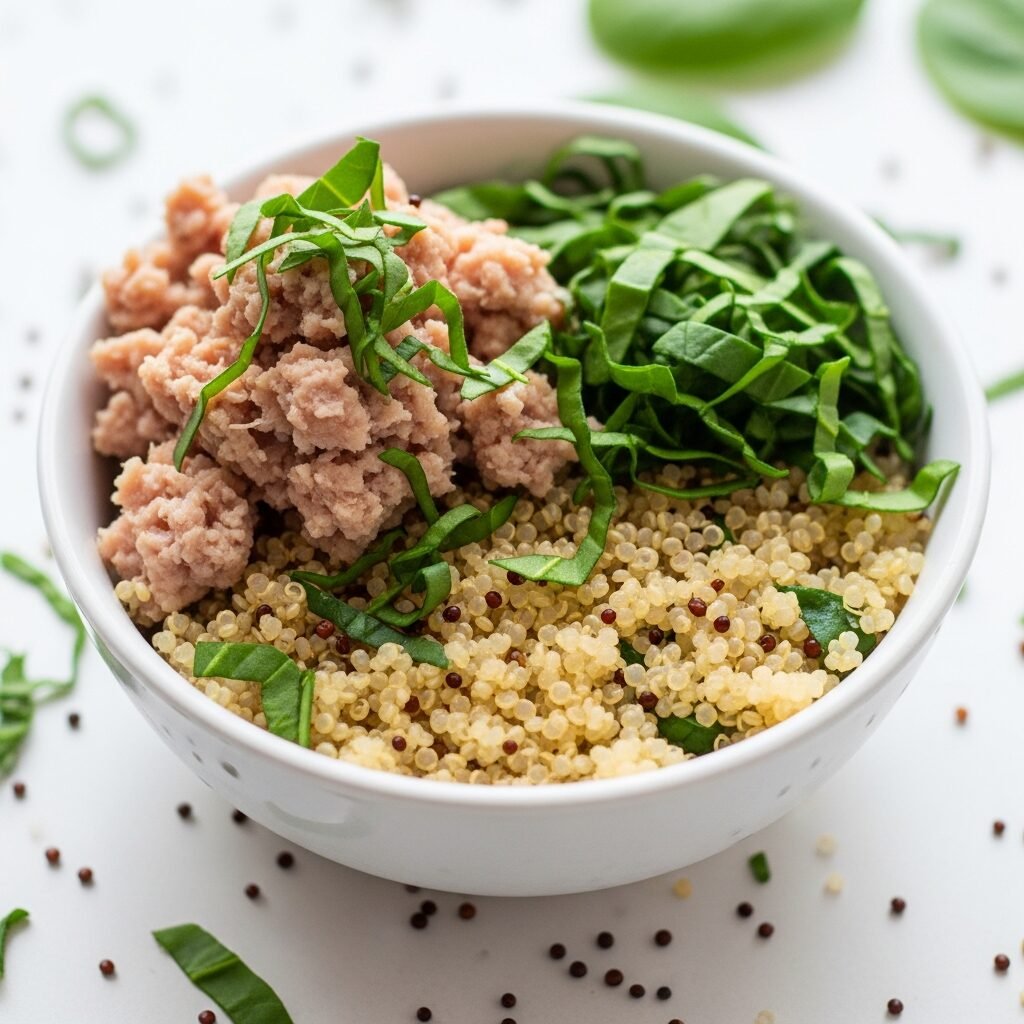
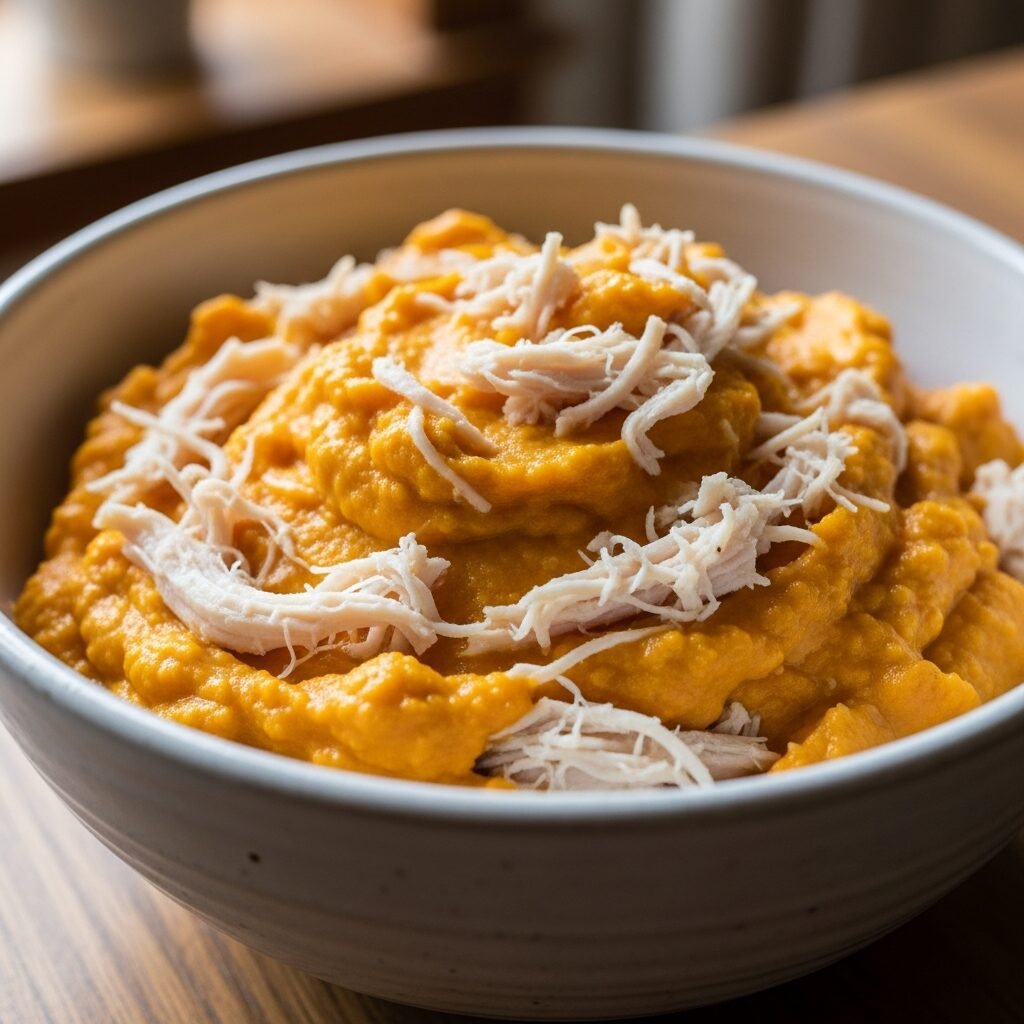
Recipe 5: Turkey & Pumpkin Delight (Seasonal or Upset Tummy)

This recipe is simple, nourishing, and uses pumpkin, which is fantastic for digestive health. It’s especially comforting during cooler months or when a dog needs a gentle meal.

Ingredients

* 1 pound ground turkey (lean)

* 1.5 cups plain canned pumpkin puree (not pie filling)

* 1/2 cup cooked quinoa or millet (optional, for added nutrition)

* 1/4 cup finely chopped parsley (fresh, for breath and vitamins)

Instructions

1. Brown the ground turkey in a skillet until thoroughly cooked. Drain any fat.

2. In a large bowl, combine the cooked turkey with the plain canned pumpkin puree.

3. If using, stir in the cooked quinoa or millet.

4. Add the finely chopped fresh parsley and mix everything together well.

5. Cool completely before serving.

Why it’s great

Pumpkin is a fantastic source of fiber and can help with both constipation and diarrhea, making this a go-to recipe for dogs with sensitive tummies. Parsley adds a fresh flavor and is known for its breath-freshening properties, plus it contains vitamins K, A, and C.

How Much Should You Feed Your Dog? (General Guidelines)

Determining the right portion size for homemade dog food can be tricky because the calorie content varies greatly by recipe. These are general guidelines, and your vet’s advice is always best.

Factors to Consider

Dog’s Weight: A bigger dog needs more food than a smaller one.

Age: Puppies need more calories for growth, while senior dogs might need fewer.

Activity Level: A highly active dog will burn more calories than a couch potato.

Metabolism: Just like humans, some dogs have faster metabolisms.

Breed: Some breeds have higher energy needs than others.

General Daily Portion Suggestions

As a very rough starting point, many homemade recipes aim for approximately 2-3% of your dog’s ideal body weight in food per day, divided into two meals. However, this is highly variable.

Small Dog (under 20 lbs): Approximately 1/2 to 1.5 cups per day.

Medium Dog (20-50 lbs): Approximately 1.5 to 3 cups per day.

Large Dog (50-90 lbs): Approximately 3 to 5 cups per day.

Giant Dog (over 90 lbs): Approximately 5 to 8+ cups per day.

These are starting points only. A 100-pound active dog will eat much more than a 100-pound sedentary dog.

Adjusting Portions

Monitor your dog’s weight and energy levels closely. If your dog seems to be gaining unwanted weight, slightly reduce portions. If they look too thin or seem overly hungry, gently increase. The best indicator is always your dog’s body condition – you should be able to feel their ribs easily but not see them prominently. Your vet can show you how to properly assess this.

Transitioning Your Dog to Homemade Food

Don’t switch your dog’s food overnight! A sudden change can lead to an upset stomach. A slow transition is key to a happy belly.

Go Slow and Steady

Start by mixing a small amount of the new homemade turkey food with their current food. For example, begin with 75% old food and 25% new food.

Over the next 7-10 days, gradually increase the proportion of homemade food while decreasing the old food. This gives your dog’s digestive system time to adjust to the new ingredients.

Watch for Changes

During the transition period, keep a close eye on your dog’s stool consistency. Loose stools or diarrhea mean you might be transitioning too quickly. If this happens, slow down the process and maintain the current ratio for a few more days.

Also, observe their appetite and energy levels. They should be enthusiastic about their new meals and maintain their usual energy. Any signs of lethargy or loss of appetite should be discussed with your vet.

Related Posts

Leave a Reply

Your email address will not be published. Required fields are marked *