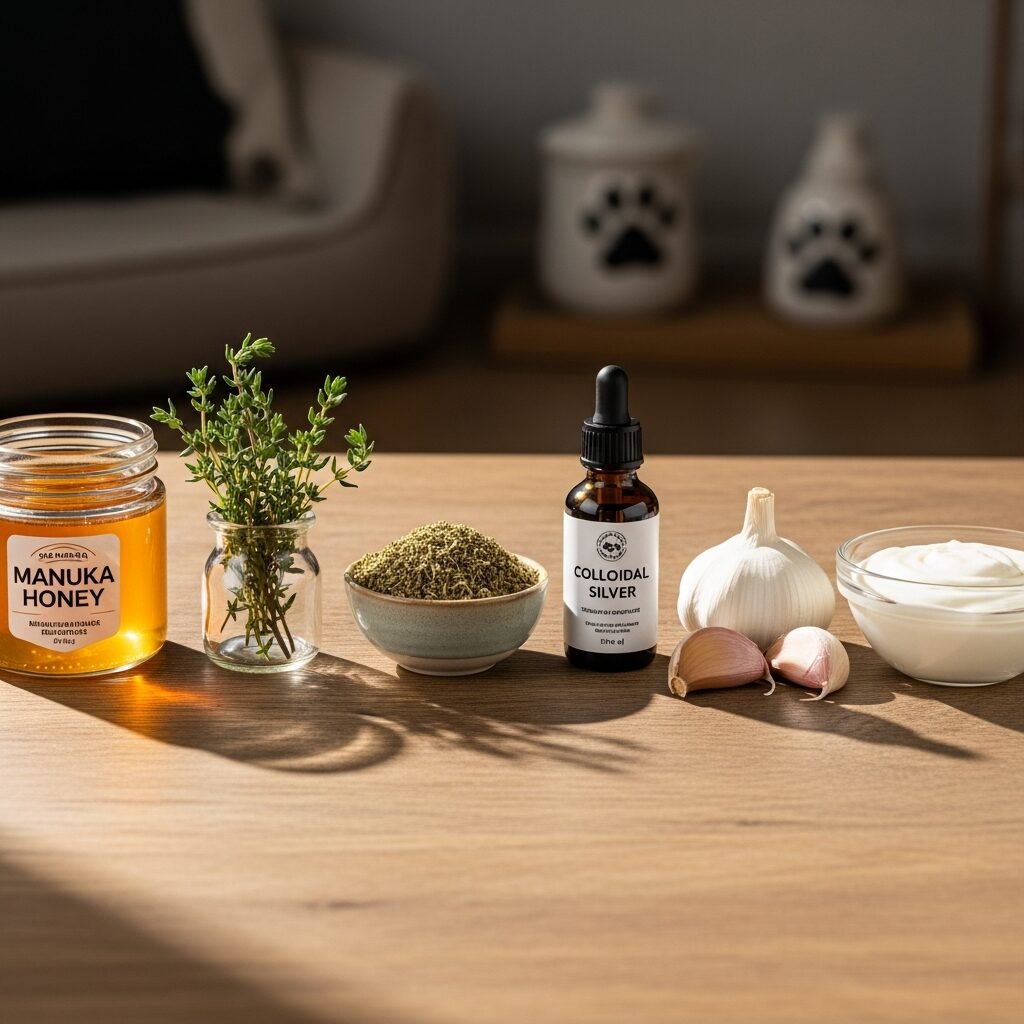
6 Natural Antibiotics for Dogs
As loving dog parents, we always want the very best for our furry family members. When our pups aren’t feeling well, especially with an infection, it’s natural to explore every option that might help them heal. Sometimes, alongside conventional treatments, or for very mild issues, we might wonder about natural remedies.
The idea of using something from nature to help fight off nasty bugs is appealing. Natural options can sometimes offer a gentler approach or support the immune system. However, it’s incredibly important to remember that “natural” doesn’t automatically mean “safe” or “effective” without proper guidance.
This article will explore six natural substances that are often discussed for their antibiotic-like properties in dogs. We’ll talk about how they might work, how they can be used, and most importantly, the precautions you must take. Always, always, start with a conversation with your veterinarian. Your vet is your best partner in keeping your dog healthy.
The Importance of Vet Consultation First
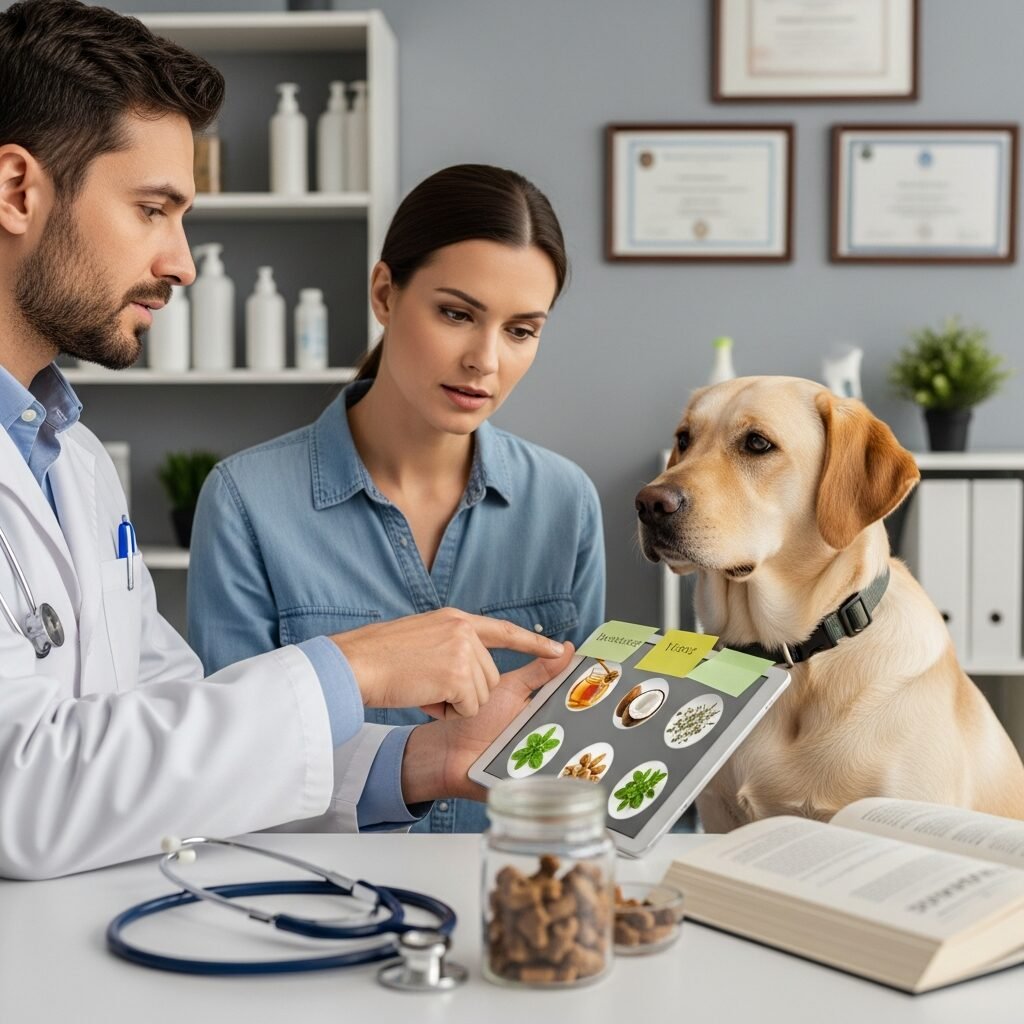
Before you consider giving your dog any natural remedy, especially something with antibiotic properties, a trip to the vet is absolutely non-negotiable. Self-diagnosing your dog’s illness can be dangerous and delay proper treatment.
Your veterinarian can accurately diagnose the problem, identify the type of infection (bacterial, fungal, viral), and determine the best course of action. They can tell you if a natural option is suitable, safe for your dog’s specific condition and health history, and how to use it correctly without causing harm.
Natural remedies should generally be seen as supportive tools, not standalone cures for serious infections.
1. Manuka Honey
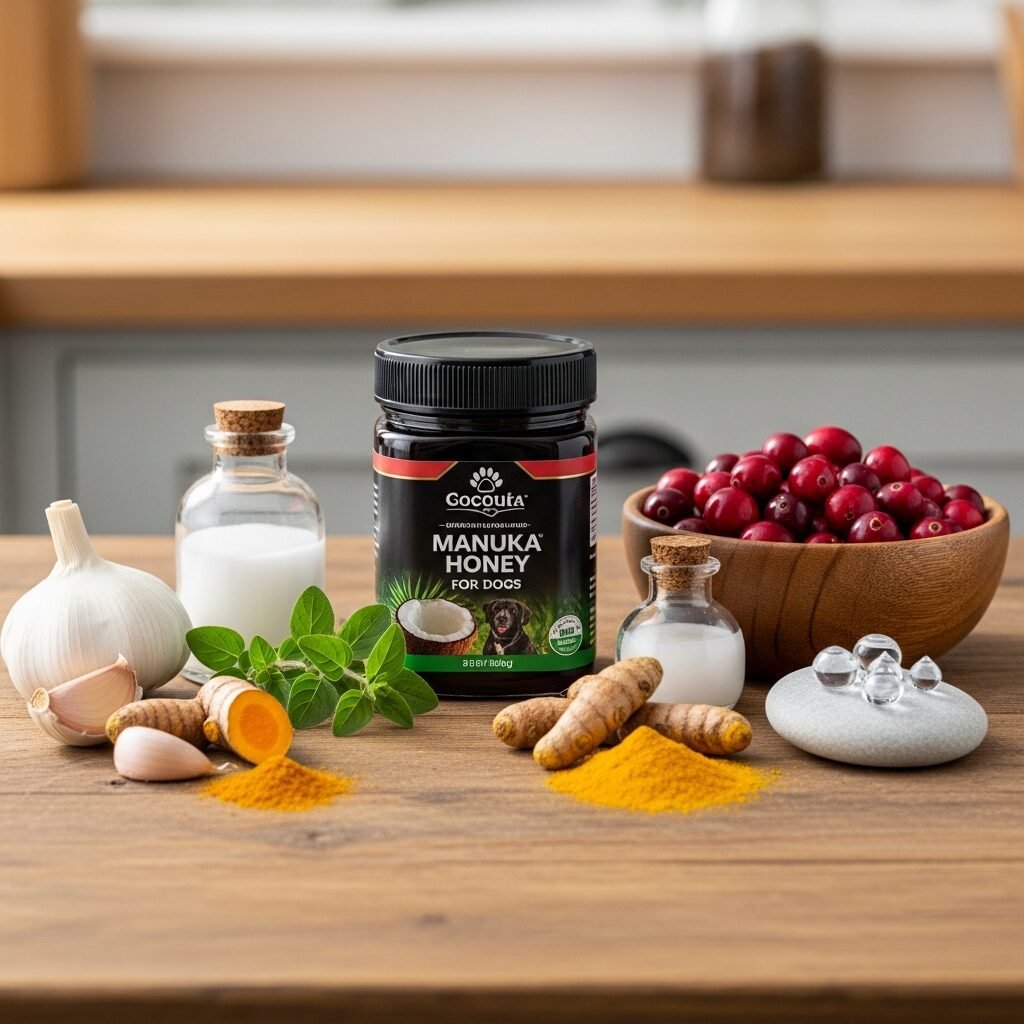
Manuka honey is more than just a sweet treat; it’s a special type of honey famous for its impressive healing abilities. It comes from bees that pollinate the Manuka tree in New Zealand.
What Makes Manuka Honey Special?
What sets Manuka honey apart is a unique compound called Methylglyoxal (MGO). MGO gives Manuka honey its powerful antibacterial properties, which are much stronger than regular honey. It also has anti-inflammatory qualities, helping to reduce swelling and pain.
How It Works
Manuka honey works by creating an environment where bacteria struggle to survive. It draws out moisture from wounds, making it difficult for bacteria to grow. The MGO compound directly attacks bacterial cells, while its anti-inflammatory properties aid in the healing process and soothe irritation.
How to Use It for Your Dog
Manuka honey is most commonly used topically for dogs. This means applying it directly to the skin for minor cuts, scrapes, hot spots, or skin irritations. It can form a protective barrier and help with wound healing.
For internal use, such as for a mild sore throat, a very small amount can sometimes be given orally, but this should always be under vet guidance due to its sugar content.
Important Considerations
Always choose medical-grade, UMF-certified Manuka honey for your dog. Regular supermarket honey won’t have the same antibacterial strength. Use it in small amounts.
Because honey is high in sugar, it’s not suitable for diabetic dogs unless specifically approved by your vet. If using it topically, ensure your dog doesn’t lick it all off immediately, or cover the area.
2. Coconut Oil
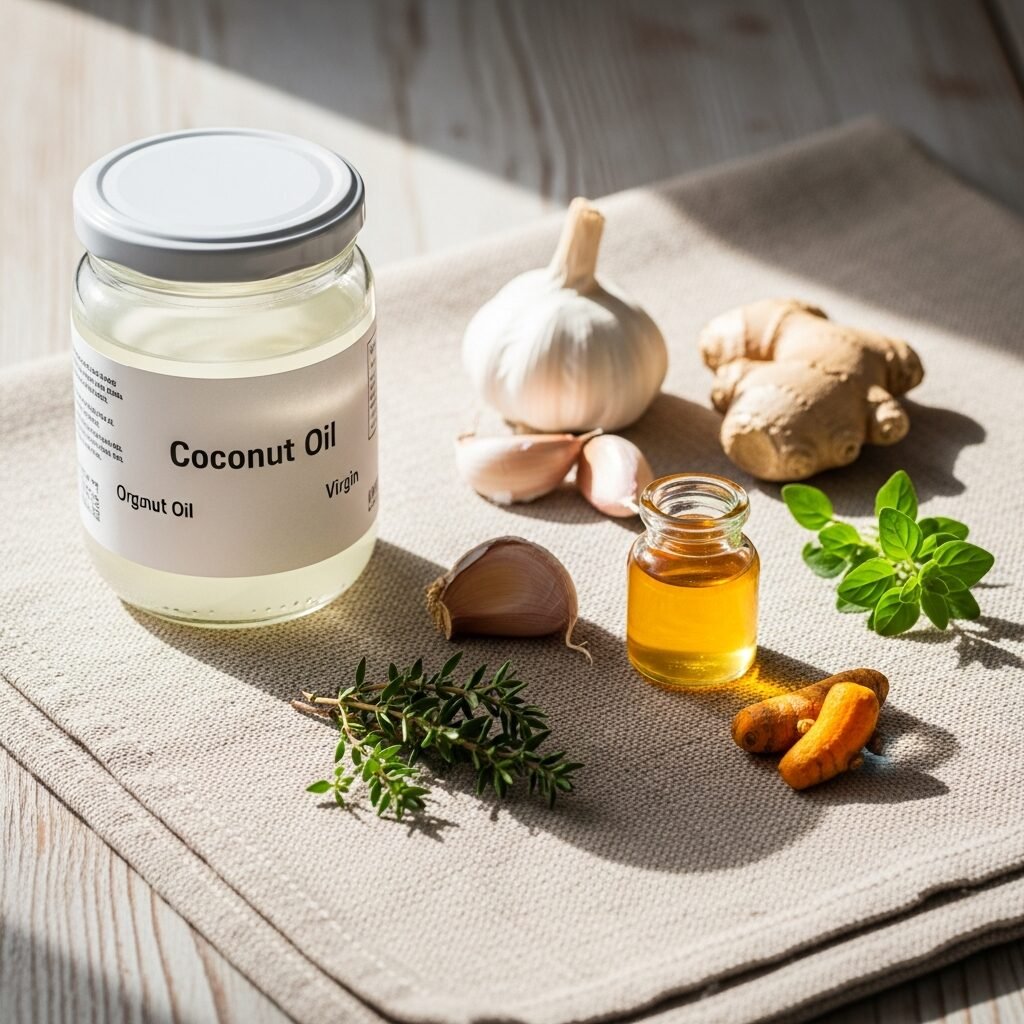
Coconut oil has become a popular natural remedy for humans and pets alike, and for good reason. It’s a versatile ingredient that boasts several beneficial properties.
The Power of Lauric Acid
The key ingredient in coconut oil that gives it its “antibiotic” reputation is lauric acid. This medium-chain fatty acid is known for its antibacterial, antiviral, and antifungal properties. When ingested, lauric acid converts into monolaurin, which can directly attack harmful microorganisms.
How It Benefits Dogs
Internally, a small amount of coconut oil can support gut health, contribute to a healthy coat, and help with mild digestive issues. Its antimicrobial properties may also assist in fighting off minor internal infections and boosting the immune system.
Externally, coconut oil can be applied to soothe dry skin, hot spots, minor cuts, or insect bites. It creates a protective barrier and helps moisturize the skin while fighting off surface bacteria.
How to Incorporate It
You can add a small amount of virgin, unrefined coconut oil to your dog’s food. Start with a very tiny amount, like a quarter teaspoon for small dogs or a half teaspoon for larger dogs daily, and gradually increase if well-tolerated.
For topical use, simply rub a small amount onto the affected skin area. It’s safe if your dog licks it.
Dosage and Precautions
Start with very small doses when introducing coconut oil orally to avoid digestive upset, such as diarrhea. Too much too soon can upset their stomach.
Because coconut oil is high in calories, monitor your dog’s weight, especially if they are prone to gaining weight. Always use high-quality, organic virgin coconut oil.
3. Oregano Oil
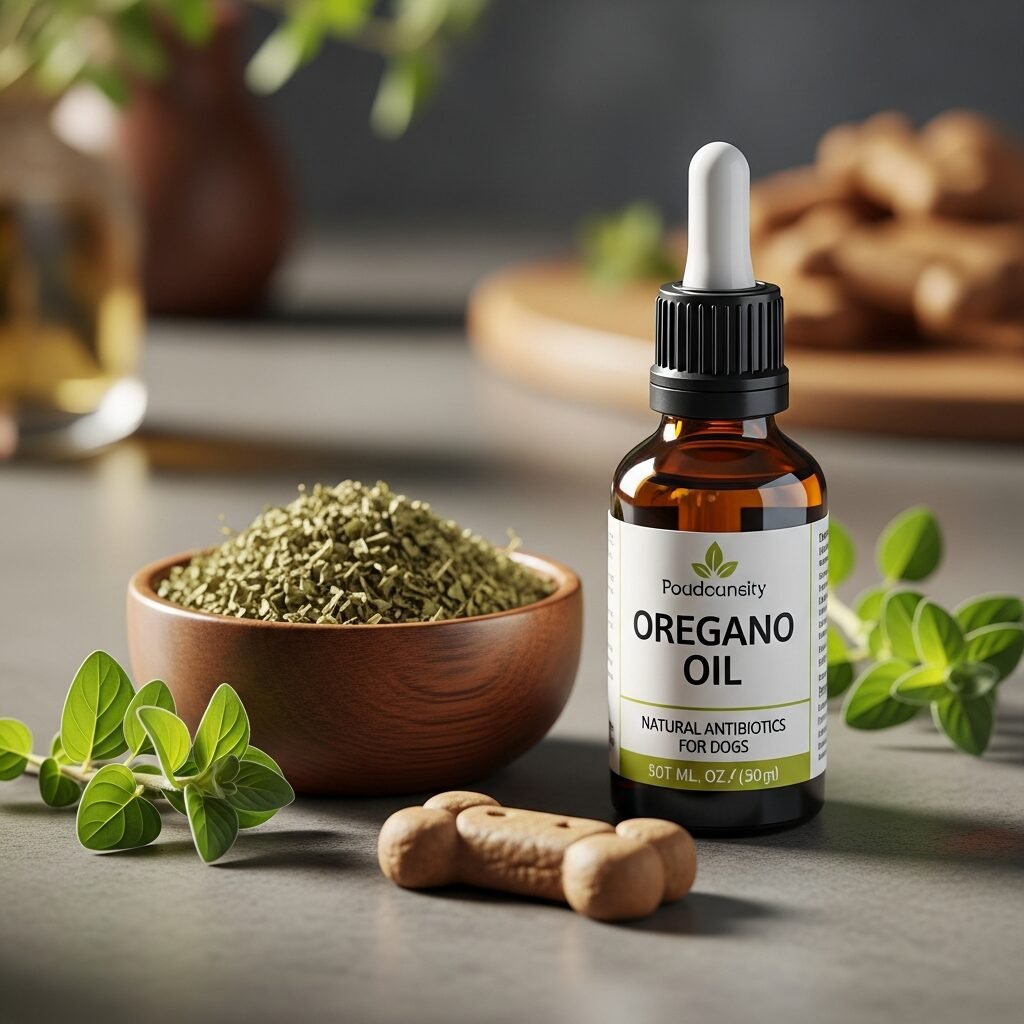
Oregano oil is derived from the oregano plant and is incredibly potent. It contains compounds like carvacrol and thymol, which are responsible for its strong medicinal properties.
Nature’s Potent Healer
Carvacrol and thymol are powerful phenols that give oregano oil its robust antibacterial, antifungal, and even antiparasitic qualities. These compounds work by disrupting the cell membranes of harmful microorganisms, effectively destroying them.
Cautions and Concentrations
Oregano oil is extremely concentrated and must *never* be used undiluted on your dog, either internally or externally. It can cause severe irritation or even toxicity if not properly diluted.
The concentration of active compounds can vary greatly between products, so always choose a reputable brand specifically formulated for pet use or consult your vet on proper human-grade dilution.
Safe Usage for Dogs
If used, oregano oil must be highly diluted in a carrier oil, such as olive oil or coconut oil. A common recommendation for topical use might be one drop of oregano oil per teaspoon of carrier oil, but this still requires vet approval.
For internal use, it’s even more critical to consult your vet. They might suggest a very tiny, diluted amount mixed into food or water, often for specific issues like certain urinary tract infections. This is not a remedy to experiment with on your own.
Potential Uses
With strict vet guidance, diluted oregano oil might be considered for conditions like minor skin infections or certain internal bacterial or fungal overgrowths. However, due to its potency, it’s often a last resort or used as part of a very specific treatment plan.
4. Apple Cider Vinegar (ACV)

Apple cider vinegar, particularly the raw, unfiltered kind with “the mother,” is a popular home remedy for various ailments due to its acidic nature and beneficial compounds.
Acidity for Antiseptic Action
The acetic acid in apple cider vinegar creates an acidic environment that is inhospitable to many types of bacteria, yeast, and fungi. While it starts acidic, it can have an alkalizing effect on the body over time, which supports overall health.
Common Applications
ACV is often used topically for dogs. It can be a diluted rinse for itchy skin, hot spots, or minor skin irritations. A very diluted solution can also be used as an ear cleaner for preventing yeast and bacterial growth in the ears, but only if the eardrum is intact and there are no open sores.
Some dog owners use very tiny amounts orally, mixed in water, for general digestive support or to help balance pH, though its direct “antibiotic” effect when ingested is less clear and more about creating an unfavorable internal environment for pathogens.
How to Administer
For topical use, always dilute raw, unfiltered apple cider vinegar with water, usually a 50/50 ratio, or even more diluted for sensitive skin. Apply with a clean cloth or spray bottle. Never use it on open wounds, raw skin, or heavily inflamed areas as it will sting.
For oral use, if your vet approves, add only a quarter to half a teaspoon to your dog’s water bowl, making sure it doesn’t deter them from drinking.
What to Watch For
Always observe your dog for any signs of skin irritation, redness, or discomfort after topical application. If given orally, watch for any stomach upset or changes in appetite.
Only use raw, unfiltered ACV that contains “the mother” (the cloudy sediment), as this contains the beneficial enzymes and probiotics.
5. Garlic (in very specific, controlled amounts)
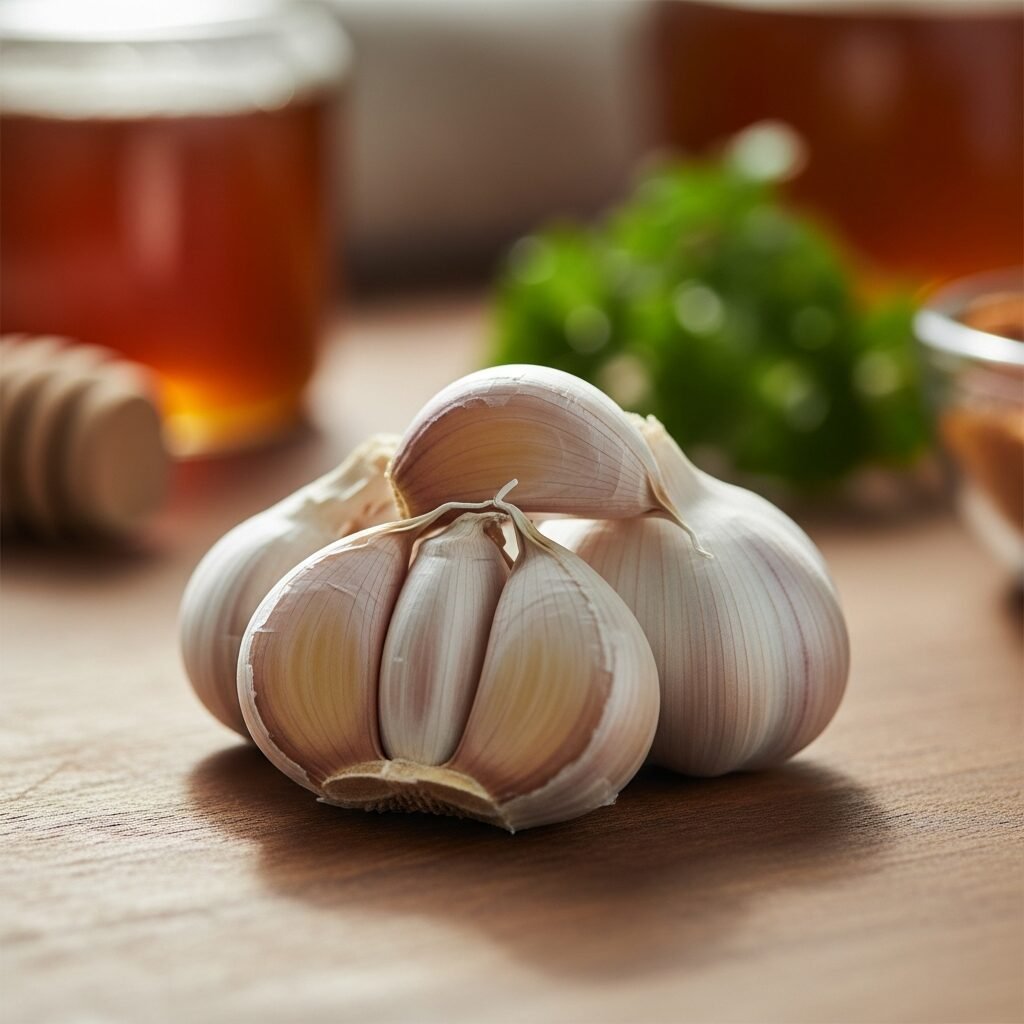
Garlic is perhaps the most controversial item on this list. It’s well-known for its medicinal properties in humans, but for dogs, it requires extreme caution due to its toxicity in large amounts.
The Controversial Herb
Garlic belongs to the Allium family, which includes onions, chives, and leeks—all of which are toxic to dogs, causing damage to red blood cells. The compound responsible is thiosulphate. However, garlic also contains allicin, which is responsible for its antibacterial, antifungal, and antiparasitic properties.
The key to garlic’s use in dogs is *dosage* and *frequency*. In very, very small, infrequent amounts, some holistic vets suggest it can provide immune support. It is *never* to be considered a primary antibiotic for treating an active infection.
The Safe Approach
You must *only* consider giving garlic to your dog under strict veterinary guidance, and many vets advise against it entirely due to the risks. If used, it would be in extremely tiny amounts—far less than what would be given to a human.
A general rule of thumb, *if approved by a vet*, might be no more than one-third of a clove of fresh, minced garlic per 20 pounds of body weight, given infrequently, perhaps a few times a week, *not* daily. It should never be given to puppies, anemic dogs, or certain breeds known to be more sensitive, like Akitas or Shibas.
Why Some Use It (and why caution is paramount)
Some holistic practitioners advocate for garlic’s immune-boosting properties and its potential as a mild deterrent for fleas and ticks. However, the margin of error is very small, and the risks of toxicity far outweigh the potential benefits for many dog owners.
It is generally safer and more recommended to choose other natural remedies or conventional treatments, and to *never* use garlic if you are unsure or without explicit vet approval for your specific dog.
6. Colloidal Silver
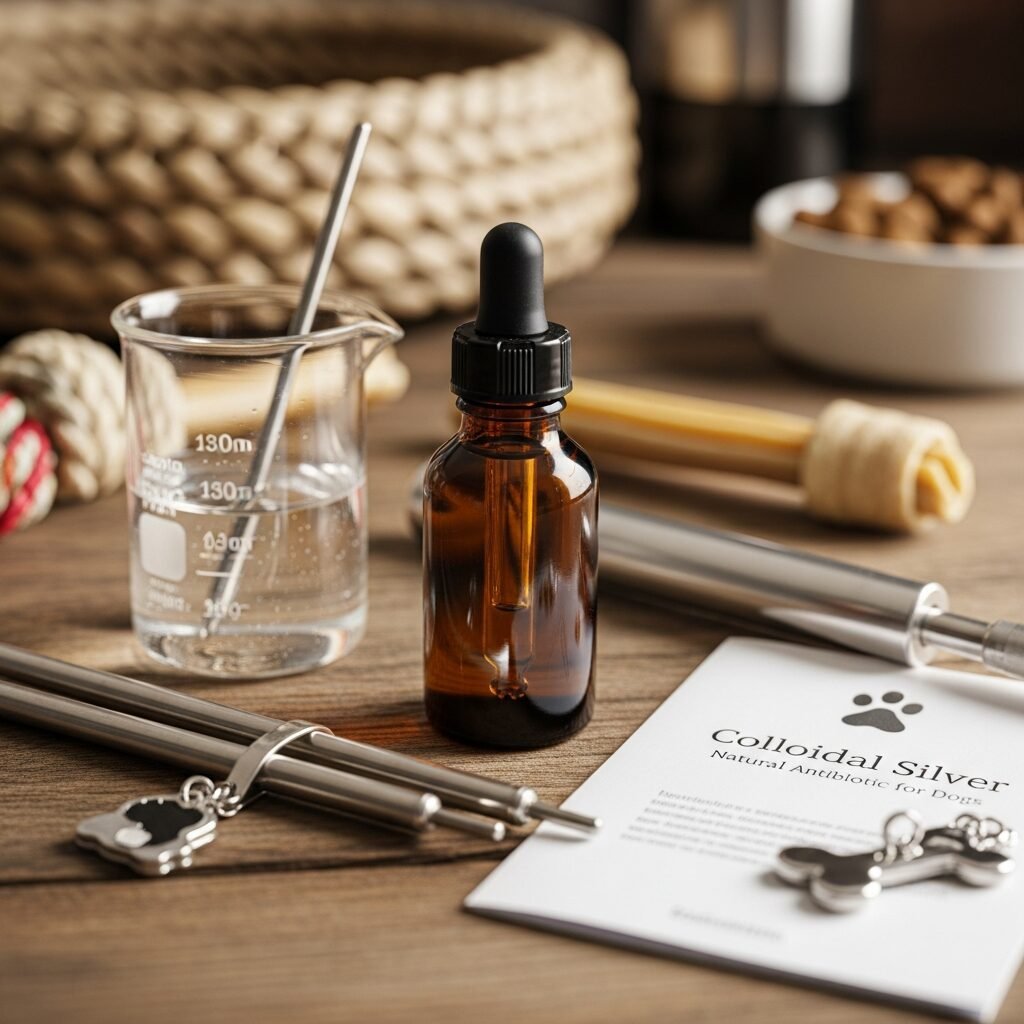
Colloidal silver consists of microscopic silver particles suspended in a liquid. It has been used for centuries for its antimicrobial properties, even before the advent of modern antibiotics.
Tiny Particles, Big Claims
The tiny silver particles in colloidal silver are believed to have a strong antimicrobial effect. They can interact with bacteria, viruses, and fungi, disrupting their cellular functions and preventing them from multiplying.
How it’s Thought to Work
It’s believed that silver particles work by attaching to the cell walls of pathogens, damaging them and interfering with their metabolism and DNA replication. This makes it difficult for the microorganisms to survive and reproduce.
Applications for Dogs
Colloidal silver can be used topically for dogs on skin infections, hot spots, or as an ear or eye wash for mild infections. It’s important to use high-quality, pure colloidal silver designed for pets.
For oral or internal use, such as for internal infections, it comes with much higher risks and *requires extreme caution and direct veterinary oversight*. It is not a first-line treatment.
Dosage and Risks
When using colloidal silver, ensure it’s a high-quality product from a reputable source, typically at a concentration of 10-20 ppm (parts per million). Follow the manufacturer’s instructions or, preferably, your vet’s advice.
Long-term internal use or high doses can lead to a condition called argyria, where the skin turns a bluish-gray color, and it can interfere with nutrient absorption or medications. For these reasons, internal use should only ever be considered under strict vet guidance and for short durations.
A Note on Probiotics and Gut Health
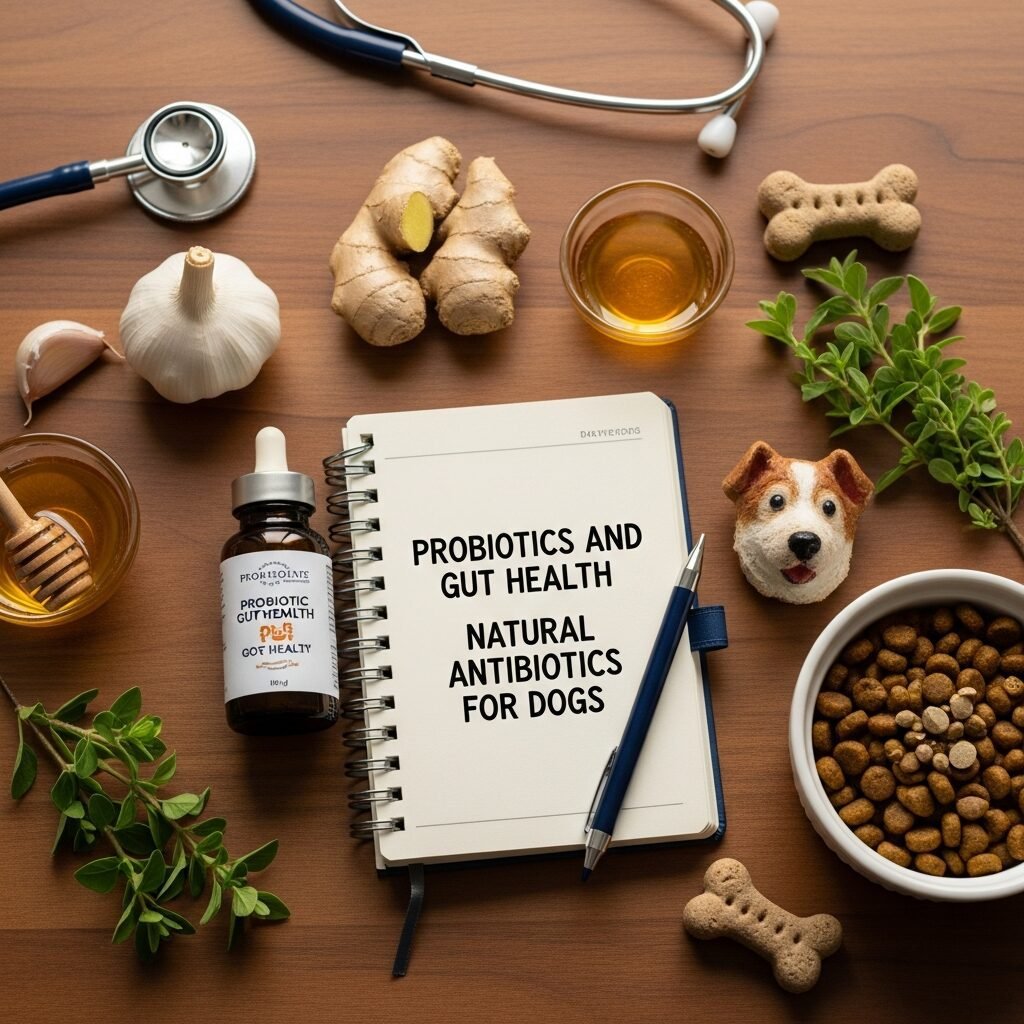
While not antibiotics themselves, probiotics play a crucial role in supporting your dog’s natural defenses. A healthy gut microbiome, rich in beneficial bacteria, is essential for a strong immune system.
Probiotics can help create a balanced gut environment, which naturally makes it harder for harmful bacteria to thrive. When the gut is healthy, your dog’s body is better equipped to fight off infections on its own and recover more quickly.
Consider adding a high-quality probiotic supplement to your dog’s diet, especially if they are prone to digestive issues or after a course of conventional antibiotics.
When to Seek Veterinary Care Immediately
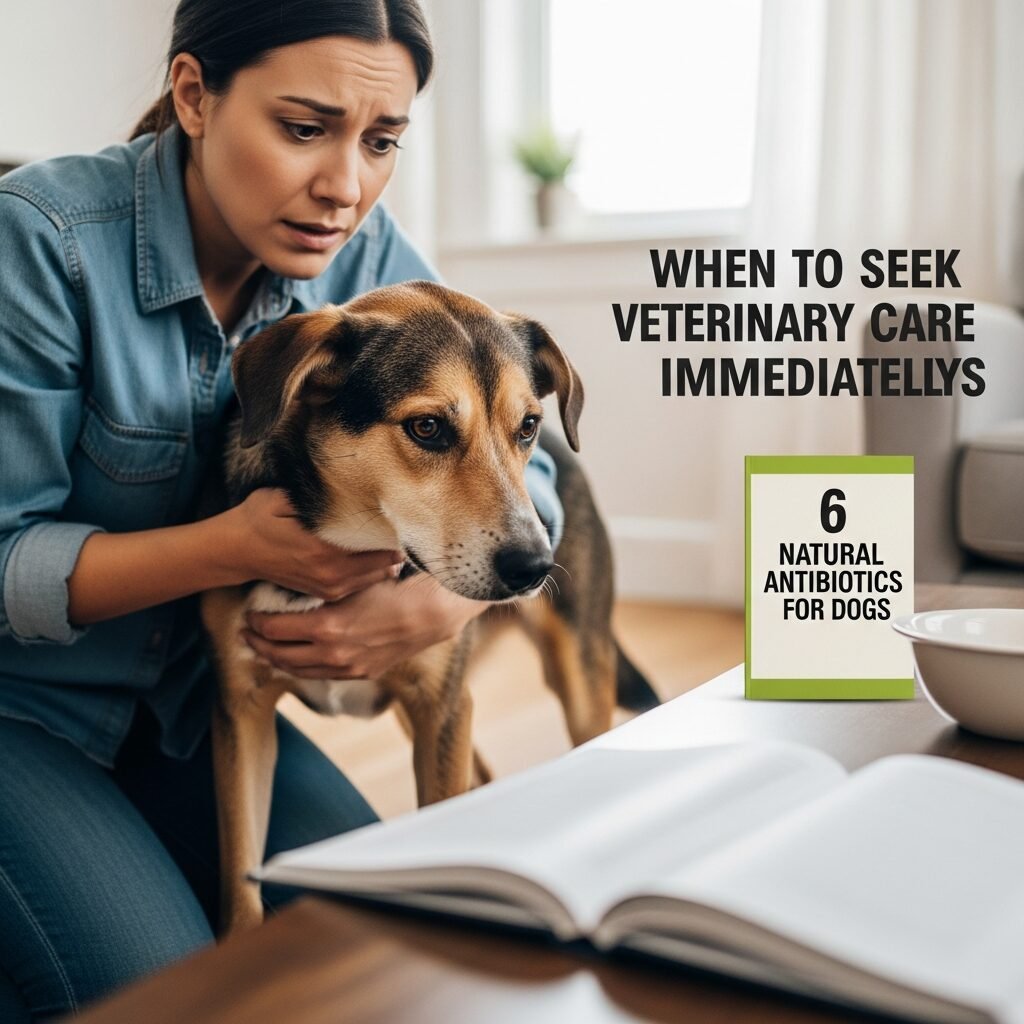
Even when exploring natural options, there are clear signs that your dog needs urgent professional veterinary care. Do not delay seeking help if you observe any of the following:
* High fever (over 103°F or 39.4°C)
* Severe lethargy or extreme weakness
* Loss of appetite and refusing to drink water
* Persistent vomiting or diarrhea, especially if bloody
* Difficulty breathing or persistent coughing
* Swelling, redness, or discharge from a wound that is worsening
* Lameness or inability to put weight on a limb
* Signs of severe pain or distress
* Any sudden or unexplained change in behavior
Natural remedies are not a substitute for proper veterinary diagnosis and conventional treatment when your dog has a serious infection or illness.


