
6 Dog Obedience Training Tips
Establishing a solid foundation of obedience is one of the most rewarding aspects of dog ownership. Beyond just teaching tricks, obedience training ensures the safety of your pet, strengthens your bond, and fosters a harmonious household environment. Effective training requires a blend of psychology, consistency, and patience. Whether you are working with a young puppy or an older rescue dog, the following professional tips will help you navigate the training process with clarity and success, leading to a well-behaved and confident companion.
1. Master Basic Commands First

Before attempting complex maneuvers, every dog must master the fundamental building blocks of obedience: sit, stay, come, and down. These commands serve as the essential vocabulary for your communication. Start in a quiet environment and focus on one command at a time until the dog responds reliably. Mastery of these basics provides a safety net in public spaces and builds the dog’s confidence in understanding your expectations.
2. Utilize Positive Reinforcement
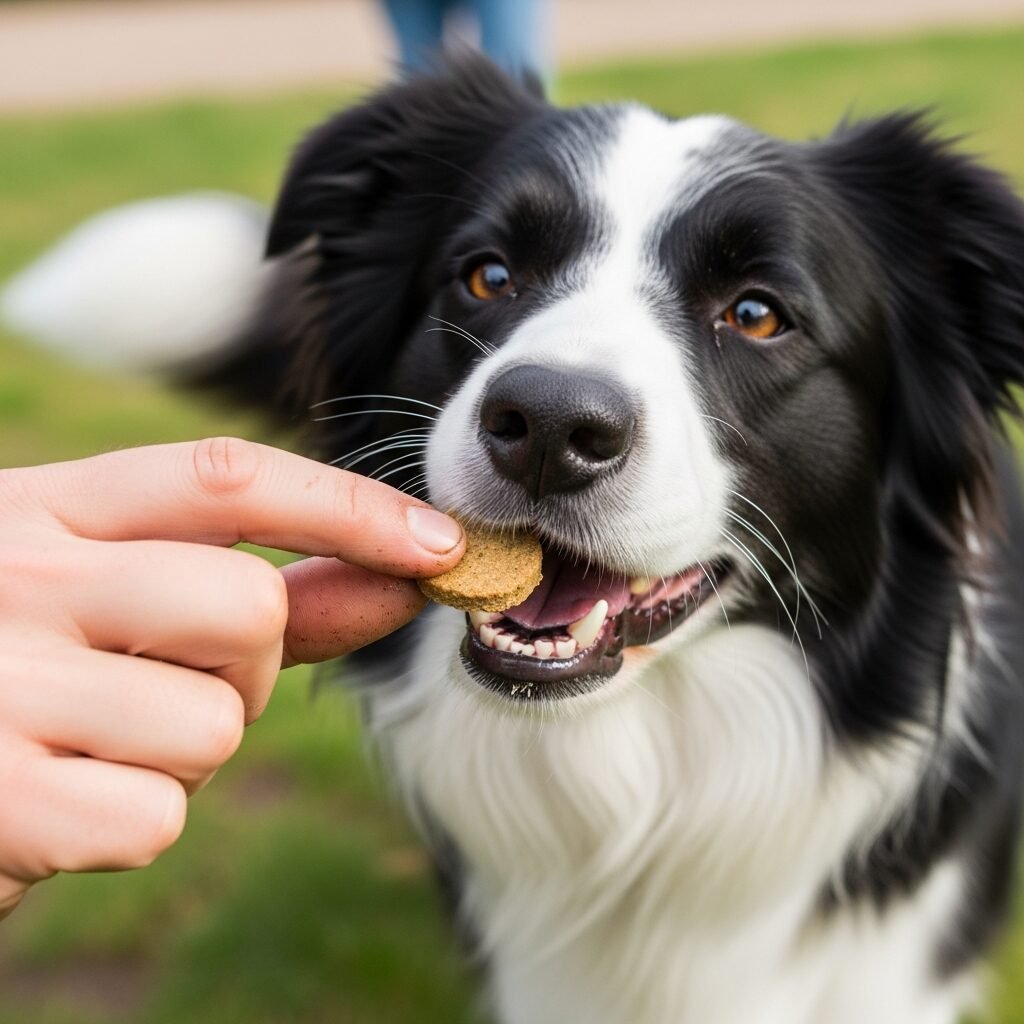
Scientific research in animal behavior consistently shows that positive reinforcement is the most effective training method. This involves rewarding desired behaviors with high-value treats, verbal praise, or favorite toys. By associating a specific action with a positive outcome, your dog becomes motivated to repeat that action. Avoid using physical punishment or shouting, as these methods can induce fear and hinder the learning process.
3. Keep Training Sessions Short and Frequent
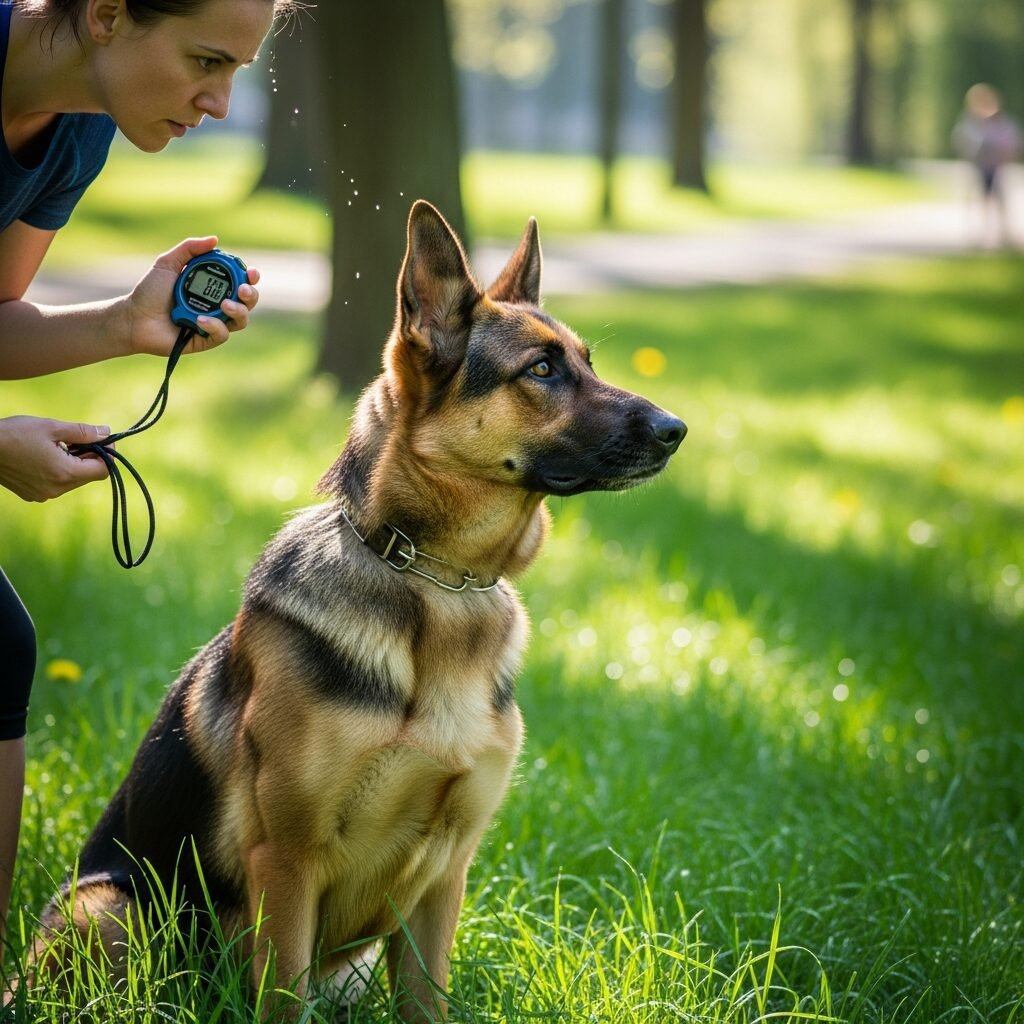
Dogs, especially puppies, have relatively short attention spans. To maximize learning efficiency, limit your training sessions to five or ten minutes, two to three times a day. Ending a session while the dog is still engaged and successful ensures they remain enthusiastic about the next session. Quality is far more important than quantity; short bursts of focused activity prevent mental fatigue and frustration for both the owner and the pet.
4. Maintain Absolute Consistency
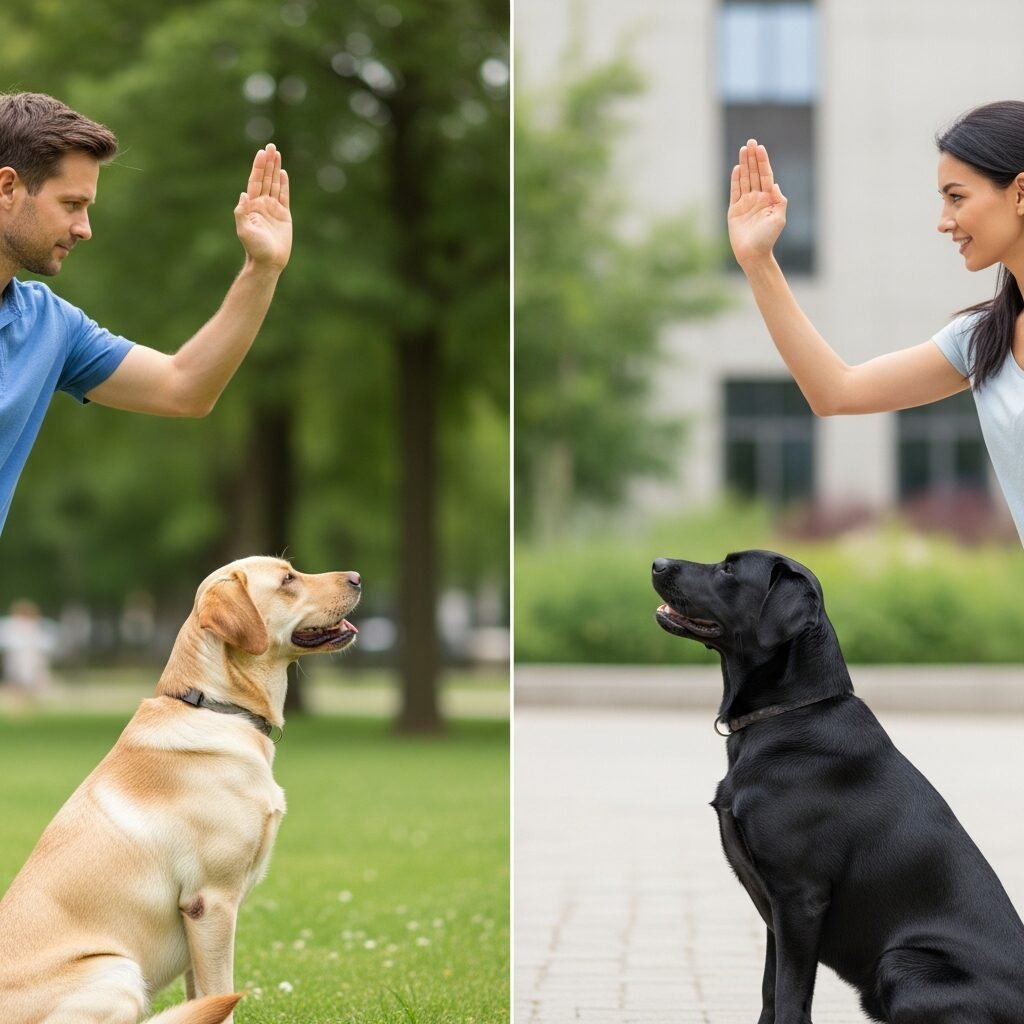
Consistency is the cornerstone of effective dog training. All members of the household should use the exact same verbal cues and hand signals for every command. If one person says ‘down’ and another says ‘lay down,’ the dog will become confused. Furthermore, rules must be enforced consistently; if the dog is not allowed on the sofa, they should never be allowed on the sofa, even during special occasions. Clarity in rules leads to faster results.
5. Minimize Distractions Initially
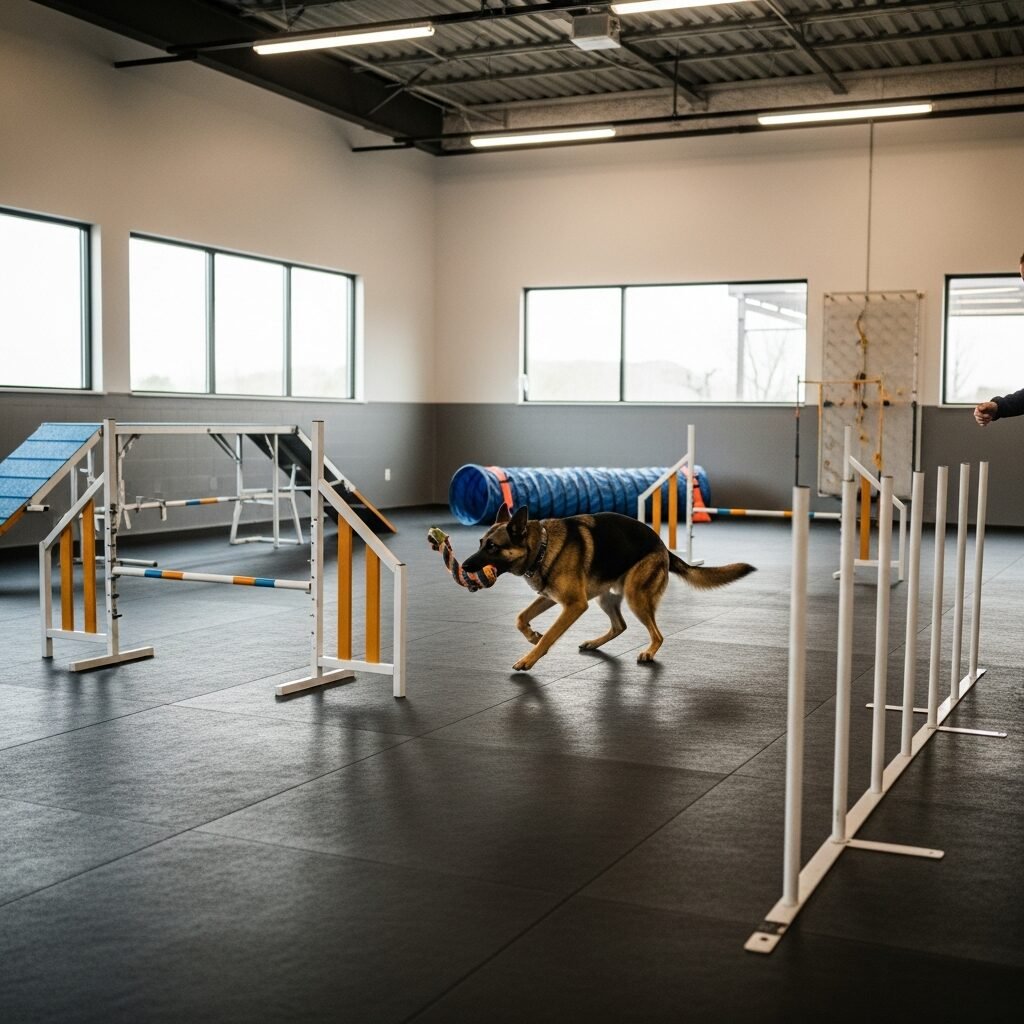
When introducing a new concept, it is vital to start in a controlled environment with minimal distractions. Once your dog has mastered a command in a quiet room, gradually introduce higher-stimulation environments, such as the backyard or a local park. This process, known as proofing, ensures that the dog will obey even when there are squirrels, other dogs, or loud noises nearby. Gradually increasing the level of difficulty is essential for real-world reliability.
6. Practice Patience and Persistence
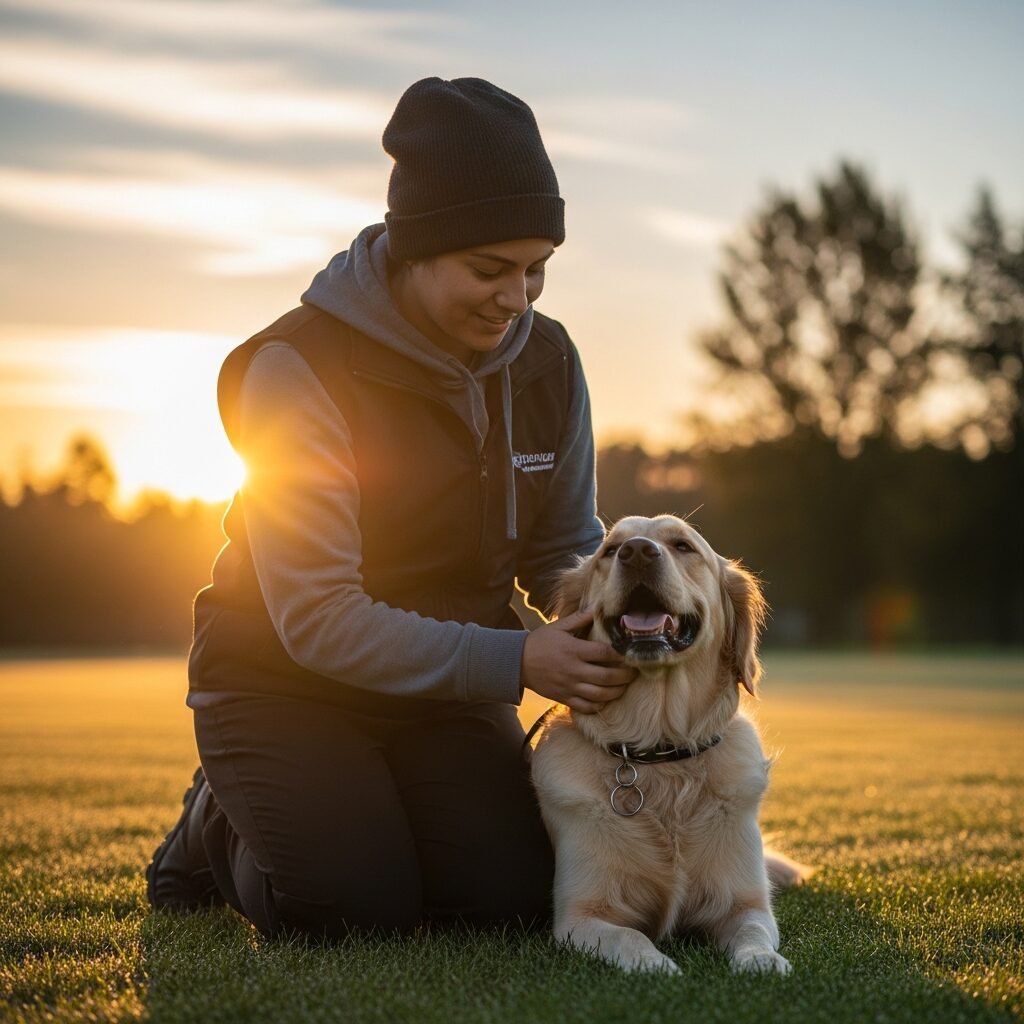
Training is a marathon, not a sprint. Every dog learns at a different pace, and there will inevitably be days when it feels like your pet has forgotten everything they learned. It is crucial to remain calm and patient. If you feel yourself becoming frustrated, it is better to end the session on a positive note and try again later. Persistence and a positive attitude are what eventually turn a distracted pet into a disciplined companion.
Conclusion
Successful dog obedience training is rooted in clear communication, mutual respect, and a commitment to regular practice. By following these six essential tips—mastering the basics, using positive rewards, keeping sessions brief, staying consistent, managing distractions, and remaining patient—you will set your dog up for a lifetime of good behavior. Remember that the goal of training is not just control, but to enhance the quality of life for both you and your canine companion through a deeper level of understanding.


