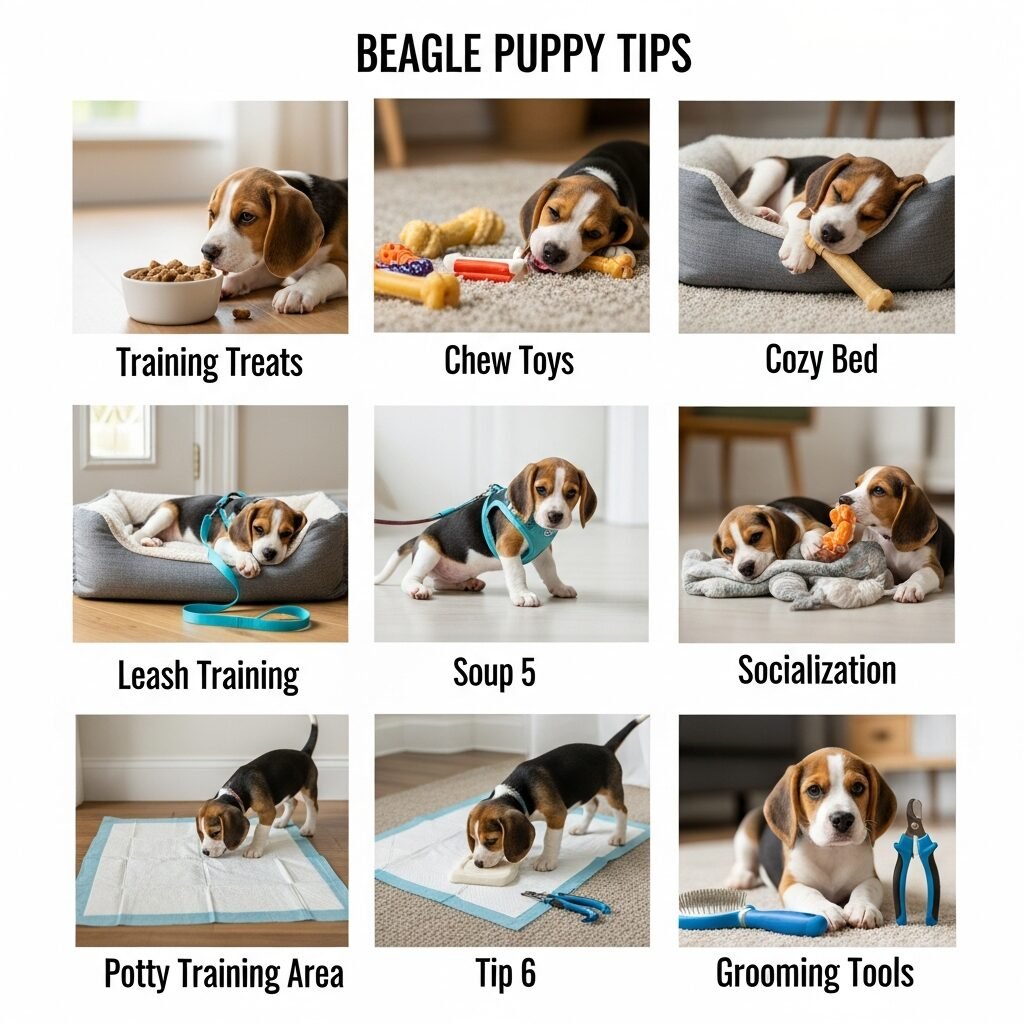
Bringing a Beagle puppy into your home is an incredibly exciting adventure. These charming little hounds, with their floppy ears and soulful eyes, are full of personality. They can fill your life with joy, laughter, and a whole lot of love. However, like all puppies, Beagles come with their own unique traits and needs that are important for new parents to understand.
Caring for a Beagle puppy means preparing for their specific behaviors and instincts. They are smart, curious, and energetic, and they thrive on routine and positive guidance. To help you navigate these early days and build a strong bond with your new furry friend, we’ve put together seven essential tips for raising a happy and well-adjusted Beagle puppy.
1. Embrace Their Scent-Driven Nature
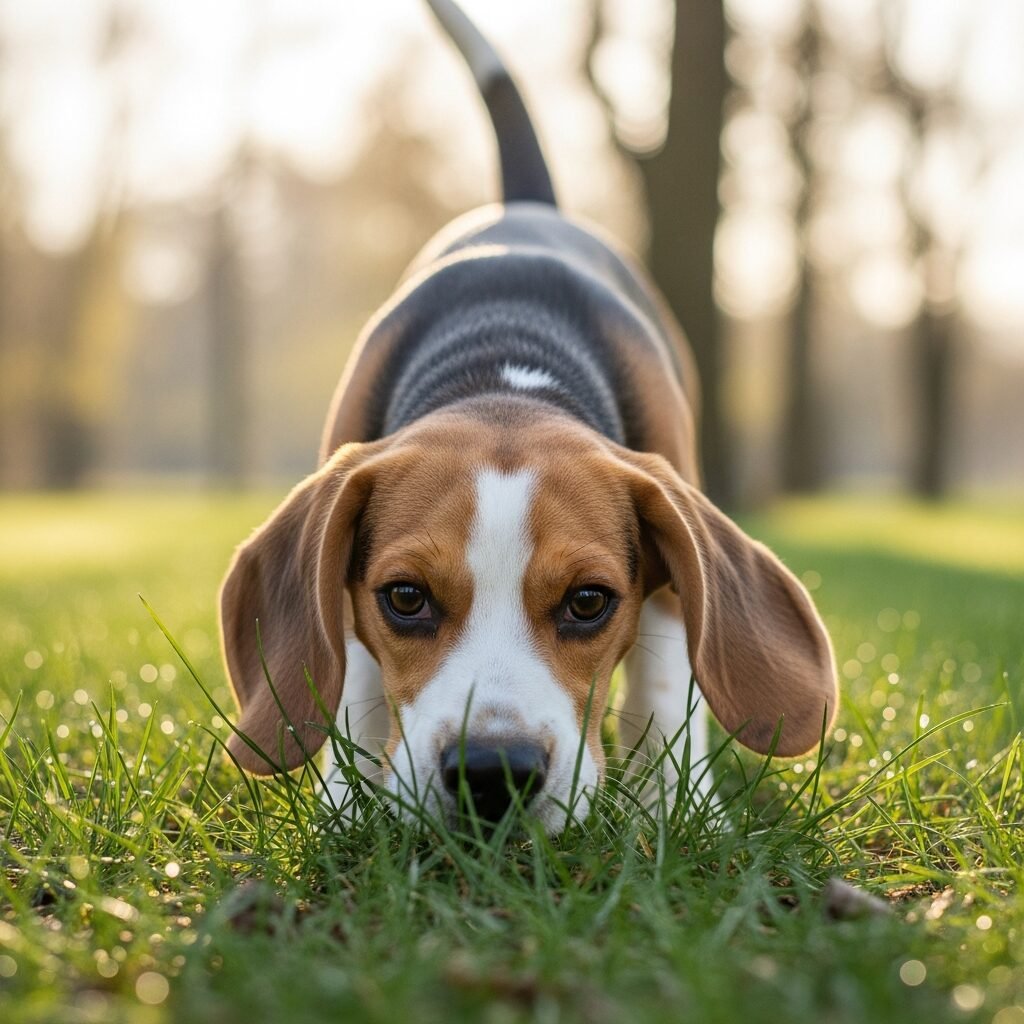
Beagles were bred to be scent hounds, and their noses are their most powerful tool. This incredible sense of smell shapes much of their behavior and how they interact with the world. Understanding this unique trait is the first step to a harmonious life together.
Understanding the Beagle Nose
Your Beagle puppy’s nose is constantly at work, processing a symphony of scents. They can pick up on smells that we can’t even imagine, and once they’re on a trail, their focus can be absolute.
Why They Follow Their Noses
For a Beagle, following a scent is like reading a captivating book. It’s an instinct that tells them stories about what’s been in the area. This strong drive makes them natural explorers and very curious about their surroundings.
How This Affects Training
Their love for sniffing can make them easily distracted during training, especially outdoors. What might seem like stubbornness is often just their nose leading them on an adventure. Patience and high-value treats are your best friends here.
Working With Their Instincts
Instead of fighting their natural inclination, learn to work with it. You can channel their sniffing abilities in fun and productive ways.
Scent games, like hiding treats around the house for them to find, are wonderful for mental stimulation. Always ensure outdoor walks are on a secure leash in safe areas, as a strong scent can quickly override any recall training.
2. Master Potty Training Early
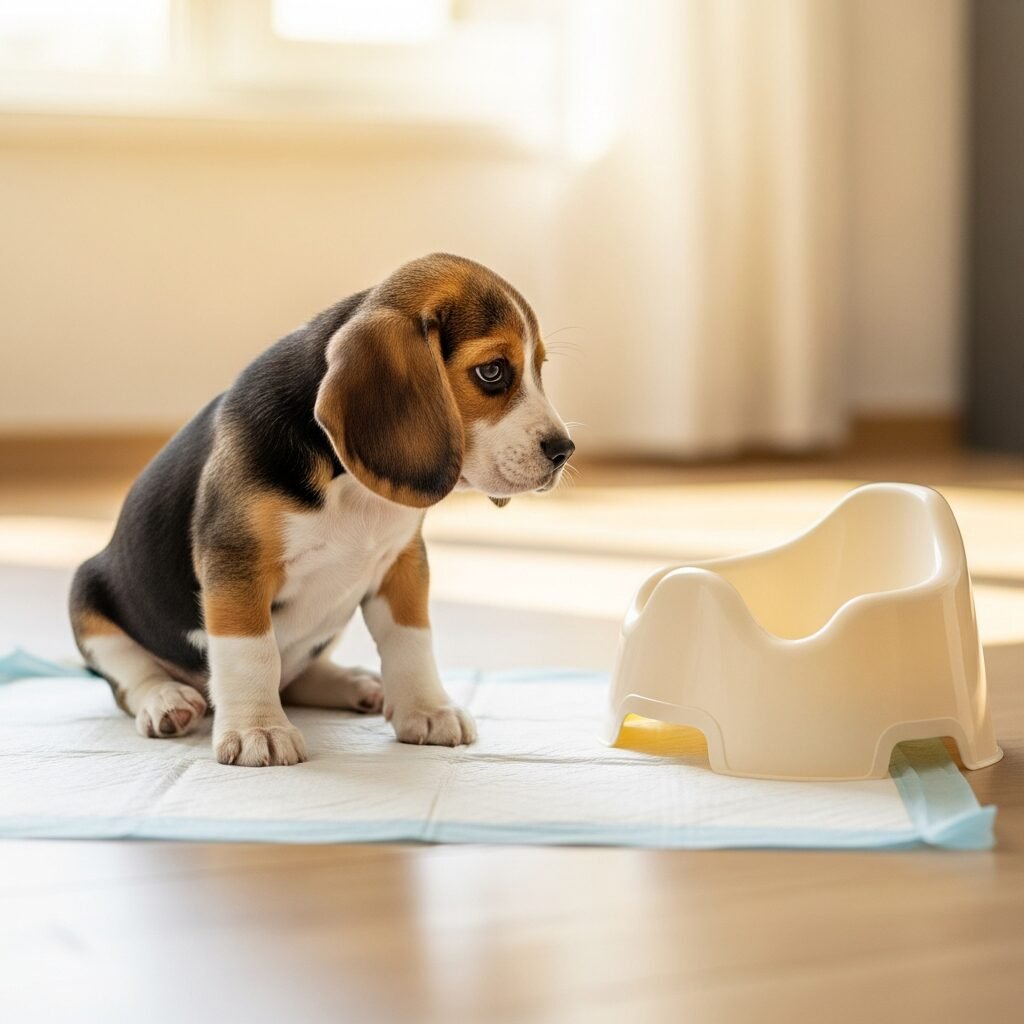
Potty training is one of the most crucial steps in raising any puppy, and Beagles are no exception. While they are smart, they can sometimes be a little stubborn or easily distracted, so consistency is key.
The Importance of Consistency
A consistent routine helps your Beagle puppy understand what is expected of them and when. Establishing clear habits from day one will make the process smoother for everyone.
Setting a Schedule
Puppies need to go out frequently. A good rule of thumb is to take them out first thing in the morning, after waking from naps, after playtime, after eating and drinking, and right before bedtime. Make sure these trips are regular and predictable.
Choosing a Potty Spot
Designate a specific area in your yard or a clean pee pad spot as their potty zone. Always take them to this same spot. The scent they leave behind will encourage them to go there again.
Positive Reinforcement is Key
When your Beagle puppy successfully potties outside, shower them with praise and offer a small, high-value treat immediately. This teaches them that going in the right place leads to good things.
If accidents happen indoors, clean them thoroughly without scolding your puppy. Punishment only teaches them to hide their accidents from you. Simply pick them up and take them outside to their designated spot.
| Time of Day | Activity |
| :——————- | :—————————- |
| 7:00 AM | Wake up, immediately outside |
| 7:15 AM | Breakfast |
| 7:30 AM | Immediately outside |
| 8:00 AM – 10:00 AM | Playtime, short training |
| 10:00 AM | Outside |
| 10:15 AM – 12:00 PM | Nap time (in crate) |
| 12:00 PM | Wake up, immediately outside |
| 12:15 PM | Lunch |
| 12:30 PM | Immediately outside |
| 1:00 PM – 3:00 PM | Playtime, short training |
| 3:00 PM | Outside |
| 3:15 PM – 5:00 PM | Nap time (in crate) |
| 5:00 PM | Wake up, immediately outside |
| 5:15 PM | Dinner |
| 5:30 PM | Immediately outside |
| 6:00 PM – 8:00 PM | Playtime, family time |
| 8:00 PM | Outside |
| 9:00 PM | Last potty break before bed |
| 9:15 PM | Bedtime (in crate) |
3. Start Socialization Young
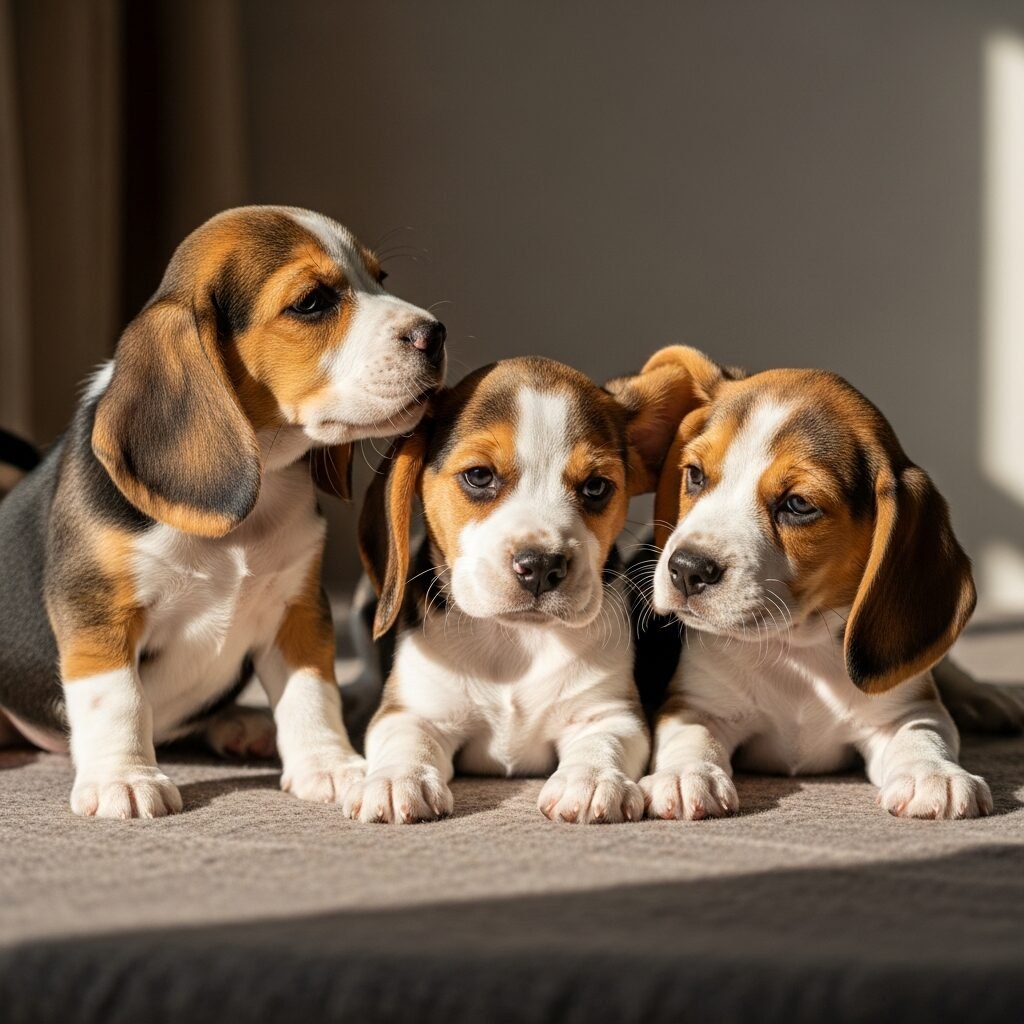
Socialization is the process of safely exposing your puppy to new sights, sounds, people, and other animals. For Beagles, who can sometimes be shy or overly excited, early and positive socialization is incredibly important.
What is Socialization?
It’s about creating positive experiences for your puppy in a variety of environments. This includes meeting different kinds of people (children, adults, people with hats, people with glasses), experiencing different surfaces, hearing various noises (vacuum, traffic, distant sirens), and interacting with vaccinated, friendly dogs.
Why It Matters for Beagles
A well-socialized Beagle puppy is more likely to grow into a confident, calm, and friendly adult dog. Without proper exposure, puppies can become fearful or anxious, leading to behavioral issues later in life. This helps them navigate the world without unnecessary stress.
Safe Socialization Tips
Always ensure interactions are positive and safe.
Puppy classes: These are fantastic for controlled exposure to other puppies and people.
Controlled meet-ups: Arrange playdates with vaccinated, calm adult dogs you know.
New places: Take your puppy to dog-friendly stores or parks (carrying them if they aren’t fully vaccinated) to observe the world around them.
Positive associations: Pair new experiences with treats and praise to create good feelings.
4. Establish a Crate Training Routine
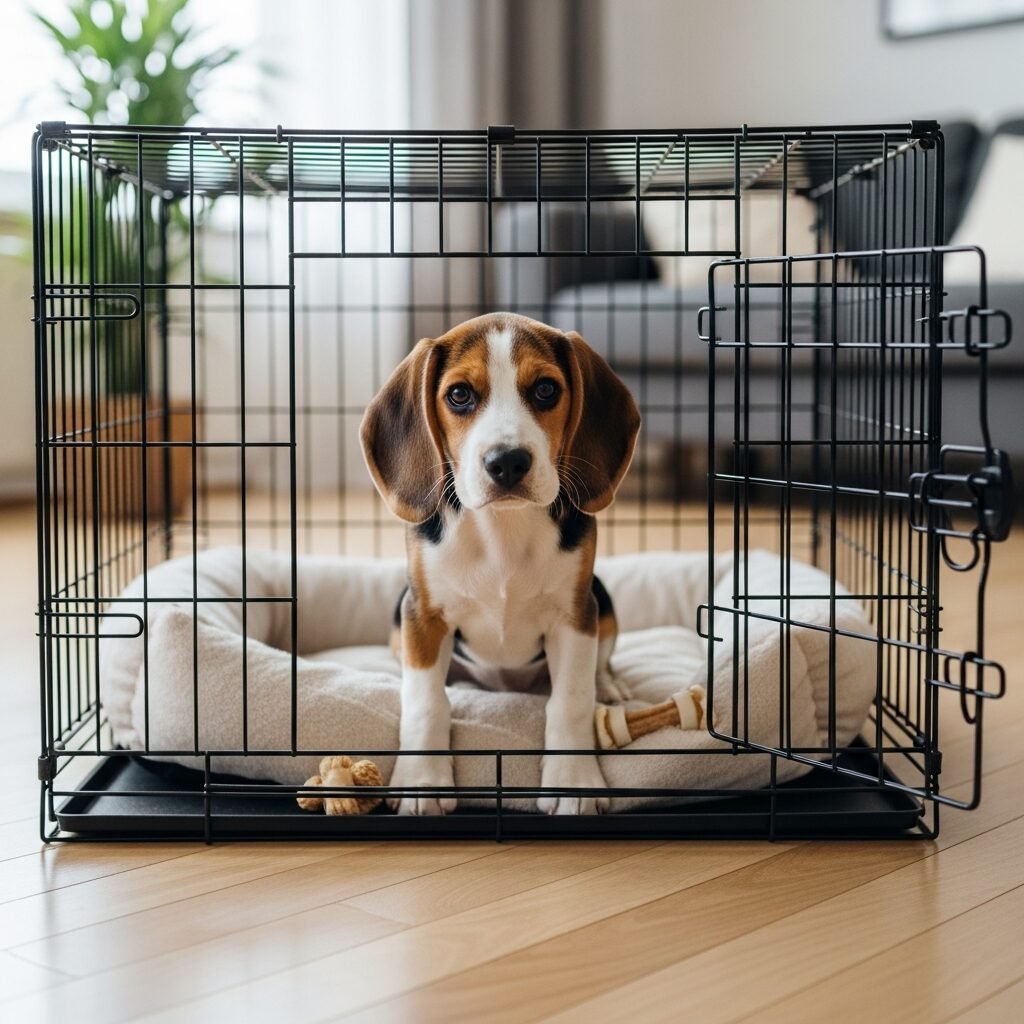
Crate training is a wonderful tool for puppy parents, offering a safe den for your Beagle and assisting with potty training. When introduced correctly, the crate becomes a comforting personal space.
Benefits of Crate Training
A crate can be a secure retreat for your puppy, a safe place to relax without getting into trouble. It also helps with house training by naturally discouraging them from soiling their sleeping area. Furthermore, it makes travel safer and easier, as your Beagle will be comfortable in their carrier.
Making the Crate a Happy Place
The key is to associate the crate with positive experiences.
Proper size: The crate should be just big enough for your puppy to stand up, turn around, and lie down comfortably. If it’s too big, they might use one end as a potty area.
Comfy bedding: Line the crate with a soft blanket or bed.
Positive association: Feed meals in the crate, offer special chew toys only available in the crate, and never use the crate as punishment.
Here are some steps to introduce the crate:
1. Introduce it gently: Leave the crate door open and let your puppy explore it at their own pace. Toss treats inside.
2. Short stays: Once they’re comfortable, ask them to go in, give a treat, and close the door for a few seconds. Gradually increase the time.
3. Nighttime routine: Place the crate next to your bed initially, so your puppy feels close to you. This can ease separation anxiety.
4. Gradual separation: Slowly increase the time your puppy spends alone in the crate, always ensuring they have recently pottied and are tired from play.
5. Prioritize Leash Training and Recall
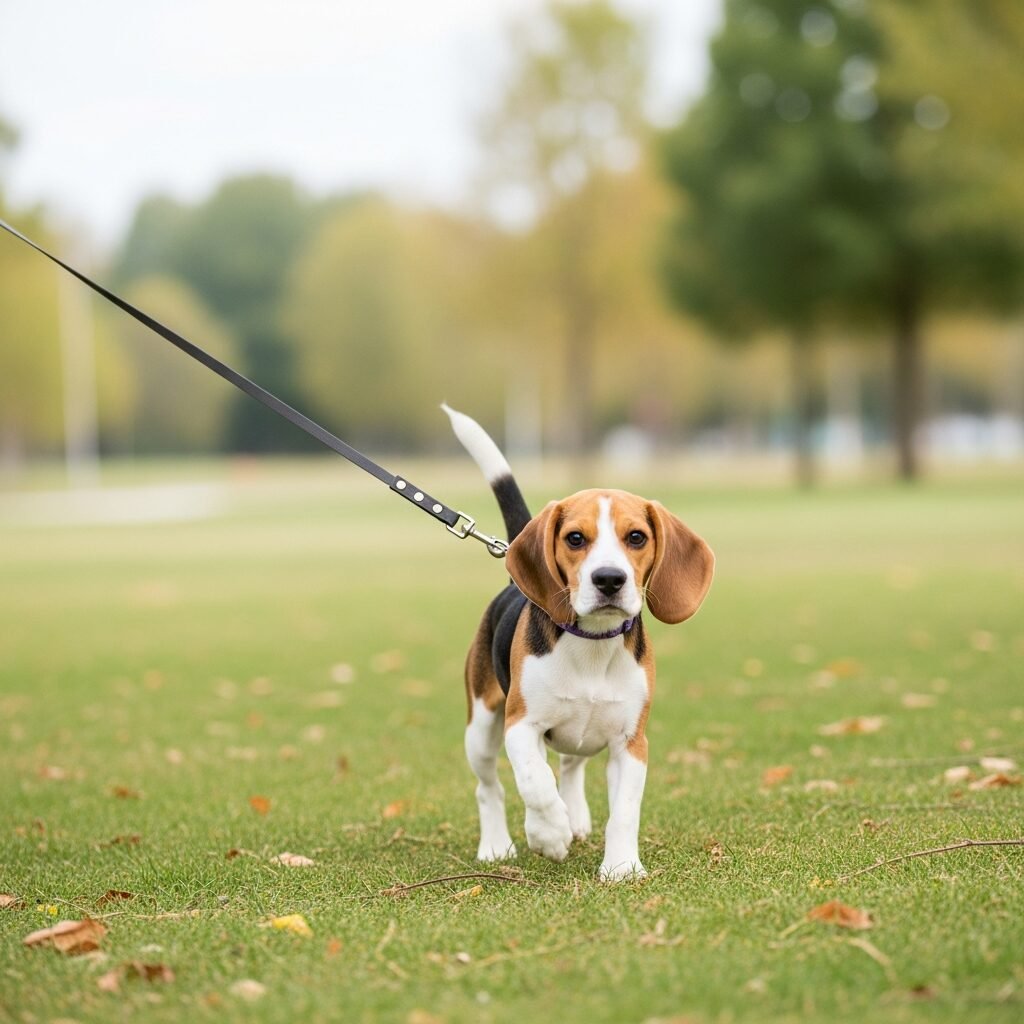
Given their powerful noses and innate desire to follow scents, leash training and a reliable recall command are non-negotiable for Beagle puppies. These skills are vital for their safety and your peace of mind.
The Beagle’s Drive to Roam
A Beagle on a scent trail is almost impossible to distract. Their entire world narrows down to that smell, which can lead them far from home and into dangerous situations like busy roads.
Why a Strong Recall is Vital
A reliable “come” command can literally save your Beagle’s life. It’s the most important safety cue, allowing you to bring them back to you even when their nose is telling them to explore.
The Dangers of Off-Leash in Unsecured Areas
Never let your Beagle puppy off-leash in an unfenced area. Their instinct to chase a scent is stronger than their desire to obey, especially in the early stages of training. Always use a secure harness and leash.
Basic Leash Manners
Start leash training early, even in your living room.
Short sessions: Keep training short and fun to avoid overwhelming your puppy.
Positive reinforcement: Reward them for walking calmly beside you without pulling.
Practice in quiet areas: Begin in your yard or a quiet street before moving to more distracting environments.
Building a Reliable Recall
Building a rock-solid recall takes time and consistent practice.
High-value treats: Use treats that your Beagle absolutely loves, something they wouldn’t get otherwise.
Practice in safe areas: Start in a fenced yard or a long line in a park.
Make it a game: Call your puppy, then run a short distance away. When they reach you, praise them lavishly and give a treat. Make coming to you the most rewarding thing they can do.
6. Provide Proper Nutrition and Feeding
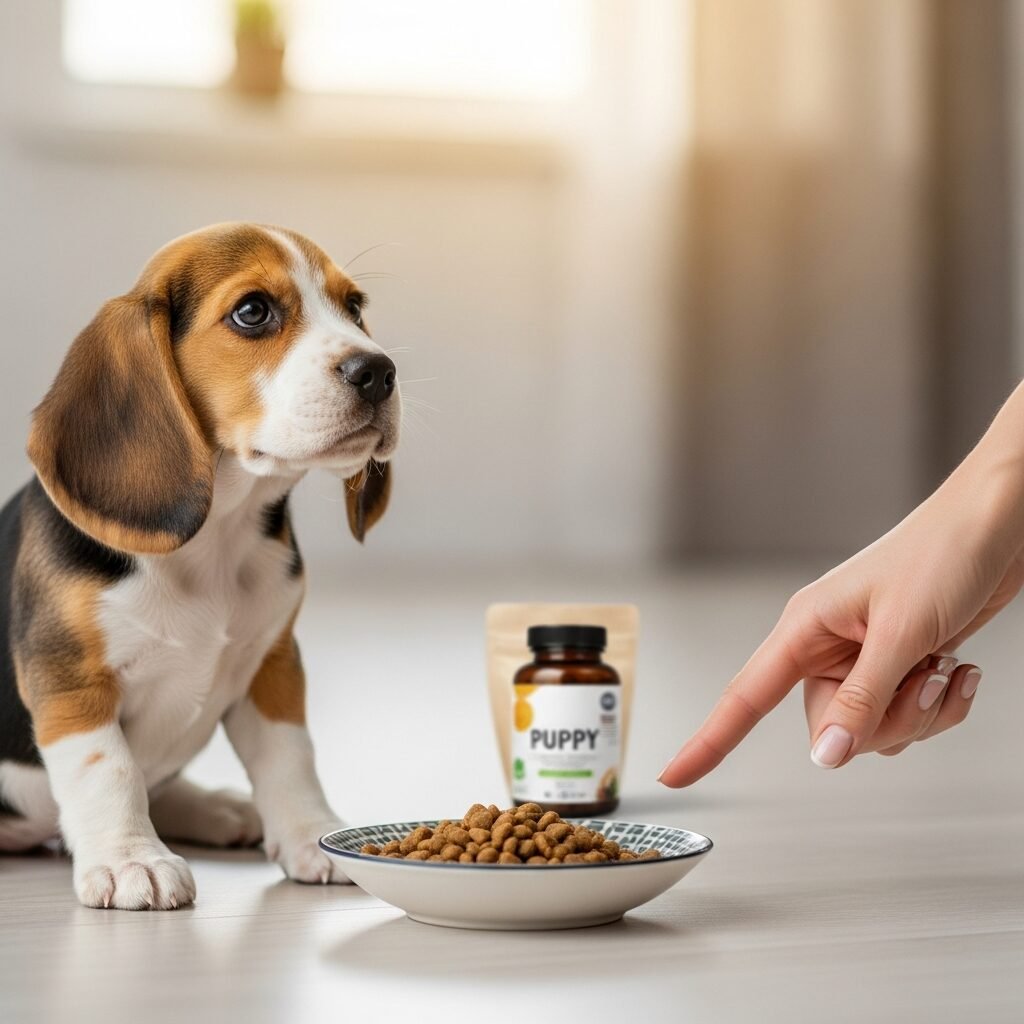
Good nutrition is the foundation of a healthy and happy Beagle puppy. The right food, given in the correct amounts and on a consistent schedule, supports their growth, energy, and overall well-being.
Choosing the Right Puppy Food
It’s essential to select a high-quality puppy food specifically formulated for growing dogs. Look for brands that list real meat as the first ingredient and avoid those with excessive fillers or artificial additives.
Always consult your veterinarian for specific recommendations tailored to your puppy’s individual needs and health. They can guide you on the best type of food and portion sizes.
Establishing a Feeding Schedule
Puppies generally need to eat more frequently than adult dogs. Regular meal times help with digestion and also aid in potty training by making bowel movements more predictable.
Avoid free-feeding, where food is left out all day. This can lead to overeating, make potty training harder, and allow your puppy to become a picky eater.
| Puppy Age | Meals Per Day | Notes |
| :—————- | :———— | :——————————————— |
| 8-12 Weeks | 3-4 meals | Divide daily portion into small, frequent meals |
| 3-6 Months | 3 meals | Continue regular schedule |
| 6-12 Months | 2-3 meals | Transition towards adult feeding schedule |
Remember that the amount of food depends on the specific brand, your puppy’s age, weight, and activity level. Always follow the guidelines on the food packaging and adjust as needed, or as advised by your vet.
Water is Essential
Always ensure your Beagle puppy has constant access to fresh, clean water. Hydration is vital for all bodily functions, and especially for active, growing puppies.
7. Manage Their Energy and Chewing Needs
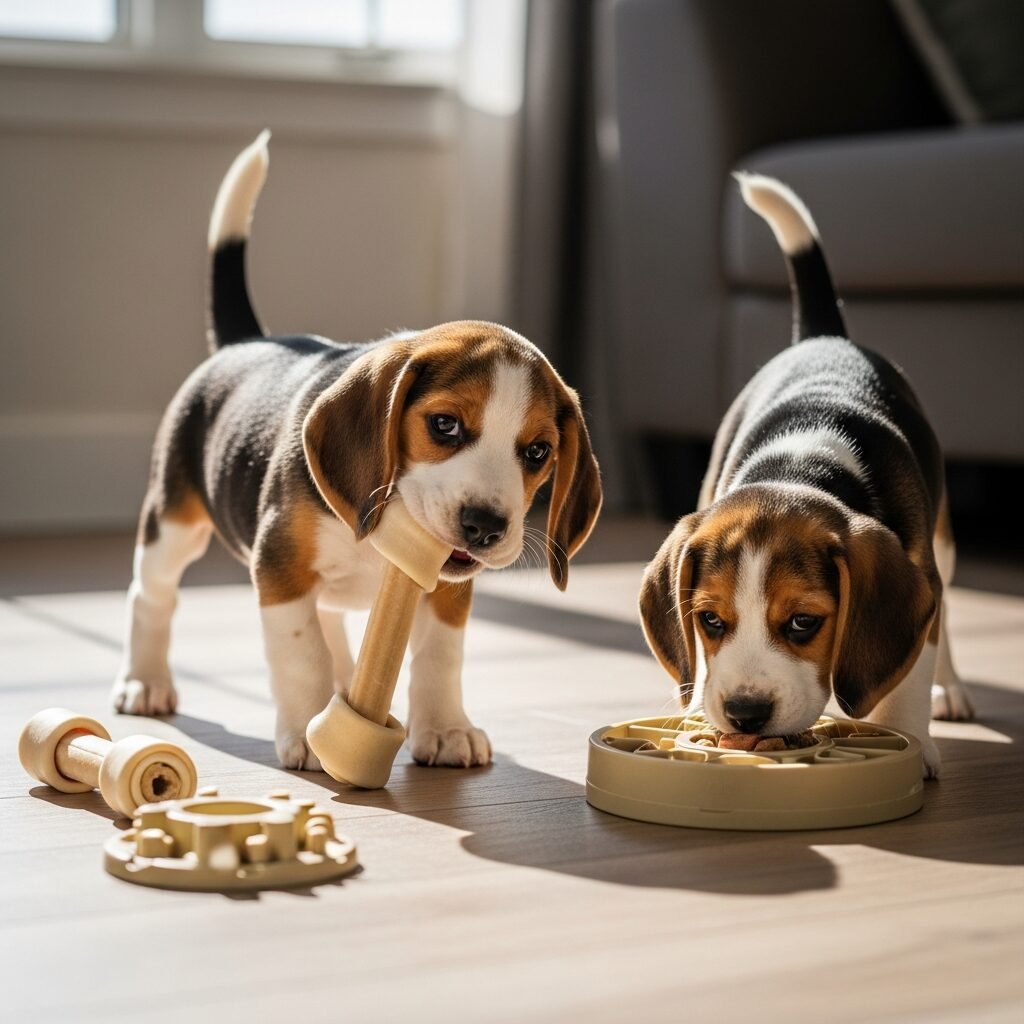
Beagle puppies are energetic and curious, which means they need appropriate outlets for their physical and mental energy. They also have a strong urge to chew, especially during their teething phase.
Beagles and Exercise
Beagles require daily exercise to stay healthy and prevent boredom. This isn’t just about physical activity but also about mental stimulation.
Daily walks: Aim for at least two walks a day, gradually increasing duration as your puppy grows. Let them sniff and explore the world on their leash.
Play sessions: Engage them in active play like fetch or tug-of-war in a secure area.
Mental stimulation: Puzzle toys, training sessions, and scent games are excellent ways to tire out their minds. A tired Beagle is a well-behaved Beagle.
Understanding Puppy Chewing
Puppies chew for various reasons: to explore their environment, to relieve discomfort from teething, and simply out of boredom or stress. It’s a natural and important puppy behavior.
Providing Appropriate Chew Toys
Redirecting their chewing to appropriate items is crucial.
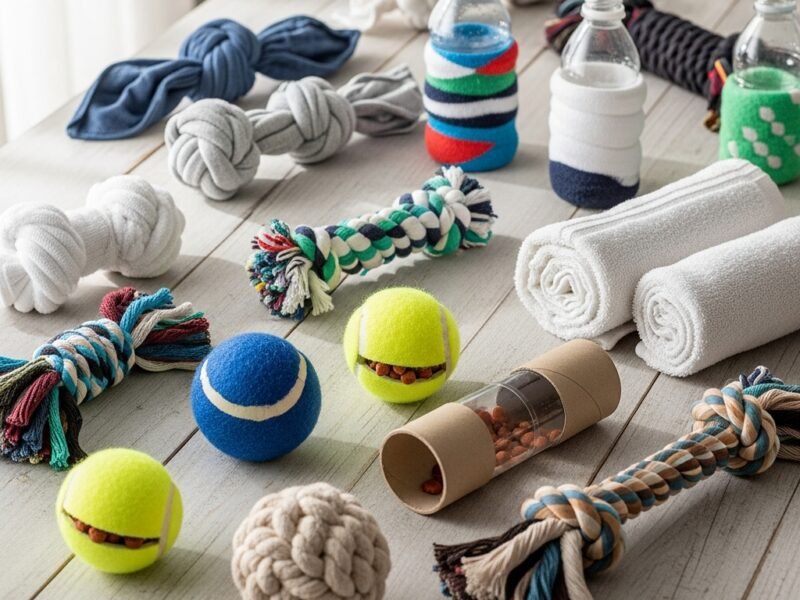
Variety is key: Offer a range of textures and types of chew toys, such as rubber toys, dental chews, and treat-dispensing toys.
Durability and safety: Choose toys that are safe, non-toxic, and durable enough to withstand their strong jaws. Avoid anything that can be easily broken into small, swallowable pieces.
Redirecting: If you catch your Beagle puppy chewing on something inappropriate, calmly redirect them to an approved chew toy and praise them when they use it. Never scold them for natural puppy behavior.